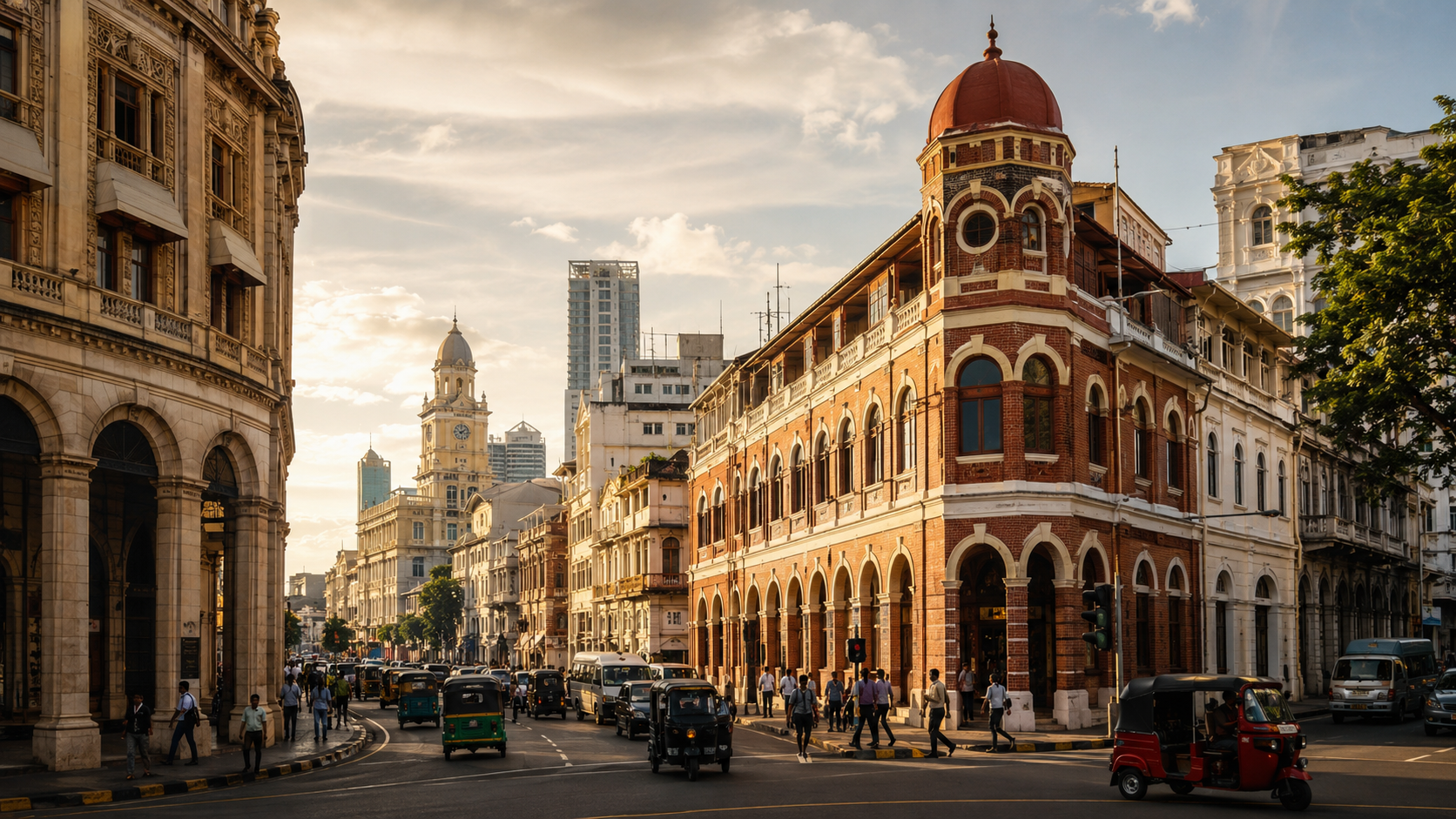
Introduction: Where the Ocean Meets Old Ceylon
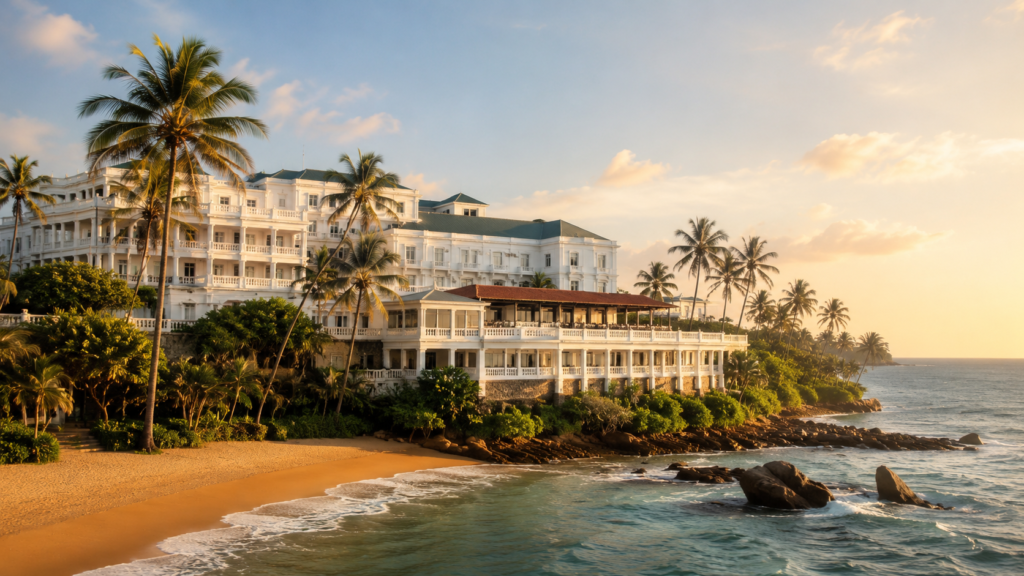
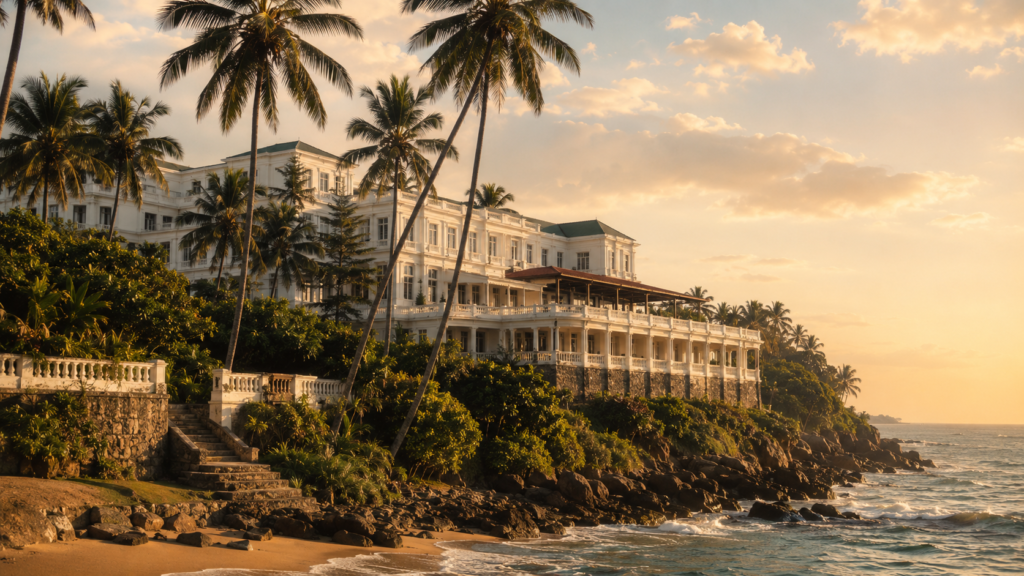
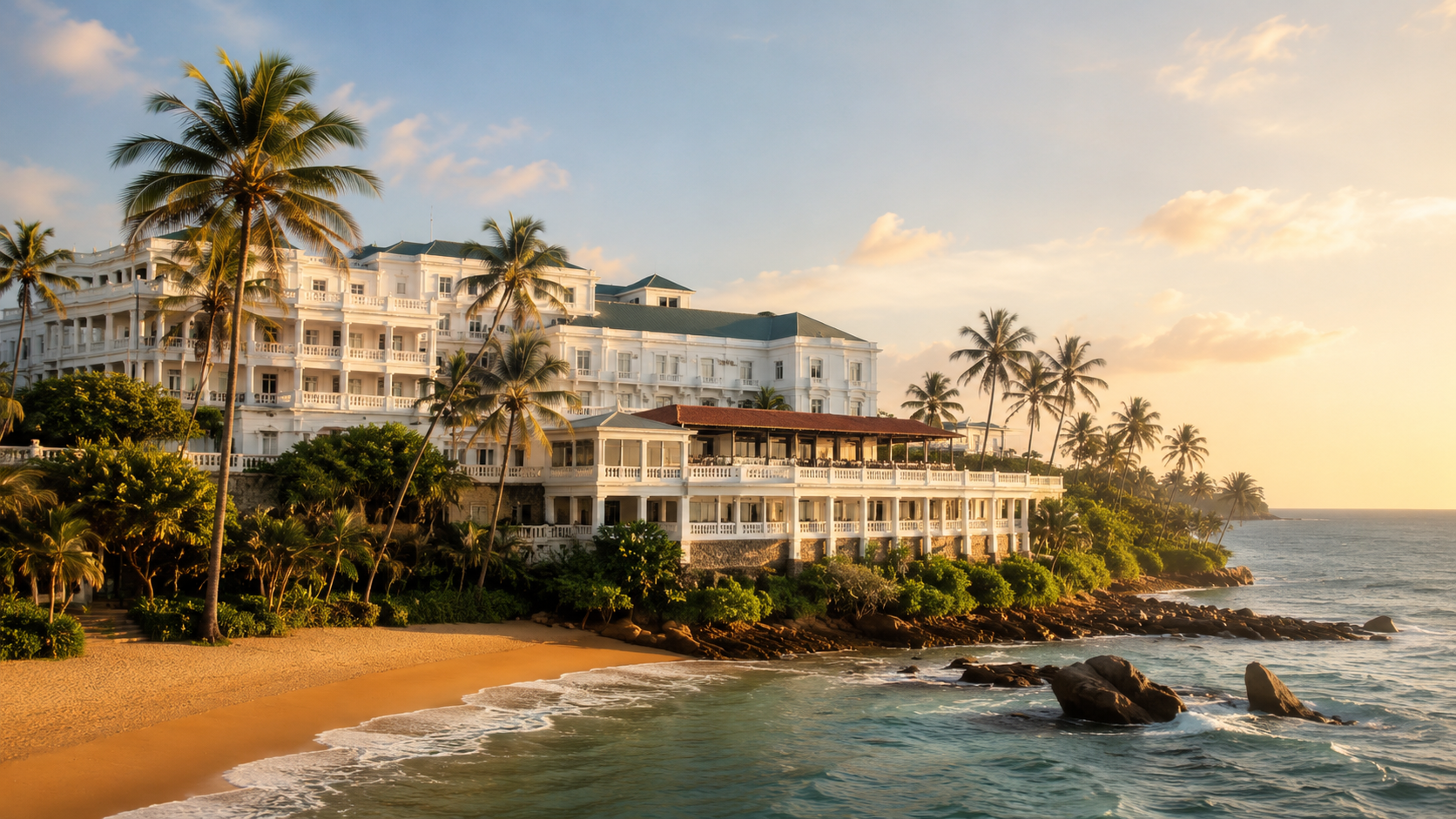
Few hotels in Sri Lanka carry history as beautifully as Mount Lavinia Hotel. Standing above the sea with its white colonial façade, sweeping verandas and endless view of the Indian Ocean, it is more than a hotel. It is one of the island’s most romantic colonial landmarks — a place where governors, travellers, soldiers, filmmakers, honeymooners and generations of Sri Lankans have all left their stories behind.
Built originally as Mount Lavinia House by Sir Thomas Maitland, the British Governor of Ceylon from 1805 to 1811, the property later became one of Sri Lanka’s most recognisable heritage hotels. Its history is closely tied to the famous legend of Maitland and Lovina Aponsuwa, the local dancer whose name is believed to have inspired “Mount Lavinia”.
Key points:
- One of Sri Lanka’s most iconic colonial-era hotels
- Originally connected to British Governor Sir Thomas Maitland
- Famous for its sea-facing location and romantic legend
- A major heritage landmark near Colombo
A Mansion Built Away from Colombo
During the early British period, Colombo Fort was the centre of administration, trade and power. But for Governor Maitland, the crowded colonial capital was not enough. South of Colombo, near the coastal village of Galkissa, he found a place that offered something different — sea breeze, open skies and a dramatic headland overlooking the ocean.
Here, he built a private residence that would later become Mount Lavinia Hotel. The location was perfect for a governor who wanted distance from the formal world of official Colombo, but not so far that he was cut off from power. The mansion by the sea became a retreat, a residence and eventually, a symbol of colonial elegance.
Key points:
- Located near the old village of Galkissa
- Built as a coastal residence outside Colombo
- Designed as a private retreat rather than a city building
- The sea-facing setting became part of its identity
The Legend of Lovina
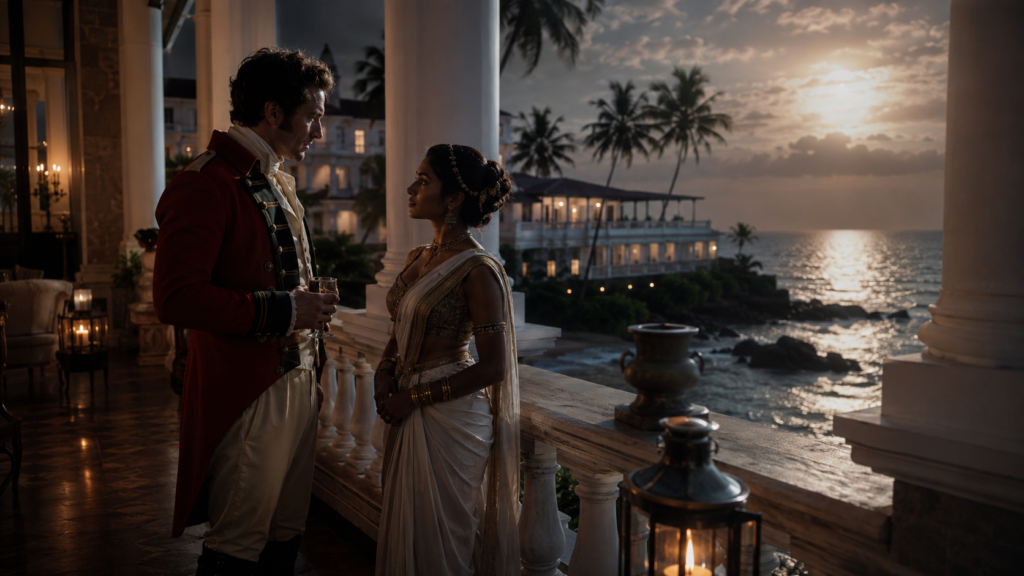
No story about Mount Lavinia Hotel is complete without Lovina. According to the hotel’s own historical account, Sir Thomas Maitland’s story is linked to a local dancer named Lovina Aponsuwa. Their romance is treated today as part history, part legend, and part old Ceylon folklore.
The tale says that Maitland became enchanted by Lovina and that their meetings had to be kept away from the strict eyes of colonial society. Over time, the romance became woven into the identity of the mansion. Whether every detail can be historically proven or not, the story gave Mount Lavinia something rare — emotional memory.
It is this legend that separates Mount Lavinia Hotel from many other colonial buildings. It is not remembered only for power, architecture or empire. It is remembered for longing, secrecy and the idea of a love story carried by the sea breeze.
Key points:
- Lovina Aponsuwa is central to the hotel’s legend
- The romance is part of Mount Lavinia’s lasting appeal
- The name “Mount Lavinia” is popularly linked to Lovina
- The story adds a human layer to colonial history
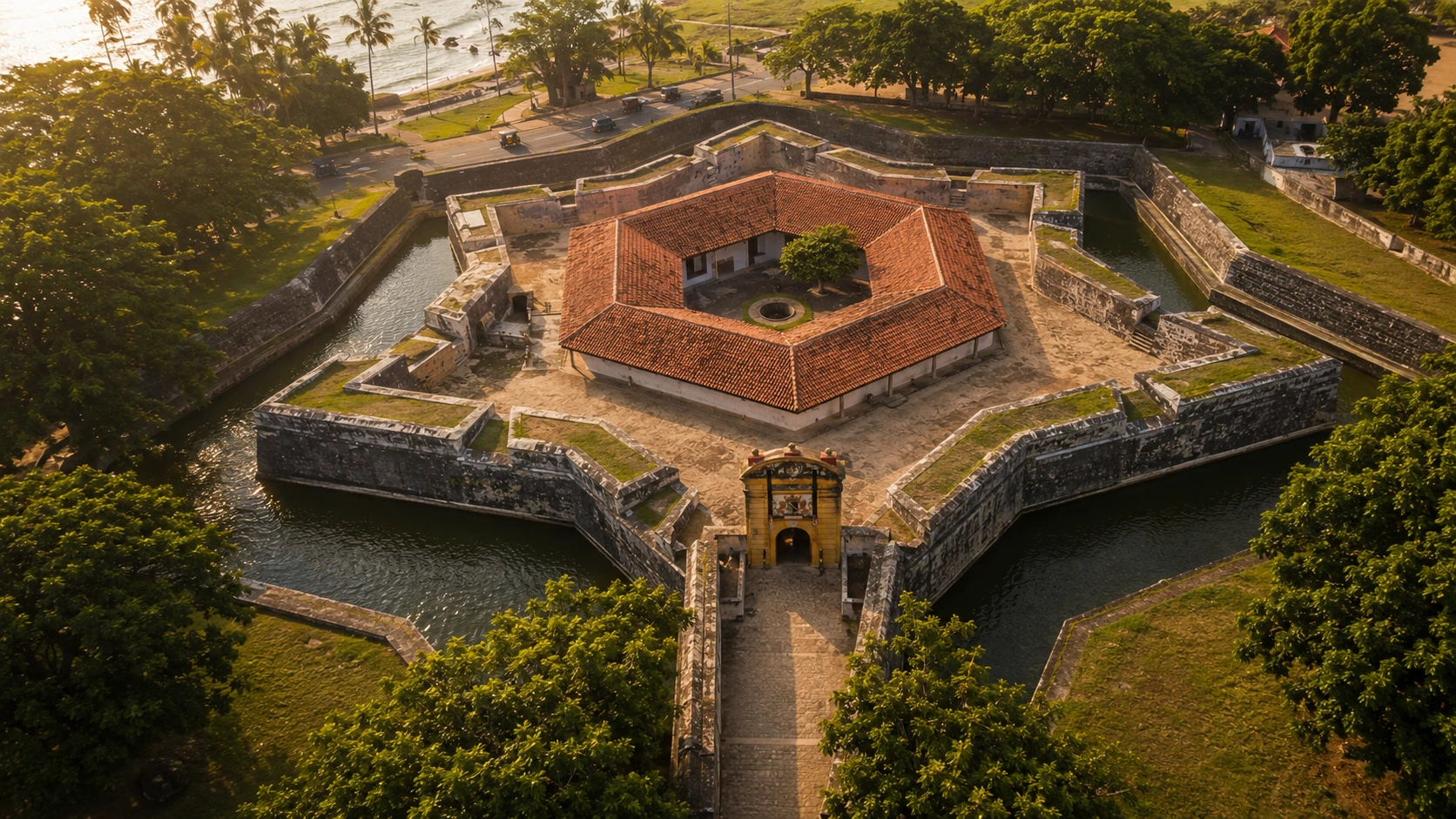
Click on here “Matara Star Fort: Sri Lanka’s Most Unusual Colonial Fortress”
Colonial Architecture with a Sea View
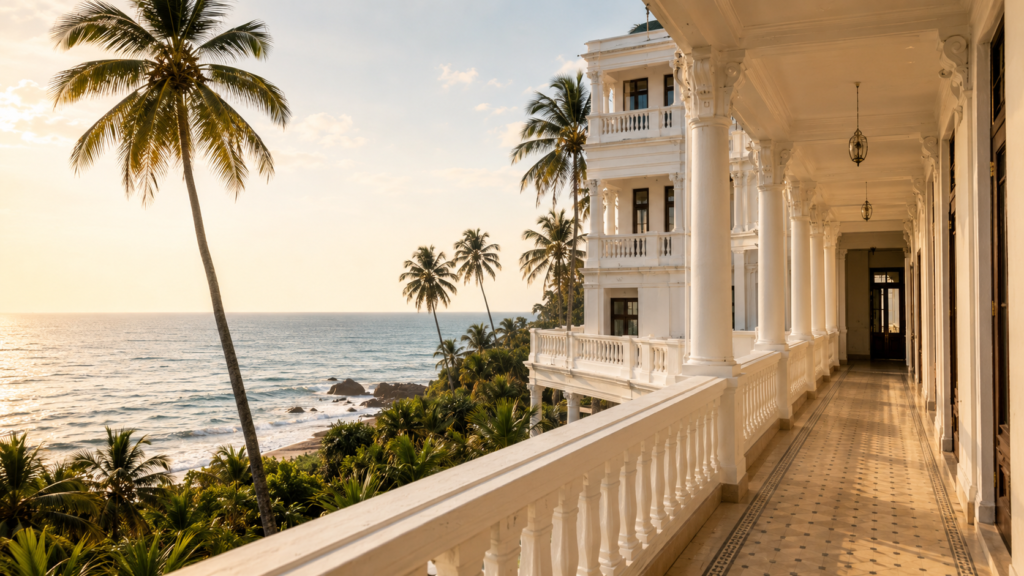
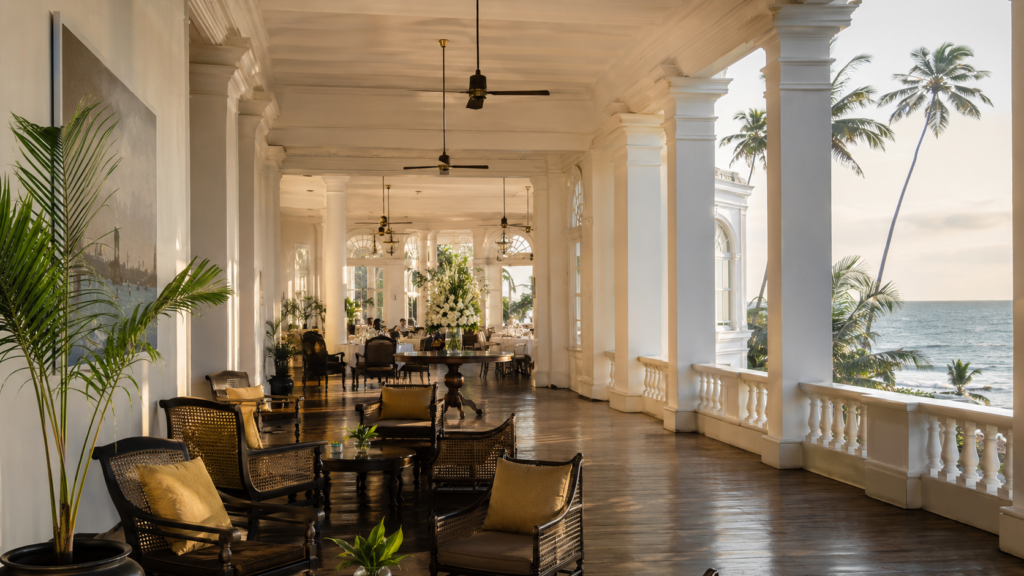
Mount Lavinia Hotel’s beauty lies in its balance between grandeur and calm. Unlike some colonial buildings that feel heavy and formal, this hotel feels open. Its long corridors, white walls, high ceilings and broad terraces are made for the tropics. The sea is not just a background feature — it is part of the building’s personality.
The architecture reflects the practical intelligence of colonial tropical design. Large windows, shaded verandas and open spaces helped manage heat while creating a sense of elegance. Even today, when visitors walk through the property, the building feels less like a museum and more like a living mansion.
From the entrance to the sea-facing areas, the hotel still carries the old-world feeling of a governor’s residence. It is polished but not artificial. The charm comes from age, atmosphere and memory.
Key points:
- Strong colonial architectural character
- Wide verandas and open sea-facing spaces
- Tropical design suited to Sri Lanka’s climate
- A living heritage property rather than a static monument
From Governor’s Residence to Heritage Hotel
The transformation of Mount Lavinia from a private colonial residence into a hotel is part of Sri Lanka’s wider tourism story. Buildings once reserved for officials and colonial elites gradually became places of hospitality, leisure and public memory.
Mount Lavinia Hotel describes itself as having a history of more than 200 years, and that long life is visible in the way the property has adapted across different eras. What began as a governor’s mansion later became a landmark destination for local and international travellers.
Today, it is not only a place to stay. It is a place people visit for weddings, Sunday lunches, sea views, photographs, family gatherings and nostalgic experiences. For many Sri Lankans, Mount Lavinia Hotel is tied not just to colonial history, but to personal memories.
Key points:
- Evolved from private residence to public hotel
- Part of Sri Lanka’s hospitality heritage
- Still popular for weddings and special occasions
- Carries both national history and personal nostalgia
The Beach Below the Mansion
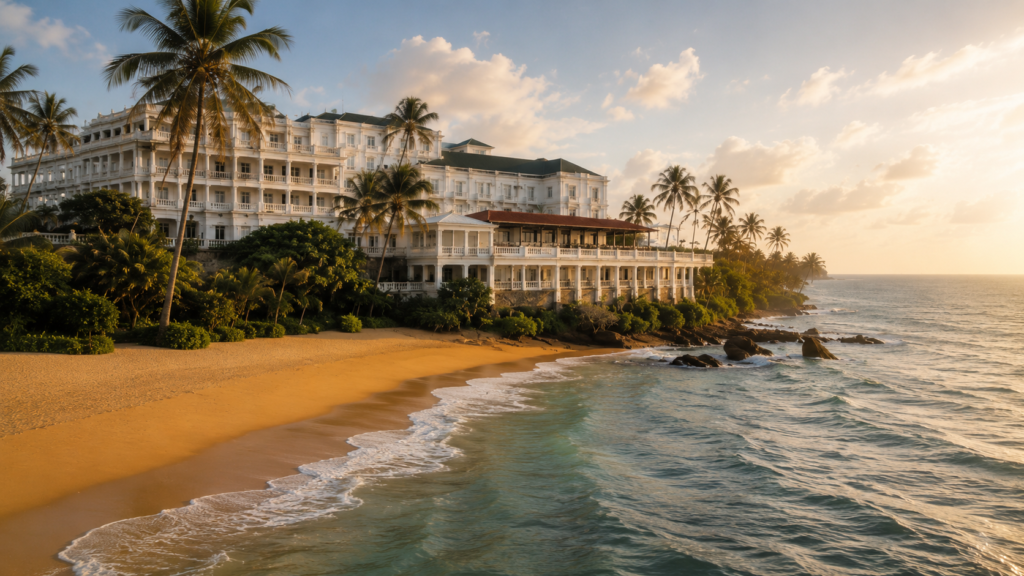
One of the hotel’s greatest strengths is its relationship with the beach. Mount Lavinia’s coastline has always had a special atmosphere — close to Colombo, yet more relaxed than the city. The hotel sits above this coastal stretch almost like a watchful old mansion looking over the waves.
The beach gives the hotel a softness that many colonial landmarks do not have. You can imagine governors looking out across the sea, travellers arriving for rest, couples walking near sunset and families gathering for long weekend meals. The ocean keeps the building from feeling frozen in the past.
This is why Mount Lavinia Hotel still works so well as a travel experience. Visitors do not come only to see history. They come to feel a mood — sea air, old walls, tropical light and the romance of a slower Ceylon.
Key points:
- Strong connection to Mount Lavinia beach
- Offers one of the most atmospheric coastal views near Colombo
- Blends heritage with leisure
- Ideal for sunset, photography and relaxed travel experiences
Why Mount Lavinia Still Matters
Sri Lanka has many colonial buildings, but not all of them remain emotionally alive. Mount Lavinia Hotel matters because it has never become merely a forgotten relic. It continues to function, welcome people and create new memories while preserving its older character.
For travellers interested in colonial Ceylon, the hotel offers a rare combination: architecture, romance, sea views, legend and accessibility. It is close enough to Colombo for a short visit, yet atmospheric enough to feel like a journey into another century.
It also reminds us that heritage is not only about stone and timber. Heritage is about stories. A governor’s retreat, a dancer’s legend, a seaside mansion, a colonial hotel, a wedding venue, a family lunch spot — Mount Lavinia Hotel has been all of these things.
Key points:
- One of the easiest colonial landmarks to visit from Colombo
- Combines history, architecture and coastal beauty
- Still active as a modern hospitality destination
- Important for Sri Lanka’s colonial and tourism storytelling
A Beautiful Ending: The Mansion That Still Listens to the Sea
Mount Lavinia Hotel is not just a building from the British period. It is a place where history has softened into atmosphere. The strict world of governors and empire has faded, but the mansion remains — listening to the sea, catching the evening light and carrying the legend of Lovina through another generation.
To walk through Mount Lavinia Hotel is to feel old Ceylon in a very particular way. Not as a textbook. Not as a museum. But as a living coastal story filled with beauty, longing and quiet grandeur.
For anyone exploring Sri Lanka’s colonial past, Mount Lavinia Hotel is more than a stop near Colombo. It is one of the island’s most evocative reminders that some places do not simply survive history — they become history.