Sri Lanka’s Quaint Getaways by the Beach: From Weligama Rest House to Negombo
Introduction: The Charm of the Old Coast
Sri Lanka’s coastline is more than turquoise waves and golden sand—it’s a living story of people, heritage, and slow, sunlit days that invite you to pause. Amid modern resorts and bustling beach clubs, a quieter kind of beauty still thrives. You find it in the creak of a wooden window, the scent of sea breeze through old corridors, and the soft rhythm of waves echoing against weathered walls.
From Weligama to Negombo, the island’s old rest houses and coastal retreats continue to capture a nostalgic spirit—a glimpse of Ceylon’s gentler past. They are not just places to stay; they are places to feel.
Let’s take a slow coastal journey through some of Sri Lanka’s most quaint beach getaways—where heritage meets horizon.
Weligama Rest House: History by the Bay
Set against Weligama’s sweeping bay, this rest house has been a silent witness to centuries of seafarers, traders, and travelers. Long before Weligama became a surf town, the rest house welcomed explorers seeking serenity on the southern coast.
Built during the British era, it carries the architecture of its time—arched verandahs, old Ceylon tile roofs, and a simplicity that feels deeply grounding. Morning sunlight filters through the palm trees, the ocean glimmers a few steps away, and breakfast arrives with the scent of fresh coconut sambol and sea salt.
You can still feel the nostalgia of an earlier age—old photos on the wall, a guestbook with faded signatures, and perhaps a kind caretaker who’s been there for decades.
Why visit:
- Peaceful beachfront views with minimal crowds
- Authentic southern hospitality
- Ideal for exploring Weligama’s local markets and stilt fishermen nearby
Weligama Rest House embodies something few hotels can offer: history you can touch and quiet you can truly hear.
Click on here “SRI LANKAN CUISINE AND CULTURE: A FEAST FOR THE SOUL”
Mirissa: Modern Ease with Old Soul
Just a few kilometers away, Mirissa blends the new and old with natural grace. Once a sleepy fishing village, it has grown into one of the South’s most beloved beaches. But step away from the main strip, and you’ll find charming boutique villas and restored guesthouses that hold onto their coastal simplicity.
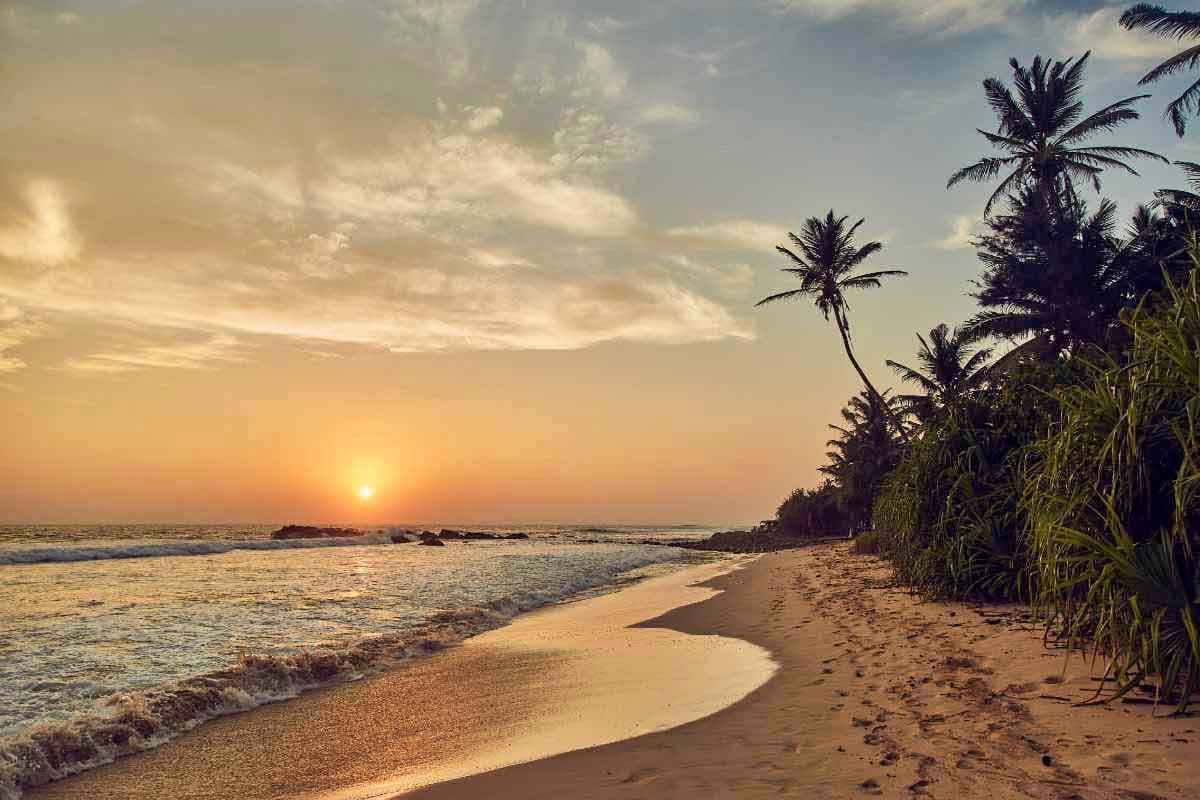
Here, mornings start with the sound of fishermen pulling their nets, and evenings end with soft music from a beach café under string lights. You can watch whales offshore, cycle through the village lanes, or sip a cool king coconut as the sunset paints the horizon.
Where to stay:
Seek out smaller stays—converted colonial villas, eco-cabins, or family-run inns. They offer personal warmth that large hotels often miss.
Nearby gems:
- Parrot Rock for panoramic views
- The hidden Secret Beach
- Mirissa fisheries harbor for a glimpse of local life
Tangalle: The Quiet Escape
Further east, Tangalle feels like a secret whispered among travelers. It’s the place you go to when you’ve had enough of crowds and crave stillness. Its rest houses and boutique stays often sit on untouched stretches of beach, where you might walk a kilometer without seeing another soul.
The Tangalle Rest House—perched above a quiet bay—retains the graceful austerity of its colonial design. Wide verandahs open to the ocean breeze. The dining hall, with its high ceilings and wooden beams, serves simple rice and curry with a view that could make time stop.
Tangalle’s charm lies in its lack of urgency. You read, swim, nap, and repeat—often with the soundtrack of monsoon waves and rustling coconut palms.
Why visit:
- For serenity and authentic southern flavors
- For couples and writers seeking creative solitude
- For easy access to Rekawa Turtle Beach and Mulkirigala Rock Temple
If Weligama tells the story of heritage by the bay, Tangalle hums a lullaby of peace and simplicity.
Bentota: Vintage Glamour on the West Coast
Bentota was one of the first coastal towns to embrace tourism after independence, and it still retains that touch of old-world glamour. With its palm-fringed lagoons and serene beaches, it became a playground for architecture, especially the works of Geoffrey Bawa, whose minimalist tropical modernism still inspires.
While luxury resorts line the coast, smaller guesthouses and mid-century villas evoke the 1960s Ceylon holiday vibe—quiet, refined, and nostalgic. Many were once private homes turned into seaside sanctuaries.
What to do:
- Take a boat safari on the Bentota River
- Visit the Brief Garden (Bevis Bawa’s artistic estate).
- Explore the Galapata Vihara temple nearby
Why visit:
Because Bentota holds balance—it’s developed yet dignified, tourist-friendly yet timeless.
Mount Lavinia: Colombo’s Vintage Seaside
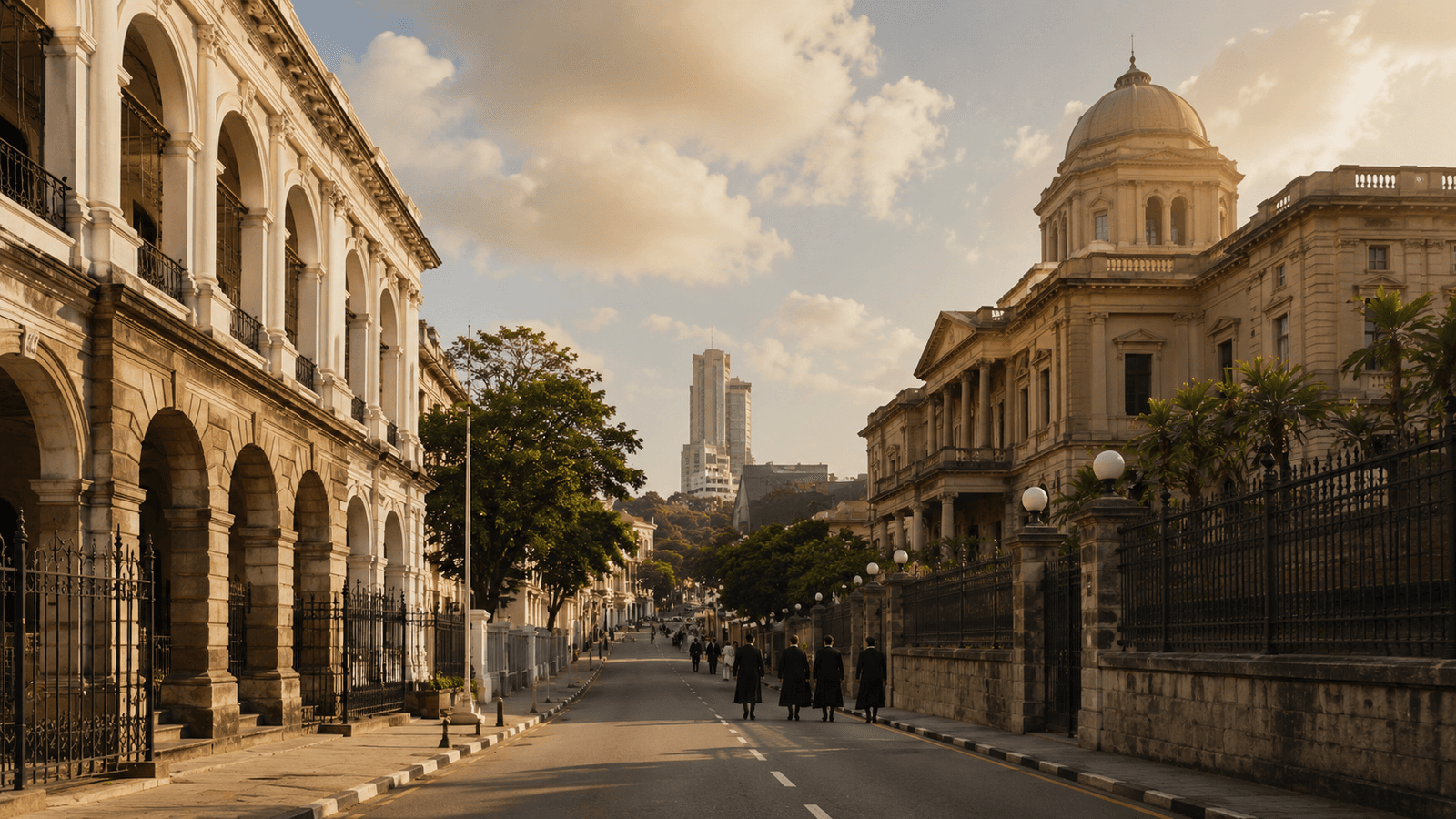
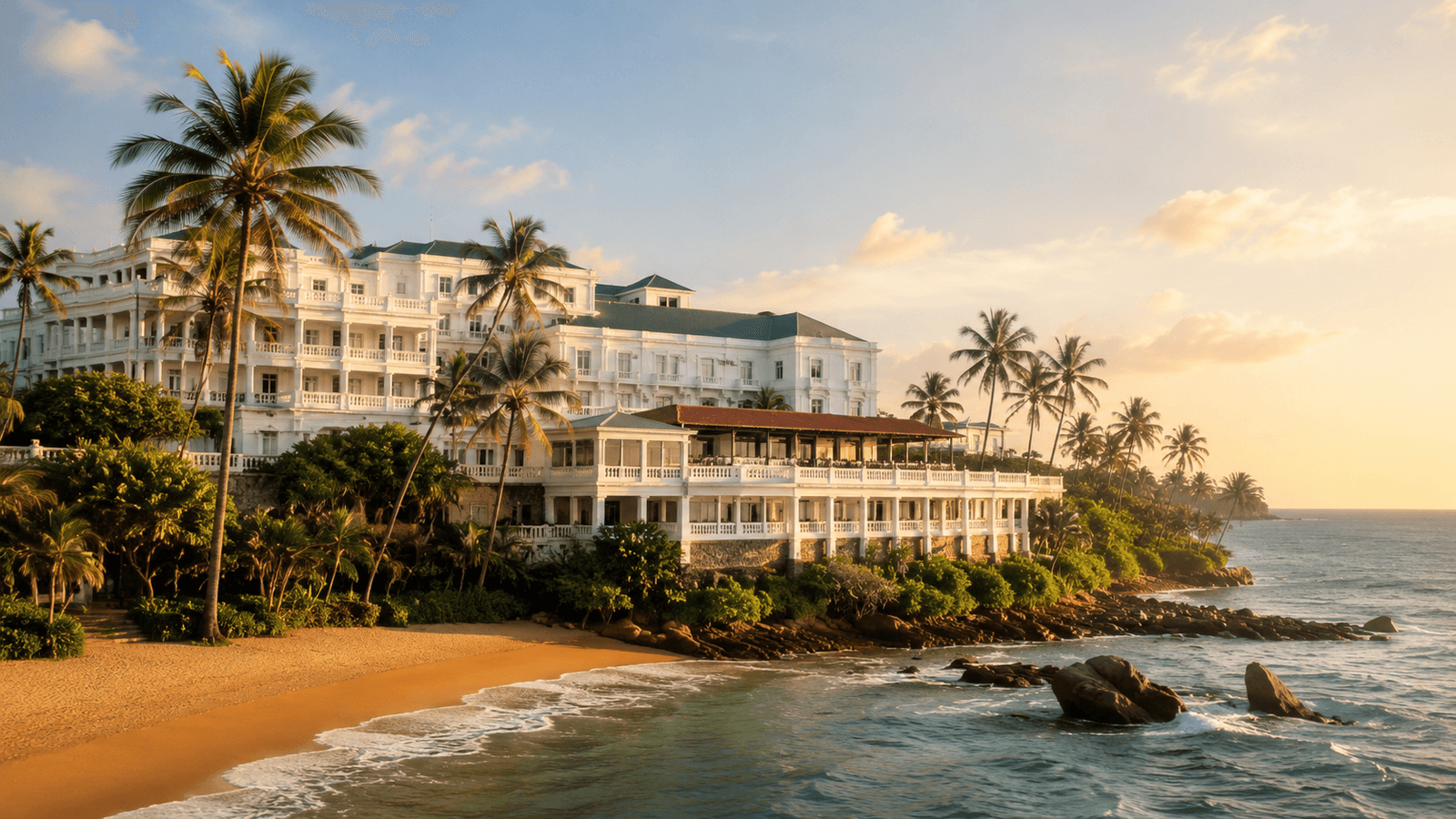
Closer to the capital, Mount Lavinia carries colonial echoes that refuse to fade. The Mount Lavinia Hotel—once the governor’s mansion—is itself a piece of Sri Lankan legend, said to have been inspired by a forbidden love story between a British governor and a local dancer, Lavinia.
With its sweeping terrace, colonial furniture, and grand staircases, the hotel remains one of the most atmospheric coastal stays on the island. Even if you don’t stay overnight, having high tea on the terrace while watching the sunset over Colombo’s skyline feels like stepping into a black-and-white film.
Beyond the hotel, Mount Lavinia Beach has a lively side too—local food stalls, small cafés, and families gathering at dusk. It’s the perfect mix of nostalgia and everyday Sri Lankan life.
Why visit:
- Historical charm with easy city access
- Great for evening strolls and beach dining
- A perfect weekend escape for Colombo residents
Negombo: Gateway and Goodbye
Negombo, often the first or last stop for travelers due to its proximity to the airport, deserves more than a passing glance. Its Dutch canals, old churches, and fishing villages tell stories that go back centuries.
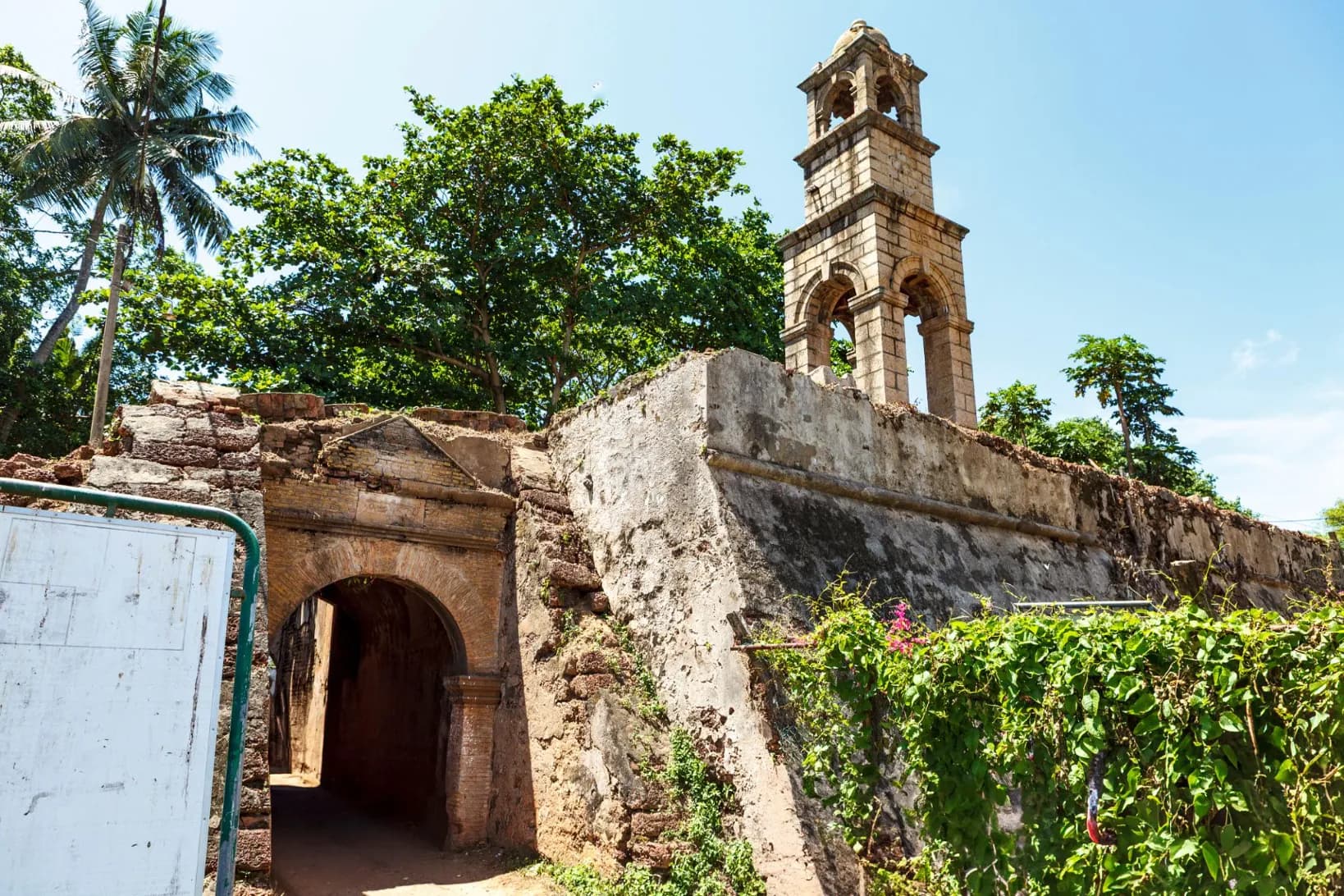
Once a colonial trading post, Negombo still holds remnants of the Portuguese and Dutch eras—canal bridges, old forts, and heritage houses. Along the coast, you’ll find cozy rest houses and boutique hotels offering panoramic sunset views over the Indian Ocean.
Negombo Rest House, one of the oldest in the region, continues to welcome travelers with its familiar charm—simple rooms, kind staff, and a sea breeze that smells like freedom.
Why visit:
- Ideal first or last stop for travelers exploring Sri Lanka
- Great seafood markets and lagoon tours
- Cultural blend of Catholic and local traditions
At dusk, as the fishing boats return, Negombo feels like a living postcard—one where faith, sea, and history meet under a crimson sky.
The Rest House Legacy: Staying Connected to the Past
Sri Lanka’s rest houses are more than accommodation—they are fragments of the island’s colonial and post-colonial identity. Established during the British period to host officials traveling across the country, these rest houses became gathering points for community, diplomacy, and storytelling.
Even today, many retain their original architecture and unhurried rhythm. Their beauty lies not in luxury, but in familiarity—the old fan humming softly, the waiter calling you “sir” or “madam,” the timeless ritual of afternoon tea by the sea.
In an age of fast travel and digital overload, these places remind us what travel once meant: to slow down, to notice, and to belong.
Final Thoughts: The Sea Never Ages
From Weligama’s historic calm to Negombo’s bustling charm, Sri Lanka’s coast tells a single story in many accents. Each seaside rest house, each fishing cove, and each sunset offers its own interpretation of peace.
To travel this route is to trace the pulse of the island itself—warm, patient, and deeply human.
So, when you plan your next weekend escape, skip the five-star brochure and follow the salt and wind instead. You might find that the most beautiful places are not the ones newly built, but the ones that have simply endured—with grace, simplicity, and the endless sound of waves.
Click on here “CHASING THE WILD HEART OF SRI LANKA: A TRAVELER’S GUIDE TO UNTAMED ADVENTURES AND CULTURAL RICHES”