The colonial connection to Sri Lanka’s wild life | When you travel through Sri Lanka’s national parks, misty highlands, or coastal lagoons, you are not just seeing landscapes—you are meeting the pulse of an island that has remained wild at heart for millennia. Sri Lanka’s biodiversity is one of the richest in the world, with ecosystems ranging from dry-zone jungles to montane cloud forests. But hidden beneath its natural splendor is a story that intertwines ancient kings, colonial explorers, and modern conservationists—a journey of how nature and history shaped each other on this small yet extraordinary island.
The Island of Life
Sri Lanka’s wildlife is remarkable not just in its diversity but in its intimacy. The island shelters over 125 species of mammals, 400+ species of birds, and countless reptiles, amphibians, and insects—many found nowhere else on Earth. Elephants wander freely across dry plains, leopards prowl through the golden grasslands of Yala, and blue whales glide through the deep seas off Mirissa.
This biodiversity comes from Sri Lanka’s unique position—a tropical island separated from India by the narrow Palk Strait yet close enough to share ancient evolutionary ties. Scientists call it a “biodiversity hotspot,” and it is easy to see why: within a few hours’ drive, one can move from coastal wetlands to mist-shrouded tea country, from arid scrub to rainforests echoing with birdsong.
Before the Colonials: Nature as a Sacred Trust
Long before the British, Dutch, or Portuguese set foot on the island, Sri Lanka’s ancient rulers understood the balance between man and nature. The early hydraulic civilization of Anuradhapura, dating back over 2,000 years, depended on complex irrigation systems—vast tanks and canals that supported both people and wildlife. Kings like Parakramabahu I declared that “not one drop of water should flow to the sea without serving man or beast,” revealing a deep ecological awareness long before the concept of conservation existed.
Forests were seen as sacred. Buddhist teachings encouraged compassion for all living beings, and many temple lands acted as de facto wildlife sanctuaries. Nature, for ancient Sri Lankans, was not something to conquer but to coexist with—a philosophy that still resonates in rural communities today.
Click on here “THE EARLY BRITISH AND SCOTTISH PLANTERS OF SRI LANKA — AND THE HERITAGE THEY LEFT BEHIND”
Colonial Encounters: The Wild Becomes a Trophy
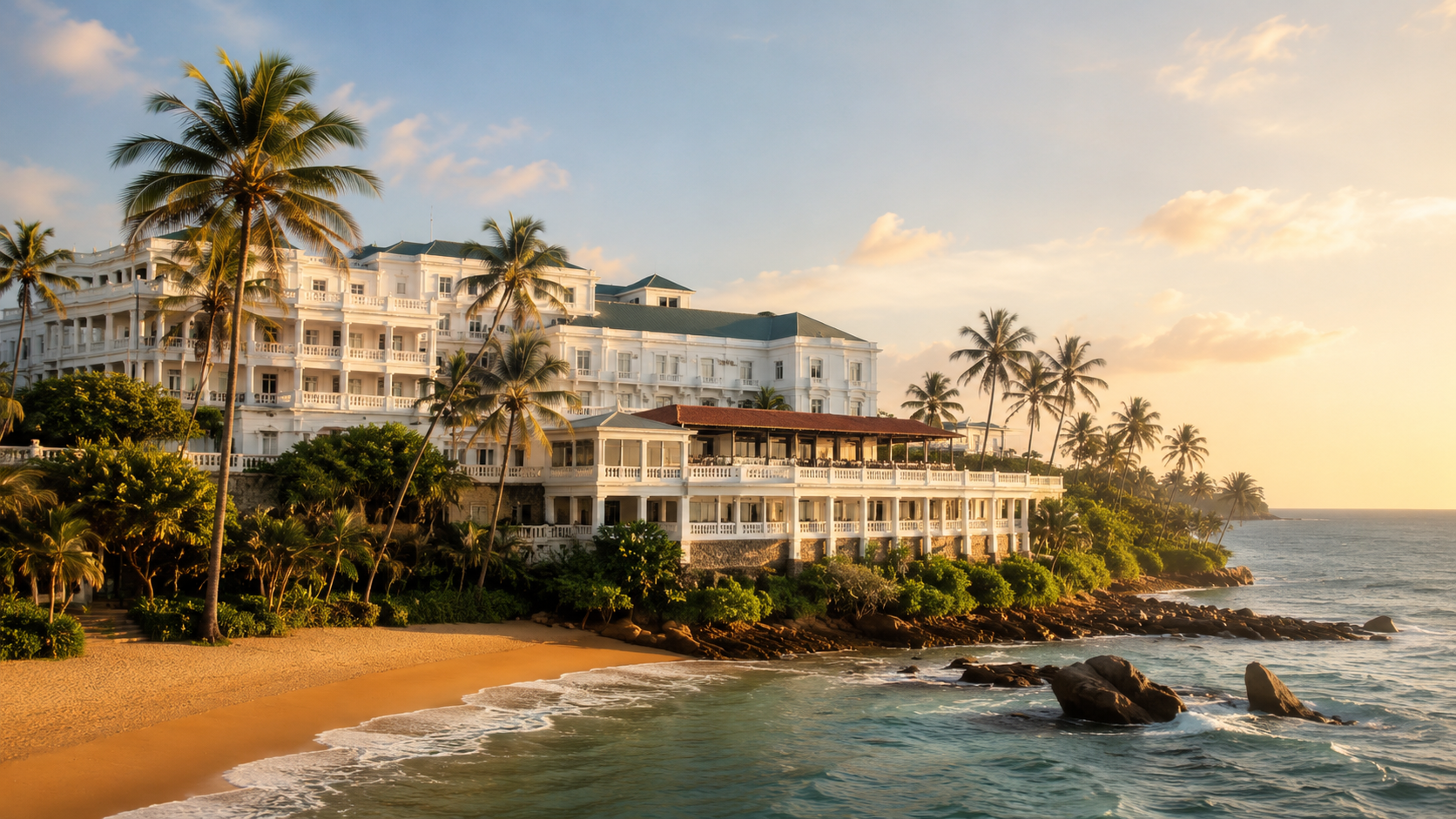
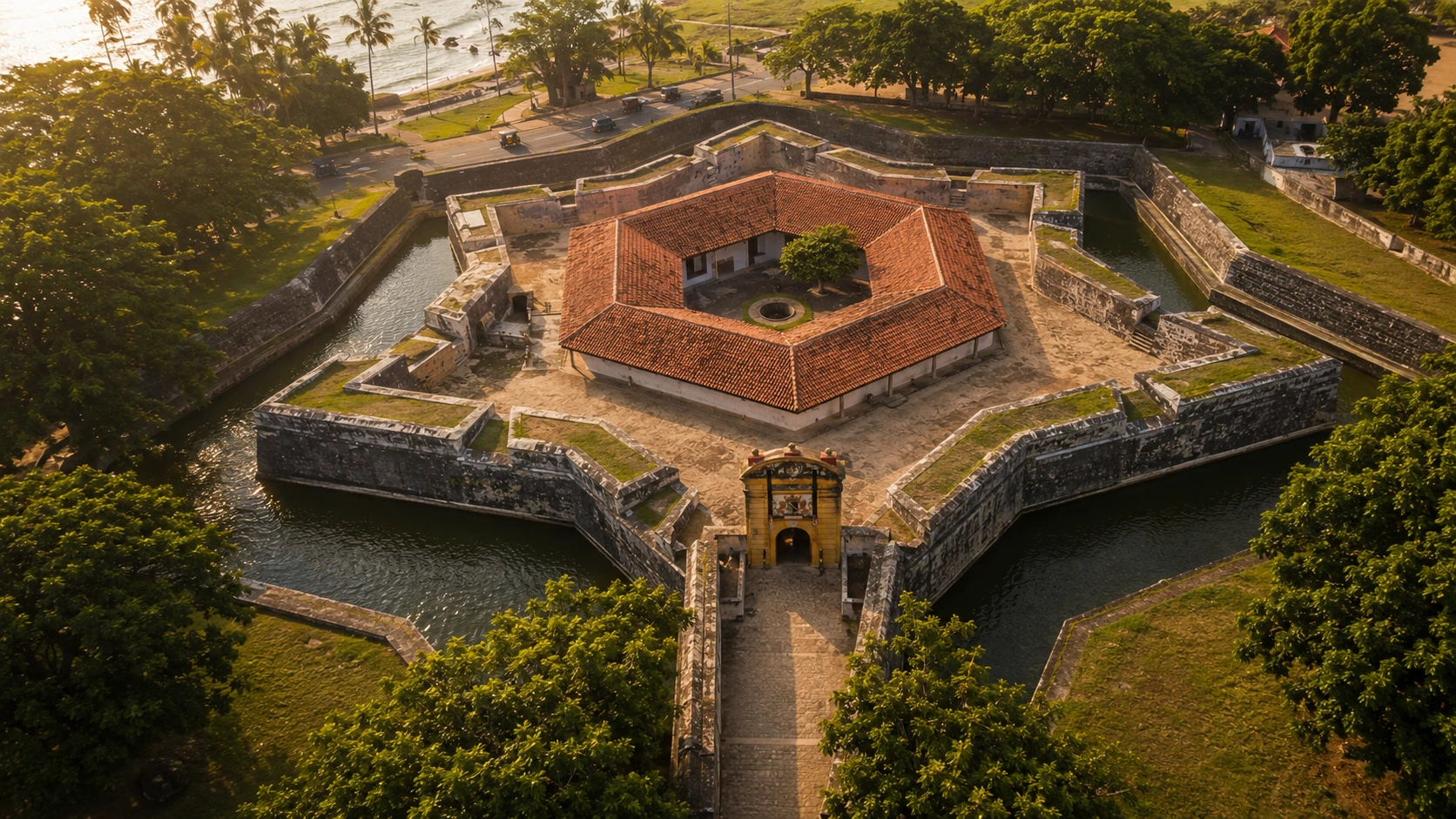
The arrival of the Portuguese in 1505, followed by the Dutch and British, began a new chapter—one that forever changed the island’s natural story. For European colonials, Sri Lanka’s wilderness was both a challenge and a curiosity. The dense forests, the abundance of wild animals, and the unpredictable climate fascinated and frustrated them in equal measure.
Under British rule, large parts of the island were cleared for plantations—tea, coffee, and rubber. Forests that had stood for centuries were replaced by neatly terraced estates. While this economic transformation boosted trade, it came at a heavy cost to biodiversity.
Yet ironically, it was also during this colonial era that formal wildlife protection began. British planters and officers, many of whom were avid hunters, started documenting the island’s flora and fauna. Game reserves were created, not out of ecological concern but to control hunting and preserve species for sport. Yala, now Sri Lanka’s most famous national park, was one of these early hunting grounds later turned into a protected sanctuary in 1900.
From Trophy to Treasure: The Rise of Conservation
Over time, attitudes changed. What began as hunting fascination evolved into appreciation. Naturalists like Edward Frederic Kelaart and Henry Trimen began cataloguing species, leading to the birth of systematic wildlife study in Ceylon. By the early 20th century, voices advocating for preservation grew louder.
In 1938, the Fauna and Flora Protection Ordinance was enacted—a colonial law that still forms the backbone of Sri Lanka’s environmental policy today. It established protected areas, regulated hunting, and laid the foundation for modern wildlife departments.
When Sri Lanka gained independence in 1948, conservation entered a new era. Parks like Wilpattu, Horton Plains, and Udawalawe became not just refuges for wildlife but national symbols—living reminders of what makes the island unique.
A Tapestry of Ecosystems
Few countries pack such ecological variety into such a small area. The wet zone forests of Sinharaja, a UNESCO World Heritage Site, are home to endemic species like the Sri Lankan blue magpie and the purple-faced langur. In contrast, the dry zone plains of Minneriya host the world-famous “”Gathering”—hundreds of elephants congregating around shrinking waterholes during the dry season.
Up in the highlands, the Horton Plains stretch across a silent plateau, where sambar deer graze beneath cold winds and “World’s End” drops dramatically into the valley below. And in the southern seas, Sri Lanka’s waters are home to the planet’s largest animal—the blue whale—sharing the ocean with dolphins and turtles that nest on golden beaches.
Click on here “THE MOST ROMANTIC GLAMPS IN SRI LANKA”
Echoes of the Colonial Past in Modern Conservation
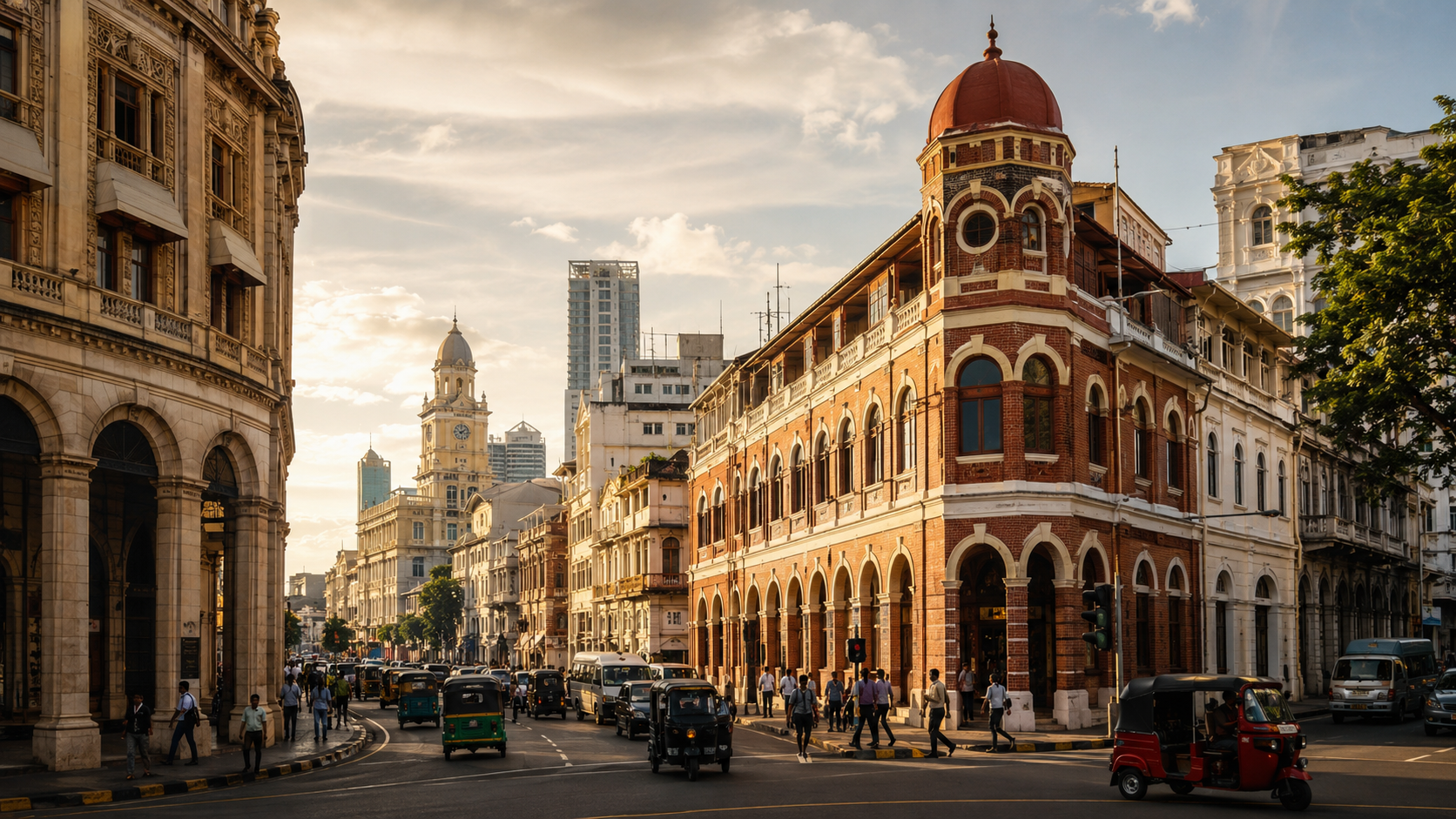
The colonial legacy still shapes how Sri Lanka manages its nature today. Many national parks, forest reserves, and administrative systems trace their roots to British-era policies. The very concept of “protected areas”—separating wild spaces from human life—mirrors European conservation models.
But Sri Lanka is also reinterpreting that legacy. Today’s conservationists aim to balance community life and biodiversity, recognizing that people who live near these ecosystems must benefit from protecting them. Ecotourism projects in places like Gal Oya and Kumana now work with local villagers, blending heritage with modern sustainability.
The Modern Challenge: Preserving the Wild Heart
Sri Lanka’s wildlife faces growing threats: deforestation, illegal logging, human–elephant conflict, and climate change. Rapid urbanization and agricultural expansion put immense pressure on limited natural resources. Yet amid these challenges, there is hope.
Grassroots movements, local researchers, and wildlife photographers are raising awareness like never before. National parks attract millions of visitors annually, contributing to conservation funding and creating livelihoods. NGOs and state agencies collaborate to protect endangered species—from leopards in the hill country to dugongs in the northern seas.
Technology has joined the fight too: drones monitor deforestation, camera traps study elusive species, and data-driven tourism helps minimize ecological impact. The wild, once hunted for glory, is now cherished as heritage.
Beyond the Safari: A Deeper Connection
To truly experience Sri Lanka’s nature, one must go beyond the lens of a camera. Listen to the dawn chorus at Sinharaja, feel the stillness of a Wilpattu waterhole, or watch fireflies dance along a forest path in Belihuloya. These are not just sights—they are stories.
Every tree, stream, and animal carries echoes of centuries past—from the kings who built reservoirs to the colonials who mapped jungles to the modern rangers who guard them. Sri Lanka’s wildlife is not just about the wild; it is about the bond between humanity and the earth that sustains it.
The Call of the Island
In the end, Sri Lanka’s nature tells us one thing: this island endures because it remembers. Its forests have witnessed empire and independence, and its animals have survived both glory and greed. To explore its wild heart is to step into living history—one that asks us not just to admire but to protect.
Because when we protect Sri Lanka’s wildlife, we are not just saving animals or trees. We are preserving the soul of a nation that has always been, at its core, wild and free.
Click on here “CHURCH GRAVEYARDS IN SRI LANKA: WHERE COLONIAL LIVES STILL SPEAK”