The Sri Lankan Short Eats: Chinese Rolls, Cutlets, Patties and Fish Buns
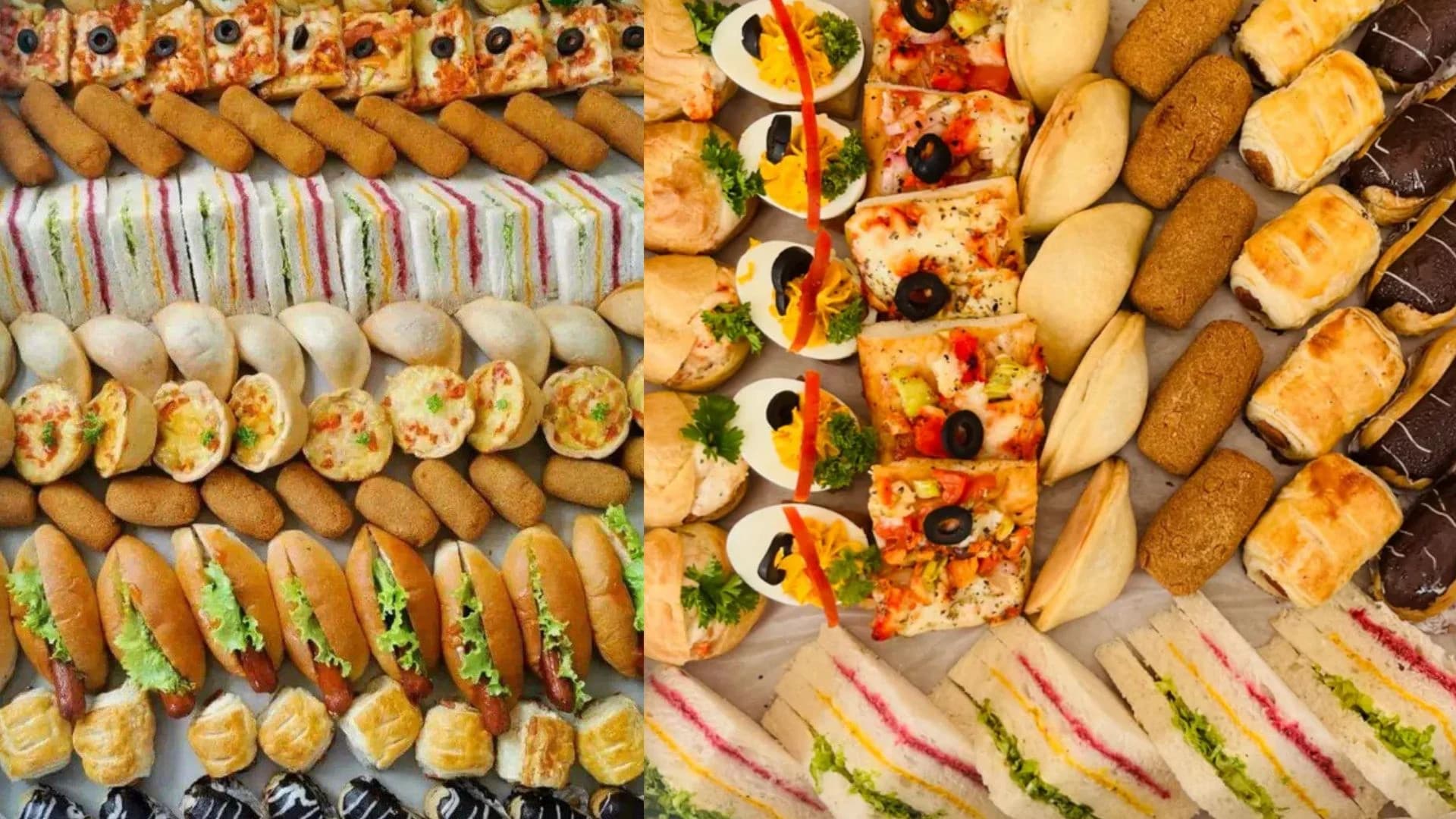
Short eats are one of the most beloved pillars of Sri Lankan food culture. They show up everywhere — from small kades to office canteens, parties, school tuck shops, train stations, and family gatherings. What makes them iconic is their ability to blend comfort, familiarity, and flavour in one bite. Among the many classics, four favourites continue to define the island’s snacking identity: Chinese rolls, cutlets, patties, and fish buns. Each has its own history, filling style, spice balance, and distinctive technique that reflects Sri Lanka’s fusion of local and colonial influences.
This article explores their origins, textures, flavours, and the cultural role they play in everyday Sri Lankan life.
The Role of Short Eats in Sri Lankan Food Culture
Short eats are more than snacks; they are part of the national rhythm. Morning office meetings, evening tea breaks, birthday parties, sports events, and even funerals often feature a plate of these savoury bites. They bring convenience to busy routines and warmth to gatherings. For decades, they have also been the heart of bakery culture — a uniquely Sri Lankan system where “tea and short eats” became a social ritual.
What makes short eats special is the mix of influences. The fillings are distinctly local (fish, potatoes, dhal, chicken), but the structure often reflects Portuguese, Dutch, and British colonial traditions — meat pastries, croquettes, crumbed rolls. Over time, Sri Lankans adapted them with spices, heat, and textures that suit our palate.
Chinese Rolls: The Island’s Favourite Crunch
A Misleading Name with a Unique Identity
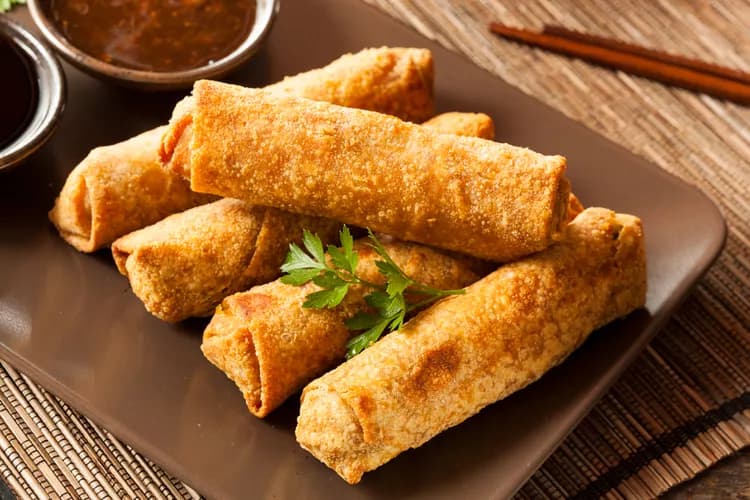
Despite the name, Chinese rolls are not originally from China. They are more likely inspired by colonial-era spring rolls, but their Sri Lankan version is entirely unique: soft, savoury, spiced, crumbed, and deep-fried.
How They’re Made
Chinese rolls require patience and technique:
- A thin pancake is prepared as the outer layer.
- A filling of sautéed vegetables, fish, chicken, or eggs is rolled inside.
- Each roll is dipped in a flour batter, then coated with breadcrumbs.
- The final step is deep-frying until golden and crispy.
Why Sri Lankans Love Them
Chinese rolls offer a dual texture: soft on the inside, crunchy on the outside. The spicy filling (usually potato, leeks, and canned fish) fits perfectly with the warm, comforting flavour profile Sri Lankans enjoy. They are a must-have at office teas, school functions, and birthday parties. The best ones maintain shape, have a moist filling, and carry a gentle heat without being oily.
Click on here “SRI LANKA’S QUAINT GETAWAYS BY THE BEACH: FROM WELIGAMA REST HOUSE TO NEGOMBO”
Fish Cutlets: The Bite-Sized Crowd Favourite
Origins and Popularity
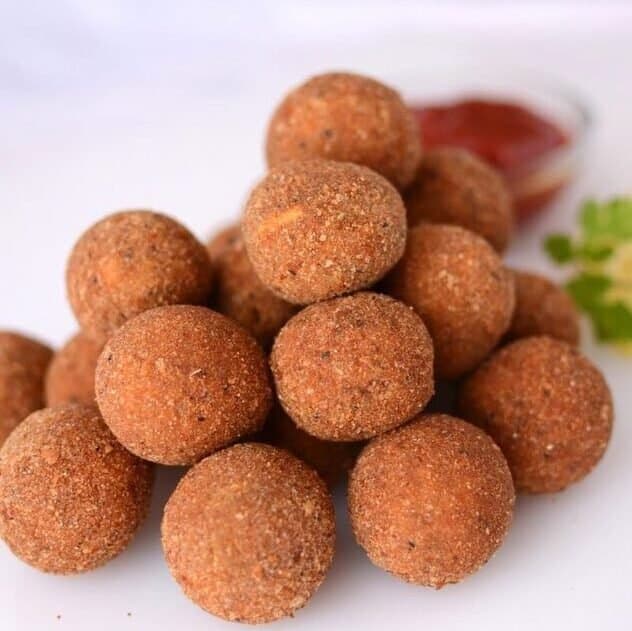
Cutlets are one of the easiest short eats to prepare and plate, which explains why they are present at every household gathering. They have roots in British croquettes but evolved with Sri Lankan seasoning and fish-based fillings.
Making the Perfect Cutlet
Cutlets require:
- boiled potatoes
- tinned fish or fresh fish
- onions, green chillies, pepper, chilli flakes
- a light coating of breadcrumbs
The mixture is shaped into small balls or ovals, coated, and deep-fried to a crisp finish.
Why Cutlets Endure
Their compact size makes them perfect for platters, catering, and large events. They’re economical, easy to batch-produce, and satisfying with a cup of ginger tea. Unlike patties or fish buns, they don’t require baking or dough preparation — which makes them popular among home cooks. The best cutlets balance spiciness with softness, never too oily, with a clean, golden crust.
Patties: The Sri Lankan Hand Pie
A Colonial Legacy with a Local Twist
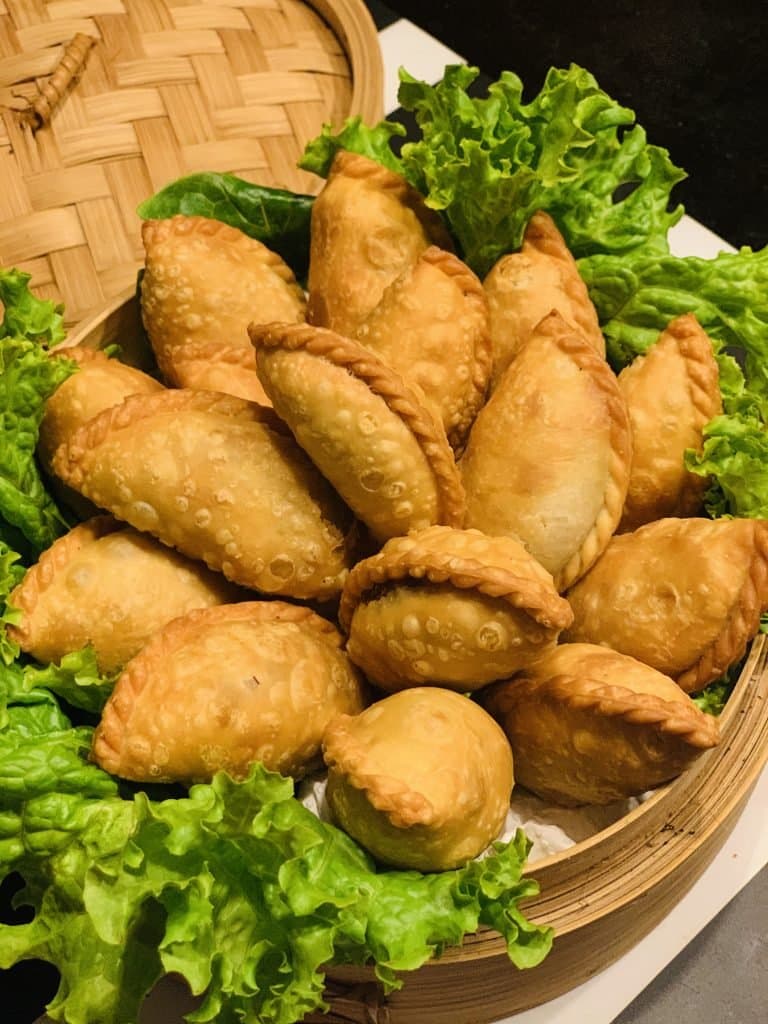
Patties evolved from British baked pastries, but Sri Lankan bakeries transformed them into spicy, flaky hand pies. They come in triangular or semicircle shapes, usually with fish or chicken fillings.
Texture and Technique
The dough is the highlight:
- soft yet firm
- buttery
- able to hold its structure after baking
Patties are baked (not fried), making them lighter on the palate. The filling — typically potato, tinned fish, onion, and chilli — sits inside the pastry like a savoury pocket.
Why Patties Are Special
Their gentle crumb and warm filling make patties ideal for afternoon tea. They suit all ages, including children, because they are flavourful but not overwhelmingly spicy. Patties are also ideal for travel; they stay intact, don’t spill, and remain enjoyable even at room temperature. In bakeries, patties are often one of the first items to sell out due to their popularity.
Fish Buns: The Bakery Classic
A True Sri Lankan Invention
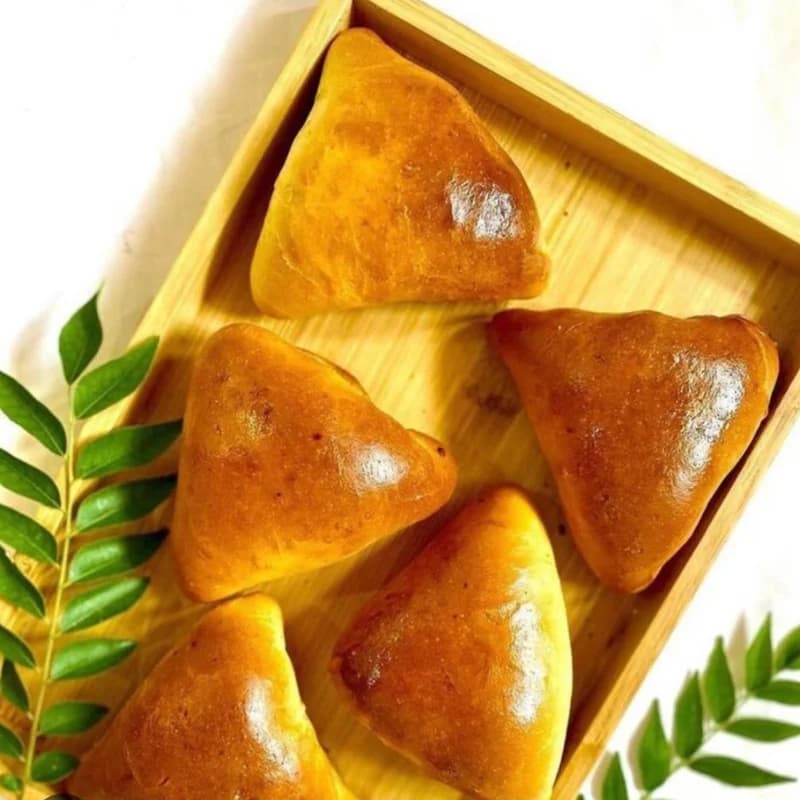
Fish buns (maalu paan) are perhaps the most iconic bakery item in Sri Lanka. Every bakery has its signature style, and many Sri Lankans can instantly recognise their favourite bakery’s fish bun simply by shape and smell.
Structure and Filling
Fish buns combine:
- a soft, enriched bun dough
- a spicy fish and potato mixture
- a triangular or dome-shaped baked form
Inside, the filling is moist, peppery, and sometimes slightly sweet depending on the bakery. The outside is golden, soft, and fluffy.
Why They Are a Cultural Staple
Fish buns are filling, portable, affordable, and available everywhere — from city bakeries to rural boutiques. For many office workers and students, they are a daily breakfast or mid-morning snack. They pair perfectly with milk tea or plain tea, creating a familiar comfort that spans generations.
During bus travel, long journeys, school trips, or even exam days, fish buns have been a trusted, nostalgic snack. They also reflect Sri Lanka’s love for savoury baked goods, blending dough work with strong, spicy fillings.
Short Eats as a Reflection of Sri Lankan Identity
Shared Across All Social Groups
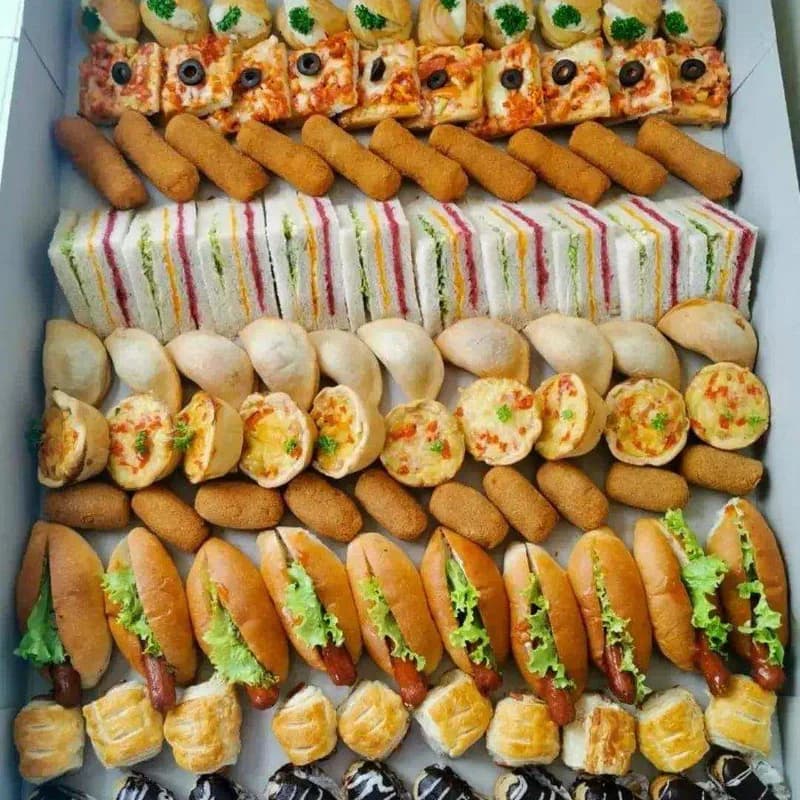
Short eats cut across class, region, and community. They’re enjoyed in Colombo cafes, Jaffna bakeries, Galle street shops, and Kandy homes. They are part of childhood memories, workplace life, celebrations, and travel. A plate of short eats at a gathering always invites conversation and familiarity.
The Business of Short Eats
Bakeries, hotels, canteens, catering companies, and even home businesses rely on short eats for revenue. Items like Chinese rolls and cutlets offer high demand with consistent profit margins. Many entrepreneurs build successful small businesses on these products alone. During festive seasons and office events, orders for short eats surge.
The Modern Evolution of Short Eats
Health-Conscious Variations
New versions are emerging:
- baked rolls
- air-fried cutlets
- wholegrain patties
- vegan fillings using dhal, jackfruit, mushrooms, tofu
Although traditional versions remain dominant, healthier alternatives are increasing in popularity.
Gourmet and Fusion Versions
Restaurants are experimenting with:
- prawn rolls
- chicken and cheese patties
- mackerel and lime leaf cutlets
- smoked fish buns
These maintain the essence of short eats while elevating flavour profiles.
The Future of Short Eats
Short eats continue to evolve as Sri Lankan tastes modernise. But one thing is certain: they remain an irreplaceable part of the country’s food identity. No matter how flavours evolve, Chinese rolls, cutlets, patties, and fish buns will continue to define comfort food for Sri Lankans.
Conclusion
These four iconic short eats showcase Sri Lanka’s culinary creativity — soft pancakes turned into rolls, spiced croquettes shaped into cutlets, flaky pastries transformed into patties, and bakery buns filled with fiery fish. They are the backbone of everyday eating and a shared cultural memory across generations.
Whether enjoyed with evening tea, ordered for office meetings, or packed for a journey, Chinese rolls, cutlets, patties, and fish buns remain timeless Sri Lankan favourites.