Key Points
- Hulftsdorp is one of Colombo’s most atmospheric heritage districts, closely linked with Sri Lanka’s legal history.
- The name comes from Dutch commander Gerard Pieterszoon Hulft, whose headquarters once stood on this hill during the siege of Colombo.
- The area became strongly associated with law after the Supreme Court was moved from Colombo Fort to Hulftsdorp in 1805.
- Today, Hulftsdorp remains the heart of Colombo’s legal world, surrounded by court buildings, lawyers’ chambers, colonial architecture and old-city street life.
- It is ideal for travellers interested in Old Ceylon, colonial architecture, hidden Colombo landmarks and heritage photography.
A Hill That Still Carries the Weight of Old Colombo
Some places in Colombo do not announce themselves like tourist attractions. They do not have polished entrances, souvenir stalls or neat signboards inviting visitors to stop. Hulftsdorp is one of those places. It sits within the old city, close to Pettah, Maradana and the busy arteries of central Colombo, yet it carries a mood very different from the commercial rush around it.
Known locally as Aluthkade, Hulftsdorp is not simply a neighbourhood. It is a legal hill, a colonial memory, a working courthouse district and one of the most historically layered corners of Colombo. The area forms part of Colombo 12 and is closely associated with the Supreme Court, Court of Appeal, Sri Lanka Law College and the wider court complex.
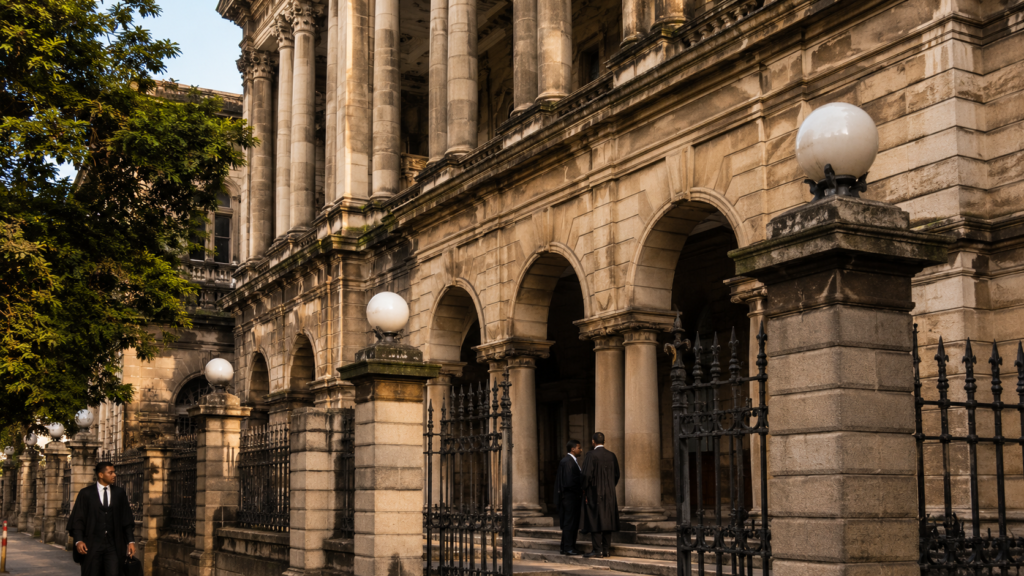
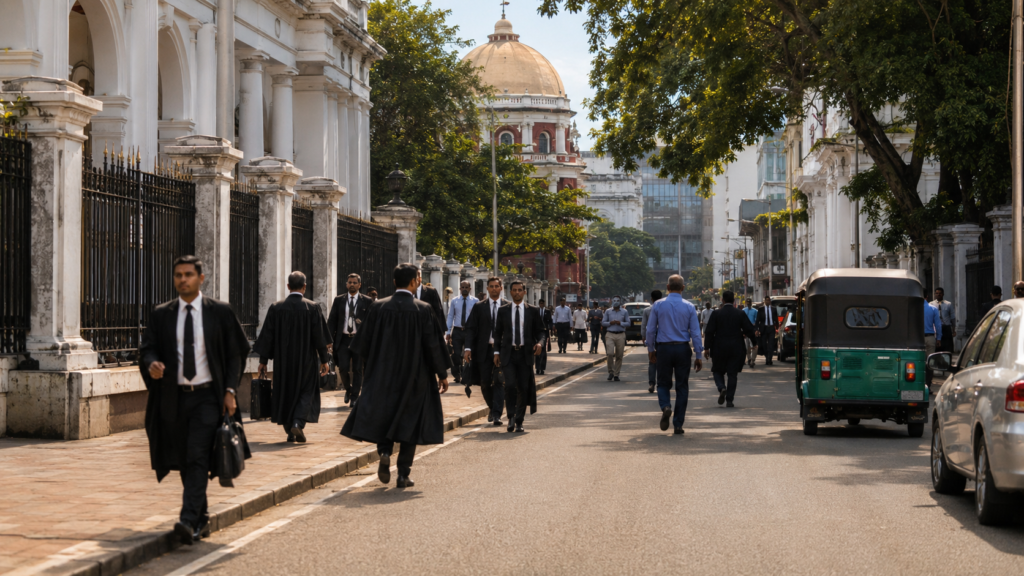
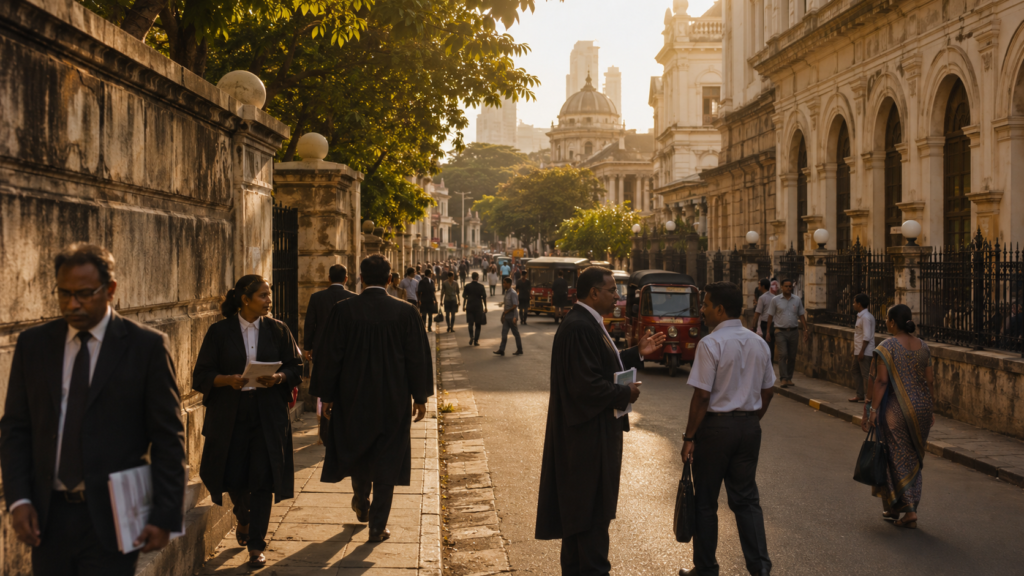
For a traveller walking through Hulftsdorp, the first impression is often visual. Large court buildings, formal facades, arched windows, old walls, legal offices and black-coated lawyers give the area a distinct personality. It feels serious, slightly dramatic and deeply urban. This is not the beachside romance of Galle Face or the elegance of Cinnamon Gardens. Hulftsdorp belongs to another Colombo — a city of petitions, arguments, files, footsteps, waiting rooms and old institutions.
The Dutch Name Behind Hulftsdorp
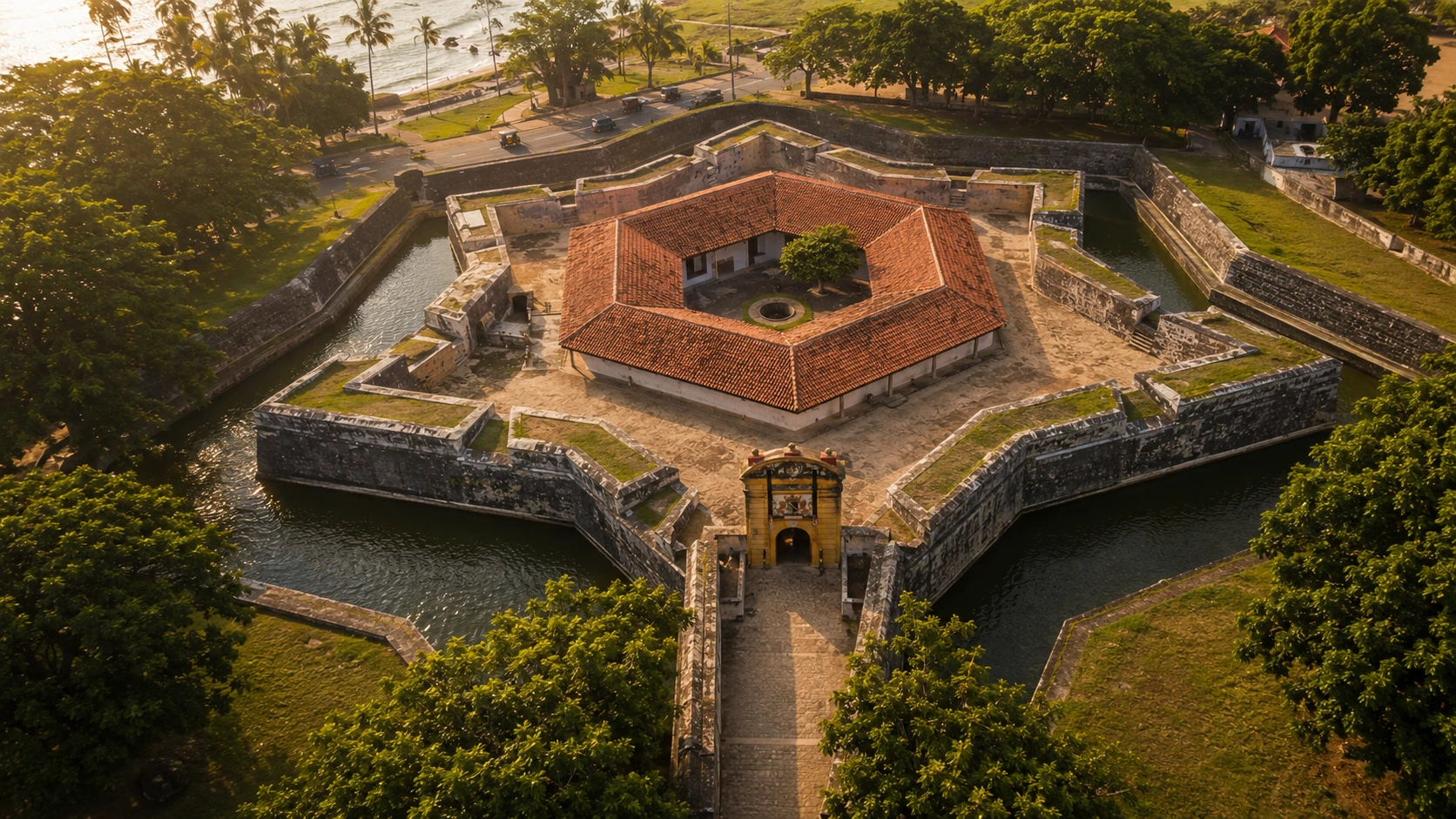
The name Hulftsdorp takes us back to the Dutch period of Ceylon. It is connected to Gerard Pieterszoon Hulft, a commander of the Dutch East India Company. During the Dutch siege of Portuguese-held Colombo in the 17th century, Hulft is said to have positioned his command post on a hill overlooking the fort. After his death during the siege, the area became associated with his name, with “Hulft’s Dorp” meaning Hulft’s village or town.
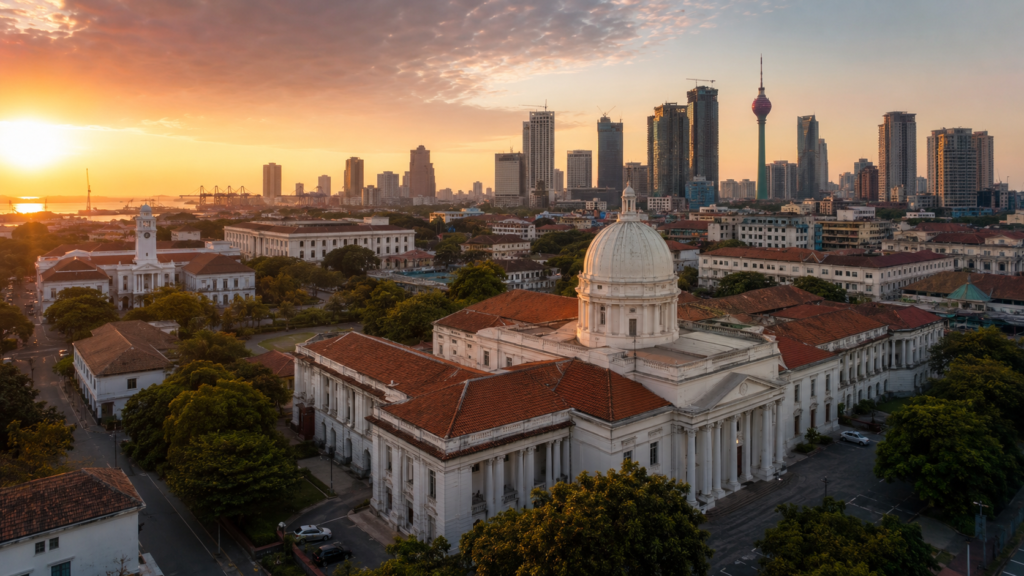
That origin gives the place a strange historical depth. What is now a crowded legal district began as a strategic hill in a colonial military struggle. The geography mattered. The hill gave a view, a position and a sense of control over the old city below. Over time, the violence of siege and conquest faded into the background, but the name remained.
This is what makes Hulftsdorp fascinating for heritage travellers. It is not a preserved museum quarter. It is a living urban district where names, streets and institutions still carry traces of older empires. The colonial past is not framed behind glass here. It survives in daily movement, in road names, in court buildings and in the rhythm of people moving between chambers and courtrooms.
How Hulftsdorp Became Colombo’s Legal Hill
Hulftsdorp became truly tied to law during the British period. The Supreme Court of Ceylon was originally established under British rule in the early 19th century, and it was later moved from Colombo Fort to Hulftsdorp. According to the Supreme Court’s own historical account, Governor North eventually shifted the courthouse to Hulftsdorp in 1805, after tensions between the court and the military authorities in Fort had become difficult to manage.
That move changed the identity of the hill. Hulftsdorp was no longer only a Dutch-era name. It became the institutional home of justice in colonial Ceylon. Over many decades, court buildings, legal offices and professional routines gathered around the area. Lawyers, judges, litigants, clerks, police officers, journalists and families made Hulftsdorp part of their daily vocabulary.
Even today, the area feels like a world of its own. The black coats of lawyers are part of the street scene. Files are carried from one office to another. People wait outside buildings with the serious patience that court days demand. The soundscape is a mixture of footsteps, traffic, legal conversation and the ordinary noise of Colombo pushing in from every side.
Architecture With a Legal Personality
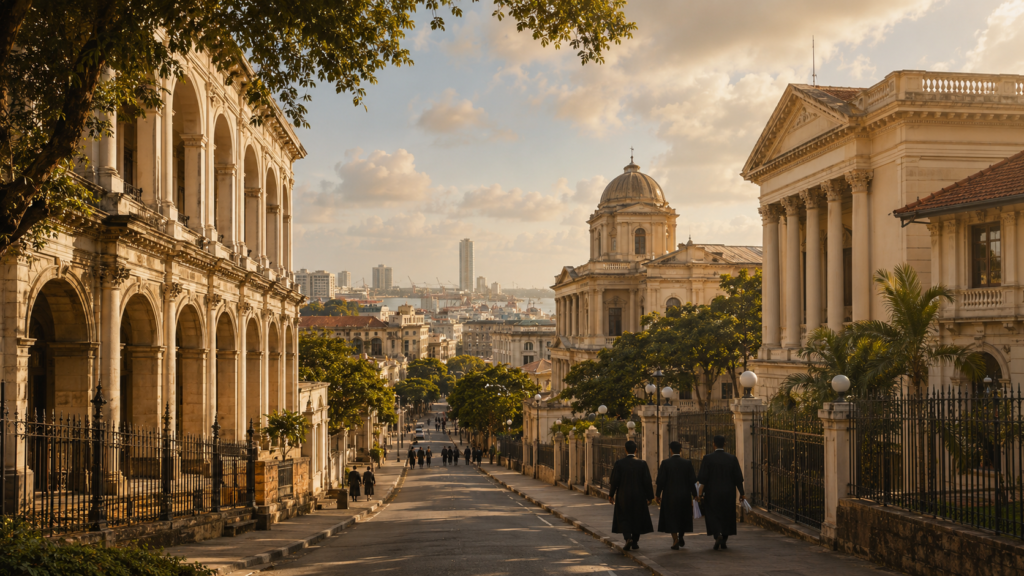
The charm of Hulftsdorp is not soft or decorative. It is formal, weighty and institutional. The architecture does not try to be romantic, but it has a strong presence. Old court buildings and colonial-era structures give the district its visual identity, with arches, columns, high windows, thick walls and long corridors that suggest authority and endurance.
For photographers and heritage travellers, Hulftsdorp offers a different kind of Colombo beauty. It is not postcard-perfect. It is textured. The buildings carry weather marks. The streets are active. The people are part of the frame. A lawyer walking quickly with a bundle of papers, an old facade in the morning light, a quiet corner near a courthouse wall — these small scenes make Hulftsdorp visually powerful.
The newer Superior Courts Complex also forms part of this legal landscape. It was handed over in 1988, and Sri Lanka’s apex court continues to function from the Hulftsdorp court complex. This blend of older colonial buildings and later institutional architecture makes the area feel like a timeline of Sri Lanka’s legal system.
A Different Kind of Colombo Travel Experience
Hulftsdorp is best experienced slowly. It is not the kind of place where visitors should rush in expecting a conventional attraction. The value lies in observing the atmosphere. A short heritage walk through the area can reveal the older character of Colombo in a way that many modern city routes miss.
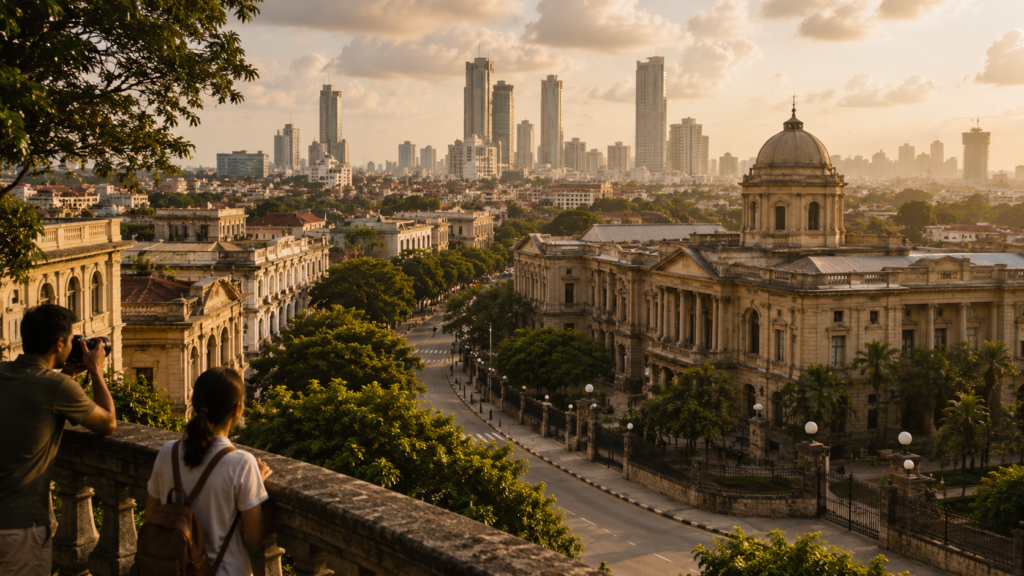
Start by noticing the elevation of the area and its relationship to the old city. From there, observe the court buildings, the movement of lawyers, the nearby legal offices and the surrounding streets that connect Hulftsdorp with Pettah, Maradana and other historic neighbourhoods. The area pairs well with a wider Old Colombo walk that includes Pettah, Wolvendaal, Kayman’s Gate, Dam Street, Old Town Hall and the Fort district.
Morning is usually the best time to see Hulftsdorp at its most active. That is when the legal district comes alive, with lawyers arriving, cases being called, people waiting and the streets filling with purpose. For photography, early light can soften the heavy architecture and give the old buildings a warmer tone.
Visitors should remember that Hulftsdorp is a working legal district, not a staged heritage site. Photography should be respectful, especially around courts, police presence and people attending legal proceedings. The best approach is to photograph architecture, streetscapes and general atmosphere rather than individuals.
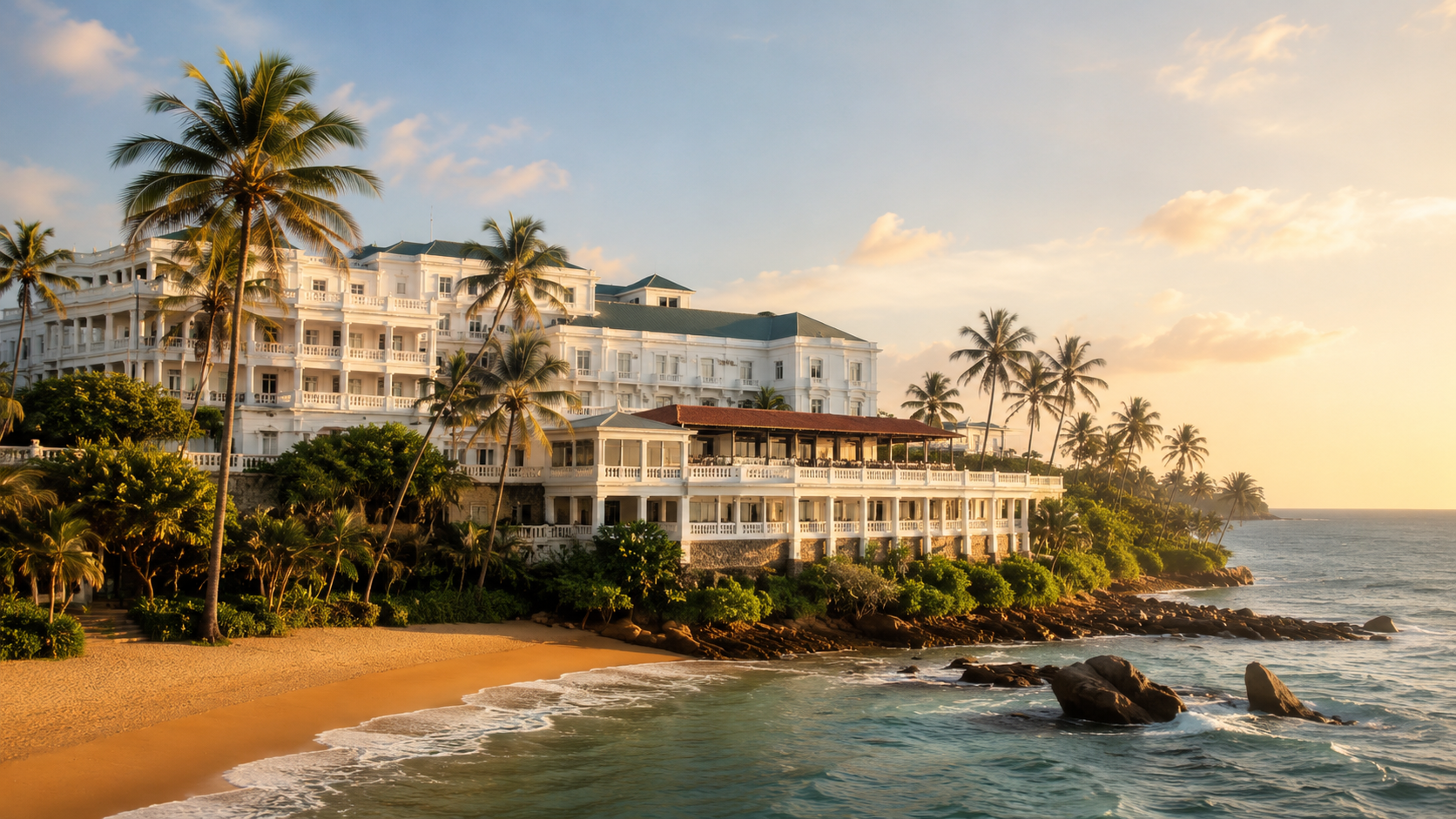
Click on here “Mount Lavinia Hotel: The Governor’s Mansion by the Sea”
Why Hulftsdorp Still Matters
Hulftsdorp matters because it tells a story of Colombo that is easy to overlook. Many people know the city through its beaches, hotels, cafes, malls and colonial buildings in Fort. But Hulftsdorp shows another layer — the institutional city. This is where law, empire, governance and everyday human disputes have met for generations.
There is something quietly powerful about that. The same hill that once carried a Dutch military memory later became the legal heart of British Ceylon. After independence, it continued to serve as a major centre of Sri Lanka’s justice system. Few places in Colombo show such a continuous relationship between colonial history and present-day civic life.
For travellers interested in Old Ceylon, Hulftsdorp offers more than architecture. It offers atmosphere. It shows how a city remembers without always explaining itself. The old names remain. The buildings remain. The professions remain. The rituals of law continue each day, giving the hill a living connection to the past.
The Legal Hill Where the Past Still Walks
Hulftsdorp is not beautiful in an obvious way. Its appeal is heavier, quieter and more serious. It is a place of old walls, urgent footsteps, legal robes and stories buried inside court records. It does not try to charm the visitor. Instead, it asks to be noticed.
For anyone exploring Colombo beyond the usual routes, Hulftsdorp is worth seeing because it reveals the city’s deeper structure. It reminds us that Old Ceylon was not only made of forts, hotels, railways and plantations. It was also made of courts, laws, arguments, institutions and people seeking justice.
Stand on Hulftsdorp Hill for a moment and Colombo feels different. The modern city continues below, noisy and restless. But here, among the courts and old facades, colonial Ceylon still seems to speak not loudly, but in the measured tone of a place that has witnessed centuries of power, change and memory.