A Journey Through the Island’s Colonial Railway Heritage
Sri Lanka’s British-Built Railway Stations in Ceylon are more than places where trains arrive and depart. They are living reminders of an era when the island, then known as Ceylon, was being reshaped by trade, plantation agriculture, colonial administration and engineering ambition. From the red-brick presence of Colombo Fort to the quiet hill-country charm of stations like Nanu Oya, Pattipola and Ella, the railway stations built during the British period continue to tell stories of movement, migration and memory.
For many travellers today, a train journey through Sri Lanka is one of the most beautiful experiences in Asia. The route from Colombo to Kandy, Nanu Oya, Ella and Badulla has become world-famous for misty mountains, tea estates, waterfalls and dramatic curves along the hills. But long before these trains became part of Sri Lanka’s tourism identity, they were created for a very different purpose. The British built the railway system of Ceylon to connect the plantations of the interior with the port of Colombo.
Why the British Built Railways in Ceylon
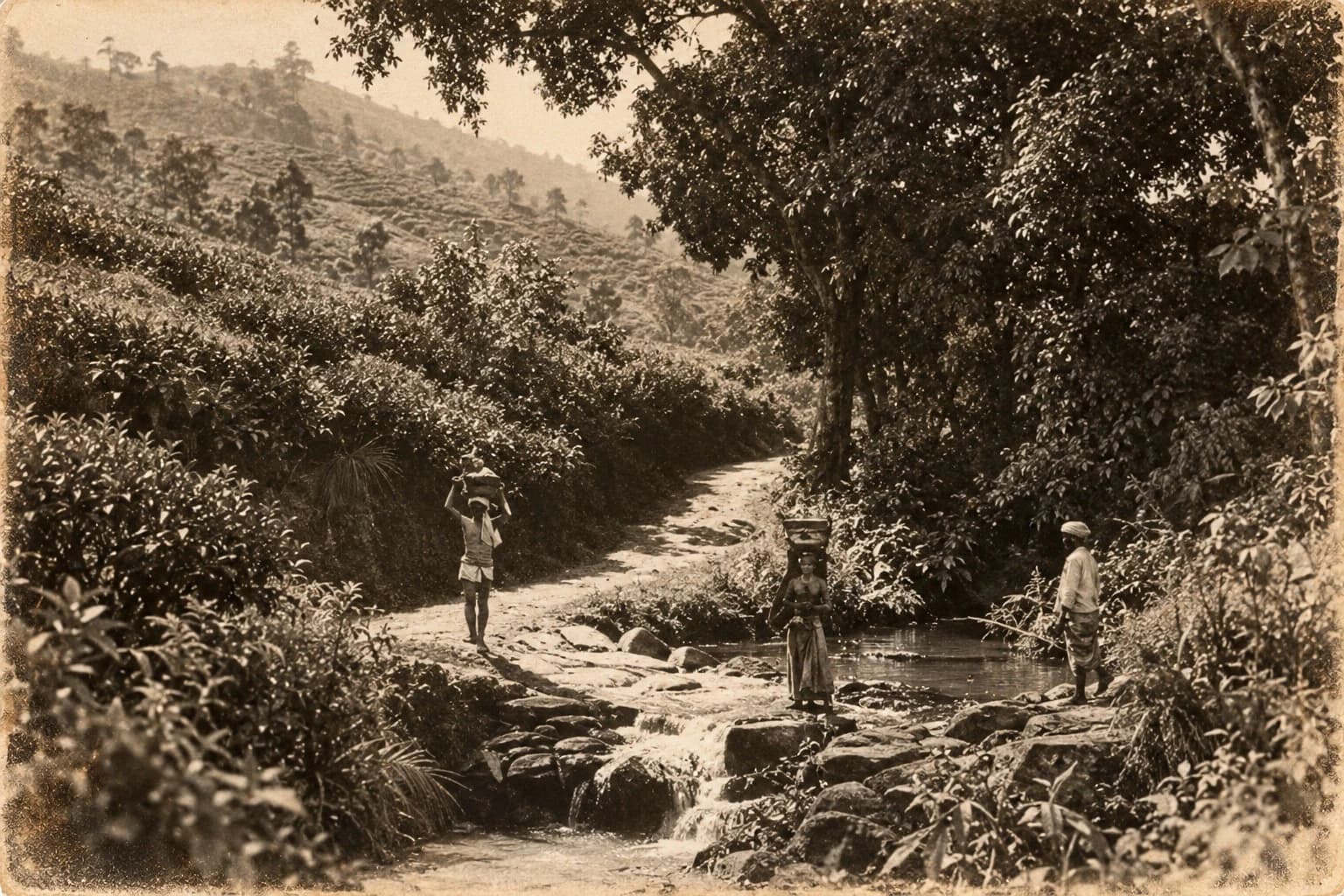
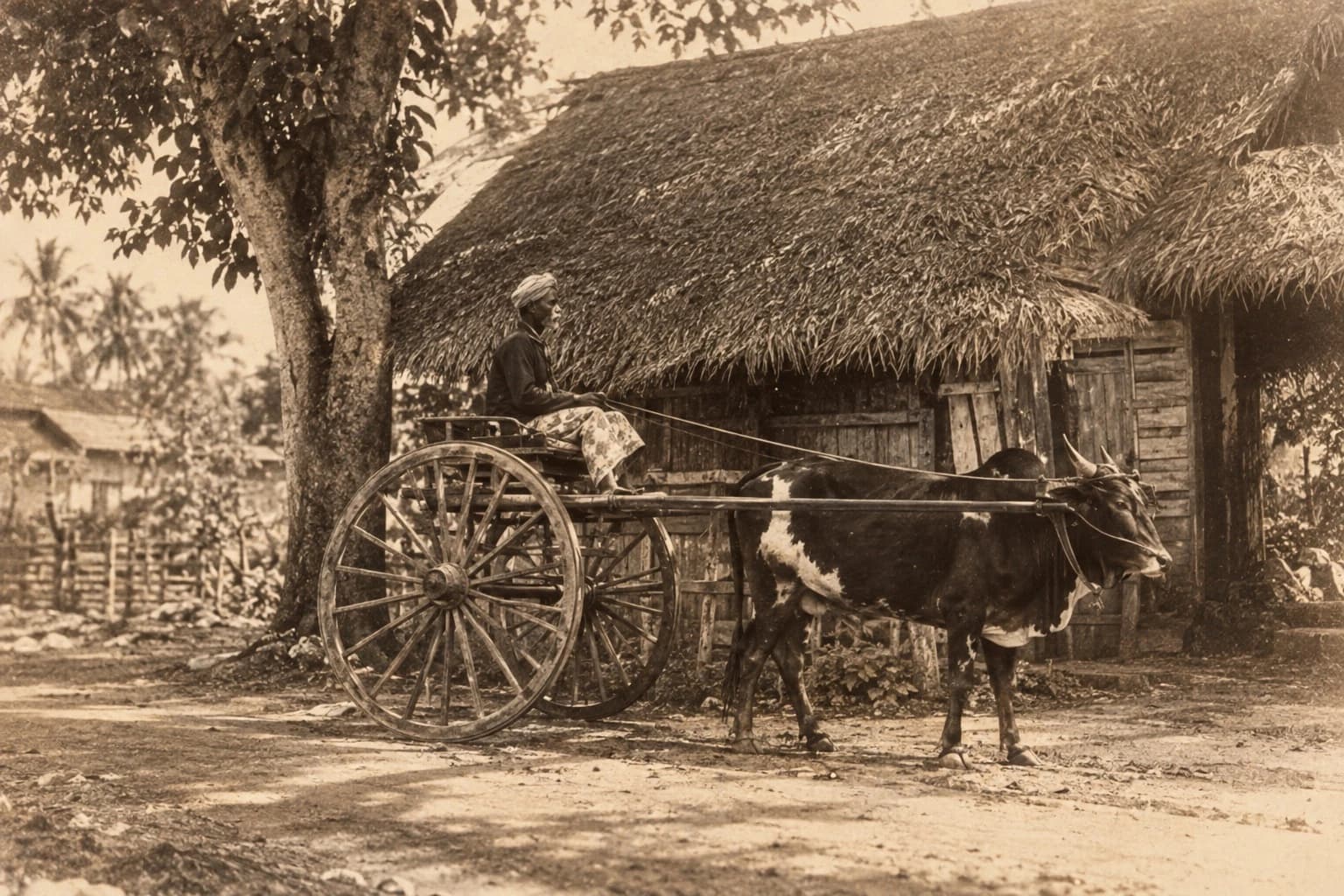
The railway story of Ceylon begins in the 19th century, when coffee plantations were expanding in the central highlands. The British colonial economy depended heavily on exporting plantation crops to Europe and other world markets. Before the railway, goods had to be transported by bullock cart along difficult roads from the hill country to Colombo. This was slow, expensive and unreliable, especially during the rainy season.
The railway changed that. It gave colonial planters a faster and more efficient way to move coffee, and later tea, from the hills to the port. When coffee disease damaged the coffee industry in the 1870s, tea gradually became the dominant plantation crop. As tea estates spread across the hill country, the railway network also expanded deeper into the mountains.
This is why many of Sri Lanka’s most atmospheric old stations are found along the Main Line. Stations were not built only for passengers. They served as loading points, administrative centres, communication hubs and gateways between plantation districts and Colombo.
The First Railway Stations of Ceylon
The first train in Ceylon ran in 1864 from Colombo Terminus to Ambepussa. The early railway line was the beginning of what later became the Main Line, the island’s most important railway route. The original Colombo Terminus, located near Maradana, was the first major railway gateway of the island. It was not as grand as the later Fort Railway Station, but it marked the beginning of a transport revolution.
Early stations were usually practical in design. They included ticket offices, platforms, goods sheds, signal rooms and quarters for railway staff. Over time, as the network expanded, stations became more elaborate. They reflected British ideas of railway architecture, adapted to Ceylon’s tropical climate and local geography.
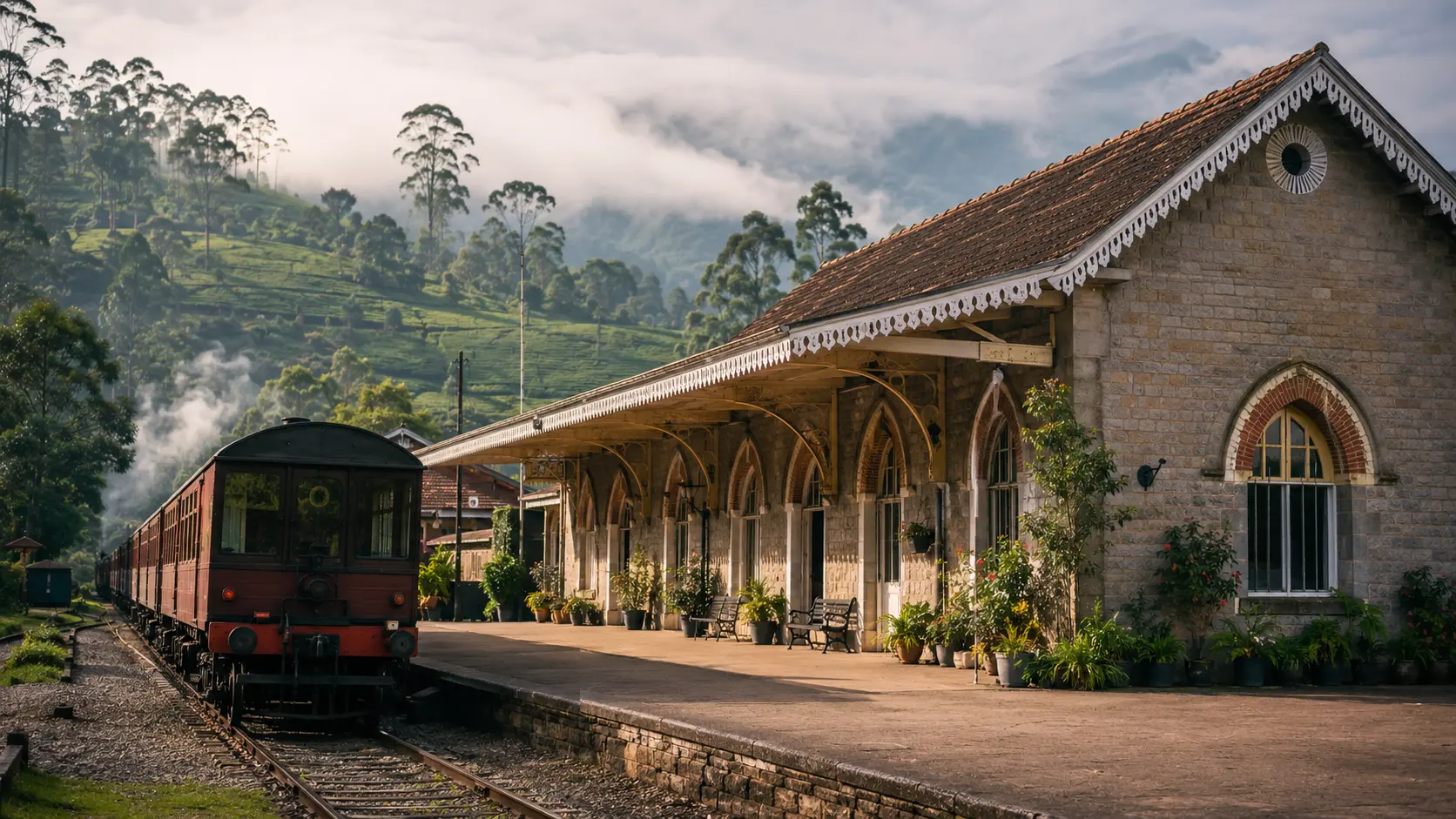
Wide verandahs, high roofs, arched openings, timber detailing, ironwork and stone or brick construction became common features. These buildings were designed to be functional, but many also carried a sense of colonial authority. A railway station was often one of the most important buildings in a town.
Colombo Fort Railway Station: The Island’s Great Railway Gateway
No discussion of British-built railway stations in Ceylon is complete without Colombo Fort Railway Station. Today, it remains the busiest and most recognisable railway station in Sri Lanka. Located between Colombo Fort and Pettah, it connects the commercial heart of the city with almost every major region of the island.
The present Fort Railway Station was developed as part of the early 20th-century reorganisation of Colombo’s railway network. Its scale reflected Colombo’s importance as a port city and administrative centre. With its long platforms, clock tower, arched entrances and colonial façade, Fort Station became more than a transport hub. It became the symbolic doorway to the island.
For travellers, Fort Station still has a special atmosphere. Office workers, vendors, pilgrims, tourists, students and long-distance passengers all pass through the same platforms. It is one of the few places in Colombo where the old rhythm of Ceylon’s railway age is still felt daily.
Maradana and the Railway Heart of Colombo
Maradana also played a crucial role in the railway history of Ceylon. As Colombo’s railway system expanded, Maradana became an important station and operational centre. Its location near the original Colombo Terminus made it central to the city’s railway development.
Maradana’s significance is not only architectural but also operational. It became closely connected with railway workshops, yards and administrative functions. For anyone interested in the working history of the railway, Maradana represents the behind-the-scenes world of tracks, engines, workers and maintenance that kept the system alive.
While Fort Station became the public face of rail travel in Colombo, Maradana remained one of its technical and logistical hearts.
Slave Island Railway Station: A Victorian Treasure
Slave Island Railway Station is one of the most architecturally interesting colonial railway stations in Sri Lanka. Built during the British period, it is known for its Victorian character, arched forms, timberwork and combination of iron and stone. Unlike many simple railway halts, Slave Island had a more decorative identity.
Its location in central Colombo made it part of the everyday life of the city. Yet its design gave it a distinctive charm. The station shows how railway architecture in Ceylon was not always purely utilitarian. Some stations were built with a sense of style and civic presence.
For heritage lovers, Slave Island is a reminder that railway stations were part of Colombo’s urban identity. They shaped how people moved through the city and how neighbourhoods developed around transport links.
Kandy Railway Station and the Journey Into the Hills
The extension of the railway to Kandy was one of the most important moments in Ceylon’s railway history. Kandy was not just another town. It was the historic capital of the last Sinhalese kingdom and a major cultural centre. Connecting Colombo to Kandy meant connecting the colonial port city with the heart of the island.
Kandy Railway Station became the gateway to the central highlands. From here, the railway continued to expand towards plantation districts. For travellers today, arriving at Kandy by train still feels special. The station sits close to the city’s historic core, with access to the Temple of the Tooth, Kandy Lake and the surrounding hills.
The Colombo–Kandy railway also introduced passengers to some of the island’s most dramatic engineering landscapes, including steep gradients, tunnels, bridges and mountain passes.
Nanu Oya: Gateway to Nuwara Eliya
Nanu Oya Railway Station became one of the most important hill-country stations because of its connection to Nuwara Eliya. During the British period, Nuwara Eliya was developed as a cool-climate retreat, often called “Little England”. British officials, planters and families travelled there to escape the heat of the lowlands.
Because the railway could not easily climb directly into Nuwara Eliya town, Nanu Oya became the access point. From there, travellers continued by road. The station therefore played a major role in the colonial leisure and plantation economy of the hill country.
Even today, many travellers heading to Nuwara Eliya arrive at Nanu Oya. The experience still carries an old-world feeling: mist, cool air, tea estates and the sense of stepping into a different climate zone.
Pattipola, Ohiya and the High Railway Landscape
Some of the most memorable British-era railway stations are found in the highest parts of the Main Line. Pattipola, Ohiya, Idalgashinna and Haputale are not grand urban stations, but they are deeply atmospheric. Their value lies in their setting.
Pattipola is especially significant because it is the highest railway station in Sri Lanka. These hill-country stations show the engineering challenges faced by railway builders. Tracks had to pass through mountains, forests, valleys and tea estates. The railway had to deal with steep climbs, sharp bends and unstable terrain.
For modern travellers, these stations are among the most scenic stops in the country. They open the door to Horton Plains, cloud forests, tea trails and mountain viewpoints. What began as colonial infrastructure has now become part of Sri Lanka’s tourism magic.
Galle Railway Station and the Southern Line
The southern railway line brought a different kind of landscape into the railway story. While the Main Line climbed into the mountains, the Coast Line connected Colombo with the towns of the south. Galle Railway Station became a key stop on this route.
Built during the British colonial period, Galle Railway Station served one of Ceylon’s most historic port cities. Galle had long been important because of its natural harbour, maritime trade and colonial fort. The railway strengthened its connection with Colombo and made travel along the southern coast easier.
Today, Galle Railway Station remains important for visitors heading to Galle Fort, Unawatuna, Hikkaduwa, Weligama and Mirissa. It is a good example of how colonial railway infrastructure continues to support modern tourism.
Railway Stations as Town-Makers
One of the most important impacts of British-built railway stations in Ceylon was the way they shaped towns. A railway station could transform a quiet settlement into a busy trading centre. Shops, markets, warehouses, rest houses and roads often developed around stations.
In plantation areas, railway stations became collection points for tea and other goods. In coastal areas, they supported trade and passenger movement. In inland towns, they connected rural communities to Colombo and other urban centres.
Stations also changed social life. They made long-distance travel easier for ordinary people. Students, workers, government officers, traders and pilgrims all used the railway. Over time, the train became part of Sri Lankan everyday culture.
The Architecture of British-Built Railway Stations
British-built railway stations in Ceylon were not all identical, but many shared common design features. These included high-pitched roofs, timber beams, deep eaves, long platforms, arched doorways, brick walls, iron columns and spacious verandahs. These elements helped with ventilation, shade and protection from rain.
The architecture also reflected the hierarchy of stations. Major stations like Colombo Fort were larger and more formal. Smaller hill-country stations were simpler, often blending beautifully into the landscape. Some stations had a distinctly Victorian character, while others were more practical and modest.
What makes these stations special today is not only their design, but their continued use. Many are still active railway stations, serving daily passengers while carrying more than a century of history.
From Colonial Infrastructure to Travel Heritage
The railway system was built for colonial economic purposes, but its meaning has changed over time. Today, Sri Lanka’s railway stations are part of the island’s heritage and tourism identity. Travellers do not take the train only to reach a destination. They take it for the experience.
The journey from Colombo to Ella, the coastal ride to Galle, the misty arrival at Nanu Oya and the mountain views near Haputale have become iconic travel memories. The stations along these routes add character to the journey. They remind visitors that Sri Lanka’s beauty is not only found in beaches, temples and wildlife parks, but also in old platforms, signal boxes, station clocks and railway benches.
Preserving Ceylon’s Railway Heritage
Many British-built railway stations in Sri Lanka still survive, but preservation is important. These buildings face pressure from modernisation, heavy passenger use, weather damage and neglect. Restoring them does not mean freezing them in the past. It means keeping their historic character while making them safe, clean and useful for present-day travellers.
Sri Lanka’s railway stations can become stronger heritage attractions if they are properly maintained, interpreted and promoted. Simple improvements such as heritage signage, station history boards, guided railway trails and photography-friendly spaces could add great value to tourism.
A Living Legacy on the Tracks
The British-built railway stations of Ceylon are not silent ruins. They are living spaces. Trains still arrive. Vendors still call out. Passengers still wait under old roofs. The same stations that once carried coffee, tea and colonial officials now carry families, commuters, backpackers and photographers.
This is what makes Sri Lanka’s railway heritage so powerful. It is not locked away in museums. It is part of daily life.
For travellers, exploring these stations is a way to understand the island’s layered history. Every platform has a story. Every old station building carries the memory of trade, empire, labour, travel and transformation. And every train journey through Sri Lanka is, in some way, a journey through old Ceylon.
Read More – Colombo Fort: The Colonial Business District That Still Shapes the City