The Cinnamon Workers of Old Ceylon: The Hands Behind the Island’s Most Prized Spice
Ceylon cinnamon peelers | Long before Ceylon became famous for its tea, another crop had already carried the island’s name across the world. Behind the cinnamon trade were generations of skilled workers whose labour helped shape the island’s economy, communities and colonial history.
The Forgotten Workers Behind Ceylon Cinnamon
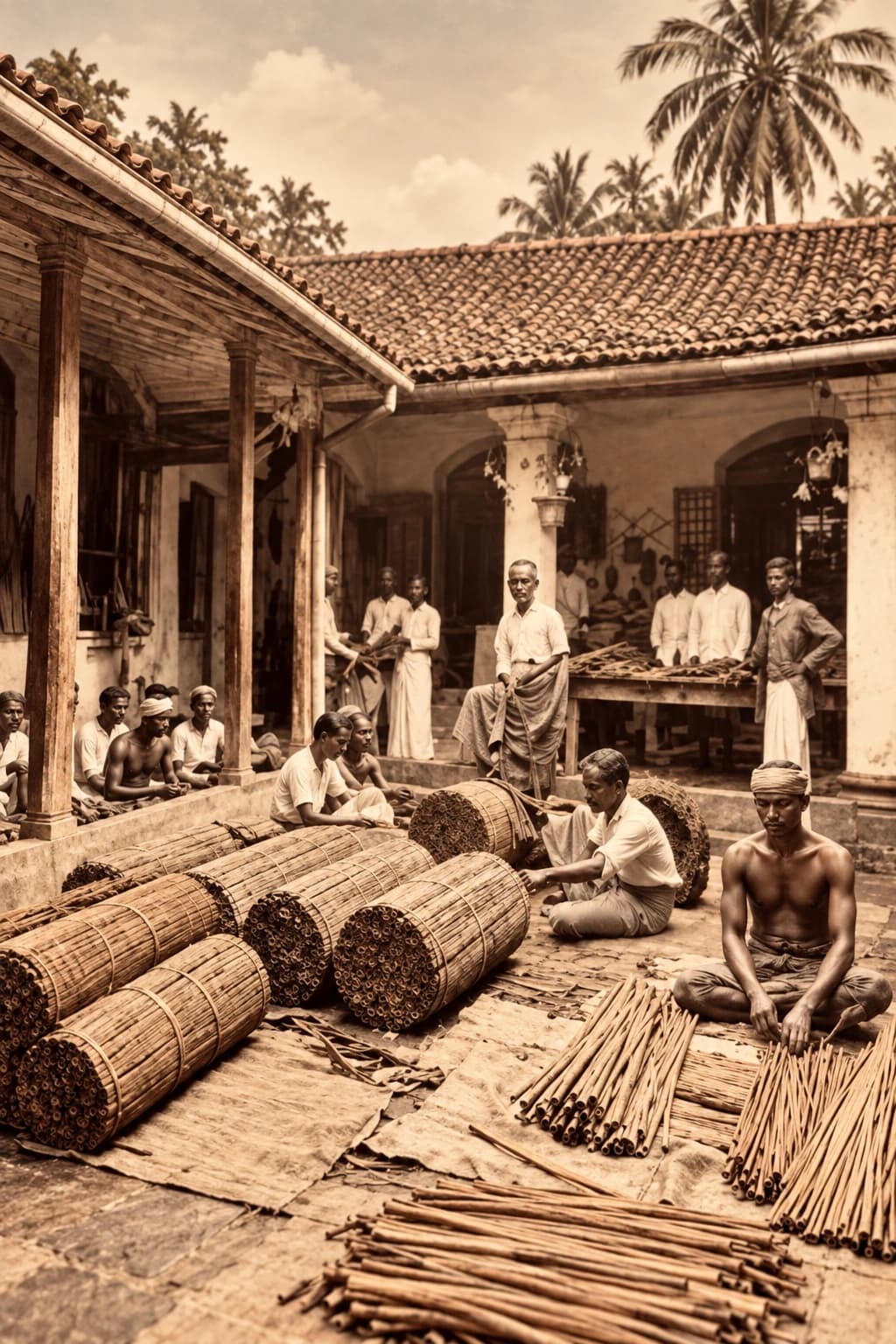
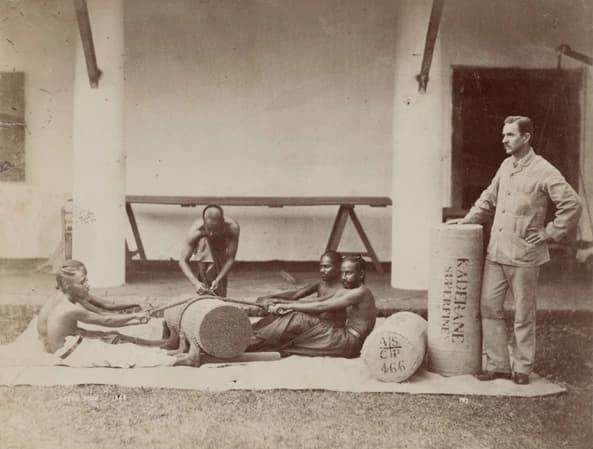
There is something remarkable about old photographs of Ceylon’s working life. They capture a world in which much of the island’s commercial activity depended on human skill, physical endurance and knowledge passed from one generation to another. An old photograph showing cinnamon workers seated in a courtyard, surrounded by carefully arranged bundles of cinnamon, offers a glimpse into this world.
Some workers appear to be sorting and preparing long cinnamon quills. Others sit beside large cylindrical bundles, while several men stand near a building with a tiled roof and open verandah. The scene is simple, but it represents an industry that once made Ceylon one of the most important centres of the global spice trade.
These were the people behind one of the island’s most valuable exports. Their work was rarely celebrated in the same way as the merchants, trading companies and colonial officials who profited from the cinnamon trade. Yet without their knowledge and experience, the fine cinnamon that made Ceylon famous could not have been produced.
Before Tea, There Was Cinnamon
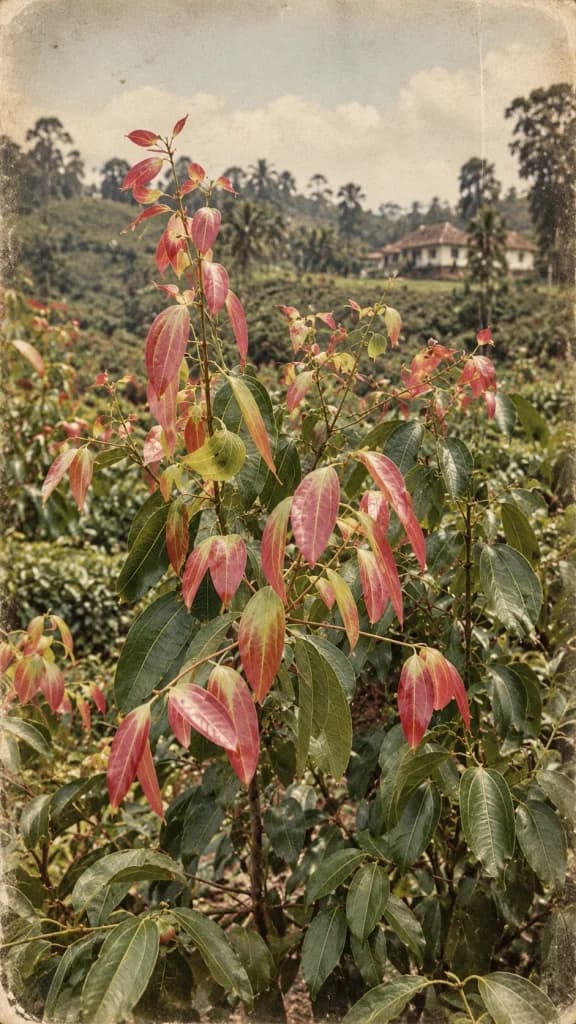
Today, Sri Lanka is internationally associated with Ceylon Tea. Yet centuries before tea plantations transformed the central highlands, cinnamon was already attracting merchants to the island’s shores. The fragrant bark of the cinnamon tree was prized in international trade, particularly for its flavour, aroma and value as a luxury commodity.
Arab and other Asian trading networks connected Ceylon cinnamon with markets beyond the Indian Ocean. Later, European powers sought to control its production and export. When the Portuguese established their presence in parts of the island during the sixteenth century, cinnamon became an important source of commercial revenue.
The Dutch, who displaced Portuguese power in the maritime regions during the seventeenth century, developed a much more tightly controlled cinnamon trade. Under the Dutch East India Company, the spice became a central part of the colonial economy, with regulations governing its collection, preparation and export.
Even after the British took control of the Dutch possessions in Ceylon in 1796, cinnamon remained an important export. Its long commercial history reminds us that the island had established international trading connections centuries before tea became its best-known plantation product.
The Skilled Hands Behind Ceylon Cinnamon
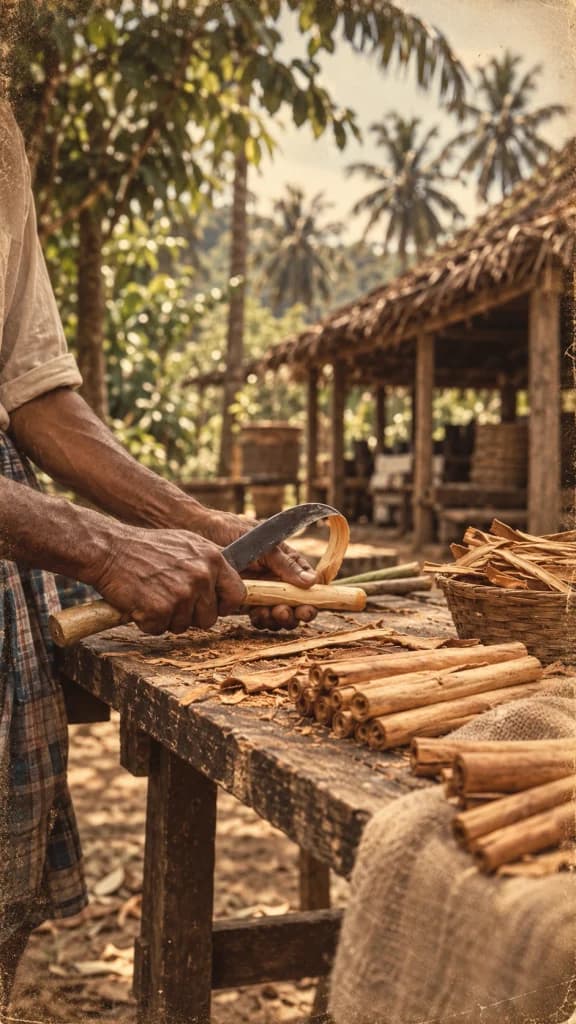
Producing cinnamon was never simply a matter of cutting bark from a tree. The preparation of fine Ceylon cinnamon required considerable experience, patience and precision. Workers first harvested suitable cinnamon stems and removed the rough outer bark. The inner bark was then carefully loosened and separated from the wood using specialised tools.
This was a delicate operation. If the bark tore or broke during removal, it could affect the quality of the finished product. Experienced peelers understood how to judge the suitability of a stem, handle the bark and prepare it without unnecessary damage. The quality of the cinnamon depended as much on their skill as on the trees from which it came.
Once removed, the thin layers of bark were fitted together to form the long, hollow rolls known as cinnamon quills. Smaller pieces of bark were inserted to fill the interior, creating the familiar layered structure associated with genuine Ceylon cinnamon. The quills were then dried, graded, trimmed and prepared for sale.
Much of this process was performed manually, often with workers seated on the floor or on low working surfaces. The traditional methods were so dependent on individual expertise that an experienced cinnamon peeler could make an enormous difference to the quality and quantity of a day’s production.
Life Around the Cinnamon Courtyard
The old photograph provides an interesting illustration of how cinnamon preparation could bring workers together in a shared space. The courtyard appears to serve several purposes, with long cinnamon quills arranged on the ground and larger bundles occupying much of the foreground. Workers are positioned around these materials, apparently engaged in different stages of preparation and handling.
It is a reminder that cinnamon production did not end when the bark was removed from the tree. The spice still had to be dried, assembled, checked, bundled and made ready for transport. In an age before modern processing facilities, much of this work relied on simple tools, suitable drying conditions and the experience of the people performing it.
The photograph also suggests the shared nature of the work. Rather than a fully mechanised operation, it presents a setting in which several individuals contributed to the preparation of a single commercial product. Different tasks required different forms of experience, and the finished cinnamon passed through several hands before it was ready for market.
Although the precise location and date of the photograph remain unverified, the scene is consistent with the traditional methods of cinnamon preparation practised in Ceylon. It preserves the working environment rather than merely the finished commodity, making it particularly valuable as a glimpse into the history of the trade.
The Cinnamon Peelers and Colonial Ceylon
The history of the cinnamon industry also has a more difficult side. For centuries, cinnamon peeling was closely associated with the Salagama community, historically also referred to in colonial records as the Chalia. Their specialised knowledge was central to the production of cinnamon, but their relationship with colonial authorities was shaped by systems of labour obligation and commercial control.
Under the Dutch colonial administration, many members of this community were required to provide cinnamon peeling services through systems of compulsory labour. Workers were expected to fulfil production quotas, while colonial authorities introduced regulations controlling access to cinnamon lands, harvesting and the movement of the product.
The demands placed upon cinnamon peelers were often severe. The Dutch East India Company depended on their expertise but also sought to regulate and exploit their labour in order to maximise profits from the cinnamon trade. The people who possessed the skills necessary to prepare the spice did not necessarily enjoy the economic rewards that its international value might suggest.
This history reminds us that the prosperity generated by Ceylon cinnamon did not always translate into prosperity for those who prepared it. The same spice that commanded high prices in distant markets could represent demanding work and restricted freedom for the people responsible for producing it.
From Wild Cinnamon to Cultivated Gardens
For much of its early history, Ceylon cinnamon was harvested from trees growing naturally in suitable parts of the island. As overseas demand expanded, however, colonial administrators began experimenting with systematic cultivation. The development of cultivated cinnamon gardens gradually changed the organisation of an industry that had long depended on gathering bark from naturally growing trees.
During the eighteenth century, the Dutch developed cinnamon cultivation around Colombo, helping to transform what had largely been a wild-harvested resource into a more organised commercial crop. Cinnamon-growing areas subsequently expanded into other parts of the western and southern coastal regions, where the climate and soil were suitable for cultivation.
The historical connection between Colombo and cinnamon survives in the name Cinnamon Gardens, a reminder of a landscape once associated with the spice industry. The residential neighbourhood familiar today belongs to a very different Colombo, but its name preserves an older use of the land.
Under British rule, commercial cultivation expanded further. By the middle of the nineteenth century, cinnamon occupied extensive areas of land, although coffee and subsequently tea increasingly overshadowed it in the colonial export economy. The spice did not disappear, but its place within the wider commercial history of Ceylon changed as other plantation crops became more prominent.
A Craft That Has Survived Generations
One of the most striking aspects of Ceylon cinnamon is how much of its traditional preparation has survived. Despite advances in agriculture, processing and export technology, the production of high-quality cinnamon quills continues to depend heavily on skilled manual labour. The delicate process of peeling bark and forming the characteristic quills cannot be reduced entirely to ordinary mechanised handling.
Many of the tools and techniques used by cinnamon peelers today would have been recognisable to workers from earlier generations. The preparation of cinnamon still requires careful handling, knowledge of the plant and an understanding of how the bark behaves during peeling and drying.
This continuity is part of what makes Ceylon cinnamon distinctive. Its reputation rests not only on the natural qualities of the spice but also on the skill with which it is prepared. The finished quill may appear simple, yet considerable experience lies behind its appearance.
The industry also faces challenges in sustaining its skilled workforce. Cinnamon peeling requires training and practice, and attracting younger workers into this demanding occupation has been a longstanding concern. The survival of the craft therefore depends not only on the continued cultivation of cinnamon but also on the transmission of knowledge from experienced workers to new generations.
Remembering the People Behind the Spice
When we look back at Ceylon’s colonial economy, it is easy to focus on European trading companies, plantations, merchants and the ships that carried valuable commodities overseas. Far less attention is given to the workers whose knowledge and effort made those commercial networks possible.
The men pictured preparing cinnamon may not have left behind written accounts of their lives. We do not know their names, what they earned, how long they worked each day or what became of their families. The photograph records their presence, but much of their personal history remains beyond our reach.
Their work, however, belonged to a tradition that contributed significantly to the island’s economic and social history. Every carefully prepared cinnamon quill represented more than a commodity. It reflected knowledge of the tree, the precision of the peeler and the labour involved in turning raw bark into a product valued across the world.
Long before modern export branding celebrated the reputation of Ceylon cinnamon, that reputation depended upon the craftsmanship of ordinary people. The skill was developed through experience and passed between generations, becoming part of the working heritage of communities associated with the cinnamon trade.
Today, cinnamon remains one of Sri Lanka’s most recognisable traditional exports. Its history stretches across centuries of trade, colonial competition, agricultural change and community life. The industry continues, but many of the people who contributed to its earlier success are remembered only through scattered records, family histories and photographs such as this one.
Behind the history of this valuable spice were human hands, working patiently in courtyards and workshops, preparing the cinnamon that helped make Ceylon famous.
Visit us: https://trippingsrilanka.com/stories