When Ceylon Was Home: The Nostalgic Way of Life of Sri Lanka s Burgher Community
Burgher life in Old Ceylon | The Sunday church services, Saturday evening dances, spotless homes, family recipes and familiar gatherings that formed part of Burgher life in Old Ceylon.
A Glimpse into Burgher Life in Old Ceylon
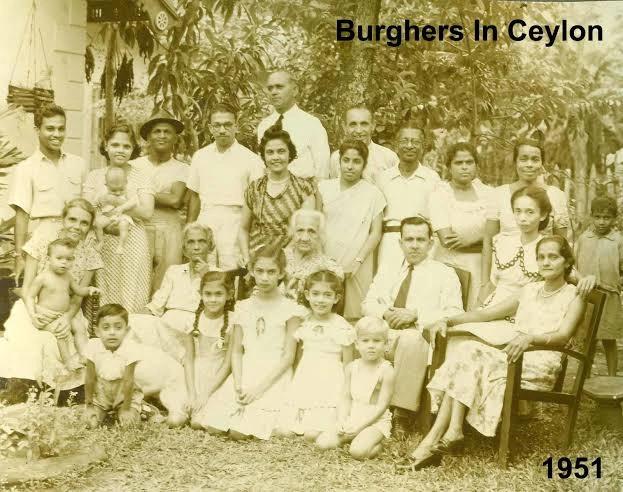
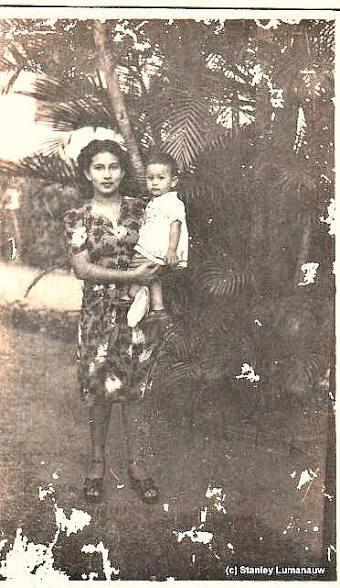
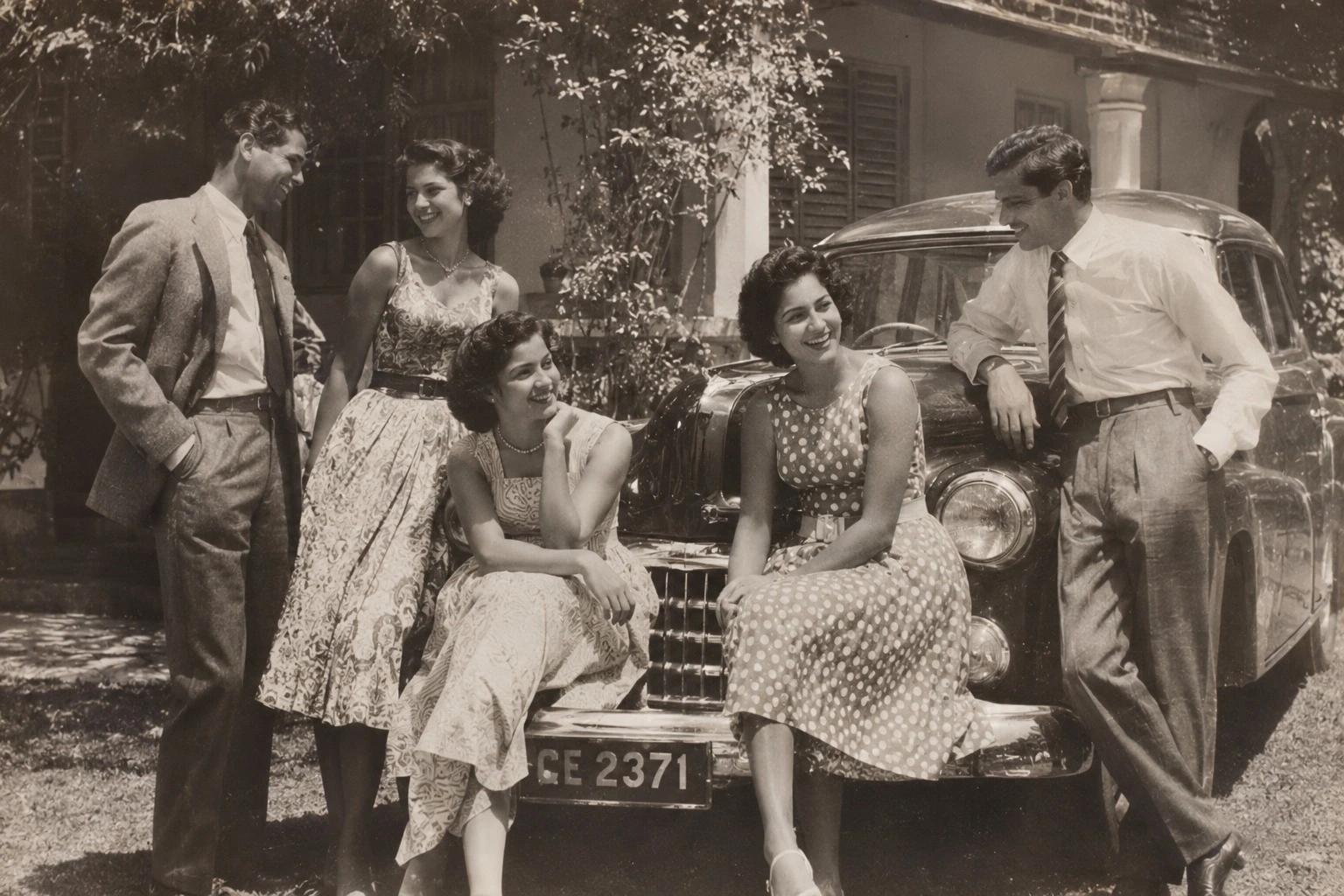
Look at these old photographs for a moment. Young women in pretty, full-skirted dresses, gentlemen in neatly pressed suits, brides wearing long veils and carrying bouquets, and wonderful old motorcars parked outside family homes. There are wedding parties gathered outside churches, children enjoying outings and groups of friends smiling for the camera.
These are the sorts of photographs that filled family albums in many Burgher households during the 1940s, 1950s and 1960s. They remind us of a time when getting dressed for a special occasion was taken seriously, when family gatherings brought several generations together and when photographs were carefully preserved in albums that would be brought out whenever relatives visited.
But the photographs tell only part of the story. Behind the beautiful clothes and happy gatherings was an everyday way of life, with its own routines, customs and family traditions. For many who remember growing up among Ceylon’s Burgher community, it is those ordinary details rather than the grand occasions that bring back the strongest memories.
Sunday Mornings, Spotless Homes and Church
Imagine a Sunday morning in a Burgher household in Old Ceylon. The furniture has been polished, the curtains are freshly laundered and everything is spotless. Father’s shirt is neatly pressed, Mother’s Sunday dress is ready, and the children are being hurried along because the family must leave for church. There is probably someone still looking for a shoe or being reminded to comb their hair properly.
In many Burgher homes, cleanliness and good housekeeping were matters of considerable pride. Rooms were carefully maintained, furniture was polished and everything had its place. These habits were passed down through generations, together with an appreciation for good manners, hospitality and taking care of one’s surroundings.
For many families, Sunday worship was not something to be missed. Christian faith was central to their lives, and church attendance formed an important part of the weekly routine. Roman Catholic, Anglican and Dutch Reformed traditions had all helped shape the community over the centuries. Faith provided comfort and guidance through illness, bereavement and difficult times, as well as being part of the happier occasions in family life.
After church, there might be Sunday lunch, followed by relatives or friends dropping in for tea. An aunt would have news of an engagement, someone might mention a dance planned for the following Saturday, and before long the conversation would turn to old friends and family connections. A familiar tune on the radio or someone playing the piano could easily become part of the afternoon.
The church was also a place where friendships were maintained across generations. Baptisms, confirmations, weddings and funerals brought together families who had known one another for years. For children growing up in these circles, the people encountered at church on Sunday were often the same familiar faces seen at parties, weddings and family gatherings.
A Community with Centuries of History
The Burghers had been part of Ceylon for centuries before the photographs of the twentieth century were taken. Their history reaches back to the Portuguese and Dutch colonial periods, when European settlers formed families with inhabitants of the island. Over generations, their descendants developed languages, customs and traditions shaped by both their ancestry and their long connection with Ceylon.
By the British colonial period, Burgher families were established in different parts of the island. Members of the community worked in government service, the railways, medicine, commerce and many other occupations. They contributed to the professional, administrative and cultural life of Ceylon while maintaining family traditions that had developed over several generations.
Their surnames sometimes reflected European ancestry, but for families who had lived on the island for generations, Ceylon was simply home. The streets they grew up in, the churches they attended and the friends they had known since childhood belonged to the familiar world of their everyday lives.
It is also important to remember that the Burgher community was never entirely uniform. Families differed according to their ancestry, region, religion and personal circumstances. The social traditions of a Dutch Burgher family in Colombo were not necessarily the same as those of a Portuguese Burgher family living in the Eastern Province.
When Visiting Friends Was an Occasion
Social visits were an important pleasure in many households. Children were expected to greet visitors properly, speak respectfully to older people and behave themselves when guests arrived. There could be a certain formality to the first few minutes of a visit, but once everyone had settled down, conversation and laughter usually followed.
Afternoon tea could easily become a long gathering, particularly when the visitors were old friends or relatives. There were family matters to discuss, news to exchange and memories to revisit. In closely connected social circles, an engagement, wedding or new arrival in the family seldom remained unknown for very long.
Hospitality was something many families took pride in. A visitor might be offered tea and something homemade, even if the visit had not been arranged in advance. The familiar recipes, well-kept homes and easy conversation were all part of the pleasure of visiting friends.
For those who grew up in these households, the memories are often of particular people rather than formal occasions. An aunt who always had something interesting to say, a grandmother who insisted that everyone eat before leaving, or a family friend who could turn an ordinary visit into an afternoon of laughter.
Saturday Evening Dances and the Excitement of Getting Ready
For many young people, a Saturday evening dance was something to look forward to. Ballroom dancing was popular in several social circles in mid-twentieth-century Ceylon, and waltzes, foxtrots and quicksteps were enjoyed at clubs, parties and other gatherings. A dance offered the opportunity to meet friends, listen to music and perhaps become acquainted with someone special.
Preparing for the occasion could be almost as enjoyable as attending it. A young woman might have a dress made specially, selecting the fabric and discussing the pattern with her dressmaker. Shoes were chosen carefully, hair was arranged and a little jewellery completed the outfit. The full skirts and fitted waists fashionable during the 1950s remain particularly recognisable in old family photographs.
Many dresses were made locally rather than purchased ready-made. A favourite frock might be worn to several occasions, perhaps with different accessories to give it a slightly different appearance. The dressmaker was often a familiar person whose work was known among friends and relatives.
Young men had their preparations too. Shirts were pressed, shoes polished and hair neatly combed. For a formal dance, a suit and tie might be expected, and a young man hoping to impress someone would certainly have wanted to look his best.
Courtship sometimes developed through these gatherings. A young man might ask a girl to dance, meet her again at another party and eventually find an opportunity to visit her family home. Introductions through friends and relatives were common, and parents often took an interest in whom their sons and daughters were seeing.
A promising romance could soon become a subject of conversation among interested aunts and other relatives. Before long, what began as a dance might lead to a family visit, an engagement and eventually a wedding.
The Music That Filled Their Homes
Music was another memorable part of Burgher social life. Western popular songs, dance-band music and familiar melodies heard on the radio were enjoyed in many households. Some families had a piano or guitar, and an evening with friends could easily include someone playing a favourite tune while the others joined in.
At dances and social gatherings, music brought people together. Familiar songs became associated with particular occasions, friendships and romances. Years later, hearing an old melody could bring back memories of a dance, a party or someone who had once been part of a family’s social circle.
The musical heritage of the wider Burgher community was also varied. Portuguese-influenced communities, particularly in eastern Sri Lanka, preserved traditions such as káfriinha, a form of music and dance shaped by Portuguese, African and local influences.
These traditions were different from the Western ballroom culture enjoyed in some Colombo circles, but both belonged to the broader history of Burgher music and entertainment. Their survival reflects the different cultural influences that became part of the community over centuries.
Weddings, Bridal Gowns and Family Celebrations
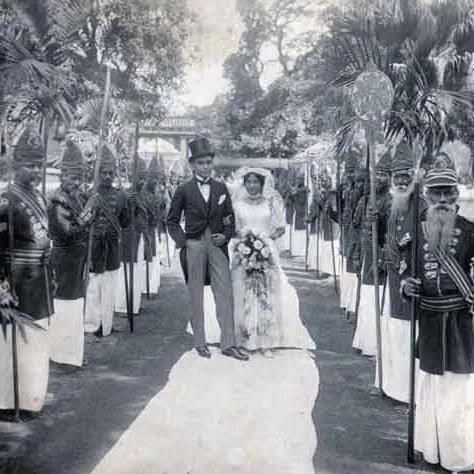
Weddings brought together many of the customs associated with Burgher social life. Preparations could begin weeks in advance, with discussions about the bridal gown, bridesmaids’ dresses, invitations, church arrangements and the reception. Older relatives often took a keen interest in every detail, and there was usually someone ready to offer advice.
In many Christian Burgher weddings of the mid-twentieth century, brides wore white gowns with long veils and floral headpieces, while bridesmaids appeared in matching dresses. Wedding parties gathered for photographs outside churches, beside family homes and alongside the motorcars that carried the newly married couple.
The dresses and formal suits seen in these photographs reflect the fashions of their time. The carefully arranged bridal parties also show how important it was to preserve a record of the occasion. These photographs would later find their way into family albums, where younger generations could see their parents, grandparents and relatives as young men and women.
The reception was an opportunity for guests to dress beautifully, enjoy good food and music, and catch up with people they had not seen for some time. For younger guests, it could also mean another chance to dance or meet friends.
Weddings were remembered not only for the ceremony but for the people who attended, the music that was played and the little incidents that became family stories. Long afterwards, someone would still remember a particular dress, an amusing speech or the couple whose romance had begun at an earlier gathering.
Family Recipes and the Burgher Table
Food remains one of the most recognisable parts of Burgher heritage. Lamprais, breudher, love cake, cutlets and Christmas cake are among the dishes closely associated with the community. Their recipes were often passed from one generation to another, with small variations that made each family’s version distinctive.
One grandmother might be remembered for her Christmas cake, while an aunt was known for particularly good cutlets or lamprais. Handwritten recipe books were treasured, and some methods of preparation were learnt simply by watching an older relative at work.
Burgher cooking developed through a mixture of inherited European influences, local ingredients and Ceylonese tastes. Everyday meals were not confined to the special dishes associated with celebrations. Rice and curry and other familiar Sri Lankan foods were also part of ordinary family life.
Christmas was especially important in many Christian Burgher households. Preparations began well in advance, with cakes to be made, homes to be prepared, church services to attend and friends to entertain. For children, the season brought excitement, presents, visiting relatives and the familiar pleasures of a family Christmas.
Many of these recipes have survived through generations of family cooking. Even among Burgher families who later settled overseas, preparing a familiar dish could bring back memories of a particular kitchen, a grandmother’s instructions or a Christmas spent in Ceylon.
School Holidays, Motorcars and Family Outings
Outside the home, children enjoyed games with neighbours, visits to cousins and afternoons spent outdoors. School holidays brought opportunities for picnics, family outings and trips to the seaside or hill country. For many children, these occasions were among the happiest memories of growing up.
Families who owned motorcars might take a Sunday drive or plan an excursion out of town. Others travelled by train or bus, staying with relatives or visiting friends during the holidays. The journey itself could be part of the enjoyment, particularly when several family members travelled together.
Old photographs from the 1940s, 1950s and 1960s frequently show groups of young people standing beside motorcars, children enjoying outings and couples posing in gardens or churchyards. The clothes and vehicles may attract our attention today, but for the people pictured, these were familiar occasions shared with relatives and friends.
A family picnic, a visit to the seaside or an afternoon spent with cousins might not have seemed important enough to describe in a letter or diary. Yet photographs of such occasions often become especially treasured because they preserve people and places that later generations may never have known.
Burgher Communities Beyond Colombo
Although much of the familiar photographic record focuses on Colombo and its social circles, Burgher life extended well beyond the capital. Families lived in towns and communities across the island, each with its own history and local traditions.
The Dutch Burgher Union, established in Colombo in 1907, became an important institution associated with Dutch Burgher genealogy, family history and cultural activities. Its records provide valuable information about families whose histories stretch back through several generations of life in Ceylon.
Portuguese Burgher communities in places such as Batticaloa and Trincomalee maintained linguistic, musical and cultural traditions of their own. Forms of Sri Lanka Portuguese, a creole language that developed during the colonial period, survived in some of these communities.
These differences are important when looking back at Burgher life. Not every family followed the same social customs, attended the same churches or enjoyed the same forms of entertainment. The community’s history is richer when its regional and family differences are recognised rather than treated as a single way of life.
When Families Began Leaving Ceylon
The decades following independence brought considerable change to Burgher communities. When Ceylon gained independence in 1948, the country entered a period of political and administrative transition. The Sinhala Only Act of 1956 altered the position of English in government administration, affecting employment opportunities for many people, including Burghers who had worked in the public service.
For some families, these developments contributed to decisions about emigration. Employment prospects, family circumstances and opportunities to build a future overseas were also important considerations. Australia became a major destination for Burgher migrants during the 1950s and 1960s, while others settled in Britain, Canada and New Zealand.
Leaving Ceylon meant leaving a country where generations of the same family had lived. The churches, familiar neighbourhoods, social gatherings and lifelong friendships that had formed part of everyday life could not simply be packed into a suitcase.
Many families nevertheless carried their customs with them. Recipes were prepared in new kitchens, familiar songs were played at gatherings and Sunday worship remained important to those whose faith had sustained them in Ceylon.
In Australia and elsewhere, Burgher families established new social networks, sometimes reconnecting with friends and acquaintances from the island. Weddings, dances and community gatherings continued, providing opportunities to maintain familiar traditions in a different setting.
Those who remained in Sri Lanka also carried on their customs while adapting to the changes taking place around them. Burgher heritage therefore continued both within the island and among communities that had settled abroad.
When Ceylon Was Simply Home
Today, Burgher heritage remains part of Sri Lanka’s cultural history through its food, music, languages, family records and the contributions of individuals in many fields. For descendants living overseas, old photographs and family stories provide a connection to a Ceylon they may never have known.
Yet what makes the Burgher way of life in Old Ceylon interesting is not simply the beautiful dresses, dances or old motorcars. It is the particular mixture of traditions that developed over centuries of living on the island. The music, religious customs, family celebrations and recipes associated with different Burgher communities reflected both their historical roots and their deep connection with Ceylon.
For those who remember those years, the memories are often very specific. Getting ready for a Saturday evening dance, hearing someone play a favourite tune on the piano, enjoying a family recipe or being hurried along on Sunday morning because everyone was expected at church.
Some remember the spotless homes, the polished furniture and the careful preparations made before visitors arrived. Others remember the familiar faces at church, the family gatherings at Christmas or the relatives who always seemed to have another story to tell.
These are the details that photographs cannot fully explain. The camera preserved the clothes, the people and the surroundings, but the everyday routines and family stories lived on in the memories of those who were there.
Perhaps somewhere in an old family album is a photograph of just such an occasion, with familiar faces smiling back from a Ceylon that was, for generations of Burgher families, simply home.
Visit us: https://trippingsrilanka.com/stories