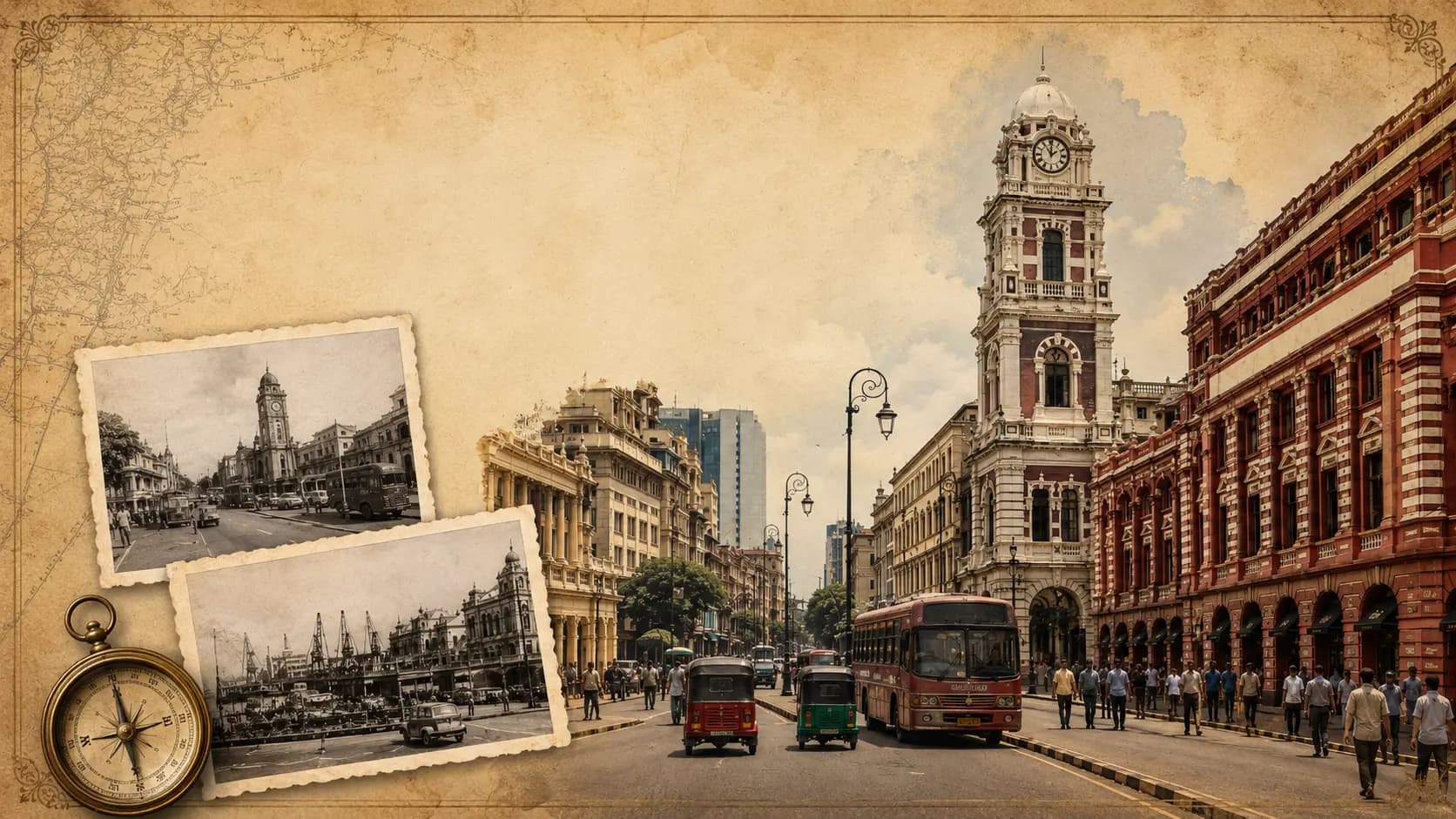
Colombo is often seen as Sri Lanka’s busy commercial capital, full of traffic, offices, hotels, cafés and new high-rise buildings. But beneath this modern surface is another city — older, quieter and far more fascinating. This is colonial Colombo, a city shaped by sea trade, European empires, merchant families, military forts, harbour life and grand public buildings from the age of Ceylon.
For visitors interested in colonial Ceylon, Old Colombo offers one of the most rewarding city walks in Sri Lanka. Unlike Galle Fort, where colonial streets are preserved within a walled town, Colombo’s colonial past is scattered across a living city. It hides in old clock towers, red-brick façades, Dutch courtyards, church walls, government buildings and narrow commercial lanes where traders still carry on the energy of an old port town.
This walking guide through Old Colombo focuses mainly on Fort and Pettah, two historic areas that once formed the heart of colonial administration and trade. It is not just a route through old buildings. It is a walk through the story of how Colombo became the capital of British Ceylon, and how earlier Portuguese and Dutch layers still survive in the city’s architecture and atmosphere.
Why Old Colombo Matters in Colonial Sri Lanka
Colombo’s importance came from the sea. Long before it became the island’s capital, it was a port that attracted Arab traders, South Indian merchants and later European powers. The Portuguese arrived in the 16th century and recognised Colombo’s strategic value. The Dutch followed in the 17th century, strengthening the city’s fortifications and turning it into an important centre of trade and administration. The British took control at the end of the 18th century and later made Colombo the capital of the entire island of Ceylon.
That layered history is what makes Old Colombo so interesting. It is not purely Portuguese, Dutch or British. It is a mixture of all three, with Sri Lankan commercial life running through it. The name “Fort” still survives, although the old ramparts were removed in the 19th century. Pettah, once the busy town outside the fortifications, remains one of the most energetic trading districts in Sri Lanka.
For history readers, Old Colombo is a reminder that colonial Sri Lanka was not only about tea estates, hill country bungalows and coastal forts. It was also about the port city — the place where officials arrived, goods were exchanged, ships anchored, newspapers circulated, banks opened and modern urban Ceylon began to take shape.
Starting Point: Colombo Fort Clock Tower
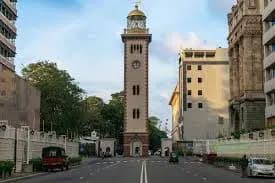
A good colonial Colombo walk can begin near the Colombo Fort Clock Tower. Today it stands at a busy junction, surrounded by banks, offices and security zones, but it once served a very different purpose. The tower was originally connected to Colombo’s maritime world and functioned as a lighthouse before later becoming known mainly as a clock tower.
This is a good place to pause and imagine Old Colombo before the harbour and city expanded into their present forms. In the colonial period, Fort was not simply a business district. It was the administrative and military centre of Ceylon. Streets such as Chatham Street, York Street and Queen’s Road carried the atmosphere of empire: shipping offices, government departments, European shops, clubs and hotels.
The clock tower also gives visitors an important clue about Colombo’s urban history. Many colonial cities were designed around visible markers of time, authority and navigation. A lighthouse guided ships. A clock regulated the working day. A fort controlled movement. In one structure, Colombo’s clock tower reflects the city’s link with the sea, commerce and colonial order.
Walk Along Chatham Street and York Street
From the clock tower, walk towards the old commercial streets of Fort. This area is one of the best places to see how British Ceylon presented itself as a modern colonial capital. Look above the shopfronts and office entrances. The upper floors often reveal arched windows, decorative balconies, classical columns and heavy façades that belong to an older period of Colombo’s life.
York Street is especially important in the story of colonial Colombo. It was once lined with major commercial establishments that served colonial officials, merchants, travellers and plantation society. The buildings here show how Colombo developed from a fortified port into a business capital connected to global trade.
The most striking landmark in this area is the red-and-white Cargills building, one of the most recognisable colonial buildings in Colombo Fort. Its bold colour, long frontage and decorative architecture make it a favourite subject for photographers. But it is more than an attractive building. It represents the rise of department stores, imported goods and urban consumer culture in British Ceylon.
For visitors walking through this area, the charm is in the contrast. At street level, Colombo is fast, noisy and practical. Above eye level, colonial Ceylon appears in the details — cornices, arches, old signage, stonework and proportions designed for a different age.
The Old Dutch Hospital: From Colonial Medicine to Modern Leisure
A short walk from the Fort streets brings you to the Old Dutch Hospital, one of the most important surviving Dutch colonial buildings in Colombo. It is also one of the best examples of how colonial architecture has been adapted for modern use.
The building was originally created during the Dutch period as a hospital serving Dutch East India Company officers, soldiers and seafarers. Its location near the harbour made sense. Colombo was a port city, and illness among sailors, soldiers and officials was a serious concern in the tropics. The architecture reflects this practical purpose. Thick walls, high ceilings, open courtyards and deep verandahs helped reduce heat and humidity before the age of air conditioning.
Today the Old Dutch Hospital is known as a dining and shopping precinct, but visitors should not rush through it only for restaurants and cafés. Stand in one of its courtyards and look carefully at the proportions of the building. The layout is calm and defensive at the same time. It feels enclosed, shaded and protected from the surrounding city.
This is one of the best places in Colombo to understand Dutch Ceylon not through a museum display, but through space itself. The building tells a story of empire, medicine, maritime trade and tropical adaptation. It also shows how heritage buildings can survive when they are given new life.
The Old Parliament and the British Face of Colombo
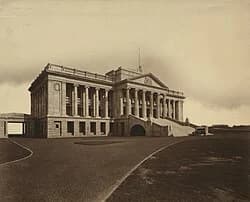
From the Dutch Hospital area, continue towards Galle Face and the Old Parliament Building. This is one of the grandest colonial-era buildings in Colombo and a key landmark of British Ceylon. Facing the sea, the building projects authority, order and permanence. Its classical style reflects the British preference for architecture that connected imperial power with ancient European models of government and civilisation.
The Old Parliament Building once housed the island’s legislature before Sri Lanka’s Parliament moved to Sri Jayawardenepura Kotte. Today it is associated with the Presidential Secretariat, but for the colonial Colombo walker, its significance lies in how it shaped the ceremonial face of the city.
This part of Colombo is very different from the narrow streets of Pettah or the commercial blocks of Fort. Here, the city opens towards the ocean. The sea breeze, the long view and the monumental architecture all create a sense of colonial spectacle. It was a landscape designed to impress.
For visitors interested in colonial Sri Lanka, this stop helps connect architecture with power. The Dutch Hospital speaks of trade and health. Cargills speaks of commerce. The Old Parliament speaks of law, administration and the political transformation of Ceylon.
Galle Face Green: Colombo’s Colonial Promenade
A walk through Old Colombo should include Galle Face Green, especially in the late afternoon. Today it is one of Colombo’s most loved public spaces, filled with families, kite sellers, food vendors and people watching the sunset. But its origins are closely tied to colonial urban planning.
Galle Face was once a broad open space near the fortifications and later became a promenade, recreation ground and public gathering place. In British Ceylon, open urban spaces like this were not just decorative. They were part of the social world of the colonial capital. Military displays, horse racing, evening walks and elite leisure all shaped the character of the area.
The nearby Galle Face Hotel adds another layer to this experience. As one of Colombo’s great colonial hotels, it belongs to the age of steamships, long sea voyages and travellers arriving in Ceylon before continuing to the hill country, India or the Far East. Even if you do not stay there, the hotel’s presence helps complete the atmosphere of colonial Colombo by the sea.
Galle Face is also a reminder that colonial spaces are never frozen in the past. They change meaning over time. What was once associated with imperial leisure is now a democratic public space where Colombo gathers in all its modern diversity.
Into Pettah: The Living Old Town
After exploring Fort and Galle Face, the walk can continue towards Pettah. This is where Old Colombo becomes louder, denser and more alive. Pettah was historically the town outside the fort, and it remains one of the busiest market districts in Sri Lanka.
For visitors, Pettah can feel overwhelming at first. Streets are packed with shops selling textiles, electronics, jewellery, spices, household goods and religious items. But this energy is part of its historical identity. Pettah has always been a place of exchange. Long before modern shopping malls, this was where Colombo’s commercial pulse could be felt most strongly.
The colonial history of Pettah is not always as polished as Fort. It is hidden in street patterns, old warehouses, religious buildings and multicultural communities. Mosques, churches, kovils and merchant houses stand close to each other, reflecting Colombo’s role as a port city shaped by many peoples.
A heritage walk through colonial Colombo should not ignore Pettah simply because it is crowded. In fact, Pettah may be the most authentic part of the route. Fort shows the architecture of colonial authority. Pettah shows the human life around it.
Wolvendaal Church: Dutch Colombo on a Hill
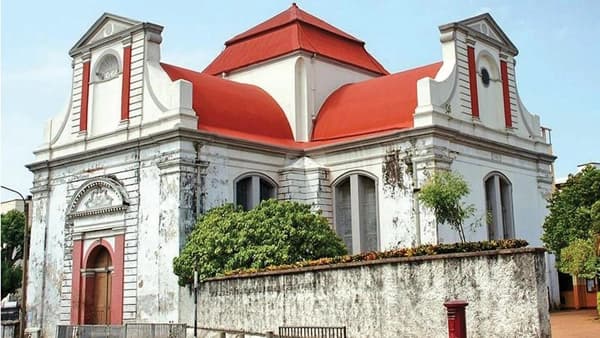
One of the most important colonial landmarks in Pettah is Wolvendaal Church. Built during the Dutch period, it remains one of the finest Dutch colonial-era religious buildings in Sri Lanka. Its thick walls, elevated position and sober architecture create a very different mood from the commercial chaos of the streets below.
Wolvendaal is not only beautiful; it is historically significant. It represents the Dutch Reformed tradition in Ceylon and the social hierarchy of Dutch colonial Colombo. Inside and around the church, memorials and tombstones preserve names from another world — governors, officials, families and members of the Dutch colonial community.
For history readers, this is one of the most powerful stops on the walk. It gives colonial Colombo a human dimension. Empires can feel abstract when we speak only of forts, governors and trade. But churches, graves and memorial tablets reveal the individuals who lived, worshipped, served, died and were remembered in colonial Ceylon.
The church also shows how Colombo’s colonial heritage survives in unexpected places. It is not set apart in a manicured heritage zone. It stands within a living neighbourhood, surrounded by noise, traffic and trade. That contrast makes it even more memorable.
Optional Extension: Dutch Period Museum
If time allows, visitors can extend the walk to the Dutch Period Museum in Pettah. This museum offers useful context for understanding Dutch Ceylon, including domestic life, trade, furniture, coins and colonial administration.
While the Dutch Hospital and Wolvendaal Church allow visitors to experience surviving architecture, a museum visit helps piece together the wider historical background. It is especially useful for research-minded travellers who want to understand how Dutch rule shaped Colombo before the British period transformed it further.
Check opening times before visiting, as museum access can vary. Still, for anyone deeply interested in colonial Sri Lanka, it is a worthwhile addition to the route.
Best Way to Experience Old Colombo
Old Colombo is best explored slowly. This is not a walk to rush through with only a checklist of buildings. The real pleasure comes from noticing details: the curve of an old balcony, the shadow of a verandah, the width of a colonial doorway, the way a street name still carries the memory of empire.
Early morning is ideal for photography and cooler weather. Late afternoon is better if you want to end at Galle Face for sunset. Comfortable shoes are essential, and visitors should be prepared for heat, traffic and busy crossings. Some buildings are best viewed from outside, especially those now used for government or commercial purposes.
A guided walk can add value, particularly for visitors who want deeper stories about architecture, colonial administration, trade and local communities. However, independent travellers can still enjoy the route by treating the city itself as an open-air archive.
Why Colonial Colombo Still Fascinates Visitors
Colonial Colombo is not a perfectly preserved museum city. That is exactly what makes it interesting. Its history is fragmented, layered and alive. A Dutch hospital becomes a restaurant precinct. A British parliament becomes a modern state building. A colonial promenade becomes a public seaside gathering place. A market district continues to trade with the same restless energy that made Colombo important centuries ago.
For travellers interested in colonial Ceylon, Old Colombo offers something different from the more romantic heritage towns of Sri Lanka. It reveals the capital as a working colonial city — administrative, commercial, maritime and multicultural. It shows how Sri Lanka’s modern urban history grew out of older networks of empire, trade and local adaptation.
To walk through Old Colombo is to see the capital not only as a modern city, but as a palimpsest of Portuguese ambition, Dutch planning, British authority and Sri Lankan resilience. The buildings may be weathered, restored, repurposed or half-hidden, but together they tell one of the most important stories in colonial Sri Lanka.
FAQs About Walking Through Colonial Colombo
What is the best area to see colonial buildings in Colombo?
The best areas are Colombo Fort and Pettah. Fort has British-era commercial and government buildings, while Pettah has important Dutch colonial landmarks such as Wolvendaal Church and other historic religious and trading sites.
Can you walk around Old Colombo on your own?
Yes, many parts of Fort, Galle Face and Pettah can be explored on foot. However, some government buildings are best viewed from outside, and visitors should be aware of traffic, security restrictions and busy market streets.
What are the most important colonial landmarks in Colombo?
Key colonial landmarks include the Old Dutch Hospital, Cargills building, Colombo Fort Clock Tower, Old Parliament Building, Galle Face Green, Galle Face Hotel and Wolvendaal Church.
Is Colombo Fort still a real fort?
The old fortifications are no longer standing in the way they once did. The name “Fort” remains because this area was historically the fortified centre of colonial Colombo.
Why is Old Colombo important to colonial Ceylon history?
Old Colombo was the administrative, commercial and maritime centre of colonial Ceylon. Its buildings and streets show how Portuguese, Dutch and British influence shaped the capital before and after Sri Lanka became independent.
Visit Us: https://trippingsrilanka.com/themes
More from Old Ceylon
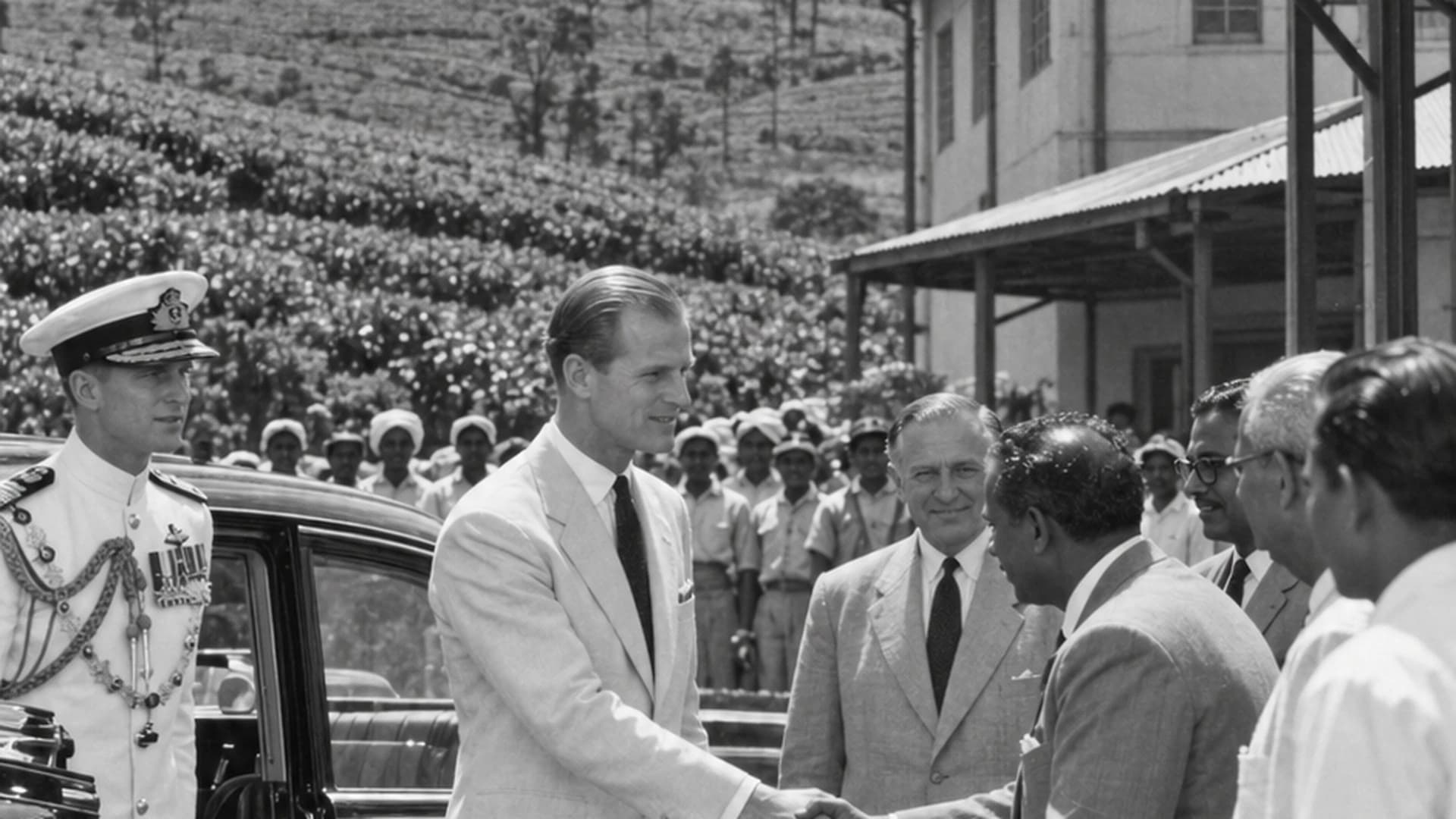
When Prince Philip Visited Pedro Estate: The Royal Visit That Became Part of Ceylon Tea History in 1954
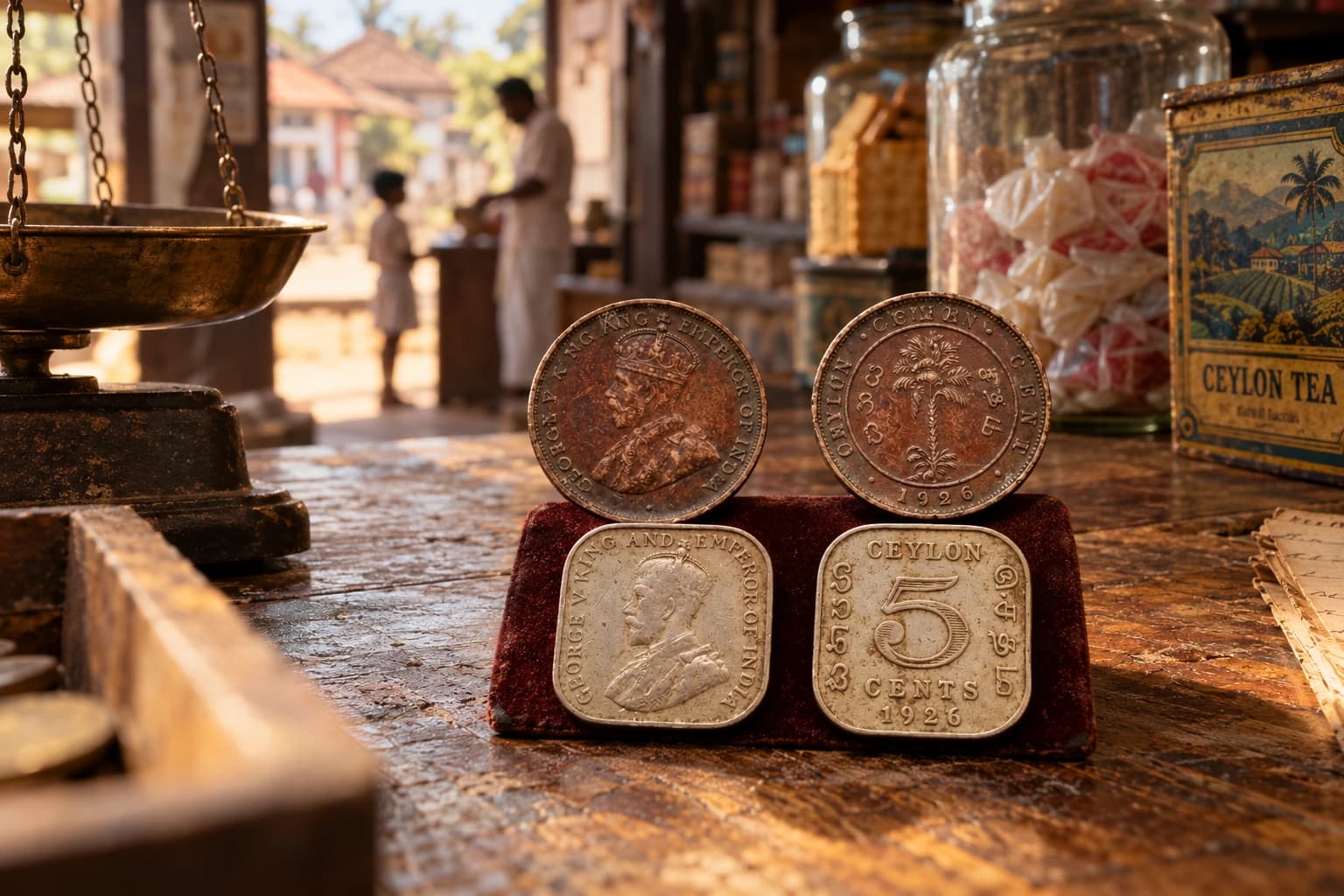
When Five Cents Mattered: The Forgotten Small Change of Old Ceylon