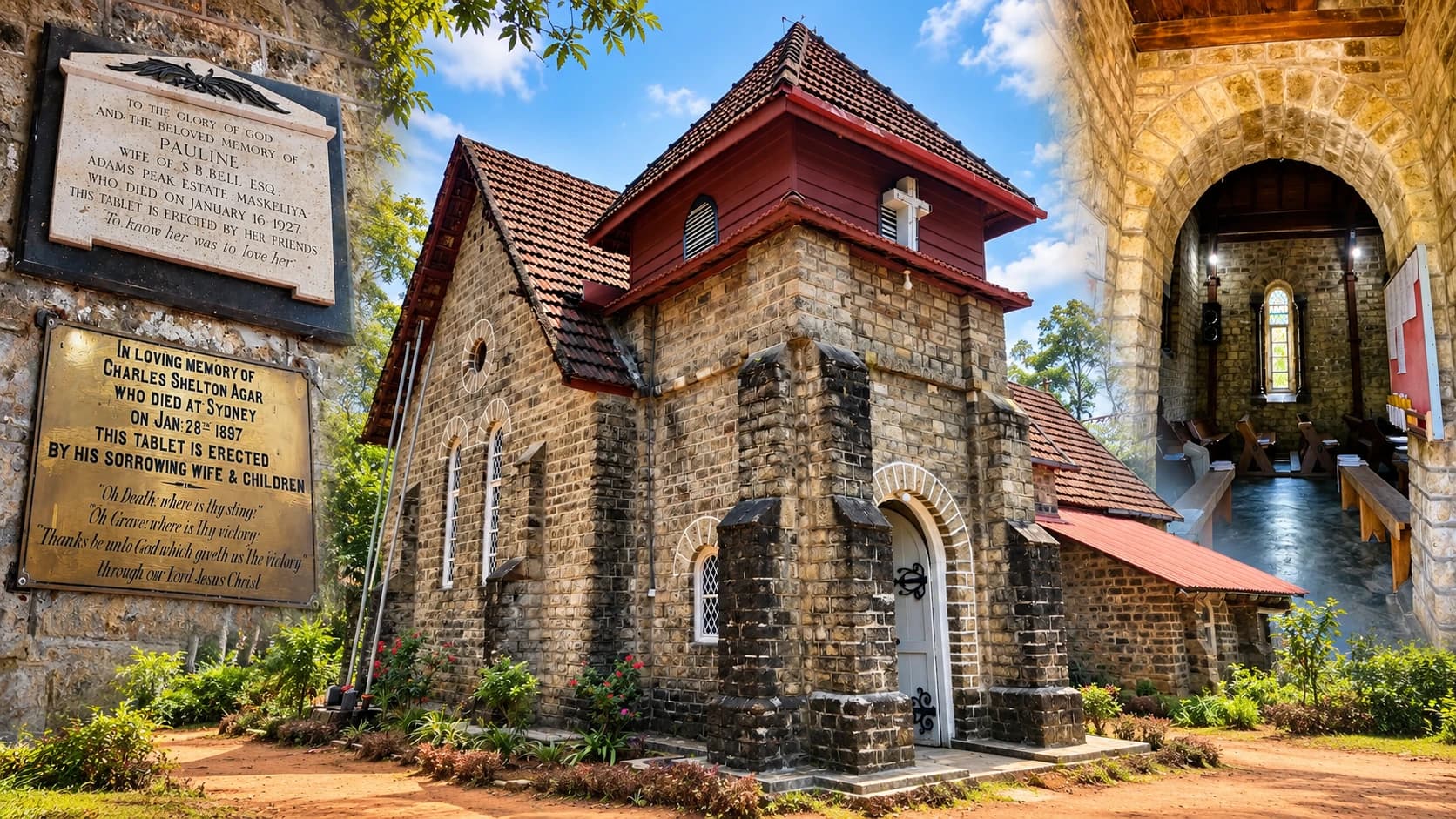
Sir Christopher Ondaatje: The Ceylon-Born Philanthropist Who Never Forgot Yala

A Life Remembered Through Sri Lanka’s Wild Places
Sir Christopher Ondaatje’s name belongs to many worlds.
He was a businessman, philanthropist, adventurer, writer, explorer and collector of stories. He built a successful life far from the island of his birth, but Ceylon — and especially the wild country of Yala — remained part of his imagination for the rest of his life.
The tribute image marking Sir Christopher Ondaatje, 1933–2026, reminds us not only of a distinguished public figure, but of a man whose life began in Ceylon and whose memory of Sri Lanka’s wilderness never left him.
For Tripping Sri Lanka readers, his story is important because it links Old Ceylon, diaspora memory, wildlife, literature and conservation. It also reminds us that Yala is not only a national park. For many people, it is a place of first encounters, childhood awe and lifelong attachment.
Check our previous article – https://trippingsrilanka.com/stories/h-c-p-bell-ceylon-ancient-cities
Born in Ceylon, Remembered Across the World
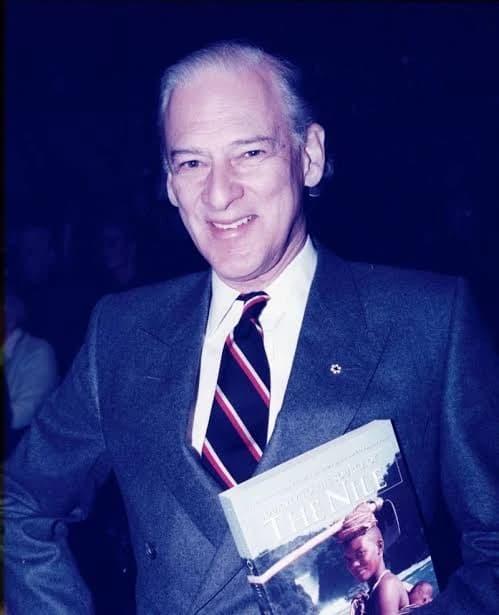
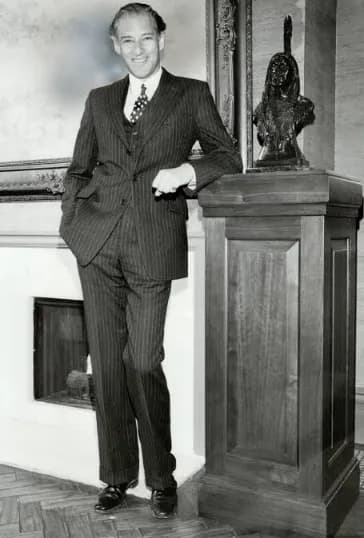
Sir Christopher Ondaatje was born in Ceylon in 1933. He later became known internationally as a Sri Lankan-born Canadian-English businessman, writer, adventurer and philanthropist.
His life took him far beyond Sri Lanka. He built his business career in Canada, became associated with major philanthropic gifts, wrote books, travelled widely and followed the routes of famous explorers.
Yet his earliest landscape was Ceylon.
This matters because many Sri Lankans who left the island carried Ceylon with them in memory: the smell of rain, the old roads, the sound of birds, the dry-zone scrub, the sea, the gardens, the schools, the bungalows and the wild places of childhood.
For Ondaatje, one of those defining places was Yala.
The First Leopard at Yala
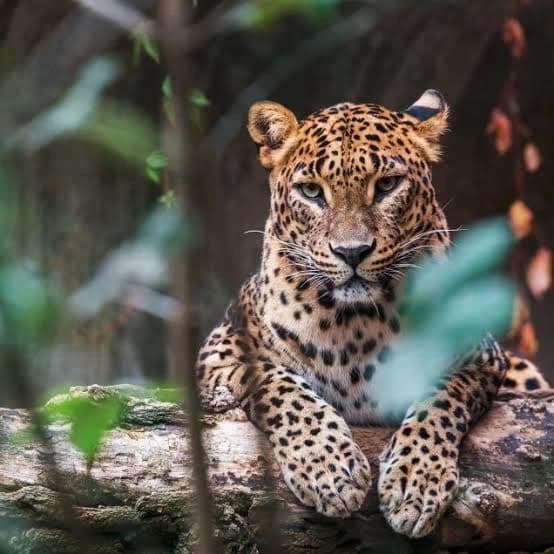
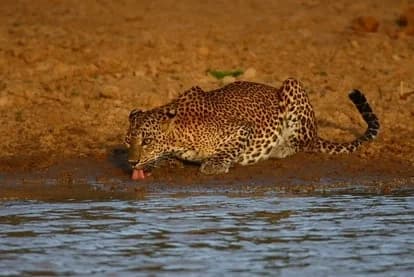
One of the most powerful details from Sir Christopher Ondaatje’s life is his memory of seeing his first leopard in Yala.
As a boy, he visited what was then the Yala game reserve with his father. That moment stayed with him for life. He later spoke of the leopard as a creature of beauty, danger, mystery and vulnerability.
This was not a passing childhood memory. It became a lifelong fascination.
In later years, Ondaatje tracked and photographed leopards in Sri Lanka, India and Africa. He wrote about them, spoke about their beauty, and understood them not as trophies, but as living creatures deserving respect.
That is what makes his Yala connection special.
It was not simply that he once visited Yala. It was that Yala gave him an image that shaped his imagination for decades.
Yala as It Was in Old Ceylon
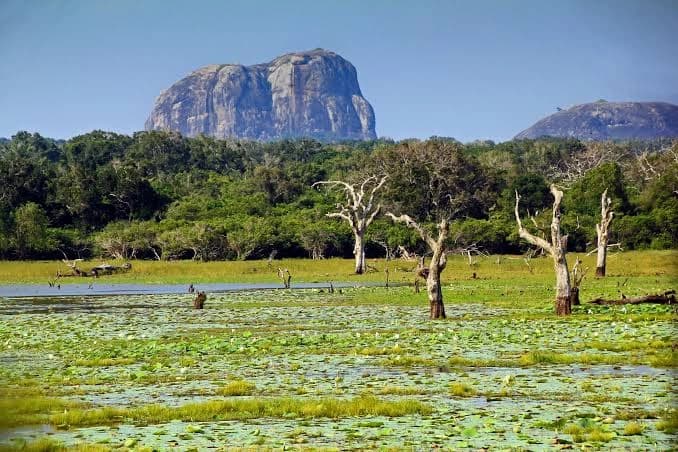
To understand the importance of that memory, we must imagine Yala before modern safari tourism.
The Yala of earlier decades was not the crowded jeep destination that many travellers know today. It was wilder, quieter and more difficult to reach. Roads were rougher. Facilities were fewer. Wildlife watching required patience, luck and field knowledge.
A visit to Yala in Ondaatje’s childhood would have felt like entering another world.
There would have been dry-zone forest, scrub jungle, open plains, rocky outcrops, tanks, birds, deer, elephants, crocodiles and the possibility of a leopard appearing and disappearing in silence.
For a young boy, such an encounter could become unforgettable.
The leopard was not simply an animal seen from a vehicle. It was a symbol of wild Ceylon — elusive, dangerous and beautiful.
The Leopard as a Lifelong Muse
Sir Christopher Ondaatje’s fascination with leopards continued throughout his life.
He saw the leopard not merely as a predator, but as a creature carrying mystery and contradiction. It could be ruthless and vulnerable at the same time. It could inspire fear and admiration at once.
This feeling is central to why leopards have such power in Sri Lankan wildlife culture.
The Sri Lankan leopard, known scientifically as Panthera pardus kotiya, is the island’s top predator. In Yala, it became the animal most travellers hoped to see. Its presence gives the park much of its international fame.
For Ondaatje, however, the leopard was more than a safari sighting. It was a presence that connected memory, writing, photography and conservation.
He helped make the leopard not just an animal of the jungle, but an animal of imagination.
Service to Sri Lanka Through Memory, Writing and Wildlife Awareness
Sir Christopher Ondaatje’s service to Sri Lanka should be understood in a broad sense.
He was not remembered as a government wildlife officer or a park warden. His contribution was different. He carried Sri Lanka’s wild image into international writing, philanthropy and public memory.
By speaking and writing about leopards, especially the first leopard he saw in Yala, he helped keep attention on one of Sri Lanka’s most iconic animals. He showed that the island’s wildlife was not merely scenery for tourists, but part of a deeper emotional and cultural inheritance.
His life also represented the wider Sri Lankan diaspora story.
He was born in Ceylon, left the island, succeeded abroad, but remained connected to the landscapes and memories of his origin. That connection matters. It shows how Sri Lanka continues to live in the minds of people who carry it across the world.
Why Yala Was Special to Him
Yala was special to Sir Christopher Ondaatje because it gave him his first great wildlife memory.
A first leopard sighting is not easily forgotten. Even experienced wildlife lovers often describe leopard encounters as sudden and almost unreal. The animal appears briefly, moves with silence, and disappears before the mind fully grasps the moment.
For Ondaatje, that first sighting in Yala became a seed.
From it grew a lifetime of interest in leopards, wild places, exploration and storytelling. Yala was therefore not just a childhood destination. It was the beginning of a personal mythology.
That is why Sri Lanka should remember him in connection with Yala.
His life shows how one encounter with wildlife can shape a person’s imagination forever.
The Special Things Connected to His Yala Legacy
Sir Christopher Ondaatje’s connection to Yala is special for several reasons.
He Saw His First Leopard in Yala
This childhood memory became one of the defining wildlife experiences of his life.
He Treated Leopards as Living Wonders, Not Trophies
Unlike the older colonial hunting tradition, his later interest was connected to observation, photography and fascination rather than killing.
He Connected Sri Lanka to Global Wildlife Imagination
Through his writing and public life, he helped place Sri Lanka’s leopards within a wider international conversation about big cats.
He Represented the Ceylon-Born Global Sri Lankan
His story shows how people born in Ceylon carried the island into global cultural and philanthropic circles.
He Reminded Us That Yala Creates Lifelong Memories
For many visitors, Yala is not simply a safari. It becomes a place they remember for the rest of their lives.
From Colonial Hunting to Conservation Thinking
Sir Christopher Ondaatje’s leopard story is also important because it reflects a larger historical shift.
In the colonial era, wildlife was often seen through the lens of hunting. Leopards, elephants and other animals were pursued as trophies. Skins, horns, heads and photographs of kills became part of colonial sporting culture.
By the later twentieth century, that attitude had begun to change.
The camera gradually replaced the rifle. Wildlife watching became more important than hunting. Conservation, research and education became central to the future of national parks.
Ondaatje’s own relationship with leopards belongs more to this later world. He wanted to see them, photograph them and write about them. This is a meaningful shift.
It shows how the wild animals of Sri Lanka moved from being targets of sport to subjects of wonder and protection.
Yala and the Sri Lankan Leopard Today
Today, Yala remains one of the best-known places in the world to see leopards in the wild.
The Sri Lankan leopard is endemic to the island and plays a vital role as an apex predator. Its survival matters not only because it is beautiful, but because it helps maintain the balance of the ecosystem.
Modern leopard conservation depends on research, habitat protection, visitor discipline, awareness and responsible tourism. Yala’s fame brings benefits, but also pressure. Too many vehicles, poor driving practices and excessive crowding around sightings can harm the very animals that visitors come to see.
This makes Ondaatje’s legacy especially relevant.
A true love for leopards cannot end with wanting to see them. It must also include respect for their space, safety and future.
The Importance of Leopard Research and Education
Sri Lanka’s leopard conservation work has grown significantly in recent decades.
Research groups and conservation organisations have studied leopard distribution, behaviour, density, movement and conflict issues in Yala and other parts of the island. These studies help build the knowledge needed to protect the species properly.
Yala has also become associated with leopard education and visitor interpretation. Such efforts are important because a visitor who understands the animal is more likely to behave responsibly.
A leopard is not a photo opportunity alone.
It is a wild predator with territory, behaviour, stress responses and ecological importance.
The more travellers understand this, the better Yala’s future will be.
A Better Way to Visit Yala in His Memory
If Sir Christopher Ondaatje’s first leopard at Yala shaped his life, then modern travellers can honour that legacy by visiting Yala with respect.
That means choosing responsible safari operators, avoiding pressure on drivers to chase sightings, respecting park rules, not crowding animals, keeping quiet near wildlife and understanding that not seeing a leopard is also part of the wild experience.
Yala should not become only a race for leopard photographs.
It should remain a place where visitors learn patience, silence and respect for nature.
That is the deeper lesson of Ondaatje’s connection to the park. The value of Yala is not only in the sighting. It is in the encounter with wilderness itself.
A Ceylon-Born Life of Adventure and Giving
Sir Christopher Ondaatje’s life moved across continents.
He achieved success in business, supported cultural and philanthropic causes, wrote books, explored landscapes and followed stories wherever they led him. But beneath that public life was a Ceylon-born imagination.
His attachment to leopards, and especially his first sighting at Yala, gives Sri Lanka a personal claim on his memory.
He belonged to the wider world, but part of him belonged to the island’s dry-zone wilderness.
That is why his story matters to Tripping Sri Lanka.
It is not only about a famous man. It is about how Sri Lanka’s landscapes shape people — sometimes for life.
Why Sri Lanka Should Remember Him
Sri Lanka should remember Sir Christopher Ondaatje for several reasons.
He was born in Ceylon and carried that origin into a global life. He became known as a philanthropist, writer and adventurer. He loved leopards and traced that love back to a childhood encounter in Yala. He helped show that Sri Lanka’s wildlife could leave a mark on the imagination of the world.
His story also helps us understand the emotional value of heritage and nature.
Buildings can be restored. Archives can be preserved. But memories of wild places are more fragile. They live in stories, books, photographs and the lives of people who were changed by them.
Ondaatje’s Yala memory is one such story.
Final Thoughts: The Leopard That Stayed with Him
Sir Christopher Ondaatje’s life was wide, ambitious and global. But one of its most moving details brings us back to Ceylon: a boy in Yala, seeing his first leopard.
That moment became more than a wildlife sighting.
It became a lifelong fascination, a literary image and a personal connection to Sri Lanka’s wild heart.
For Tripping Sri Lanka readers, his story reminds us that Yala is not only a place for safari drives. It is a landscape that enters memory. It can shape writers, travellers, photographers and conservationists. It can turn one brief glimpse of a leopard into a lifetime of wonder.
Sir Christopher Ondaatje’s service to Sri Lanka lies partly in that remembering.
He carried Yala with him.
And through his love for the leopard, he helped remind the world that Sri Lanka’s wild places are not merely beautiful — they are unforgettable.
Visit Us: https://trippingsrilanka.com/stories
Heritage places mentioned

Yala National Park
More from Old Ceylon
When the King’s Birthday Was Celebrated on Galle Face Green: A Glimpse of Colombo in 1933
Holyrood Estate, Talawakelle: An Old Ceylon Bungalow and a Name That Echoes Scotland