From London to Ceylon: The Remarkable Second Life of Britain s Famous Double-Decker Buses
Long before modern buses became the familiar sight on Sri Lanka’s roads, the double-decker was part of everyday travel. Some had already carried thousands of passengers through the streets of London before finding a second life thousands of miles away, on the roads of Sri Lanka.
When the Double-Decker Was Part of Everyday Life
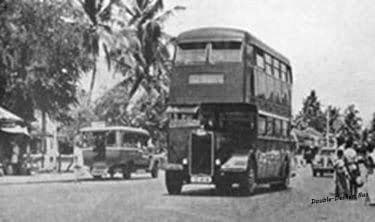
There was a time when the sight of a double-decker bus approaching a bus stop was enough to excite a young passenger. The opportunity to climb the narrow staircase and find a seat on the upper deck was something special. From that elevated position, familiar streets looked different, shopfronts appeared closer, and the ordinary journey became an experience worth remembering.
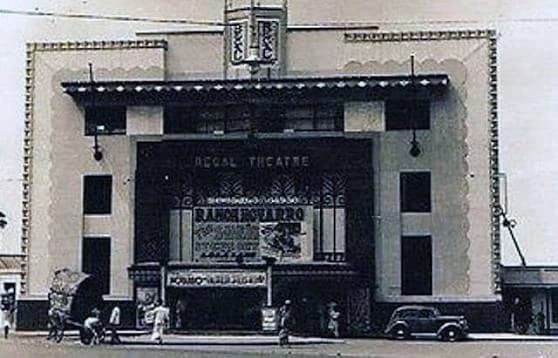
For generations of Sri Lankans, these buses were more than a means of transport. They belonged to an era of bus conductors, printed tickets, crowded bus stands and journeys that seemed to move at a different pace. Some passengers remember the view from the upper deck, while others recall the sound of the engine, the movement of the bus around corners and the conductor making his way between passengers.
What many people may not have realised was that some of these remarkable vehicles had already lived an entirely different life in Britain. They had once travelled through London’s busy streets, carrying commuters, shoppers and schoolchildren beneath the grey skies of the British capital. Years later, they would find themselves navigating the tropical heat, crowded roads and bustling towns of Sri Lanka.
Their journey from London to Ceylon, and later Sri Lanka, is an unusual chapter in the island’s transport history.
When Double-Deckers Became Part of Ceylon’s Streets
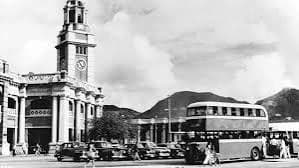
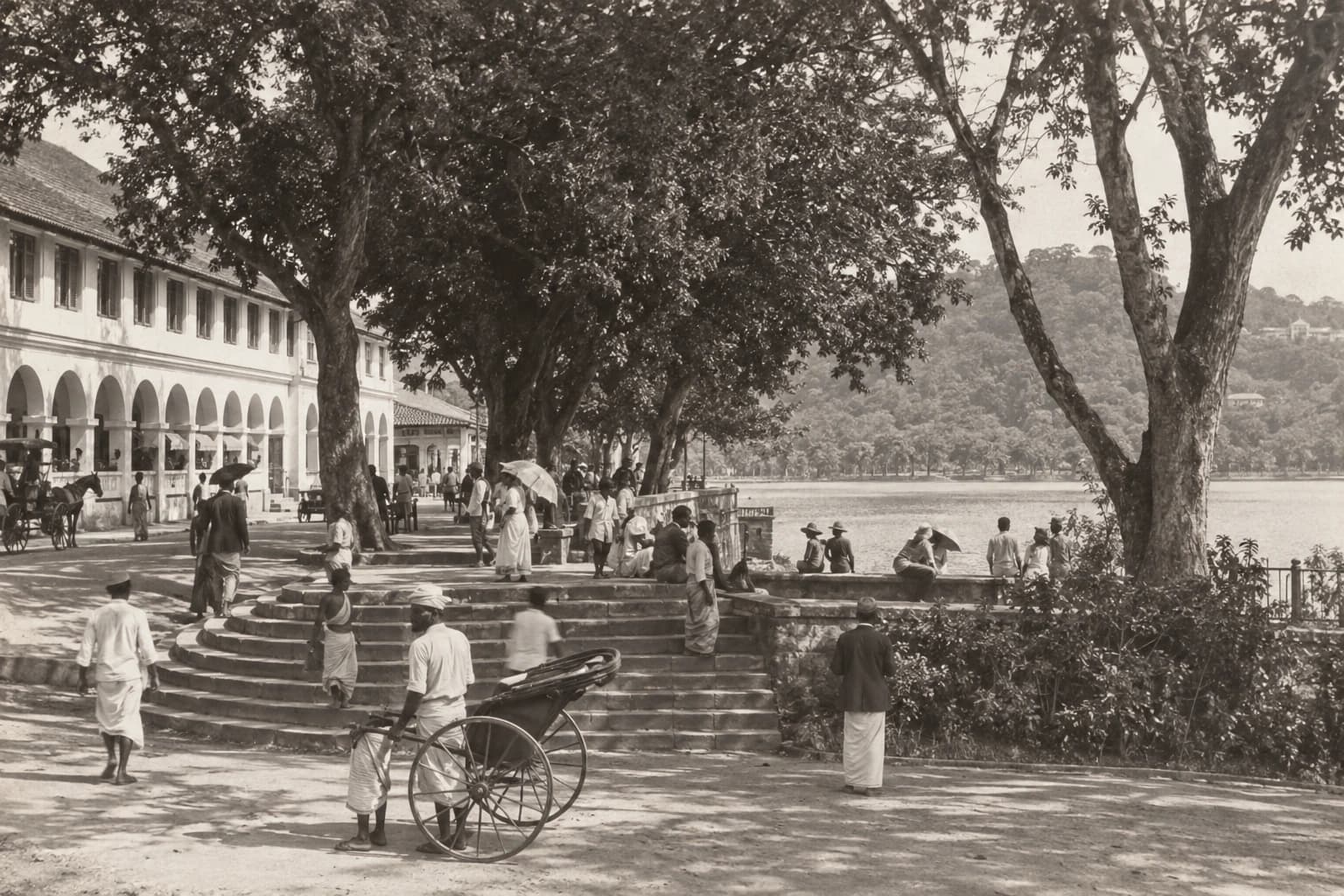
The story of double-decker buses in Sri Lanka began well before the arrival of the famous Routemaster. During the British colonial period, Ceylon’s public transport system was developing alongside expanding towns, commercial centres and suburban communities. Motor buses gradually became an important alternative to earlier forms of transport, connecting residential areas with workplaces, markets and railway stations.
Following independence in 1948, public bus transport continued to expand. The establishment of the Ceylon Transport Board in 1958 marked an important stage in the development of a nationally organised bus service. British-built double-decker buses, including vehicles of the RT family, became part of this transport landscape. Their tall bodies, distinctive fronts and upper-deck seating made them instantly recognisable.
For passengers travelling through Colombo and its suburbs, the double-decker offered something different from an ordinary single-deck bus. It could carry more passengers while occupying much the same road space, an advantage on busy urban routes. Yet its appeal went beyond practical considerations. Children hoped for a seat at the front of the upper deck, regular commuters developed favourite places to sit, and conductors moved through the interiors collecting fares and issuing tickets while the bus continued its journey.
Over time, the double-decker became part of the visual memory of Sri Lankan urban life. Its distinctive shape was familiar at bus stands and along busy roads, particularly in areas where British-built buses remained in service for many years.
The Routemaster: A London Bus with a Distinctive Character
In Britain, the AEC Routemaster became one of the most recognisable vehicles of the twentieth century. Developed by London Transport in collaboration with the Associated Equipment Company and Park Royal Vehicles, it was designed to replace older buses and trolleybuses. The first prototype appeared in 1954, with passenger trials beginning in 1956 and regular production models entering service in 1959.
The Routemaster combined traditional double-decker styling with several engineering innovations. Its lightweight construction, power steering and automatic transmission were intended to make it more efficient and easier to operate. These features helped establish its reputation as a practical vehicle designed for the demanding conditions of London’s public transport system.
Its most memorable feature, however, was the open rear platform. Passengers could board through the rear entrance, where a conductor attended to fares and helped manage the movement of people. The staircase rose from the rear of the bus to the upper deck, where rows of seats offered a view of the city below. The arrangement became one of the defining features of the traditional London bus.
For decades, the Routemaster was inseparable from London’s identity. It appeared in photographs, postcards, films and advertisements, its distinctive red body becoming almost as recognisable as the city’s black taxis. Yet as London’s transport requirements changed, older Routemasters were gradually withdrawn from regular service. Some were preserved, others entered private ownership, and a number found new homes overseas.
Sri Lanka was among the destinations where these ageing British buses would begin another working life.
The Journey Across the Indian Ocean
By the late 1980s, Sri Lanka’s bus services were facing the pressures of an expanding transport network. Older vehicles required maintenance, and the need for additional passenger capacity remained considerable. It was during this period that a group of former London Transport Routemasters arrived in Sri Lanka through British assistance.
Historical accounts differ slightly on the precise number and year. Some transport records identify 40 vehicles exported in 1988, while Sri Lankan bus histories describe 50 buses received in January 1989. Another British enthusiast record refers to 41 Routemasters shipped during the late 1980s. These differences deserve to be retained rather than combining the figures into a single unverified total.
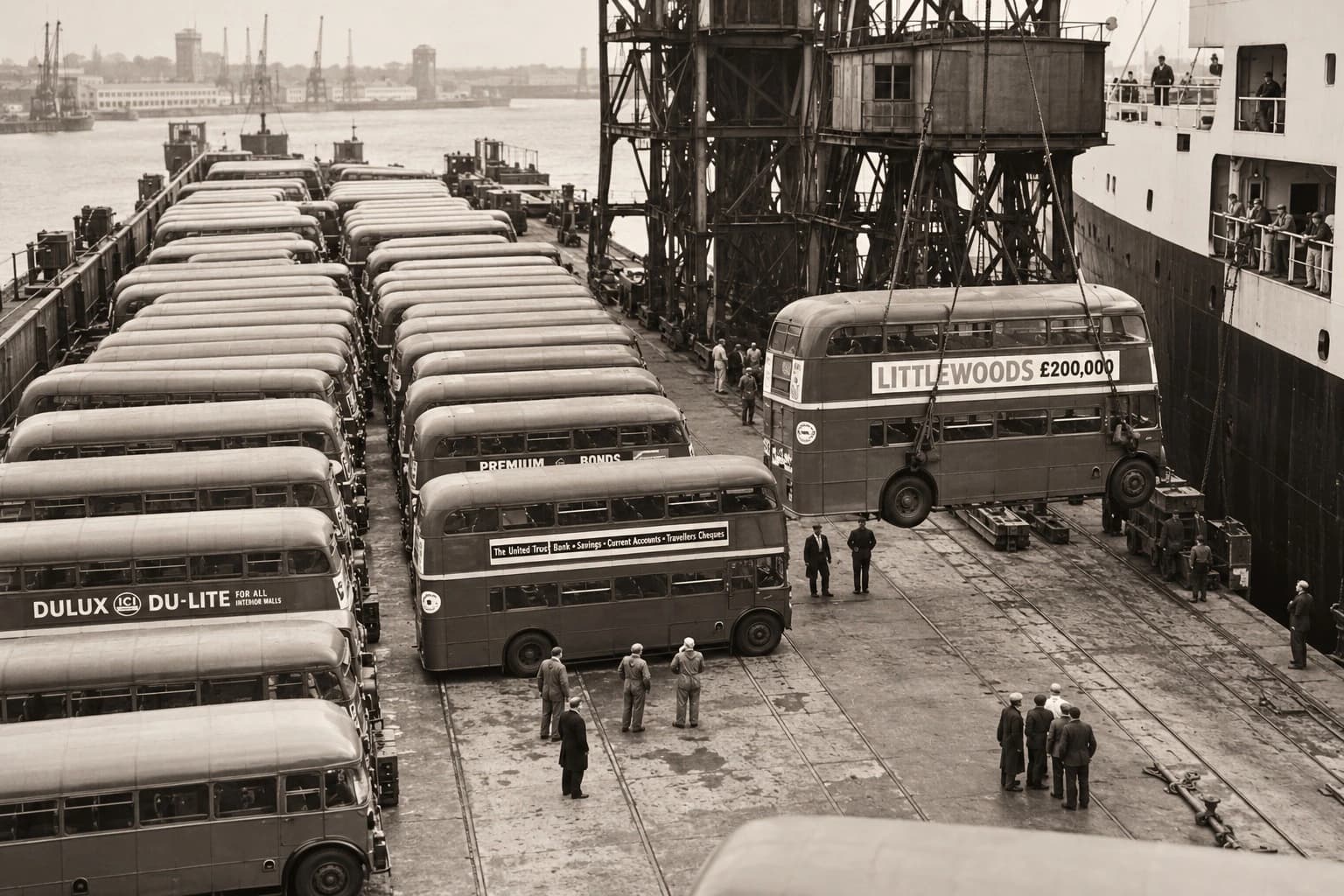
Despite those variations, the central story is clear. Buses that had spent years carrying passengers in London were transferred to Sri Lanka for continued service. They crossed the Indian Ocean not as museum exhibits, but as working vehicles intended to carry passengers once again.
Before shipment, modifications were made to help the vehicles cope with their new operating environment. These included the installation of larger sliding windows, an important consideration in Sri Lanka’s warmer climate. The streets of London, with their familiar depots and comparatively cool weather, were being exchanged for tropical heat, monsoon rain and a very different pattern of daily travel.
The Routemasters had been built for demanding urban service, and their robust engineering and passenger capacity gave them an opportunity to remain useful long after their original British careers had ended.
A New Life in Ratmalana, Negombo and Yatinuwara
The newly arrived Routemasters were allocated to several Sri Lankan transport depots, including Ratmalana, Negombo and Yatinuwara. These locations placed the vehicles in different operating environments, from the busy transport corridors of Colombo and its southern suburbs to the coastal roads around Negombo and the more demanding terrain of the central hills.
Ratmalana connected them with heavily travelled roads serving Colombo and the suburbs. Negombo brought them into a region with strong commercial and commuter connections to the capital, while Yatinuwara introduced them to the roads and landscapes of the Kandy district. The vehicles had already spent many years in Britain, but they were now expected to continue working in quite different conditions.
Surviving transport photographs provide useful evidence of their service in Sri Lanka. One records a Routemaster belonging to the Negombo depot operating on route 240 between Negombo and Colombo in 1990. Another documents a Ratmalana-based Routemaster travelling along Galle Road on route 133 in 1993.
These records are important because they show that the imported buses were not simply ceremonial vehicles or occasional exhibits. They became part of the working public transport system, carrying ordinary passengers on scheduled routes. For those travelling to work, school or town, the buses were simply another means of reaching their destination.
In the early 1990s, a passenger waiting beside a busy Colombo road might see a tall double-decker approaching among the more familiar single-deck buses. Its upper windows, rounded roof and distinctive engine compartment made it easy to recognise. Once it stopped, passengers climbed aboard, and those who preferred the upper deck made their way up the narrow staircase.
The surroundings were unmistakably Sri Lankan, but the bus belonged to a transport tradition that had travelled across continents before becoming part of everyday life on the island.
The View from the Upper Deck
For those who remember travelling on double-deckers, the upper deck often remains the strongest memory. From the front seats, passengers could watch the road unfold ahead of them. Pedestrians, bicycles, shop signs and passing vehicles appeared from an entirely different perspective, while the height of the seating made even familiar streets seem more interesting.
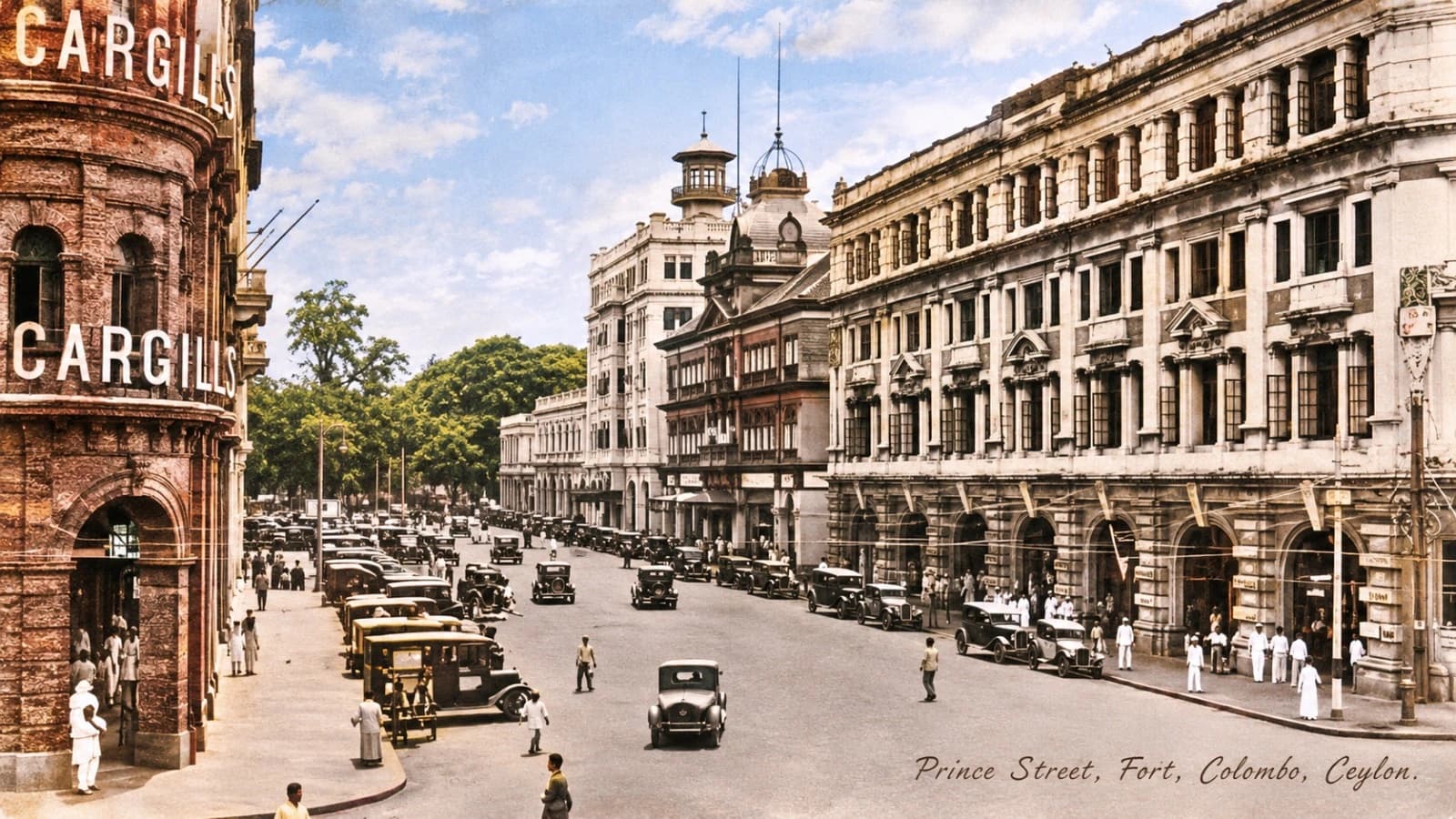
In Colombo, the journey might pass rows of old commercial buildings, roadside businesses, cinema halls and crowded junctions. Elsewhere, the scenery changed to suburban streets, coastal roads or the green surroundings of the central province. A route that seemed ordinary from the pavement could become surprisingly memorable when viewed from the upper deck of a bus.
The upper deck also had its own atmosphere. The movement of the vehicle was more noticeable upstairs, particularly when negotiating bends or uneven roads. The windows admitted the sounds of traffic and street life, while conversations drifted between seats as passengers watched the changing landscape outside.
For schoolchildren, the staircase was an attraction in itself. For regular commuters, the bus was simply another part of the journey to work or home. The conductor remained an important figure in this world, responsible not only for issuing tickets but also for managing boarding, keeping passengers moving and ensuring that the bus could continue safely.
These ordinary details gave the double-decker its character. It was not simply the height or appearance of the vehicle that made it memorable, but the entire experience of travelling in one.
British Engineering on Sri Lankan Roads
The Routemaster had been developed specifically for London’s transport network, and its operation in Sri Lanka presented challenges that its designers could scarcely have anticipated. Heat, humidity, road conditions and the availability of replacement parts all influenced the practical life of the imported buses.
Maintenance was particularly important. These vehicles were already several decades old when they arrived, and keeping them operational required mechanical knowledge, workshop facilities and access to suitable components. The Sri Lankan transport system had considerable experience with British-built buses, which helped provide a foundation for maintaining older vehicles.
Nevertheless, the continued operation of ageing Routemasters could not be taken for granted. Mechanical wear, changing operational requirements and difficulties obtaining suitable components made regular service increasingly demanding. Some vehicles disappeared from the roads relatively quickly, while others continued working for much longer.
Remarkably, a former London Routemaster identified as RM2158, built in 1965, was reported to be operating in Kandy as late as 2018, approximately three decades after its transfer to Sri Lanka. This reported survival demonstrates the extraordinary working life that some of these buses achieved.
A vehicle designed for London’s streets in the 1960s had continued to serve passengers in a completely different country well into the twenty-first century. Its long career depended not only on the original engineering but also on the people responsible for maintaining and operating it over the decades.
The Gradual Disappearance of the Double-Decker
As Sri Lanka’s public transport fleet modernised, the old double-deckers became increasingly difficult to maintain in regular service. Newer single-deck buses offered practical advantages in maintenance, parts availability and operational flexibility. Transport operators also faced the continuing need to move large numbers of passengers while controlling costs.
The familiar tall silhouettes gradually became less common. Where double-deckers had once appeared on ordinary routes, they increasingly survived as special-purpose vehicles, preserved examples or occasional reminders of an earlier generation of public transport. Their disappearance was gradual rather than sudden.
A bus might be withdrawn from one depot, transferred elsewhere, repaired and returned to service, or eventually placed in storage. Some survived through the efforts of transport workers and enthusiasts who recognised their historical significance. Others were dismantled or lost as keeping them roadworthy became impractical.
By the time newer generations of Sri Lankans began travelling regularly by bus, the old British double-decker had largely ceased to be part of everyday transport. Yet its place in the country’s transport memory remained secure, particularly among those who had travelled on them as children or relied upon them during their working lives.
A Shared History Between Two Islands
The story of Sri Lanka’s double-decker buses is also part of a wider history of British vehicles finding new working lives overseas. The relationship extended well beyond the Routemaster. Older London buses, including RT, RTL and RTW models, were exported to Ceylon and Sri Lanka over several decades, with enthusiast and transport records describing transfers during the 1960s, long before the Routemasters arrived in the late 1980s.
These vehicles crossed the Indian Ocean not as museum exhibits but as practical machines intended to continue carrying passengers. Their histories therefore became intertwined with the everyday lives of people in two different countries. A bus that had once stopped beside a London railway station might later carry workers along Galle Road, while another that had served suburban passengers in Britain could find itself travelling through the streets of Negombo.
The passengers changed, the destinations changed and even the climate changed, but the vehicles continued doing what they had been built to do. The movement of these buses between Britain and Sri Lanka illustrates an interesting period when older transport equipment could be given another working life rather than immediately being withdrawn from use.
Transport history is often told through manufacturers, government decisions and technical developments. Yet the more personal story belongs to the passengers who occupied those seats and the drivers, conductors and mechanics who kept the services running. For them, the buses were not historic artefacts. They were part of daily life.
Remembering the Double-Deckers of Old Ceylon
Today, photographs of old double-decker buses bring back a period of Sri Lankan transport history that is becoming increasingly distant. The tall windows, rounded roofs, narrow staircases and distinctive engine compartments immediately distinguish these vehicles from the buses that dominate the country’s roads today.
For some, the photographs recall journeys to school. Others remember travelling into Colombo for work, shopping trips with family members or the excitement of securing a front seat upstairs. Even those who never travelled on a Routemaster may recognise the broader tradition of double-decker travel that existed in Ceylon and Sri Lanka for generations.
The British-built buses belonged to different periods, from the earlier RT-family vehicles to the Routemasters that arrived decades after independence. Together, they represent an important chapter in the development of public transport on the island, and their history is a reminder that familiar objects can have unexpected journeys of their own.
A bus manufactured in Britain, used for years on London’s streets, shipped across the Indian Ocean and returned to passenger service in Sri Lanka carried with it more than mechanical parts and seating. It had become part of the daily routines of people in two countries, serving generations of passengers who boarded it for entirely ordinary reasons.And for those fortunate enough to have travelled upstairs on one of these old buses, the memory of looking down at the passing streets of Sri Lanka remains a familiar part of another time.
Visit us: https://trippingsrilanka.com/stories