Exploring One of the Earliest Tea Estates in Sri Lanka
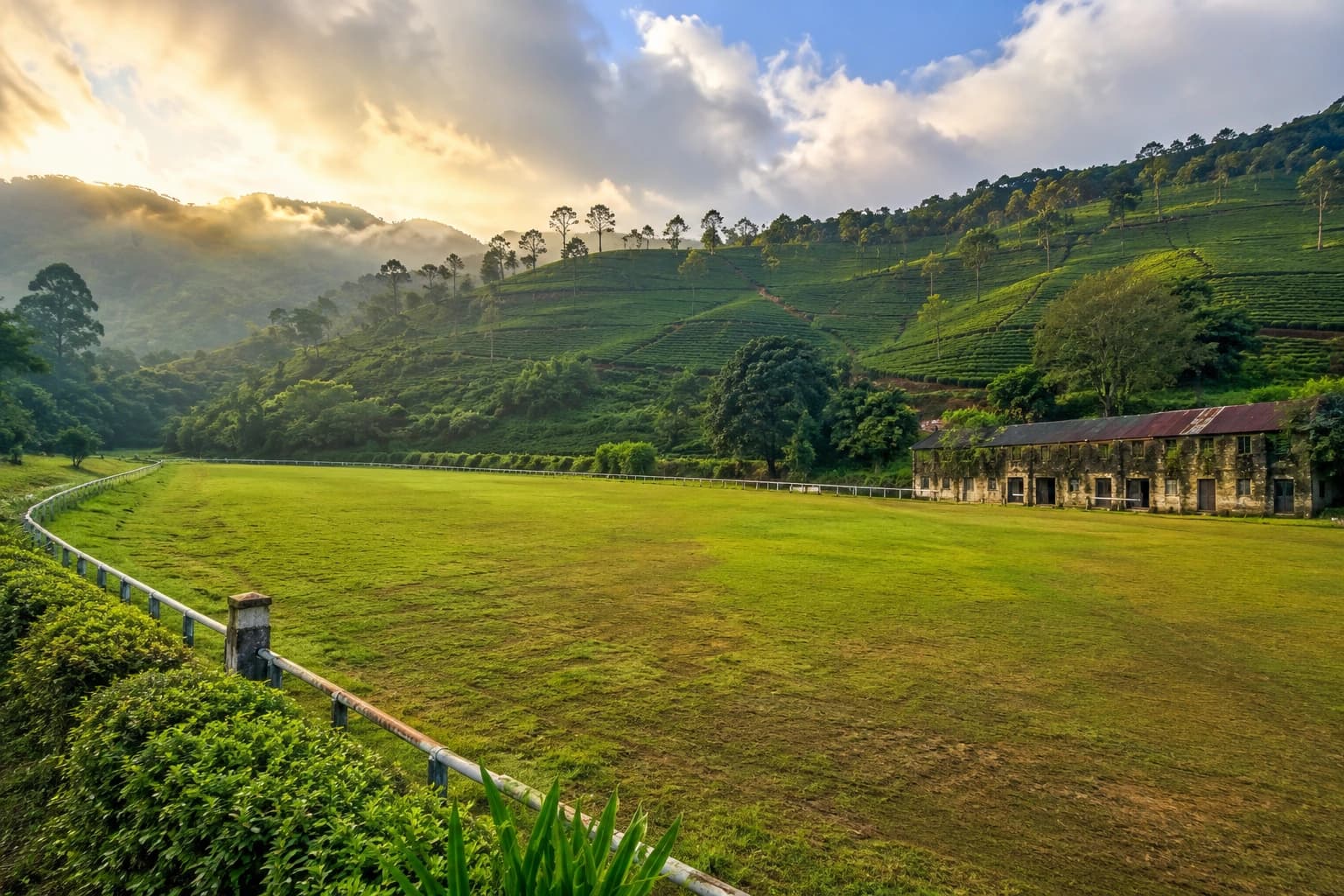
Hapugastenne Estate Racecourse| For many visitors to Sri Lanka, a cup of Ceylon Tea is simply part of the experience. It arrives steaming on a hotel veranda, accompanies a mountain sunrise, or is enjoyed while watching mist drift across emerald hills.
Yet few travellers realise that some of the estates they pass through today were among the very first places where the world-famous tea industry began.
One such place is Stellenberg Estate in the Pussellawa region of Sri Lanka’s central highlands. While it remains largely unknown to mainstream tourists, Stellenberg occupies a special place in the history of Ceylon Tea. It was among the pioneering estates that converted from coffee to tea during the dramatic transformation of the island’s plantation economy in the late nineteenth century.
For heritage travellers, Stellenberg offers more than beautiful scenery. It represents a chapter of Sri Lanka’s colonial-era history that shaped landscapes, communities, architecture, transport networks, and international trade.
Check our previous article- https://trippingsrilanka.com/stories/goatfell-bungalow
The World Before Tea
Long before tea became synonymous with Sri Lanka, coffee dominated the hill country.
During the early nineteenth century, thousands of acres across the central highlands were cleared for coffee cultivation. British planters invested heavily in estates around Kandy, Nuwara Eliya, Pussellawa, and beyond. Roads were built through mountains and forests to connect plantations with Colombo’s port.
By the 1860s, Ceylon was one of the world’s leading coffee producers.
Then disaster struck.
A fungal disease known as coffee rust spread rapidly through the plantations. Within a few years, entire estates were devastated. Planters searched desperately for alternative crops that could survive in the cool mountain climate.
That search led to tea.
James Taylor and the Tea Revolution
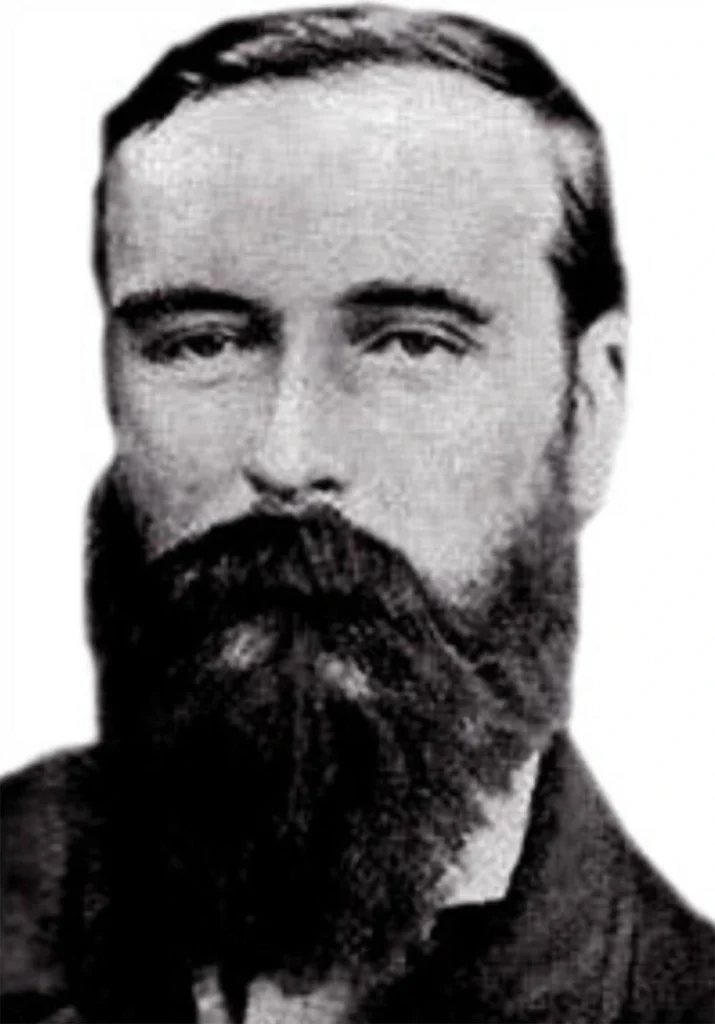
The story of Ceylon Tea begins with Scottish planter James Taylor.
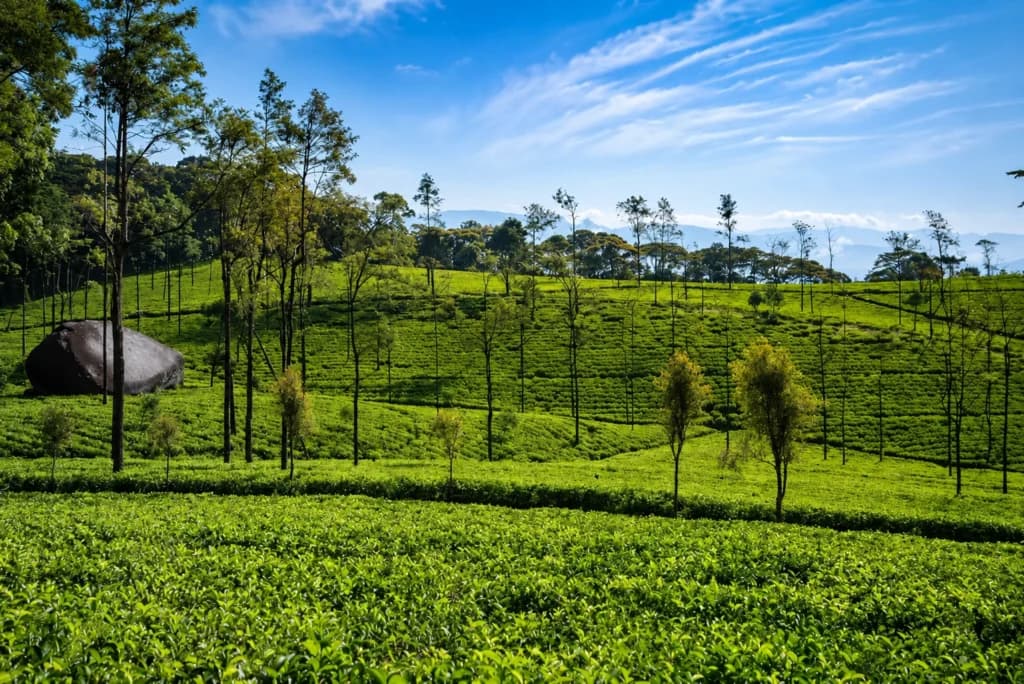
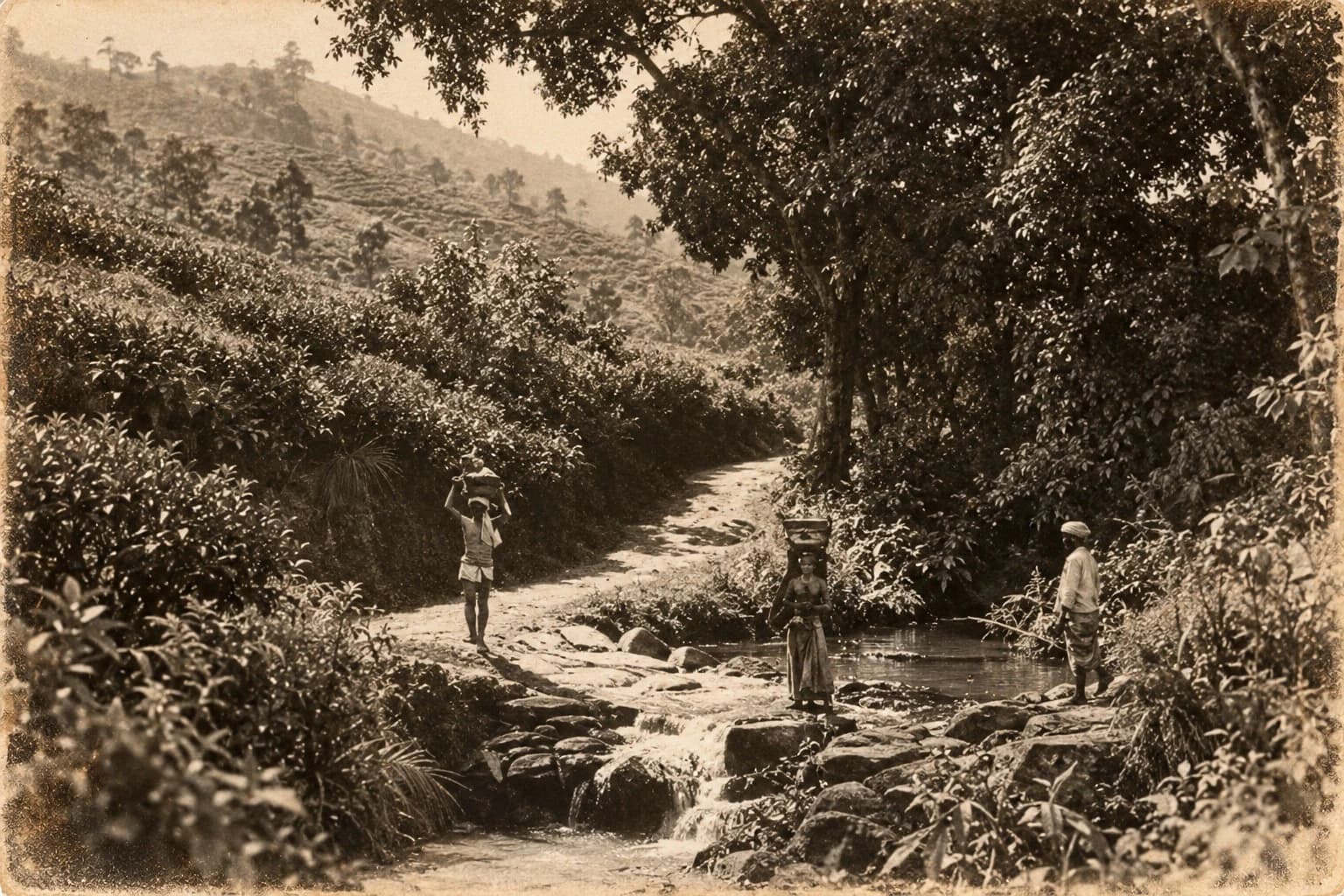
In 1867, Taylor planted tea on just 19 acres at Loolecondera Estate near Kandy, creating what is widely regarded as the first commercial tea plantation in Sri Lanka. His experiment proved remarkably successful.
By 1872, he was operating a tea factory on the estate, and by 1873 the first shipment of Ceylon Tea had reached London.
The success of Loolecondera quickly attracted attention.
Nearby estates that had once depended on coffee began converting to tea. Among the earliest were Hope, Rookwood, Mooloya, Le Vallon, and Stellenberg. These pioneering estates helped establish what would become one of the world’s most famous tea industries.
Stellenberg Estate’s Place in Tea History
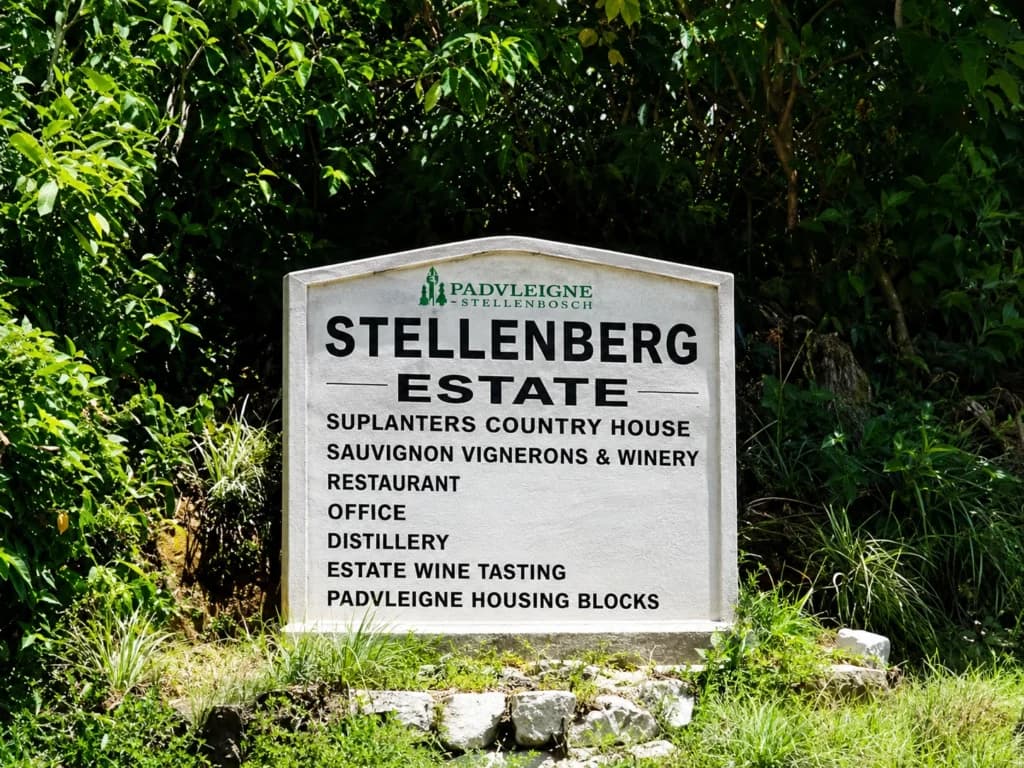
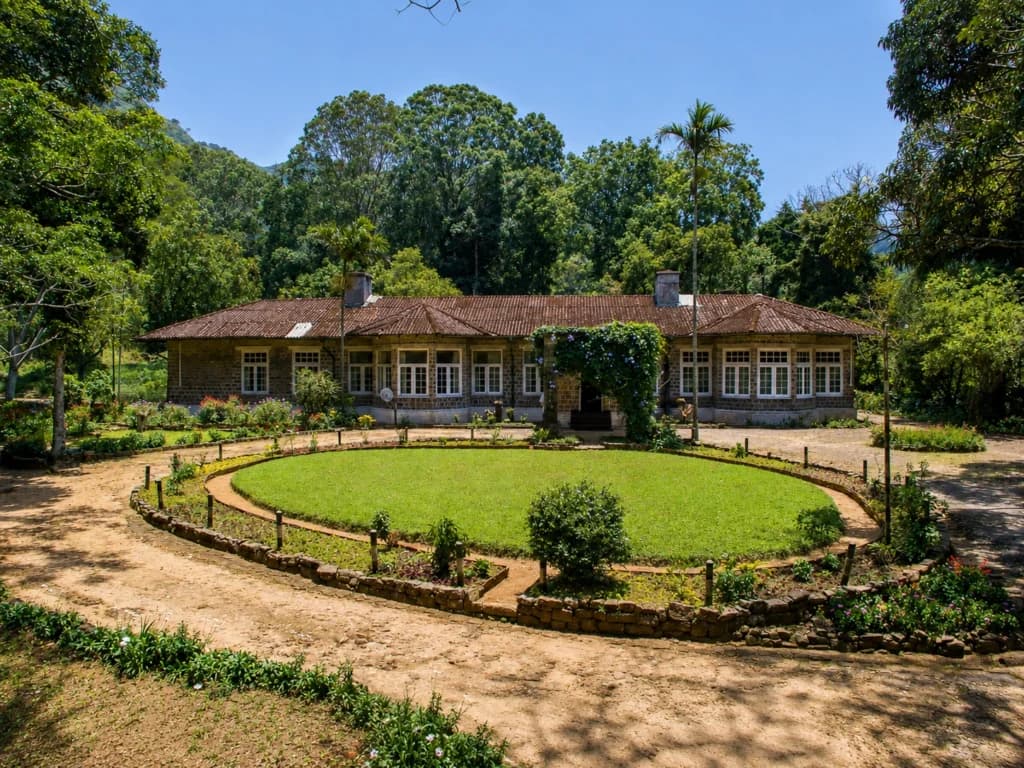
Stellenberg Estate sits within the historic plantation district of Pussellawa, a region known for its cool climate, rolling hills, and rich agricultural heritage.
As neighbouring estates embraced tea following the coffee collapse, Stellenberg became part of the first wave of plantations that transformed Sri Lanka’s economy. While many later tea estates would emerge across the island, Stellenberg belonged to that important generation that helped prove tea could thrive in Ceylon’s highlands.
Today, the estate landscape still reflects much of that nineteenth-century heritage.
Visitors travelling through the area encounter winding plantation roads, colonial-era bungalows, workers’ settlements, old factories, and carefully cultivated slopes that have shaped the region’s identity for well over a century.
Why Heritage Travellers Should Visit Stellenberg Estate
Many visitors focus on popular destinations such as Nuwara Eliya or Ella. While these locations are certainly worth seeing, the quieter plantation districts around Pussellawa often provide a more authentic glimpse into Sri Lanka’s tea heritage.
A journey through the Stellenberg area offers several rewarding experiences for heritage-minded travellers.
Historic Tea Landscapes
The terrain itself tells the story. Hillsides that were once coffee plantations gradually became tea gardens during the late nineteenth century.
Today, the carefully planted slopes around Pussellawa continue to reflect the transformation that created modern Ceylon Tea. For travellers interested in landscape history, this is one of the most meaningful aspects of visiting the region.
Colonial Architecture
Across the region, travellers can still find old estate bungalows, bridges, tea factories, and administrative buildings dating back to the plantation era.
These buildings are important because they show how plantation life was organised. Estate managers, workers, transport routes, storage spaces, and factory operations all shaped the daily rhythm of the tea industry.
Scenic Mountain Roads
The road between Kandy and Nuwara Eliya remains one of Sri Lanka’s most beautiful drives, passing through forests, waterfalls, tea estates, and mountain villages.
For travellers following the story of Ceylon Tea, the journey itself becomes part of the experience. The winding roads reveal how difficult and impressive the development of the plantation economy truly was.
Living Heritage
Unlike many historic sites, tea estates remain working landscapes.
Visitors do not only see ruins or museums. They witness a heritage industry that continues to contribute significantly to Sri Lanka’s economy. Tea pluckers, factories, estate communities, and mountain roads all form part of a living story that began more than 150 years ago.
Understanding the Tea Trail
The story of Stellenberg becomes even more fascinating when viewed as part of a wider heritage route.
Within a relatively short distance, travellers can explore locations associated with the earliest years of tea cultivation in Sri Lanka. Together, these places help explain how Ceylon moved from a failed coffee economy to a tea industry admired across the world.
Important Tea Heritage Sites Nearby
Key places connected to this story include:
- Loolecondera Estate – birthplace of commercial tea cultivation in Sri Lanka
- Pussellawa tea country – including Stellenberg and neighbouring estates
- Nuwara Eliya plantation district – famous for high-grown tea and colonial hill-station heritage
- St. Clair and Devon Falls regions – scenic tea-country landscapes
- Talawakelle – known for historic tea factory areas and estate routes
- Ceylon Tea Museum in Kandy – an excellent introduction to the industry’s history
- Royal Botanical Gardens, Peradeniya – connected to early botanical experimentation in Ceylon
Together, these locations tell the complete story of how Sri Lanka evolved from a coffee-growing colony into one of the world’s most recognised tea-producing nations.
Suggested Heritage Travel Itinerary
For travellers who want to explore Stellenberg Estate and the early tea country in a meaningful way, a three-day itinerary offers the right balance of history, scenery, and slow travel.
Day 1 – Kandy: Begin with the Story of Tea
Morning: Visit the Ceylon Tea Museum in Hantana
Begin in Kandy with a visit to the Ceylon Tea Museum in Hantana.
This is one of the best places to understand the background of the industry before travelling into the estates themselves. Visitors can learn about James Taylor, early tea machinery, factory processes, and the growth of Ceylon Tea as a global brand.
Afternoon: Explore Royal Botanical Gardens, Peradeniya
In the afternoon, visit the Royal Botanical Gardens at Peradeniya.
The gardens are closely connected to the island’s botanical history and offer useful context for understanding how plants, crops, and experimentation shaped colonial Ceylon.
Overnight: Stay in Kandy
Spend the night in Kandy before heading into tea country the next morning.
Day 2 – Loolecondera and Pussellawa: Into the Birthplace of Ceylon Tea
Morning: Travel to Loolecondera Estate
Start early and travel to Loolecondera Estate, widely recognised as the birthplace of commercial tea cultivation in Sri Lanka.
This is where James Taylor’s 1867 experiment helped launch the industry that would later become world-famous. For heritage travellers, Loolecondera is one of the most important sites in Sri Lanka’s plantation history.
Afternoon: Continue Through Pussellawa and Stellenberg
After Loolecondera, continue through the Pussellawa tea country, where Stellenberg Estate forms part of the wider early tea landscape.
Travellers can enjoy views of tea-covered hills, estate roads, old bungalows, working plantations, and mountain scenery. Even where access to estates may be limited, the surrounding landscape itself tells a powerful story.
Evening: Stay at a Plantation Bungalow or Heritage Property
For the most atmospheric experience, stay overnight at a plantation bungalow or heritage-style property in the region.
This allows travellers to experience the slower rhythm of tea country and enjoy the landscape beyond a quick roadside stop.
Day 3 – Nuwara Eliya: High-Grown Tea and Colonial Hill Country
Morning: Scenic Drive Through Tea Country
Continue towards Nuwara Eliya, one of Sri Lanka’s most famous hill-country towns.
The drive passes through scenic plantation landscapes, misty valleys, waterfalls, and mountain viewpoints. This route helps travellers understand how tea shaped not only the economy, but also the visual identity of Sri Lanka’s central highlands.
Afternoon: Explore Colonial Nuwara Eliya
Spend the afternoon exploring colonial Nuwara Eliya.
The town’s old hotels, post office, churches, gardens, lake, racecourse, and tea factories provide another layer of the Ceylon Tea story. Here, plantation history connects with hill-station culture.
Evening: Enjoy High-Grown Ceylon Tea
End the journey with a cup of high-grown Ceylon Tea overlooking the mountains.
After travelling through the early tea districts, that cup carries far more meaning. It becomes part of a story of experimentation, hardship, resilience, and global success.
The Legacy of Ceylon Tea
The success of early estates such as Stellenberg helped transform Sri Lanka.
By the late nineteenth century, tea cultivation had expanded dramatically. Production grew rapidly, Colombo developed into a major tea trading centre, and Ceylon Tea gained an international reputation for quality.
The industry continued to grow throughout the twentieth century, eventually making Sri Lanka one of the world’s most recognised tea exporters. Even today, the name Ceylon Tea remains recognised across global markets.
For travellers, this history is not confined to museums and books. It remains visible across the landscapes of the hill country.
Every tea-covered slope, every old estate road, every factory chimney, and every planter’s bungalow carries part of this story.
Why Stellenberg Estate Matters Today
Stellenberg Estate may not be as famous as Loolecondera, Nuwara Eliya, or Ella, but that is exactly what makes it interesting.
It represents the lesser-known side of Sri Lanka’s tea heritage. It reminds travellers that history was not made by one estate alone, but by a network of pioneering plantations that adapted quickly after the collapse of coffee.
Stellenberg belongs to that important early generation.
For travellers interested in heritage, genealogy, colonial-era landscapes, plantation architecture, and the origins of Ceylon Tea, the estate and its surrounding region offer a rewarding journey into the past.
Final Thoughts: A Journey Through the Origins of Ceylon Tea
Stellenberg Estate may not appear on every tourist itinerary, but for heritage travellers it represents something special.
It is part of the original story of Ceylon Tea — a story of innovation, resilience, and transformation. The estate stands among the pioneers that helped create one of Sri Lanka’s most enduring global brands.
A visit to the region is not simply a tea tour. It is a journey through the landscapes where modern Sri Lanka’s most famous export was born.
For those interested in history, genealogy, colonial-era heritage, and the origins of Ceylon Tea, Stellenberg and the surrounding tea country offer one of the most rewarding experiences in the island’s central highlands.
Visit Us: https://trippingsrilanka.com/stories