Maha Uva Estate, Halgranoya: A Scenic British Plantation Legacy in Sri Lanka’s Tea Country
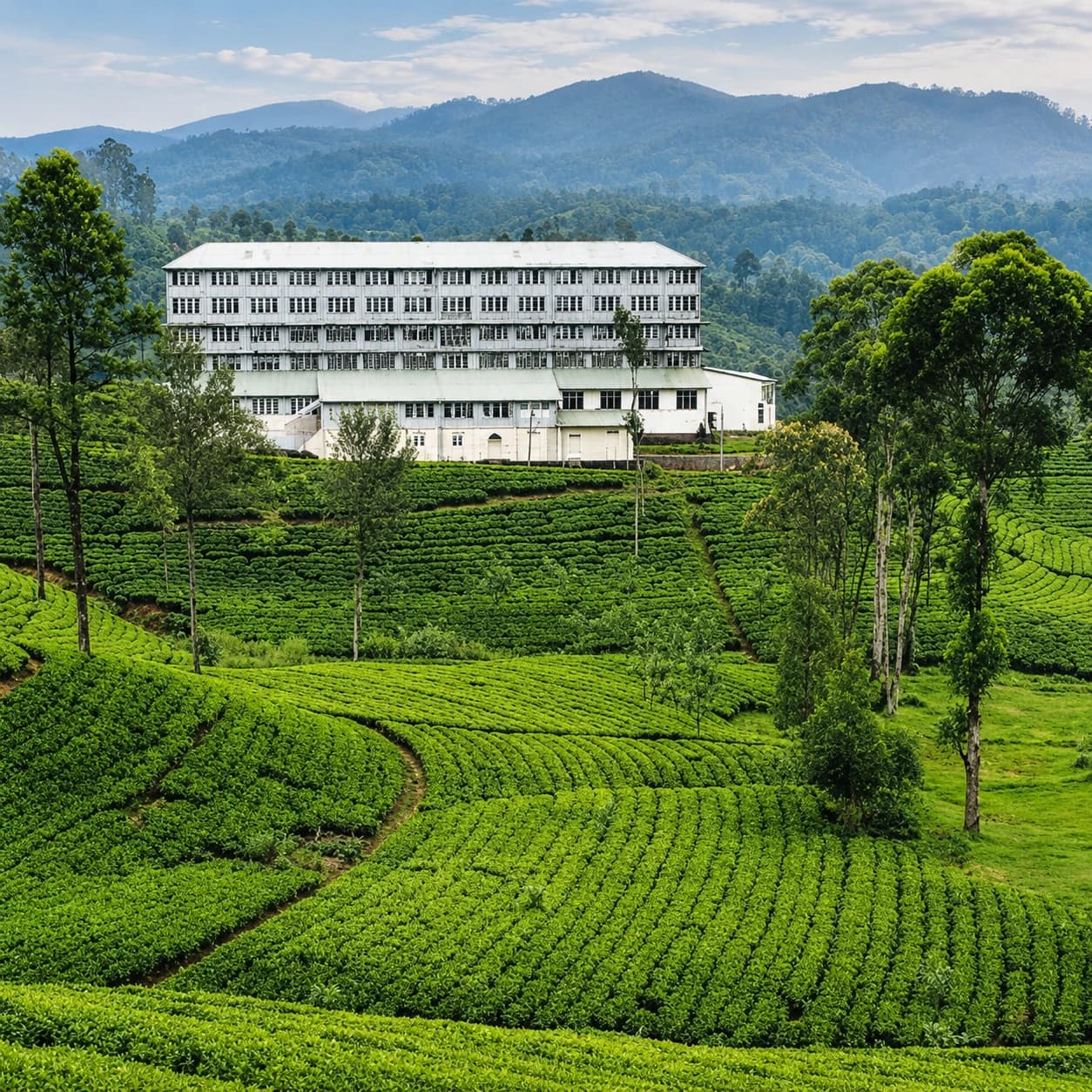
Hidden within the misty folds of Sri Lanka’s eastern hill country, Maha Uva Estate in Halgranoya is one of those scenic plantation landscapes that seems to hold time still. Tea bushes roll across the slopes in disciplined green patterns. Mountain air moves softly through the valleys. Old estate roads curve past bungalows, factory buildings, workers’ lines, and quiet viewpoints that still carry the atmosphere of Ceylon’s British plantation era.
For travellers who are drawn to Sri Lanka’s tea country, Maha Uva Estate is not just a beautiful place to admire. It is a landscape shaped by history. Its story belongs to the wider British plantation legacy that transformed the central highlands during the 19th century and gave the world the name Ceylon Tea.
Check our previous article- https://trippingsrilanka.com/stories/brookside-ragala-road-junction
A Scenic Estate in the Uda Pussellawa Hills
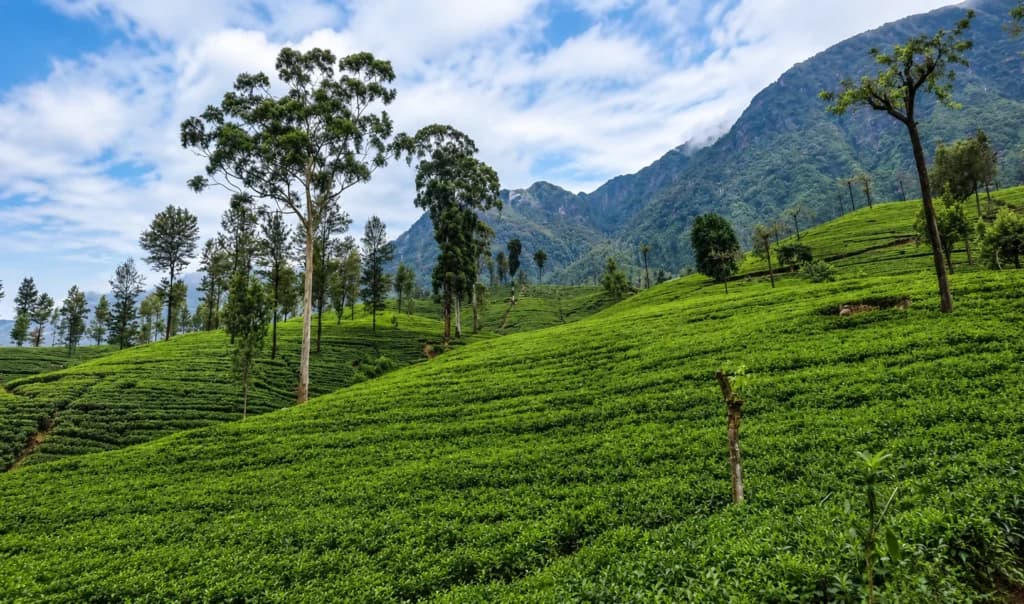
Maha Uva Estate lies around Halgranoya, within the Uda Pussellawa tea-growing region. This is one of Sri Lanka’s quieter tea districts, sitting between the better-known hill country zones of Nuwara Eliya, Kandy, and Uva. Unlike the busier tea routes around Nuwara Eliya or Ella, Halgranoya feels more secluded, more local, and more untouched by mainstream tourism.
The landscape is dramatic but calm. Mist hangs over the tea fields in the morning. Narrow estate roads wind across the hills. From certain viewpoints, the land opens into sweeping green valleys, with tea factories and plantation buildings standing as reminders of an older world.
This is the kind of place that rewards slow travel. It is not about rushing from one attraction to another. It is about pausing, looking, and understanding how a working tea landscape became part of Sri Lanka’s cultural memory.
Established in the Colonial Tea Era
Maha Uva Estate dates back to the late 19th century, when the British plantation system was firmly expanding across Ceylon’s highlands. By this time, tea had replaced coffee as the island’s most important plantation crop.
The British first developed large-scale coffee cultivation in the central hills, but coffee rust devastated the industry in the 19th century. Tea then rose from experiment to empire. Estate after estate was planted across the highlands, and the once-forested mountain regions became a network of tea gardens, factories, roads, bungalows, railway links, and export routes.
Maha Uva Estate belongs to this period of expansion. Its establishment in 1890 places it within the mature phase of Ceylon’s plantation economy, when tea had already become a serious commercial force. By then, the British plantation model had created a new hill-country landscape that still defines much of Sri Lanka’s interior today.
Halgranoya and the Plantation Frontier
Halgranoya sits within the Uda Pussellawa region, a high-grown tea district known for its cool climate, wet misty conditions, and distinctive tea character. Compared with Nuwara Eliya, Uda Pussellawa is less famous among casual travellers, but for tea heritage enthusiasts it is deeply interesting.
The region includes areas such as Maturata, Ragala, and Halgranoya. These names still appear across estate maps, factory records, old planter references, and tea industry documentation. They are not just place names. They are part of the old language of Ceylon’s tea country.
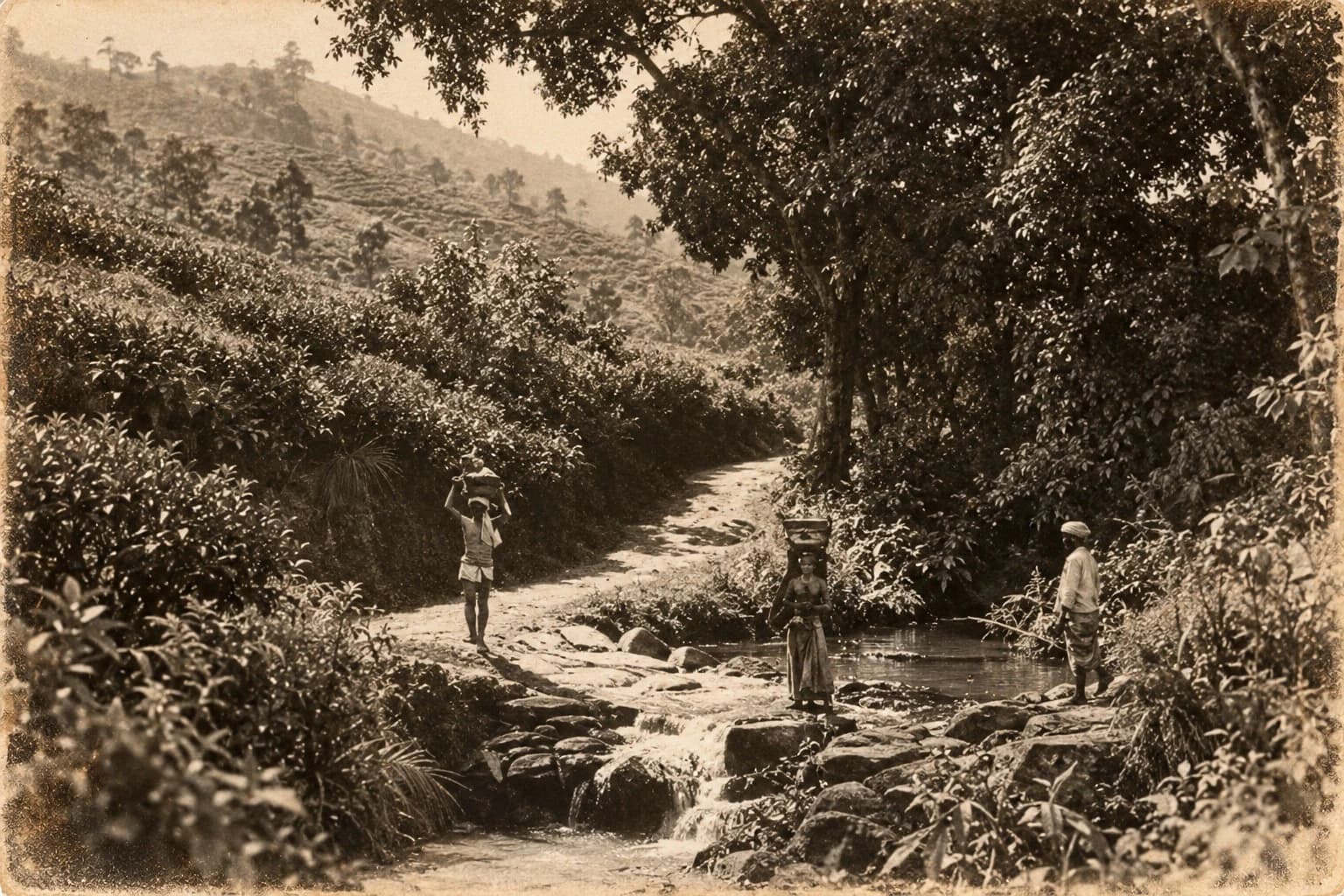
During the British period, estates in regions like Halgranoya were often remote and difficult to access. Planters lived in relative isolation, managing labour, weather, crop cycles, factory production, and transport. The estate bungalow, factory, and road network formed the centre of plantation life. These elements can still be seen in many tea estates today, including landscapes like Maha Uva.
The British Planter’s Landscape
A tea estate was never only a field of tea. It was a carefully organised world.
At the centre stood the factory, where green leaf was withered, rolled, fermented, dried, graded, and packed. Above or near the estate often stood the manager’s bungalow, usually placed to command a view of the surrounding fields. Around the estate were workers’ homes, stores, paths, weighing points, gardens, and transport routes.
This pattern was common across British Ceylon. Maha Uva’s scenic appeal comes partly from this structure. The visual beauty of the estate is shaped by old plantation planning: neat tea rows, practical roads, building placements, drainage lines, and the relationship between cultivation and terrain.
To the modern traveller, it appears peaceful and picturesque. To understand it fully, however, one must also see it as a working landscape created through colonial enterprise and sustained by generations of estate labour.
The Human Story Behind the Tea
Sri Lanka’s tea estates are beautiful, but their history is complex. The British plantation economy depended heavily on labour communities, especially Tamil workers brought from South India during the colonial period. Their descendants became central to the life and survival of the tea industry.
In places like Maha Uva, the story of the estate is therefore not only about British planters and scenic bungalows. It is also about workers, families, tea pluckers, factory hands, transport workers, clerks, field officers, and estate communities who gave life to the plantation system.
Every cup of Ceylon Tea carries this human history. Every tea field carries memories of labour, resilience, hardship, skill, and continuity.
For Tripping Sri Lanka travellers, this is why plantation heritage should be approached with respect. The beauty of the landscape is real. So is the labour behind it.
Why Maha Uva Estate Feels Special
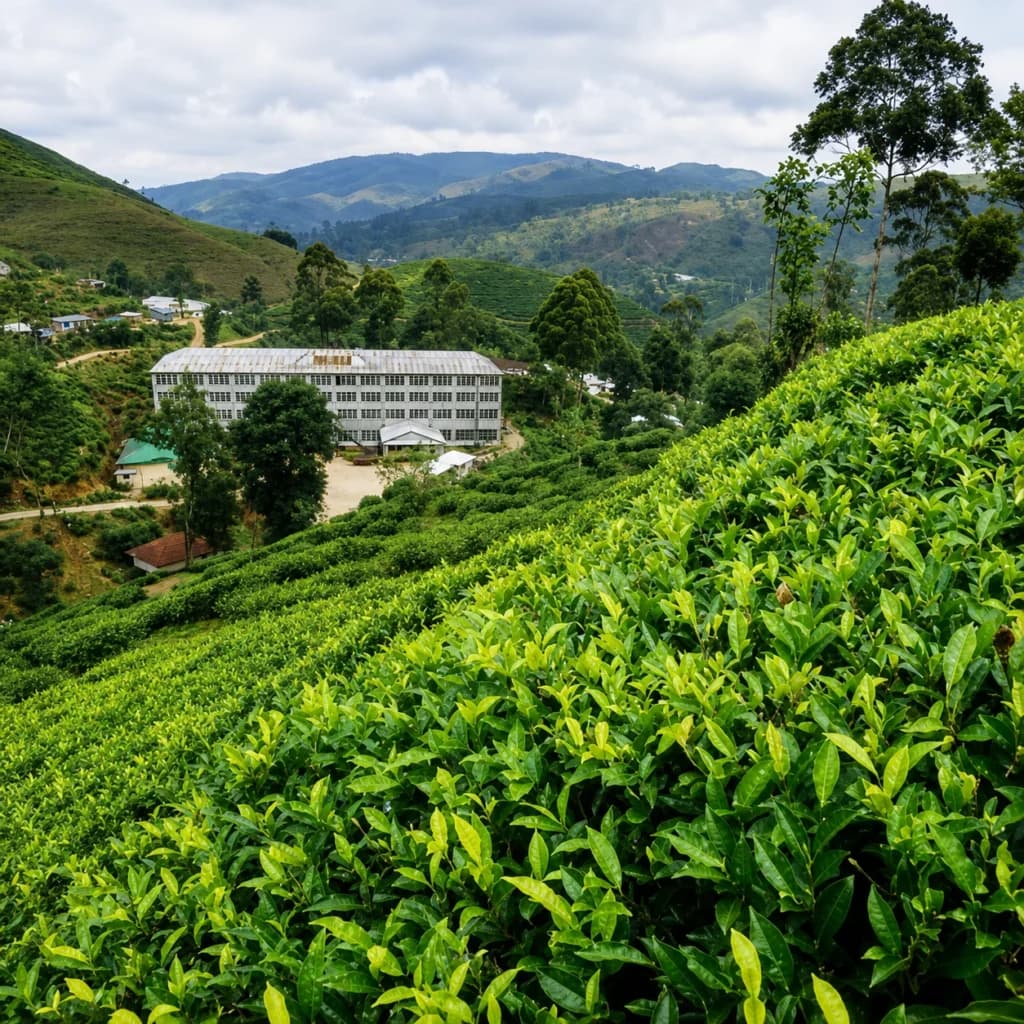
Maha Uva Estate has the quiet dignity of a place that has not been over-marketed. It is scenic without being crowded. It carries history without needing dramatic monuments. Its value lies in the atmosphere of the hills, the estate layout, the tea fields, and the sense of standing inside a living chapter of Sri Lanka’s plantation story.
The estate’s location around Halgranoya adds to its charm. This area is close enough to the known tea country of Nuwara Eliya and Ragala, yet it feels more hidden. It is ideal for travellers who want to move beyond the usual hill-country routes and discover lesser-known tea landscapes with deeper historical texture.
Photographers will find layers of scenery here: misty ridgelines, green slopes, old factory forms, winding roads, estate life, and shifting mountain light. Heritage travellers will find a place that connects directly to the British plantation period. Tea lovers will find a landscape that explains why Uda Pussellawa teas have their own identity within Ceylon Tea.
A Different Side of Sri Lanka’s Hill Country
Many visitors associate Sri Lanka’s tea country with Nuwara Eliya, Ella, Haputale, or Hatton. Maha Uva Estate offers a different mood. It is quieter, less polished, and more closely tied to the working rhythm of the plantation.
This makes it especially valuable for travellers who want authenticity. Here, tea country is not just a backdrop for photos. It is a place where history, agriculture, climate, and community still meet every day.
The best way to experience the area is slowly. Stop at safe viewpoints. Observe the estate roads. Notice the old buildings. Watch how the mist changes the colour of the fields. Look beyond the scenery and imagine the long chain of people, decisions, and labour that created this landscape.
Maha Uva Estate and the Legacy of Ceylon Tea
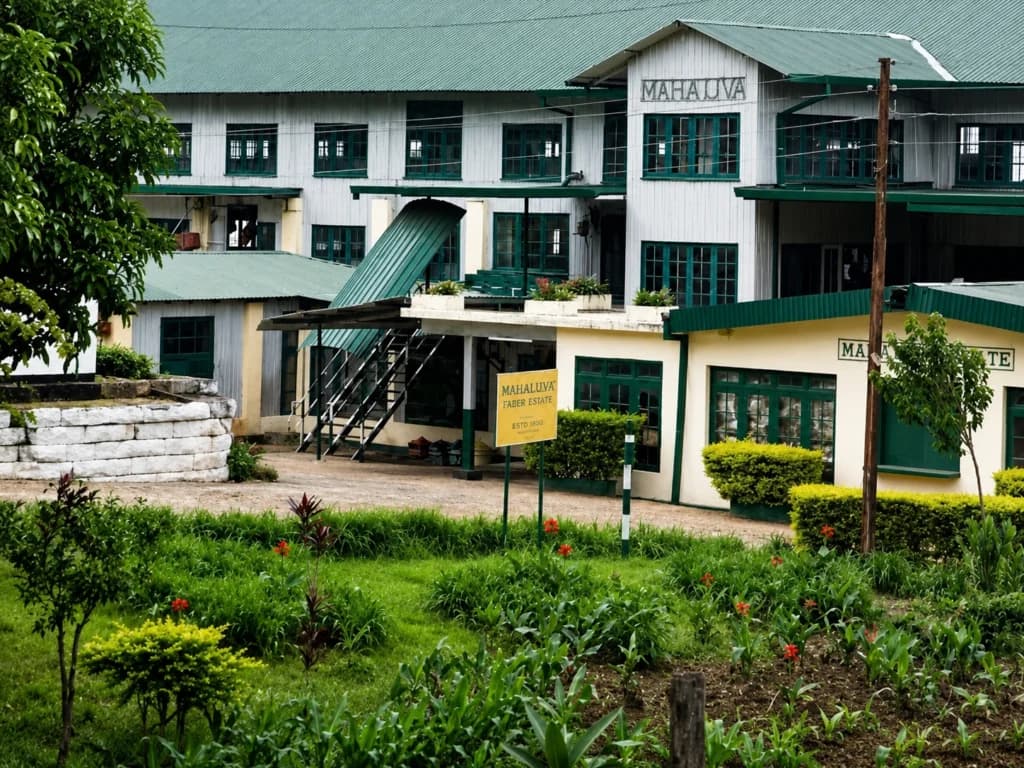
Maha Uva Estate is part of the larger story of how Ceylon Tea became one of Sri Lanka’s strongest global identities. From the British colonial period to the present day, tea has shaped the island’s economy, landscape, communities, and international image.
The old plantation system left behind architecture, place names, estate traditions, and agricultural patterns. It also left behind difficult social histories that continue to matter. A responsible heritage journey must hold both truths together.
Maha Uva Estate is beautiful because of its hills, mist, tea, and silence. It is meaningful because those hills are layered with history.
For travellers exploring Sri Lanka’s British plantation legacy, Maha Uva Estate in Halgranoya is a powerful reminder that the island’s tea country is not only scenic. It is historical, human, and deeply connected to the making of modern Sri Lanka.
Visit Us : https://trippingsrilanka.com/stories