A Photograph from the Early Days of Ceylon Tea
Some old photographs do more than show a place. They open a doorway into a vanished world.
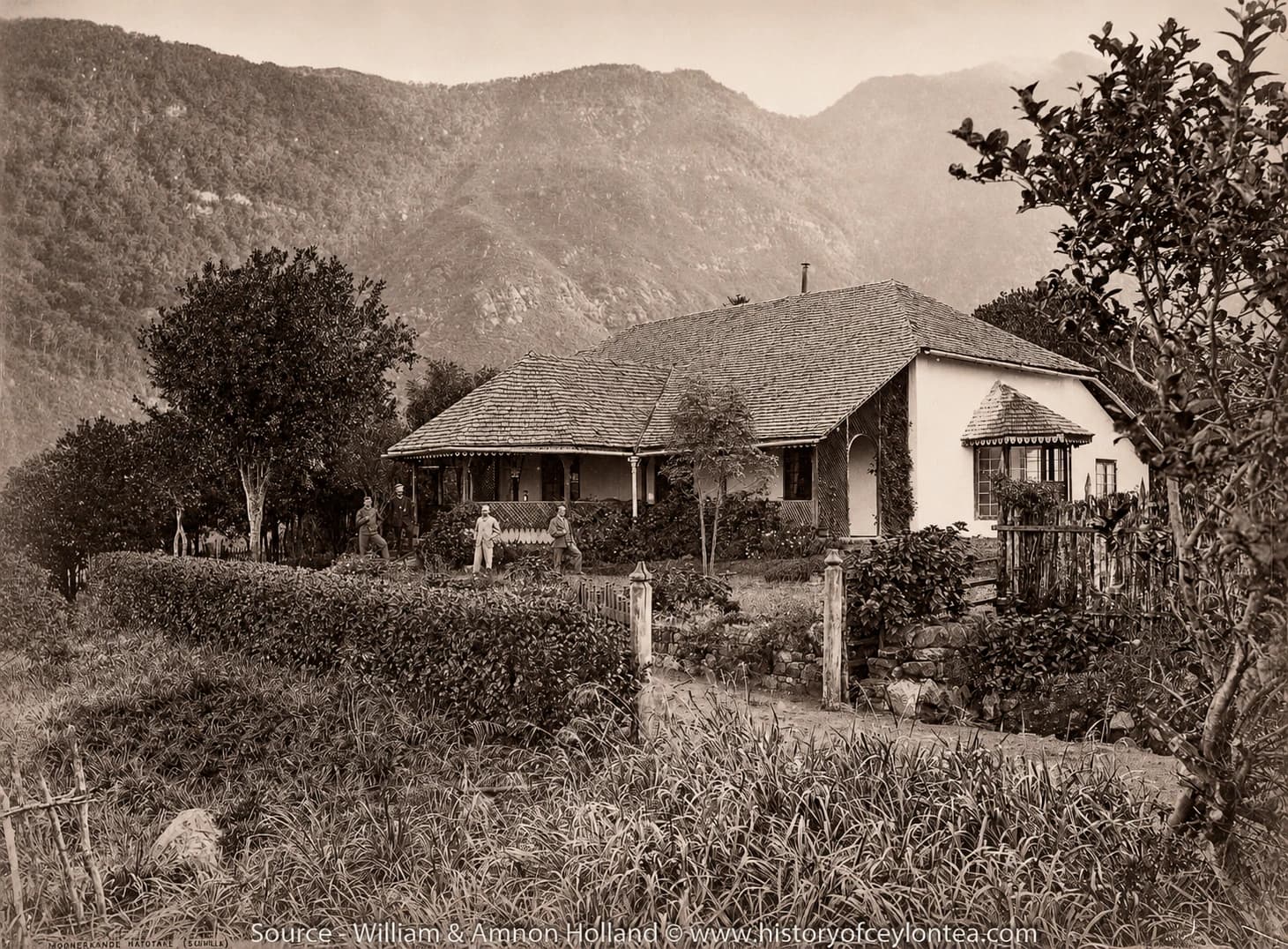
This remarkable image, shared by the History of Ceylon Tea page, is believed to show Needwood Estate bungalow near Haldummulla and Haputale. The photograph is said to date from around the early 1890s, placing it in one of the most important periods in the history of Ceylon Tea.
At first glance, the photograph is simply beautiful. A colonial-era bungalow sits quietly against a dramatic hill-country backdrop. The garden is neat, the mountain slopes rise behind the house, and a small group of unidentified people stands or sits around the property. But look closer, and the image becomes much more than a scenic estate photograph.
It tells a story of plantation life, tea country, colonial-era architecture, estate communities, and the transformation of Sri Lanka’s central highlands.
Check our previous article – https://trippingsrilanka.com/stories/goatfell-bungalow
Needwood Estate: A Name from the Tea Country Past
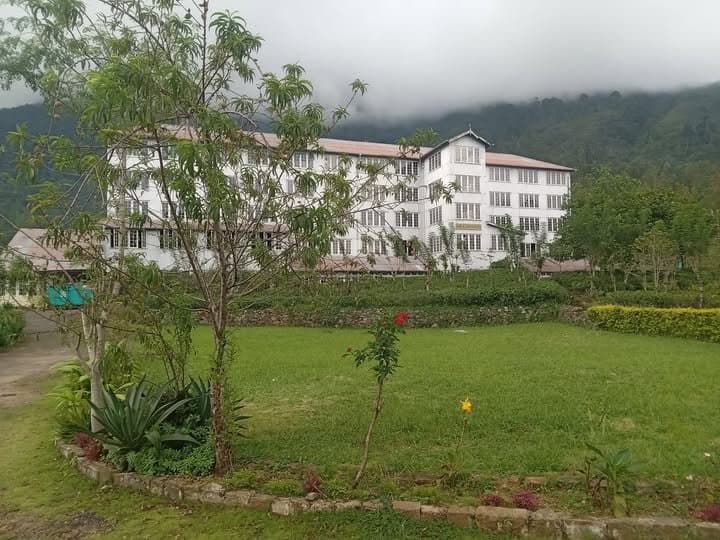
Needwood Estate is associated with the hill country around Haldummulla, near the Haputale region. This part of Sri Lanka is known for its steep slopes, cool climate, mountain views, and tea estates that stretch across some of the island’s most atmospheric landscapes.
The photograph is especially valuable because estate images from the late nineteenth century are not always easy to find. Many old bungalows have been altered, abandoned, demolished, or absorbed into modern estate use. A photograph from the 1890s therefore becomes an important visual record.
According to the post, estate records indicate that the owner at the time was Alex Gibson, while the manager was C. de Winton. These names help place the image within the world of colonial plantation management, when estates were run through a system of owners, managers, assistant managers, clerks, workers, and local communities.
For heritage travellers, this is exactly the kind of photograph that gives depth to a tea-country journey. It reminds us that every estate road, old bungalow, and factory building has a human story behind it.
A Possible Identification Mystery
The post also mentions an interesting detail. The image was submitted by William and Amnon Holland, who believed it to be a photograph of Needwood Estate. However, a handwritten note at the bottom of the photograph reportedly identifies the estate as Moonerakande.
This creates a small but fascinating historical mystery.
Old estate photographs often passed through families, albums, private collections, and overseas archives. Over time, names could be misread, added later, or confused with nearby estates. Estate boundaries, ownership records, and local names also changed across generations.
That makes this image even more interesting. Whether the bungalow is confirmed as Needwood Estate or possibly connected to Moonerakande, it clearly belongs to the old plantation world of the Haldummulla and Haputale region.
For researchers, collectors, and tea-history enthusiasts, such clues are valuable. A single handwritten note can open a new trail of investigation.
The Bungalow as the Centre of Estate Life
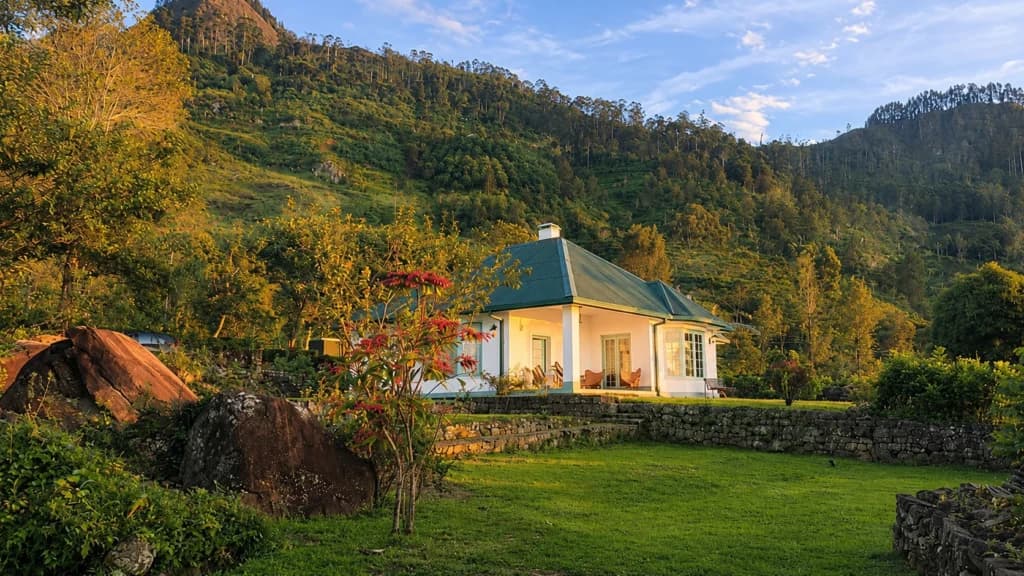
The bungalow in the photograph reflects the classic style of a colonial-era plantation residence.
These estate bungalows were not only homes. They were centres of administration, hospitality, and social life. From such houses, estate managers supervised planting, harvesting, labour, transport, accounts, and factory operations.
The building in the image has many features commonly associated with hill-country estate architecture. It appears low, broad, and well adapted to the climate. The roof is wide and protective. The verandah allows shade and airflow. The bungalow is positioned to take advantage of the surrounding views.
This kind of architecture was practical. In the hill country, buildings had to cope with rain, mist, cool nights, damp air, and steep terrain. The estate bungalow was usually designed to be comfortable, functional, and commanding. It had to serve as both a private residence and a working headquarters.
In the photograph, the bungalow sits with quiet authority in the landscape. It is not grand in the manner of a palace, but it is clearly important.
Haldummulla and Haputale: A Dramatic Tea-Country Landscape
The location adds greatly to the image’s appeal.
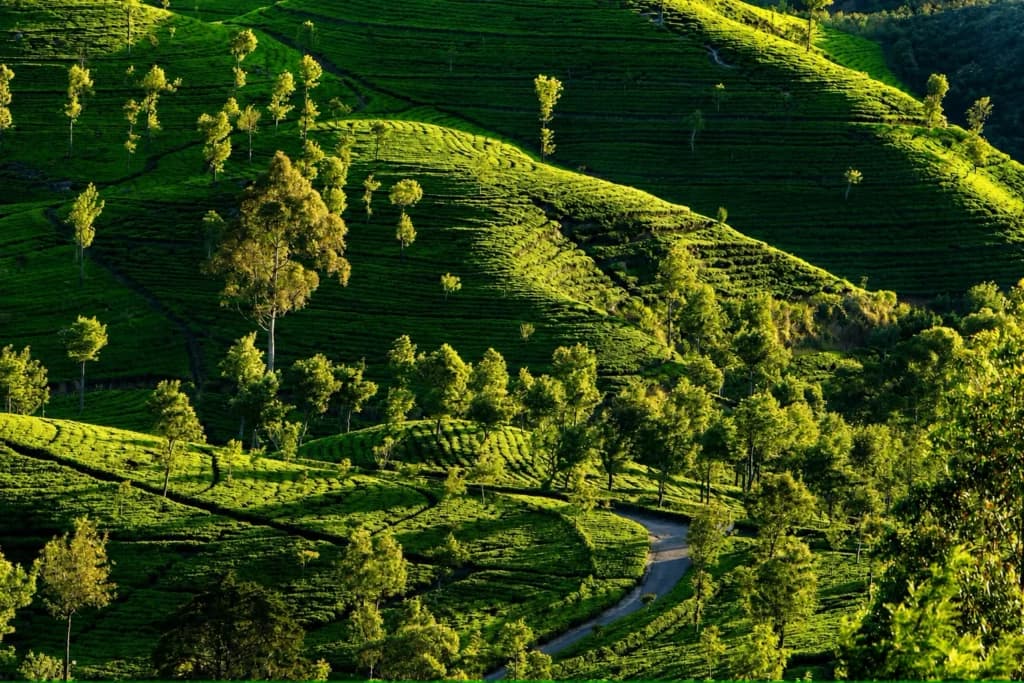
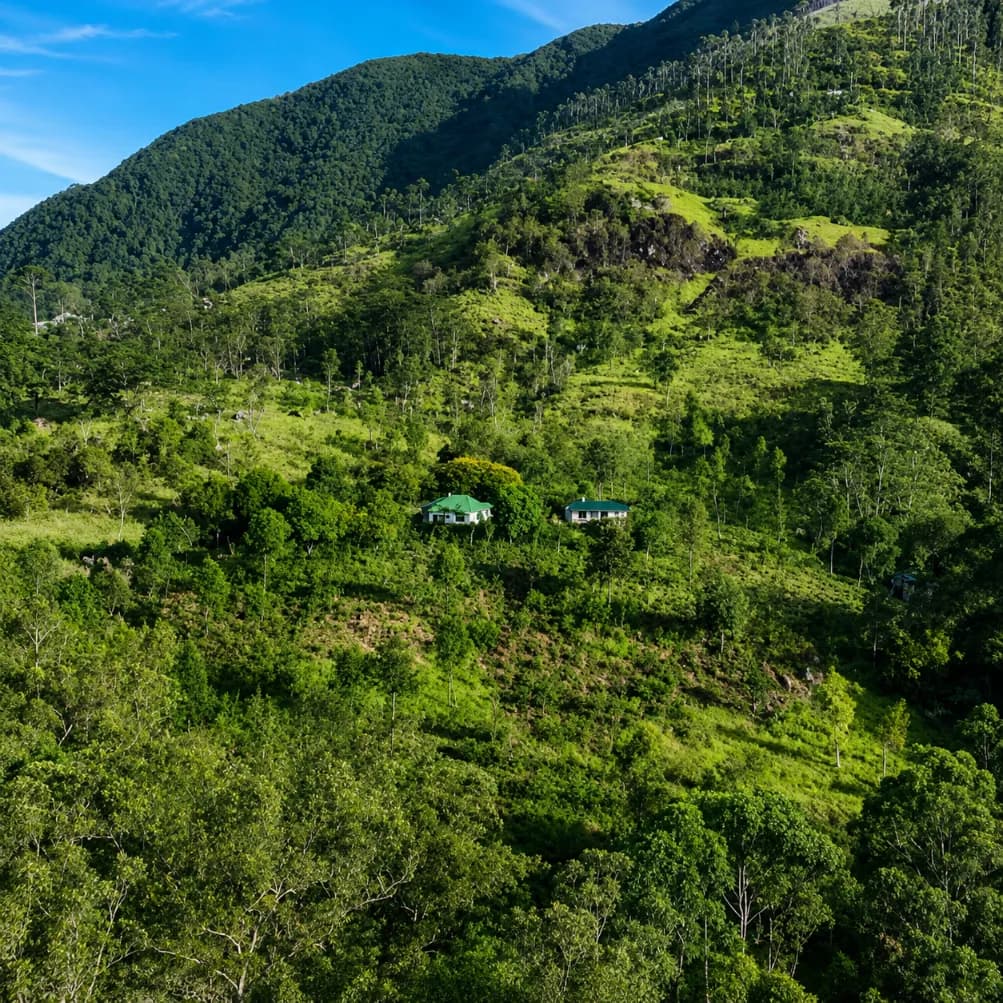
Haldummulla and Haputale sit within one of Sri Lanka’s most dramatic hill-country regions. The area is known for high ridges, deep valleys, misty mornings, and sweeping views across tea estates and forested slopes.
Travellers passing through Haputale today often stop for views, tea experiences, railway journeys, waterfalls, and estate scenery. But beneath the beauty lies a long plantation history.
By the late nineteenth century, this part of the island had become part of the expanding tea economy. Roads, estate tracks, bungalows, factories, and worker settlements reshaped the mountains. The photograph captures that moment when tea country was still developing its identity.
The background hills in the image are especially powerful. They remind us that the estate bungalow was not separate from the landscape. It belonged to a wider plantation world of slopes, weather, labour, and distance.
The People in the Photograph
One of the most intriguing elements of the image is the group of unidentified individuals near the bungalow.
They may include estate staff, residents, visitors, or workers connected to the property. Without clear identification, it is impossible to say who they were. Yet their presence gives the photograph life.
Old estate photographs often focused on buildings, but the people within them are equally important. They remind us that tea country was not built by scenery alone. It was shaped by planters, managers, local workers, estate labourers, families, craftsmen, domestic staff, and transport workers.
Every tea estate was a community, even when that community was marked by hierarchy and inequality. The bungalow represented one side of estate life, while labour lines, factories, fields, and worker settlements represented another.
The people in this photograph are silent, but they are not unimportant. They are part of the story.
Why Old Estate Photographs Matter
Photographs like this are valuable because they preserve details that written records often miss.
They show how buildings were positioned, how gardens were arranged, how people dressed, what the surrounding landscape looked like, and how estate life was visually presented.
An old photograph can reveal:
- The design of a bungalow
- The relationship between house and mountain landscape
- Garden layouts and boundary fences
- Social hierarchy through posture and placement
- The visual identity of an estate
- Changes in land use over time
For tea historians, these images are clues. For travellers, they add meaning. For descendants of families connected to Ceylon’s plantation past, they can be deeply personal.
Many such photographs left Sri Lanka through family albums and private collections. When they reappear online, they help rebuild the visual archive of Old Ceylon.
Ceylon Tea and the Plantation Era
The early 1890s were a significant period in the history of Ceylon Tea.
By this time, tea had already replaced coffee as the dominant plantation crop in many parts of the island. The collapse of coffee due to disease had forced planters to adapt. Tea proved successful, and the industry expanded rapidly across the central highlands.
Estates in regions such as Kandy, Nuwara Eliya, Haputale, Haldummulla, Talawakelle, Hatton, and Badulla became part of this new economy. Factories processed leaf for export, railways and roads moved tea toward Colombo, and Ceylon Tea began building its reputation overseas.
Needwood Estate, if correctly identified, belonged to this wider world.
A bungalow photograph from this period is therefore not only a family or estate image. It is part of the visual story of how Sri Lanka became known globally for tea.
A Heritage Stop for Tea-Country Travellers
Today, travellers exploring the Haldummulla and Haputale region can use photographs like this as inspiration for a deeper journey.
Rather than seeing tea country only as scenery, visitors can begin to look for the layers of history hidden within it. Old bungalows, factory chimneys, estate roads, railway lines, stone bridges, churches, cemeteries, and viewpoints all form part of the same story.
A heritage-minded traveller can explore the region by focusing on:
- Old tea estates and plantation roads
- Historic bungalows and estate architecture
- Haputale’s hill-country viewpoints
- Haldummulla’s quieter estate landscapes
- Tea factories and working plantations
- Railway and road links connected to tea transport
- Family and estate history connected to Old Ceylon
This approach turns a scenic drive into a historical journey.
Reading the Photograph Today
What makes this photograph so captivating is its stillness.
The bungalow appears calm and settled. The people are small against the landscape. The mountains rise behind them like a permanent backdrop. There is no movement, no noise, no modern interruption.
Yet the photograph belongs to a time of great change. The tea industry was expanding. Estates were developing. The hill country was being reshaped. Communities were forming around plantation work. Roads and railways were connecting remote valleys to global markets.
That contrast gives the image its power. It looks peaceful, but it represents a world of movement, labour, enterprise, and transformation.
Final Thoughts: A Window Into Old Ceylon’s Tea Country
The old photograph of Needwood Estate bungalow, or possibly Moonerakande, is more than a charming image from the 1890s. It is a rare visual fragment of Sri Lanka’s plantation past.
It shows a bungalow, a garden, a group of people, and a mountain landscape. But behind those elements lies the larger story of Ceylon Tea: the rise of estates, the role of plantation managers, the shaping of hill-country communities, and the transformation of Sri Lanka into one of the world’s great tea-producing nations.
For today’s heritage traveller, this image is an invitation.
It invites us to look more carefully at the tea country. To notice old bungalows behind hedges. To wonder about names written on fading photographs. To ask who lived there, who worked there, and how these estates shaped the island’s history.
Old Ceylon still survives in places like this — not only in famous landmarks, but in photographs, estate names, mountain roads, and quiet bungalows framed by hills.
Visit Us: https://trippingsrilanka.com/stories
More from Old Ceylon
When Prince Philip Visited Pedro Estate: The Royal Visit That Became Part of Ceylon Tea History in 1954
When Five Cents Mattered: The Forgotten Small Change of Old Ceylon