Hidden Colonial Gems of Old Ceylon | Sri Lanka’s colonial story is often told through the big sights: the ramparts of Galle, the clock towers of Colombo, the tea factories of the hill country. Yet the island’s quieter corners still hold the atmosphere of Old Ceylon in small, stubborn details. A cobbled cul-de-sac behind a post office. A weathered Martello tower staring at the sea. A rest house verandah where the ceiling fans hum and time slows down. This guide is for travellers who enjoy wandering off the marquee trail to find those gentle, human-scale places where history still whispers.
Colombo: lanes, lintels, and little rituals
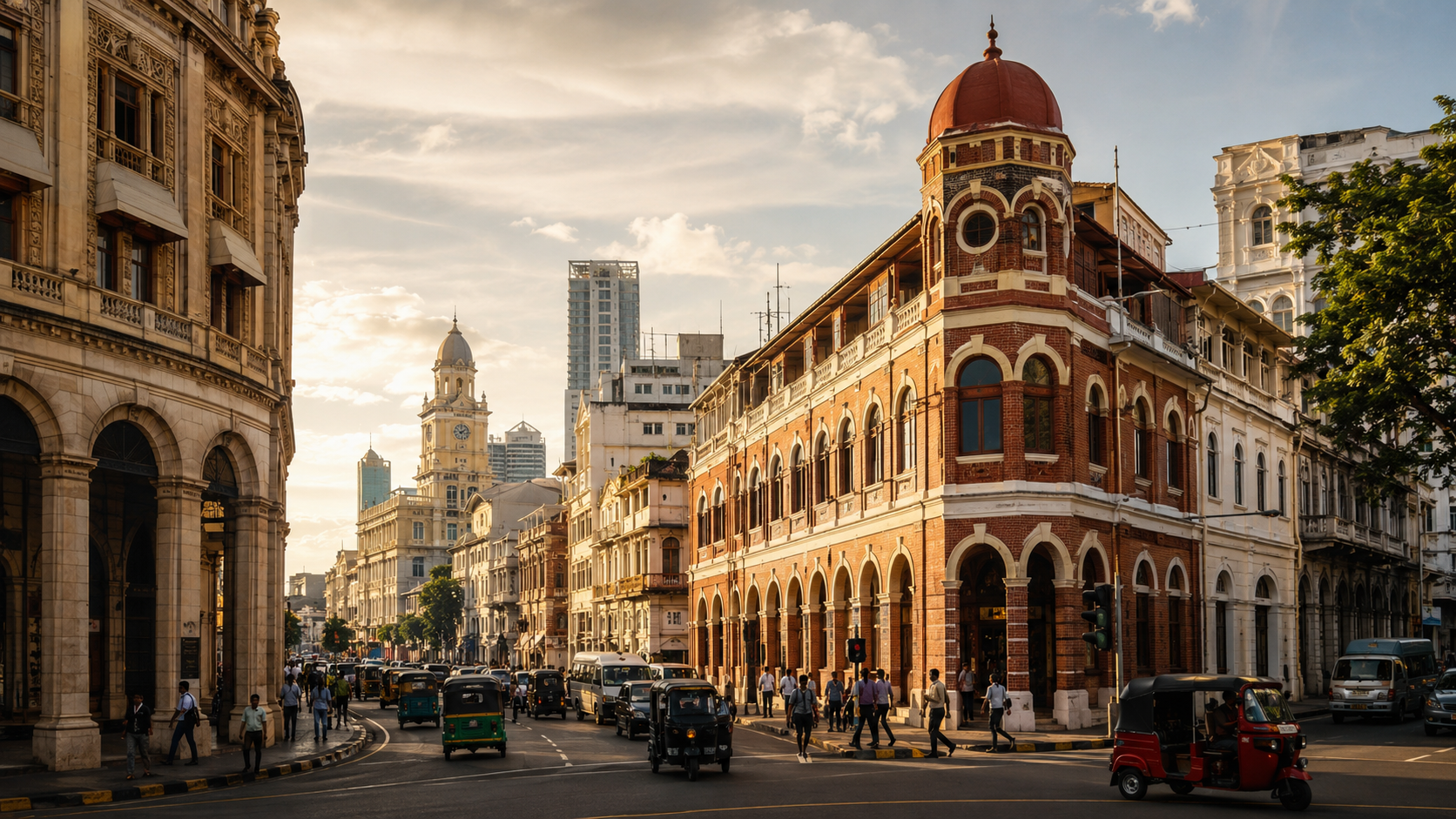
Most visitors glance at Colombo Fort and move on. Slow down. Explore the lanes running between arcaded façades around the Old Lighthouse Clock Tower and the red-brick Cargills building. Early morning is best. Shutters inch open. Porters sweep granite steps. You notice ironwork balustrades, carved lintels and fading painted signage that escaped modern refurbishments. Duck into a side street café for a short eat and ginger tea. Sit by a timber window and watch office life spool up around 9 a.m. It is the rhythm, more than any single landmark, that evokes the old mercantile city.
Across the harbour road, trace the old warehouse frontages where doors still bear numbers stencilled in serif fonts. If you like small museums, slip into any temporary exhibits hosted in restored buildings; they often display photographs from the late 19th and early 20th centuries that map the city you are walking in now.
Galle: behind the postcard
Galle Fort is not exactly “hidden,” but its quiet is. Step away from the ramparts at sunset and turn inland. Wander the back lanes behind Church Street and Lighthouse Street where bougainvillea vaults over whitewashed walls. Find a verandah café in a side alley and listen for church bells or the call to prayer threading through from the mosque. The Dutch Reformed Church yard holds weathered headstones with dates softened by salt air; read a few and you will feel the Atlantic and Indian Oceans knit together in names, trades and journeys.
For something small and memorable, look for old timber doors with double-leaf shutters, many painted in soft greens and blues. You will also spot masonry anchors and carved stone thresholds—details that survived because they were useful, not because they were precious. This lived-in authenticity is Galle’s secret.
Click on here “DUTCH FORTS OF SRI LANKA – TRACING THE ISLAND’S COLONIAL HERITAGE”
Nuwara Eliya: postal reds and planter greens
The hill country wears its colonial layers in brick and ritual. The post office’s gables and clock tower always draw a crowd, but the mood of Old Ceylon lives in what surrounds it: tin-roof bungalows with clipped hedges, mossed boundary walls, narrow lanes that climb past tea bushes. Stroll Lake Gregory’s quieter edges in the early afternoon when the wind drops and clouds hang low over the pines. If you pass a tea factory with windows thrown open, you may catch the warm, sweet smell of rolling leaves drifting across the road.
Seek out a lesser-known planter’s bungalow for afternoon tea. Good ones still serve on sturdy white china with fresh cream, butter and jam laid out as if the house expects company every day. Sit by a sash window, watch the light change, and you will understand why this interior highland drew travellers long before it drew Instagram.
Kalpitiya: ramparts, reefs, and wind
On the sand spit where the lagoon meets the sea, Kalpitiya’s fort still holds its outline against the sky. It is smaller than Galle, but the geometry is crisp and the setting feels raw. Fisherfolk mend nets in the shade of its walls. Kitesurfers flash across the lagoon. The fort’s coral-limestone textures show how builders adapted to local material. Visit on a weekday morning to avoid crowds and to hear the wind sing through the casuarinas. If you like photographing patterns, the shadow play around its bastions and embrasures is worth the detour.
Mannar and the north-west: causeways and quiet towers
Drive the causeway to Mannar and you enter a wide, wind-combed landscape where time stretches. The remains of the old Dutch fort mark a crossroads of pearl banks, pilgrims and traders. Farther along the coast, look for small, round Martello towers—compact coastal defences with thick walls and a squat elegance. They rarely make headline itineraries, yet they speak clearly of an island that once guarded its shores with simple engineering and clear sightlines.
Pause in a village shop for a bottle of tamarind juice or a slice of butter cake. Talk to the owner about who passes through and when the sea is calm. Local conversation is often the key that unlocks a site’s story more than any plaque will.
Click on here “COLONIAL POST OFFICES IN SRI LANKA: LITTLE RED PILLARS OF HISTORY”
Trincomalee and the east: bastions and breezes
On the opposite coast, Trincomalee’s headlands carry fortifications and viewpoints layered with shrines, banyans and breezes. Walk along the edges where cannon placements once faced the bay. The view is clean and wide. Down in town, look for bungalows with broad eaves and inner courtyards. Their proportion—long verandahs, timber lattice, high ceilings—catches the sea air and keeps rooms cool without fuss. If you visit in the late afternoon, the light falls shallow and warm across lime-washed walls, giving everything a gentle, cinematic glow.
Jaffna: geometry and grace
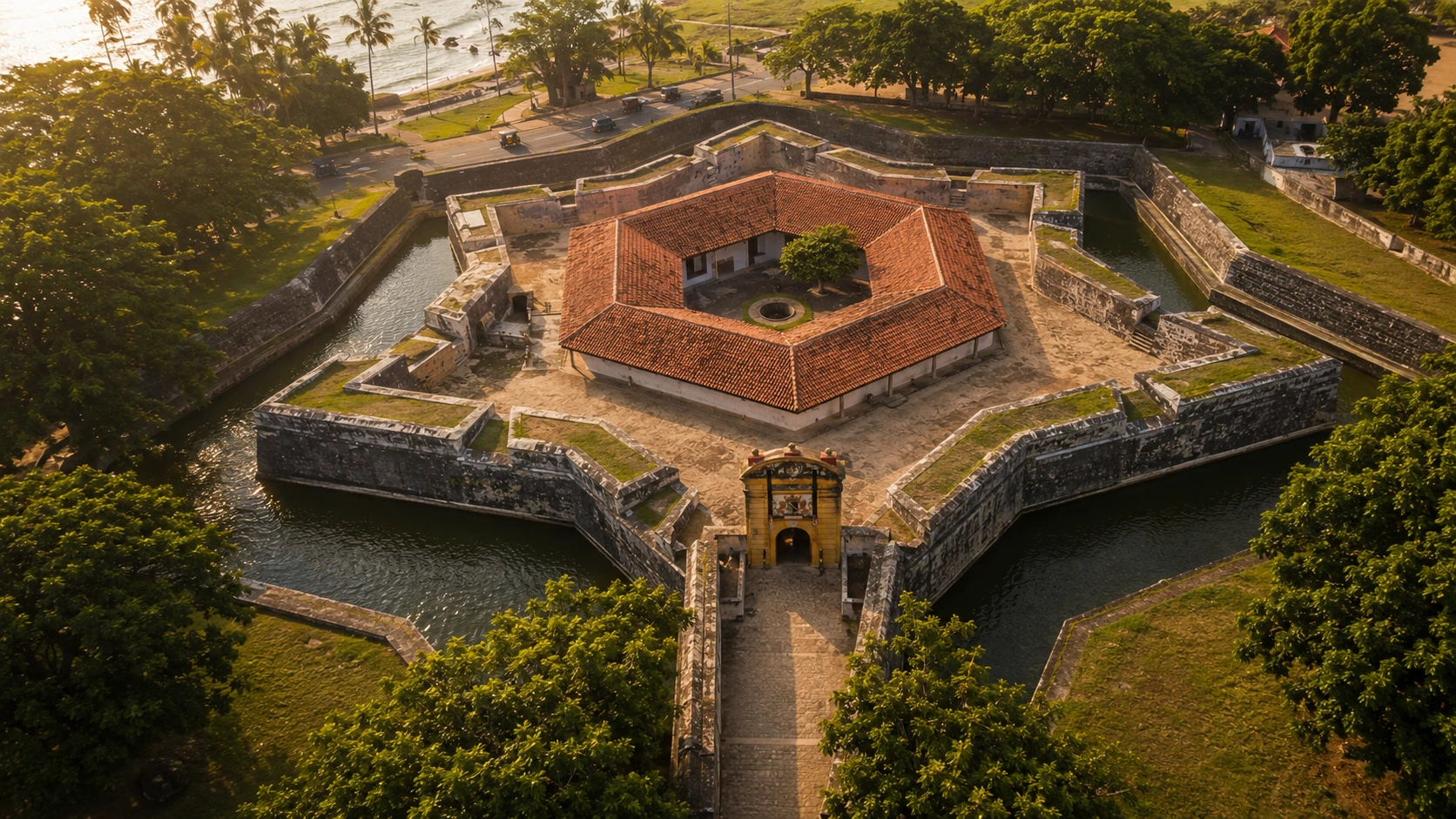
Jaffna’s fort has been restored with care, revealing crisp lines, intact angles and long perspectives across moats and lawns. It feels more architectonic than romantic, and that is its charm. The geometry frames the northern light beautifully. Wander slowly. Study the brickwork. Then head into town for an ice cream or a glass of palmyrah toddy depending on your mood. As you move between Tamil shopfronts, colonial arches and modern buildings, you sense how old and new sit together without apology.
Batticaloa and the lagoons: bridges to the past
Batticaloa’s waterways reflect old guardhouses and lighthouses in still water at dawn. Walk any of the bridges early. Fishermen return with boats that scarcely wrinkle the surface. On an island near the main lagoon you may find an old structure reused as a store or office. That quiet re-purposing—colonial shell, local life—is typical here. Climb a tower if access is open. If not, settle somewhere you can watch the water and let the town settle around you. Sound travels softly across lagoons. It suits unhurried looking.
Rest houses: verandahs that remember
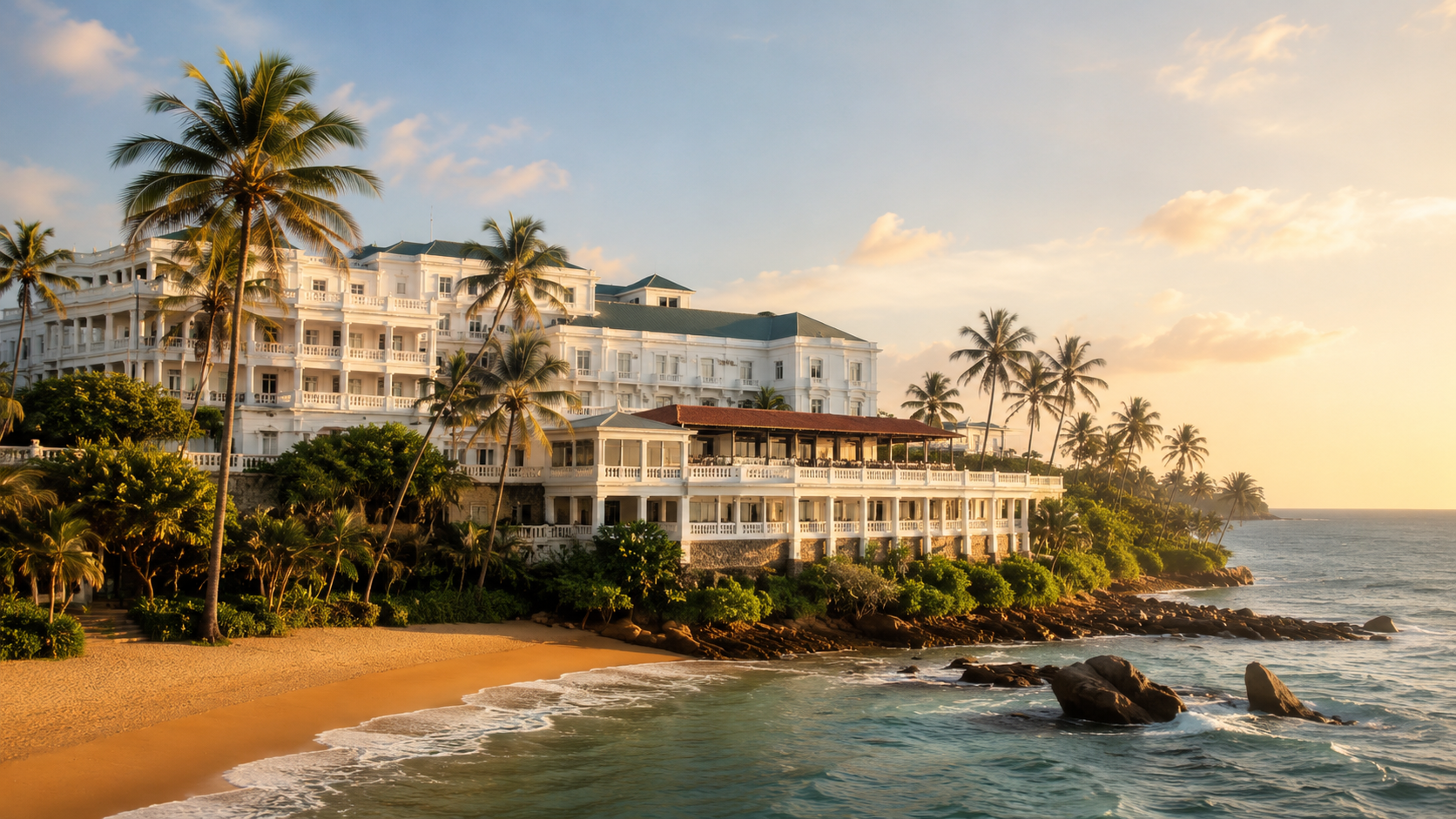
Scattered across the island are Government Rest Houses and old inns with wide verandahs, rattling fans and dining rooms that still serve rice and curry on weekdays. Some have guest books that go back decades. Others have photographs of visiting dignitaries and cricket teams on their walls. Order a lime soda or a pot of tea, find a cane chair and read a few entries in the guest book if allowed. These places hold social history: honeymoons, road-trip notes, business deals and family reunions all recorded in neat handwriting.
Small practices for finding the hidden layer
- Go early or late. Dawn and late afternoon bring quiet, kind light and local routines.
- Look down as much as up. Drain covers, cobbles and thresholds often date a street more reliably than a façade.
- Follow sounds. Church bells, the soft thud of a stamp in a post office, the creak of a wooden gate—small clues lead to lived spaces.
- Talk to caretakers. A guard, librarian, groundskeeper or tea-room server often knows more than any signboard.
- Carry small cash. Some sites accept donations rather than tickets.
- Dress with respect. Many colonial buildings sit beside temples, churches and mosques. Shoulders covered and calm behaviour open doors.
Responsible travel notes
Old structures are fragile. Do not lean on railings that look decorative, and avoid climbing on walls or parapets. If you photograph people, ask first. Buy something small from family-run cafés and corner shops near the sites you visit. Your spend keeps these neighbourhoods alive, which is the best preservation strategy of all.
Why the small things matter
The appeal of Sri Lanka’s colonial era is not in grandeur alone. It lies in the tidy brickwork of a culvert, the shadow under a verandah at noon, the way a timber shutter swings and clicks. These details show adaptation: European plans meeting tropical weather, local materials and island rhythms. When you notice them, you see a more honest Old Ceylon—less myth, more making-do. And that is where memory lives.
Planning your own “hidden gems” loop
If you are mapping a route, pair one known landmark with two quieter stops each day. In Colombo, do the museum in the morning, then the back lanes of Fort and a harbour-view tea. In Galle, walk the ramparts once, then spend hours in side streets and church yards. In the hills, visit a tea factory, then a modest bungalow for scones and an evening stroll by Lake Gregory. Along the coasts, match a major fort with a smaller tower or bridge and a village bakery. This cadence—big, small, smaller—keeps the day balanced and your senses sharp.
Old Ceylon is still here. It is not hidden by fences so much as by speed. Walk slowly, notice the workmanship, and leave each place a little better than you found it. The island will reward you with the quiet satisfaction that comes only from finding history where it still belongs—in the open air, in use, and within reach.