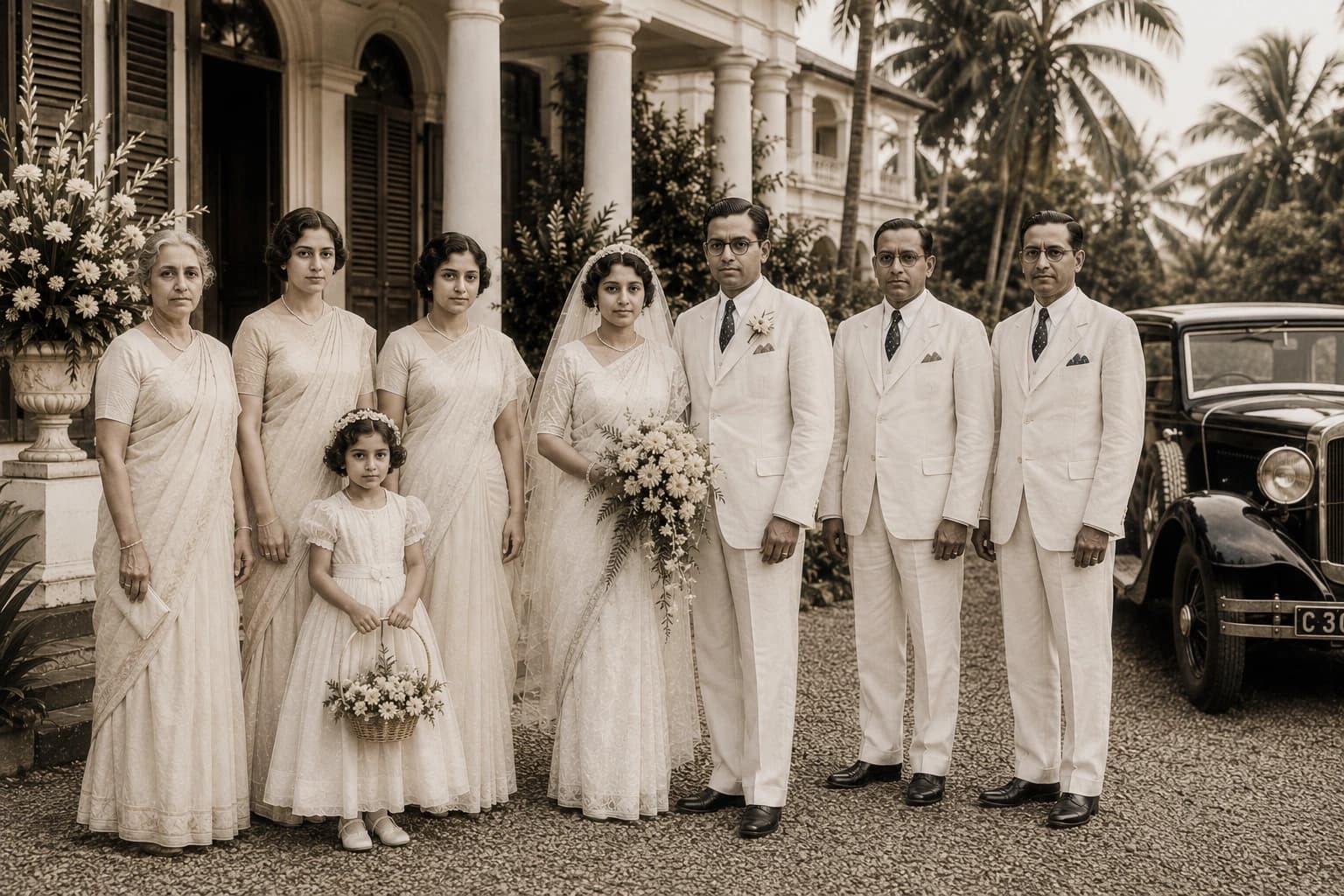
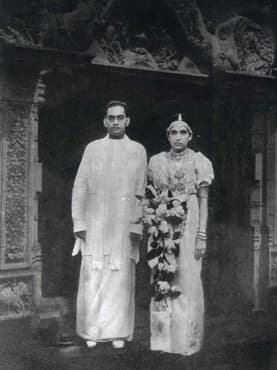
1931 Bandaranaike Seneviratne wedding| On 29 July 1931, a seemingly ordinary wedding became a remarkable gathering of the people who would go on to shape Sri Lanka’s political history. Preserved in the pages of the Daily News, the marriage of Gladys Sithano Dias Bandaranaike and John Francis Seneviratne offers us a fascinating glimpse into colonial Ceylon, where family, politics, and society were deeply intertwined.
Long before independence, before election campaigns and parliamentary debates became part of everyday life, these influential families gathered under one roof to celebrate a union. Looking back nearly a century later, this wedding reads less like a society column and more like the opening chapter of modern Sri Lankan history.
A Gathering of Ceylon’s Elite
Gladys was the daughter of Mr. and Mrs. Fred H. Dias Bandaranaike of Kotadeniyawa, Mirigama, belonging to one of the country’s most distinguished families. Standing beside her was her sister, Indra Dias Bandaranaike, serving as bridesmaid, while young Lakshmi Kotalawala took on the cherished role of flower girl.
The groom, John Francis Seneviratne, entered a family circle already connected to some of the island’s most respected public figures.
Even the wedding party reflected the prominence of those present. The best man was Siripala Samarakkody, an attorney-at-law whose own life would later become connected to another influential political dynasty through his marriage to Needra Senanayake, daughter of F.R. Senanayake.
History would take an unexpected turn after Siripala’s untimely death, eventually leading R.G. Senanayake into politics to continue the family’s public service.
Witnesses Who Would Become Legends
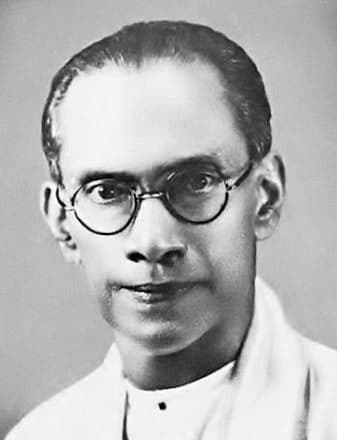
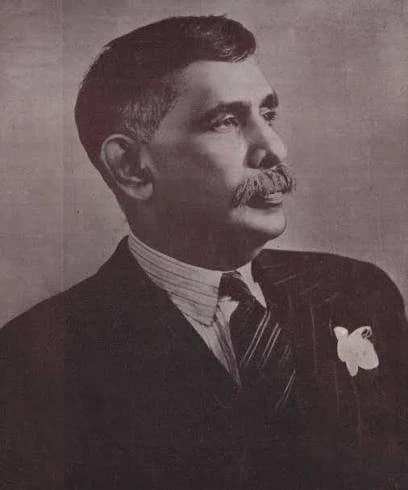
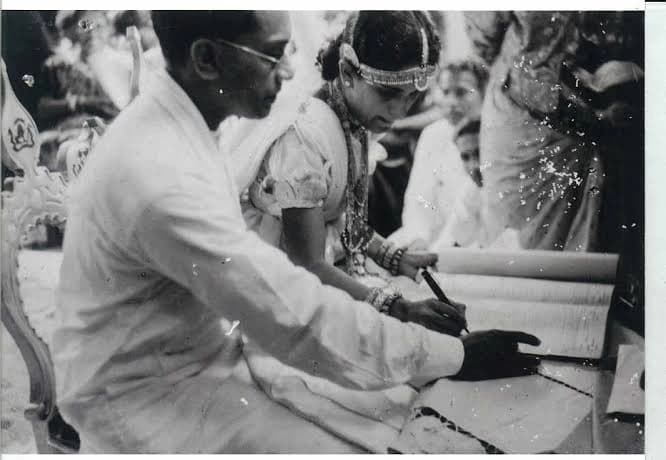
Perhaps the most extraordinary detail lies in the names recorded as official witnesses.
Among them were Sir Solomon Dias Bandaranaike, one of colonial Ceylon’s most respected administrators, and D.S. Senanayake, who would later become the first Prime Minister of independent Ceylon in 1948.
The marriage itself was registered by E.W. Kannangara, then the Assistant Government Agent of Colombo, another distinguished civil servant remembered for his contributions to public administration.
To modern readers, these names fill history books. Yet on that day, they were simply family, friends, and honoured guests gathered to celebrate a wedding.
1931 Bandaranaike Seneviratne wedding| Weddings Were Grand Social Occasions
Newspaper reports from colonial Ceylon often devoted generous space to weddings among prominent families.
Beyond recording the ceremony itself, they described the bride’s attire, the decorations, the guests, speeches, and even the menu. These reports served as social records, preserving moments that today offer historians invaluable insight into the customs and relationships of the period.
One charming detail from the original report notes that the bride wore an ivory-white crêpe de chine saree embroidered with silver sequins, a timeless image of elegance from another era.
It is easy to picture the carefully arranged reception, the formal speeches, polished shoes on polished floors, photographers adjusting their large cameras, and distinguished guests exchanging conversation beneath the tropical skies of colonial Colombo.
More Than a Family Celebration
Looking back from today’s Sri Lanka, this wedding symbolises more than the union of two individuals.
It brought together members of the Bandaranaike, Senanayake, Samarakkody, and Kotalawala families—names that would later dominate the country’s political, legal, and public life for decades.
Few could have imagined in 1931 how closely these families would become associated with the nation’s journey from British colony to independent state.
Preserving These Forgotten Stories
Photographs fade, newspapers become brittle, and memories disappear with each passing generation. Yet small discoveries like this remind us why preserving Ceylon’s history matters.
Old wedding announcements may seem insignificant at first glance, but they often reveal remarkable stories about the people, traditions, and relationships that helped shape the island we know today.
Every preserved newspaper clipping is a doorway into another era—one where Colombo’s drawing rooms, country estates, and family celebrations quietly witnessed the beginnings of modern Sri Lanka.
As we revisit these forgotten moments, we are reminded that history is not made only in parliament buildings or battlefields. Sometimes, it begins with the simple words: “The bride and bridegroom.”
Visit Us: https://trippingsrilanka.com/stories
More from Old Ceylon
Armour Street: The Colombo Road That Still Carries an Old Name
Gaffoor’s Building: The Forgotten Jewel of Old Colombo That Once Stood at the Heart of Ceylon’s Trading Empire