The Airline That Gave Ceylon Its Wings
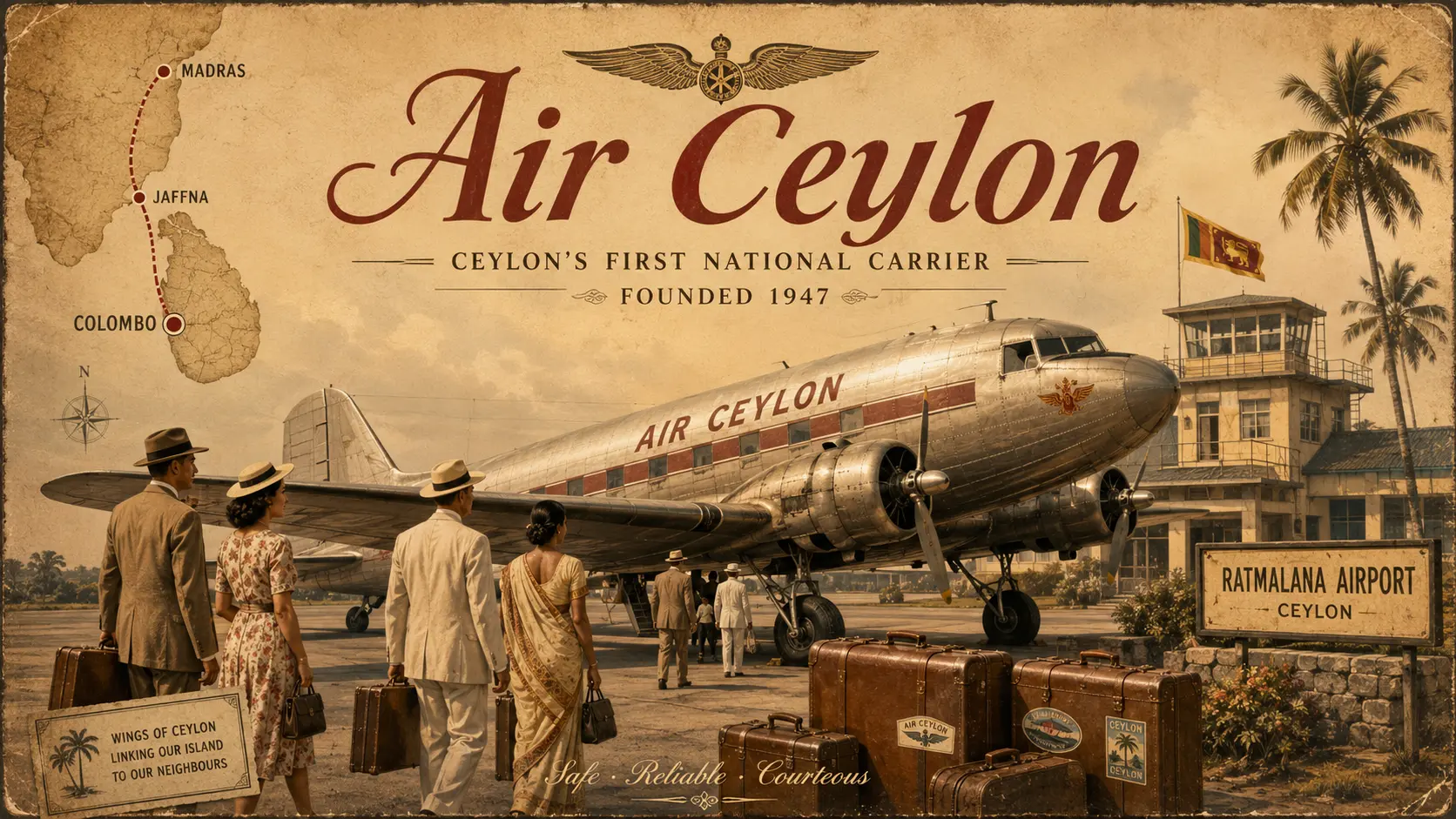
Long before SriLankan Airlines became a familiar name in international skies, there was Air Ceylon — the country’s first national carrier and one of the most nostalgic chapters in Sri Lanka’s aviation history. For many, Air Ceylon was not merely an airline. It was a symbol of a young nation looking outward, finding its place in the modern world, and connecting an island in the Indian Ocean to cities, cultures and opportunities far beyond its shores.
Founded in 1947, Air Ceylon emerged at a time when air travel was still considered a luxury and an adventure. Ceylon was on the edge of independence, and the creation of a national airline carried deep meaning. It represented confidence, progress and ambition. The Airports and Aviation Services history records that Air Ceylon was set up in 1947 as the country’s first national carrier and inaugurated flights from Colombo to Madras via Jaffna.
The First Journey From Ratmalana
The story of Air Ceylon began at Ratmalana Airport, then the island’s main civil airport. On 10 December 1947, Air Ceylon’s historic service took off from Ratmalana to Madras, now Chennai, with a stop at Jaffna. At a time when most long-distance travel still depended on ships and trains, this flight marked a powerful shift. It gave Ceylon a place on the aviation map.
That first route was practical as well as symbolic. Jaffna and South India had long-standing cultural, educational, religious and commercial connections. Air Ceylon made that movement faster and more modern. What once required long and tiring journeys could now be completed in a fraction of the time.
Born in the Age of the Dakota
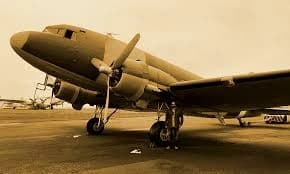
Air Ceylon’s early years were closely linked with the Douglas DC-3 Dakota, one of the most famous aircraft of the post-war era. Reliable, sturdy and widely used around the world, the Dakota was ideal for a young airline finding its way. Air Ceylon began with domestic and regional services, using aircraft that were already respected for their performance in difficult conditions.
The Daily FT notes that Air Ceylon was formed in 1947 and began operations with Douglas C-47 Dakota aircraft, while later international services used Douglas DC-4 aircraft. These aircraft gave the airline its earliest identity: modest, practical and dependable. They were not glamorous by today’s standards, but they carried the hopes of a country entering a new era.
A National Symbol After Independence
When Ceylon gained independence in 1948, Air Ceylon naturally became part of the nation-building story. A national carrier is never just a transport service. It carries a flag, a name, a language and an image. For newly independent countries, airlines often became flying ambassadors. Air Ceylon did exactly that.
Its name itself carried prestige. To see “Air Ceylon” on the side of an aircraft meant that the island had its own presence in the skies. It gave travellers a sense of pride. It also gave foreign passengers an early impression of Ceylon as a destination — refined, tropical, strategically located and open to the world.
Partnerships That Opened the World
Air Ceylon did not grow alone. Like many smaller national airlines of the period, it worked with larger international carriers to expand its reach. Over the years, the airline had partnerships with names such as Australian National Airways, BOAC, KLM, Qantas and UTA. These partnerships helped Air Ceylon operate routes that would otherwise have been difficult for a small island carrier to manage.
Through these alliances, Air Ceylon connected passengers to destinations beyond South Asia. Flights and cooperative services linked Ceylon with cities in Europe, Australia and Southeast Asia. The Roar Media archive records that Air Ceylon maintained several international partnerships during its three decades of operation, including its early partnership with Australian National Airways in 1949.
From Regional Flights to Long-Haul Ambition
What began with short regional flights gradually developed into a more ambitious international operation. Air Ceylon’s aircraft story reflects this progress. The airline’s fleet over the years included types such as the DC-3, DC-4, Lockheed Constellation, Super Constellation, de Havilland Comet, Vickers VC10, Hawker Siddeley HS 748, Hawker Siddeley Trident and Douglas DC-8.
Each aircraft represented a different stage in aviation history. The piston-engine Dakotas and Constellations belonged to the romantic early age of commercial flying. The Comet and VC10 brought the jet age closer. The Trident and DC-8 showed that Air Ceylon was trying to remain relevant in a world where aviation technology was changing rapidly.
Ratmalana, Katunayake and a Changing Aviation Landscape
For its early years, Ratmalana Airport was the heart of civil aviation in Ceylon. It was where Air Ceylon’s first services began and where generations of passengers experienced the excitement of air travel. Later, as aviation expanded, Katunayake Airport, now Bandaranaike International Airport, became the country’s main international gateway.
This shift reflected the wider growth of air travel. Aircraft were becoming larger, routes were becoming longer and passenger numbers were increasing. Air Ceylon had to operate in a world that was quickly moving from intimate post-war aviation to large-scale international airline competition.
The Romance of Air Travel
Those who remember the Air Ceylon era often speak of a very different kind of flying. Airports were less crowded. Passengers dressed carefully for flights. Air travel had ceremony. Tickets, boarding passes, luggage tags and airline posters were designed with a sense of elegance. For many Sri Lankans, flying Air Ceylon was a special event, not just a mode of transport.
The airline also carried the image of Ceylon abroad. It belonged to the same world as tea, tropical beaches, colonial hotels, hill country landscapes and the island’s reputation for hospitality. In a way, Air Ceylon was part of the country’s early tourism identity. It helped turn Ceylon from a distant island into a destination people could imagine visiting.
The Difficult Years
Despite its importance, Air Ceylon faced serious challenges. Running an airline is expensive even today, and it was even more difficult for a small country trying to maintain international routes, modern aircraft and technical partnerships. Aircraft leasing, fuel costs, maintenance, management issues and global competition all placed pressure on the airline.
By the late 1970s, Air Ceylon’s difficulties had become too great. The airline finally ceased operations in 1979. It was replaced by Air Lanka, which later became SriLankan Airlines after rebranding in 1998. The closure marked the end of one chapter, but not the end of Sri Lanka’s aviation story.
The Legacy of Air Ceylon
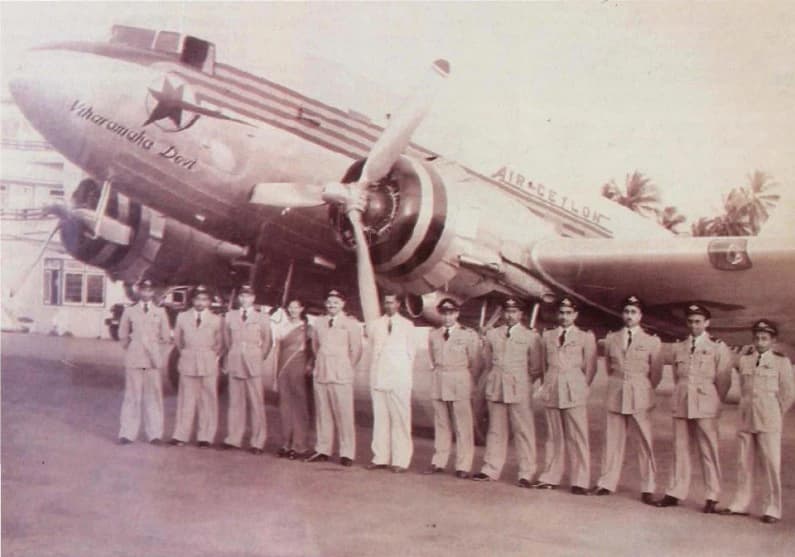
Today, Air Ceylon lives mostly in old photographs, vintage tickets, aviation memories and the stories of those who flew with it. Yet its legacy is much larger than nostalgia. It was the airline that gave the country its first national wings. It connected Colombo, Jaffna and Madras at a historic moment. It showed that a small island could think internationally.
Air Ceylon also laid the foundation for Sri Lanka’s later aviation identity. Every national carrier that followed inherited something from it — the ambition, the symbolism and the responsibility of carrying the country’s name beyond its shores.
A Forgotten Pride Worth Remembering
Air Ceylon belongs to a gentler, more graceful age of travel. It reminds us of a time when boarding an aircraft felt like stepping into the future. For Ceylon, it was more than an airline. It was a statement that the island was ready to meet the world. Though its aircraft no longer fly, the memory of Air Ceylon remains powerful. It was our first national carrier, our first flying emblem, and one of the earliest symbols of Sri Lanka’s modern journey into international aviation
Visit Us: https://trippingsrilanka.com
More from Old Ceylon
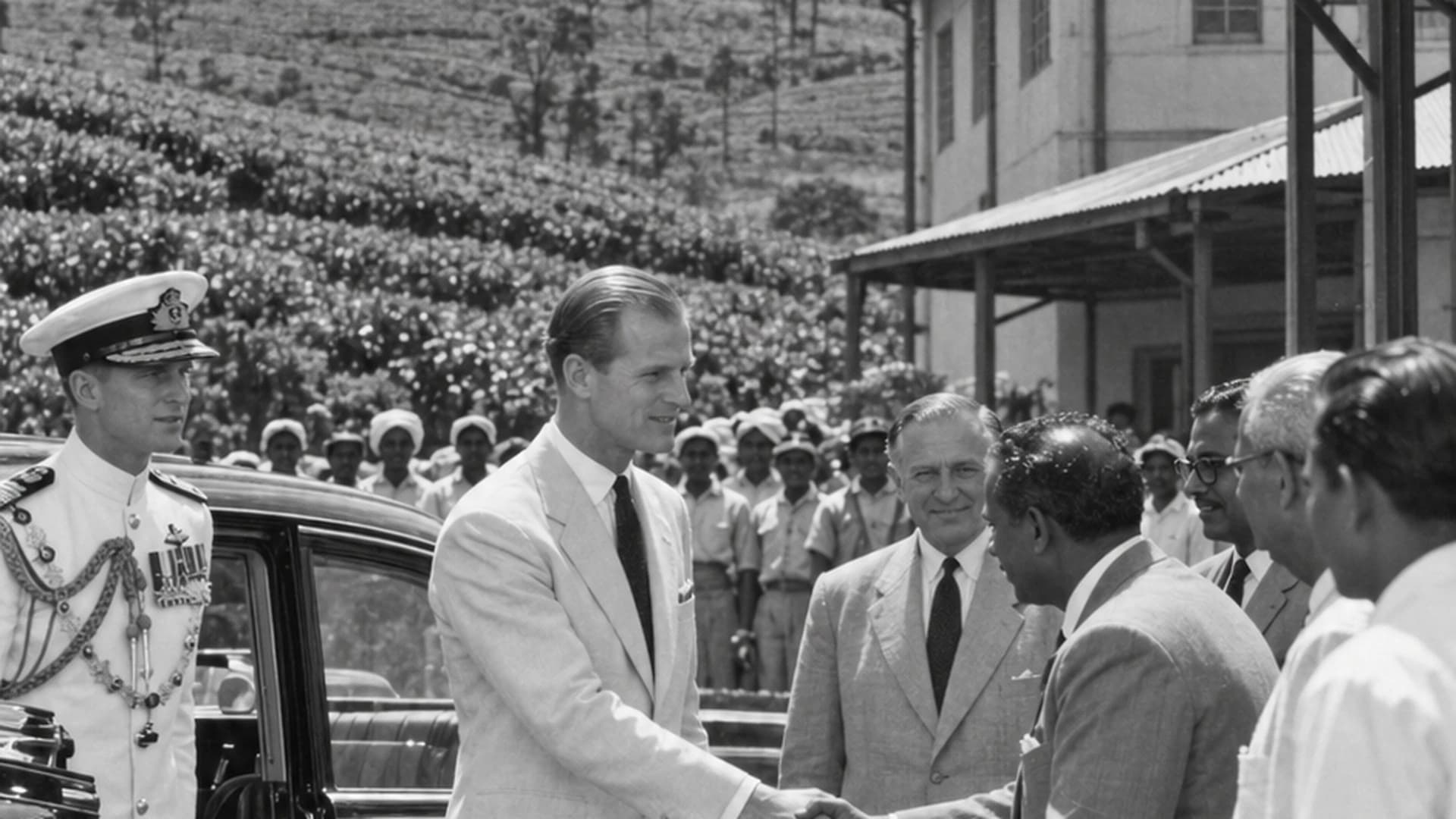
When Prince Philip Visited Pedro Estate: The Royal Visit That Became Part of Ceylon Tea History in 1954
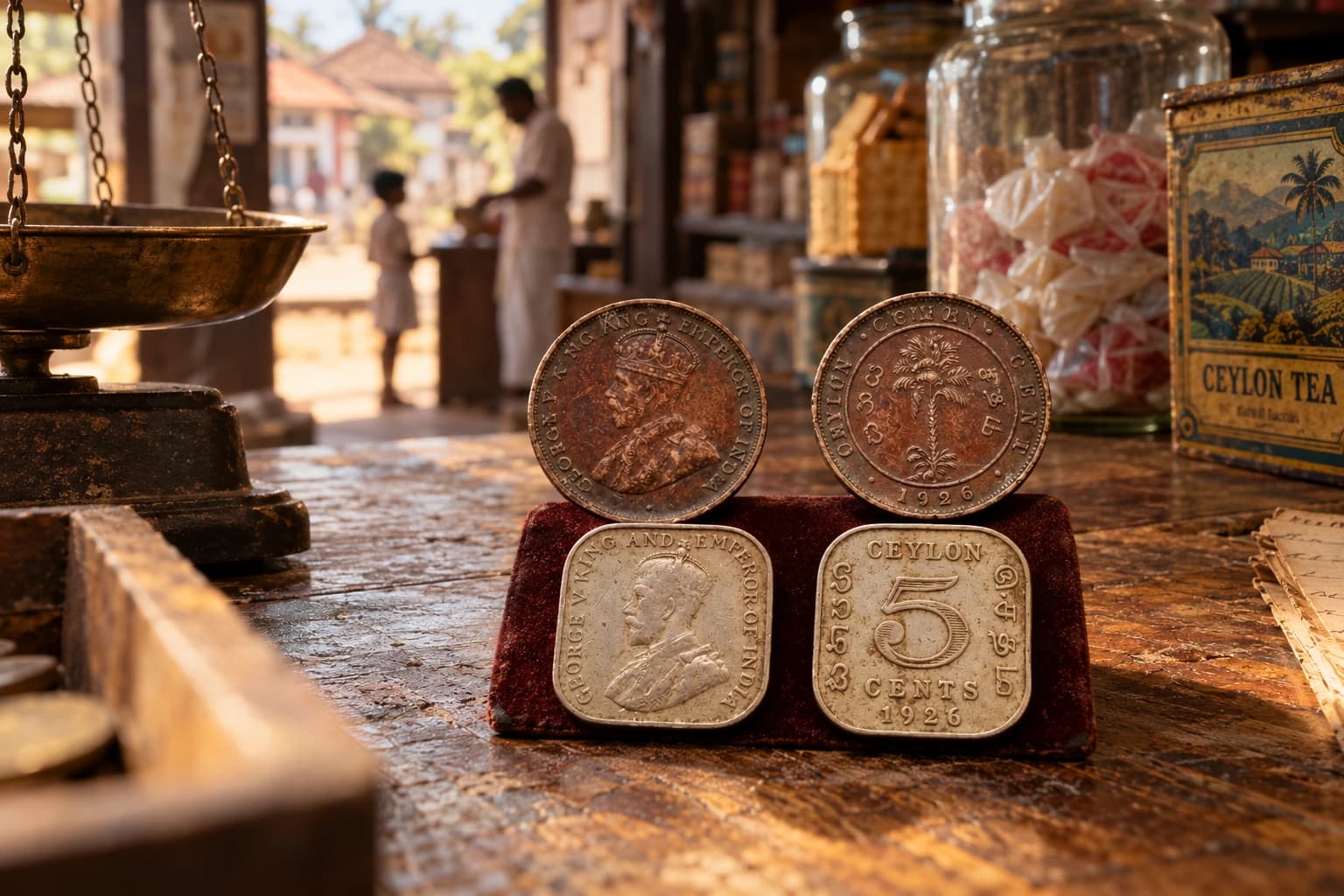
When Five Cents Mattered: The Forgotten Small Change of Old Ceylon