A Town That Feels Like Travelling Back in Time
Nuwara Eliya Old Ceylon| There is something about arriving in Nuwara Eliya that feels like travelling back in time.
Perhaps it is the sudden chill in the air after the long climb into the hills. Perhaps it is the mist drifting across the road, the gardens bright with roses or the old buildings appearing unexpectedly between modern shops and crowded streets.
Nuwara Eliya has changed considerably over the years. Yet beneath its busy present, the atmosphere of another age survives.
It is there in the red-brick Post Office, the old Cargills building, the sprawling hotels and the quiet clubs hidden behind clipped hedges. It lingers beside the golf course, around the racecourse and along roads leading towards tea estates and century-old planter’s bungalows.
This is the Nuwara Eliya of Old Ceylon, not perfectly preserved, but still waiting to be discovered.
Check our previous article- https://trippingsrilanka.com/stories/nuwara-eliya-paintings-old-ceylon
A Town Built for the Hills
Nuwara Eliya began developing as a colonial hill station during the 19th century.
At around 1,868 metres above sea level, its cool climate offered British civil servants and tea planters an escape from the tropical heat of the lowlands.
The mist, green slopes and cold evenings reminded them of Britain. Soon, English-style cottages, country houses, gardens and social clubs began appearing across the landscape.
The town became known as “Little England.”
Life here followed a distinctly colonial rhythm. There were rounds of golf, horse races, afternoon tea, formal dinners and dances at the grand hotels. Gardens were planted with roses and other temperate flowers. Fireplaces warmed drawing rooms while heavy curtains kept out the mountain cold.
Beyond the town, tea estates spread across the hills. Planters lived in spacious bungalows surrounded by lawns, vegetable gardens and long stretches of tea.
Little England and the Old Ceylon Atmosphere
The name “Little England” may sound romantic today, but it came from a very particular colonial imagination.
British officials and planters saw Nuwara Eliya as a cool-weather retreat where they could recreate elements of life they associated with home. The architecture, gardens, clubs and sporting traditions reflected that desire.
But over time, Nuwara Eliya became more than a colonial imitation.
It became a Sri Lankan hill-country town with its own layered character, part colonial, part plantation, part local, part seasonal escape.
This mixture is what gives Nuwara Eliya its unusual charm.
It is not purely British. It is not purely Sri Lankan in the same way as Kandy, Galle or Colombo. It is a town shaped by weather, altitude, tea, tourism, colonial memory and local life all at once.
Check our previous article – https://trippingsrilanka.com/stories/nuwara-eliya-little-england
Walking Through Yesterday
The best way to experience old Nuwara Eliya is not to rush from one attraction to another.
Walk slowly through the centre of town.
Begin near the old Nuwara Eliya Post Office, with its steep roof, red-brick walls and clock tower. Even amid traffic and modern signage, it remains one of the clearest reminders of the town’s colonial character.
Nearby, commercial buildings such as the old Cargills premises reveal another side of Nuwara Eliya’s past. These were not grand residences or exclusive clubs, but practical places that served the households, hotels and estates surrounding the town.
Look upwards as you walk.
Old windows, gables, covered entrances and weathered façades often survive above contemporary storefronts. They are easy to miss if you are watching only the road ahead.
The past in Nuwara Eliya is rarely found in one perfectly preserved street.
It appears in fragments.
The Nuwara Eliya Post Office
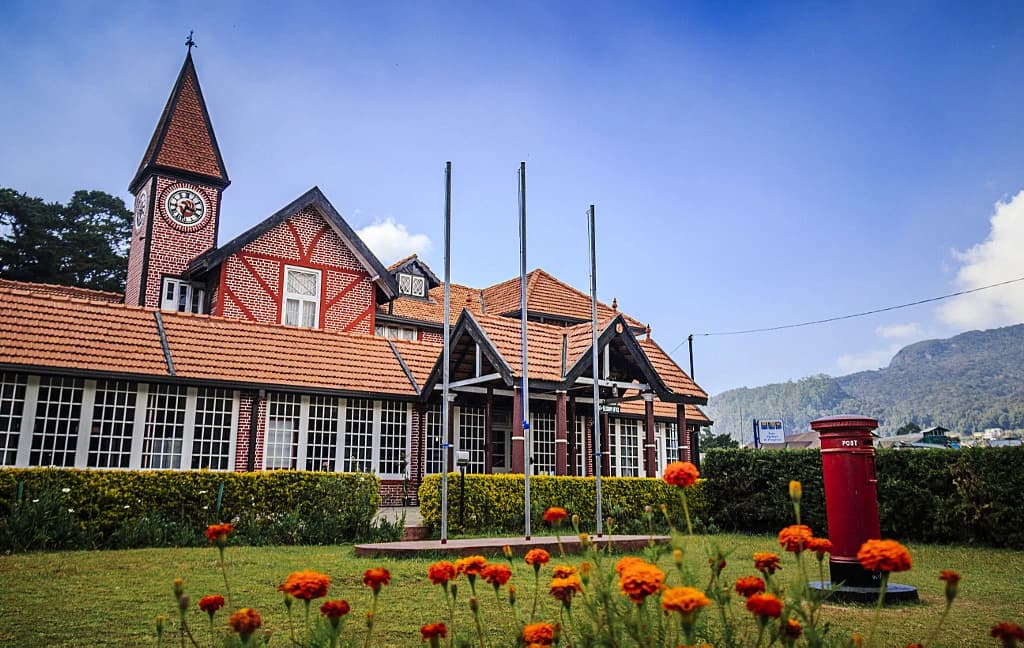
The historic Post Office is one of the town’s most recognisable landmarks.
With its red-brick walls, clock tower and steep roof, it looks more like a building from an English village than a tropical island. Yet that is exactly what makes it so central to Nuwara Eliya’s identity.
The building captures the town’s hill-station character in a single image.
It also reminds us of a time when letters, postcards and telegrams mattered deeply. Visitors sent word home from the hills. Planters used the post to remain connected with Colombo and overseas contacts. Families waited for letters that took time to arrive.
Today, the Post Office is often photographed as a charming landmark.
But it also belongs to the slower communication culture of Old Ceylon.
The Old Cargills Building and Commercial Life
Nuwara Eliya’s old commercial buildings tell a quieter story.
The Cargills building, and other old shopfronts around the town, remind us that the hill station was not only about clubs, gardens and hotels.
It was also a working town.
It served planters, households, travellers and residents. People came here to buy provisions, arrange services, collect goods, meet contacts and prepare for estate or domestic life.
These buildings show the practical side of the colonial hill station.
Behind the romance of Little England was an everyday economy of shops, suppliers, clerks, workers, transport and household needs.
The World of the Planters
To understand Nuwara Eliya’s old-world atmosphere, one must travel beyond the town centre.
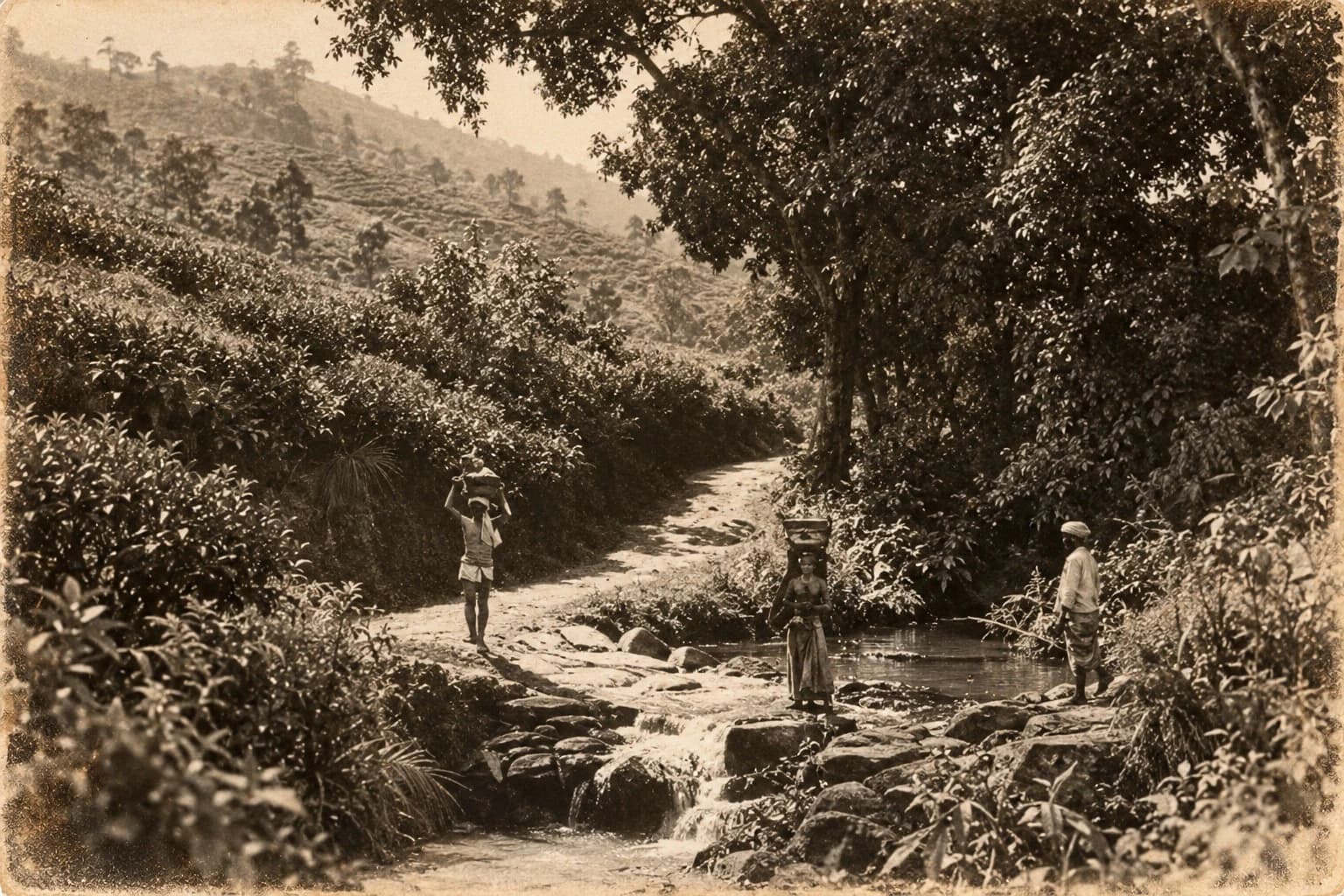
The roads leading away from Nuwara Eliya wind through landscapes shaped by tea. Rows of bushes follow the contours of the hills, disappearing into the mist. Estate roads branch off towards factories, workers’ communities and former planter’s residences.
Many old bungalows were built for British or Scottish estate managers.
Their architecture reflected the cold climate: fireplaces, pitched roofs, deep verandahs and enclosed sitting rooms designed for long evenings indoors.
Some have now been converted into heritage hotels and private villas. Staying in one offers a glimpse of the slower life once associated with plantation country.
Morning tea may arrive while mist still covers the garden. Breakfast is served in a quiet dining room. Curtains move gently in the mountain breeze. Later, the afternoon may be spent beside a fire with a book while rain falls beyond the windows.
It is easy to become lost in the romance of this world.
Yet the beauty of tea country was sustained by generations of plantation workers, particularly Tamil labourers brought from India under harsh colonial conditions.
The bungalows tell one side of the story.
The estates and the people who worked them tell another.
Tea Estates and the Labour Behind the Landscape
Nuwara Eliya’s beauty cannot be separated from tea.
The green slopes, neat rows and mist-covered fields are central to the town’s identity. But tea country is not only scenery.
It is a working landscape built through generations of labour.
Plantation workers shaped the hills by hand. They planted, plucked, carried and processed the leaf that made Ceylon tea famous. Their communities became part of the highlands, developing their own histories, struggles, schools, places of worship and memories.
A responsible Old Ceylon story must include this reality.
Nuwara Eliya’s heritage is not only found in hotels, clubs and bungalows. It is also found in estate roads, line rooms, factories, workers’ paths and the communities that made the tea country possible.
A Social Season in the Mountains
During the colonial period, Nuwara Eliya was also a place to see and be seen.
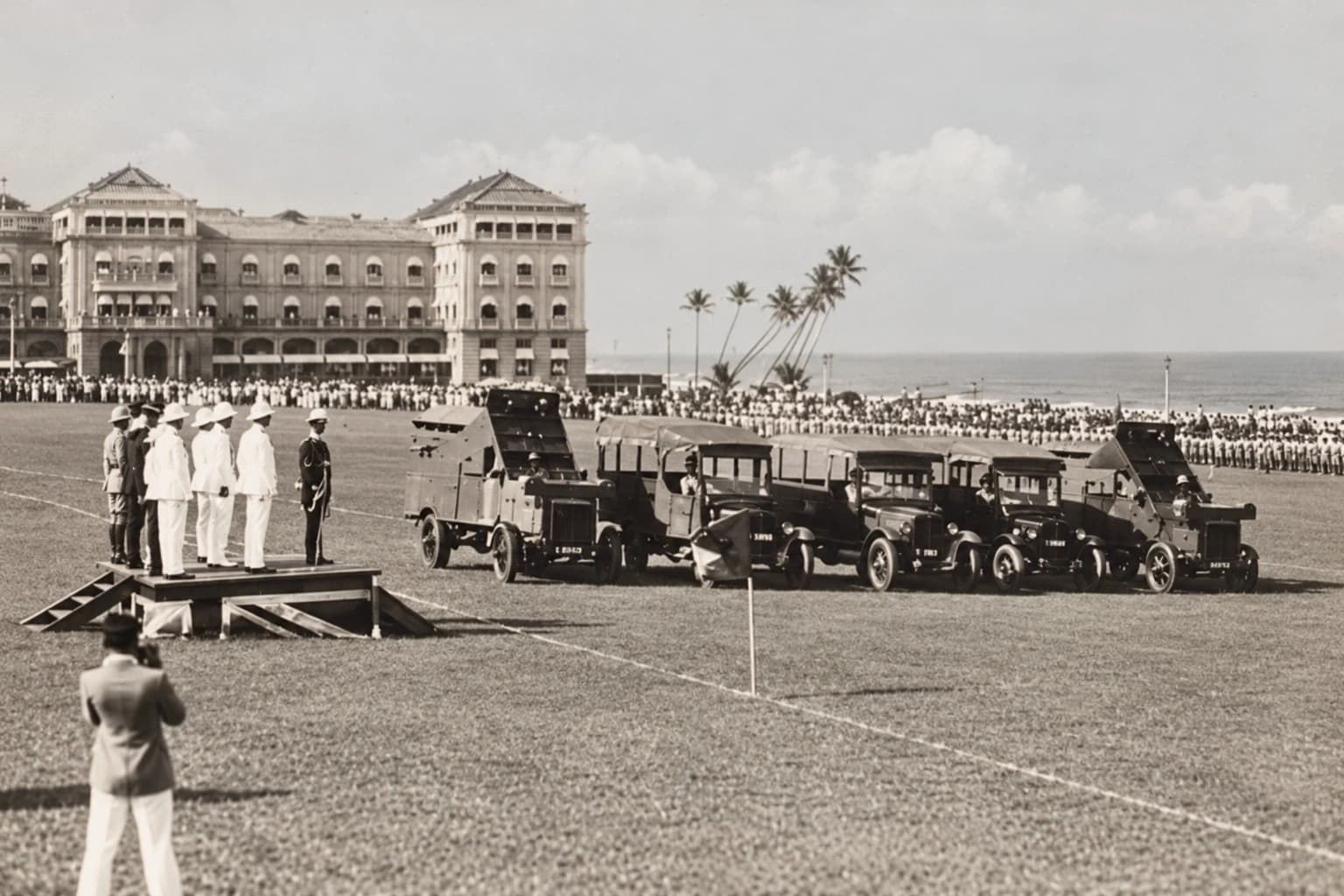
The town’s clubs, hotels, racecourse and golf course formed the centre of an exclusive social world. The April season brought visitors into the hills for horse racing, golf, garden parties and evening entertainment.
Some of that seasonal excitement remains today.
The town still becomes particularly lively in April. Hotels fill, gardens bloom and events draw visitors from across the island.
Although the people and celebrations have changed, the tradition of escaping to the hills during the season continues.
Places such as the Grand Hotel and Hill Club preserve much of the atmosphere associated with this earlier age. Wood-panelled interiors, old photographs, fireplaces, lawns and formal dining rooms create the sense of entering another world.
Even if you do not stay overnight, pausing for tea can become part of the experience.
The Grand Hotel, Hill Club and Old Hospitality
The old hotels and clubs of Nuwara Eliya are among the strongest reminders of its colonial past.
The Grand Hotel still carries the feel of a hill-country landmark, with its lawns, interiors and long association with Nuwara Eliya’s social life.
The Hill Club preserves another layer of that world — more private, more formal and closely connected to the old planter and colonial society of the town.
These places remind us that hospitality in Nuwara Eliya was once part of a larger social ritual.
People came to stay, dine, meet, dance, play sport, attend races, entertain guests and escape the heat of the lowlands.
Today, these buildings allow modern travellers to experience fragments of that old atmosphere, even as the town around them continues to change.
Check our previous article – https://trippingsrilanka.com/stories/grand-hotel-nuwara-eliya
Cold Mornings and Quiet Pleasures
The strongest memories of Nuwara Eliya are often created by its simplest moments.
It is waking early and seeing mist pressed against the window.
It is wrapping your hands around a warm cup of tea while the garden outside remains wet from overnight rain.
It is walking beside Lake Gregory as clouds descend over the surrounding hills, or watching smoke rise from a distant chimney.
It is buying fresh strawberries and vegetables from a roadside stall, passing schoolchildren dressed warmly against the cold and hearing rain begin softly on an old roof.
These moments give Nuwara Eliya its enduring charm.
The town does not need to recreate the past theatrically. The weather, architecture and landscape carry much of that nostalgia naturally.
Lake Gregory and the Softness of the Landscape
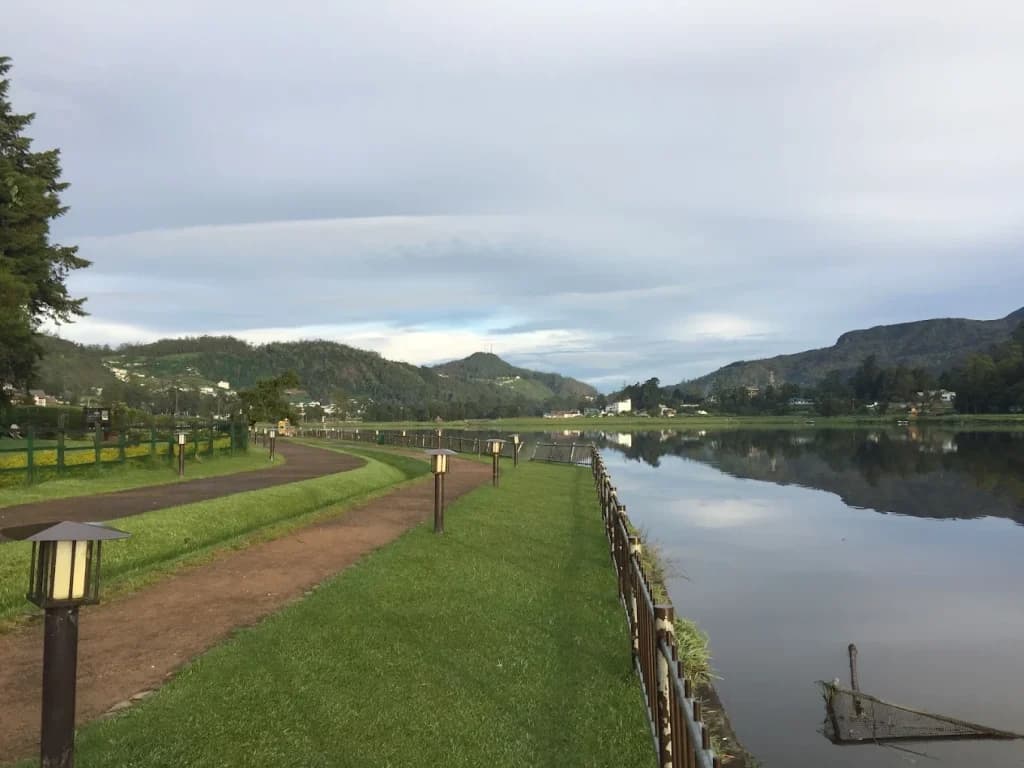
Lake Gregory adds another layer to Nuwara Eliya’s atmosphere.
In the early morning, when mist hangs low over the water, the lake feels far removed from the busy world below the hills. The air is cool, the colours are soft and the surrounding slopes create a sense of stillness.
For many visitors, this is when Nuwara Eliya feels most memorable.
Not in the middle of the crowded season, but in quieter hours when the lake, gardens and roads seem to belong to an older rhythm.
The beauty of Nuwara Eliya lies in these moods.
Mist, rain, cold air and water all help shape its memory.
Where to Find the Old Nuwara Eliya
Those searching for the heritage atmosphere of Nuwara Eliya should explore the town slowly.
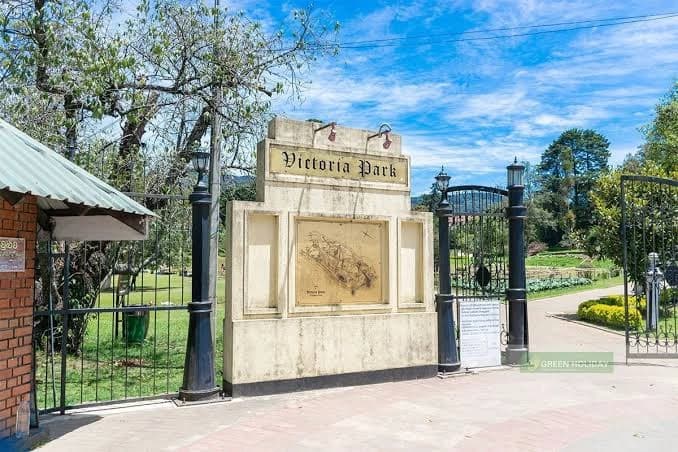
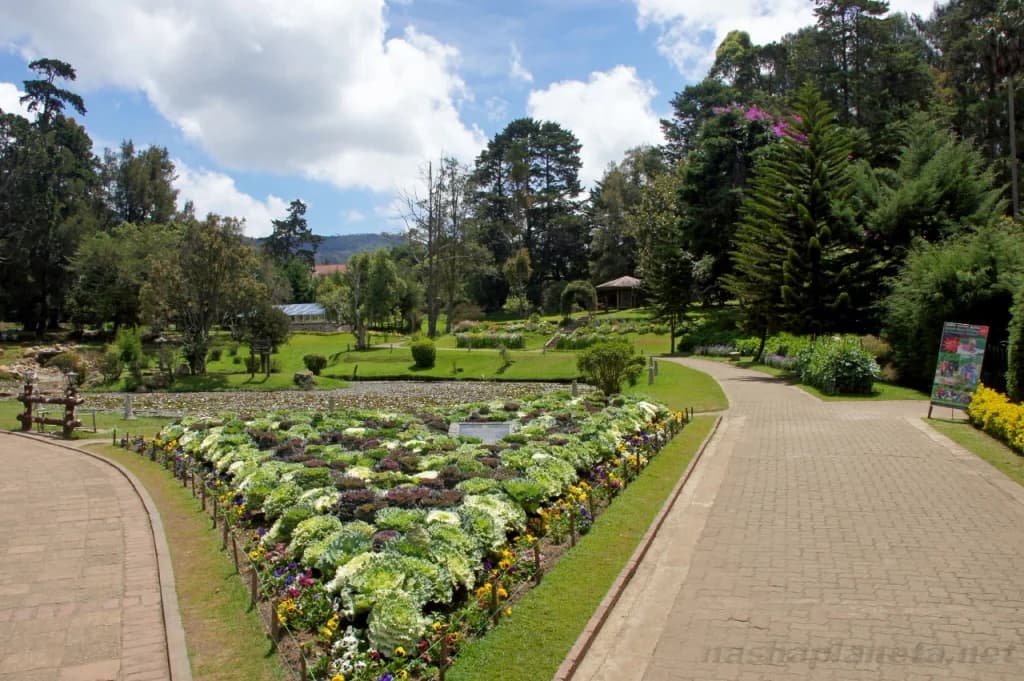
Important places include:
- Nuwara Eliya Post Office
- Victoria Park
- The Grand Hotel
- The Hill Club
- Nuwara Eliya Golf Club
- The racecourse
- Lake Gregory in the early morning
- Holy Trinity Church and its old graveyard
- Tea estates and factories outside the town
- Restored planter’s bungalows across the surrounding hills
Do not overlook the ordinary streets between these landmarks.
Old shops, cottages, walls and gardens often reveal as much character as the better-known attractions.
When the Mist Comes Down
Nuwara Eliya is not frozen in the colonial era.
It is a modern Sri Lankan town — busy, diverse and sometimes crowded.
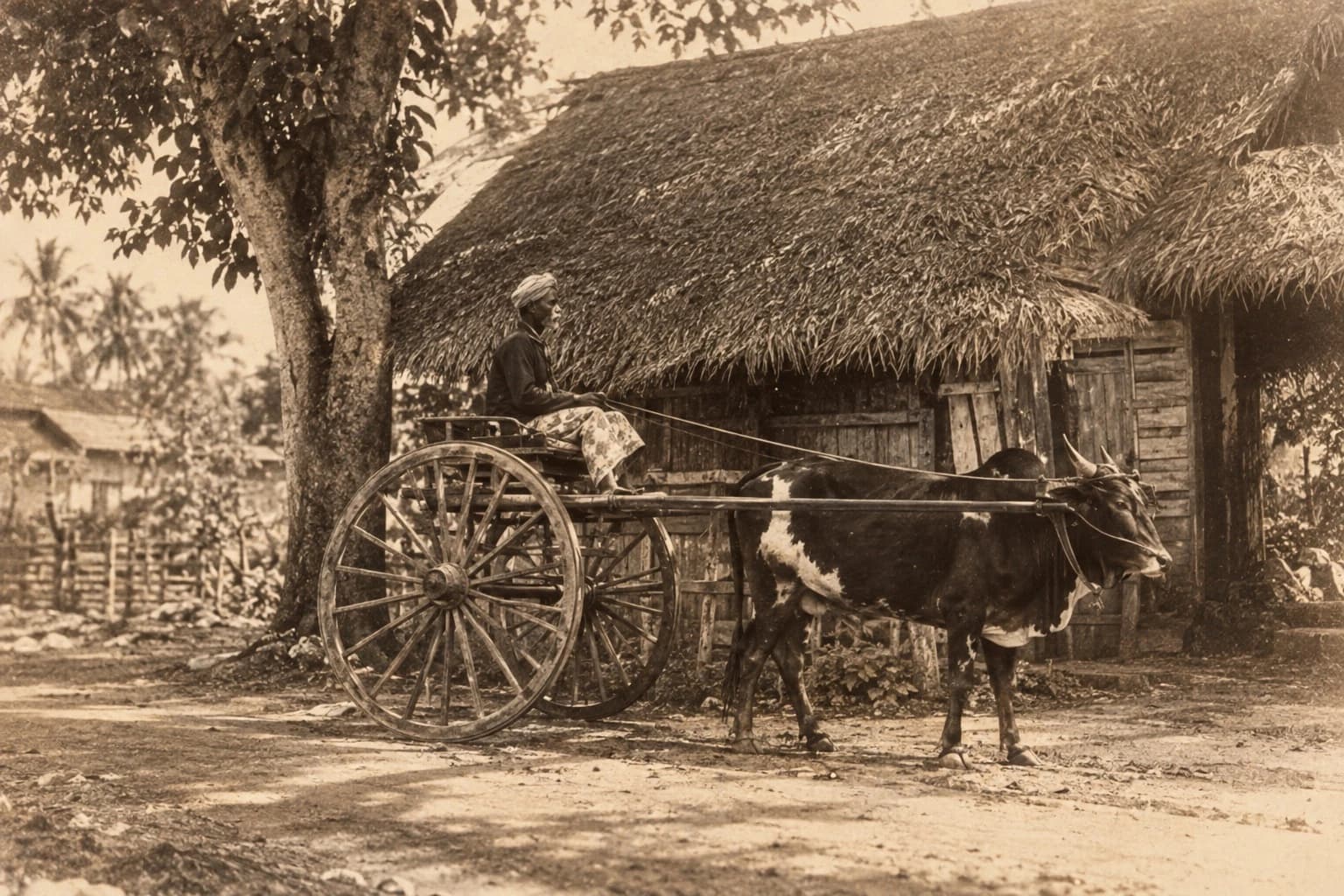
New buildings stand beside old ones. Supermarkets operate within historic premises. Vehicles fill roads once travelled by horse-drawn carriages. Former planter’s bungalows welcome present-day travellers looking for warmth, comfort and a little quiet.
Yet the old atmosphere has not disappeared completely.
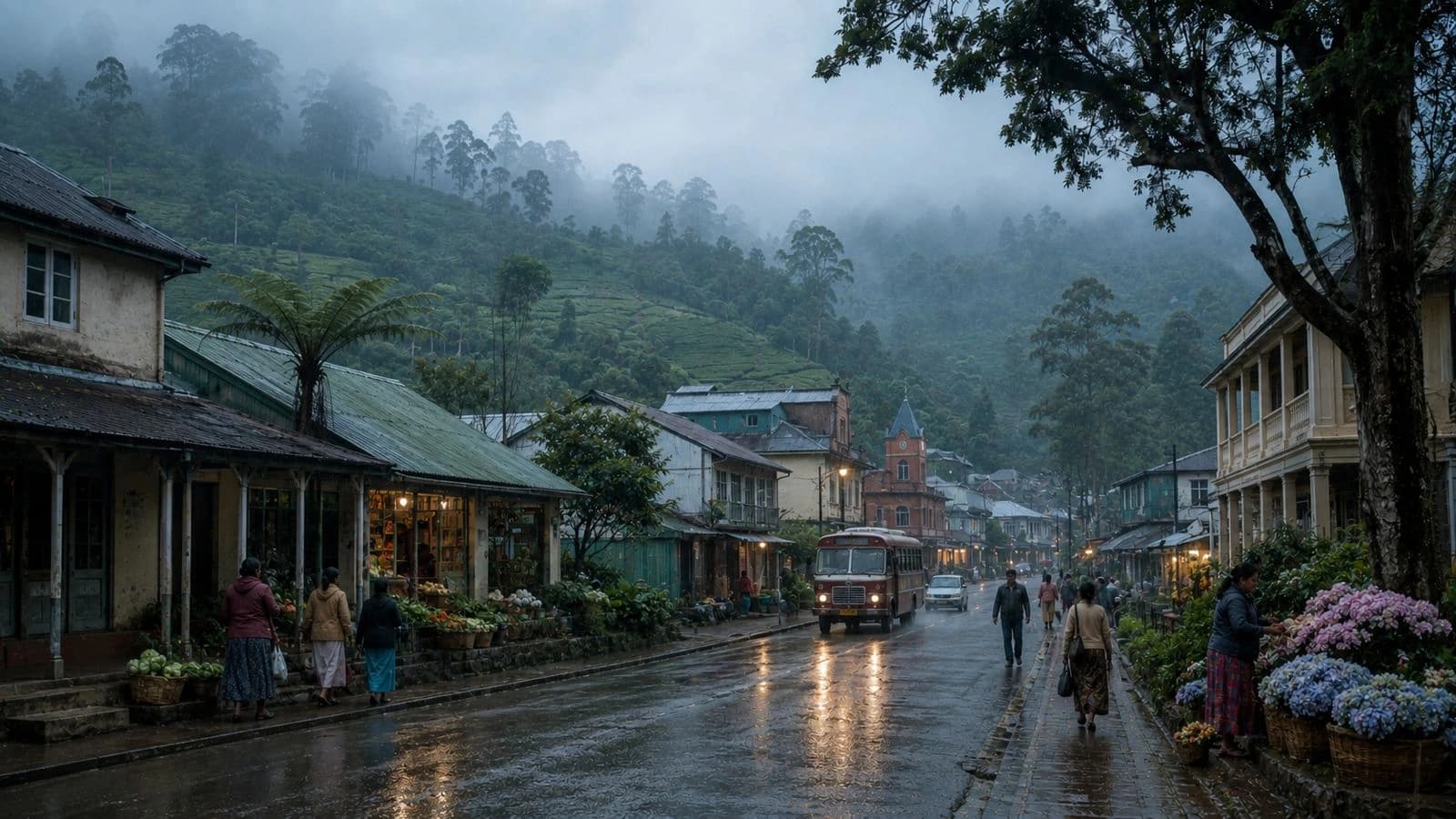
It returns when evening mist settles over the town and the temperature begins to fall. Streetlights glow through the fog. Chimneys and steep roofs become silhouettes. Behind the windows of old hotels, lamps cast a warm light across polished wood.
For a moment, the modern town grows quiet.
You can imagine the old social season, the distant sound of horses at the racecourse and motorcars returning to bungalows along dark estate roads.
That is the particular magic of Nuwara Eliya.
Remembering Old Ceylon Without Freezing the Town in the Past
Nuwara Eliya should not be treated as a museum.
It is a living town with present-day residents, workers, businesses, schools, markets, hotels and traffic. Its people are not actors in a colonial postcard. They are part of a modern Sri Lankan hill-country community.
At the same time, the town’s older layers deserve to be noticed and protected.
The challenge is to appreciate the past without ignoring the present.
Nuwara Eliya’s heritage is most meaningful when it is understood honestly: the beauty of colonial architecture, the glamour of old hotels, the importance of tea country, and the labour and social divisions that shaped the plantation world behind it.
That fuller memory makes the town more interesting, not less.
Final Thoughts: Where Old Ceylon Still Lingers
Old Ceylon does not survive in Nuwara Eliya as a complete world.
It remains in fragments, in a building, a garden, a cup of tea, a rain-darkened road and the mist passing silently through the hills.
That is what makes the town so evocative.
Nuwara Eliya is not perfectly preserved. It is not untouched by modern life. Yet it still carries an atmosphere that few other places in Sri Lanka can match.
You feel it in the cold air.
You see it in the red brick and steep roofs.
You hear it in the quiet of an early morning before the streets fill.
You taste it in a cup of tea taken slowly while rain gathers outside.
For Tripping Sri Lanka readers, Nuwara Eliya remains one of the most powerful places to experience the lingering mood of Old Ceylon.
Not as a frozen past, but as a living town where memory still moves through the mist.
Visit Us: https://trippingsrilanka.com/stories