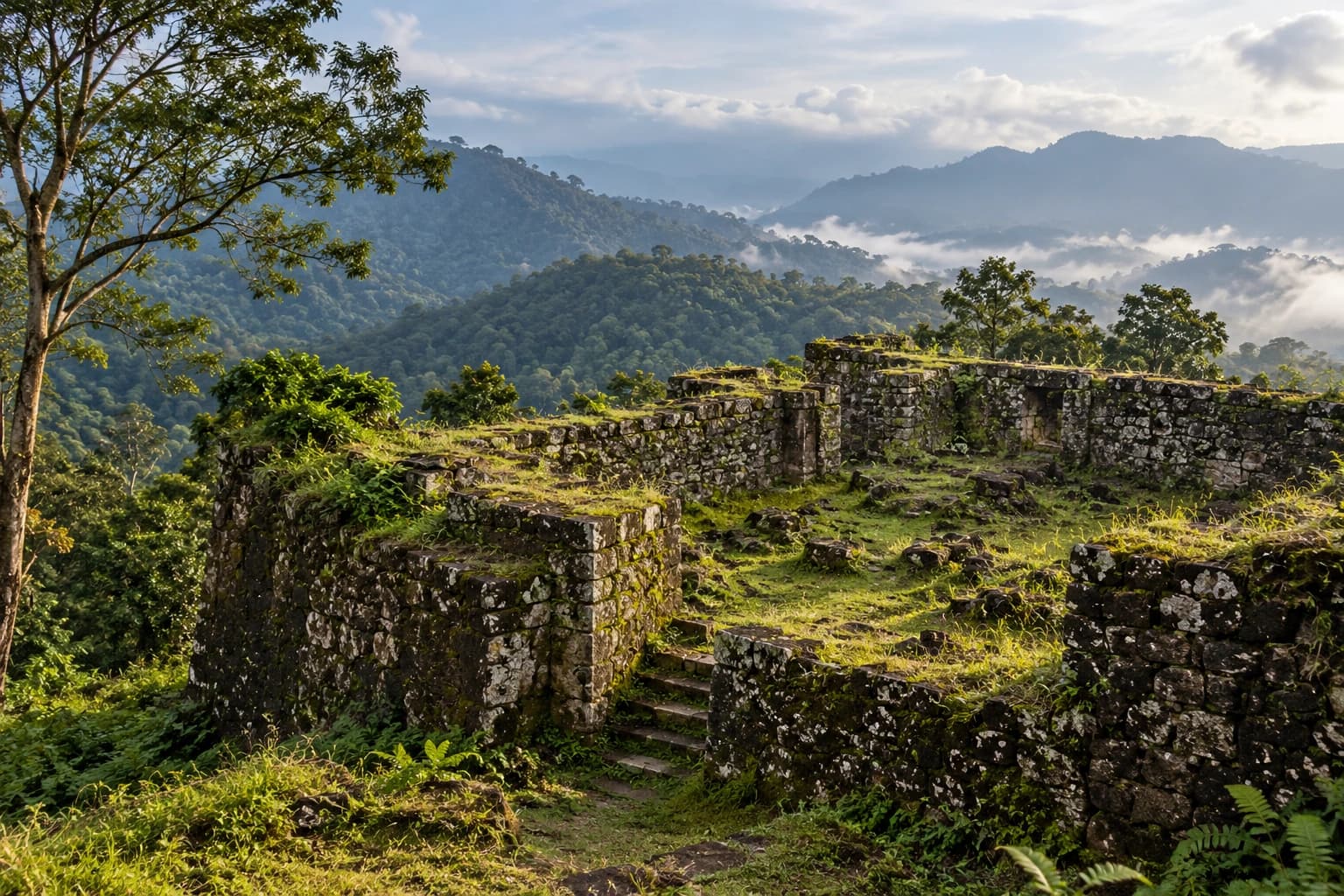
Bandarawela Sri Lanka: Old Ceylon Hill Town
Bandarawela sri lanka: is one of those hill-country towns that still feels quietly connected to Old Ceylon. It does not have the polished “Little England” identity of Nuwara Eliya, the tourist buzz of Ella, or the administrative weight of Badulla. Instead, colonial Bandarawela offers something gentler: cool air, old hotels, railway memories, tea-country roads, churches, bungalows and a slower rhythm that suits travellers who prefer atmosphere over crowds.
Set in Sri Lanka’s Uva highlands, Bandarawela became important during the British colonial period because of its climate, railway connection and proximity to tea estates. British officials, railway officers, planters and travellers used the town as a resting point in the southern hill country. Over time, it developed the character of a quiet colonial hill town — practical, scenic and understated.
Today, Bandarawela is often passed through on the way to Ella or Haputale. But visitors who stop here will find a town with real heritage value. It is a place where colonial Ceylon survives not through grand monuments, but through old verandahs, railway platforms, garden hotels, stone churches and misty roads leading into tea country.
Check our previous article- https://trippingsrilanka.com/stories/badulla-sri-lanka
Why Bandarawela Matters in Colonial Sri Lanka
Colonial Bandarawela mattered because of its position in the hill country. The town sat within reach of plantation districts, mountain passes, railway routes and administrative centres in Uva. It was cooler than the lowlands, less formal than Nuwara Eliya and well placed for movement between tea estates and towns.
During British Ceylon, the hill country became central to the plantation economy. Tea estates transformed the landscape, and towns like Bandarawela became part of the support system around that economy. Planters, traders, railway staff, government officers and travelling families all moved through these highland towns.
Bandarawela was not built as a fort or port. Its colonial importance came from climate, rest, rail and tea. That makes it different from Colombo, Galle, Jaffna or Trincomalee. It belongs to the softer but deeply important story of hill-country colonial life.
A Town Made for Slow Travel
Bandarawela is best understood slowly. The town does not reveal itself through one famous landmark. Instead, its charm is spread across small details: the curve of an old roof, the wooden railings of a hotel verandah, the sound of a train arriving, the smell of tea in the cool air, and the sight of hills beyond the town.
For slow travellers, this is exactly the appeal. Bandarawela is not overloaded with sightseeing pressure. It allows visitors to stay in a heritage property, walk through the town, take short drives into the countryside and experience the hill country at an easier pace.
In a travel culture that often rushes from one famous viewpoint to another, Bandarawela offers a quieter alternative. It is ideal for visitors who want colonial Sri Lanka without crowds, and hill-country beauty without the intensity of more popular destinations.
Bandarawela Hotel: A Heritage Stay from Old Ceylon
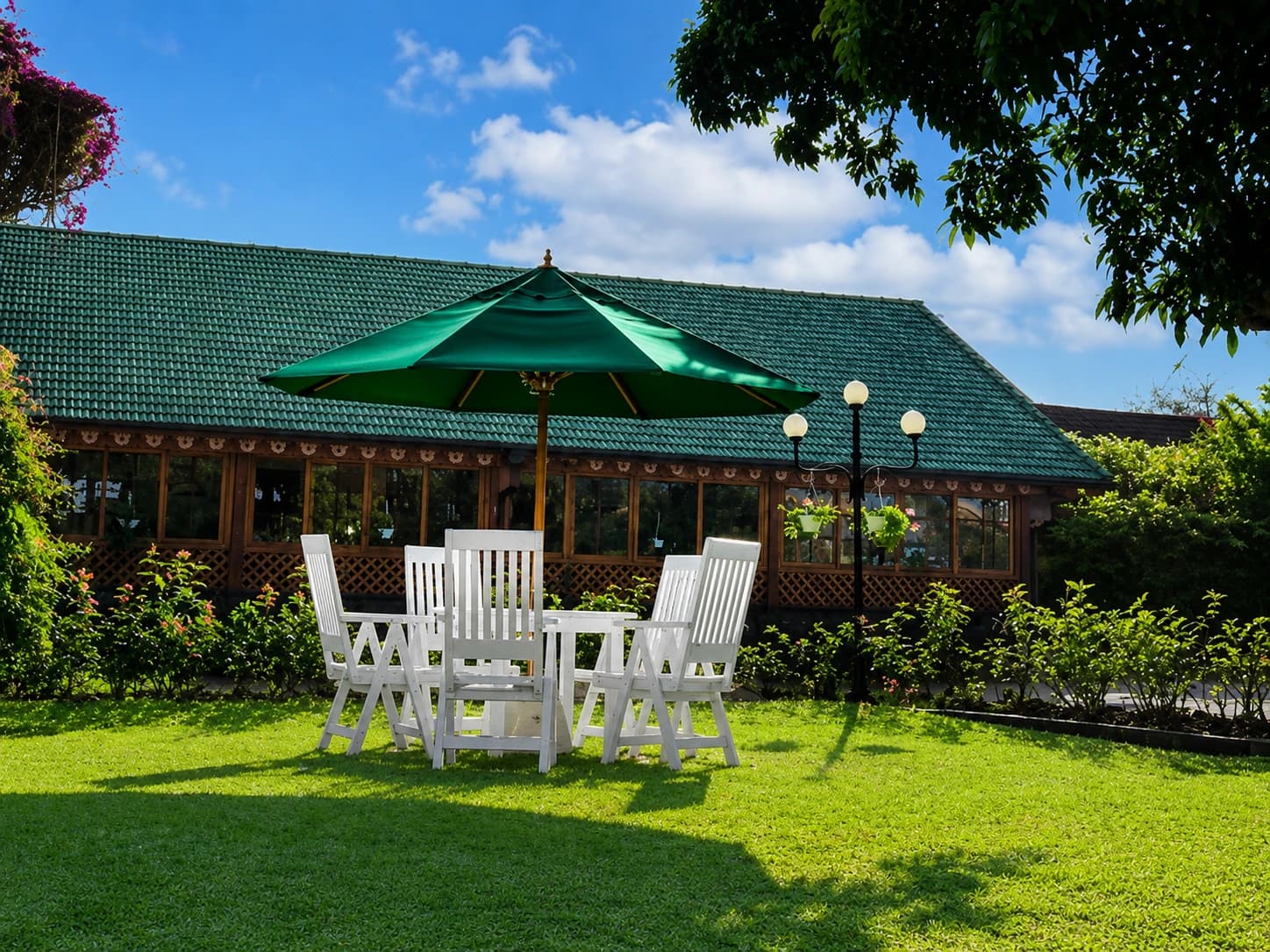
The Bandarawela Hotel is one of the strongest symbols of colonial Bandarawela. This old British-era property is closely associated with the town’s railway and plantation history. Its architecture, garden setting and old-world interiors help preserve the atmosphere of a hill-country rest house from the age of Ceylon.
The hotel reflects a time when travel in the highlands was slower and more formal. Guests arrived by train or road, stayed in cool rooms, gathered in dining spaces and used Bandarawela as a base for estate visits, rest and social life. The hotel’s verandahs, timber details, fireplaces and garden atmosphere still carry that memory.
For modern travellers, a heritage stay here is one of the best ways to experience Old Ceylon. It is not only about accommodation. It is about entering the mood of colonial hill-country travel — a world of railway journeys, misty mornings, tea estates and quiet evenings.
Bandarawela Railway Station and the Hill-Country Line
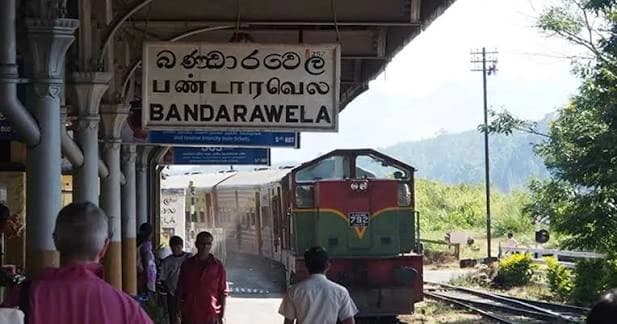
The railway is central to Bandarawela’s colonial story. Bandarawela Railway Station became an important stop on the Main Line, the famous route that climbs from Colombo through the central highlands towards Badulla.
The arrival of the railway transformed the hill country. It made it easier to move tea, goods, officials, workers and travellers through difficult mountain terrain. For colonial Ceylon, railways were not only about scenic journeys. They were part of the economic infrastructure of empire.
Today, Bandarawela Railway Station still carries that old-world atmosphere. Trains move slowly through the hills, passengers wait under station roofs, and the surrounding landscape gives the station a strong sense of place. For travellers interested in colonial Sri Lanka, this station is more than a transport stop. It is a living reminder of British Ceylon’s railway age.
Tea Country Around Bandarawela
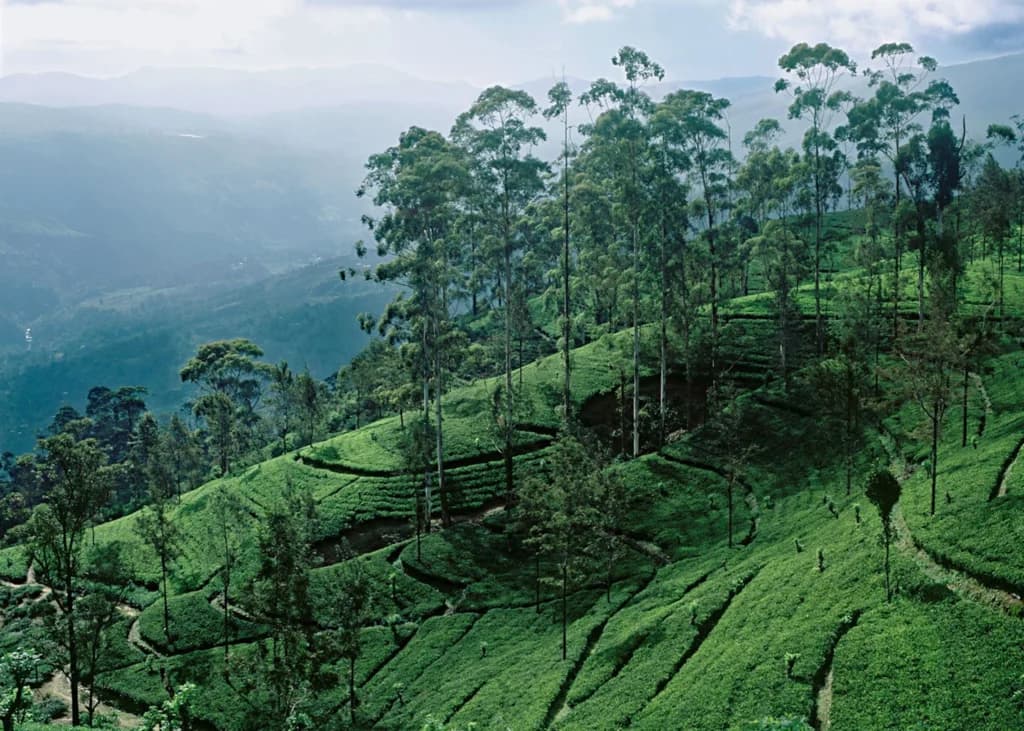
Bandarawela is surrounded by tea-country landscapes. The road towards Haputale, Ella and Welimada passes through hills, estates, gardens and viewpoints that show how deeply the plantation era shaped this region.
Tea gave the hill country its modern colonial identity. British planters transformed large areas of the highlands into estates, creating a landscape of green slopes, factory buildings, estate bungalows and labour communities. Bandarawela sat within this wider plantation world.
For visitors, the tea scenery is beautiful. But it should also be understood historically. The hills around Bandarawela are not natural wilderness alone. They are colonial landscapes shaped by labour, land use, commerce and global demand for Ceylon tea.
This makes a drive through the area more meaningful. Every estate road, old bungalow and tea slope belongs to the larger story of colonial Ceylon.
Churches and Colonial Religious Heritage
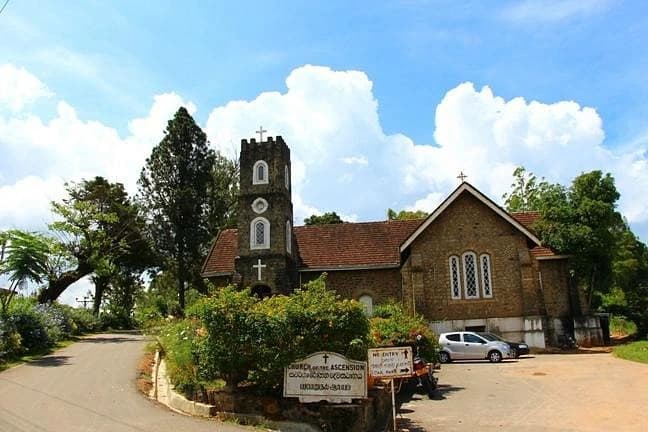
Like many hill-country towns shaped by British influence, Bandarawela has old churches and mission-related landmarks that add to its colonial character. These buildings show how Christianity, education and social institutions became part of the highland landscape during the colonial period.
A church in a hill town does more than mark religious history. It tells us about settlement, community, memory and the way British officials and planters recreated familiar institutions in Ceylon. Churches often stood close to schools, rest houses, cemeteries and administrative spaces, forming part of the social world of colonial life.
For heritage travellers, these buildings are worth noticing because they show a quieter side of colonial architecture. They are not as grand as forts or government buildings, but they carry strong local memory.
Dhowa Rock Temple: Older Than the Colonial Town
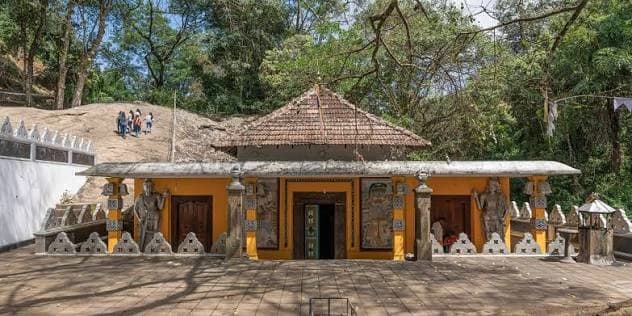
Bandarawela is not only colonial. Nearby Dhowa Rock Temple reminds visitors that the region’s history is far older than British rule. The temple, with its unfinished rock-cut Buddha image and ancient religious associations, adds a deeper cultural layer to any visit.
This contrast is important. Colonial Bandarawela developed within a landscape that already had Buddhist, local and regional histories. The British layer is only one chapter. Dhowa shows that the hill country was never an empty space waiting to be discovered by Europeans.
For a balanced heritage itinerary, visitors should combine colonial landmarks with older Sri Lankan sites. This makes the journey richer and more honest.
Bandarawela: sri lanka Compared with Nuwara Eliya and Ella
Bandarawela is often compared with Nuwara Eliya and Ella, but it offers a different experience from both.
Nuwara Eliya is more famous for its strong British hill-station identity, formal gardens and “Little England” atmosphere. Ella is better known for hiking, cafés, viewpoints and backpacker energy. Bandarawela sits between these worlds but remains quieter.
That quietness is its strength. It has enough colonial atmosphere to interest history lovers, enough scenery to satisfy hill-country travellers and enough local life to feel authentic. It is not a town that has been redesigned completely for tourism.
For travellers who enjoy offbeat colonial Sri Lanka, Bandarawela may feel more rewarding precisely because it is understated.
A Suggested Slow Travel Day in Bandarawela
A good slow travel day in Bandarawela can begin with breakfast at a heritage hotel or a simple local café. After that, visit the railway station and spend time observing the hill-country rhythm of trains and passengers.
From there, walk through the town centre, looking for old buildings, churches, shopfronts and colonial-era traces. In the afternoon, take a short drive towards Dhowa Rock Temple or into the surrounding tea country. If time allows, continue towards Haputale or Ella for viewpoints, but return to Bandarawela for a quieter evening.
The best way to experience Bandarawela is not to over-plan it. Let the town’s pace shape the visit. Sit in a garden. Watch mist move across the hills. Walk slowly. That is where the real charm appears.
Best Time to Visit Bandarawela
Bandarawela can be visited throughout the year, but mornings and late afternoons are especially pleasant. The climate is cooler than the lowlands, making it suitable for walking and relaxed exploration.
Because it is less crowded than Ella and Nuwara Eliya, Bandarawela is also a good choice for travellers who want hill-country accommodation without heavy tourist traffic. It works well as a base for exploring Ella, Haputale, Diyaluma Falls, Lipton’s Seat and nearby temples.
A light jacket is useful, especially in the evening. Comfortable shoes are also recommended if you plan to walk through town or explore surrounding estate roads.
Why Bandarawela Deserves More Attention
Bandarawela deserves more attention because it preserves a quiet form of colonial hill-country heritage. It does not depend on one dramatic monument. Its value lies in its overall atmosphere — the railway, hotel, churches, gardens, tea roads and cool climate working together.
For history readers, colonial Bandarawela helps complete the story of British Ceylon. It shows how empire shaped inland towns, not only coastal forts and capital cities. For travellers, it offers a slower, more reflective experience of the hills.
Bandarawela is also useful for heritage stays. Old hotels and period-style accommodation allow visitors to feel the mood of Old Ceylon without the crowds or high prices often associated with more famous hill stations.
Final Thoughts: The Quiet Hill-Country Memory of Old Ceylon
Bandarawela may not be the most famous colonial town in Sri Lanka, but it is one of the most quietly atmospheric. It carries the memory of British Ceylon through its railway, hotel, churches, tea-country setting and cool mountain air.
To visit Bandarawela is to experience a gentler side of colonial Sri Lanka. There are no fort ramparts, no grand harbour views and no heavy urban skyline. Instead, there are old verandahs, misty mornings, tea slopes and a town that still moves at a human pace.
For travellers searching for Old Ceylon charm in the hill country, Bandarawela is worth slowing down for. Its heritage is not loud, but it is real — and sometimes that is exactly what makes a place memorable.
FAQs About Colonial Bandarawela
Why is Bandarawela important in colonial Sri Lanka?
Bandarawela became important during British rule because of its cool climate, railway connection, tea-country location and role as a resting point for planters, officials and travellers.
Is Bandarawela a good place for slow travel?
Yes. Bandarawela is ideal for slow travel because it is quieter than Ella and Nuwara Eliya, with heritage stays, railway charm, tea-country drives and a relaxed hill-town atmosphere.
What are the main heritage sites in Bandarawela?
Key heritage experiences include Bandarawela Hotel, Bandarawela Railway Station, old churches, colonial-era town streets, nearby tea estates and Dhowa Rock Temple.
Is Bandarawela connected to the tea industry?
Yes. Bandarawela sits within Sri Lanka’s hill-country tea region and was historically connected to plantation life, estate roads, planters and the wider economy of British Ceylon.
What is the best way to experience Bandarawela?
The best way is to stay overnight, walk through the town, visit the railway station, explore nearby tea country and include Dhowa Rock Temple or Haputale as part of a slow heritage route.
Visit Us: https://trippingsrilanka.com/stories
More from Old Ceylon
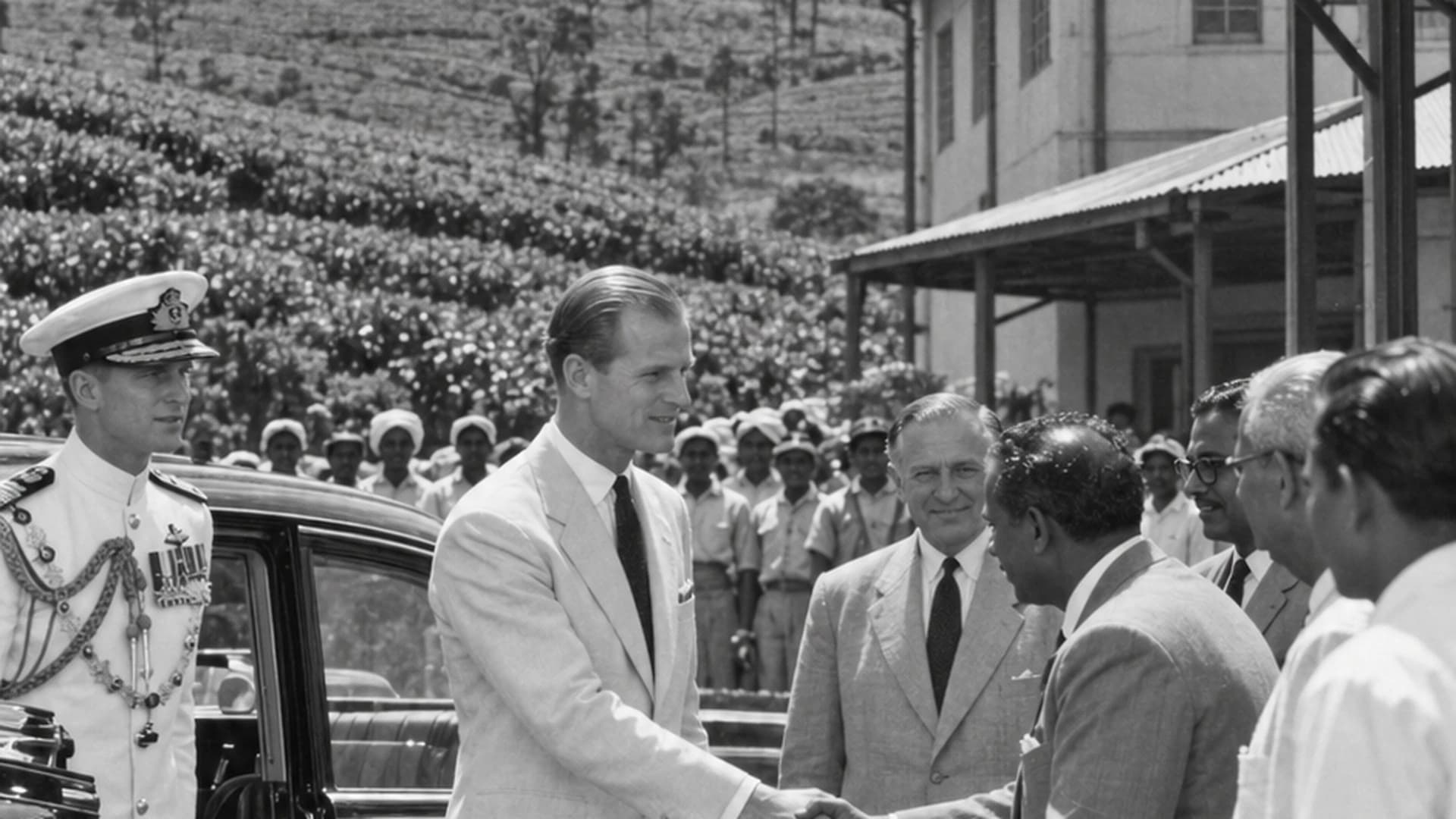
When Prince Philip Visited Pedro Estate: The Royal Visit That Became Part of Ceylon Tea History in 1954
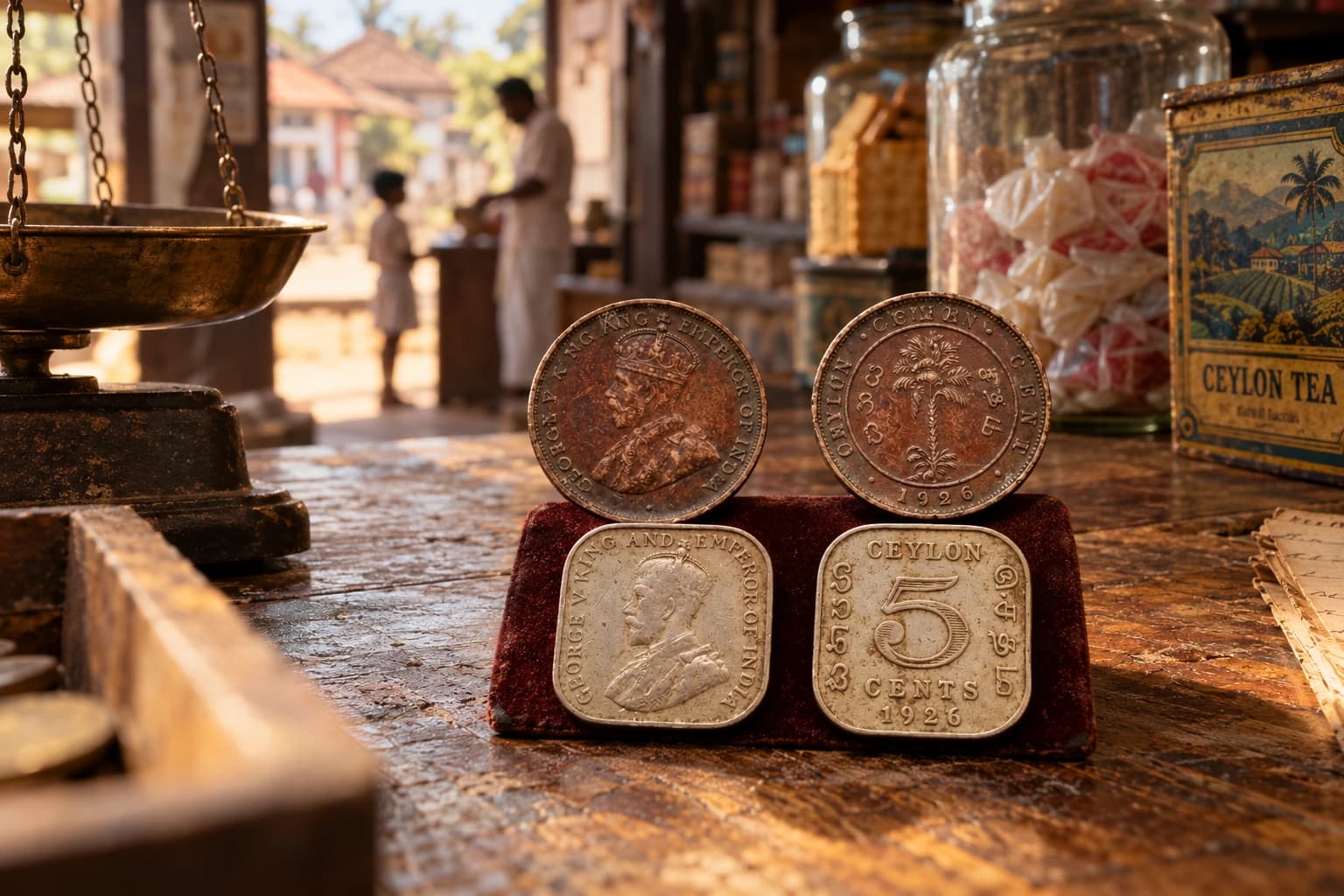
When Five Cents Mattered: The Forgotten Small Change of Old Ceylon