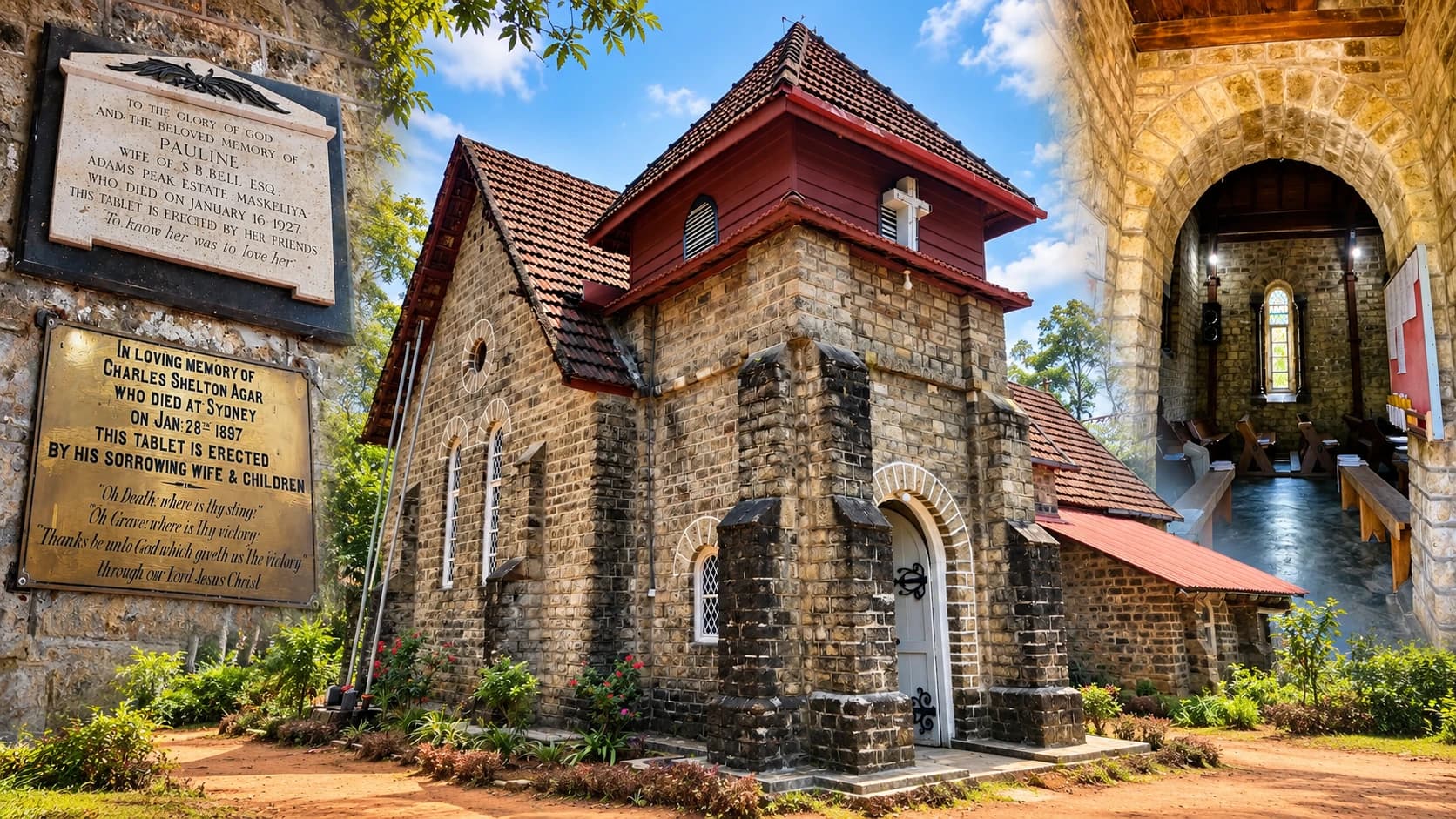
Badulla Sri Lanka: Forgotten Colonial Hill Town
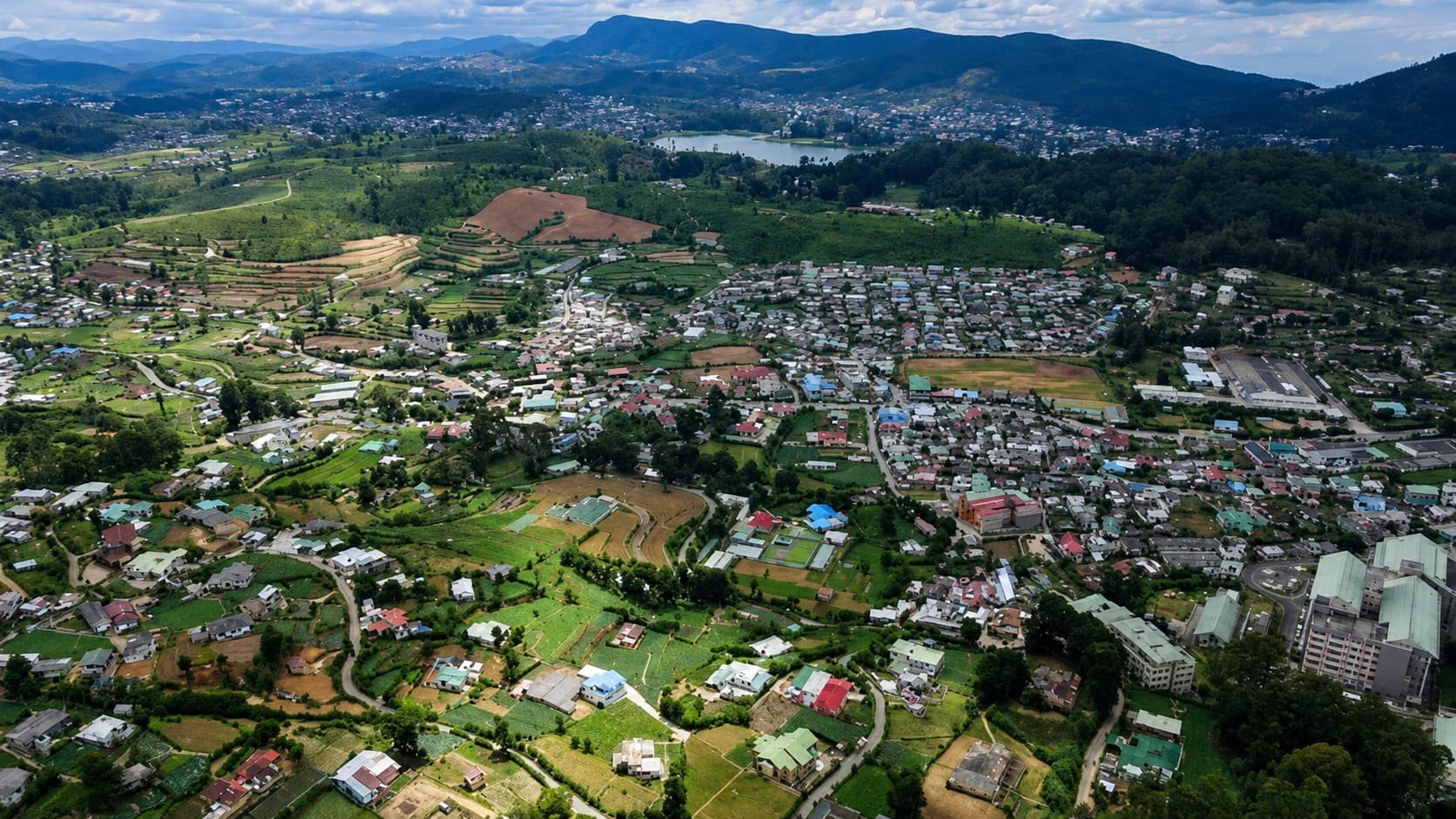
Badulla Sri Lanka: most overlooked hill-country towns. Travellers often pass nearby on their way to Ella, Haputale or Bandarawela, but few stop long enough to understand Badulla’s own story. That is a loss, because this quiet town in Uva Province holds a fascinating mix of colonial buildings, railway history, sacred sites, market life and mountain scenery.
Badulla is surrounded by the hills of Uva, tea estates, waterfalls and the Namunukula mountain range. It sits far from the coast, giving it a very different colonial character from Sri Lanka’s harbour towns. This was not a city built around ships and ramparts. It was a hill-country administrative centre, a gateway to plantations and a railway terminus at the edge of the central highlands.
For visitors interested in colonial Sri Lanka, Badulla offers a different kind of experience. It is not polished like Galle Fort, grand like Colombo, or famous like Nuwara Eliya. Its charm is quieter. Colonial Badulla survives in old public buildings, churches, railway platforms, administrative streets and the atmosphere of a regional town that once mattered deeply to British Ceylon.
check the previous article- https://trippingsrilanka.com/stories/british-built-railway-stations
Why Badulla Matters in Colonial Sri Lanka
Badulla’s importance comes from its position in Uva. The town stands in the lower central hills, surrounded by mountains and linked to old routes connecting the Kandyan interior, the plantation districts and the eastern side of the island. Before colonial rule, the wider Uva region had its own deep cultural and political significance.
Under the British, Badulla became more important as an administrative and transport centre. As plantation agriculture expanded across the hill country, towns like Badulla helped connect remote estates, government offices, markets, roads and later the railway. It was part of the machinery that made British Ceylon function beyond Colombo and the coast.
This is what makes colonial Badulla interesting. It was not a showpiece town. It was a working colonial town. Its buildings were made for administration, trade, worship, transport and public life. That practical character is still visible today.
A Hill-Country Town Beyond the Tourist Route
Badulla is often overshadowed by Ella, which has become one of Sri Lanka’s most popular hill-country destinations. But Badulla offers something Ella does not: the feeling of an old regional capital with layers of everyday history.
The streets are busy but not overly touristy. Local shops, schools, government offices, temples, churches and markets continue the rhythm of a town that serves its surrounding district. For heritage travellers, this makes Badulla rewarding. It has not been reshaped completely for tourism.
Walking through Badulla, you will not find a perfectly preserved colonial quarter. Instead, you will find fragments: an old market building here, a church tower there, a railway station at the end of the line, and older public buildings set among modern streets. The pleasure is in joining these fragments together.
St Mark’s Church: A Colonial Memorial in Stone
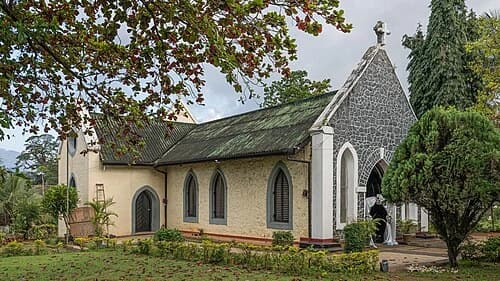
One of Badulla’s most important colonial landmarks is St Mark’s Church. Built in the 19th century, this Anglican church stands as a reminder of the British presence in Uva. Its architecture is modest but graceful, with pointed arches, a bell tower and a distinctly colonial church atmosphere.
St Mark’s Church was built in memory of Major Thomas William Rogers, a British colonial officer associated with Badulla. His story is controversial because he is remembered in local history as a prolific elephant hunter. The church therefore carries more than one meaning. It is a place of worship, a colonial memorial and a reminder of the complicated relationship between empire, landscape and wildlife in Old Ceylon.
For visitors, the church is worth seeing not only for its architecture, but also for the questions it raises. Colonial heritage is not always romantic. Sometimes it preserves stories of power, violence, memory and contradiction. St Mark’s Church is one of those places where the beauty of the building sits beside a more difficult history.
Old Welekade Market: Badulla’s British-Era Trading Landmark
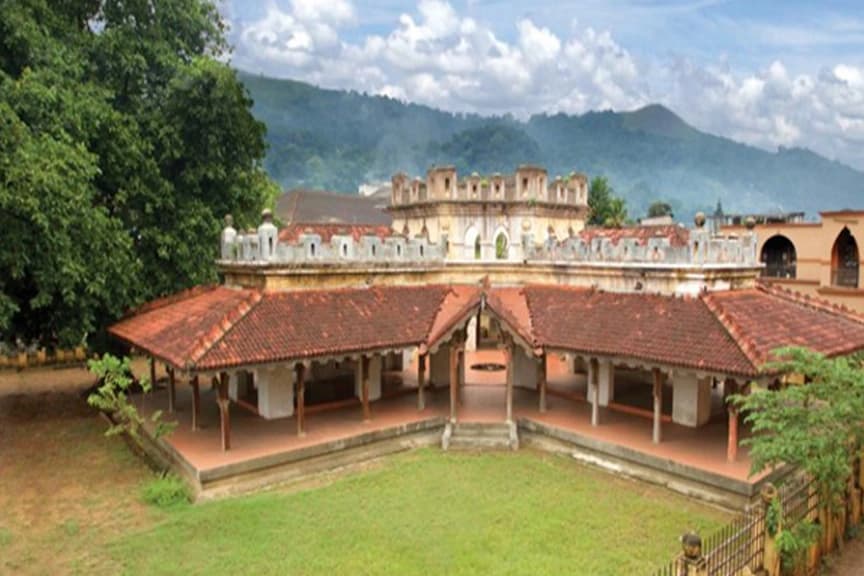
Another key site in colonial Badulla is the Old Welekade Market. This historic building is one of the town’s most distinctive colonial structures. Although it is sometimes mistakenly called the Badulla Dutch Fort, reliable accounts identify it as a British-period market building.
The Old Welekade Market is important because it reflects Badulla’s role as a regional trading centre. Markets were essential to colonial towns. They connected farmers, traders, officials, estate workers and town residents. They were places where local produce, crafts and everyday goods moved through the hill-country economy.
The building’s design is unusual and memorable. Its form, roof structure and arched features give it a character unlike ordinary market buildings. For those interested in colonial Ceylon, it is one of Badulla’s strongest surviving architectural links to the British period.
It also helps explain why Badulla mattered. This was not simply a scenic town among hills. It was a place where administration, trade and transport came together.
Badulla sri lanka Railway Station: The End of the Hill-Country Line
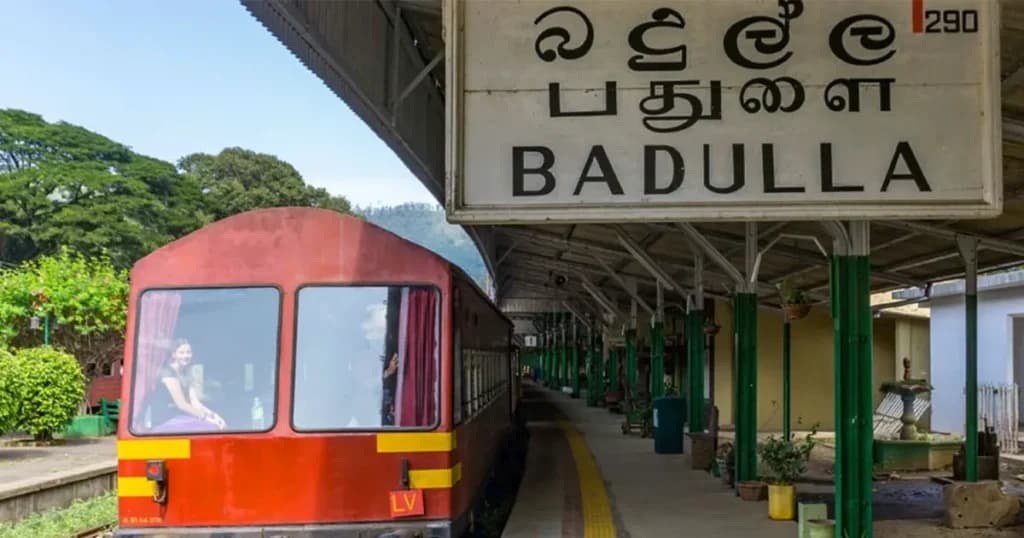
Badulla Railway Station is one of the most atmospheric railway stations in Sri Lanka. It is the terminus of the famous Main Line from Colombo Fort, the railway route that winds through Kandy, Nanu Oya, Haputale, Ella and finally Badulla.
The station opened in the early 20th century and marked the completion of the hill-country railway connection to Badulla. For British Ceylon, this railway was not built only for passenger beauty. It was connected to the needs of plantation transport, administration and regional development. Tea, goods, officials, workers and travellers all depended on the railway network.
Today, the journey to Badulla is considered one of the most beautiful train rides in the world, especially through the Ella and Haputale sections. But arriving at Badulla gives that journey a historical ending. The station’s old buildings, platforms and mountain setting make it one of the best places to feel the railway heritage of colonial Sri Lanka.
Muthiyangana Raja Maha Viharaya: Older Than the Colonial Town
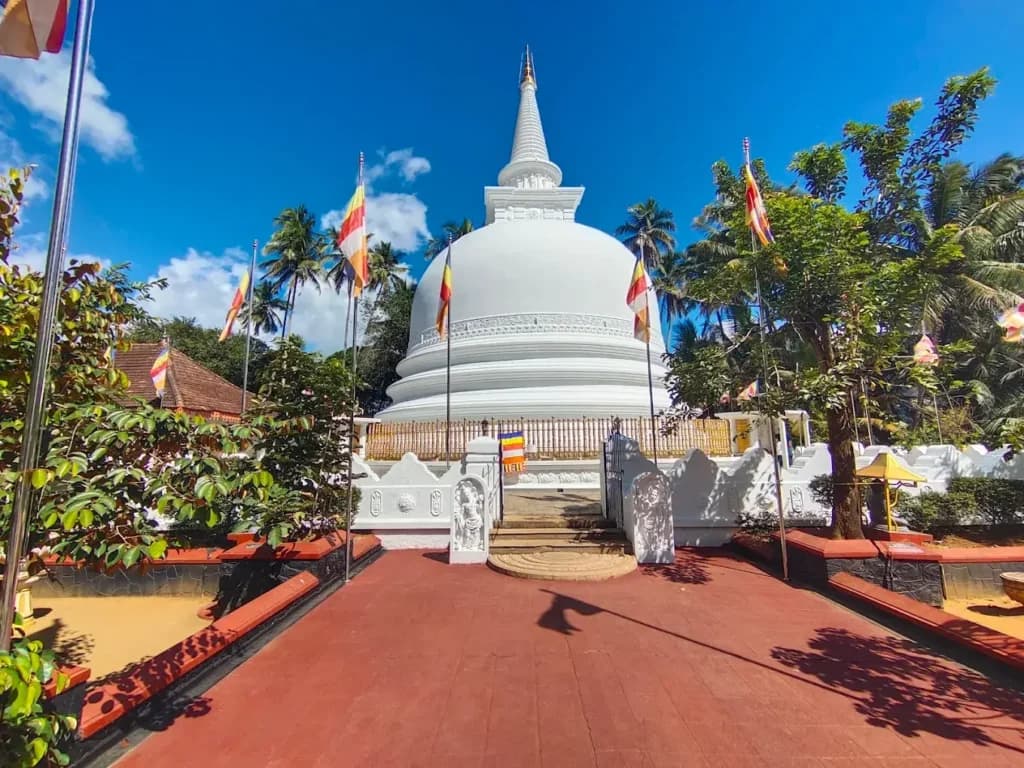
Badulla’s history is not only colonial. At the heart of the town stands Muthiyangana Raja Maha Viharaya, one of Sri Lanka’s most sacred Buddhist sites. Its presence reminds visitors that Badulla existed within a much older cultural landscape before British administration reshaped the town.
This is important when writing about colonial Badulla. The colonial layer did not replace the older identity of the town. It was added onto a place that already had religious, regional and cultural meaning.
Muthiyangana gives Badulla a depth that many casual visitors miss. A short walk through the town can take you from a Buddhist sacred site to a British church, from a colonial market to a railway station. Few places express Sri Lanka’s layered history so quietly.
Badulla and the Uva Rebellion Memory
The wider Uva region also carries the memory of resistance to British power. The Uva-Wellassa uprising of 1817–1818 was one of the most important anti-colonial rebellions in Sri Lankan history. It followed the British takeover of the Kandyan Kingdom and reflected the deep tensions created by colonial rule in the interior.
Although this article focuses on Badulla as a colonial town, that resistance history gives the area emotional and political weight. Uva was not simply absorbed peacefully into British Ceylon. The region witnessed conflict, suppression and major social change.
This makes Badulla different from a typical colonial travel destination. Its history is not only about churches, railways and administrative buildings. It is also connected to resistance, memory and the transformation of the hill country under empire.
The Atmosphere of a Forgotten Colonial Town
What makes colonial Badulla special is its understatement. It does not announce itself as a heritage city. It does not have the obvious tourist branding of “Little England” or the UNESCO status of Galle Fort. Instead, it reveals itself slowly.
You may notice an old façade near a busy road. You may pass a colonial church while walking to a market. You may step off a train and see a station that still carries the mood of British Ceylon. You may find old administrative buildings standing quietly beside modern offices.
This is why Badulla appeals to travellers who enjoy offbeat history. It is not curated for quick consumption. It asks you to look carefully.
A Suggested Heritage Walk in Badulla
A simple heritage walk can begin at Badulla Railway Station. From there, visitors can move towards the town centre, passing local streets and shops that show Badulla’s role as a living regional capital.
The next stop can be St Mark’s Church, where the colonial religious and memorial layer of the town becomes visible. After that, continue towards the Old Welekade Market to see one of Badulla’s strongest British-era public buildings.
From the market area, visitors can continue towards Muthiyangana Raja Maha Viharaya. This creates a useful contrast between colonial Badulla and the older sacred history of the town. The route can be completed with a slower walk through nearby streets, observing old shopfronts, public buildings and local town life.
This is not a long walk, but it is rewarding if done slowly. The aim is not only to tick off landmarks. It is to understand how a small hill-country town became part of the administrative and economic world of colonial Ceylon.
Nearby Heritage and Nature
Badulla also works well as a base for exploring nearby sites. Dunhinda Falls, one of the best-known waterfalls in the area, lies a short distance from the town. The surrounding hill country offers views, tea estates, old roads and landscapes connected to the plantation era.
The Bogoda Wooden Bridge, located outside Badulla, adds another heritage layer. Although older than the British colonial period, it shows how the region’s history stretches far beyond European rule.
This wider setting matters because Badulla’s identity is not only urban. It belongs to a landscape of mountains, estates, rivers, temples and old routes. That landscape shaped the colonial town just as much as its buildings did.
Best Time to Visit Badulla
Badulla can be visited throughout the year, but mornings are best for walking. The town can become warm during the day, though it is cooler than the lowlands. Early morning also gives better light for photography around the railway station and old buildings.
Travellers arriving by train should consider spending a few hours in Badulla rather than immediately returning to Ella. The town rewards slow exploration, especially for those interested in colonial Sri Lanka, railway history and offbeat hill-country heritage.
Comfortable shoes are useful, and visitors should be respectful when entering religious sites or photographing official buildings.
Why Badulla Deserves More Attention
Badulla deserves more attention because it tells a quieter but important story of colonial Ceylon. It shows how British rule shaped inland administrative towns, not only coastal ports and plantation bungalows. It reveals the connection between railways, markets, churches, government offices and regional trade.
It also reminds travellers that Sri Lanka’s hill country is more than tea views and scenic train rides. Towns like Badulla were part of the real structure of British Ceylon. They linked people, goods, estates and institutions across difficult terrain.
For history readers, Badulla offers valuable clues. For travellers, it offers authenticity. For photographers, it offers old textures without crowds. For anyone tired of overdone tourist routes, it offers a more grounded experience of Old Ceylon.
Final Thoughts: Rediscovering Colonial Badulla
Badulla may be forgotten by many travellers, but that is exactly what makes it worth visiting. Its colonial heritage is not loud or polished. It is modest, lived-in and layered. The railway station, St Mark’s Church, Old Welekade Market and surrounding streets all speak of a town that once played an important role in the hill-country world of British Ceylon.
At the same time, Badulla is not only colonial. Muthiyangana Raja Maha Viharaya, local markets, nearby waterfalls and the Uva landscape give it a deeper Sri Lankan identity. The colonial layer is only one chapter in a much longer story.
To walk through Badulla is to discover a quieter side of colonial Sri Lanka — not a grand capital, not a famous fort, but a working hill-country town where Old Ceylon still appears in fragments. For the traveller willing to slow down, those fragments are more than enough.
Visit Us: https://trippingsrilanka.com/stories
More from Old Ceylon
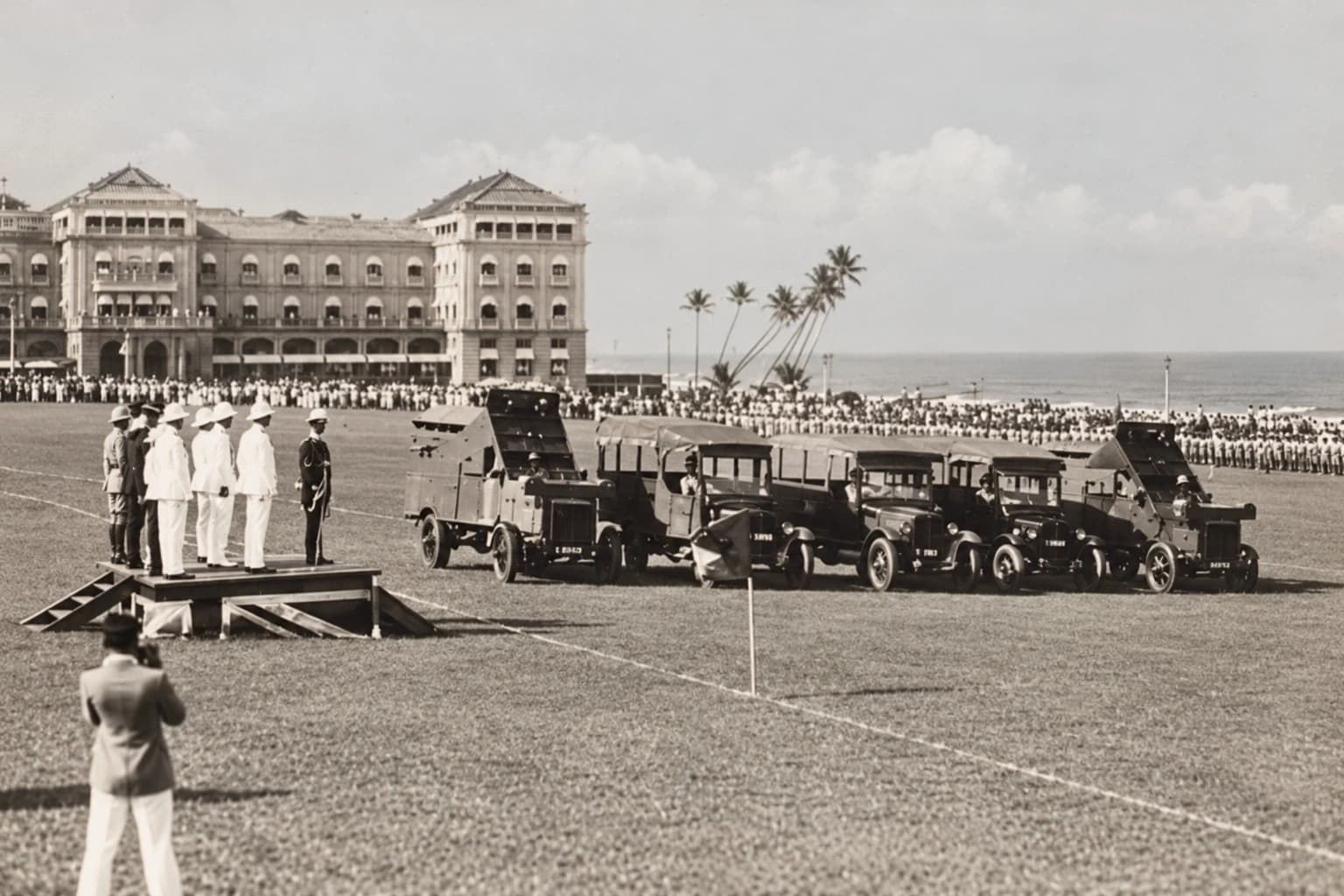
When the King’s Birthday Was Celebrated on Galle Face Green: A Glimpse of Colombo in 1933
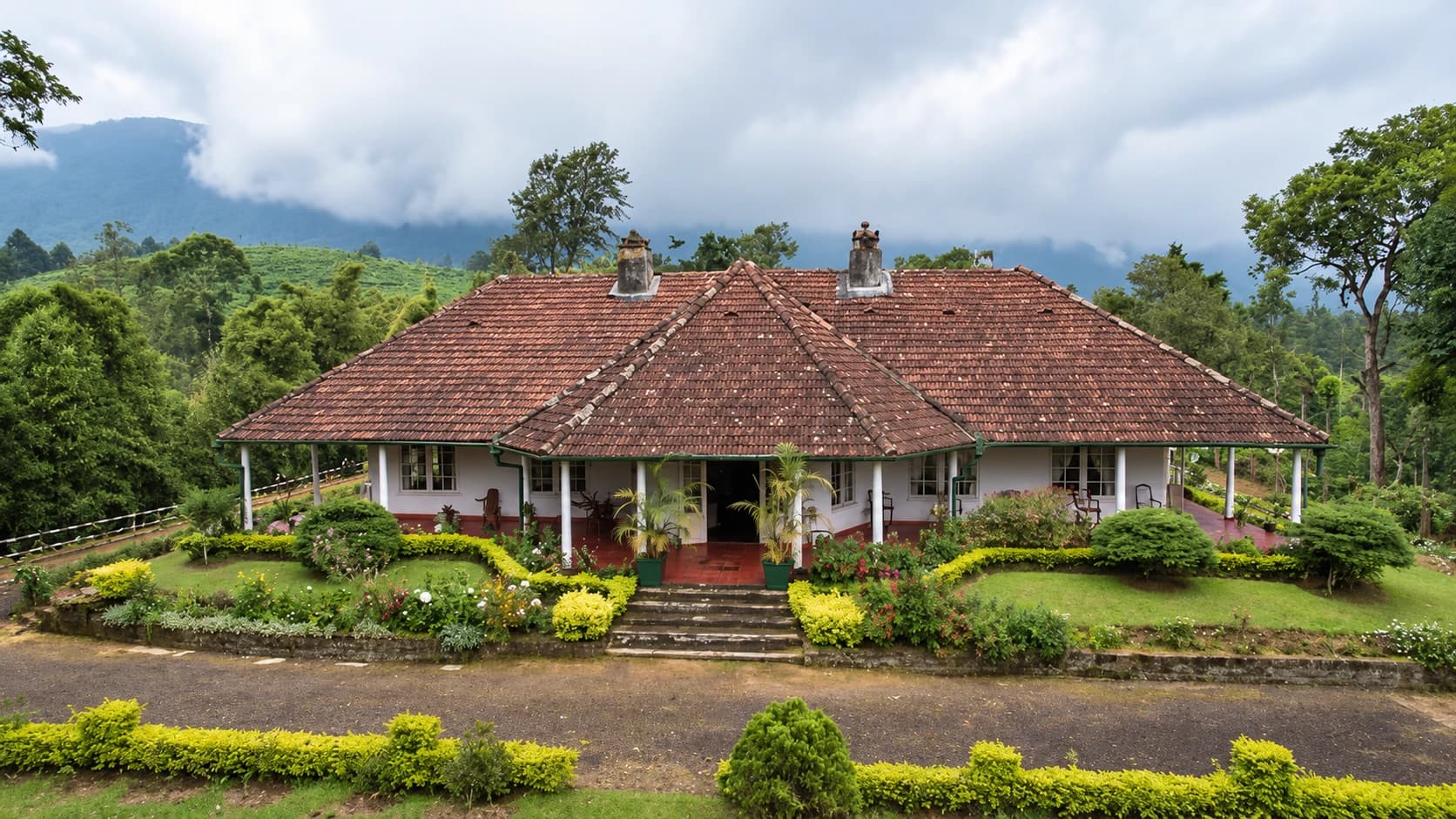
Holyrood Estate, Talawakelle: An Old Ceylon Bungalow and a Name That Echoes Scotland