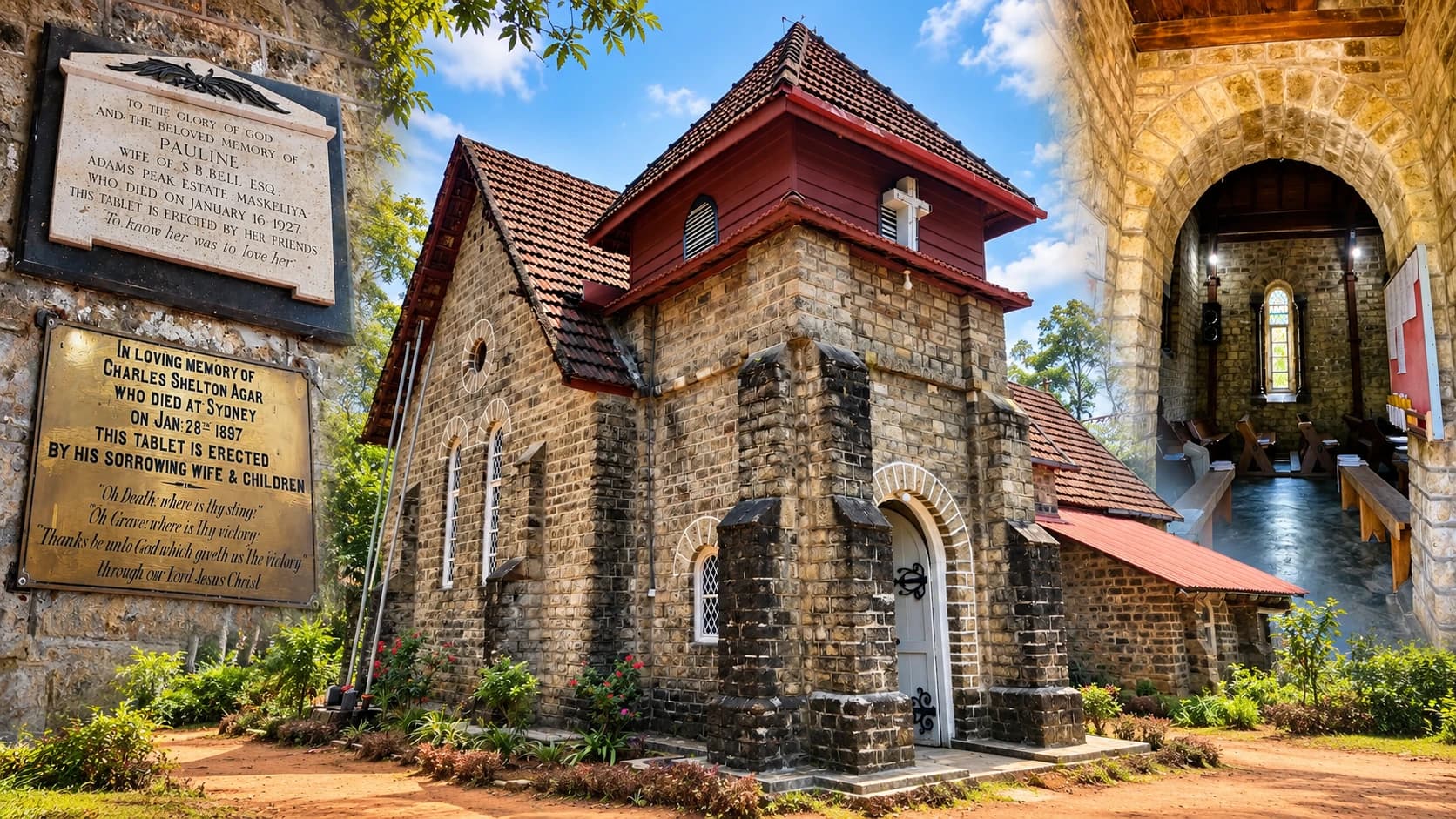
Life in the Old Ceylon Plantations: Hard Days, Strong People and a World of Its Own
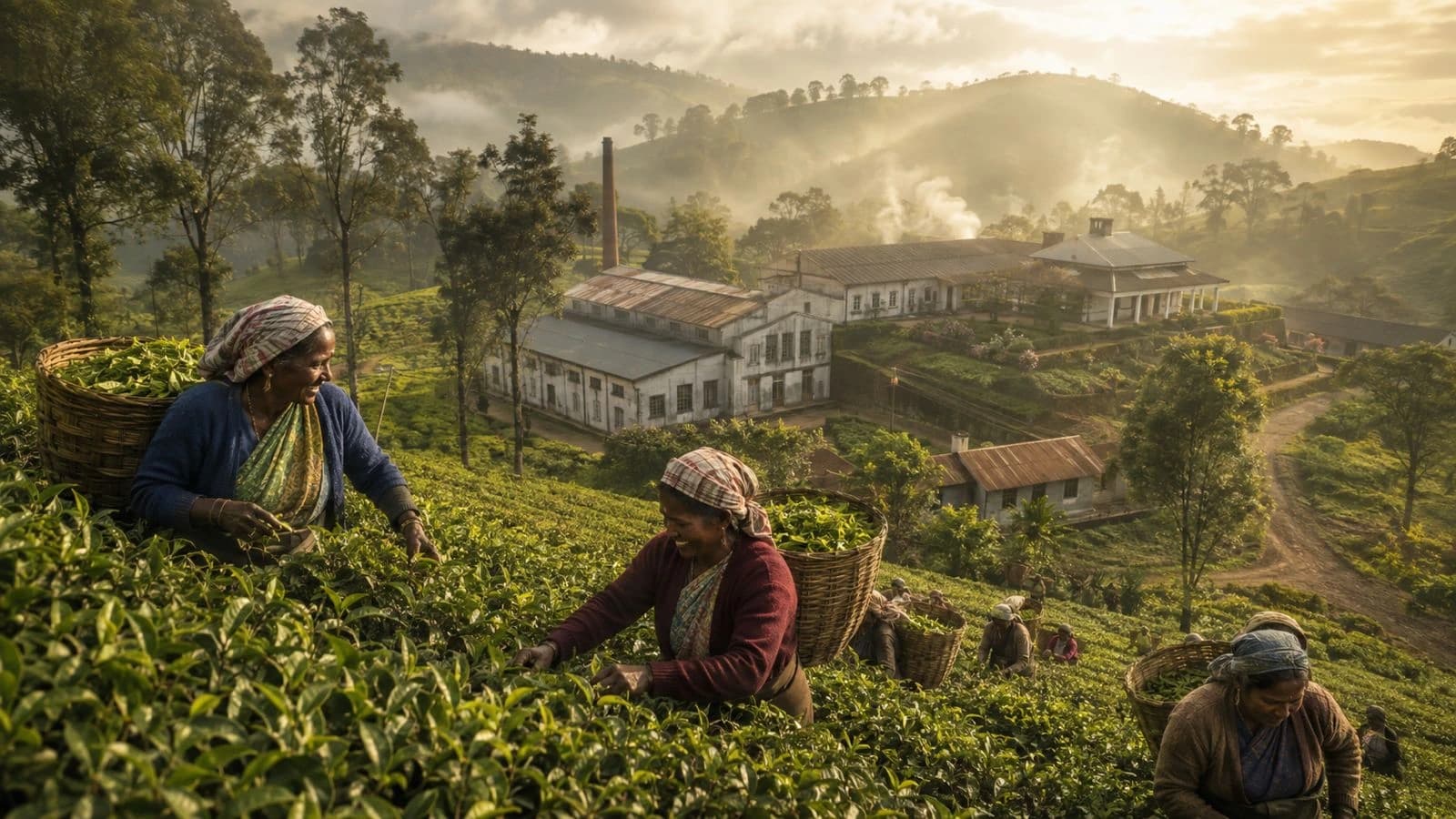
A World Hidden in the Tea Hills
old Ceylon plantations| There is something about the old tea country that still feels different from anywhere else in Sri Lanka.
The roads climb slowly through the hills. Tea stretches over the slopes. An old bungalow, factory or estate road suddenly appears through the mist. Even today, these landscapes seem to carry memories of another time.
In Old Ceylon, the plantation was not simply a place of work.
It was an entire world.
People lived, worked, travelled, raised families, faced danger and built communities within the boundaries of estates. Life was never easy. The country was steep, the roads were difficult and many estates were far from the nearest town.
Yet those hardships created a way of life built on endurance, routine and a strong dependence on the people nearby.
The old plantations had their dangers, but they also had their own character, discipline and sense of belonging.
Check our previous article- https://trippingsrilanka.com/stories/maha-uva-estate-halgranoya
A Life Shaped by the Hills
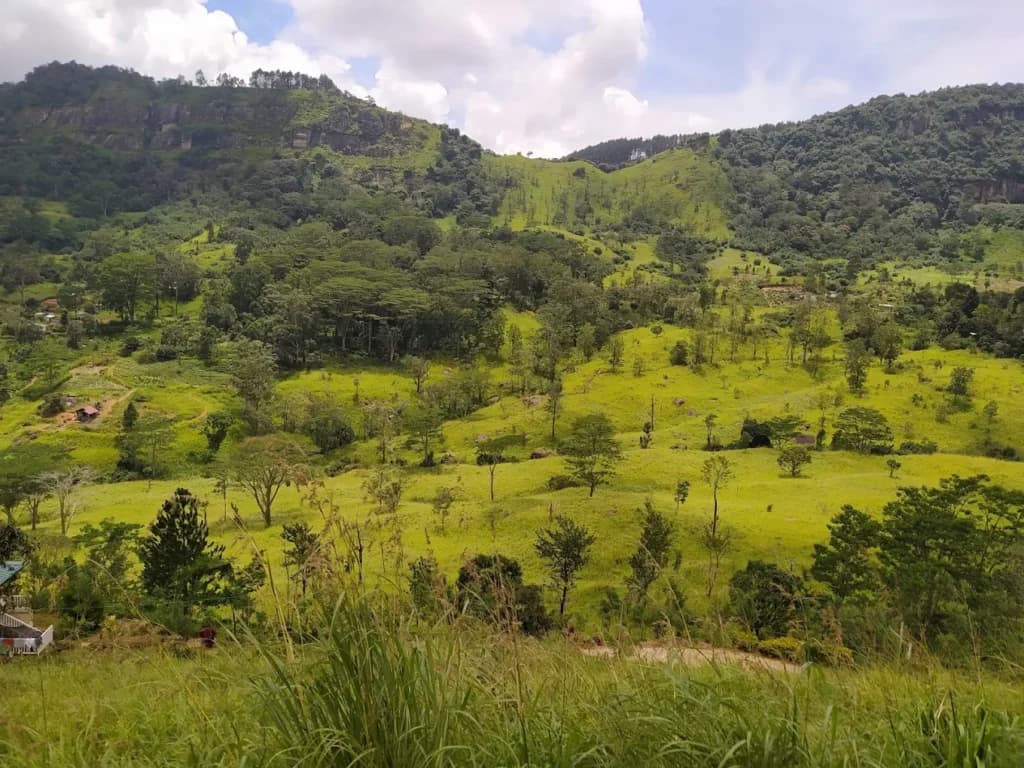
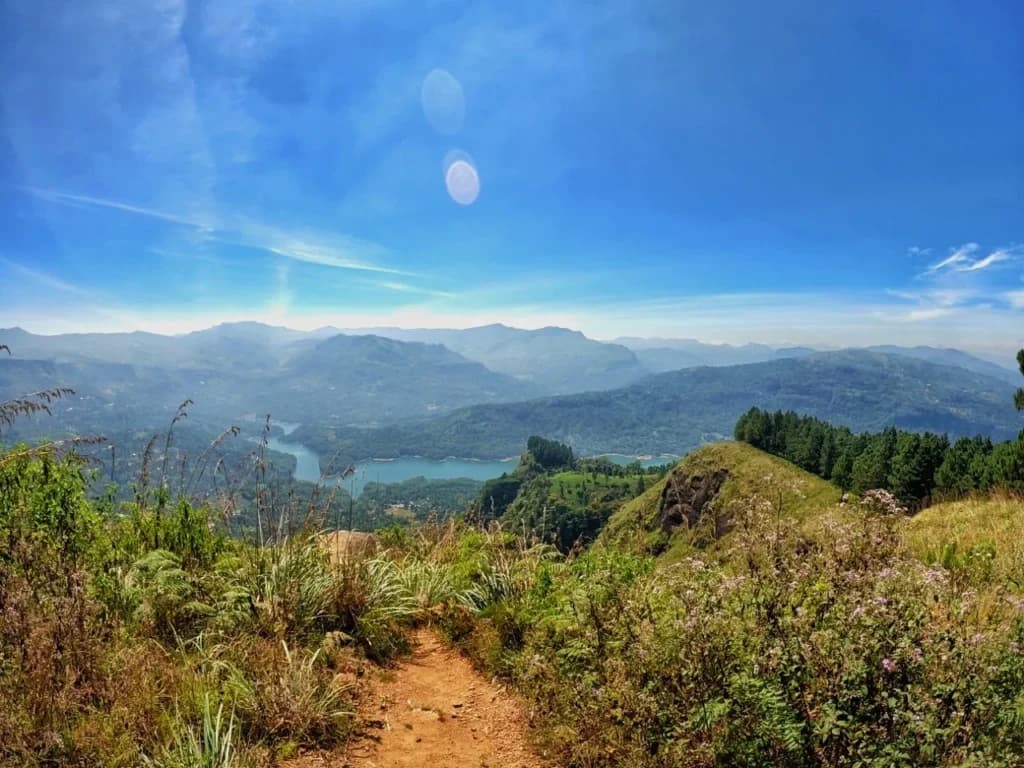
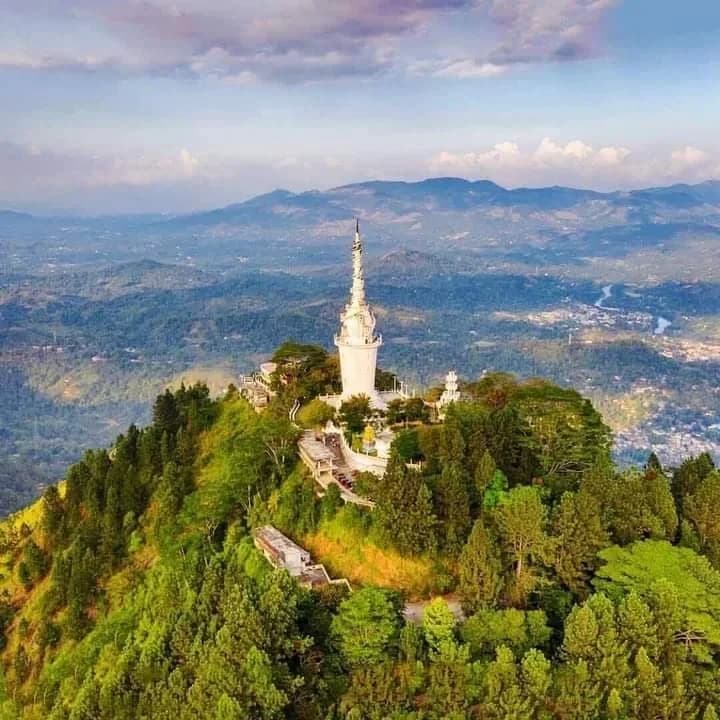
The plantation districts around Galaha, Pupuressa and Gampola were surrounded by mountains, valleys, forests and winding estate roads.
The scenery could be beautiful, but everyday life in these places was not simple. Getting from one place to another took time. Some roads were narrow and steep. Travel became even harder after rain or after dark.
Even many years later, roads leading through estates such as Stellenberg were remembered as extremely difficult to drive.
In the old plantation world, people adapted to these conditions.
Journeys were planned carefully. The factory, bungalow and neighbouring estates became important points of contact. There was no expectation that help would arrive instantly.
People relied much more heavily on those who happened to be nearby.
That dependence on one another is one of the strongest features of old estate life.
The Estate as a Complete World
An old plantation was more than tea fields.
It had its own roads, factory, bungalow, labour lines, gardens, stores, workshops and burial grounds. Some estates had schools, dispensaries, temples, churches or small community spaces. The estate was workplace, neighbourhood and social world all at once.
For many people, life began and ended within the same estate landscape.
Children grew up hearing the factory sounds. Workers knew the slopes, paths and divisions by memory. Superintendents and staff lived by estate schedules. Families formed friendships, disputes, traditions and memories tied to the same hills.
This is why the old plantations still feel powerful today.
They were not only agricultural properties. They were human settlements shaped by tea.
The Factory Was the Heart of the Estate
Tea dictated the rhythm of the day.
Once the leaf came down from the fields, work did not stop simply because evening had arrived. Factories could continue operating at night, with staff on duty long after the surrounding hills had gone quiet.
The factory was the centre of activity.
It was where fresh leaves became made tea. It was where workers gathered, machinery operated and estate routines continued even after dark.
When the superintendent of Stellenberg Estate failed to return one night in 1941, it was workers at the factory who realised something was wrong and organised a search. A night-shift worker named Cassim helped find him and then ran back to raise the alarm.
The incident itself was tragic, but it also tells us something important about plantation life.
People watched what was happening around them. The factory was more than a production building. It was one of the few places on an isolated estate where people were awake, working and connected after dark.
Check our previous article –https://trippingsrilanka.com/stories/hapugastenne-estate-racecourse
Hard Work Was Part of Daily Life
For plantation labourers, the working day was demanding.
Tea had to be tended on steep slopes, often in rain, mist or strong sun. Workers moved through difficult terrain carrying tools and leaf. Much of the work was done without the safety measures that would be expected today.
A slippery path, a sharp pruning knife, a long walk in bad weather or a heavy load was simply part of the job.
Medical help was not always close. An injury that might be easily treated today could become a serious problem in an isolated district.
The plantation economy depended on this labour.
Behind every tea field, factory and export chest were workers whose lives were shaped by discipline, weather, terrain and routine.
Plantation Families and Long Memory
Despite the hardship, generations of families built their lives around the estates.
Their homes, work and memories were tied to the same hills. Children grew up on the estate. Parents worked in the fields or factory. Stories were passed from one generation to another.
Decades after certain events had taken place, older labourers still remembered stories handed down by their parents. Some families had even kept old newspaper clippings connected to estate history.
That continuity is remarkable.
The plantations created communities with memories that lasted far longer than the people who first experienced them.
For many families, the estate was not only a workplace. It was home, history and identity.
The Superintendent’s Bungalow
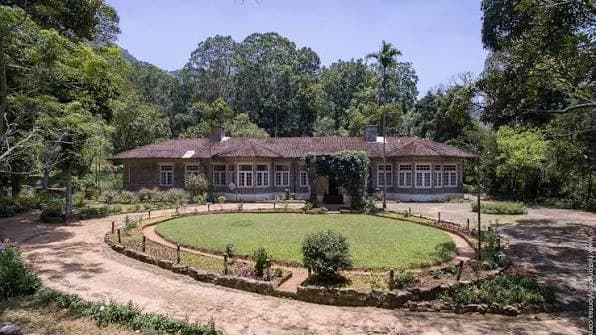
The superintendent’s bungalow is one of the strongest images associated with old plantation life.
A wide verandah. A garden. Perhaps roses beside the path. A view across the hills. A fireplace in the cooler districts. A long driveway leading up from the estate road.
There was certainly comfort in that world.
But there was also isolation.
Planters often lived far from towns and relied heavily on neighbouring estates and clubs for company. An evening visit to another superintendent or a dinner at a club was not just entertainment. It was a way of maintaining social life in a place where the nearest neighbour might be several miles away.
The bungalow represented authority and privilege, but it also stood in a lonely landscape.
Separate Worlds on the Same Estate
On large estates, the superintendent’s bungalow stood apart from the labour quarters.
This reflected the very clear social divisions of plantation society.
At Stellenberg, the bungalow and workers’ housing occupied different parts of the estate. The worlds were different, but both were tied to the same plantation.
The superintendent, clerks, factory staff and field workers all depended on the estate system, but they did not experience it in the same way.
This is important when remembering Old Ceylon plantations.
The beauty of the bungalow and the hardship of the labour lines existed side by side.
A full history must include both.
The Roads Demanded Respect
Travelling through the hill country was one of the real challenges of estate life.
At night, the road beyond the factory lights could be completely dark. There were no mobile phones, no GPS and little passing traffic. A breakdown or accident could leave someone waiting a long time before help arrived.
Roads were often narrow, steep and lonely.
The 1941 killing of Stellenberg superintendent George Pope showed just how vulnerable someone could be on an isolated estate road. His car was stopped by obstacles placed across a narrow uphill bend, where escape was difficult.
It was an exceptional and violent event, not something that defined everyday plantation life.
But it reminds us how different travelling through these estates once was.
The same lonely roads that today feel peaceful could then be places where people had to rely on experience, caution and good judgement.
Danger and Isolation in Estate Life
Isolation was part of plantation life.
A person travelling after dark could be far from help. A sick worker might have to wait for medical attention. A message could take time to reach another estate or town. Heavy rain could make roads nearly impossible.
This created a practical toughness among those who lived there.
People learned to manage with what they had. They watched the weather, knew the roads, understood the risks and depended on neighbours, workers and estate staff.
The plantation world required endurance.
It was not a life of easy access or instant response. It was a life shaped by distance and difficulty.
Labour, Tension and Trade Union Identity
Life on the plantation was closely connected to work, and that sometimes created tension between labour and management.
By the early twentieth century, workers were becoming more organised. Trade unions were beginning to play a larger role in estate life.
The records surrounding the Stellenberg case even preserve the phrase “Long live the Sangam”, showing how strongly union identity had begun to take root.
Whatever the disputes of the period, one thing is clear: plantation workers were no longer simply anonymous labour.
Communities were forming their own identities, remembering their histories and finding ways to speak collectively.
Those changes became part of the long story of Sri Lanka’s plantation country.
A Strong Sense of Belonging
Perhaps the most striking thing about old plantation life is how deeply people became attached to these places.
A superintendent might arrive from overseas intending to spend only part of his career in Ceylon and end up staying for years.
Workers and their families might spend several generations on the same estate.
Children grew up with the factory whistle, the tea fields and the mountain roads as part of everyday life.
Even difficult places became home.
This sense of belonging grew out of hardship, routine and shared memory.
Old Cemeteries and Estate Memory
When George Pope died, he was buried in the Anglican cemetery at Pussellawa rather than being taken back to Britain.
Other old cemeteries around the hill country tell similar stories.
They remind us that many people became permanently connected to the plantations. Some came as planters, some as workers, some as teachers, clerks, doctors, missionaries or family members.
Their graves remain as quiet records of lives tied to the tea country.
These cemeteries are part of plantation history too.
They show that the estates were not temporary workplaces for everyone. For many, they became the final landscape of their lives.
When an Estate Disappeared
Some plantations that once flourished eventually declined or disappeared.
One former showpiece estate was later found abandoned, with grass and weeds growing over land where tea had once been cultivated. Its factory still stood, but only as a dilapidated shell.
Scenes like that are strangely moving because an estate was never just a collection of tea bushes.
It was a workplace, a neighbourhood and a social world.
It had managers, factory workers, field labourers, families, clubs, gardens and generations of stories.
When an estate closed, much more disappeared than tea production.
A whole way of life faded with it.
What the Old Plantations Reveal About People
The old plantations reveal the strength of the people who lived and worked there.
They show how communities can form in difficult places. They show how routine can give shape to hard lives. They show how memory survives through families, roads, buildings, cemeteries and stories.
They also remind us that plantation history must be remembered honestly.
There was beauty in the hills, but there was hardship behind the beauty.
There were elegant bungalows, but also labour lines.
There were clubs and gardens, but also difficult working conditions.
There were strong communities, but also deep inequalities.
To understand the old tea country, we must hold all of this together.
Why the Old Tea Country Still Feels Special
The plantations of Old Ceylon were built in difficult country and sustained by people who learned how to live with that difficulty.
The days could be long, the work hard and the roads dangerous. But life continued through routine, resourcefulness and reliance on others.
That is perhaps why the old tea country has such a strong sense of memory.
When we travel through those hills today, it is easy to notice only the scenery.
But behind the green slopes are generations of people who made lives there under conditions far tougher than ours.
They worked, travelled, raised families, built friendships and turned isolated hillsides into communities.
Final Thoughts: Hard Days and Strong People
The plantations were not easy places to live.
They were shaped by steep roads, demanding work, isolation, social divisions and difficult conditions. Yet they also produced endurance, belonging and a way of life that still lingers in Sri Lanka’s hills.
Old factories, estate roads, bungalows, labour lines, cemeteries and abandoned plantations all carry traces of that world.
For Tripping Sri Lanka readers, the old tea country should be seen not only as beautiful scenery, but as a landscape of human effort.
Behind every misty hill and every abandoned estate road are stories of hard days, strong people and communities that made a world of their own.
Visit Us: https://trippingsrilanka.com/stories
More from Old Ceylon
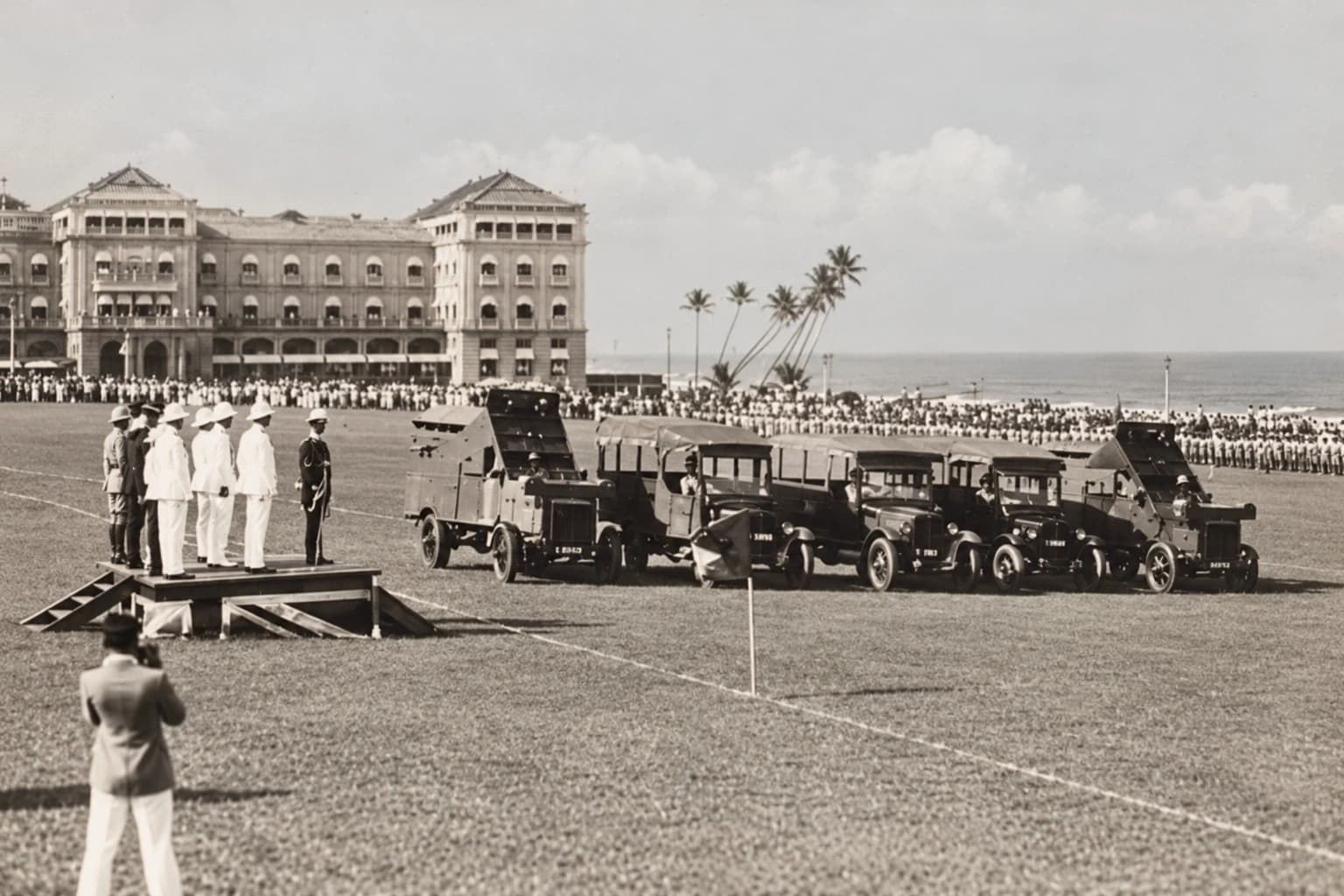
When the King’s Birthday Was Celebrated on Galle Face Green: A Glimpse of Colombo in 1933
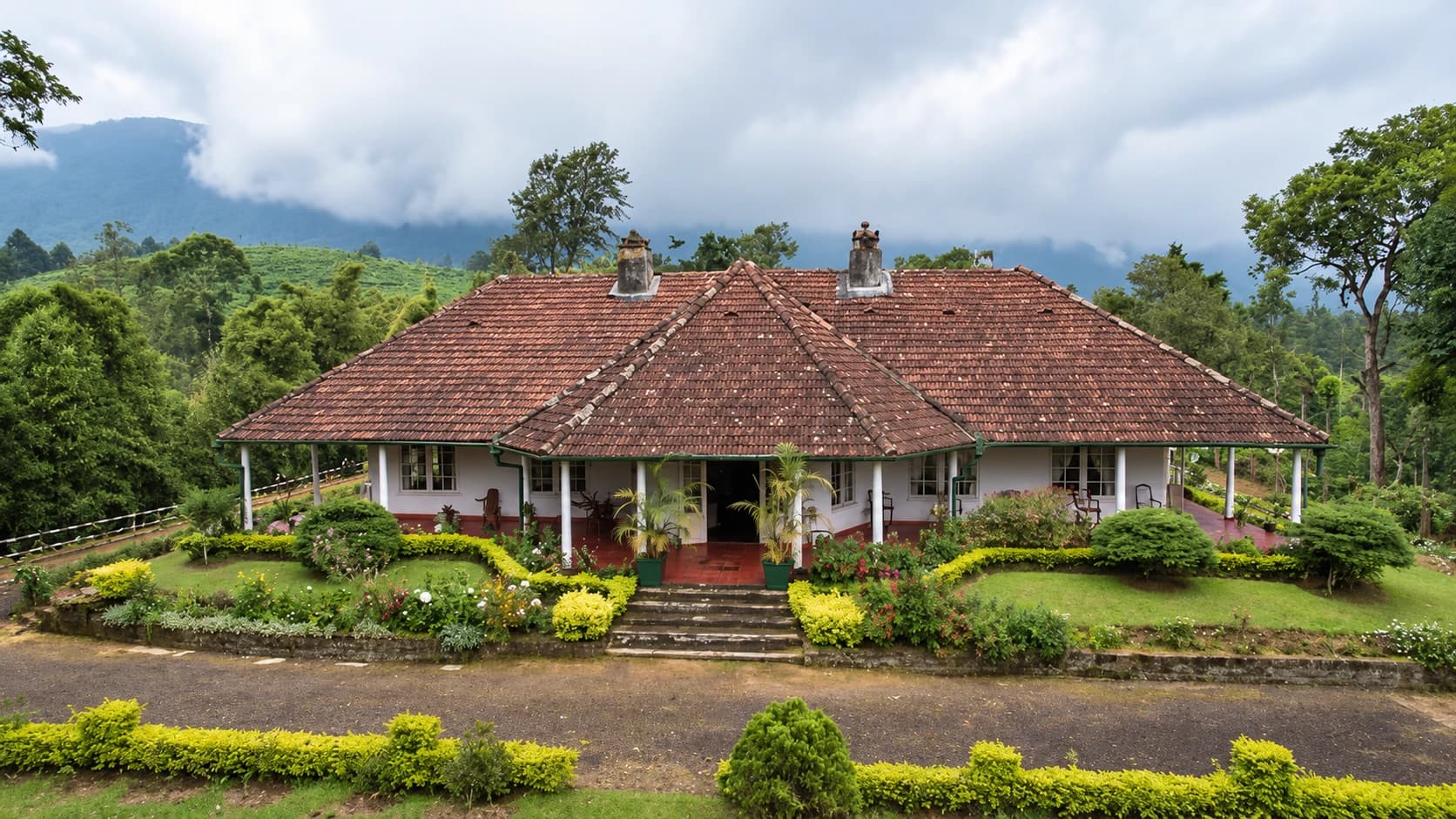
Holyrood Estate, Talawakelle: An Old Ceylon Bungalow and a Name That Echoes Scotland