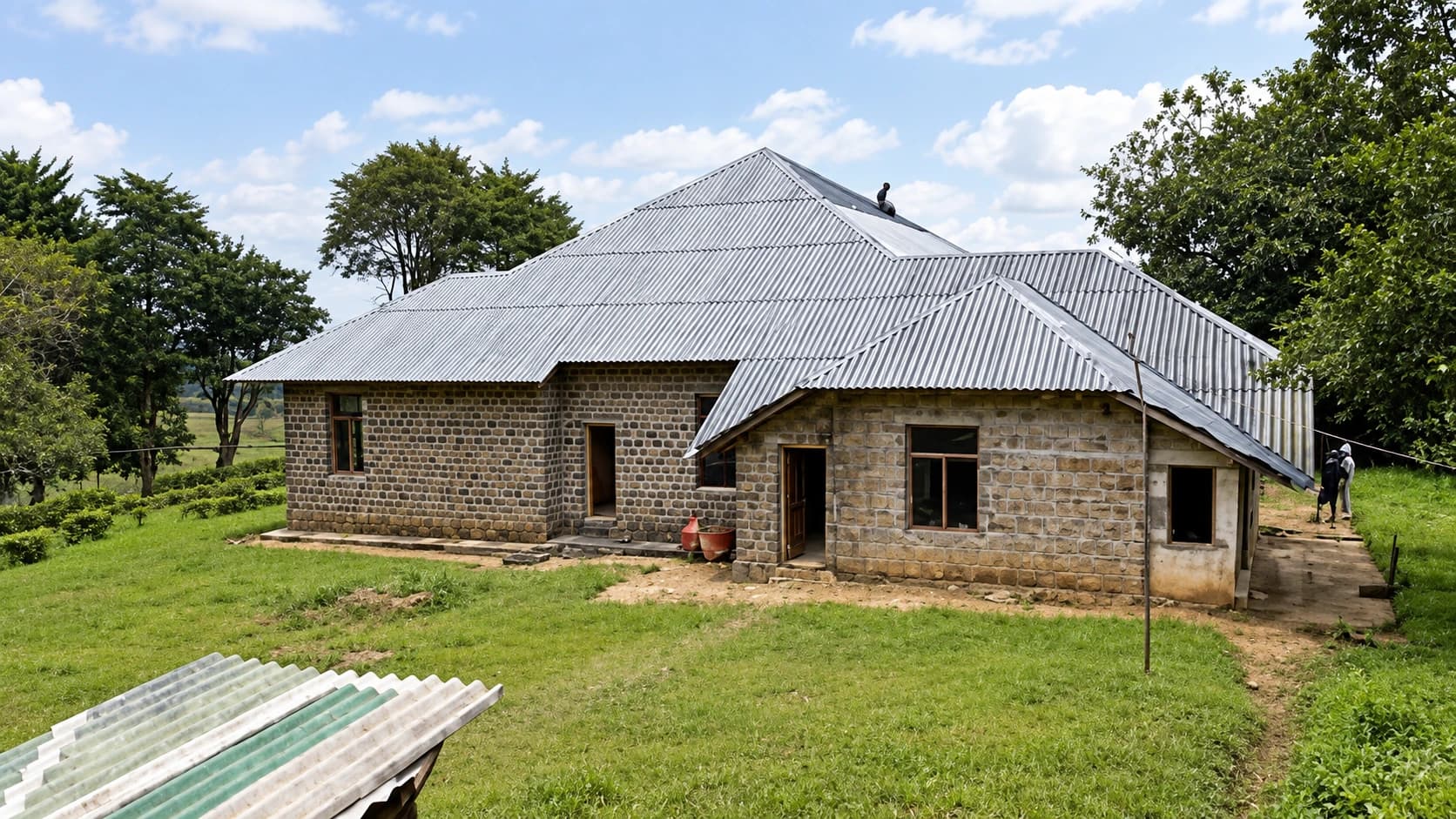
High above the plains beyond Bandarawela, among the tea estates and steep hills of Poonagala, stands an old plantation bungalow carrying the name of a man whose life in Ceylon has largely disappeared from the historical record.
Known as Broughton Bungalow, the house is believed to be more than a century old. It belongs to an era when European estate superintendents lived on the plantations they managed, often in large bungalows built some distance from the nearest town.
Today, the surviving buildings at Broughton Estate offer a small but valuable glimpse into that period of Sri Lanka’s plantation history.
Read our previous article: https://trippingsrilanka.com/stories/alma-estate-kandapola
An Old Estate Above Bandarawela
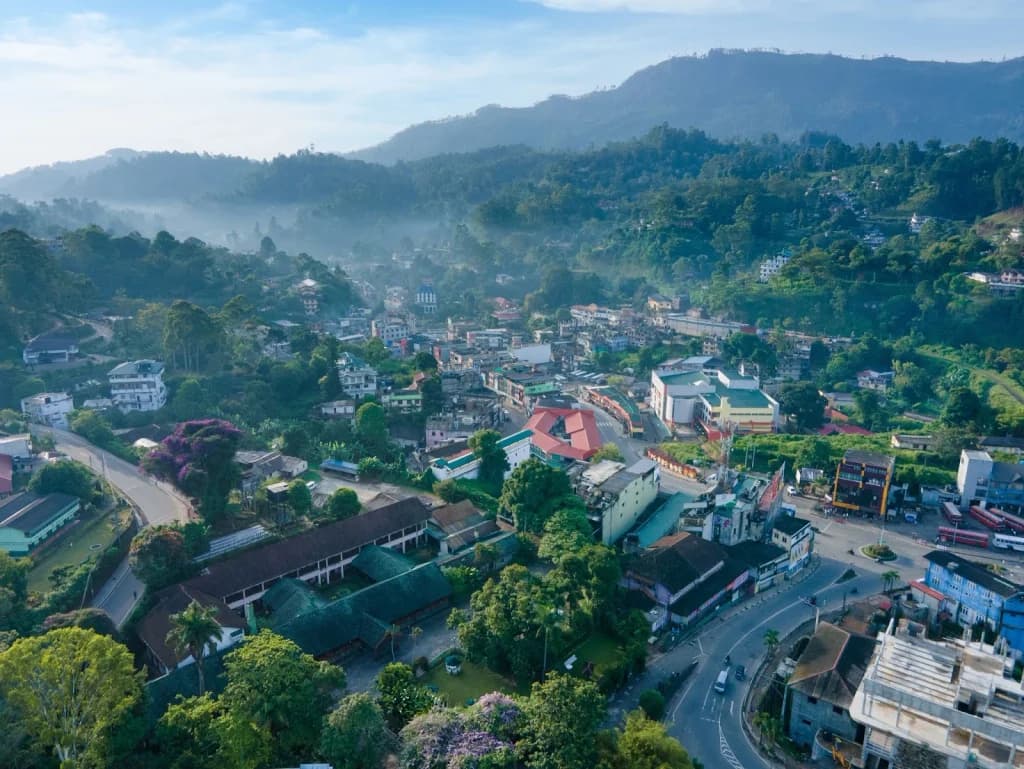
Broughton Bungalow is situated at Poonagala, southeast of Bandarawela in the Badulla District.
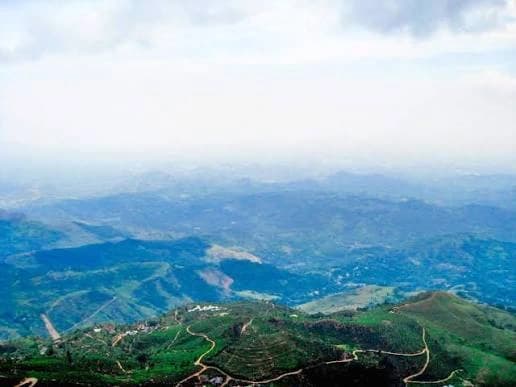
Poonagala itself occupies a striking position in Sri Lanka’s central highlands. The landscape changes dramatically as the road climbs away from Bandarawela, passing tea estates, estate settlements and steep mountain slopes before opening towards views of the lower country.
It was within this plantation landscape that the Broughton Estate developed.
Historical research records that the bungalow was constructed more than 100 years ago by a foreign estate superintendent known as Broughton. Beyond the name, relatively little appears to have survived about the man himself.
The house, however, remains evidence of the estate world in which he lived.
Evidence Beneath Your Feet
One of the most intriguing details associated with Broughton Bungalow can be found in its old paving.
Some of the clay tiles used at the property are said to carry impressions of a crown and a royal crest. Such details may appear minor today, but they are useful physical traces of the period in which the bungalow was constructed and maintained.
Imported or specially manufactured building materials were frequently used in important estate residences during the colonial period. Tiles, iron fittings, roofing materials and other architectural elements often travelled considerable distances before reaching plantations in the hill country.
At Broughton, these surviving tiles provide a direct connection with that older phase of the estate.
More Than a Bungalow
Broughton was not simply an isolated residence.
The surviving property formed part of a small estate complex that included the main bungalow, an office building, a cattle hut, a kitchen and a surrounding rampart.
Together, these structures illustrate how plantation life was organised.
The superintendent’s bungalow functioned as the principal residence, while nearby buildings supported the daily running of the estate. The office would have been connected to plantation administration, while service buildings such as the kitchen and cattle hut formed part of the practical infrastructure needed to sustain life in what was then a relatively remote estate environment.
The bungalow itself contained eight rooms, a bathroom and two lavatories.
Its size suggests a substantial residence rather than a modest estate cottage. Bungalows occupied by plantation superintendents were often designed to provide generous living spaces suited to the cool climate of the central highlands and the lifestyle associated with estate management.
What Has Survived
Time has not treated every part of the property equally.
The old kitchen has deteriorated considerably, with historical surveys recording that little more than its foundations remained. Other parts of the estate complex have survived sufficiently well to retain their archaeological importance.
That uneven survival is common among Sri Lanka’s plantation-era buildings.
Unlike major forts, temples or public buildings, old estate houses were working properties. They were altered as owners changed, repaired when necessary and sometimes abandoned when plantations were reorganised.
As a result, many have disappeared without attracting much public attention.
This makes the surviving buildings at Broughton particularly significant.
A Protected Archaeological Monument
The historical importance of the site eventually received official recognition.
The Broughton Bungalow, its cattle hut and the estate office building within Broughton Estate were declared protected archaeological monuments through a Sri Lankan Government Gazette notification published on 8 July 2005.
The designation places the property among the surviving structures recognised as part of the country’s archaeological and architectural heritage.
Its importance lies not merely in the age of the bungalow but in the collection of buildings that remains around it.
Together they preserve part of the physical layout of an old plantation estate.
Remembering Sri Lanka’s Plantation Landscape
When people think of Sri Lanka’s colonial architecture, attention usually turns towards places such as Colombo Fort, Galle Fort, Nuwara Eliya or the grand railway stations of the hill country.
The plantation districts contain another layer of history.
Scattered through tea estates are old factories, superintendent’s bungalows, estate offices, churches, hospitals, workers’ settlements and abandoned structures that once formed entire communities around the plantation economy.
Broughton Bungalow belongs to this landscape.
It is not a grand palace or a famous public monument. Its value comes from something quieter: the fact that parts of an old plantation settlement are still standing more than a century after they were built.
The old rooms, estate office, cattle hut, ruined kitchen foundations and even the marked clay tiles tell fragments of the same story.
They remind us that the history of Bandarawela and the surrounding highlands was shaped not only by tea itself, but also by the people, buildings and settlements that grew around the plantations.
Today, hidden among the hills of Poonagala, Broughton Bungalow remains one of those surviving fragments of Old Ceylon , a plantation house whose architecture has outlived much of the story of the people who once occupied it.
Visit us: https://trippingsrilanka.com/stories
More from Old Ceylon

Colombo Public Library at 100: The Names That Still Remain
The Toll Gate at the Bridge: When Travelling Across Ceylon Cost a Few Cents at a Time