An Old Register and a City Remembered
There is something about an old register that photographs can never quite reproduce. Perhaps it is the handwriting. The ink has faded in places, some names are written with great care, others are hurried, and initials sit neatly beside surnames in the manner of another age. Membership numbers run down the page, along with small marks made by librarians who could never have imagined that someone would still be looking at their work a hundred years later.
The old membership register of the Colombo Public Library, beginning in 1925, is one of those objects that makes the past feel unexpectedly close. These were not famous people, nor were they written into history for any grand achievement. Most were simply people who came to borrow books. A clerk, perhaps. A schoolmaster. A government officer. A young student. Someone from Cinnamon Gardens, Maradana, Pettah or another part of Colombo who had heard that the city now had a public library.
They came in, gave their names, paid whatever was required, and became a line in a ledger. A century later, the handwriting remains.
Read our previous article : https://trippingsrilanka.com/stories/colonial-colombo
Colombo in 1925
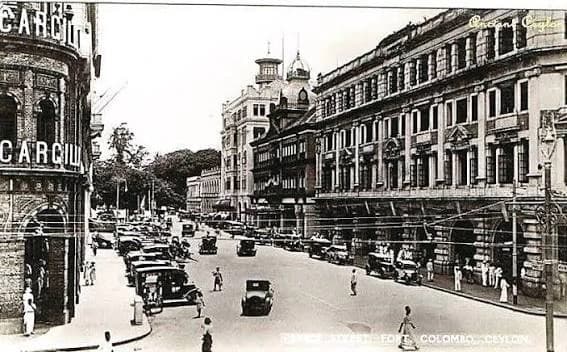
It is difficult now to imagine Colombo as it was when the library first opened on 10 August 1925. There were motorcars on the roads, certainly, but not in the endless numbers we know today. The city was quieter, greener and lower. Cinnamon Gardens still carried something of its spacious, almost semi-rural character, while Fort and Pettah remained the commercial heart of Colombo.
There were no apartment towers rising above the treetops and no buildings of glass and steel dominating the skyline. Colombo was already modernising, but it still moved at a human pace. Streets had room to breathe, old houses stood inside gardens, and institutions mattered because they shaped the daily habits of the city.
There was also no easy way of finding information. If you wanted to know something, you had to ask someone, find a newspaper, consult a reference work or look for a book. Libraries therefore occupied a very different place in everyday life. They were not simply quiet buildings where books were stored. They were places where answers were kept.
From Older Libraries to a Public Institution
The Colombo Public Library grew out of older institutions in the city, including the Colombo Library and the Pettah Library, which were brought together under the Colombo Municipal Council. In its early years, the institution was comparatively modest, with a lending section, a reading room and a reference section.
Its collection was far smaller than it would later become, but the idea behind it was significant. Knowledge that had once circulated within more limited circles was slowly being placed within reach of a wider public. A library card could become a small form of entry into a much larger world.
The library we know today beside Viharamahadevi Park did not yet exist. For decades, the Colombo Public Library operated from an old mansion called Sirinivasa on what was then Edinburgh Crescent, now Sir Marcus Fernando Mawatha. That detail changes the entire picture of the early library. It was not yet a large municipal building with long corridors and formal reading rooms. It was, quite literally, an old Colombo house filled with books.
The Mansion Filled With Books
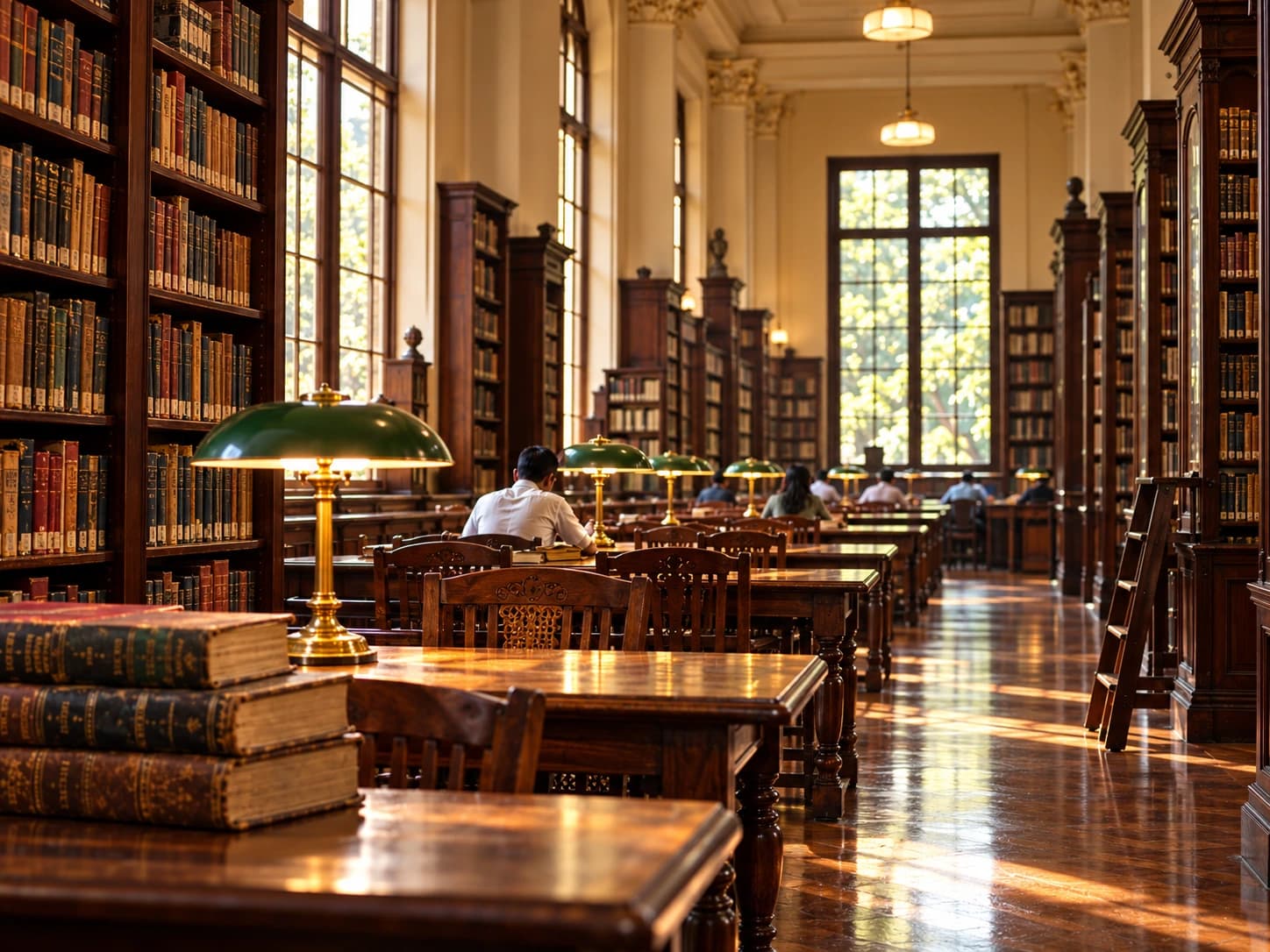
One can imagine what it must have been like. Readers walking up through a shaded garden, entering a high-ceilinged room, ceiling fans perhaps turning lazily overhead, the afternoon heat held back by thick walls and open windows. A librarian sat somewhere nearby. Shelves lined the rooms. Outside, Colombo moved at a slower pace.
Inside, somebody searched for a novel, a newspaper, a history book or a reference volume needed for an examination. The old house had become a public place of reading. Its rooms, once domestic, had been turned into spaces where people came to borrow, study and inquire.
And somewhere on a desk lay the register. A name was given. A pen touched the page. Another reader became part of the library.
The Names That Came Through the Door
That is why old registers are so compelling. Buildings tell us what institutions looked like, and official reports tell us when they opened, but registers tell us who came through the door. They reduce history to something wonderfully ordinary. A person stood there. Someone asked for a name. A librarian wrote it down. A membership card was issued. Life went on.
Some of those early members would have lived through the Second World War. Some saw Ceylon become independent. Some may have used the library for decades, while others perhaps joined once and never returned. A few may have gone on to become prominent figures. Most probably did not.
Their stories have disappeared, as ordinary lives usually do. Yet the evidence that they once entered the library remains in ink. That is the quiet power of a register. It keeps people who were never meant to become historical.
When Libraries Were Where Answers Lived
There was once a very different relationship between people and libraries. Students came because textbooks were expensive. Children found writers their families had never heard of. Job seekers sat with newspapers. Researchers copied passages by hand. Someone might spend an afternoon searching for a single fact that today would take seconds to find on a telephone.
There were no search bars and no instant results. You asked the librarian. You searched a catalogue. You walked along shelves. Sometimes you found what you wanted, and sometimes you found something completely different and far more interesting.
That was part of the pleasure of a library. It slowed down the search for knowledge, but it also made the discovery more personal. A book was not simply information. It was something found, borrowed, carried home and returned.
A Colombo Childhood With Books
For generations of Colombo families, the Public Library became part of growing up. There was the first membership card, the school assignment that required a trip into town, the book returned several days late, the smell of paper and dust, and the mild disappointment of discovering that the one book you wanted had already been borrowed by somebody else.
These small memories rarely appear in histories of cities, but they are often what people remember most clearly. A library shapes a city not only through its official purpose, but through repetition. The child who came for a school project returned later as a student. The student became a parent. The parent brought another child.
In this way, the library became part of Colombo’s private memory as much as its public history.
The Move Beside Viharamahadevi Park
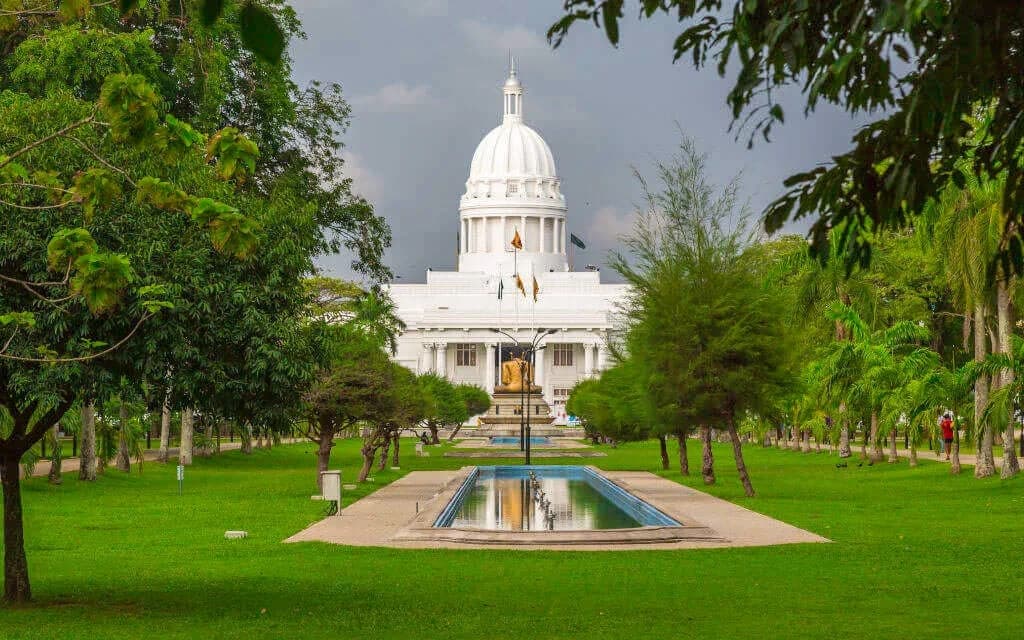
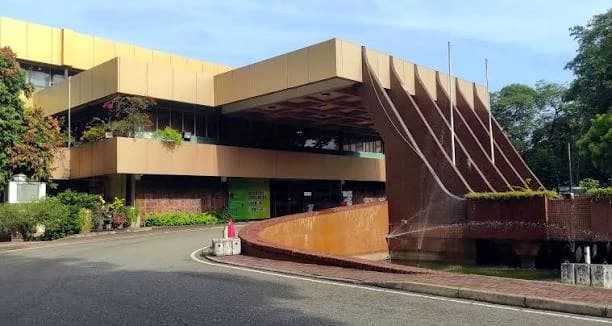
By the second half of the twentieth century, the library had outgrown its old home. In 1980, it moved into its present purpose-built premises beside Viharamahadevi Park. This is the Colombo Public Library most people remember today: the broad building, the reading rooms, the long tables, newspapers spread out before readers and students bent over notebooks for hours at a time.
Outside, the city continued to change. Roads became busier. Large houses disappeared. Offices and hotels appeared. Then came apartment towers and a skyline earlier generations would scarcely recognise. Yet within the grounds of the library, pieces of an older Colombo remain.
The public library survived not by standing apart from the city, but by continuing to serve it. The setting changed, the readers changed, the country changed, but the essential act remained the same: someone came looking for a book, a newspaper, an answer or a quiet place to think.
Old Colombo and New Colombo in One Frame
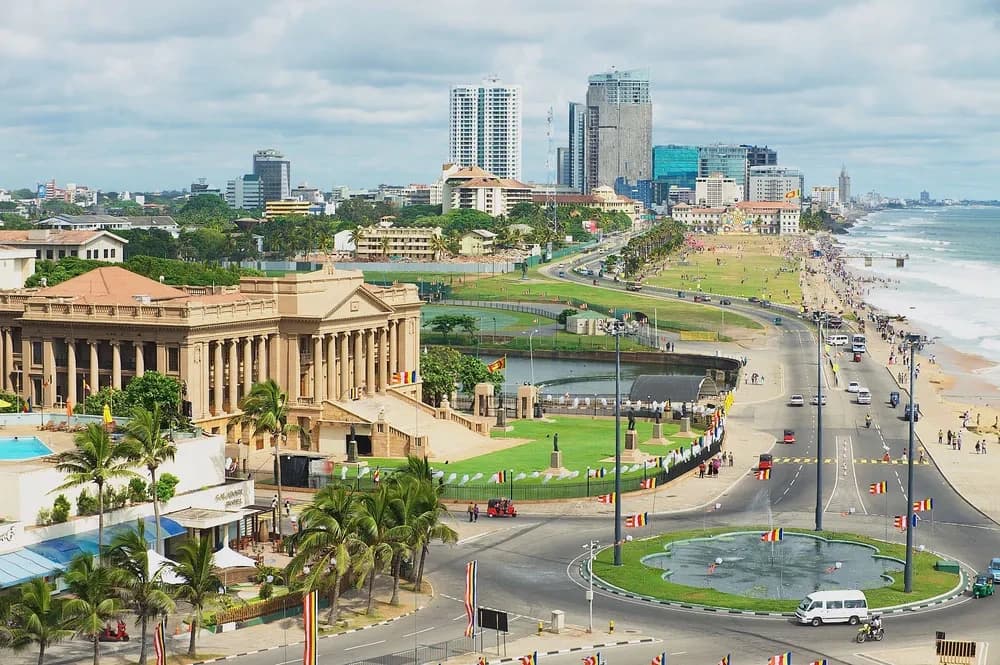
One photograph taken in October 2026 captures that contrast beautifully. An old stone column rises among the trees while modern high-rise buildings appear behind it. Old Colombo and new Colombo seem to occupy the same frame.
It is one of the things this city does particularly well. One age rarely disappears completely before another arrives. Instead, the past remains in fragments: a wall, a gateway, an old tree, a street name, a column, a register, a building that still performs its original duty while everything around it changes.
That is perhaps why the old register feels so appropriate here. Colombo has always accumulated its past rather than neatly replacing it. Dutch walls remain beneath later buildings, Victorian houses survive beside modern offices, old railway bridges continue to carry trains, and institutions founded during the colonial period have been quietly absorbed into the life of the modern city.
A Century of Quiet Service
The Colombo Public Library is now a century old. Governments have changed, street names have changed, buildings have disappeared and entire neighbourhoods have altered beyond recognition. People who once seemed permanently part of Colombo are now only names in directories, registers and fading photographs.
Yet the library is still here. And somewhere within it are those pages from 1925.
It is tempting to look at them and wonder about the people behind the names. What did they borrow? Did someone discover Dickens there? Did a schoolgirl find a book that changed the direction of her life? Did a young man read about some distant country and begin dreaming of travelling there? Did somebody borrow the same book repeatedly simply because they loved it?
We cannot know, and perhaps that is part of the appeal.
The Register Remembers Everyone Else
History usually remembers the important people. Old registers remember everyone else. That is what makes the Colombo Public Library’s early membership pages so moving. They are not dramatic. They do not announce great events. They simply preserve the fact that ordinary readers existed.
If one of those first members could walk through Colombo today, almost everything outside would seem unfamiliar. The traffic would be overwhelming, the towers astonishing, and even the country would bear a different name. Yet if that person entered the library and saw rows of books, students reading quietly and a librarian answering a question, perhaps something would still feel recognisable.
And somewhere, on a page written a century ago, their own name might still be there.
Final Thoughts: The Library That Kept the People
That may be the most remarkable thing about the Colombo Public Library. For a hundred years, it has watched the city change without ever making much noise about it. It did not need grandeur to matter. It mattered because people came in, looked for books, read newspapers, studied, borrowed, returned and came back again.
The city outside kept remaking itself. The library kept doing its work.It simply kept the books.And, almost by accident, it kept the people too.
Visit Us: https://trippingsrilanka.com/stories
More from Old Ceylon
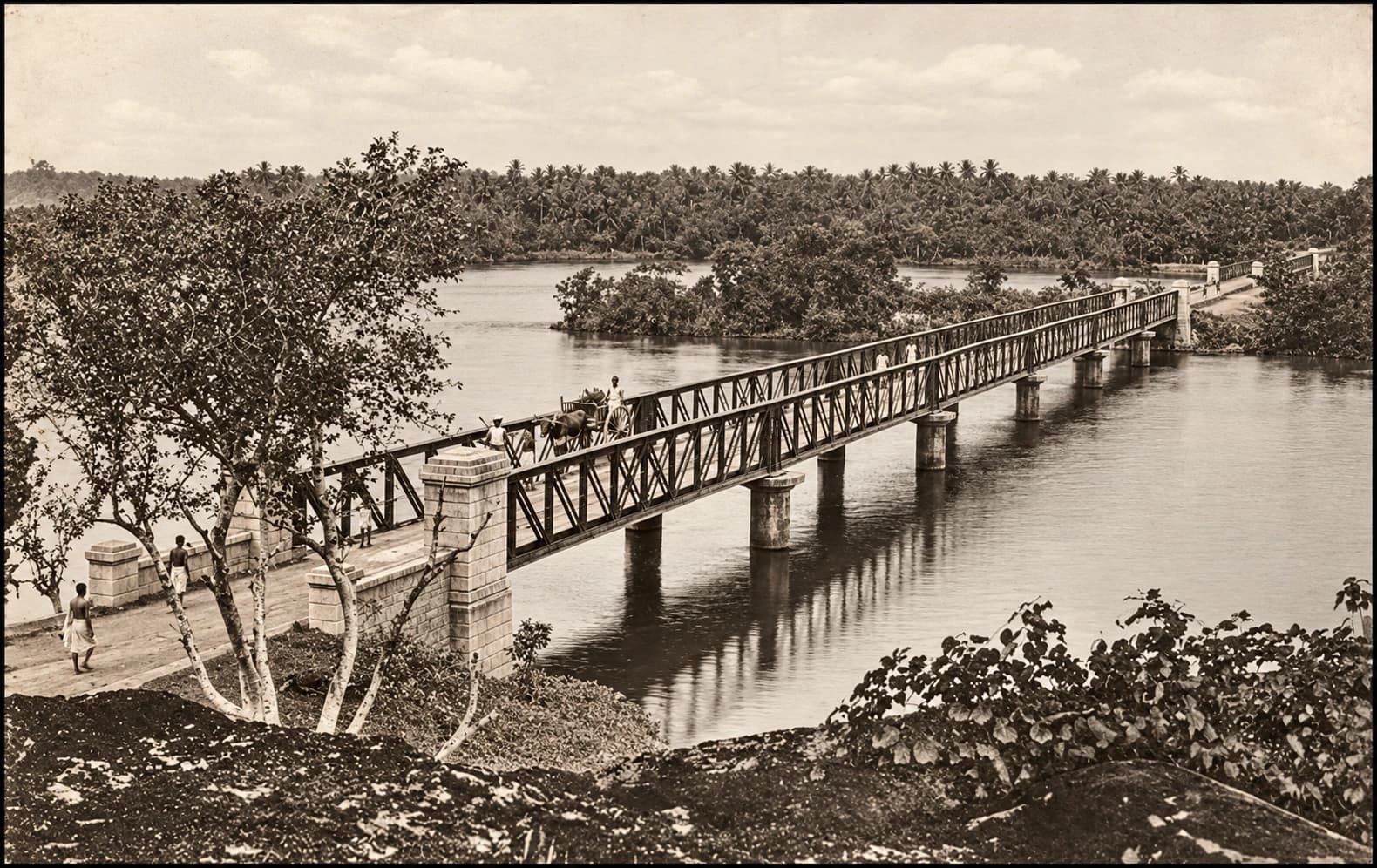
The Toll Gate at the Bridge: When Travelling Across Ceylon Cost a Few Cents at a Time
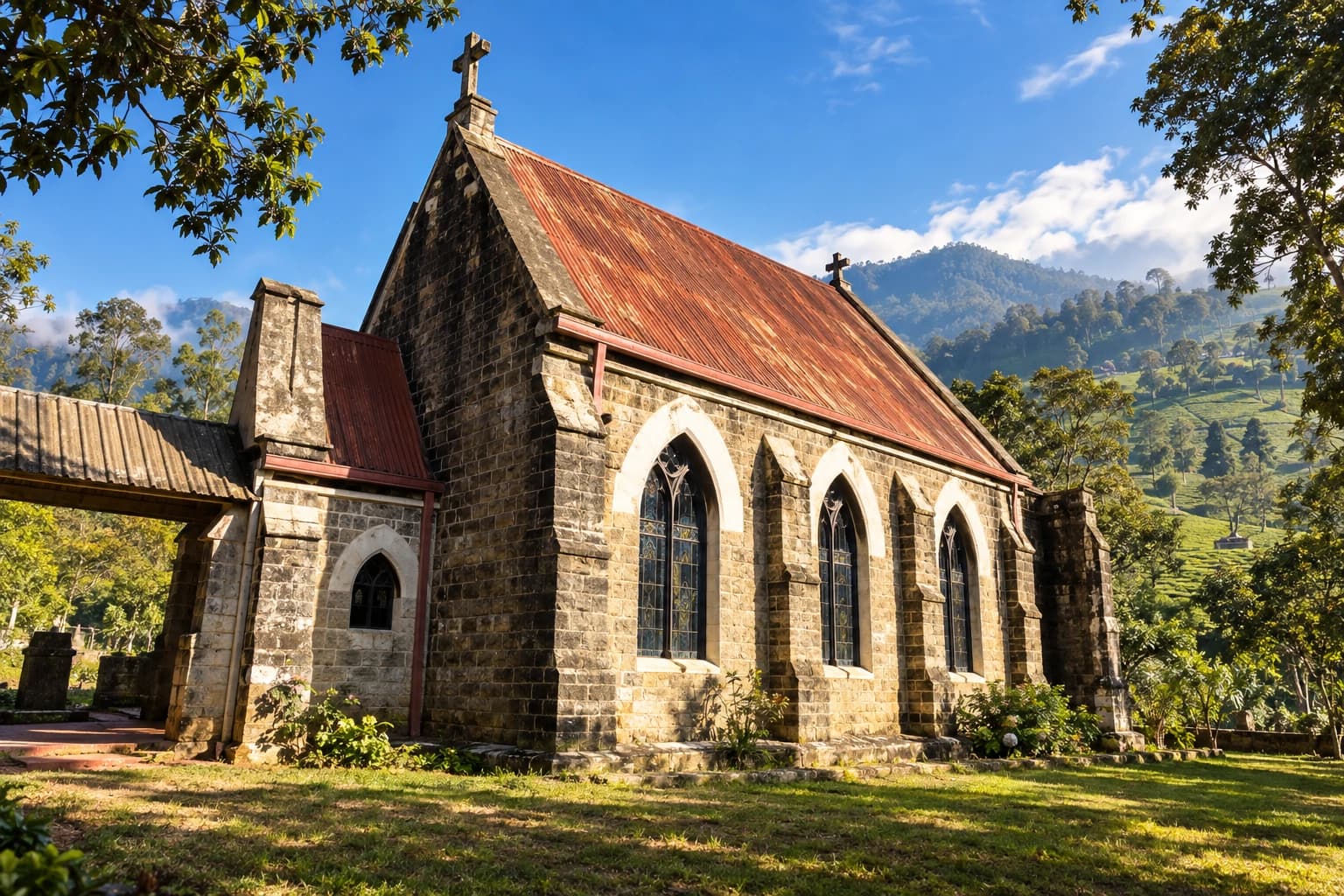
St Margaret’s Church of Kotagala: The Little Stone Church That Watched Coffee Country Become Tea Country