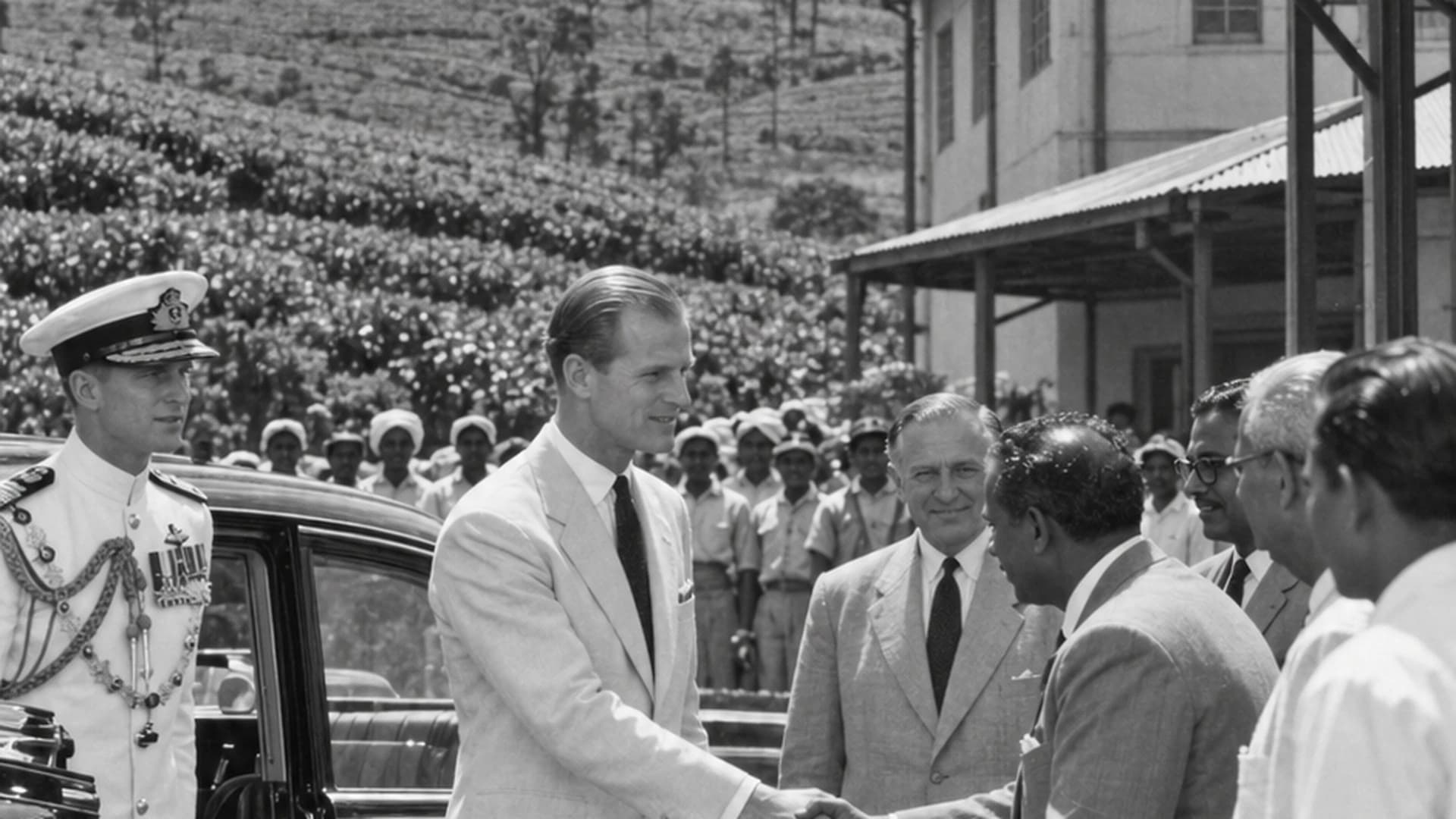
When Colonial Fashion Changed the Ceylonese Bride: From Lace Veils to Victorian Gowns
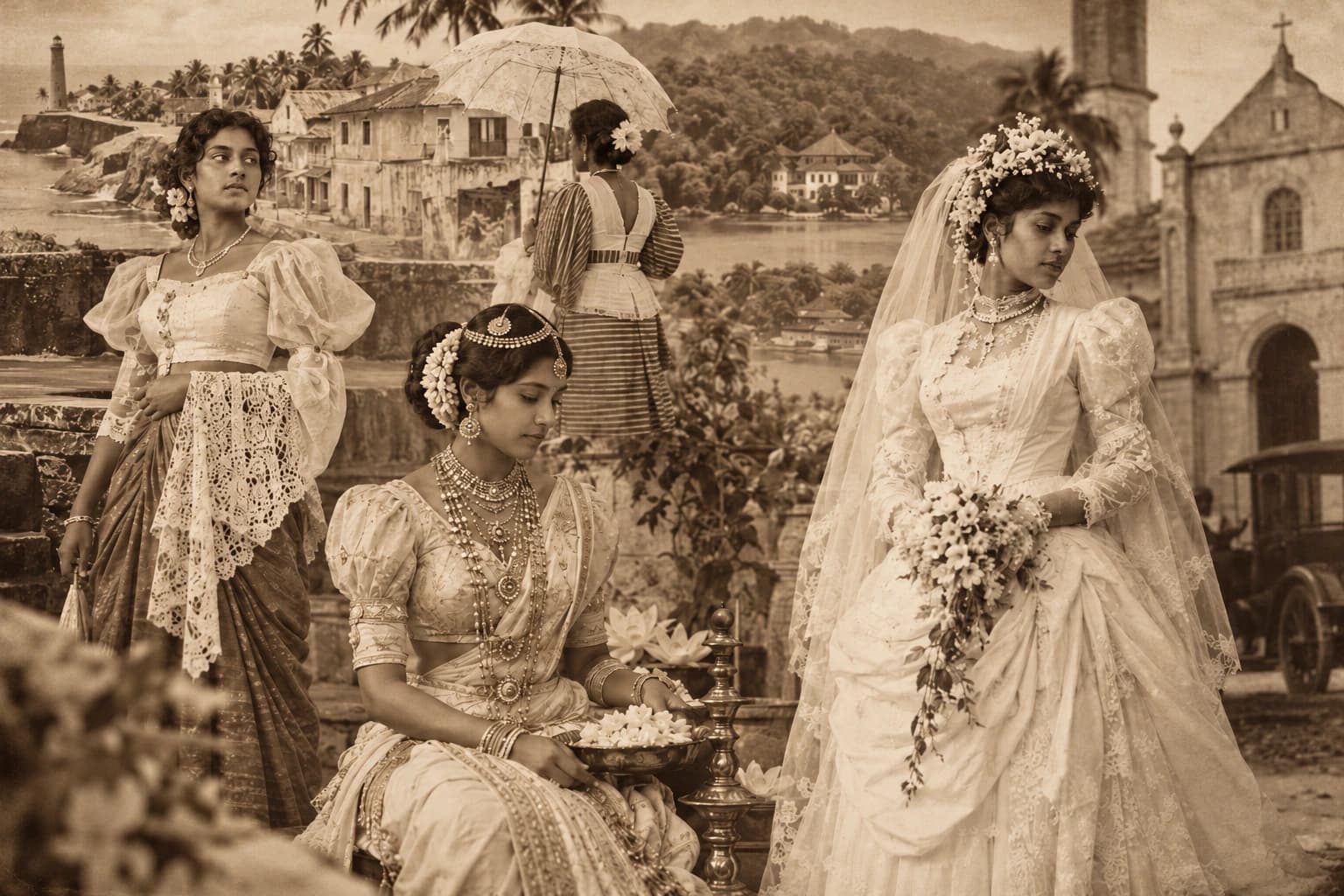
colonial bridal fashion in Ceylon | Long before the white wedding gown became familiar in Sri Lanka, brides dressed according to the customs of their families and communities. Then came the Portuguese, the Dutch and the British, each leaving an influence on clothing, fashion and the way weddings were celebrated in Old Ceylon.
Before the White Wedding Gown Became Familiar
The white wedding gown is such a familiar sight in Sri Lanka today that few people stop to consider how it became part of the island’s wedding traditions. The long veil, lace sleeves, full skirt and carefully arranged bridal bouquet seem almost inseparable from the idea of a wedding. Yet these were not always part of Ceylonese bridal dress, and their history reflects centuries of changing fashion and cultural contact.
There was a time when a bride from a coastal town dressed quite differently from one in the Kandyan hills. Fabrics, jewellery and the way garments were draped reflected local customs that had developed over generations. Marriage was a family occasion, and the clothes worn by the bride often spoke of her background, her family’s circumstances and the traditions to which she belonged.
What changed this picture was not a single fashion or a particular wedding, but centuries of contact with European colonial powers. Portuguese, Dutch and British influences entered different parts of Ceylon at different times, gradually becoming part of the island’s clothing traditions. The result was not the disappearance of local dress, but the development of new styles alongside older customs.
When the Portuguese Brought European Fashion to Coastal Ceylon
The transformation began long before the British period. When the Portuguese arrived in Ceylon at the beginning of the sixteenth century, they encountered an island with established clothing traditions of its own. Along the western and southern coasts, where Portuguese influence eventually became strongest, European styles of dress began entering local society.
Conversion to Christianity, intermarriage, trade and closer contact with colonial households brought changes to clothing and social customs. European-style skirts, jackets and other tailored garments became part of the dress of some coastal communities. These fashions did not simply replace what Ceylonese women had worn before. Instead, they were gradually adapted to local tastes, materials and circumstances.
This was particularly noticeable in the Low Country, where forms of dress developed that differed from those associated with the Kandyan highlands. Women wore wrapped cloths, skirts and jackets, including the redda and hattaya, in styles that varied across communities and generations. European tailoring introduced new possibilities for the blouse, its sleeves and its decoration.
For a bride from a family influenced by Portuguese colonial culture, the introduction of European clothing may have meant a different style of wedding dress from that worn by earlier generations. Unfortunately, surviving evidence does not allow us to reconstruct a single, typical Portuguese-period Ceylonese bridal costume. The changes were gradual and varied considerably from household to household.
The Dutch Period and the Tradition of Lace
When the Dutch displaced the Portuguese in the maritime provinces during the seventeenth century, Ceylon entered another period of European influence. The Dutch brought their own clothing customs, household fashions and textile preferences. European tailoring and ornamental fabrics continued to influence dress, especially in towns and communities associated with colonial administration and commerce.
One of the most enduring reminders of Dutch-era cultural exchange is the tradition of beeralu lace, particularly associated with the southern coast and the Galle district. Made using small bobbins and intricate patterns, this delicate lace became part of the region’s textile heritage. It was used to embellish clothing and household linen, and the skills involved were preserved by generations of women.
It is easy to imagine why fine lace would have appealed to a bride or her family. A carefully worked lace border could transform an otherwise simple garment into something suitable for a special occasion. Yet although the lacemaking tradition is well established, it would be inaccurate to assume that lace was a universal feature of Low Country bridal clothing during the Dutch period.
The coastal bride’s wardrobe was becoming more varied, but the changes did not happen everywhere at the same pace. Clothing continued to reflect family traditions, social circumstances, available materials and the influences present in different communities.
Why Kandyan Bridal Dress Followed a Different History
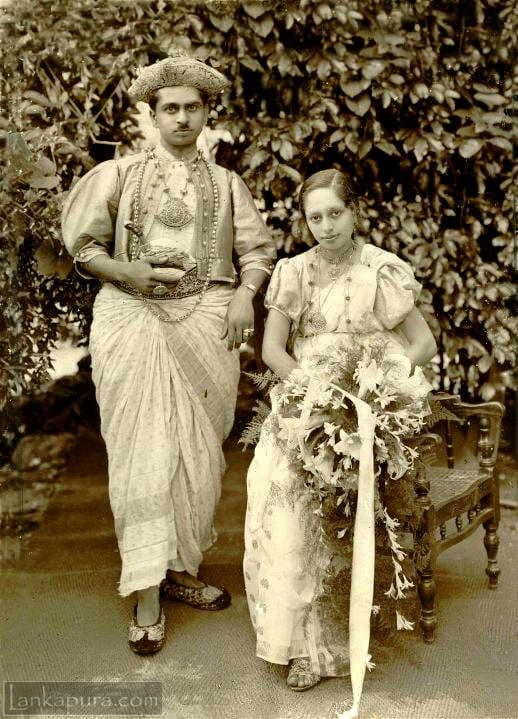
Meanwhile, in the Kandyan Kingdom, a different history of ceremonial clothing continued. Courtly textiles, draped garments and jewellery traditions reflected a political and cultural world that remained separate from European rule of the maritime provinces until 1815. The dress of Kandyan women was itself changing over time, but it did not follow the same course as clothing in the colonial coastal settlements.
This distinction is important when looking at the history of Ceylonese bridal fashion. Low Country and Kandyan clothing traditions were not interchangeable, and the wedding attire of women in these regions reflected different historical influences. The styles familiar from later Kandyan wedding photographs should not automatically be applied to brides living in coastal communities during the Portuguese or Dutch periods.
By the beginning of the nineteenth century, Ceylon already possessed a diverse clothing culture. The arrival of British rule would bring further changes, some of which became especially visible in the wedding wardrobe. But the island’s existing traditions remained an important part of how different communities dressed for marriage.
Queen Victoria and the Fashion for White Wedding Dresses
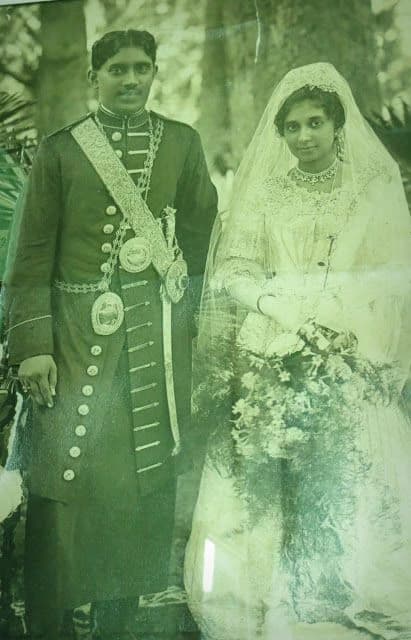
The Victorian age brought with it a particular ideal of the bride. In Britain, Queen Victoria’s marriage to Prince Albert in 1840 helped make the white wedding dress fashionable. Her gown of white satin, trimmed with Honiton lace, was widely described and illustrated, and over the following decades the image of a bride dressed in white became increasingly popular.
White wedding dresses had existed earlier, but Victoria’s marriage gave the fashion extraordinary prominence. The style gradually became associated with fashionable weddings, particularly among families who could afford elaborate garments and the materials needed to make them. Lace, veils and carefully constructed gowns became familiar elements of nineteenth-century bridal fashion.
In Ceylon, this fashion formed part of a much wider British colonial influence. European clothing was associated in some circles with modern education, professional standing and participation in colonial society. Families that furnished their homes with European furniture or sent their children to English-medium schools might also look towards European fashions when preparing for a wedding.
The white gown therefore entered Ceylonese bridal culture through a combination of fashion, religion, social aspiration and changing ideas about appropriate ceremonial dress. It was never a change experienced by every community in the same way, but it gradually became a recognisable feature of weddings within Western-influenced circles.
The Victorian Bride in Old Ceylon
The high-necked gown, fitted bodice, long sleeves and full skirt became features of nineteenth-century bridal fashion. Lace veils and floral ornaments completed the appearance. These were not necessarily garments suited to everyday life in a tropical country, but a wedding was an occasion when practicality could give way to ceremony.
One can imagine the excitement surrounding the preparation of such a dress. A family might select the fabric, consult a seamstress and have the gown fitted and altered before the wedding. The veil had to be arranged, the flowers chosen and every detail prepared for a day that would be remembered long afterwards. The making of the gown itself could become an important part of the preparations.
A bride wearing a European-style gown in Old Ceylon was not necessarily abandoning her family’s traditions. She might still wear inherited jewellery, participate in customary family gatherings and observe religious practices that had been part of her community for generations. The gown was one element of a larger occasion in which different customs could exist alongside one another.
Nor should the introduction of Victorian bridal fashion be mistaken for a universal change across the island. White gowns were particularly associated with Christian marriage and Western-influenced social circles, while brides in many other families continued to wear sarees, local draped garments or clothing appropriate to their own ceremonial traditions.
The changes were also shaped by cost. Imported fabrics, elaborate tailoring and lace could be expensive. A family with the means to commission a fashionable gown had opportunities that others did not. As in Britain itself, the spread of the white wedding dress was tied not only to changing taste but also to the ability to afford a garment often reserved for one special occasion.
Colonial bridal fashion in Ceylon When Wedding Photography Preserved Changing Fashions
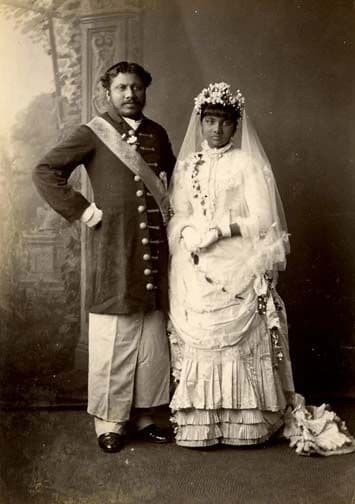
By the late nineteenth century, photography was adding another dimension to bridal fashion. A wedding portrait could preserve not merely the faces of the couple but also the clothes chosen for their marriage. The bride’s gown, the groom’s jacket, the jewellery and the veil became part of a permanent family record.
This helps explain why some old wedding photographs appear unusually formal. Couples stood carefully arranged before painted studio backgrounds, their finest clothes presented for the camera. They were preserving an important occasion, and the resulting photograph might remain in the family for generations, long after the people pictured had disappeared.
As the twentieth century approached, European bridal fashion continued to change. Victorian gowns gave way to later styles, with different necklines, sleeves, skirts and veils. Ceylonese brides who favoured Western clothing could follow these developments, while local tailors and seamstresses adapted fashionable designs according to available fabrics and individual preferences.
The photographs left behind provide useful evidence of those changes. They show how clothing traditions evolved within families and communities, revealing differences that written accounts of weddings do not always record. A single wedding portrait can preserve details of fabric, tailoring and jewellery that might otherwise have been forgotten.
The Changing Wardrobe of the Low Country Bride
The colonial influence was not confined to the white gown. The spread of Western-style blouses, jackets, skirts and formal clothing altered the wider wardrobe of Ceylonese women. At the same time, the saree and osariya acquired changing cultural meanings. During the late colonial period, clothing became closely connected with ideas about respectability, religious identity and national tradition.
The osariya, historically associated with the Kandyan regions, eventually became widely recognised beyond the highlands. Its growing place in formal Sinhalese dress reflected changing fashions and ideas of cultural identity, rather than the survival of one unchanged ancient costume.
For the Low Country bride, this meant that the range of possible wedding clothing expanded further. The traditions of coastal households, the influence of European tailoring, the growing popularity of sarees and the continued appeal of white gowns all contributed to a varied bridal wardrobe. The choice of dress reflected not only personal preference but also religion, family expectations, social circumstances and the customs of the community.
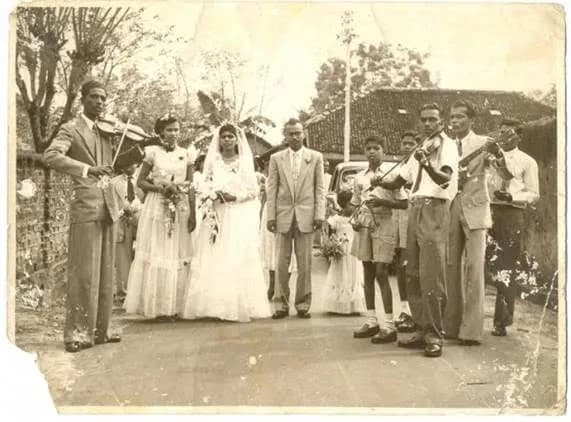
By the early decades of the twentieth century, wedding photographs could show considerable differences even within the same extended family. An older generation might appear wearing a cloth and jacket, while a younger bride wore a saree or a European gown. These contrasts reflected changes in fashion, education, religion and social circumstances rather than a simple replacement of one tradition by another.
The Groom Was Changing Too
The men were changing too. European suits, collars, neckties and formal jackets became more familiar at weddings, although local garments continued to be worn. Some earlier combinations of European coats and traditional lower garments gradually became less common in fashionable urban circles as Western-style formalwear gained popularity.
Wedding photographs from the late colonial period therefore provide a record of changing men’s fashion as well as bridal clothing. A groom might wear a formal European suit while his bride wore a saree, or both might appear in Western-style wedding attire. Other couples continued to favour dress associated with their families and communities.
What had begun as foreign clothing was slowly becoming ordinary. The tailored suit, like the white wedding gown, gradually became part of the wider range of clothing available for weddings in Ceylon, even as local traditions continued alongside it.
How Colonial Wedding Fashion Became Part of Sri Lankan Life
The years that followed brought further changes, but the colonial inheritance remained visible. White wedding gowns continued to be worn, particularly at Christian weddings. Lace veils, formal suits and European-style bridal accessories became familiar enough that their historical origins were seldom considered.
Meanwhile, Kandyan bridal dress and other local styles retained their importance. The modern Sri Lankan wedding increasingly offered a choice between different forms of ceremonial clothing, sometimes bringing them together within the same celebration.
A bride might wear a traditional osariya for her wedding and change into a white gown for the reception. Another might choose a Western gown from the beginning, while others preferred sarees or garments associated with their family and community traditions. These choices are part of a much longer story than the fashions of any one generation.
The Portuguese and Dutch had introduced clothing influences into coastal society centuries before the British period. Victorian fashion later gave the white bridal gown an enduring place in the wedding wardrobe. Local traditions continued alongside these changes, adapting and sometimes absorbing foreign elements without disappearing altogether.
What Old Wedding Albums Tell Us About Ceylon
There is something fascinating about seeing this history preserved in an old wedding album. A great-grandmother in a long Victorian-style gown, her veil carefully arranged around her shoulders, may look very different from a granddaughter dressed in a Kandyan osariya. Another family photograph might show a bride in a simple saree standing beside a groom in a Western suit. Each image belongs to a different moment in the island’s changing social history.
The clothing may appear old-fashioned now, but the reasons behind those choices remain surprisingly familiar. Families still consider tradition, fashion, expense, personal preference and what they believe will make a wedding memorable. The details of the garments change, but the desire to dress appropriately for an important family occasion remains.
Perhaps the greatest change is that garments once associated with European colonial society are now thoroughly familiar within Sri Lankan life. The white bridal gown, lace veil and tailored suit have become part of the island’s wedding culture, even as older regional traditions continue to be celebrated.
What began as an encounter between different worlds became, over generations, a distinctly Ceylonese mixture of old and new. When we look at a faded wedding photograph from the nineteenth or early twentieth century, we are seeing more than the fashions of a forgotten bride. We are seeing a little of the history of colonial Ceylon, preserved in the fabric of a dress, the arrangement of a veil and the choices made by families living through a changing age.
Visit Us: https://trippingsrilanka.com/stories
More from Old Ceylon
Armour Street: The Colombo Road That Still Carries an Old Name
Gaffoor’s Building: The Forgotten Jewel of Old Colombo That Once Stood at the Heart of Ceylon’s Trading Empire