A Hidden Club in the Tea Country
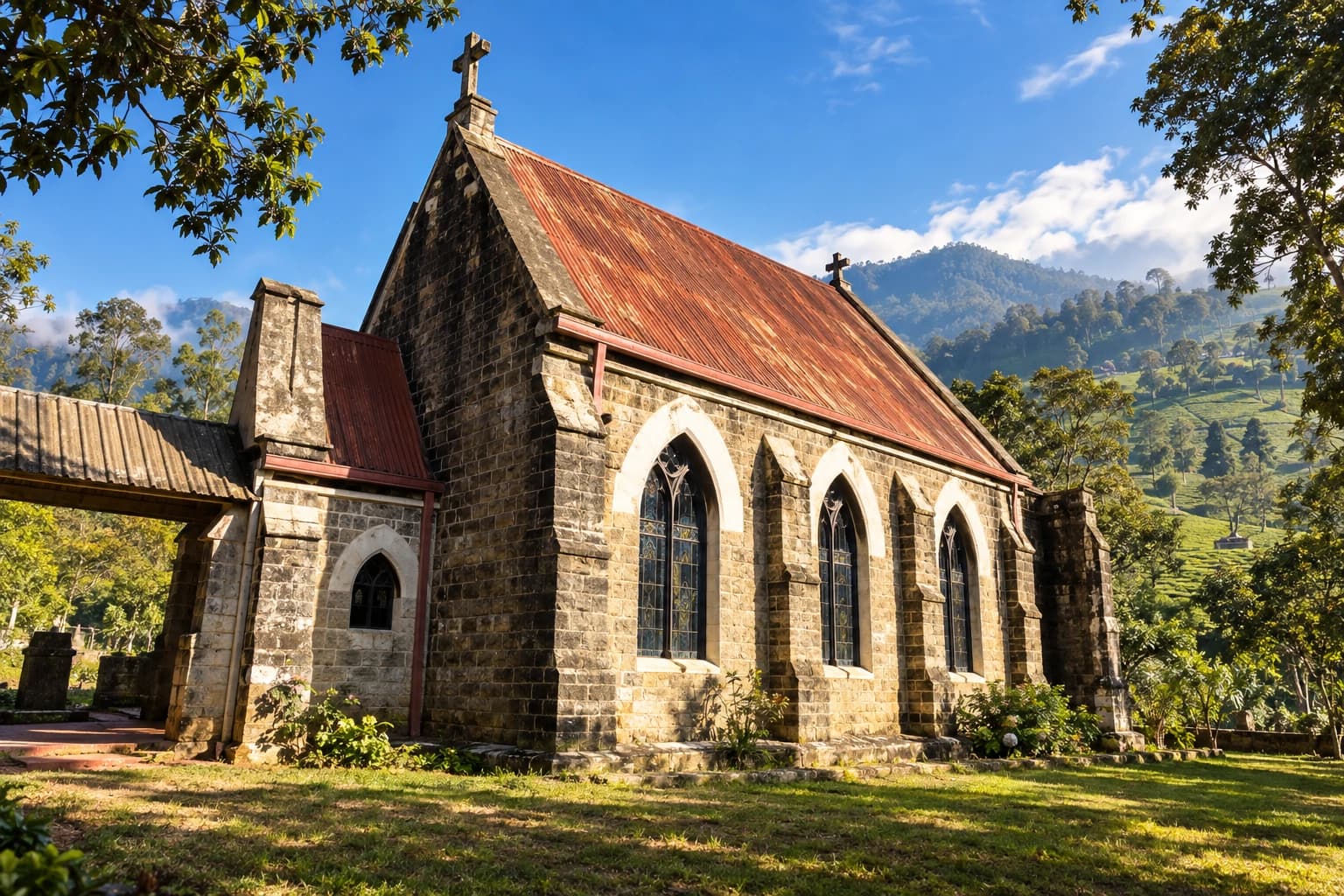
Nestled among the rolling tea estates of Dickoya, where mist drifts across emerald hills and colonial-era bungalows still overlook the valleys, stands one of the most historic sporting venues in Sri Lanka’s hill country: Darrawella Club.
Although little known outside plantation and sporting circles today, Darrawella Club was once regarded as one of the finest country clubs in colonial Ceylon. Founded in 1868, it became a social, sporting and cultural centre for the tea planting community of the central highlands.
For generations, the club hosted planters, visiting dignitaries, cricketers, rugby players and estate families. Its grounds witnessed matches, gatherings, dinners, celebrations and moments that connected plantation life with the wider sporting history of the island.
Today, Darrawella Club remains a quiet but important reminder of Old Ceylon — a place where tea, sport, landscape and colonial society came together.
Check our previous article- https://trippingsrilanka.com/stories/maha-uva-estate-halgranoya
A Club Built in the Heart of Plantation Country
During the nineteenth century, the central highlands of Ceylon changed dramatically. Coffee estates first spread across the hills, and when coffee disease devastated the industry, tea became the dominant crop. By the late nineteenth century, vast areas around Hatton, Dickoya, Maskeliya, Bogawantalawa and Nuwara Eliya had been transformed into plantation country.
This was the world in which Darrawella Club was born.
European planters working in remote estates often lived far from Colombo and other urban centres. Their lives were shaped by the demands of estate management, unpredictable weather, difficult roads and social isolation. Plantation clubs became important institutions because they provided a place for rest, sport, conversation and community.
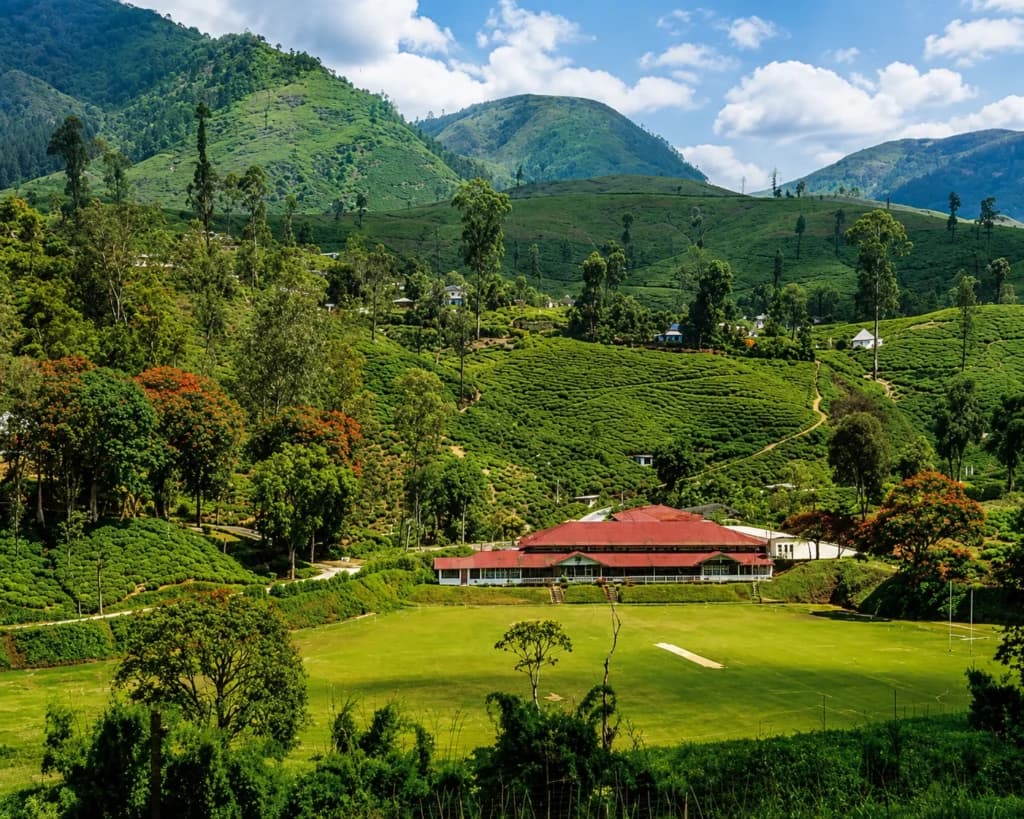
Darrawella Club was established just outside Dickoya, surrounded by some of the island’s most productive tea estates. Unlike clubs placed dramatically on ridges or hilltops, Darrawella occupies a gentler valley setting. This gives it a special character: intimate, green, sheltered and deeply connected to the surrounding plantations.
The Setting: Tea Fields, Valleys and Mountain Air
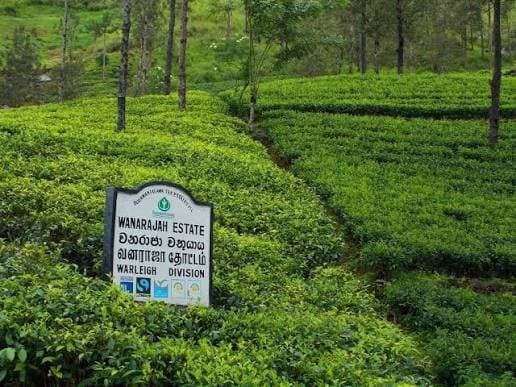
One of the most striking features of Darrawella Club is its setting.
From the grounds, visitors can see the surrounding estates rising across the hills. The landscape includes views towards Wanarajah Estate, while the entrance itself is framed by the tea fields of Darrawella Estate.
This setting is central to the club’s identity. Darrawella was not built apart from the plantation world. It was created within it.
The tea bushes, estate roads, distant bungalows and cool hill-country air all form part of the club’s atmosphere. Even today, the landscape helps visitors imagine how the place may have appeared to planters more than 150 years ago.
Unlike a modern sports ground in a city, Darrawella’s charm comes from its relationship with the land. Cricket and rugby were played against a backdrop of tea-covered slopes, shifting mist and highland silence.
Why Plantation Clubs Mattered in Old Ceylon
Plantation clubs were more than leisure spaces.
They were social centres for estate communities. In the isolated world of the tea districts, clubs helped create a sense of order, familiarity and companionship. They offered a place where planters could meet others facing the same challenges of estate life.
A club like Darrawella would have been used for:
- Cricket and rugby matches
- Social evenings and dinners
- Dances and seasonal celebrations
- Meetings between estate managers
- Visits by officials and guests
- Informal discussions about plantation life
- Community events for families
These clubs reflected the social structure of colonial Ceylon. They were often exclusive and closely tied to the planter class. At the same time, they became important landmarks in the social geography of the tea country.
Darrawella Club was one of the most respected of these institutions.
Cricket in the Hills
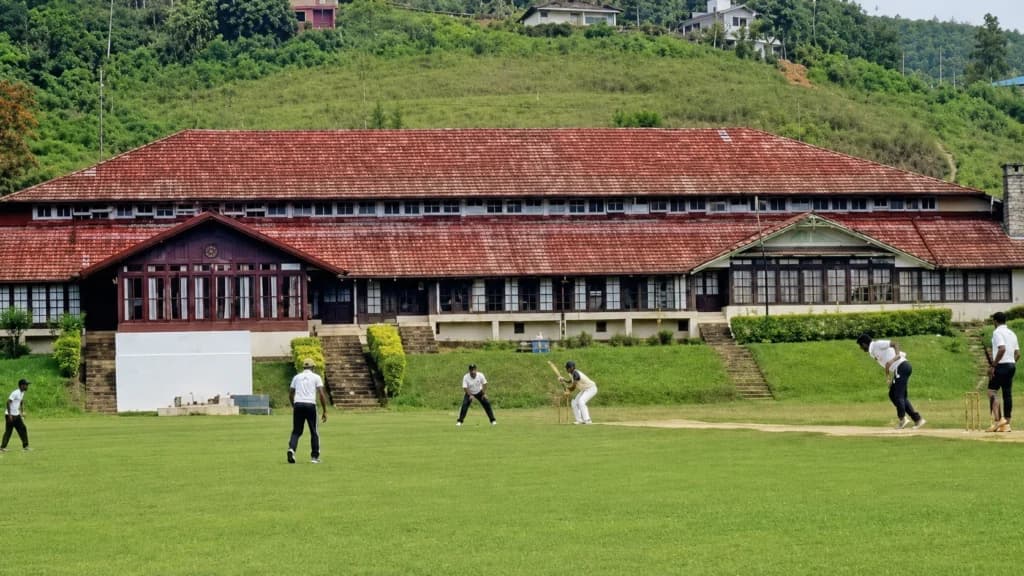
Among Darrawella Club’s greatest claims to fame is its cricket ground.
The ground became well known throughout the island for its beauty and atmosphere. Surrounded by tea-covered hills, it offered one of the most picturesque cricket settings in Ceylon.
Cricket was one of the most important sports in colonial society. It was played in schools, clubs, military grounds and plantation districts. In the tea country, cricket matches were not only sporting events. They were social occasions.
Planters, estate families and visitors would gather around the ground. The clubhouse verandahs offered excellent views of the field. Matches were watched not only for competition, but also for fellowship, conversation and ceremony.
At Darrawella, the game had a uniquely hill-country character. The air was cooler, the scenery was greener, and the sound of cricket carried across a landscape shaped by tea.
Rugby and the Sporting Culture of the Plantations
Cricket was not the only sport associated with Darrawella.
Rugby also played an important role in plantation life. The sport was popular among planters, clubs and schools in colonial Ceylon, especially in the hill country where the cooler climate made physical sport more comfortable.
Darrawella Club’s grounds hosted rugby matches and other sporting events that brought together players from estates and neighbouring communities.
Sport helped build identity among the plantation districts. Estate teams, club rivalries and inter-district matches gave rhythm to social life. They also created memories that lasted long after the matches ended.
For Old Ceylon travellers, this sporting heritage is important because it shows another side of the tea country. The plantations were not only places of labour and production. They were also landscapes of recreation, competition and community life.
The Clubhouse and Its Colonial Architecture
The Darrawella Clubhouse reflected the style and function of plantation clubs of the era.
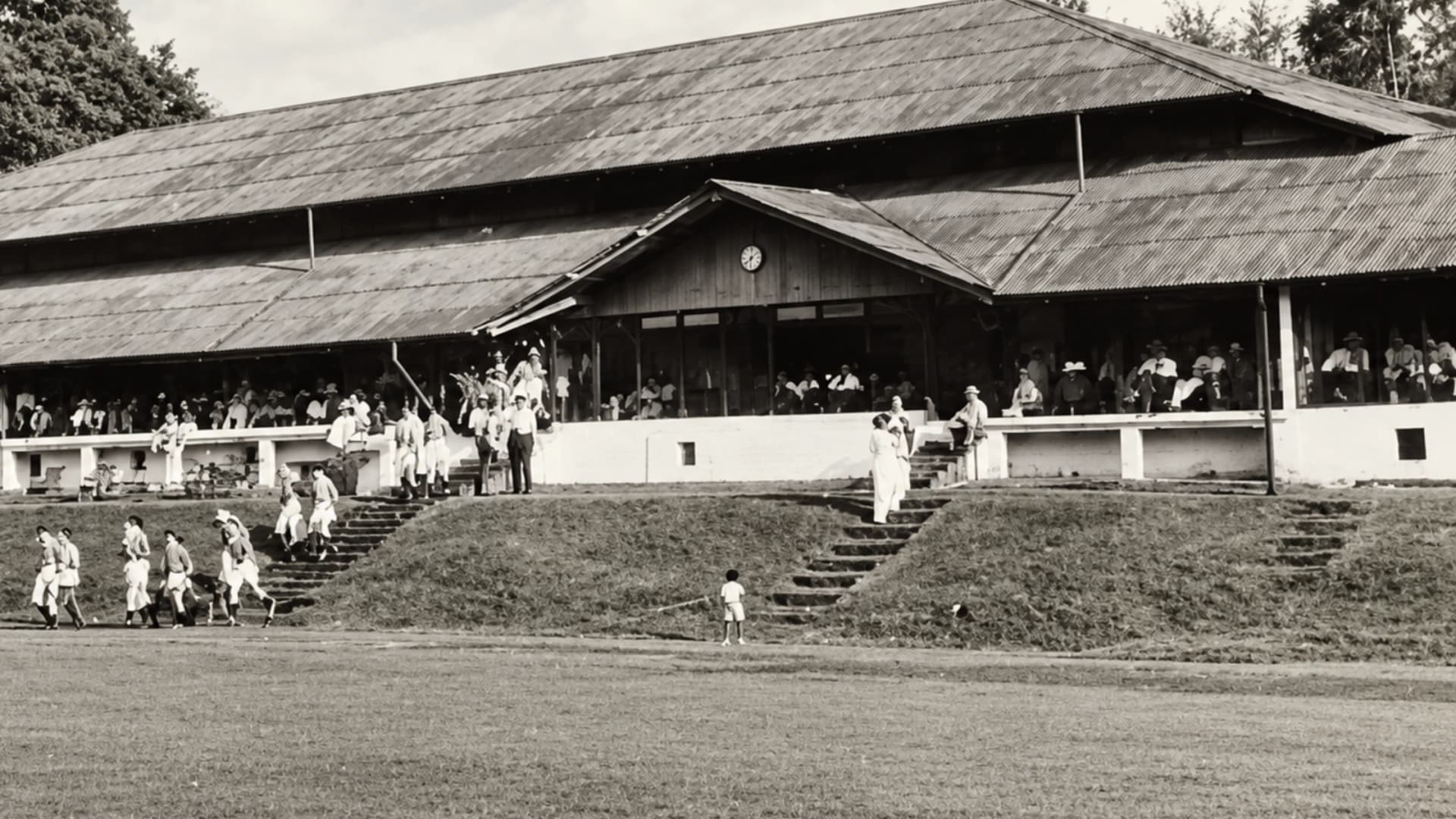
Like many colonial-era club buildings, it was designed for comfort, shade and social gathering. Wide verandahs overlooked the playing field, allowing members and guests to watch cricket or rugby while seated in the cool hill-country air.
The architecture was practical as well as elegant.
Verandahs protected against sun and rain. Large openings helped ventilation. The building’s relationship to the ground allowed sport and social life to flow together. One could watch a match, meet friends, enjoy refreshments and remain sheltered from the changing weather of the hills.
This style of building is an important part of Sri Lanka’s plantation heritage. It represents the built environment of estate society: clubs, bungalows, factories, churches, rest houses and railway stations.
Darrawella’s clubhouse therefore deserves attention not only as a sporting structure, but also as a piece of Old Ceylon architecture.
When International Cricket Came to Darrawella
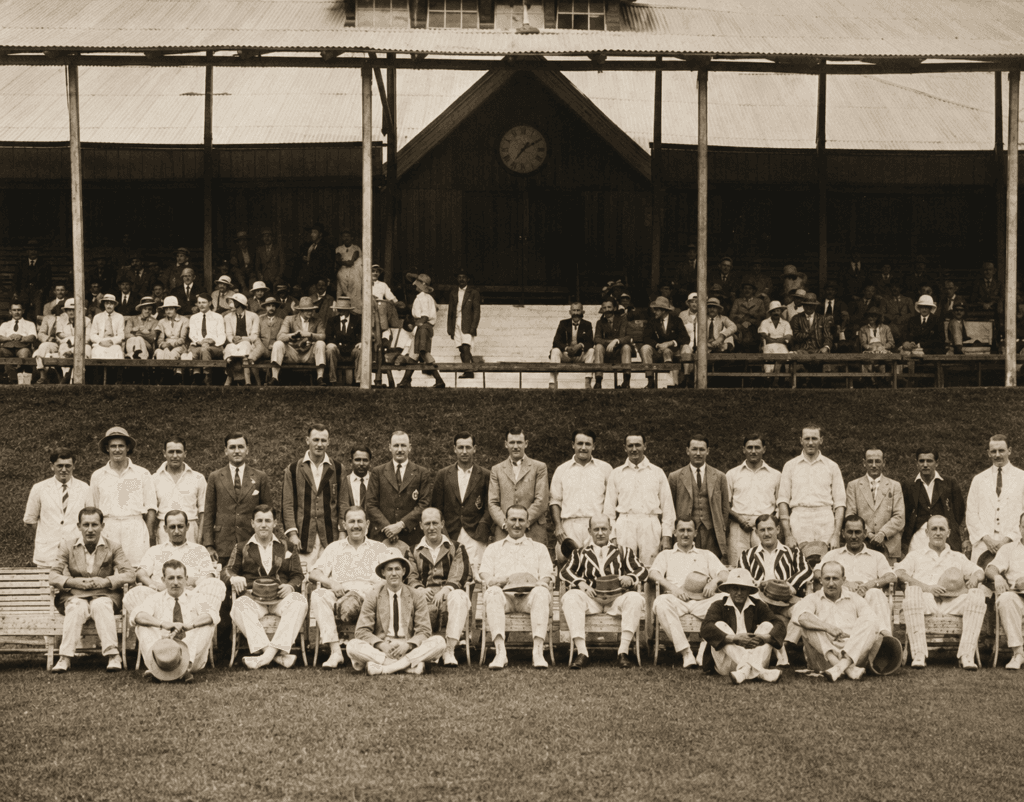
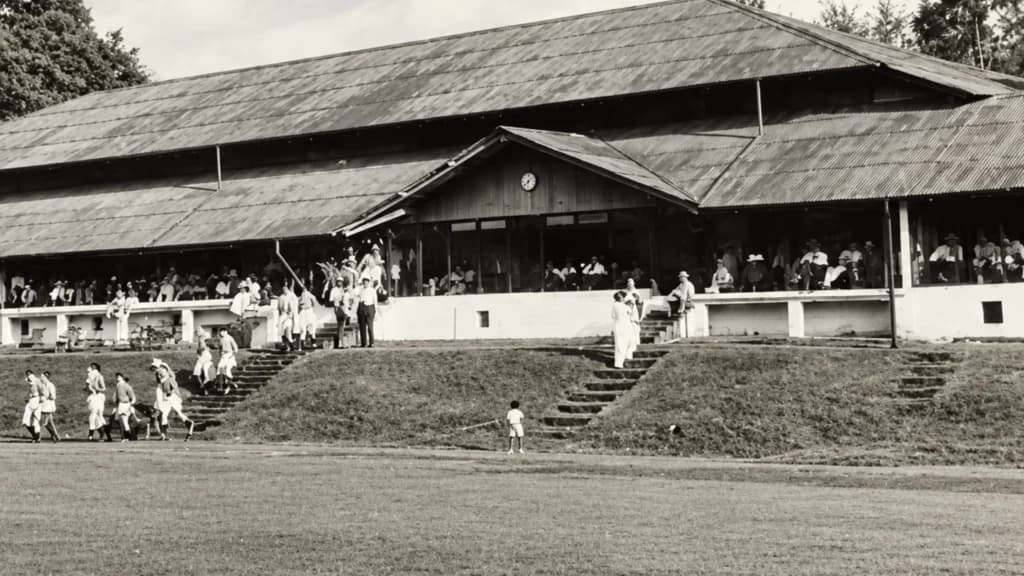
One of the most significant moments in Darrawella Club’s history came in 1934, when the Marylebone Cricket Club, better known as the MCC, toured Ceylon under the captaincy of Douglas Jardine.
Jardine was already one of the most controversial figures in world cricket following the infamous Bodyline Series against Australia in 1932–33. His arrival in Ceylon attracted enormous public interest, and Darrawella became one of the venues chosen to host the touring side.
This was a major moment for a plantation club.
The selection of Darrawella as a venue showed the reputation of its ground and the importance of cricket in the tea districts. It also placed a quiet hill-country club into the wider story of international cricket.
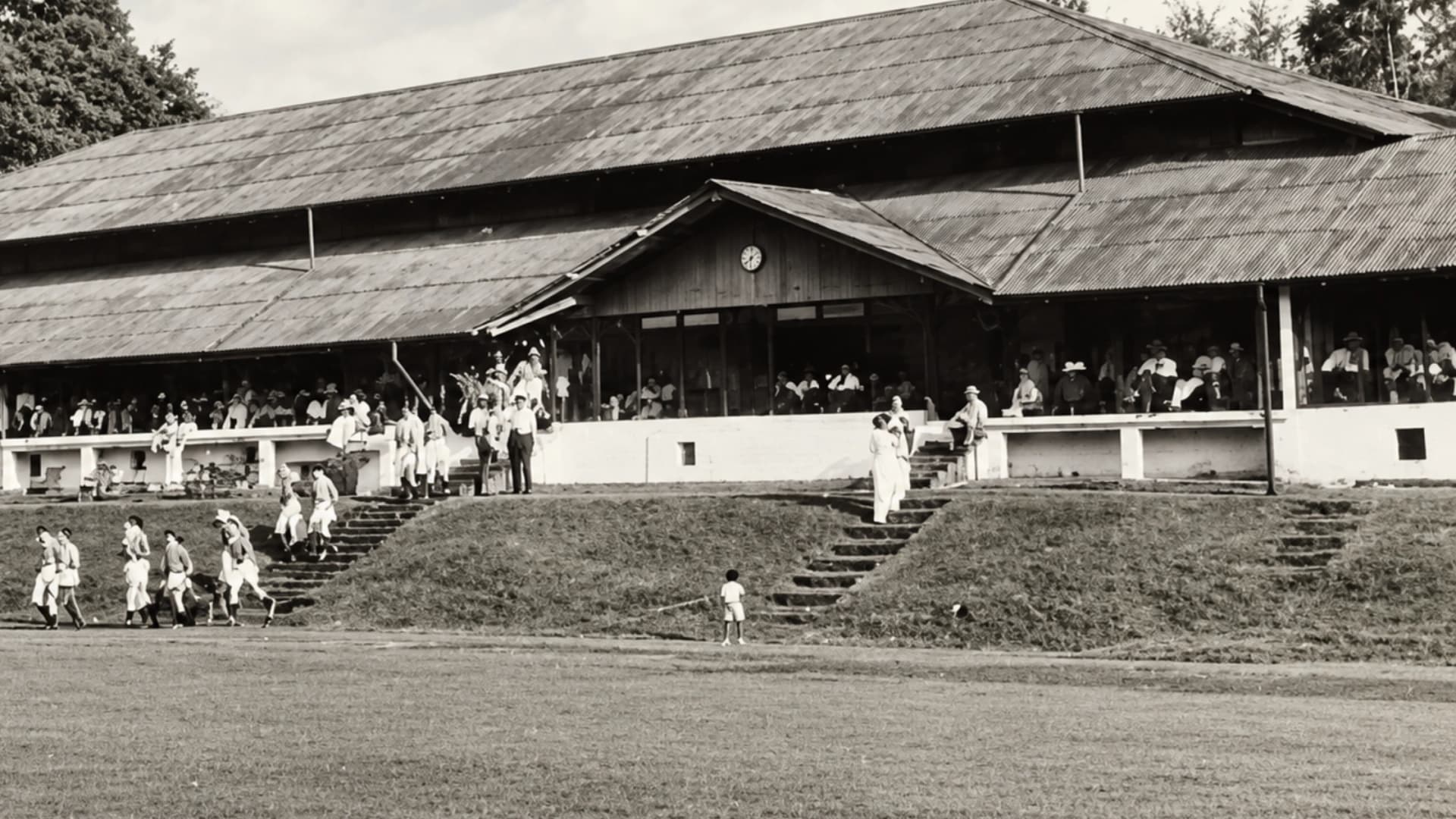
Historic photographs from that visit capture players, officials and spectators gathered before the clubhouse. These images preserve an extraordinary glimpse into colonial sporting life in the tea country.
For cricket historians, they represent one of the defining sporting memories of Sri Lanka’s plantation districts.
Douglas Jardine and the Bodyline Connection
The presence of Douglas Jardine adds a special layer to Darrawella’s story.
Jardine is remembered as the England captain during the Bodyline series, one of the most debated episodes in cricket history. Bodyline tactics caused controversy because of the way fast bowling was directed at the body of Australian batsmen, especially Don Bradman.
When Jardine came to Ceylon in 1934, he was not merely another visiting cricketer. He was a major international sporting figure whose name carried drama, debate and fame.
His appearance at Darrawella connected this quiet plantation ground to the larger world of imperial cricket.
This is what makes Darrawella so remarkable. A ground hidden among tea estates was once part of a cricketing route that involved some of the most talked-about players of the era.
A Legacy Beyond Sport
Darrawella Club represented more than cricket or rugby.
It symbolised the unique culture that developed around Ceylon’s tea plantations. Isolated estate communities created centres for recreation, fellowship and competition. These clubs became meeting places where the plantation world gathered outside the formal structure of work.
The club became woven into the identity of the surrounding estates. Generations of planters spent weekends attending matches, dinners, dances and seasonal celebrations. Visiting officials and guests were entertained there. Sporting events brought people together from different estates across the region.
Many of the traditions established during the early decades continued well into the twentieth century.
Darrawella therefore became not just a club, but a memory bank for the plantation community.
The People Behind the Plantation World
When telling the story of Darrawella Club, it is also important to remember the wider plantation society around it.
The tea country was not only shaped by planters and clubs. It was sustained by generations of estate workers, many of whom lived and worked in difficult conditions. Their labour created the tea landscapes that surrounded places like Darrawella.
The beauty of the grounds, the estate scenery and the wealth of the plantation districts were all connected to this labour history.
For modern heritage travellers, understanding Darrawella means seeing both sides of the story: the elegance of club life and the working world of the estates around it.
This balanced view makes the site more meaningful. It reminds us that Old Ceylon was layered, complex and often unequal — but also full of human stories worth preserving.
Darrawella and the Identity of Dickoya
The location of Darrawella Club near Dickoya is important.
Dickoya belongs to one of Sri Lanka’s classic tea districts. The area is associated with estates, old bungalows, churches, clubs, mountain roads and railway access through the wider Hatton region.
The landscape around Dickoya carries the atmosphere of plantation Ceylon more strongly than many better-known tourist towns. It is quieter than Nuwara Eliya and less commercialised than Ella. Yet it preserves a powerful sense of tea-country heritage.
Darrawella Club adds sporting and social history to that landscape.
It shows that Dickoya was not only a plantation area, but also a place where communities formed, sport flourished and the rhythms of estate life created institutions that lasted for generations.
A Quiet Survivor of Colonial Ceylon
Unlike many plantation clubs that have disappeared entirely, Darrawella still survives.
Although it no longer enjoys the prominence it once held, its grounds continue to evoke memories of a bygone era when tea, sport and community life were closely intertwined.
Standing beside the historic cricket field today, it is easy to imagine the cheers of spectators, the sound of leather striking willow, and the elegant gatherings that once filled the clubhouse verandahs overlooking the valley.
The survival of Darrawella is important because many such places have been altered, abandoned or forgotten. Each surviving club, bungalow, factory or railway station helps preserve a piece of Sri Lanka’s plantation history.
Darrawella remains one of the hidden heritage treasures of the hill country.
Why Darrawella Club Matters to Old Ceylon
Darrawella Club matters because it brings together several important themes in one place.
It is important because of:
- Its founding in 1868
- Its location in the historic Dickoya tea country
- Its role as a plantation social club
- Its cricket and rugby heritage
- Its picturesque ground surrounded by tea estates
- Its connection to the 1934 MCC tour
- Its association with Douglas Jardine
- Its colonial clubhouse and verandah culture
- Its importance to planter community life
- Its survival as a rare hill-country sporting landmark
Few sites in Sri Lanka combine plantation history and sporting heritage as clearly as Darrawella.
Visiting Darrawella Today
For heritage travellers exploring the central highlands, Darrawella Club offers a different kind of Old Ceylon experience.
It is not a grand tourist attraction or a major monument. Its value lies in atmosphere, memory and setting.
Travellers interested in the area can combine Darrawella with other hill-country heritage stops around Hatton, Dickoya, Norwood, Maskeliya and Nuwara Eliya. The region offers old tea estates, churches, bungalows, railway stations, reservoirs and mountain views.
A visit to Darrawella should be approached respectfully, especially because clubs and estate properties may have access restrictions. Even seeing the area and understanding its story adds depth to any journey through the tea country.
A Suggested Heritage Route Around Darrawella
Darrawella can be included in a wider Old Ceylon tea-country route.
A meaningful itinerary may include:
- Hatton railway town
- Dickoya tea country
- Darrawella Club and surrounding estate landscape
- Wanarajah Estate views
- Norwood and Bogawantalawa valley
- Castlereagh and Maussakelle reservoirs
- Old plantation bungalows and churches
- Nuwara Eliya or Adam’s Peak routes
This route helps travellers understand the plantation world beyond the usual tourist highlights.
It shows tea country as a living landscape of work, sport, architecture, memory and scenery.
Final Thoughts: A Sporting Memory Among the Tea Fields
Darrawella Club is one of the most atmospheric forgotten landmarks of Old Ceylon.
Founded in 1868, it became a social and sporting heart of the plantation community. Its cricket ground gained a reputation for beauty, its clubhouse witnessed generations of gatherings, and its role in the 1934 MCC tour connected it to international cricket history.
Today, Darrawella stands quietly among the tea estates of Dickoya.
It may no longer hold the fame it once enjoyed, but its story remains powerful. It reminds us that the tea country was not only a place of factories and fields. It was also a place of sport, society, memory and community life.
For Tripping Sri Lanka readers, Darrawella Club is exactly the kind of hidden Old Ceylon landmark worth rediscovering.
It is a forgotten sporting ground, a plantation club, a cricket memory and a surviving fragment of the hill country’s colonial past.
Visit Us: https://trippingsrilanka.com/stories
Heritage places mentioned
Darrawella Club
More from Old Ceylon

Colombo Public Library at 100: The Names That Still Remain
The Toll Gate at the Bridge: When Travelling Across Ceylon Cost a Few Cents at a Time