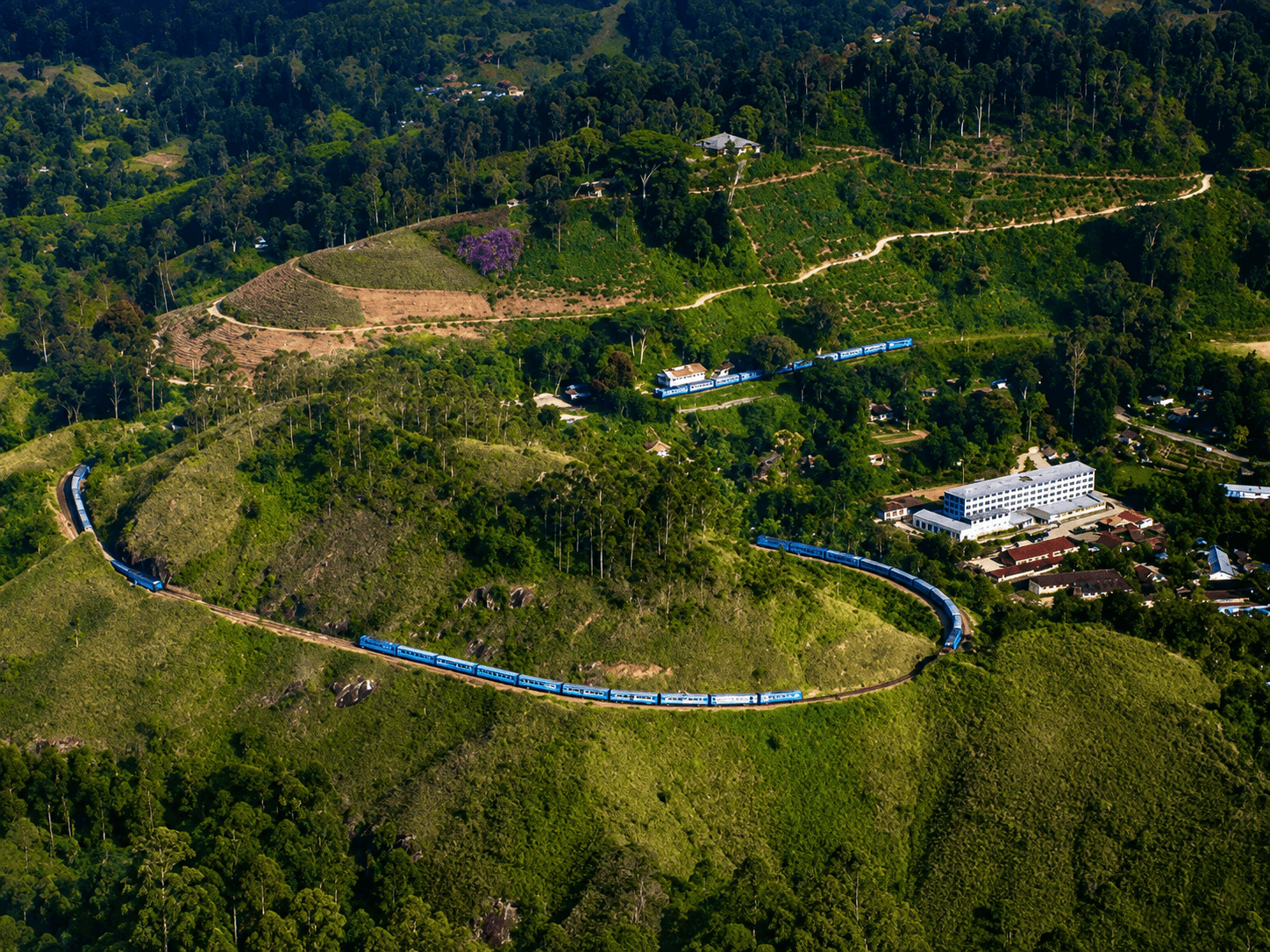
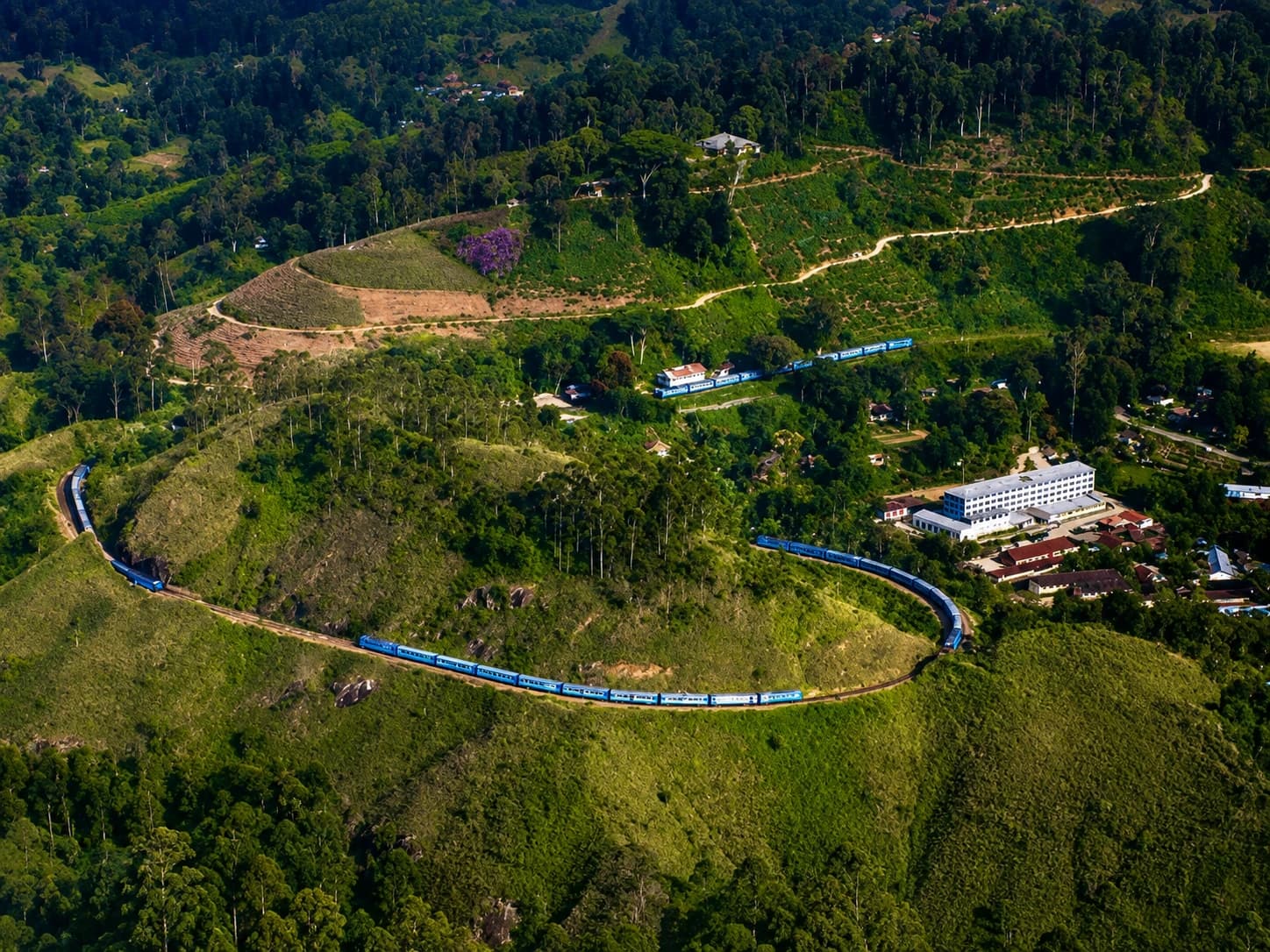
Hidden among the mist-covered hills and tea estates of Sri Lanka’s Uva Province is one of the most ingenious surviving structures from the railway age of Old Ceylon. At Demodara, the railway line curls around a hillside, passes beneath itself through a tunnel and runs directly below the railway station.
Known as the Demodara Loop, or Demodara Getaya, this extraordinary formation was created to solve one of the greatest engineering challenges encountered during the construction of the railway towards Badulla.
The railway that transformed Old Ceylon
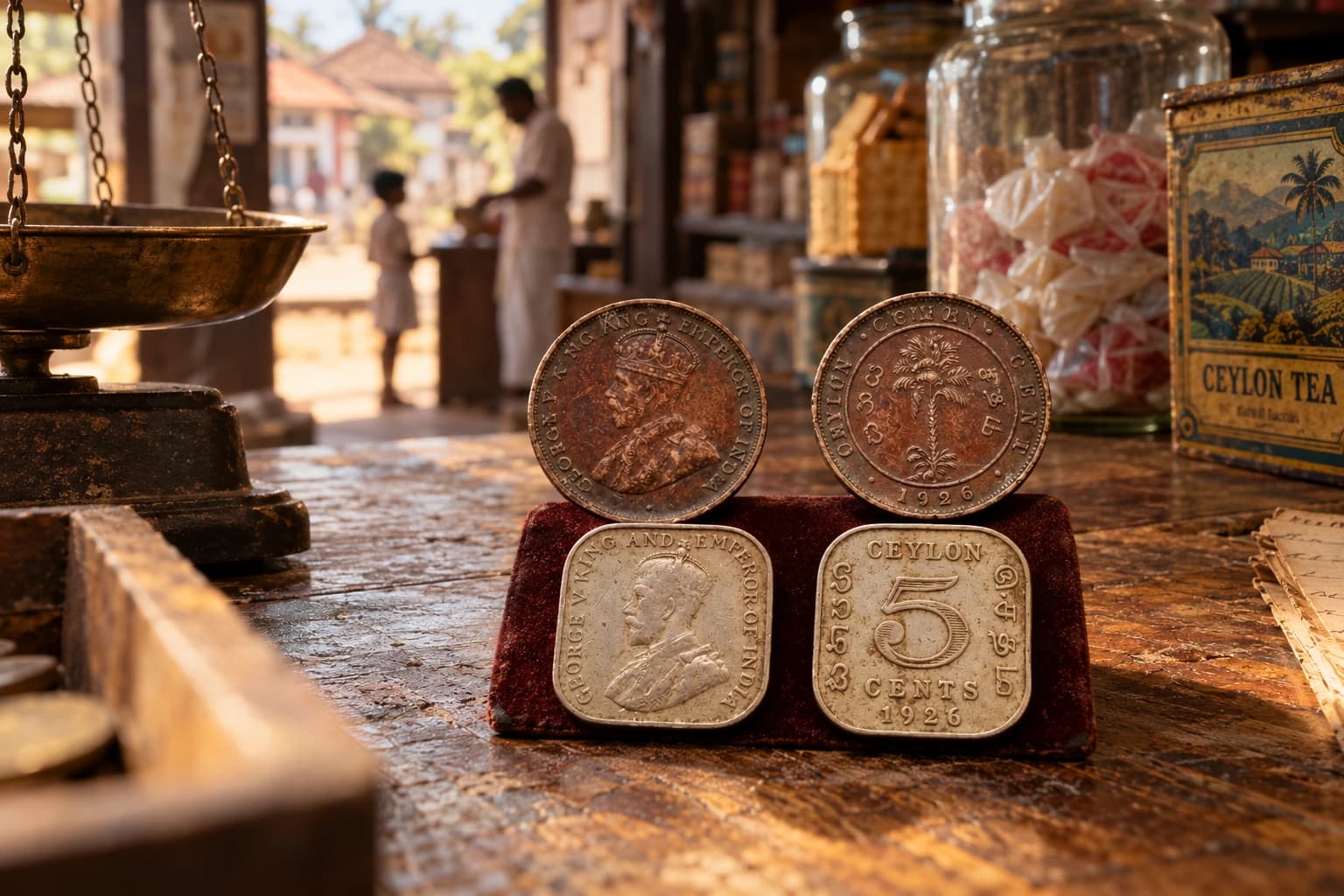
The railway system of Old Ceylon was originally developed by the British colonial administration to transport plantation produce from the interior to the port of Colombo. Coffee was initially the dominant crop, followed by tea after disease devastated many of the island’s coffee plantations.
Construction of Ceylon’s first railway began in 1858. The first section connected Colombo with Ambepussa, before the Main Line gradually advanced into the central highlands.
The railway reached Kandy in 1867, Nawalapitiya in 1874, Nanu Oya in 1885 and Bandarawela in 1894. After the First World War, the line was extended to Ella in 1918 and Demodara in 1921. The railway finally reached Badulla in 1924, completing one of the most difficult sections of the Ceylon Government Railway network.
The route was more than a means of transport. It connected remote plantation districts with Colombo, encouraged the development of hill-country towns and carried tea, mail, officials, estate workers and passengers across the island.
Check our previous article- https://trippingsrilanka.com/stories/uda-pussellawa-railway-blackpool
An impossible climb through the hills
The landscape near Demodara presented railway engineers with a serious problem. The difference in elevation was too great for a train to climb directly without exceeding the maximum gradient permitted by the Ceylon Government Railway.
The ruling gradient was approximately 1 in 44, meaning the railway could rise by only one unit for every 44 units travelled horizontally. A steeper track would have made it difficult and potentially dangerous for the steam locomotives of the period to operate.
Instead of attempting a direct ascent, the engineers lengthened the railway by wrapping it around the hillside. This allowed the train to gain or lose height gradually while remaining within the permitted gradient.
How the Demodara Loop works
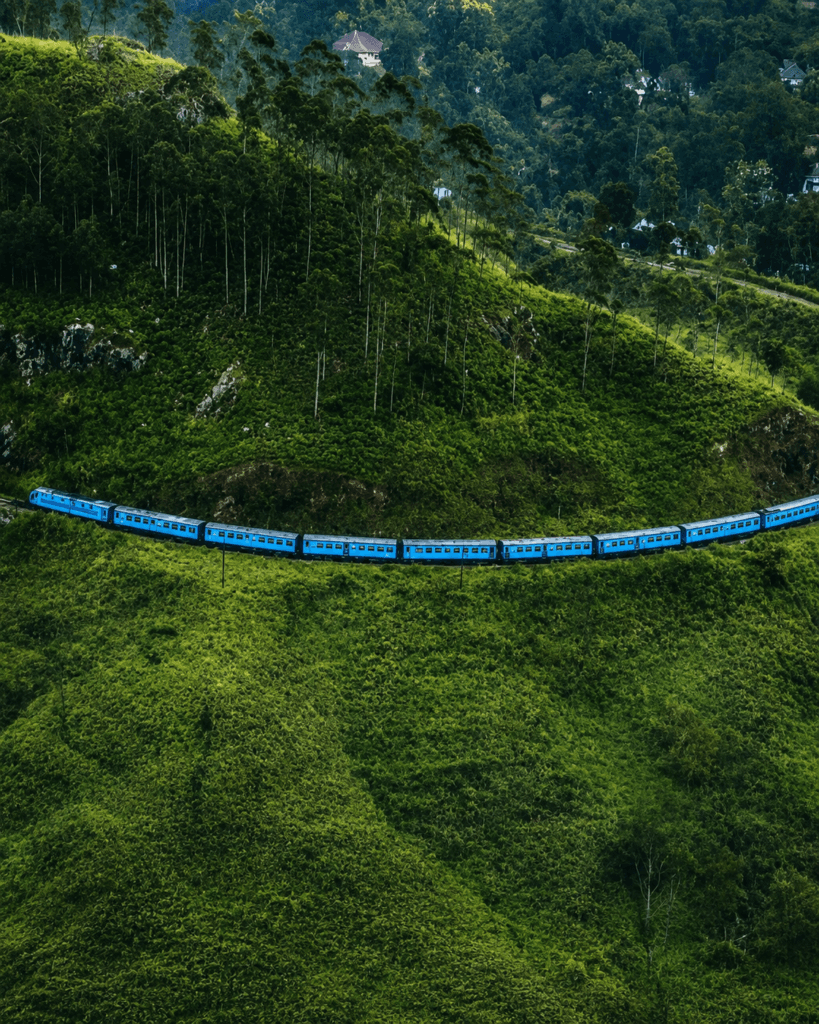
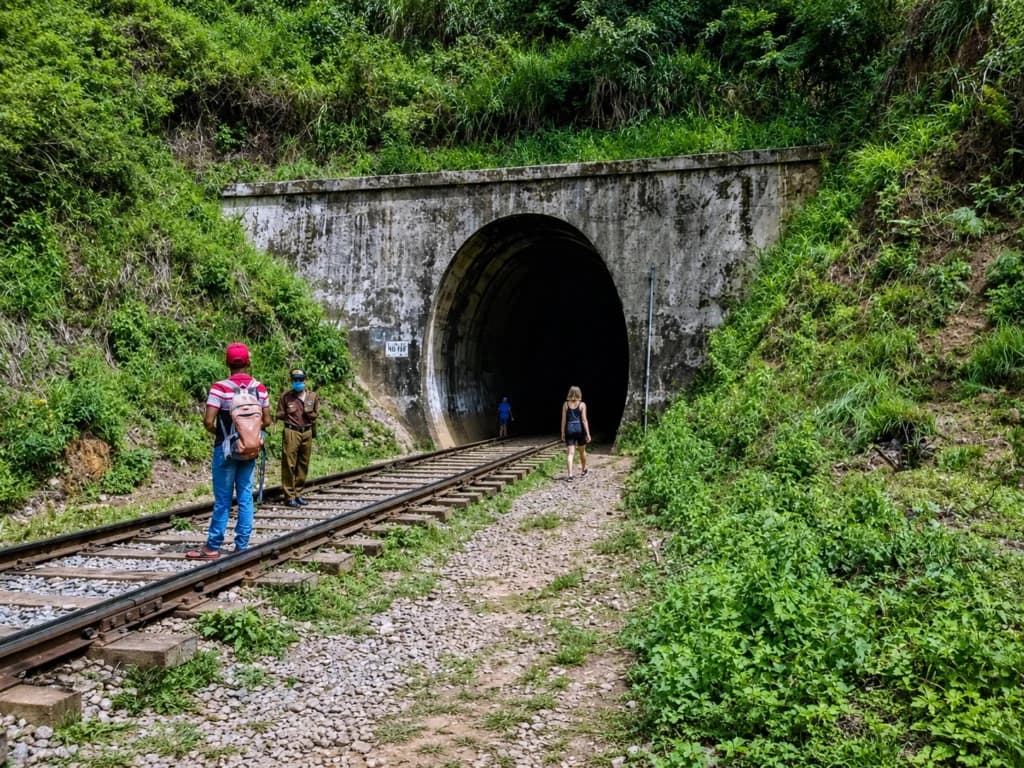
The Demodara Loop is approximately 900 metres long. The track curves around the hill before passing through a tunnel located directly beneath Demodara railway station.
A train travelling through the loop therefore passes below the same station it either recently departed from or is about to reach, depending on its direction of travel.
The tunnel is situated beneath the station complex, creating the remarkable appearance of the railway crossing under itself. Rather than being a decorative feature, the loop is a carefully calculated piece of practical railway engineering.
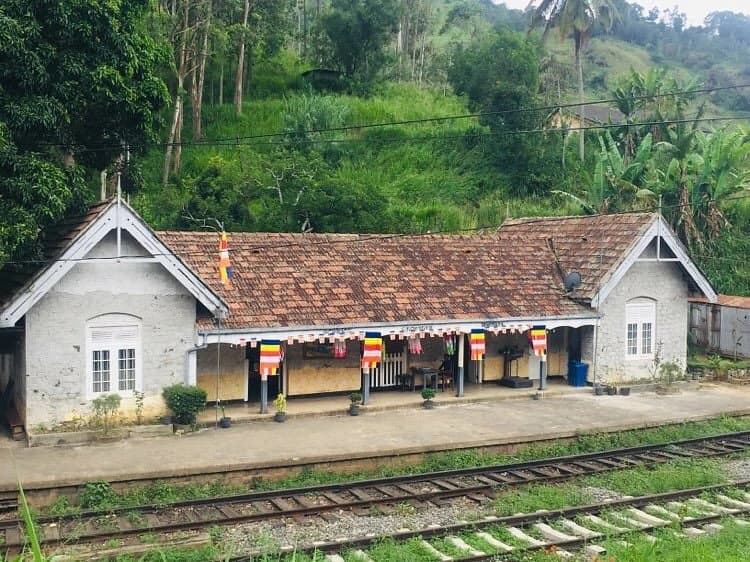
Demodara station stands roughly 912 metres above sea level and opened to railway traffic in March 1921. Its position above the tunnel makes the station an integral part of the engineering formation rather than merely a nearby building.
The famous turban story
A popular local story claims that the idea for the loop came from watching a plantation supervisor, traditionally known as a kangany, wrap a turban around his head.
According to the tale, the circular movement of the cloth inspired the engineers to wind the railway around the hill in a similar manner. Some versions connect the design with the celebrated Ceylonese engineer D. J. Wimalasurendra, who later became famous for his contribution to hydroelectric power development.
The story has become an important part of Demodara’s identity. However, no conclusive historical record has been found proving that the turban directly inspired the design. It is therefore best understood as local folklore rather than established engineering history. Sources attribute the project more broadly to the engineers involved in extending the line towards Badulla, with Wimalasurendra sometimes included among them.
Steam trains, tea estates and colonial Ceylon
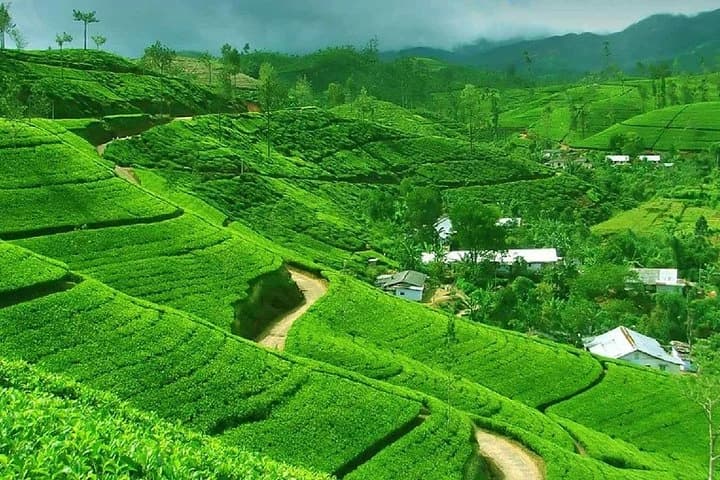
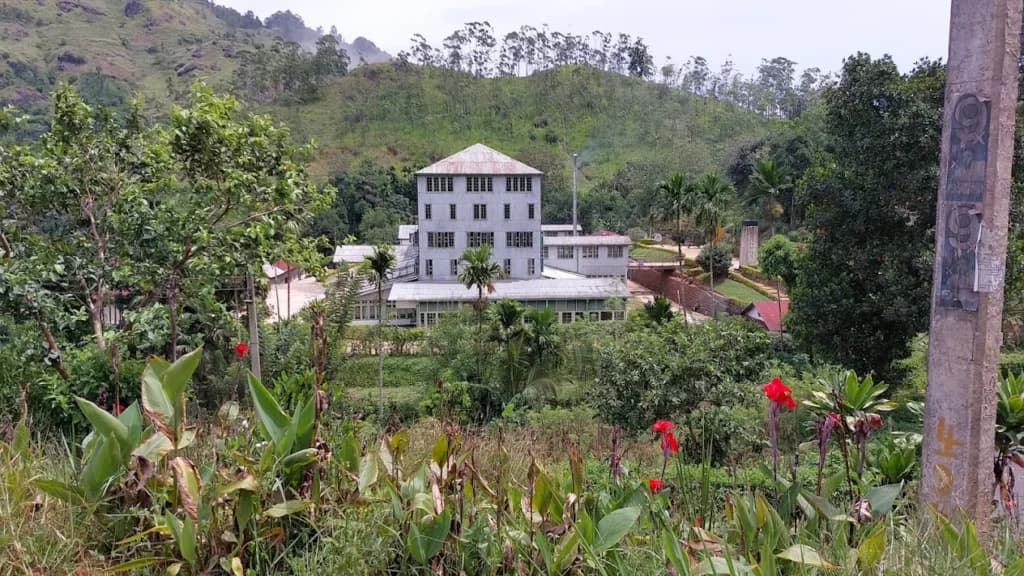
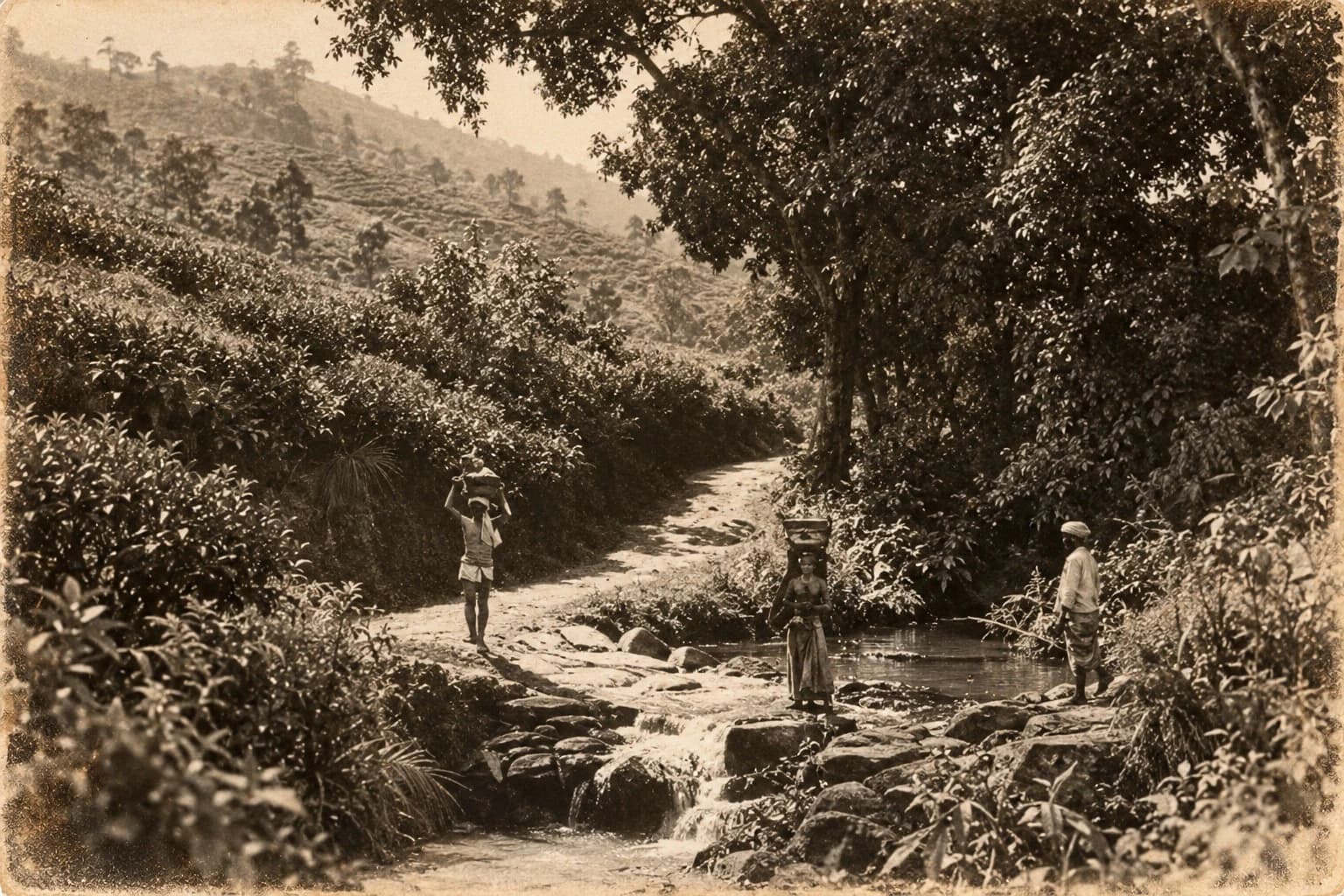
When the Demodara railway was completed, steam locomotives travelled through a landscape dominated by tea estates, plantation bungalows, estate factories and small settlements.
The railway was built primarily to serve the colonial plantation economy. Tea produced in the highlands could be transported more efficiently towards Colombo Harbour and shipped to international markets under the name Ceylon Tea.
Yet the railway’s history was not created only by colonial administrators and British engineers. Ceylonese surveyors, engineers, clerks, station masters and railway workers helped operate and maintain the system. Large numbers of labourers performed the dangerous physical work of cutting through hills, building embankments, laying tracks and excavating tunnels.
The surrounding plantation country was also shaped by generations of Tamil labourers brought from South India to work on the estates. Their communities became an essential part of the social and economic history of the hill country.
The Demodara Loop therefore represents more than colonial engineering. It also reflects the labour, commerce and social transformations that shaped Old Ceylon.
Part of a remarkable railway landscape
Demodara forms part of one of Sri Lanka’s most celebrated railway landscapes. Nearby stands the Nine Arch Bridge, another enduring symbol of the journey between Ella and Badulla.
Although the Nine Arch Bridge receives greater attention from visitors, the Demodara Loop is arguably the more unusual engineering achievement. The entire hillside, station, tunnel and curved railway must be understood together to appreciate how the formation works.
A train may appear near the station, disappear behind the vegetation, enter the tunnel below and then reappear at a different elevation. From a suitable viewpoint, the movement reveals the careful geometry hidden within the landscape.
A living monument
Unlike many colonial ruins, the Demodara Loop is not an abandoned structure. It remains part of Sri Lanka’s operational Main Line, carrying regular passenger trains between Colombo and Badulla.
Its continued use more than a century after its construction demonstrates the effectiveness of its original design. The station office has also received formal heritage recognition, being declared an archaeological protected monument through a government notification dated 1 February 2023.
Visitors should remember that the loop, tunnel and railway tracks form part of an active railway. The safest way to experience the site is from authorised public areas and recognised viewpoints while following instructions from railway officials.
An enduring wonder of Old Ceylon
The Demodara Loop remains one of the finest examples of railway engineering inherited from Old Ceylon.
Its importance lies not only in the novelty of a train passing beneath its own station, but in the intelligence of the solution. Faced with steep terrain and the limitations of steam-powered trains, the engineers did not attempt to conquer the mountain with a dangerously direct route. They worked with the landscape, extending the railway around the hill until the required elevation could be reached safely.
More than a century later, trains continue to follow the same remarkable path.
The Demodara Loop is a living connection between modern Sri Lanka and the railway age of Old Ceylon—a place where engineering, plantation history, folklore and mountain scenery meet upon a single winding track.
Visit Us: https://trippingsrilanka.com/stories
Heritage places mentioned