A Lost Railway Through Sri Lanka’s Tea Country
Today, travellers heading to Nuwara Eliya usually arrive by road from Nanu Oya, winding through cool mountain scenery, tea estates, misty bends and colonial-era landscapes. But more than a century ago, this journey had a very different charm.
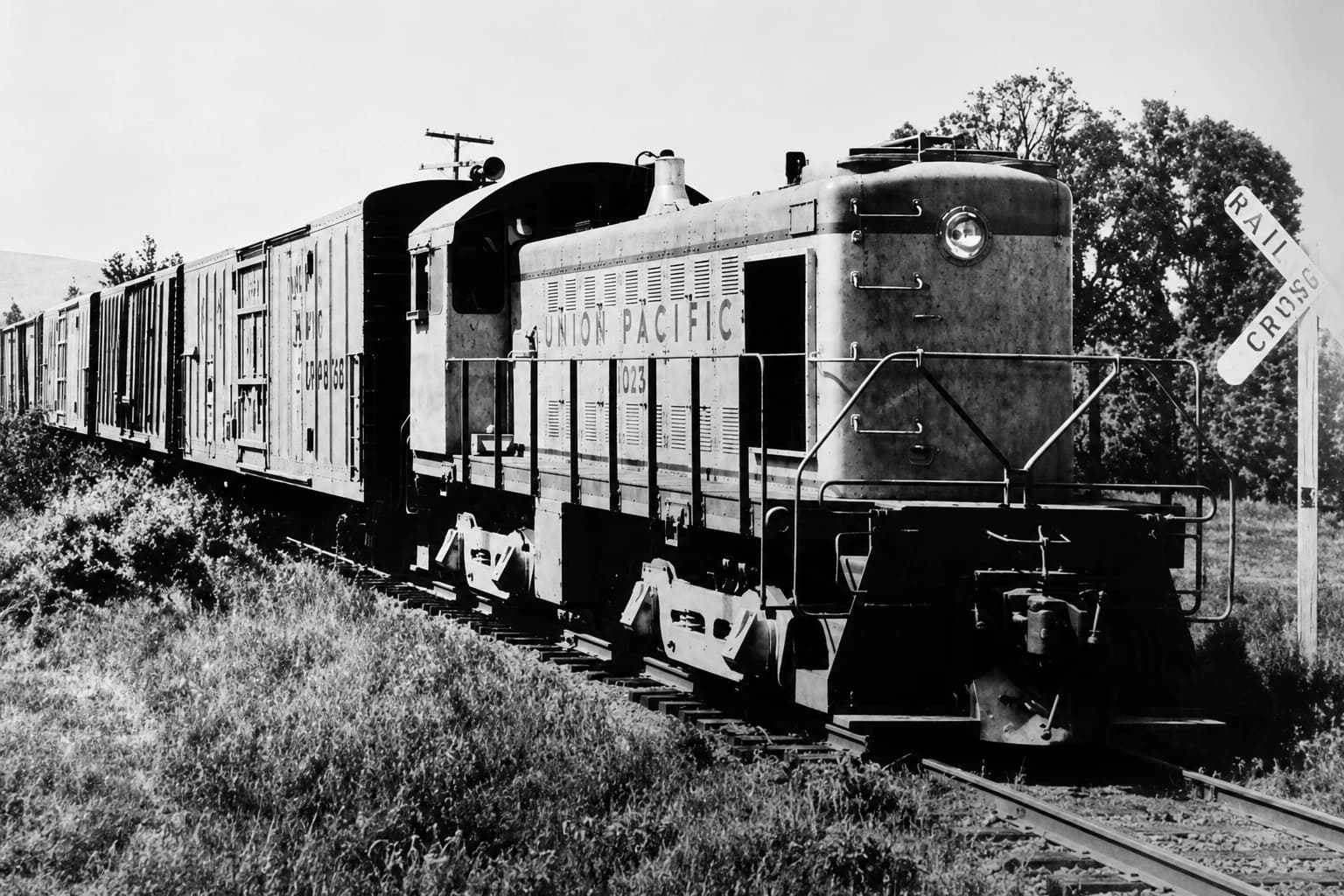
A narrow-gauge mountain railway once climbed from Nanu Oya towards Nuwara Eliya and continued through the highlands to Ragala. Known as the Uda Pussellawa Railway, or UPR, this short but remarkable line was one of the most scenic railway routes in colonial Ceylon.
Among its important stops was Blackpool Station, a now-forgotten name in Sri Lanka’s railway history. It was one of the main stations on the route and played a useful role in connecting the Nanu Oya railhead with the tea estates and settlements of the Nuwara Eliya district.
Although the railway disappeared decades ago, its story still adds a fascinating layer to the hill country travel experience.
Check our previous article – https://trippingsrilanka.com/stories/british-built-railway-stations
What Was the Uda Pussellawa Railway?
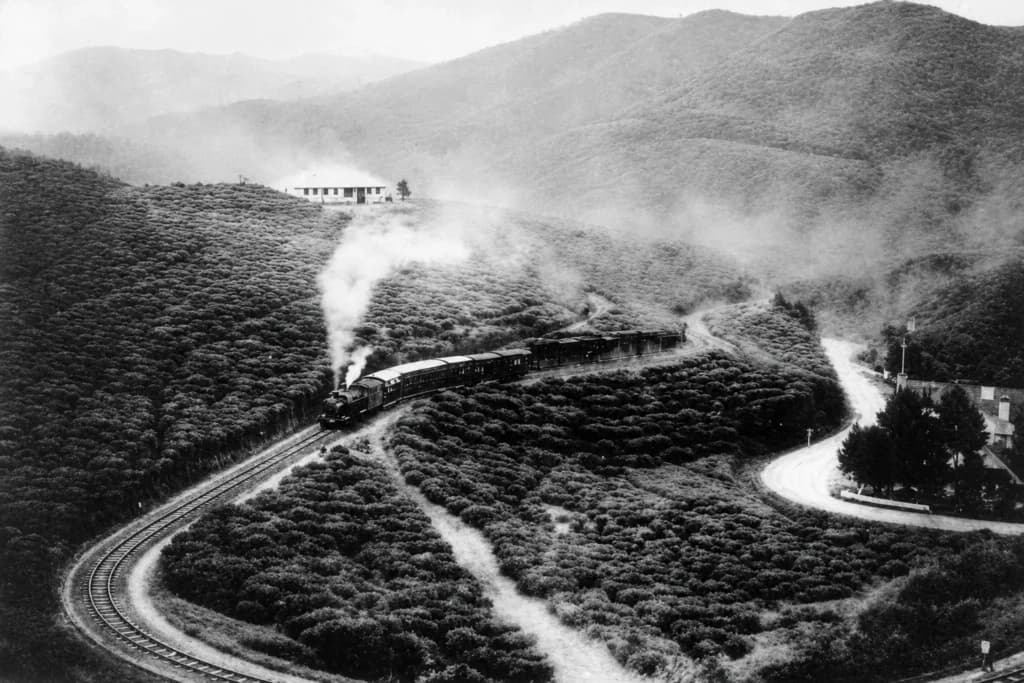
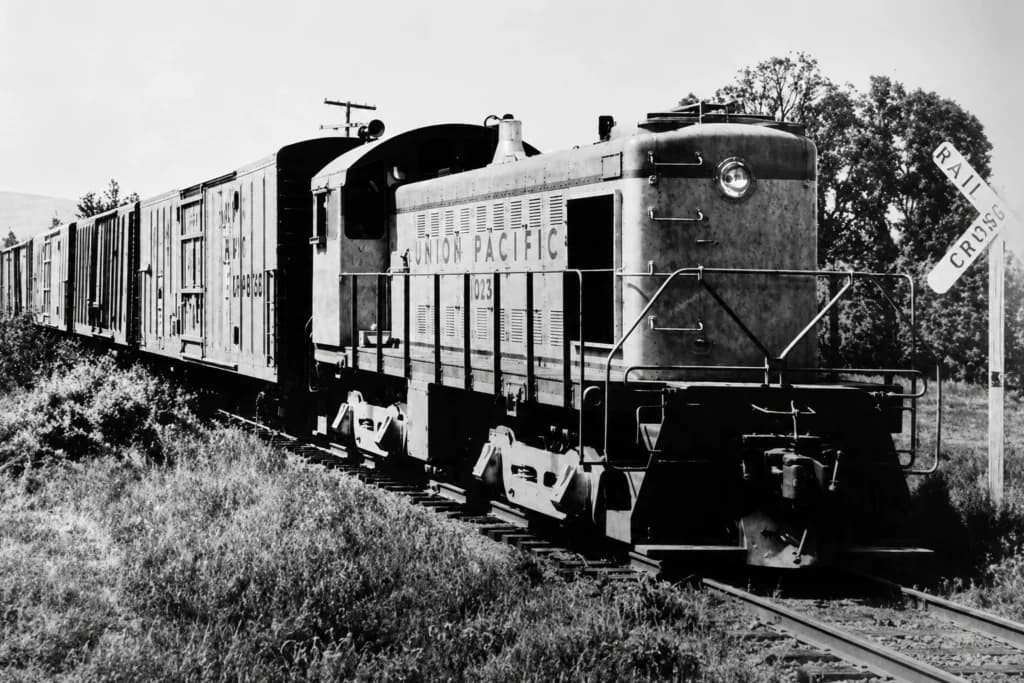
The Uda Pussellawa Railway was a 2 ft 6 in narrow-gauge railway line built during the British colonial period. It ran for about 31 kilometres from Nanu Oya to Ragala, passing through some of the most beautiful highland scenery in Sri Lanka.
The route connected:
- Nanu Oya
- Blackpool
- Nuwara Eliya
- Kandapola
- Brookside
- Ragala
The line opened in stages from 1903 and became fully operational in the early 1900s. Its main purpose was practical rather than romantic. It was built to support the tea industry.
During the British period, Nuwara Eliya and the surrounding districts were important plantation areas. Tea had to be moved efficiently from the estates to the main railway network and then onwards to Colombo for export. Roads were slower and more difficult in the mountains, so the railway became an important transport link for manufactured Ceylon tea.
At the same time, it also carried passengers, officials, estate workers and visitors travelling through the cool hill country.
Blackpool Station: A Forgotten Stop Near Nuwara Eliya
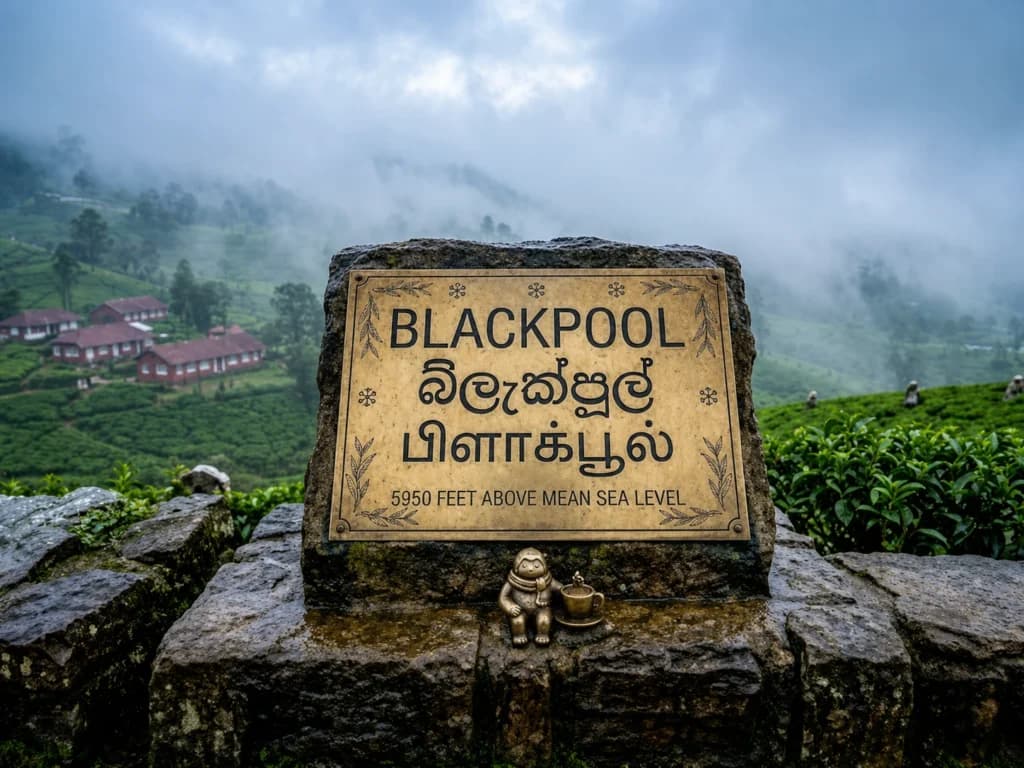
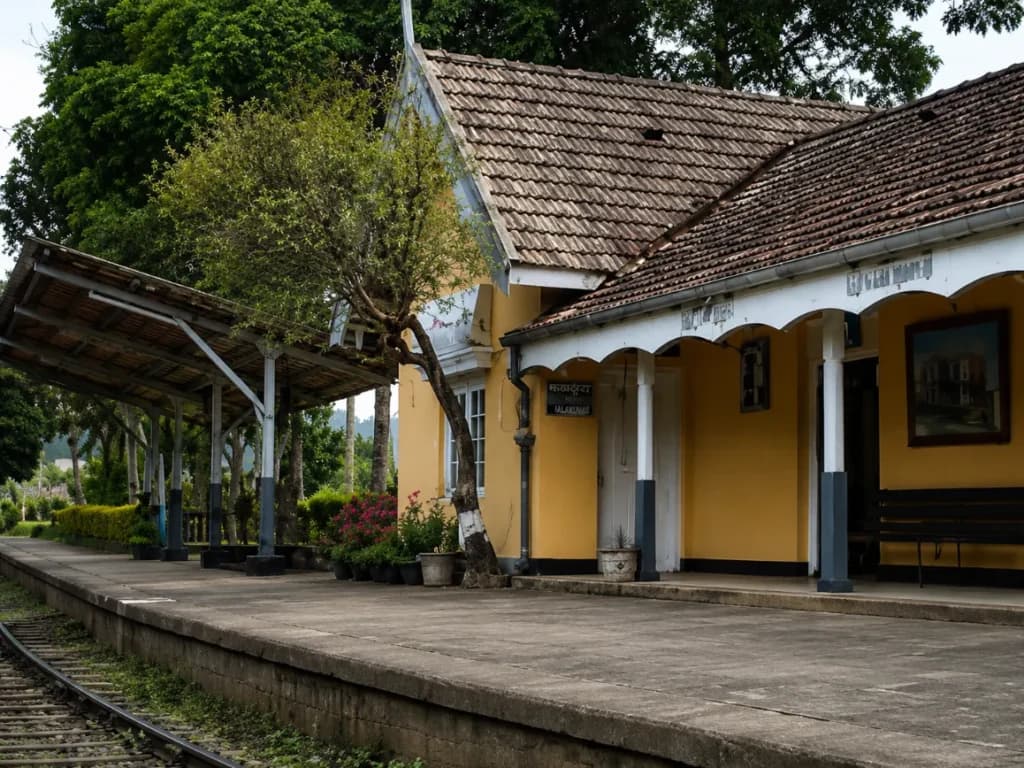
Blackpool was one of the key stations on the Uda Pussellawa Railway. Located between Nanu Oya and Nuwara Eliya, it was the first major stop after the Nanu Oya railhead.
Today, Blackpool is better known as an area on the way to Nuwara Eliya, with hotels, guest houses and misty mountain views. But in the early 20th century, it was part of a working railway landscape.
Trains leaving Nanu Oya would begin climbing towards Blackpool, following the contours of the hills and tea estates. The line ran close to the road in certain places, which made the route both scenic and challenging. From Blackpool, the railway continued towards Nuwara Eliya, passing through the cool climate and open landscapes that made the town famous as “Little England.”
For travellers today, there is no functioning station to visit at Blackpool. The railway line was dismantled after closure, and much of the original track formation has vanished due to road development and later land use. Still, knowing that this area once had a railway station changes the way you see the road from Nanu Oya to Nuwara Eliya.
What now feels like a normal hill-country drive was once part of a railway journey through tea country.
Kandapola: Sri Lanka’s Highest Railway Point
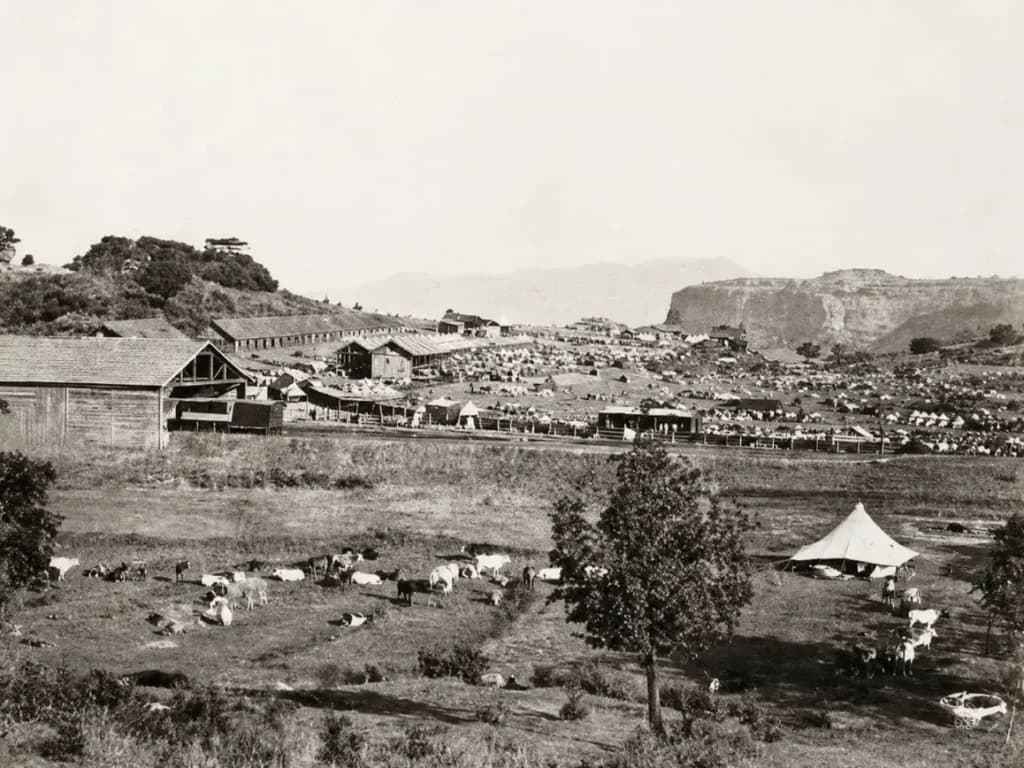
One of the most remarkable facts about the Uda Pussellawa Railway is its elevation.
The Kandapola station stood around 1,925 metres above sea level. This made it the highest railway station ever reached in Sri Lanka’s railway history. Even today, when people speak about high-altitude railway travel in Sri Lanka, the UPR holds a special place because of this lost mountain section.
The line had to climb steep gradients, curve around hills and pass through exposed highland terrain. It was not a simple engineering project. Building and operating a narrow-gauge railway in this part of the country required careful planning, strong locomotives and constant maintenance.
For passengers, however, the result must have been unforgettable. The journey would have offered views of tea estates, valleys, mountain ridges, mist-covered plains and distant peaks.
Why the Railway Was Built
The Uda Pussellawa Railway was closely connected to the rise of Ceylon tea.
After coffee plantations were devastated by disease in the 19th century, tea became the dominant plantation crop in the central highlands. Estates around Nuwara Eliya, Kandapola, Brookside and Ragala produced tea that needed to be transported quickly and reliably.
The main railway line already reached Nanu Oya, but the tea-growing areas beyond Nuwara Eliya still needed a proper connection. The UPR helped bridge that gap.
It allowed tea to move from estates and local collection points to Nanu Oya, where it could join the broader railway network. From there, tea could be sent down towards Colombo and eventually shipped overseas.
In that sense, this small mountain railway was part of a much larger global trade story. It linked estate labour, British engineering, hill country geography and the international demand for Ceylon tea.
The Decline and Closure of the Line
Despite its importance, the Uda Pussellawa Railway did not survive for long.
By the 1940s, road transport was becoming more practical. Lorries could move goods faster and with greater flexibility than trains on a difficult narrow-gauge mountain line. After the Second World War, economic pressures also affected railway operations.
Passenger services reduced, freight demand changed, and maintaining the line became less viable.
Eventually, the railway was dismantled in stages. By 1948, the line had fully disappeared from active railway service. The tracks were removed, and Blackpool Station, like the rest of the UPR network, faded from regular memory.
What remained were a few buildings, traces of embankments, old alignments, bridges, culverts and local stories.
What Can Be Seen Today?
The Uda Pussellawa Railway is no longer a train journey you can take. But it is still possible to explore parts of its story while travelling through Nuwara Eliya and the surrounding areas.
The old Nuwara Eliya railway station building has been repurposed and is associated with the town’s bus depot area. Brookside station is also remembered for having been converted for a different use. Ragala, too, still carries traces of its former station life in the way the old railway space has been reused.
Blackpool, however, is more difficult to read as a railway site today. The station and track have been dismantled, and the area has changed significantly. Still, the location remains important because it marks one of the early points on the climb from Nanu Oya towards Nuwara Eliya.
For heritage travellers, the best way to experience the old railway story is not to look for a complete station, but to follow the route mentally while travelling by road:
Nanu Oya to Blackpool, Blackpool to Nuwara Eliya, Nuwara Eliya to Kandapola, then onwards towards Brookside and Ragala.
This turns an ordinary hill-country drive into a historical route.
Why This Story Matters for Travellers
Sri Lanka’s famous train journeys are usually associated with Kandy, Ella, Badulla, Haputale and Nanu Oya. These routes are still active, beautiful and loved by travellers from around the world.
But the lost Uda Pussellawa Railway tells another side of the story.
It reminds us that Sri Lanka once had railway lines that no longer exist. It shows how transport, tea, colonial planning and mountain communities were connected. It also reveals how places we pass without thinking, such as Blackpool, Kandapola or Brookside, may have hidden histories beneath the present-day road.
For anyone visiting Nuwara Eliya, this forgotten railway adds depth to the journey. The mist, tea estates and old buildings are not just scenic details. They are part of a landscape shaped by plantation history, railway engineering and changing transport systems.
A Hidden Heritage Trail in the Hill Country
The Uda Pussellawa Railway may be gone, but its memory still belongs to Sri Lanka’s hill country.
Blackpool Station no longer welcomes trains. The narrow-gauge tracks no longer climb towards Nuwara Eliya. Steam engines no longer struggle through the cold mountain air towards Kandapola and Ragala.
Yet the route still exists in another form — in old maps, reused buildings, local memories and the road journeys that follow parts of the same highland corridor.
For travellers who enjoy history, railways and tea country landscapes, the story of Blackpool and the Uda Pussellawa Railway is worth remembering. It is a reminder that some of Sri Lanka’s most interesting travel stories are not always found at famous attractions.
Sometimes, they are hidden along the road, beneath a forgotten station name, waiting to be rediscovered.
Travel Tip
When travelling from Nanu Oya to Nuwara Eliya, look at the landscape with this old railway in mind. The road through Blackpool was once part of a wider transport story that connected tea estates, mountain towns and colonial-era railway engineering. It may no longer be possible to ride the Uda Pussellawa Railway, but knowing its history makes the journey far more meaningful.
Visit Us: https://trippingsrilanka.com/stories
More from Old Ceylon
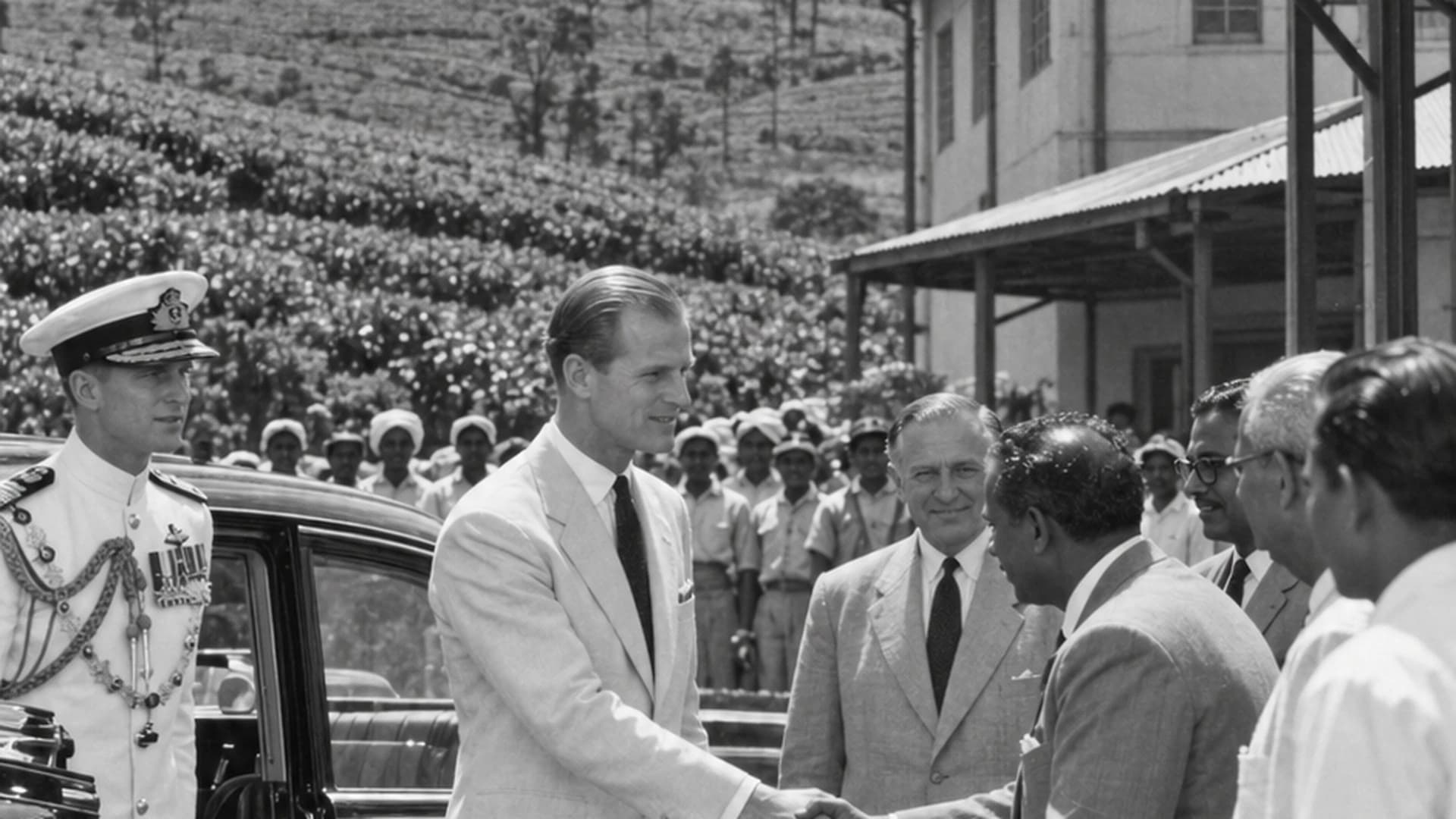
When Prince Philip Visited Pedro Estate: The Royal Visit That Became Part of Ceylon Tea History in 1954
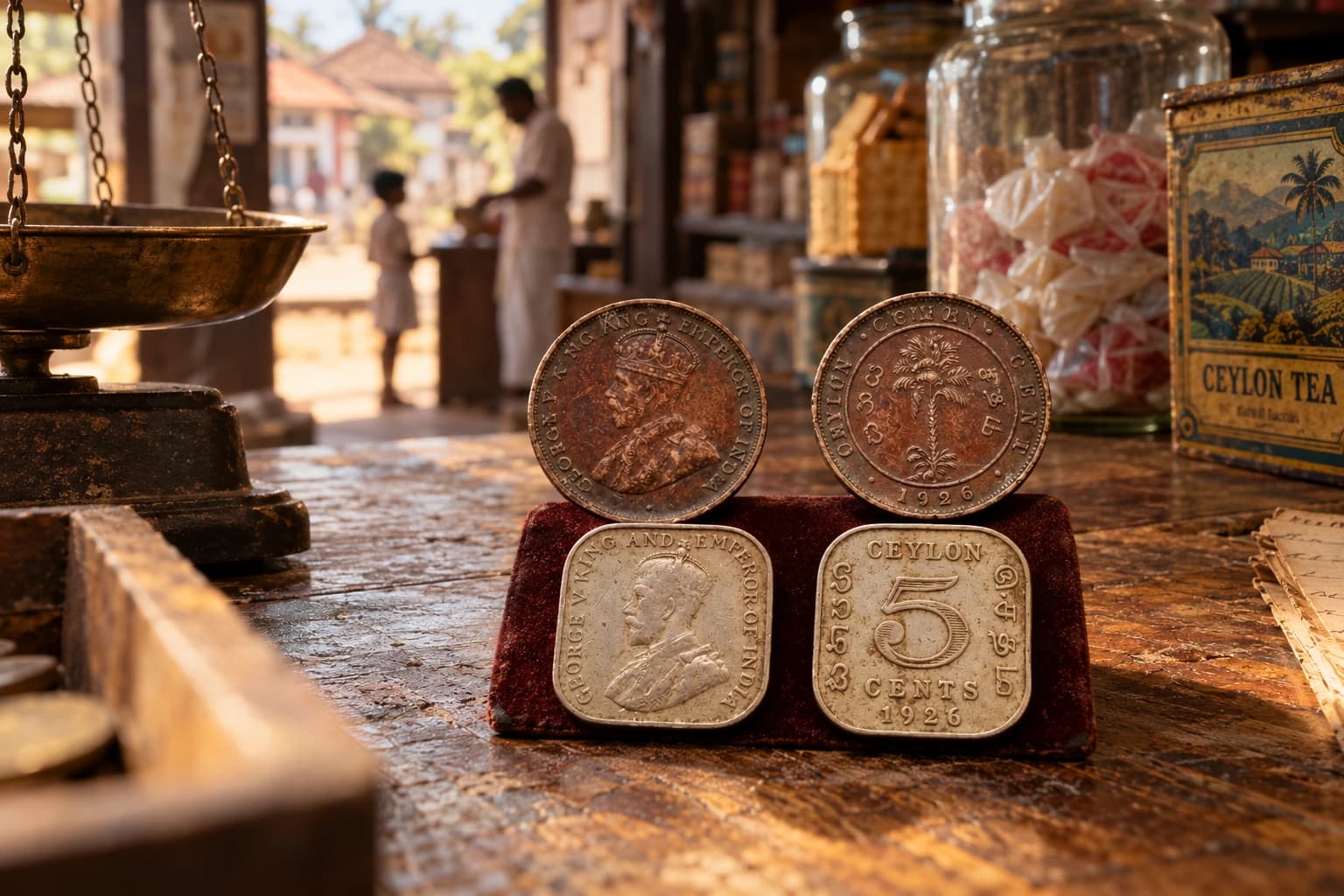
When Five Cents Mattered: The Forgotten Small Change of Old Ceylon