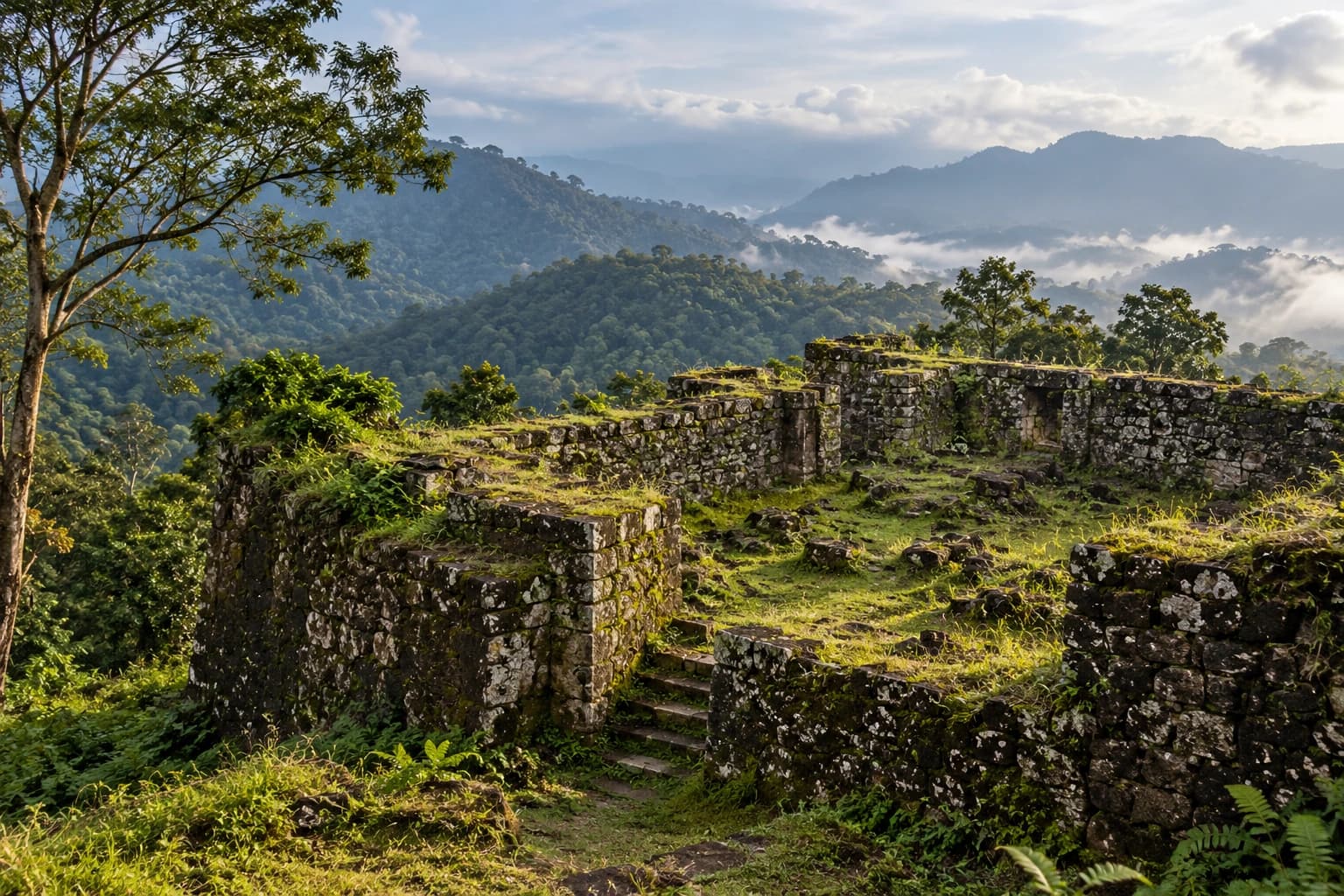
Exploring Old Ceylon: Enduring Legacy of the Dutch in Sri Lanka
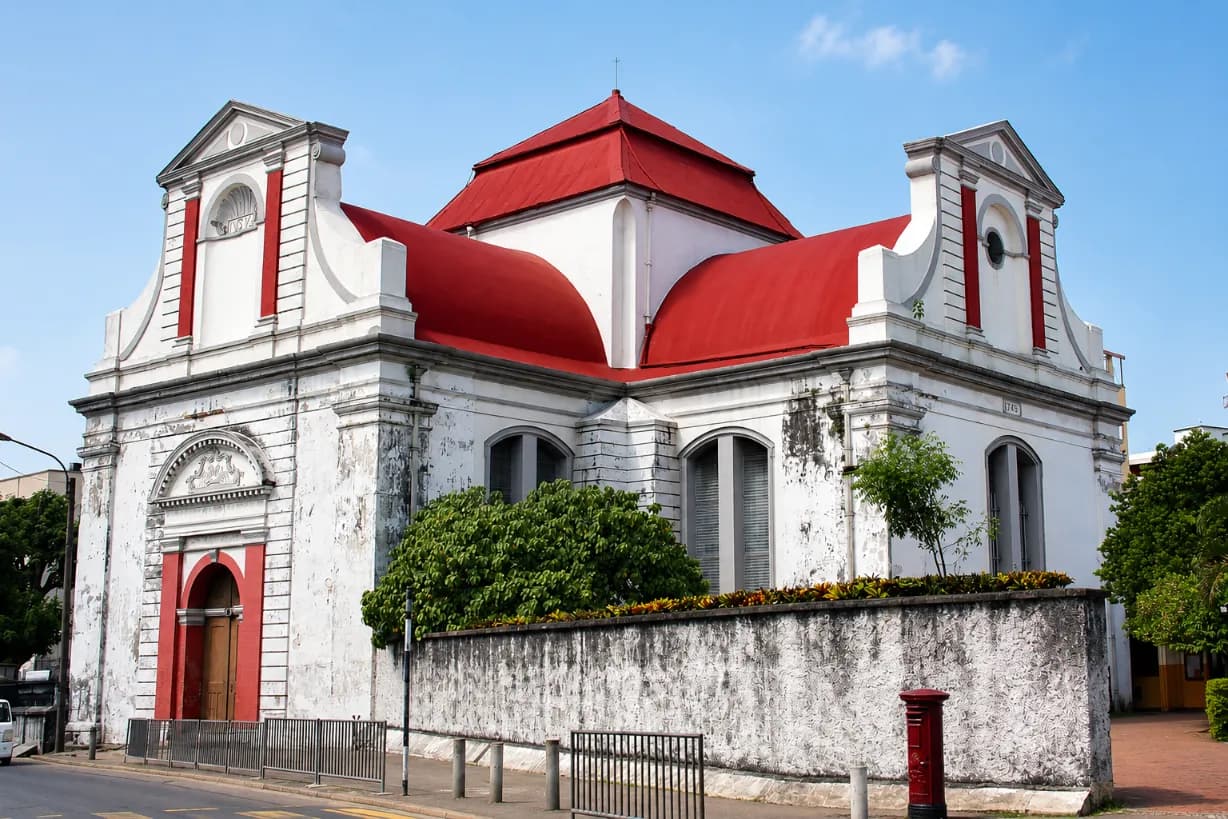
Dutch churches in Sri Lanka|For travellers who enjoy stepping beyond beaches and wildlife to discover the layers of history that shaped a destination, Sri Lanka offers a fascinating journey into the world of Old Ceylon. Among the most intriguing chapters of that story is the Dutch period, which lasted from the mid-17th century until the British takeover in 1796.
Today, traces of Dutch Ceylon can still be found across the island. Fortified towns, canals, cemeteries, warehouses, and elegant churches remain remarkably preserved, offering visitors a chance to walk through streets that have changed little over the centuries.
For heritage travellers, genealogy enthusiasts, and anyone interested in colonial-era architecture, exploring Sri Lanka’s Dutch churches provides a unique window into a forgotten world.
Check our previous article- https://trippingsrilanka.com/stories/english-ancestors-in-ceylon
The Dutch Arrival in Ceylon
The Dutch East India Company, known as the VOC — Vereenigde Oost-Indische Compagnie — arrived in Ceylon during the 17th century. Their primary interest was trade, particularly cinnamon, which was highly valued in Europe.
Over time, the Dutch established administrative centres, built impressive fortifications, developed canal networks, and introduced distinctive architectural styles that blended European design with tropical practicality.
Unlike many colonial buildings elsewhere that have disappeared over time, a surprising number of Dutch structures in Sri Lanka have survived. Among the most impressive are the churches that once served Dutch merchants, governors, soldiers, and their families.
These churches remain some of the finest examples of colonial architecture on the island and continue to attract visitors from around the world.
Wolvendaal Church: Colombo’s Dutch Masterpiece
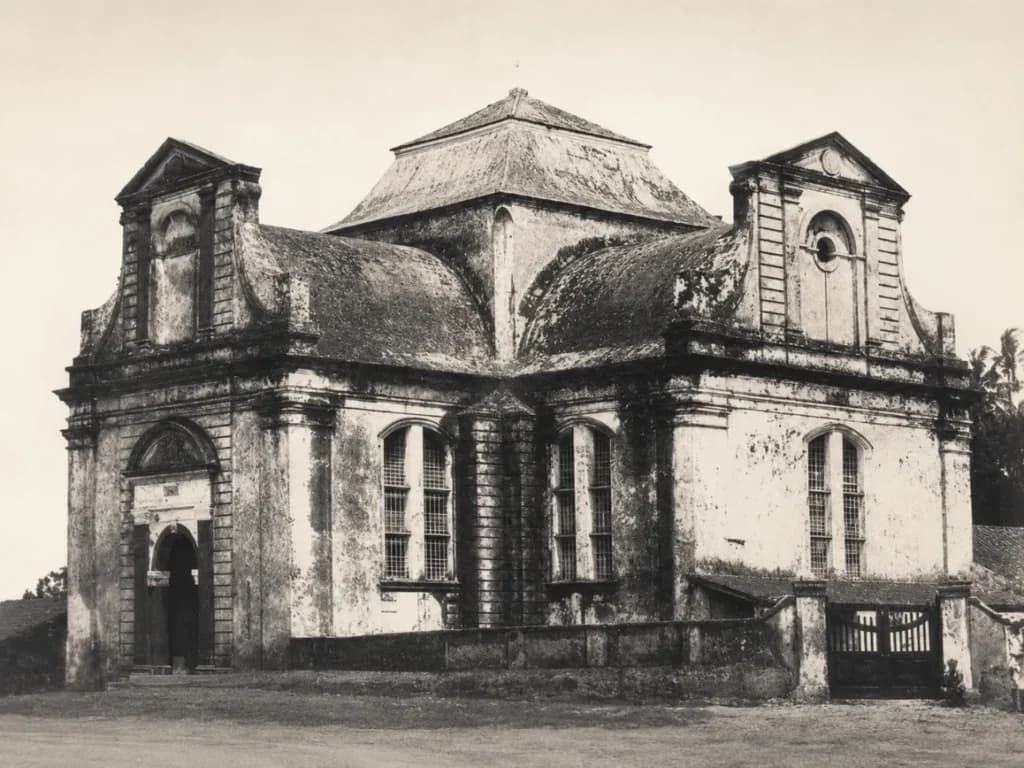
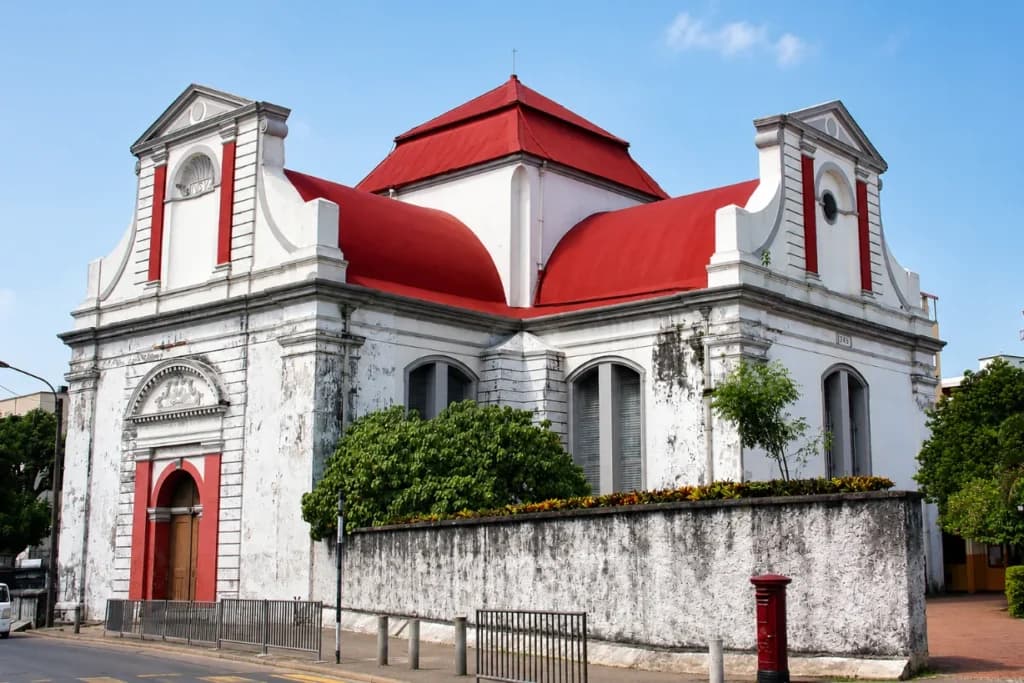
No exploration of Dutch heritage in Sri Lanka is complete without a visit to the magnificent Wolvendaal Church in Colombo.
Standing on a hill overlooking the old city, the church was completed in 1749 and remains one of the best-preserved Dutch colonial churches in Asia. Its name derives from the Dutch phrase meaning “Valley of Wolves,” a reference to the jackals that once roamed the area.
The church immediately impresses visitors with its solid stone construction, symmetrical design, and commanding presence. Built in the shape of a Greek cross, it reflects the practical yet elegant architectural principles favoured by Dutch builders.
What to See Inside Wolvendaal Church
Inside, visitors can admire:
- Historic tombstones embedded in the floor
- Original Dutch inscriptions
- Antique wooden furnishings
- Ornate brass chandeliers
- Historic baptismal fonts
Many of the gravestones commemorate Dutch governors, merchants, military officers, and their families who lived and died in Ceylon centuries ago.
For visitors interested in ancestry or colonial history, Wolvendaal offers a tangible connection to the people who once helped shape the island’s development.
The Dutch Reformed Church of Galle
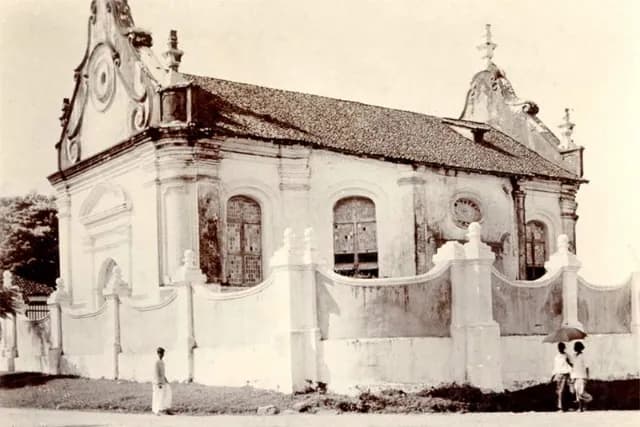
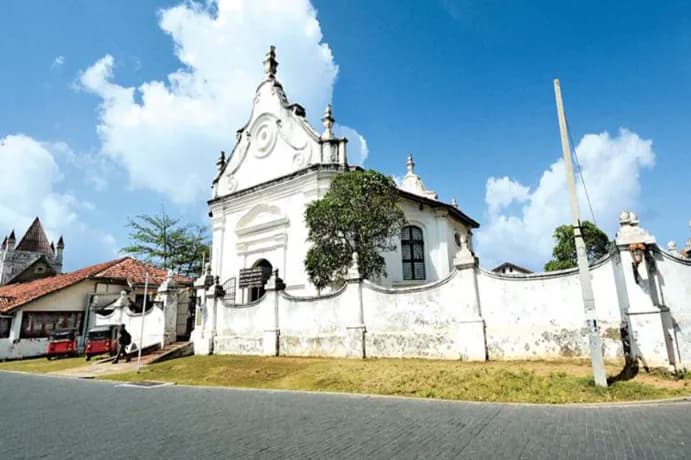
Within the walls of Galle Fort stands another remarkable survivor from Dutch Ceylon.
Built in 1755, the Dutch Reformed Church, often called Groote Kerk, remains one of the most atmospheric historic buildings in the country.
Walking through the church feels like stepping back in time. Massive wooden beams support the roof while sunlight filters through arched windows, illuminating centuries-old gravestones that cover much of the floor.
Highlights of the Dutch Reformed Church in Galle
Highlights include:
- Original Dutch tombstones
- Historic Dutch furniture
- Antique pulpit
- Early colonial records
- Beautiful surrounding fort architecture
Outside the church, visitors can stroll along the narrow streets of Galle Fort, where Dutch houses, warehouses, and government buildings still line the roads.
The combination of the church and the fort creates one of Sri Lanka’s most authentic colonial heritage experiences.
The Historic Churches of Jaffna
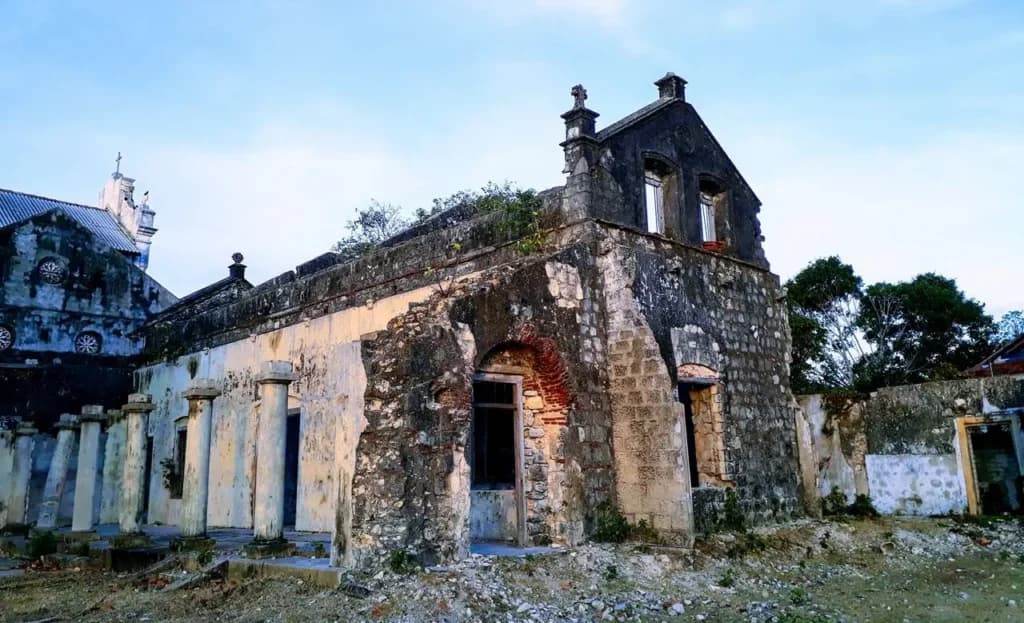
Northern Sri Lanka also preserves important reminders of the Dutch era.
After capturing Jaffna from the Portuguese, the Dutch expanded their influence throughout the peninsula and established churches that served local congregations as well as Dutch officials.
Although some structures have been altered over the centuries, visitors can still discover remnants of Dutch architecture and planning throughout Jaffna.
The nearby Jaffna Fort, originally Portuguese but extensively rebuilt by the Dutch, further enhances the experience. Together, the churches and fort provide insight into how the Dutch administered the northern regions of Ceylon.
Matara’s Star Fort and Dutch Heritage
Further south, Matara offers another glimpse into Dutch Ceylon.
The town’s famous Star Fort, built in 1765, was designed to protect the area from inland attacks and remains one of the island’s most distinctive Dutch military structures.
Nearby, visitors can find churches, administrative buildings, and other colonial-era landmarks that reveal the Dutch influence on the region.
The combination of coastal scenery and historic architecture makes Matara an excellent destination for heritage-minded travellers.
Dutch Cemeteries: Silent Stories of Old Ceylon
While churches often receive the most attention, Dutch cemeteries are equally fascinating.
Across Sri Lanka, particularly in Colombo, Galle, Jaffna, and Mannar, visitors can find old Dutch burial grounds containing intricately carved gravestones dating back hundreds of years.
What Dutch Gravestones Reveal
These stones often feature:
- Family crests
- Maritime symbols
- Biblical references
- Dutch inscriptions
- Detailed records of birth and death
For genealogists and descendants of Dutch families who once lived in Ceylon, these cemeteries provide invaluable historical clues.
Even for casual visitors, walking among these weathered monuments offers a powerful sense of connection to the island’s past.
Architecture Designed for the Tropics
One of the most fascinating aspects of Dutch churches in Sri Lanka is how they adapted European designs to local conditions.
Unlike churches in northern Europe, buildings in Ceylon needed to cope with heat, humidity, monsoon rains, and strong sunlight.
Tropical Dutch Architectural Features
As a result, Dutch architects incorporated features such as:
- Thick masonry walls
- High ceilings
- Large windows
- Wide verandas
- Excellent ventilation systems
These practical innovations helped create buildings that remain comfortable and functional centuries later.
Many modern architects continue to study these structures as examples of climate-responsive design long before air conditioning existed.
Walking Through the Streets of Dutch Ceylon
The real magic of exploring Dutch heritage in Sri Lanka lies not only in the churches themselves but also in the surrounding environments.
In places such as Galle Fort, visitors can still wander along streets originally laid out by Dutch planners. Historic warehouses stand beside charming residences, while old administrative buildings overlook quiet courtyards.
The atmosphere feels distinctly different from modern Sri Lanka.
It is easy to imagine merchants arriving by ship, officials discussing trade routes, and church bells calling residents to worship centuries ago.
For photographers, historians, and heritage travellers, these districts offer endless opportunities for discovery.
Why Heritage Travellers Love Dutch Ceylon
Many visitors come to Sri Lanka for beaches, wildlife, tea country, or ancient kingdoms. Yet those who take the time to explore Dutch heritage often discover one of the island’s most rewarding experiences.
What Makes Dutch Ceylon Special
The churches and colonial towns offer:
- Remarkably preserved architecture
- Rich historical stories
- Beautiful photography opportunities
- Insight into old maritime trade routes
- Connections to European family histories
- Quiet and uncrowded cultural experiences
They reveal a side of Sri Lanka that many tourists overlook.
A Journey Into the Past
The historic Dutch churches of Sri Lanka are far more than old buildings. They are living reminders of a period when Ceylon stood at the centre of global trade networks and cultural exchange.
From the grandeur of Wolvendaal Church in Colombo to the timeless atmosphere of Galle Fort’s Dutch Reformed Church, these landmarks invite visitors to step into another era.
For anyone fascinated by old maps, colonial architecture, family history, or simply the romance of exploring forgotten corners of the world, Sri Lanka’s Dutch heritage offers an unforgettable journey.
Long after leaving the island, many travellers remember not only the beaches and landscapes, but also the quiet church interiors, weathered gravestones, and historic streets that tell the enduring story of Old Ceylon.
Visit Us: https://trippingsrilanka.com/stories
More from Old Ceylon
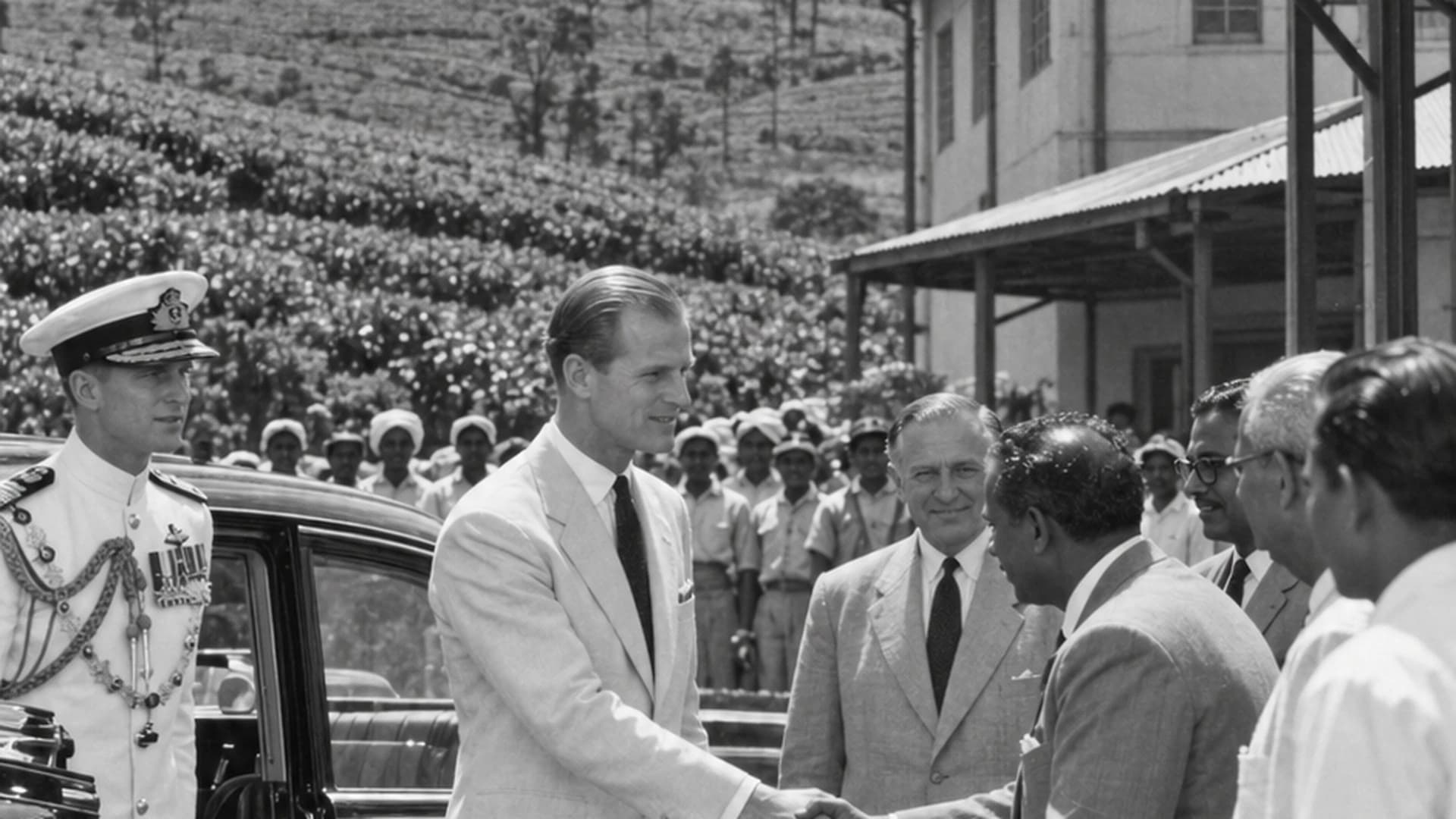
When Prince Philip Visited Pedro Estate: The Royal Visit That Became Part of Ceylon Tea History in 1954
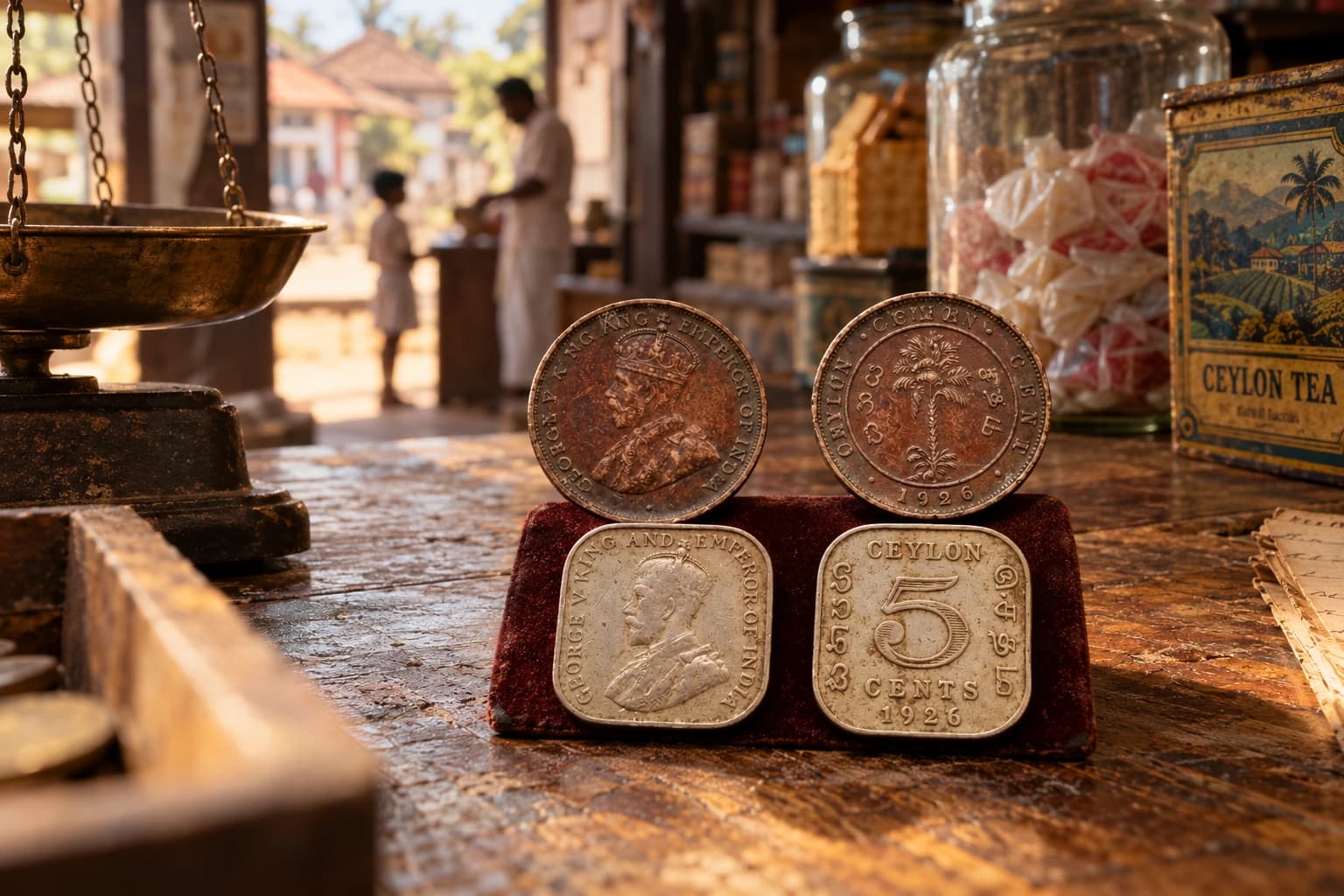
When Five Cents Mattered: The Forgotten Small Change of Old Ceylon