Elephant Walk: The 1954 Elizabeth Taylor Film That Brought Old Ceylon to Hollywood
When Hollywood Found Ceylon
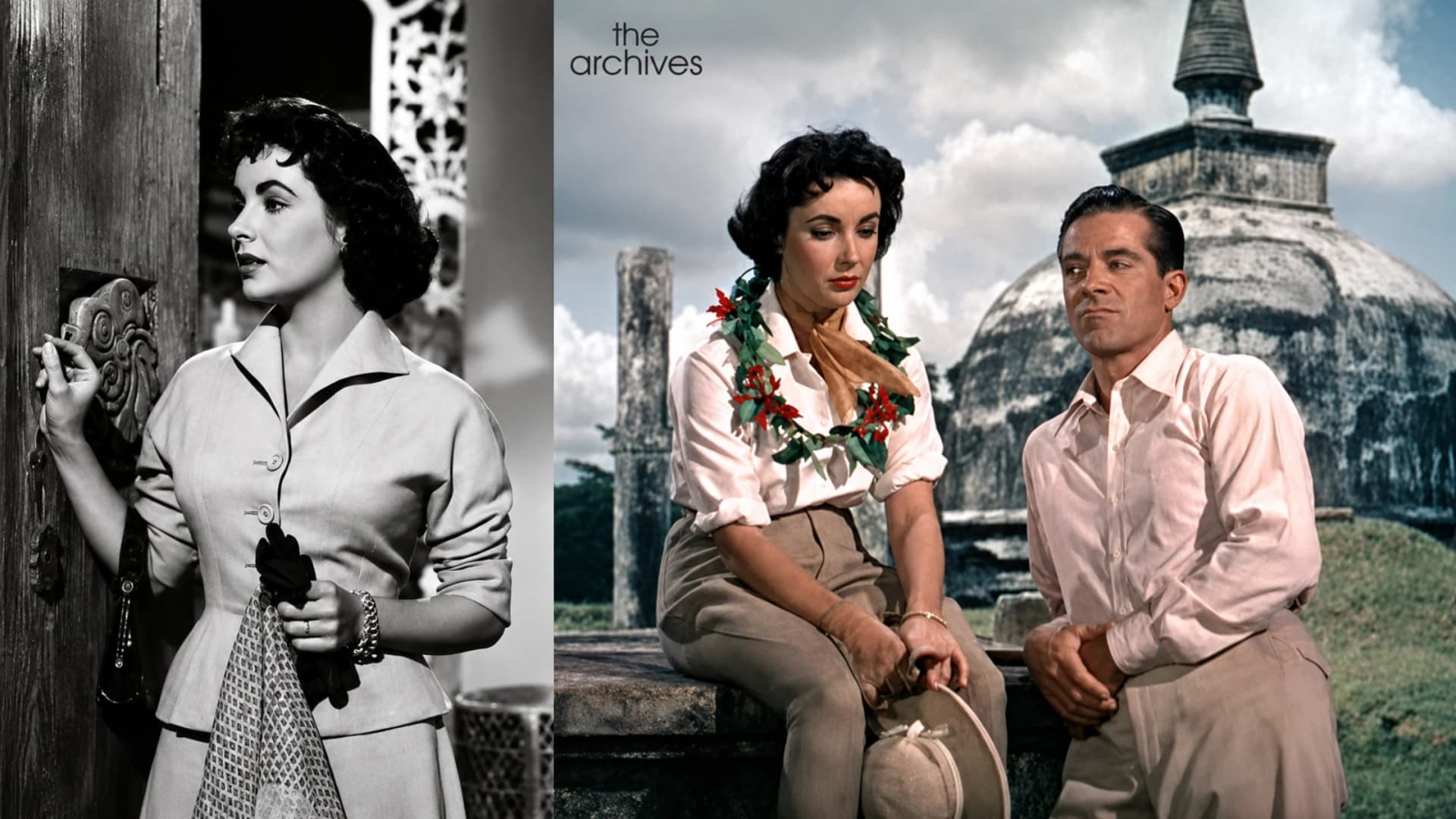
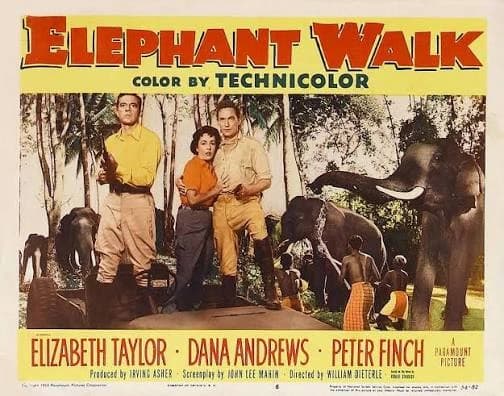
In 1954, the film Elephant Walk brought the landscapes of old Ceylon to international cinema audiences. Starring Elizabeth Taylor, Peter Finch and Dana Andrews, the film was set around a tea plantation bungalow in British Ceylon and became one of the most memorable foreign productions connected to Sri Lanka’s mid-century film history.
For today’s travellers, Elephant Walk is more than an old Hollywood drama. It is a visual time capsule of Ceylon during the 1950s — an island of tea estates, colonial bungalows, elephant country, ancient ruins, railway routes and tropical landscapes.
The film’s story is built around a grand plantation house known as Elephant Walk, where a young bride enters the isolated world of tea estate society. Through that setting, the film captured the imagination of viewers who saw Ceylon as distant, beautiful, mysterious and dramatic.
Check our previous article – https://trippingsrilanka.com/stories/bridge-on-the-river-kwai-sri-lanka
The Story of Elephant Walk
Elephant Walk follows Ruth Wiley, played by Elizabeth Taylor, who marries wealthy planter John Wiley, played by Peter Finch. After their marriage, she travels with him to his tea plantation in Ceylon.
At first, the plantation bungalow appears grand and impressive. It is a world of servants, formal dinners, wide verandahs and estate authority. But Ruth soon discovers that the house is dominated by the memory of John Wiley’s father, whose legacy still controls the household.
The estate also carries a deeper problem. The mansion has been built across an old elephant path, creating conflict between human ambition and the natural world.
This idea gives the film its title. The “elephant walk” is not only a physical path used by elephants. It becomes a symbol of nature’s memory, old boundaries and the consequences of ignoring the land.
Ceylon as a Film Location
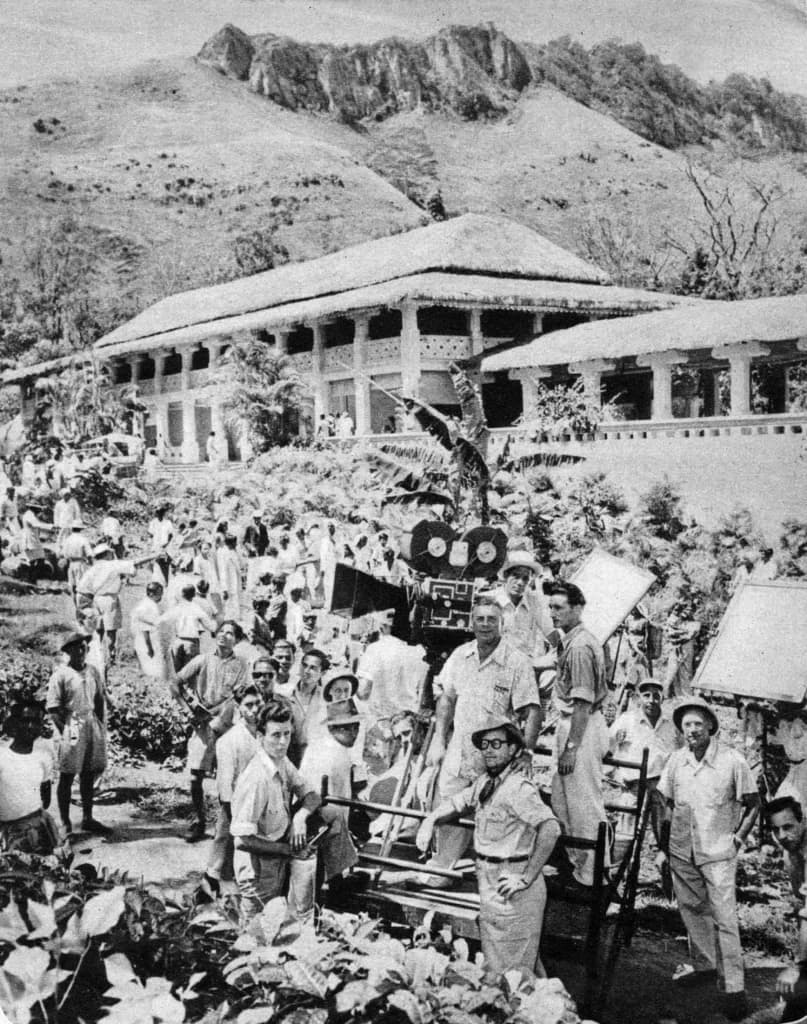
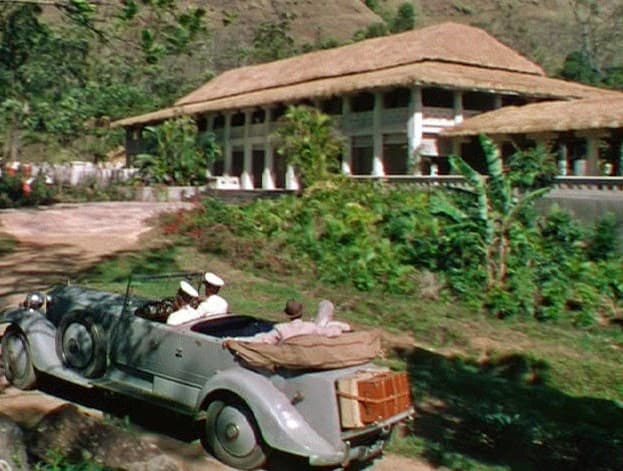
Although Elephant Walk was a Hollywood production, Ceylon was central to its atmosphere.
The film was produced by Paramount Pictures and directed by William Dieterle. It was based on the 1948 novel Elephant Walk by Robert Standish, the pen name of British writer Digby George Gerahty.
The story is set on a tea plantation in Ceylon, and many location scenes were filmed on the island. This made the film especially important because, unlike some other foreign films that used Ceylon to represent another country, Elephant Walk was actually set in Ceylon.
Locations associated with the production include Colombo, Ratmalana Airport, Hantana near Kandy, Polonnaruwa, Sigiriya and plantation country. These places helped create the film’s rich visual world: arrival scenes, tea estate landscapes, ancient ruins, jungle settings and the feeling of a remote colonial plantation.
Elizabeth Taylor and the Glamour of Old Ceylon
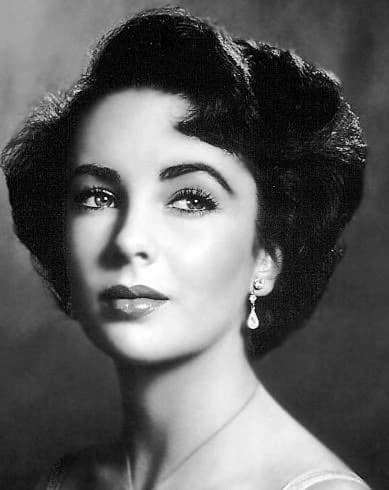
Elizabeth Taylor’s connection with Elephant Walk gives the film much of its lasting glamour.
Taylor was one of the most famous actresses of her generation, and her presence linked Ceylon with the golden age of Hollywood. For local audiences and newspapers, a major star filming on the island would have been an extraordinary event.
Interestingly, the role of Ruth was first associated with Vivien Leigh, who began work on the production before Elizabeth Taylor replaced her. This behind-the-scenes story has become part of the film’s legend.
For Old Ceylon enthusiasts, the glamour of the production adds another layer to the island’s film heritage. In the early 1950s, Ceylon was not only a tea country and former colony. It was also a place where Hollywood came searching for drama, scenery and atmosphere.
The Tea Plantation Bungalow
One of the most important elements of Elephant Walk is the plantation bungalow.
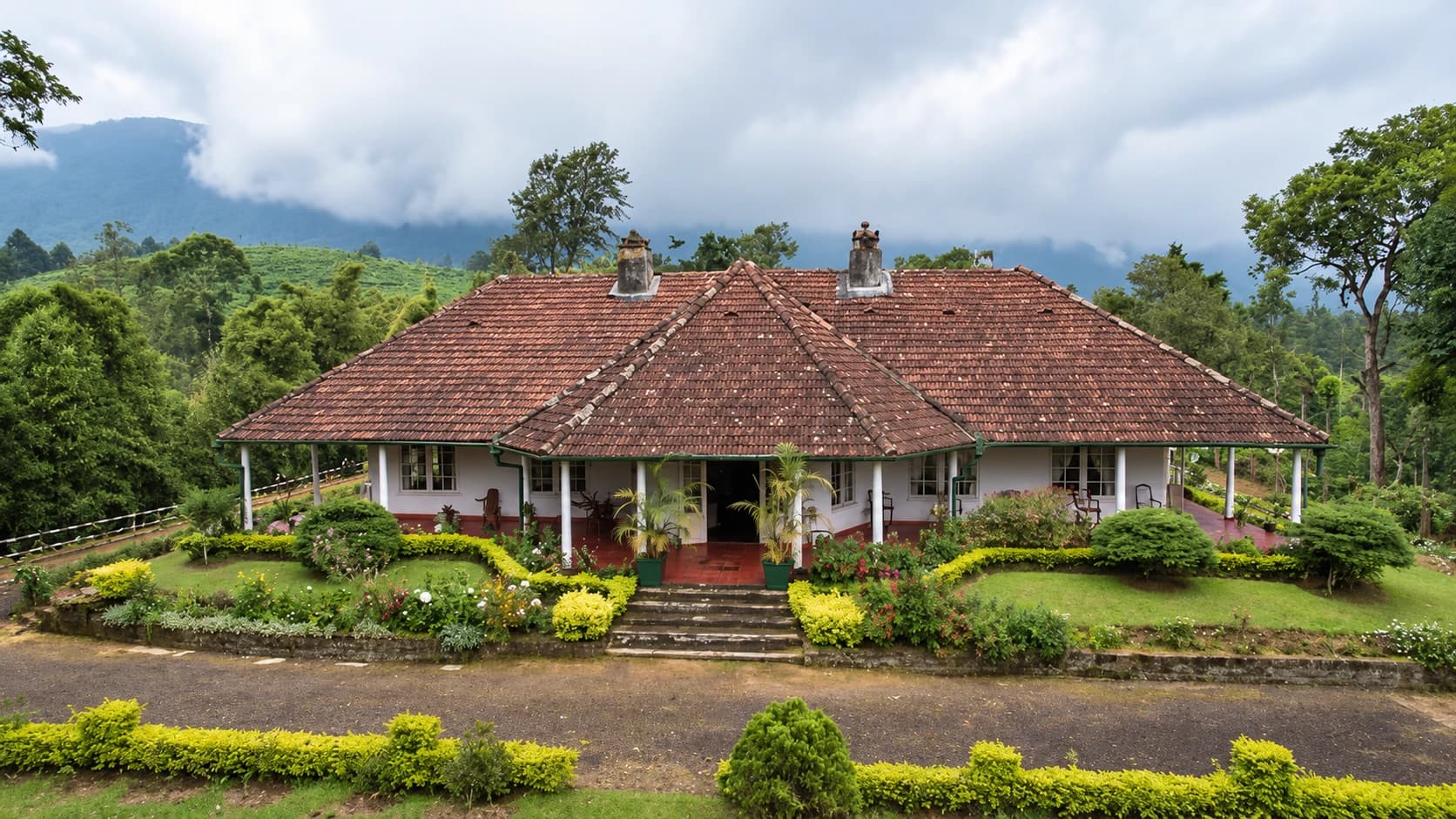
The story centres around a grand estate house, surrounded by tea country and controlled by the memory of a powerful planter. This setting reflects the world of colonial plantation society in Ceylon: large bungalows, estate managers, household staff, tea fields, verandahs, formal meals and isolation from urban life.
For travellers today, this is one of the most interesting parts of the film. Sri Lanka still has many old plantation bungalows across regions such as Kandy, Hantana, Nuwara Eliya, Hatton, Haputale and Bandarawela. Some have been converted into boutique hotels, while others remain private estate properties.
The bungalow in Elephant Walk represents more than luxury. It represents power, memory and control. It is beautiful, but also haunted by the past.
That makes it a perfect symbol of Old Ceylon’s plantation world.
Hantana and the Plantation Country Connection
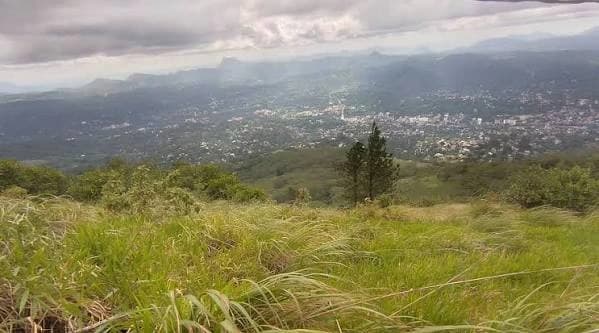
One of the most frequently mentioned Sri Lankan locations connected to Elephant Walk is Hantana, near Kandy.
Hantana’s tea-covered slopes, cool climate and proximity to Kandy made it an ideal location for plantation scenes. The area carries strong associations with tea history, mountain roads and colonial-era estate life.
For modern travellers, Hantana offers a more accessible way to imagine the world of Elephant Walk. Its slopes, estate views and misty atmosphere still carry the feeling of old tea country.
A visit to Hantana can also be combined with Kandy, Peradeniya, the Ceylon Tea Museum and nearby plantation landscapes. This makes it a useful starting point for anyone interested in the film’s Old Ceylon setting.
Colombo and Ratmalana: The Gateway to Ceylon
Colombo also plays an important role in the film’s geographical story.
In the 1950s, Ratmalana Airport was the main international air gateway to Ceylon before Bandaranaike International Airport became the country’s principal airport. For foreign film crews, stars and visitors, Ratmalana represented arrival into the island.
Colombo itself was the administrative, commercial and social capital of Ceylon. It was the place where overseas arrivals entered the world of hotels, clubs, government offices, shipping agencies and travel routes into the interior.
For a film about a European woman arriving in Ceylon and entering the plantation world, Colombo and Ratmalana helped establish the transition from the outside world into the island’s interior.
Today, travellers interested in old cinema history can still think of Ratmalana and Colombo as part of the film’s wider Ceylon trail.
Ancient Ruins and Jungle Landscapes
Elephant Walk was not limited to plantation scenery.
The film is also associated with locations such as Polonnaruwa, Kiri Vihara and Sigiriya, which gave the production a wider sense of ancient and tropical Ceylon. These locations helped international audiences see the island as more than tea country. They showed ruins, temples, jungle and stone monuments.
This combination of plantation bungalow and ancient landscape was powerful. It made Ceylon appear layered: colonial, ancient, natural and dramatic.
For modern heritage travellers, this is one of the reasons the film remains interesting. A route inspired by Elephant Walk could connect Colombo, Kandy, Hantana, Polonnaruwa and Sigiriya — a journey through both cinema history and Sri Lanka’s real heritage landscape.
Elephants as Symbol and Story
The elephants in Elephant Walk are central to the meaning of the film.
They are not simply animals added for spectacle. They represent the old path of nature, interrupted by human arrogance. The plantation house is built where elephants once moved freely. The conflict between the estate and the elephant route becomes a warning.
This theme feels especially meaningful today.
Sri Lanka continues to face complex human-elephant conflict in many rural areas. While Elephant Walk is a product of its time and should be read carefully, its central idea still carries relevance: landscapes have memory, and human development cannot ignore wildlife and natural movement forever.
For Old Ceylon readers, this gives the film a surprisingly modern layer.
Why Elephant Walk Matters to Old Ceylon Heritage
Elephant Walk matters because it captures several stories at once.
It shows Ceylon as Hollywood imagined it in the 1950s. It shows the tea plantation world, with its bungalows, managers, social rules and isolation. It also shows ancient ruins, jungle scenery and elephant country.
For travellers, the film offers a different way to explore Sri Lanka. Instead of seeing places only as tourist attractions, we can also see them as film locations, cultural symbols and fragments of global cinema history.
The film belongs to a period when Ceylon was appearing on international screens. Alongside other productions shot on the island during the 1950s, it helped introduce Sri Lanka’s scenery to audiences far beyond its shores.
A Suggested Elephant Walk Heritage Route
Travellers who want to follow the atmosphere of Elephant Walk can build a heritage route around its themes and locations.
Start in Colombo, where mid-century Ceylon’s urban world, hotels and transport history still survive in fragments. Continue to Ratmalana, the old air gateway connected to the era of international arrivals.
Travel inland to Kandy and Hantana, where tea country begins to shape the landscape. Visit the Ceylon Tea Museum to understand the plantation world behind the story.
Then continue towards Polonnaruwa and Sigiriya, where ancient ruins and jungle scenery add the dramatic setting that foreign filmmakers found so powerful.
This route is not only about cinema. It is about seeing Sri Lanka through the layers that made Old Ceylon so visually compelling: tea, temples, elephants, ruins, mountains and memory.
Final Thoughts: The Film That Turned Ceylon Into a Screen Legend
Elephant Walk may be a 1954 Hollywood drama, but for Sri Lanka it remains part of a larger heritage story.
It preserves a cinematic vision of Ceylon at a particular moment in time. The island had already moved into the post-independence era, yet its landscapes still carried the visual world of colonial tea estates, old bungalows, jungle roads and ancient ruins.
Elizabeth Taylor’s presence gave the film glamour. The plantation bungalow gave it atmosphere. The elephants gave it symbolism. Ceylon gave it beauty.
For Tripping Sri Lanka readers, Elephant Walk is not just an old movie title. It is an invitation to explore the island through cinema, tea country and Old Ceylon memory.
Long after the cameras left, the landscapes remain.
The tea slopes, ruins, elephant paths and old bungalows still tell the story.
Visit Us : https://trippingsrilanka.com/stories
More from Old Ceylon
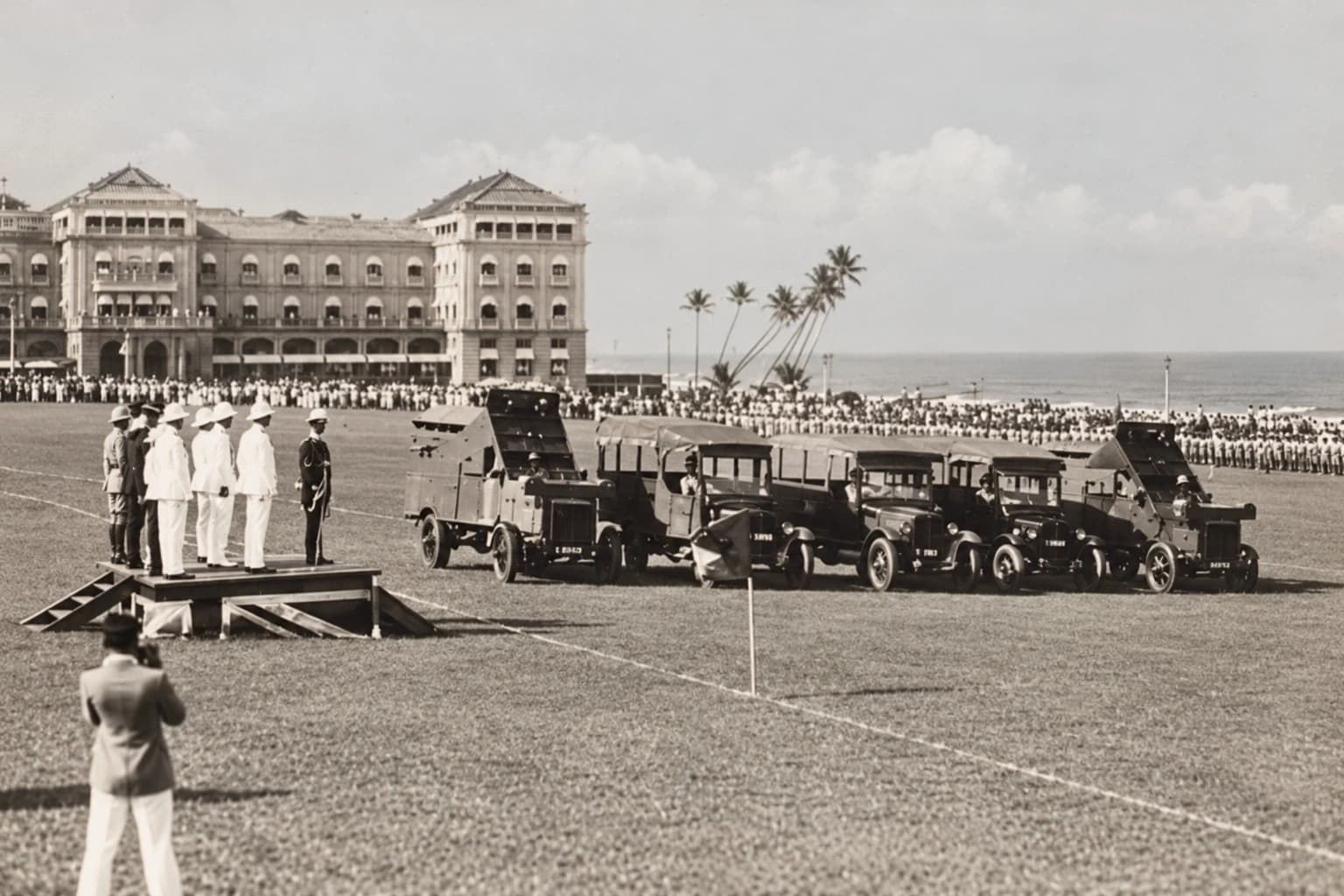
When the King’s Birthday Was Celebrated on Galle Face Green: A Glimpse of Colombo in 1933
Holyrood Estate, Talawakelle: An Old Ceylon Bungalow and a Name That Echoes Scotland