Bridge on the River Kwai Sri Lanka| Many people know The Bridge on the River Kwai as one of the greatest war films ever made. But not everyone knows that this world-famous movie was filmed mainly in old Ceylon, the name by which Sri Lanka was known at the time.
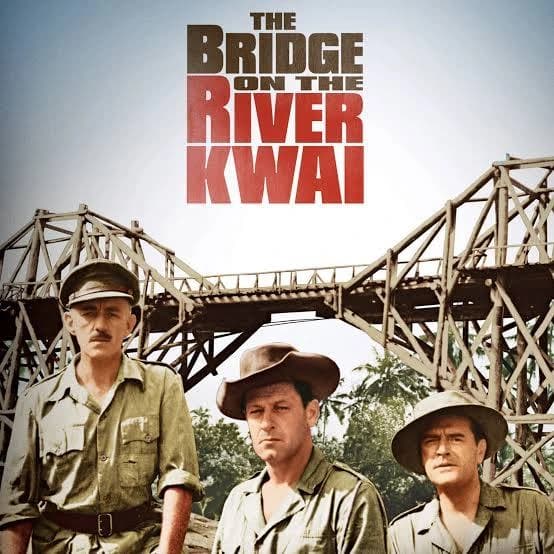
Released in 1957 and directed by David Lean, the film became an international classic. Although the story is connected to Thailand, the River Kwai and the Burma Railway, many of the unforgettable jungle, river and bridge scenes were actually created in Sri Lanka.
This makes the film an important part of Sri Lanka’s cinema history. It shows how old Ceylon’s natural beauty, colonial-era locations and dramatic landscapes helped shape one of the most famous films in world cinema.
Check our previous article- https://trippingsrilanka.com/stories/gregory-peck-at-gadaladeniya-temple
What Is The Bridge on the River Kwai About?
The film is set during World War II. It tells the story of British prisoners of war who are captured by the Japanese army and forced to build a railway bridge in the jungle.
The Japanese army wants the bridge completed for military transport. The British prisoners are ordered to work under difficult conditions. At first, their commanding officer refuses to let his officers do manual labour, creating tension inside the prison camp.
As the story develops, the bridge becomes more than just a construction project. It becomes a symbol of pride, discipline, survival and moral confusion.
The film raises an important question: in a time of war, can doing something well become dangerous if it helps the enemy?
This is what makes The Bridge on the River Kwai more than a simple war movie. It is a story about honour, duty, obsession and the cost of pride.
Special Main Character: Colonel Nicholson
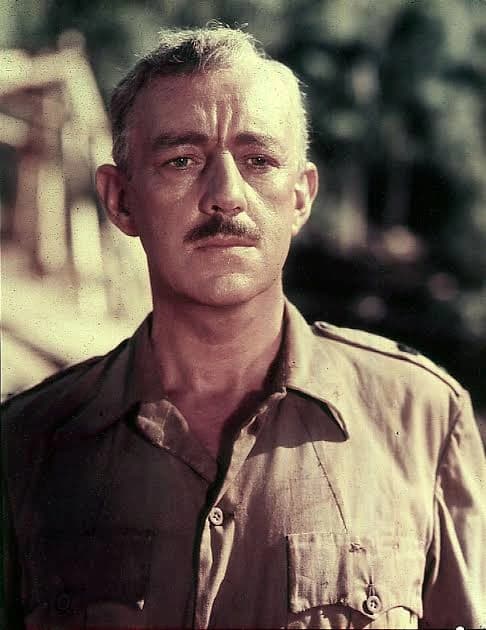
The most important character in the film is *Colonel Nicholson, played by *Alec Guinness.
Colonel Nicholson is a British officer who strongly believes in discipline, order and military honour. Even though he is a prisoner of war, he refuses to let his men lose their identity as soldiers.
At first, Nicholson appears brave and admirable. He stands up against the Japanese camp commander and defends the dignity of his men. His strength makes him respected by the prisoners.
But as the story continues, Nicholson becomes deeply attached to the bridge project. He begins to see the bridge as proof of British skill, organisation and superiority. What begins as a way to protect his men slowly turns into an obsession.
This makes Colonel Nicholson a powerful and complicated character. He is not simply a hero or a villain. He is a man whose pride blinds him to the truth.
Through Nicholson, the film shows how war can confuse a person’s sense of duty. His character gives the movie its emotional and moral depth.
Why Old Ceylon Was Important to the Movie
Old Ceylon was not just a background location for the film. It played a major role in creating the movie’s atmosphere.
The film needed a setting that looked wild, remote and dramatic. Ceylon offered exactly that. Its rivers, rainforests, mountains, colonial buildings and tropical landscapes gave the film a strong visual identity.
At the time, Ceylon still carried a distinct colonial-era appearance. Places such as *Mount Lavinia, *Peradeniya and Kitulgala could easily support the film’s World War II setting. The island had both natural jungle scenery and colonial architecture, making it ideal for a large international production.
This was important because the movie was not filmed in a studio. Much of its power came from real outdoor locations. The heat, forests, rivers and open landscapes of old Ceylon helped make the story feel believable.
Kitulgala: The Famous Bridge Location
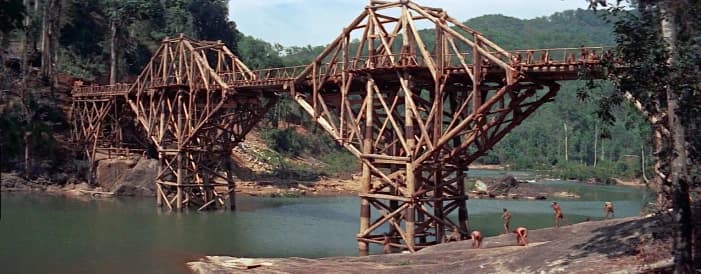
The most famous Sri Lankan location connected to The Bridge on the River Kwai is Kitulgala.
Today, Kitulgala is known for white-water rafting, rainforest views, adventure tourism and the Kelani River. But in the 1950s, it became one of the most important filming locations in world cinema.
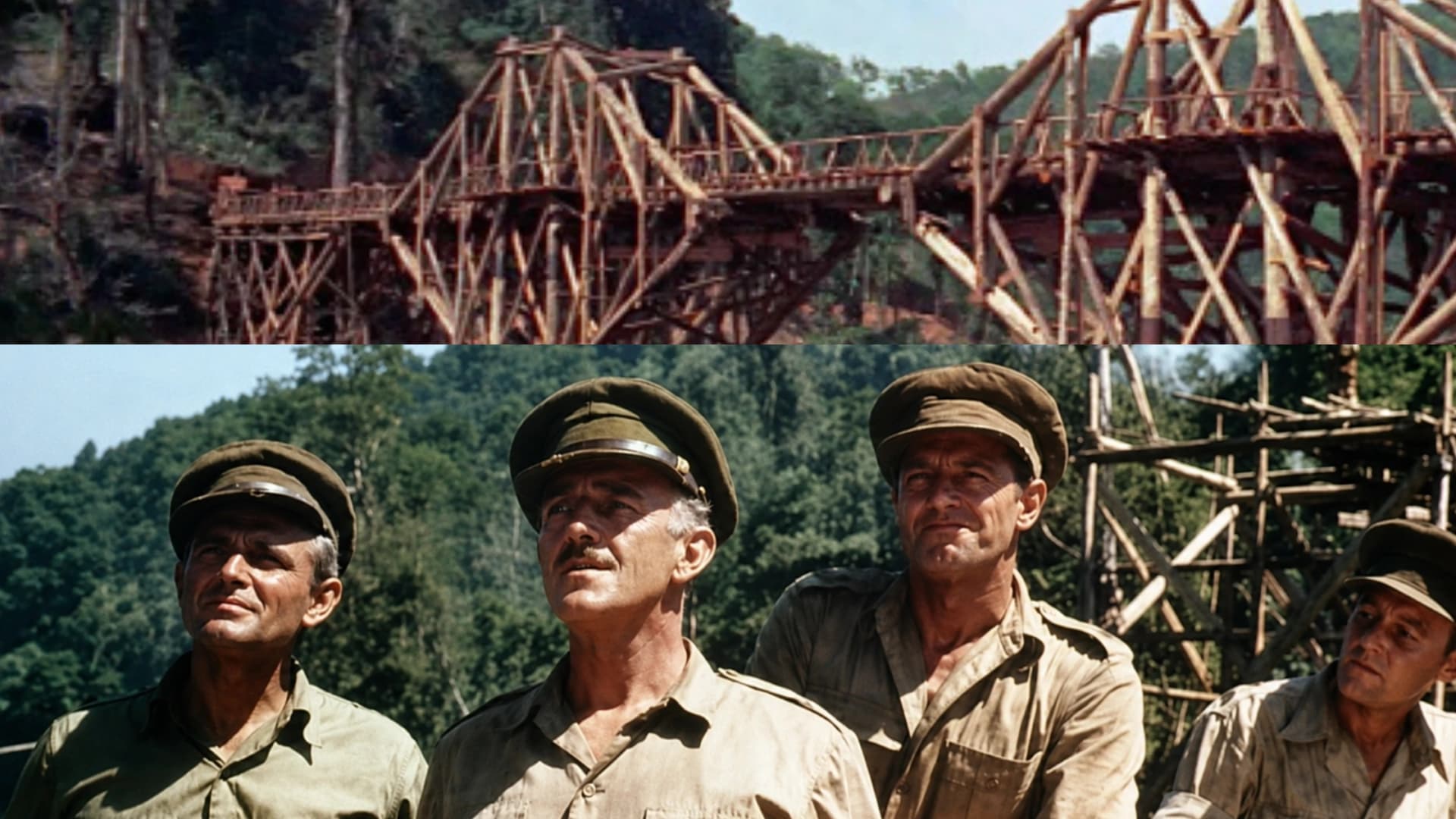
For the movie, a large wooden bridge was built in the Kitulgala area. The bridge was designed to represent the famous River Kwai bridge in the story. In reality, the river scenes were filmed around the Kelani River / Maskeliya Oya area in Kitulgala.
This location gave the film its most iconic image: the bridge standing across a tropical river, surrounded by jungle.
The bridge was not a permanent structure. It was built specially for the film and later removed. But even though the bridge no longer exists, Kitulgala still carries the memory of the production.
For Sri Lanka, this location is historically important because it connects the country to a major international film classic.
The Real River Seen in the Movie
Although the film is called The Bridge on the River Kwai, the famous river scenes were not filmed on the real River Kwai in Thailand.
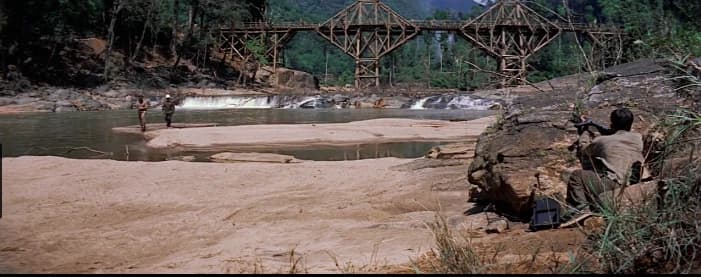
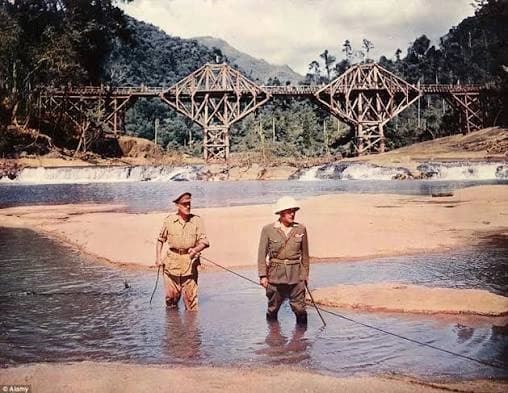
The movie used the river landscape of *Kitulgala, especially the *Kelani River / Maskeliya Oya area, to create the River Kwai setting.
This is one of the most interesting facts about the film. A story known around the world for the River Kwai was visually brought to life using the rivers and forests of old Ceylon.
Bridge on the River Kwai Sri Lanka: The Bridge Explosion Scene
One of the most famous moments in the film is the final bridge explosion.
This dramatic scene was filmed in Sri Lanka. The bridge is destroyed just as a train crosses it, creating one of the most memorable endings in cinema history.
The scene required careful planning. The production team had to manage the bridge, the train, the explosives, the cameras and the river setting. For the 1950s, this was a major technical achievement.
The explosion scene became one of the reasons the film is still remembered today. It also made Kitulgala part of global cinema history.
Other Old Ceylon Filming Locations
Mount Lavinia Hotel
Another important Sri Lankan location connected to the film is Mount Lavinia Hotel.
The hotel was used for scenes connected to the military hospital. Its colonial architecture made it suitable for the film’s period setting.
Mount Lavinia Hotel already has a long history, but its connection to The Bridge on the River Kwai adds another important chapter to its story.
Peradeniya Botanical Gardens
Peradeniya Botanical Gardens, near Kandy, was also used during filming.
The gardens helped create scenes linked to British military activity in the movie. With its wide lawns, tropical plants and colonial-era atmosphere, Peradeniya gave the production a strong visual background.
The Kelani River Area
The Kelani River and surrounding landscape played a major role in giving the film its jungle atmosphere.
The river, forest and natural terrain helped transform old Ceylon into the wartime jungle setting needed for the story.
Why the Location Matters to Sri Lanka
The Sri Lankan locations used in the film are important because they show the island’s early role in international cinema.
Long before modern film tourism became popular, old Ceylon had already hosted one of the biggest films in the world. The country’s natural beauty, colonial buildings and local support made it possible to create a film that would later become a global classic.
Kitulgala, in particular, gained a unique identity through the movie. It is not only a rafting and nature destination. It is also a place connected to one of the most famous films ever made.
For travellers, this gives Kitulgala a deeper story. For film lovers, it is a rare chance to visit a real location from cinema history.
Why Old Ceylon Was the Perfect Choice
Old Ceylon was perfect for the film because it offered several things in one country.
It had thick jungle, flowing rivers, mountain scenery and colonial-era buildings. It could look remote and wild, but it also had the infrastructure needed for a large film crew.
The island’s landscapes helped the film feel authentic. The natural setting made the story more powerful than a studio set could have done.
That is why Sri Lanka’s role in the film should not be forgotten. The movie’s emotional power came not only from its story and performances, but also from the locations that gave it life.
The Legacy of The Bridge on the River Kwai in Sri Lanka
Decades after its release, The Bridge on the River Kwai still holds a powerful place in cinema history. It is remembered for its performances, music, cinematography and unforgettable ending.
For Sri Lanka, the film remains a reminder of the country’s cinematic potential. Kitulgala, Mount Lavinia, Peradeniya and the Kelani River all became part of a world-famous movie.
The bridge may no longer stand, but the story continues to live on.
Old Ceylon gave The Bridge on the River Kwai its jungle, its river, its atmosphere and its unforgettable visual power. That is why the film is not only a world cinema classic, but also an important part of Sri Lanka’s hidden film heritage.
Visit Us: https://trippingsrilanka.com/stories
More from Old Ceylon
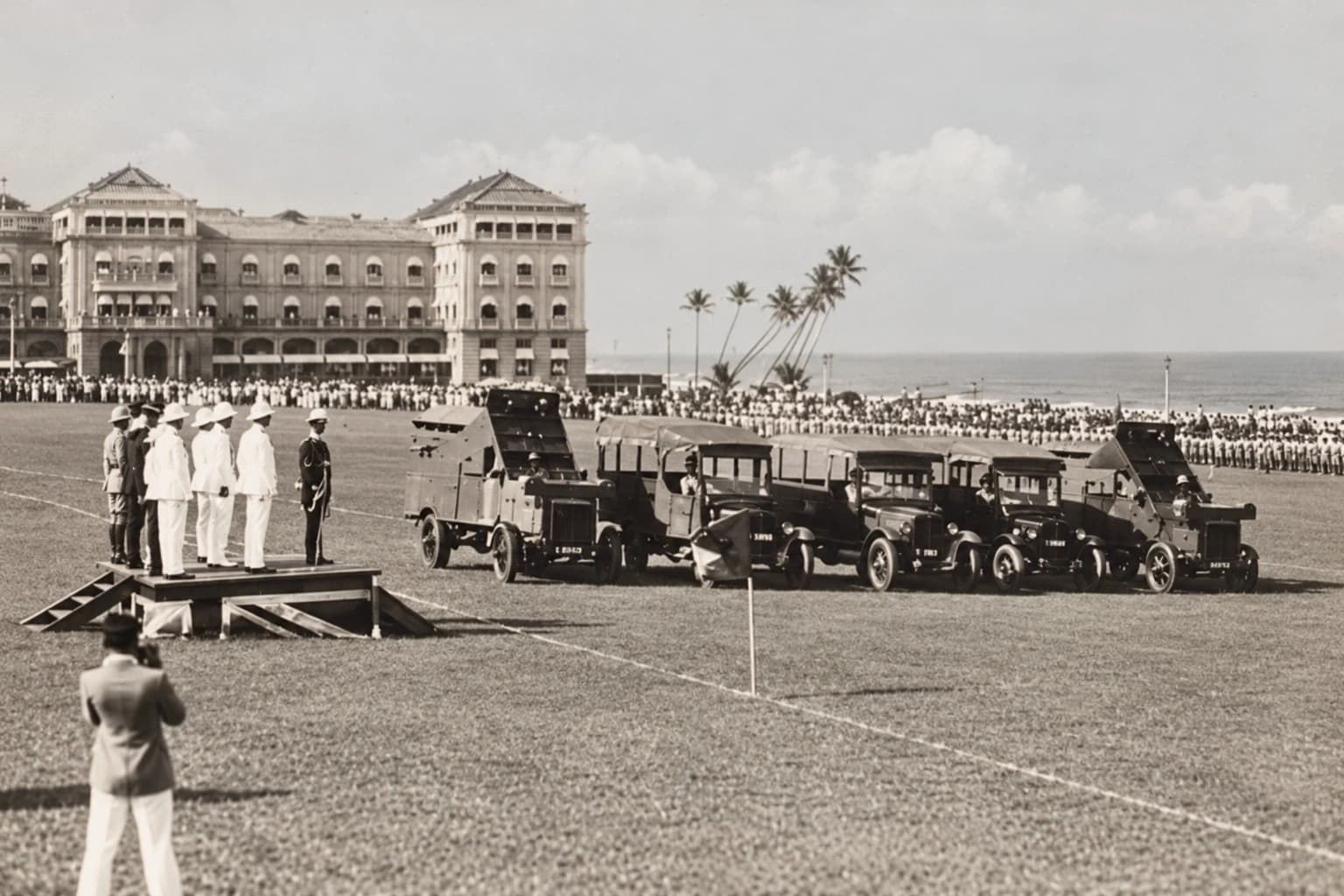
When the King’s Birthday Was Celebrated on Galle Face Green: A Glimpse of Colombo in 1933
Holyrood Estate, Talawakelle: An Old Ceylon Bungalow and a Name That Echoes Scotland