A World Remembered Through Small Details
Old Ceylon seems to live most clearly in the small details.
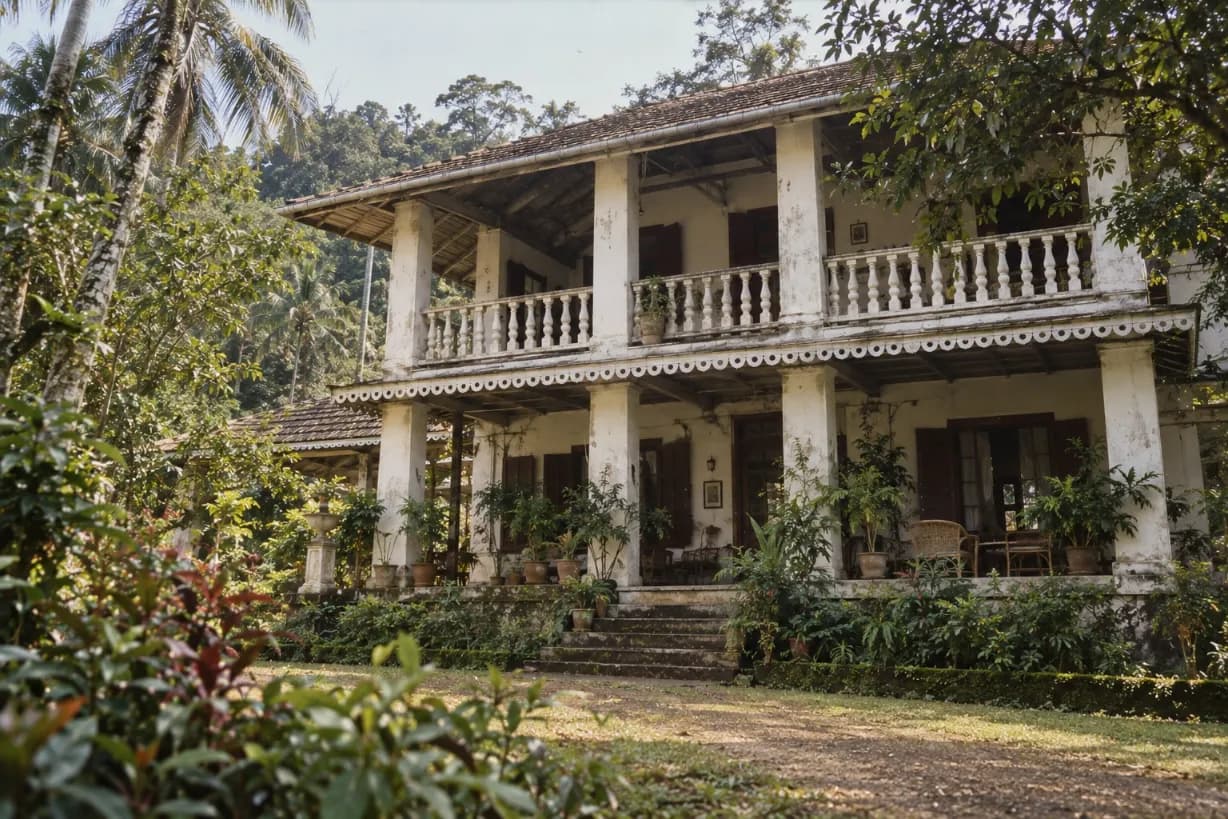
A wide verandah shaded from the afternoon sun. Shutters pushed open to let the breeze through. The smell of tea from somewhere inside the house. Coconut trees moving above the roof. A garden that was allowed to grow rather than being paved over.
None of these things were remarkable at the time. They were simply part of daily life.
But looking back now, they give us a sense of how differently the island once moved.
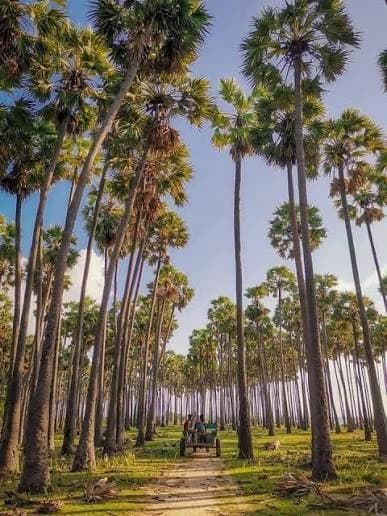
During the years of British Ceylon, particularly in the late nineteenth and early twentieth centuries, life was shaped as much by climate and distance as by the clock. Journeys took longer, news arrived more slowly and people organised their days around heat, rain, transport and daylight.
Colombo was already an important commercial city, but outside its busiest quarters the pace dropped quickly. In smaller towns and rural areas, houses stood among coconut palms, gardens were larger and the road outside might remain quiet for long stretches of the day.
Check our previous article –https://trippingsrilanka.com/stories/mount-mary-railway-quarters
Life Shaped by Climate and Distance
Everyday life in old Ceylon was deeply shaped by the island’s weather.
The heat of the afternoon, the arrival of monsoon rain, the coolness of the hill country and the sea breeze along the coast all influenced how people lived.
Before electric fans and air-conditioning became common, people had to work with the climate rather than fight against it. Houses were designed to breathe. Verandahs offered shade. Gardens cooled the surroundings. Windows and shutters were opened to encourage airflow.
Distance also mattered.
A journey to another town, a visit to relatives or a trip into Colombo could take time and planning. People could not move instantly from place to place. Because travel required effort, visits lasted longer, meals were offered more generously and people accepted a slower rhythm of life.
The House Built Around the Weather
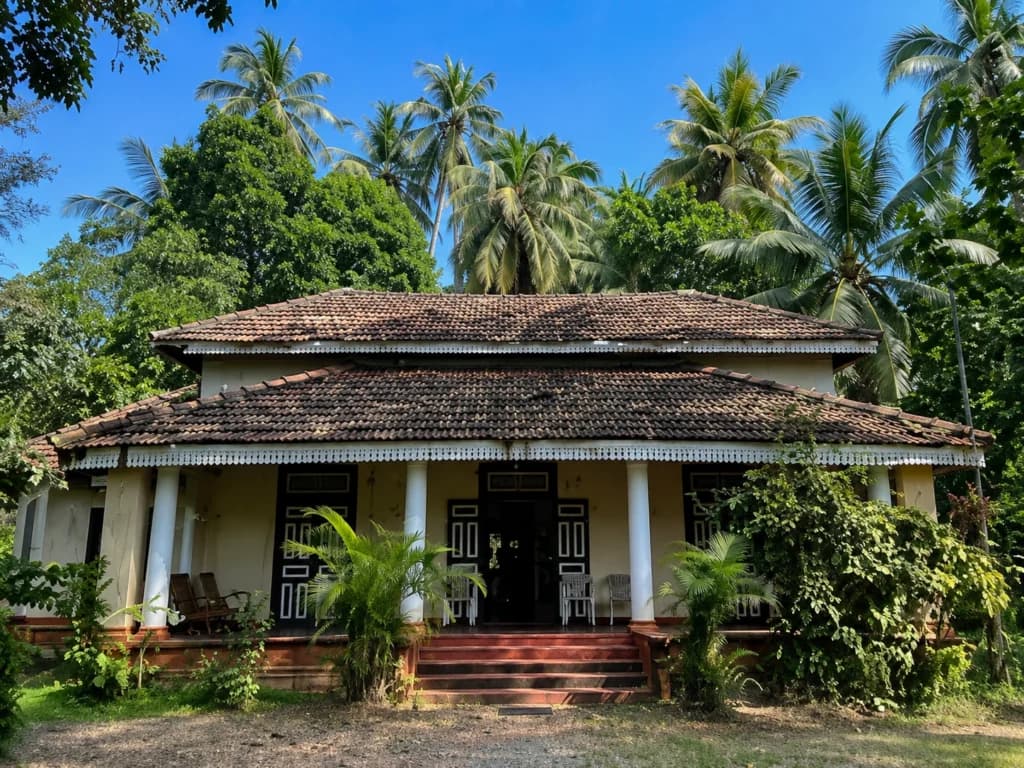
One of the most recognisable features of old Ceylon was the house itself.
The better-built homes of the period were designed for the tropics, whether they belonged to Europeans, wealthy Ceylonese families, government officers or estate managers.
High ceilings, deep verandahs, tiled roofs and tall windows were not merely decorative choices. They were practical ways of keeping the house bearable in the heat.
The house was built to catch the breeze, resist heavy rain and provide shade throughout the day.
Thick walls kept interiors cooler. Tiled roofs helped protect the rooms from heat. Large windows allowed air to move. Wide verandahs softened the boundary between indoors and outdoors.
This was architecture shaped by daily life.
The Verandah as the Heart of the Home
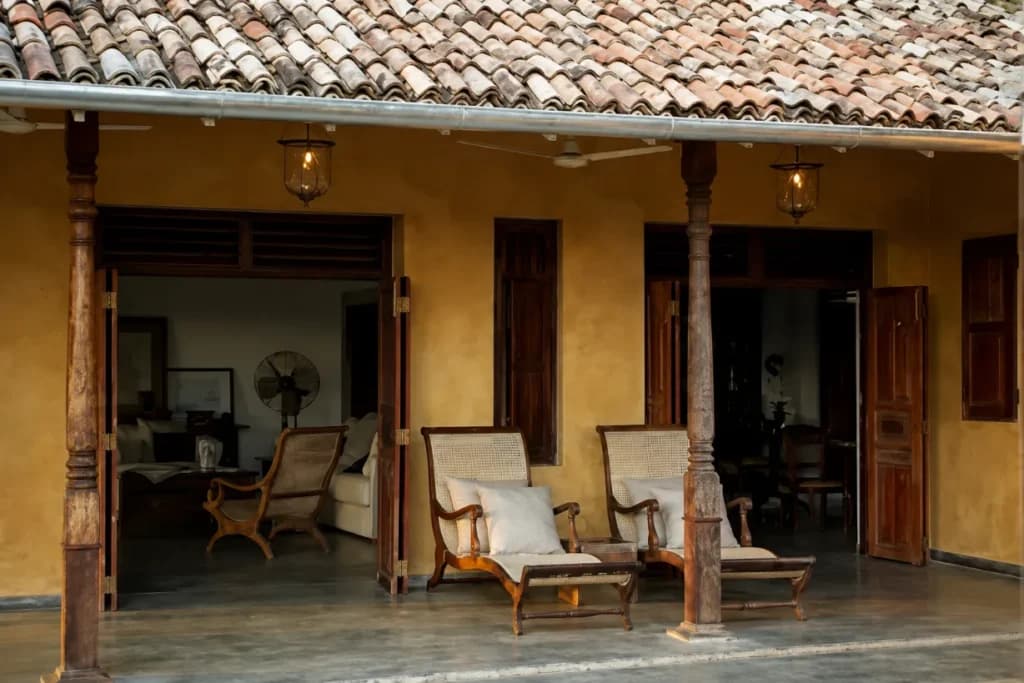
The verandah was one of the most important spaces in an old Ceylon home.
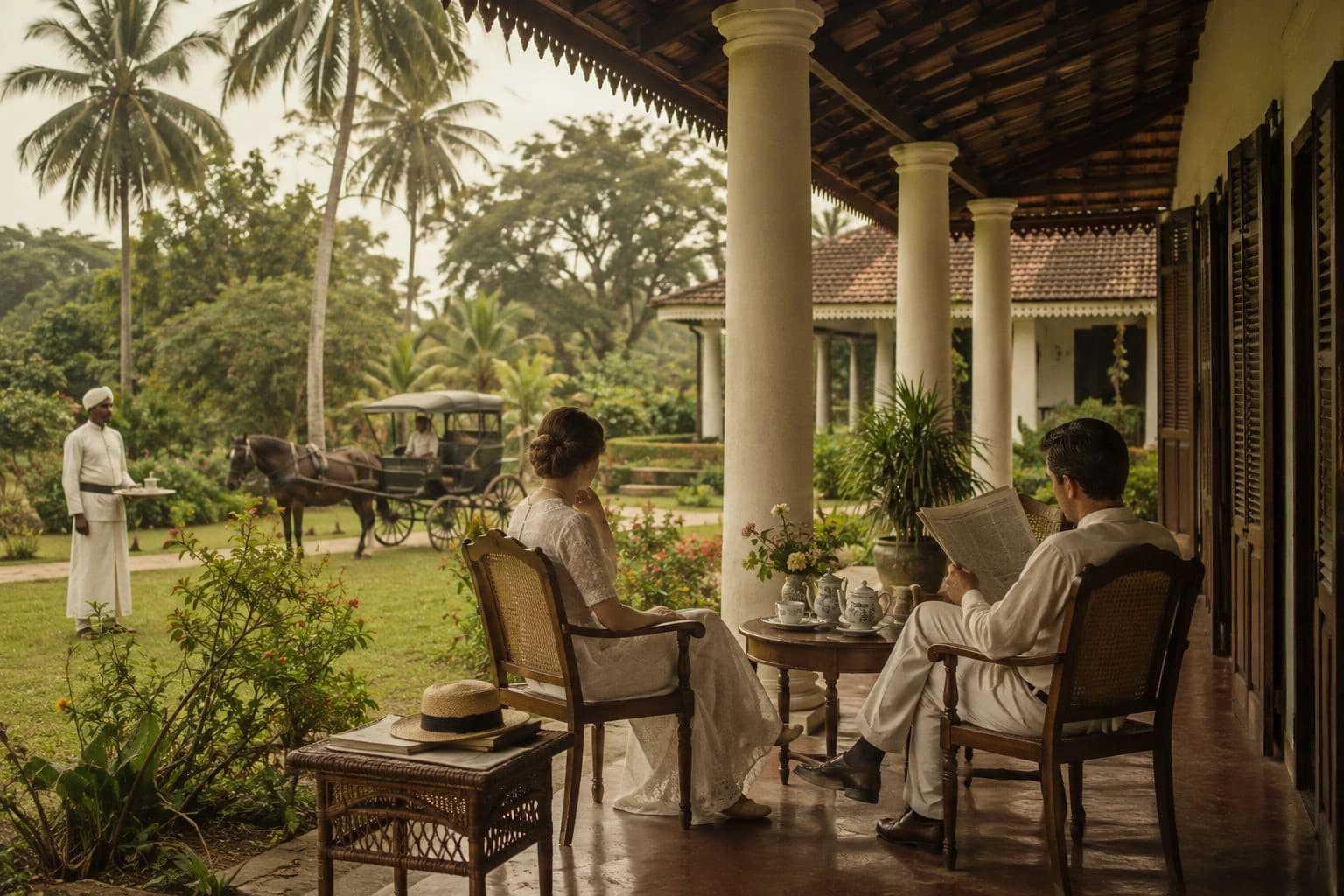
It was cooler than the rooms inside during the afternoon, and it became a natural gathering place. People read there, received visitors there, watched the garden from there and sometimes simply sat quietly while the day passed.
Tea might be brought out around four, usually with biscuits, cake or something prepared at home.
Visitors were not expected to drink quickly and leave. A call on a friend or relation could easily stretch into an hour of conversation, especially when travelling to see someone had taken real effort.
The verandah gave daily life a slower rhythm.
It was a place for conversation, waiting, watching and resting.
Gardens That Were Part of Daily Life
Homes in old Ceylon were often much more connected to their gardens than many homes are today.
Coconut, jak, mango and breadfruit trees were useful as well as beautiful. Flowering shrubs, potted plants and shaded corners softened the edges of the house.
Gardens were not only decorative. They were practical.
They provided fruit, shade, firewood, leaves, herbs and sometimes vegetables. Kitchens relied heavily on what was available locally, and many households grew at least some of what they ate.
Nobody thought of this as a lifestyle choice.
It was simply sensible household management.
The garden was part of the household economy, part of the climate control and part of the beauty of everyday life.
Travel Was Part of the Day
In old Ceylon, travel was not something people rushed through.
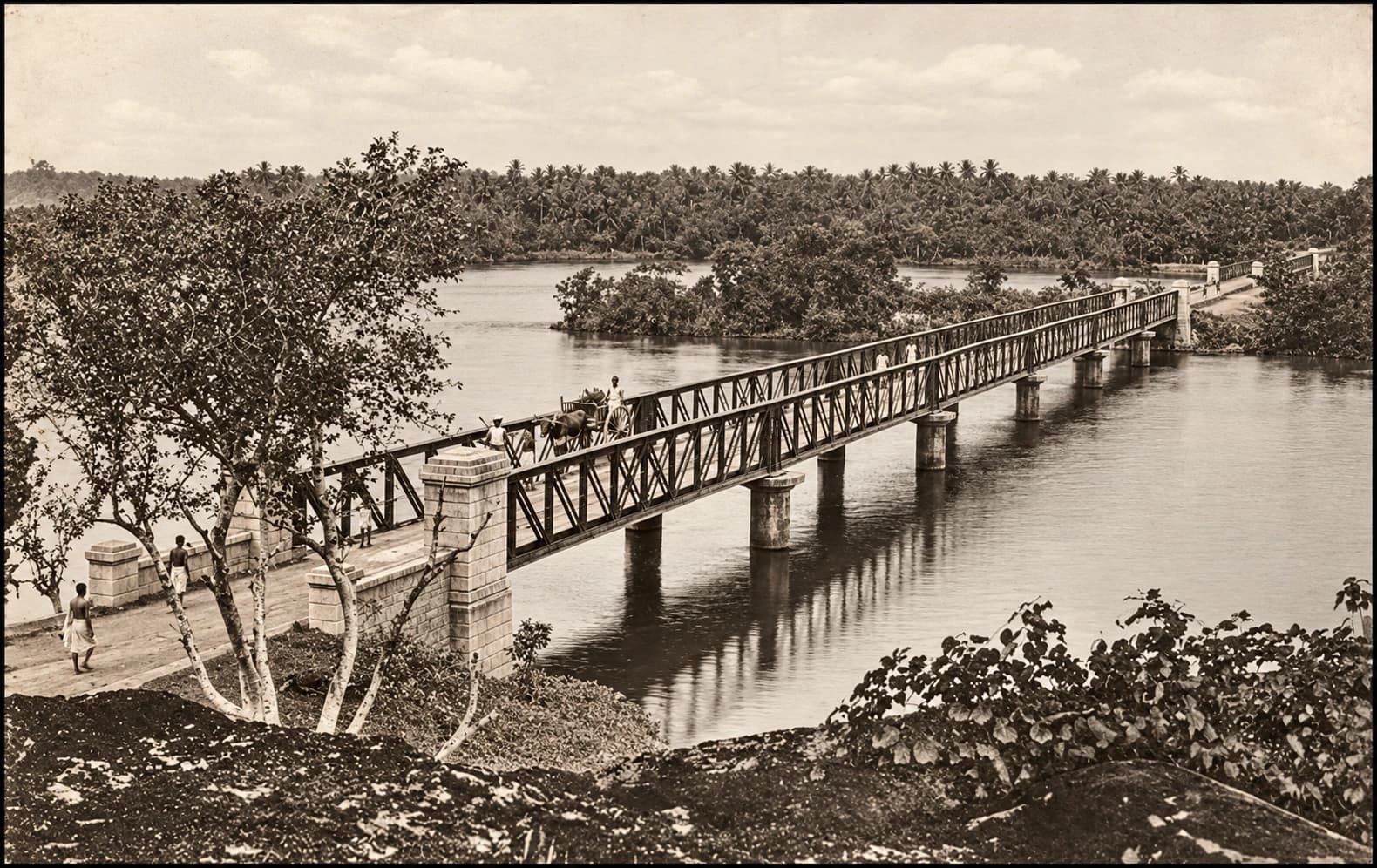
Getting from one place to another could take time, but travel had its own rhythm. In the early years, horse-drawn carriages, carts and horseback journeys were still common, particularly away from Colombo.
Motorcars gradually became more visible during the first decades of the twentieth century, although they were far from accessible to everyone.
Roads could be difficult after rain, especially outside the main towns. A journey that looks short on a modern map could take several hours.
This meant people planned journeys carefully.
They thought about weather, road conditions, daylight, rest stops and transport availability. Travelling was not simply movement. It was part of the day’s experience.
The Railway and the Changing Island
The railway changed Ceylon dramatically.
It connected Colombo with Kandy and, later, the plantation country and other parts of the island. It opened up movement on a scale that had previously been impossible.
Railway travel became part of everyday life for traders, government servants, planters, families and visitors.
A journey into the hills was not simply transport between two points. Passengers watched the landscape change from the humid lowlands into steep green country, where tea estates spread across the slopes and the air became noticeably cooler.
The railway gave people a new way of seeing the island.
It also connected the plantations, towns, ports and markets that shaped colonial Ceylon.
Rest Houses and Long Journeys
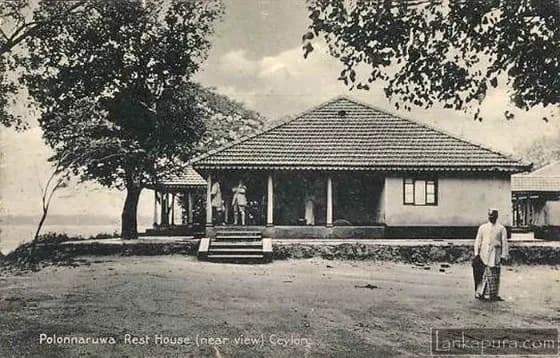
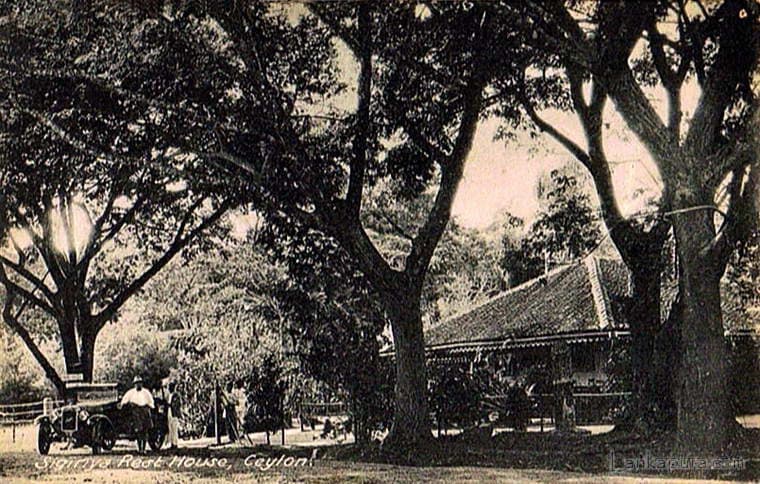
Rest houses became familiar stopping places on longer journeys.
They were scattered across the country and used by officials, travellers and people moving between towns. In an age when reaching the final destination in a single day was not always practical, a rest house mattered.
It offered a meal, a room for the night, water, shade and a place to recover from the road.
For travellers using horses, carts or early motor vehicles, these stops were essential. They allowed both people and animals to rest.
Rest houses were not always grand, but they were important.
They formed part of the island’s early travel network and helped make long-distance movement possible before modern hotels and fast transport became common.
Colombo as a Special Journey
Going into Colombo was not always the casual errand it is today.
For families living outside the capital, a day in the city might involve several carefully planned stops: a government office, a bank, a doctor, a shop in Fort or Pettah and perhaps a visit to relatives before catching the train home.
People tended to dress for the occasion because being in town carried a certain formality.
Colombo was the place for official work, shopping, banking, trade, medical visits and social calls. A trip to the city had structure and purpose.
It was not simply a drive into town.
It was an event.
Fort, Pettah and the Commercial City
Fort was the administrative and commercial centre of Colombo, while Pettah bustled with traders and shops.
Imported fabrics, household goods, medicines, books and other items that were unavailable in smaller towns could be found there.
Colombo was busy by the standards of the time, but even the capital had not yet developed the continuous traffic and density that define it now.
Beyond the commercial centre there were tree-lined roads, large gardens and residential neighbourhoods where the city felt surprisingly spacious.
This older Colombo was a city of contrasts.
It had banks, offices, shops, ports and railway stations, but also quiet roads, shaded compounds and homes hidden behind gardens.
A City of Many Communities
Colonial Colombo was also a place where many communities overlapped.
British officials, European merchants, Burgher families, wealthy Sinhala and Tamil households, Muslim trading communities and a much larger population of workers and servants all occupied the same city, though not on equal terms.
Colonial Ceylon had firm divisions of race, class and status.
The gracious lifestyle remembered through old houses, clubs, hotels and verandahs represented only one part of the island’s story.
Behind that world were domestic workers, carriage drivers, cooks, gardeners, clerks, port workers, railway workers, washermen, vendors and labourers whose work made daily life possible.
A complete memory of old Ceylon must include all of them.
When News Took Its Time
One of the greatest differences between then and now was the way information travelled.
Letters mattered because they were often the main way of keeping in touch with people who lived elsewhere. A letter might carry family news, business instructions or an invitation, and there was no expectation of an immediate reply.
Newspapers were read closely because they brought together local events, overseas news, shipping notices, advertisements and the social life of the day.
Telephones gradually appeared in offices and wealthier homes, but for most people communication remained slower and more deliberate.
This changed the way people experienced time.
There was more waiting, more patience and more room between sending a message and receiving an answer.
Visits That Lasted Longer
Because travel and communication took time, visits were treated differently.
When relatives travelled from another district, they rarely dropped in for fifteen minutes. People stayed for meals, sometimes for several days, because the journey had taken time and there was no reason to hurry back unless necessary.
Hospitality was central to daily life.
A visitor was offered tea, food, a seat and conversation. In many homes, this instinct remains alive today.
The old rhythm of visiting reminds us that relationships were not managed through quick messages and short meetings. They were maintained through time spent together.
Quiet Evenings Before Modern Noise
Evenings in old Ceylon were quieter.
Without television, mobile phones or the endless background noise of modern life, entertainment was usually found in conversation, reading, music, cards, visits or simply being outside once the heat had eased.
In coastal areas, the breeze could make the verandah the most comfortable place in the house after dark.
In the hill country, evenings were cool enough for fires, shawls and warm clothing.
The day ended more gradually.
People listened to insects, rain, distant voices, passing carts or the occasional motor vehicle. The night had more silence in it than most places do now.
The Charm and the Unequal Reality
It is easy to look back at British Ceylon through a romantic lens.
The old bungalows, plantation roads, railway journeys and gardens do have a certain charm, particularly when compared with the congestion and constant movement of modern life.
But the period was also shaped by colonial rule, inequality and the hard labour of people whose experiences rarely appear in nostalgic accounts.
The comfort enjoyed in large houses depended heavily on domestic staff. The plantation economy was built on difficult working conditions and deep social divisions.
Remembering old Ceylon honestly means holding both truths together.
There was beauty in the way life moved, but there was also inequality behind much of that beauty.
What People Miss About Old Ceylon
Much of what people miss when they speak fondly of old Ceylon has less to do with colonialism itself and more to do with a way of living that has almost disappeared.
They miss houses designed for the climate.
They miss gardens that were part of domestic life.
They miss train journeys that encouraged passengers to look out of the window.
They miss visits that lasted longer than expected.
They miss afternoons in which there was no pressure to be constantly available.
They miss the feeling that time could stretch.
This is the emotional power of Old Ceylon nostalgia.
It is not only about buildings or clothing. It is about rhythm.
Traces That Still Remain
Some traces of that Ceylon are still with us.
They survive in old railway stations, tiled houses tucked behind newer buildings, estate bungalows in the hills and quiet stretches of road where the landscape suddenly looks as though it has changed very little in a hundred years.
They also survive in habits that many Sri Lankan families have never entirely lost.
Afternoon tea. Long visits. The instinct to offer food to anyone who walks through the door. Sitting outside once the sun has gone down. Keeping plants close to the house. Opening windows for the breeze. Watching rain from a verandah.
These are not only memories.
They are living fragments of an older way of life.
Why This Slower Ceylon Still Matters
A slower Ceylon matters because it reminds us that progress is not only about speed.
Modern life has brought comfort, mobility, communication and opportunity. But it has also made daily life more hurried, more enclosed and more disconnected from climate, landscape and neighbourly time.
Old Ceylon was not simpler in every way, and it was certainly not fairer for everyone.
But it offers a lesson worth remembering.
A house can be built for the weather. A garden can be useful as well as beautiful. A visit can last longer than necessary. A journey can be part of the experience. A day can have pauses in it.
These are not only nostalgic ideas.
They are ways of living that still have value.
Final Thoughts: Everyday Life Under the Palms
Old Ceylon was not a perfect world.
It was shaped by colonial rule, class divisions and hard labour. But it was also a world in which daily life often moved more slowly, more openly and more closely with the climate.
Under the palms, people lived by heat, rain, distance and daylight. They opened shutters for the breeze, sat on verandahs, waited for letters, travelled by train, received visitors properly and allowed evenings to settle without hurry.
Perhaps that is what makes Old Ceylon so easy to feel nostalgic about.
It was not a simpler world in every sense, and certainly not a fairer one.
But it was a world in which daily life left more room for time itself.
Visit Us: https://trippingsrilanka.com/stories