Exploring a Forgotten Corner of Old Ceylon
When people think of colonial-era Colombo, places such as Fort, Cinnamon Gardens, Galle Face, and the old Parliament Building often come to mind. Yet tucked away in Dematagoda lies one of the city’s most fascinating and lesser-known heritage sites — the Mount Mary Railway Quarters.
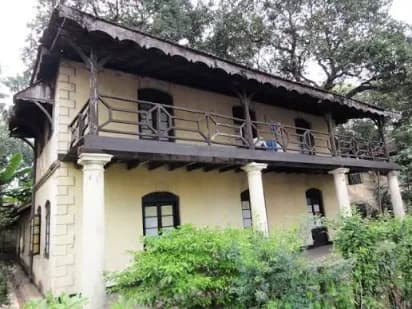
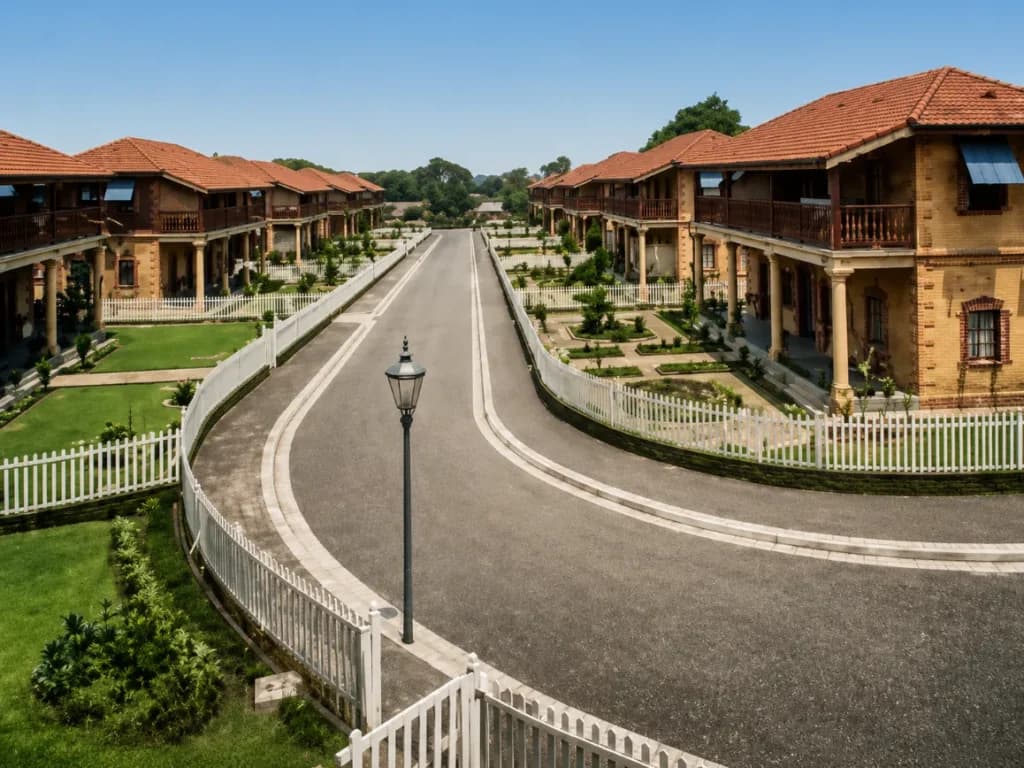
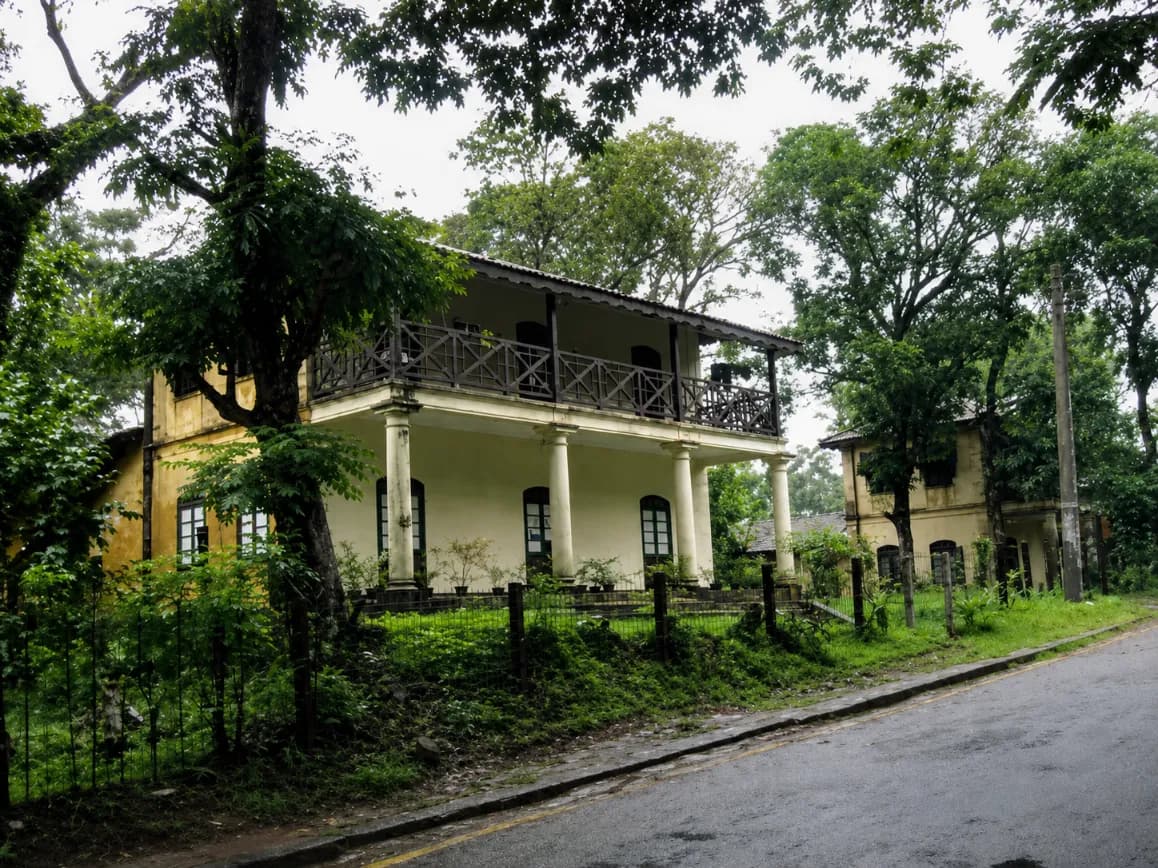
Often referred to as the “Little English Bungalows of Mount Mary,” this historic residential enclave offers a rare glimpse into the lifestyle of railway officials during the golden age of Ceylon Railways. Surrounded by mature trees, shaded roads, and colonial-era houses, the area feels very different from the busy city that now surrounds it.
For lovers of Old Ceylon history, railway heritage, colonial architecture, and Burgher community history, Mount Mary remains one of Colombo’s hidden treasures.
Check our previous article – https://trippingsrilanka.com/stories/nuwara-eliya-little-england
A Hidden Piece of Old Ceylon in Dematagoda
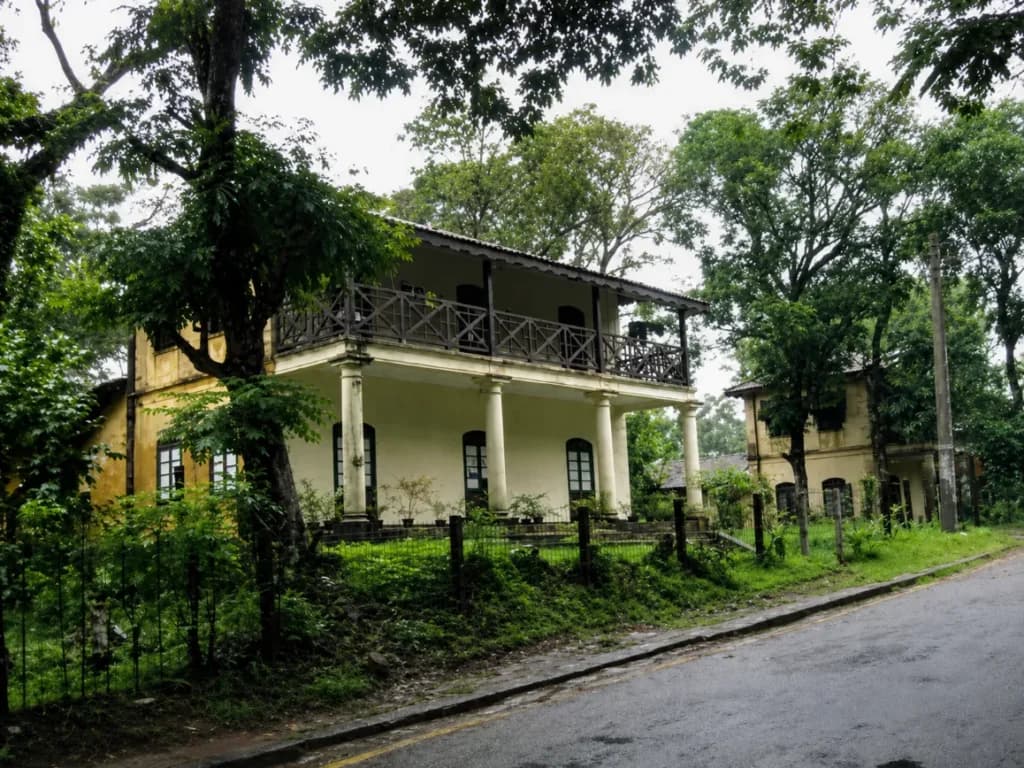
Mount Mary is not usually found on standard Colombo heritage routes. It is not as famous as the Dutch Hospital, Wolvendaal Church, Independence Square, or the old Fort area. Yet its value lies in the way it preserves a quieter chapter of Colombo’s past.
This was not a commercial district or a ceremonial capital space. It was a residential world built around the railway. The people who lived here were connected to one of the most important systems in colonial Ceylon: the railway network.
The Mount Mary Railway Quarters remind us that Old Ceylon was shaped not only by governors, merchants, planters, and grand public buildings. It was also shaped by engineers, station masters, locomotive drivers, workshop supervisors, technical officers, and the families who lived beside the railway world.
The Rise of the Railway Town
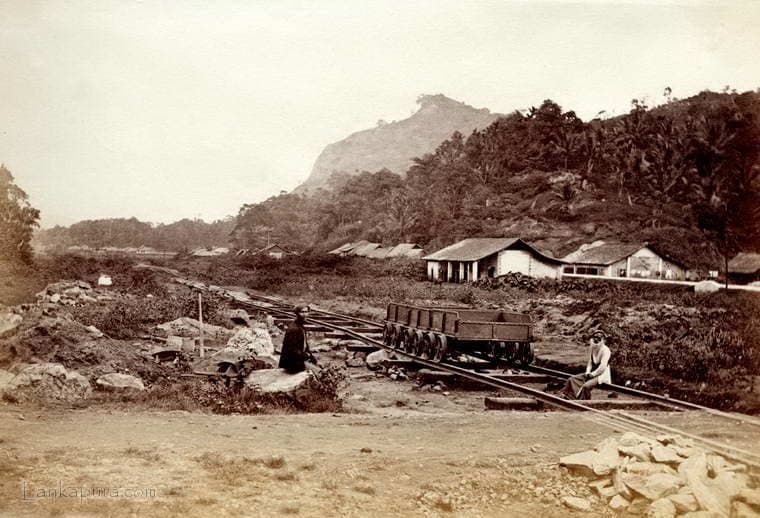
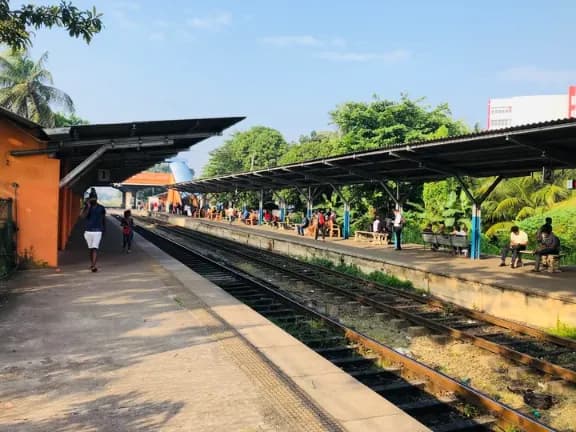
The story of Mount Mary begins during the British colonial period, when railways were rapidly expanding across Ceylon.
By the early twentieth century, the railway network had become one of the island’s most important infrastructure systems. It connected Colombo with the hill country, tea estates, ports, administrative towns, and agricultural regions. It moved people, mail, goods, plantation produce, government officials, and military supplies.
Around 1911, the Ceylon Government Railway, commonly known as CGR, established a residential settlement in Dematagoda for its senior railway personnel.
These homes were designed to provide comfortable accommodation for key railway officials such as:
- Station masters
- Locomotive drivers
- Engineers
- Workshop supervisors
- Technical officers
- Administrative staff connected to railway operations
Unlike ordinary workers’ quarters, Mount Mary was planned as an exclusive residential community. Housing allocation reflected job rank, with larger and more elegant homes reserved for senior officers.
The result was a unique railway village that combined British planning ideas with practical features suited to Ceylon’s tropical climate.
Check our previous article – https://trippingsrilanka.com/stories/british-built-railway-stations
Why They Were Called “Little English Bungalows”
The nickname “Little English Bungalows” was not given without reason.
Walking through the area, visitors can still notice architectural features strongly influenced by British colonial residential design. These homes were not built as simple shelters. They were designed to reflect rank, comfort, order, and status within the railway department.
Special Architectural Features
The bungalows commonly included:
- Wide wraparound verandahs
- High ceilings for natural cooling
- Spacious rooms
- Large windows and shutters
- Decorative timber railings
- Steep tiled roofs
- Elevated foundations
- Shaded garden surroundings
These design elements allowed residents to live comfortably despite Colombo’s tropical heat and humidity.
The houses were positioned among large trees and open spaces, creating a peaceful environment that felt closer to an English garden suburb than a crowded urban neighbourhood. At the same time, the buildings were adapted to local conditions through verandahs, ventilation, shade, and tiled roofing.
This mix of English influence and tropical practicality is what gives Mount Mary its special architectural character.
A Community Built Around the Railway
The Mount Mary Railway Quarters were more than just houses.
They formed a close-knit community connected by a shared profession. Generations of railway employees and their families lived here, creating a unique culture centred around the rhythms of the railway system.
Children grew up hearing the whistles of steam locomotives. Families formed lifelong friendships. Social gatherings, community events, sporting activities, and everyday neighbourhood life became part of the settlement’s identity.
The railway was not just a workplace. It shaped the daily rhythm of the community.
The sound of trains, the timing of shifts, the importance of discipline, and the pride of working for the railway all influenced life at Mount Mary. For many former residents, Mount Mary was not merely a place to live. It was a way of life.
The Burgher Connection
One of the most fascinating aspects of Mount Mary’s history is its strong association with Sri Lanka’s Burgher community.
During both the colonial and early post-independence periods, many railway technical and administrative positions were held by Burgher families. As a result, the Mount Mary Quarters became home to numerous families of Dutch, Portuguese, and British ancestry.
Family Names Associated with Mount Mary
Family names linked with the settlement included:
- De Zilva
- Dickson
- Ingram
- Spencer
- Rosayro
- Keegal
- Janzs
- Berenger
- Koelmayer
These names reflected the multicultural character of colonial Ceylon and the important role the Burgher community played in developing the country’s railway services.
The Burgher community was especially visible in technical, clerical, railway, postal, administrative, and professional sectors during this period. Their language skills, education, and familiarity with colonial institutions often placed them in important positions within government departments.
Mount Mary therefore became more than a railway settlement. It became part of Sri Lanka’s Burgher social memory.
A Multicultural Railway Enclave
Over time, distinguished Sri Lankan families from other communities also moved into the area as they secured senior technical and management positions within the railway department.
This created a diverse yet tightly connected residential enclave.
Mount Mary reflected the layered society of twentieth-century Colombo. Burgher, Sinhalese, Tamil, and other families connected through railway service, education, neighbourhood life, and shared public institutions.
The community was shaped by discipline, respectability, and public service. Railway employment carried prestige, especially for those in senior technical or administrative roles. To live in Mount Mary was to belong to an important professional world.
Architecture That Stands the Test of Time
More than a century after they were built, many of the Mount Mary residences continue to stand.
While some structures have undergone modifications, the essential character of the settlement remains remarkably intact. The long verandahs, timber balconies, tiled roofs, spacious layouts, and old garden settings reveal an era when homes were designed for comfort rather than maximum land utilisation.
Unlike modern apartment developments, the Mount Mary Quarters were built with generous spacing, mature landscaping, and pedestrian-friendly roads.
These qualities make the area particularly valuable from a heritage conservation perspective.
Many architectural enthusiasts consider the settlement one of Colombo’s best surviving examples of early railway housing.
Special Things to Notice at Mount Mary
For visitors, photographers, and heritage lovers, Mount Mary is best appreciated slowly.
The Bungalows
The old railway bungalows are the main attraction. Their proportions, verandahs, rooflines, shutters, and timber details tell the story of early twentieth-century railway housing.
The Tree-Lined Roads
The roads and mature trees create a calm atmosphere that feels unusual within modern Colombo. This landscape design was part of the area’s charm.
The Verandahs
The wide verandahs are one of the most important architectural features. They show how colonial-era houses adapted to heat, rain, and everyday social life.
The Railway Connection
The location is meaningful because it was built around the needs of Ceylon Government Railway officials. The houses are therefore part of Sri Lanka’s transport history.
The Burgher Heritage
The family histories connected to Mount Mary make the area important for those interested in Sri Lanka’s multicultural past.
A Forgotten Heritage Worth Preserving
Despite its historical significance, Mount Mary remains largely unknown to many Sri Lankans.
Rapid urban development continues to transform Colombo, placing increasing pressure on heritage sites across the city. Places like Mount Mary remind us that preserving architectural heritage is about more than protecting buildings. It is about preserving stories, communities, and memories.
The railway system played a vital role in shaping modern Sri Lanka, and the Mount Mary Quarters represent an important chapter of that story.
Protecting these structures ensures that future generations can better understand the people who built, operated, and maintained one of the island’s most significant transportation networks.
Why Mount Mary Matters to Old Ceylon
Mount Mary matters because it shows a side of Old Ceylon that is often forgotten.
It is not a fort, church, palace, tea estate, or government building. It is a residential railway settlement. That makes it special.
The area reveals how infrastructure created communities. The railway did not only move trains. It shaped neighbourhoods, careers, family histories, architecture, and social identity.
Mount Mary also reminds us that colonial Colombo was not only about elite city districts. Important heritage can survive in working neighbourhoods such as Dematagoda, where railway life played a central role.
Visiting Mount Mary Today
Visitors exploring Old Colombo can still discover traces of this remarkable railway settlement in Dematagoda.
The quiet streets, mature trees, and colonial-era homes create an atmosphere rarely found elsewhere in the city. It is a rewarding area for those who enjoy observing architecture, railway history, and hidden urban heritage.
Photography enthusiasts, architecture lovers, railway historians, and heritage travellers will find Mount Mary a meaningful stop on an Old Ceylon exploration.
It may not appear in most tourist guidebooks, but for those willing to look beyond Colombo’s better-known landmarks, the “Little English Bungalows” offer a fascinating journey into Sri Lanka’s railway past.
A Suggested Old Colombo Heritage Route
Mount Mary can be included in a wider Colombo heritage journey.
Travellers interested in Old Ceylon can combine it with:
- Colombo Fort and the old railway-related commercial district
- Maradana Railway Station
- Dematagoda railway areas
- Wolvendaal Church
- Cinnamon Gardens colonial residences
- Independence Square
- The old Parliament precinct
- Grand Oriental Hotel and harbour-side Colombo
Together, these places help tell the story of how Colombo grew through trade, railways, administration, communities, and colonial-era planning.
Mount Mary adds an important residential chapter to this story.
The Legacy Lives On
More than a hundred years after its creation, the Mount Mary Railway Quarters continue to tell the story of colonial Ceylon, the rise of the railway network, and the communities that grew around it.
As modern Colombo continues to evolve, these elegant bungalows stand as quiet reminders of a bygone era — when steam engines ruled the tracks, railway officials formed close-knit communities, and a small corner of Dematagoda became known as Colombo’s own “Little England.”
For anyone passionate about Old Ceylon, Mount Mary remains one of the city’s most intriguing hidden gems.
Final Thoughts
The Mount Mary Railway Quarters are more than old houses. They are a living memory of Ceylon’s railway age.
They tell the story of transport, architecture, professional communities, Burgher heritage, and Colombo’s changing urban landscape. Their shaded roads and old bungalows preserve a world that is becoming increasingly rare in the city.
For heritage travellers, Mount Mary is worth noticing because it reveals the quieter side of Old Ceylon — not the grand ceremonial world, but the everyday residential world of railway families who helped keep the island moving.
In that sense, Mount Mary is not just a forgotten corner of Dematagoda.
It is one of Colombo’s most valuable hidden heritage landscapes.
Visit Us: https://trippingsrilanka.com/stories
Heritage places mentioned