The First Printed Sinhala Book in Sri Lanka: The Story of Yachna Haella ( Prayer Book in Sinhala)
A Forgotten Chapter in Sri Lanka’s Written Heritage
Sri Lanka is a country with a written heritage that goes back thousands of years. Long before printed books, newspapers, and digital Sinhala fonts, the island’s history, religion, medicine, law, literature, and royal records were preserved through stone inscriptions, copper plates, silver plates, gold plates, and ola leaf manuscripts.
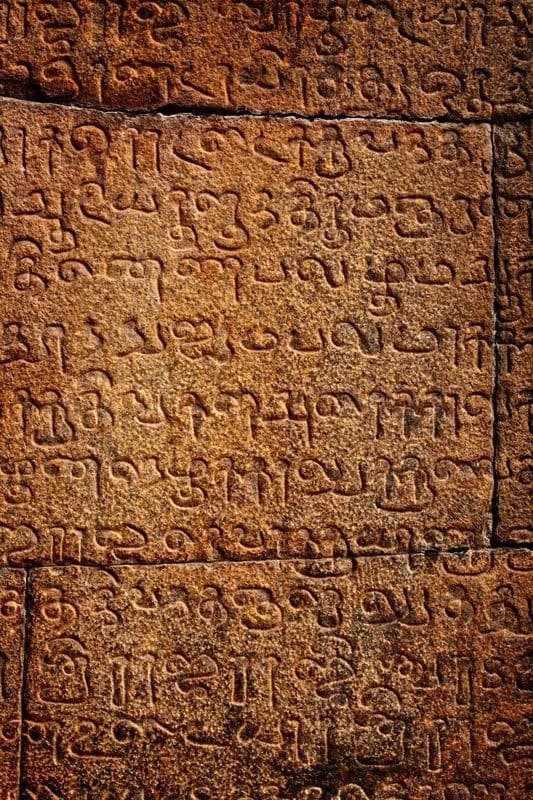
These early writing traditions are still part of Sri Lanka’s cultural identity. They can be seen in temples, museums, archaeological sites, libraries, and historic collections across the island.
But one part of this story is not spoken about often enough: how Sinhala writing moved from handwritten manuscripts to printed books.
That journey leads us to one remarkable Dutch-period publication: Yachna Haella, widely regarded as the first printed Sinhala book in Sri Lanka.
This is not just the story of a book. It is the story of language, colonial rule, craftsmanship, religion, and the beginning of Sinhala print culture.
Before Printing Came to Sri Lanka
To understand why Sri Lanka’s first printed Sinhala book matters, we need to look briefly at the wider history of printing.
Printing began in Asia long before it transformed Europe. Among the oldest clearly dated mass-produced printed works are Japan’s Hyakumantō Darani, Buddhist prayers commissioned by Empress Shōtoku in the 8th century. Earlier printed Buddhist texts from China and Korea are also part of the wider history of early printing.
In China, the invention of paper changed the way people recorded and shared information. Early printing was done through block printing, where a full page of letters or images was carved onto a wooden block. Ink was applied to the surface, and paper was pressed onto it to produce the printed page.
This method was useful, but it had one major weakness. Every page needed a separate carved block.
Later, movable type made printing more flexible. Individual characters could be arranged, reused, removed, and rearranged. This made it easier to print larger works.
In Europe, Johannes Gutenberg’s printing press in the 15th century changed communication, education, religion, and public life. By the 16th century, printing had spread to India. Sri Lanka, however, had to wait longer.
Sri Lanka’s Writing Culture Before Printed Books
Before European influence, Sri Lanka already had a rich writing culture.
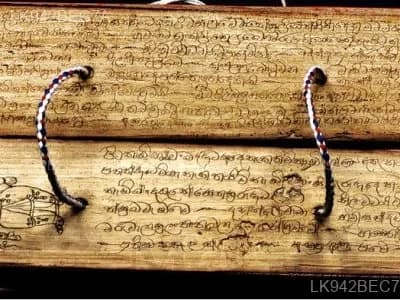
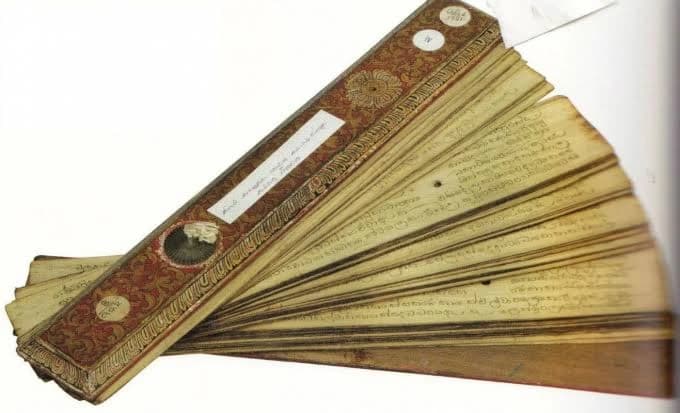
The island’s knowledge was preserved through inscriptions, temple records, royal documents and especially ola leaf manuscripts. Buddhist monks, scholars, physicians, astrologers and royal scribes used ola leaves to record religious texts, medical knowledge, astrology, poetry, law and history.
These manuscripts required great skill. The letters were carefully incised by hand, usually with a stylus, and the leaves were treated and bound for preservation.
This means Sinhala printing did not begin in a country without writing. It began in a country with an already sophisticated manuscript tradition.
That is why the arrival of printing was so important. It did not create Sinhala literacy from nothing. It introduced a new technology into an older world of writing, scholarship and record keeping.
How Paper and Printing Reached Sri Lanka
Paper became more familiar in Sri Lanka after the arrival of the Portuguese in 1505. But printing became more important during the Dutch period.
After the Dutch consolidated control over Sri Lanka’s coastal regions by 1658, they needed to communicate with the local population. They issued government orders, tax instructions, legal notices, religious material and administrative announcements.
This created a practical problem.
These notices had to be understood by the people. Sinhala-speaking communities needed Sinhala documents. Tamil-speaking communities needed Tamil documents. Producing large numbers of handwritten copies was slow, difficult and inefficient.
The Dutch needed a faster system.
Printing became the solution.
Why the Dutch Needed Sinhala Printing
In the early years, the Dutch experimented with wooden block printing. Around 1707, they began printing government orders and proclamations in Sinhala using carved wooden blocks.
But Sinhala letters are rounded, detailed and visually complex. Carving complete pages into wooden blocks was not easy. It also meant that every new notice or changed text required new blocks.
The Dutch needed something more practical: movable Sinhala type.
This meant every Sinhala letter had to be designed and produced separately, so that words and sentences could be assembled for printing. Creating Sinhala movable type was a major technical challenge because Sinhala script was very different from European letters.
That responsibility was given to a skilled craftsman named Gabriel Schade, also remembered locally as Gabriel Saed or Gabriel Sedbas.
Gabriel Schade: The Craftsman Behind Sinhala Print
Gabriel Schade was not a publisher or author. He was a master craftsman attached to the Dutch arsenal, where technical metalwork and military-related production took place.
His task was highly specialised. He had to create Sinhala letters suitable for printing.
At that time, Sinhala writing was commonly seen in ola leaf manuscripts, especially those copied in temples. These letters had a graceful, rounded form. Schade used these traditional manuscript-style letters as inspiration when shaping the first Sinhala printing type.
He worked on Sinhala characters using brass plates and helped create a set of letters that could be used in a printing press. The process was not quick. Administrative delays and changes in Dutch governors slowed the project.
But by 1737, Sinhala movable type was ready.
This achievement gave Gabriel Schade an important place in Sri Lanka’s printing history. He is remembered as one of the pioneers of the printed Sinhala letter.
Yachna Haella: Sri Lanka’s First Printed Sinhala Book
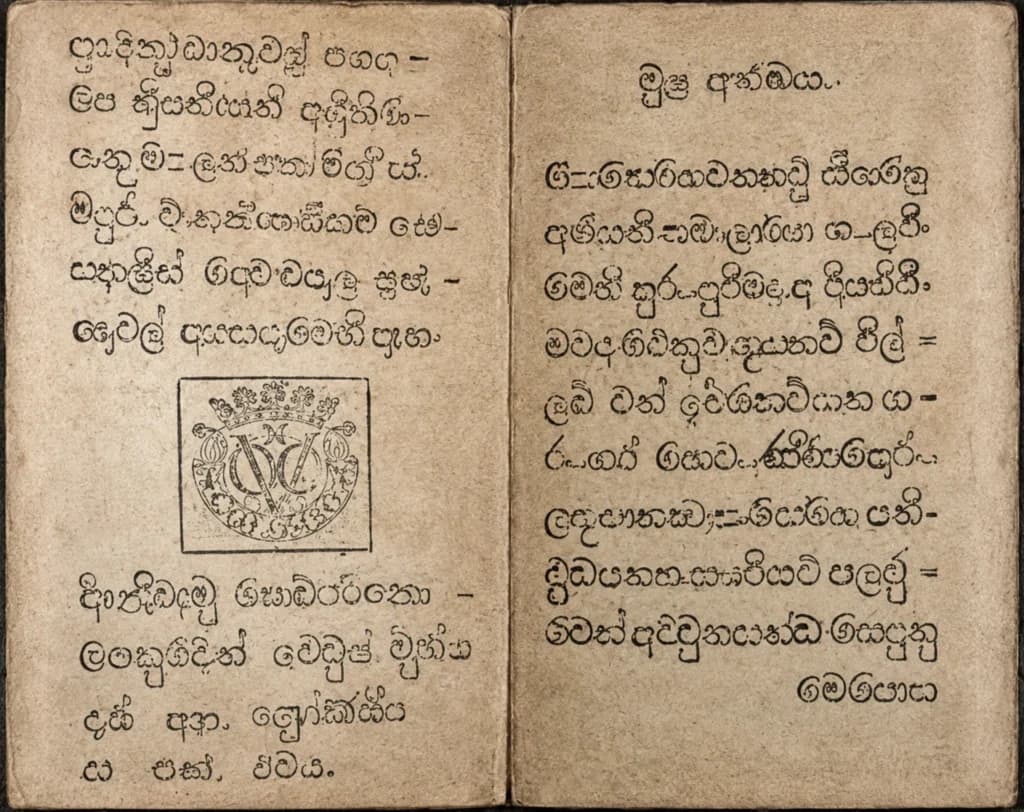
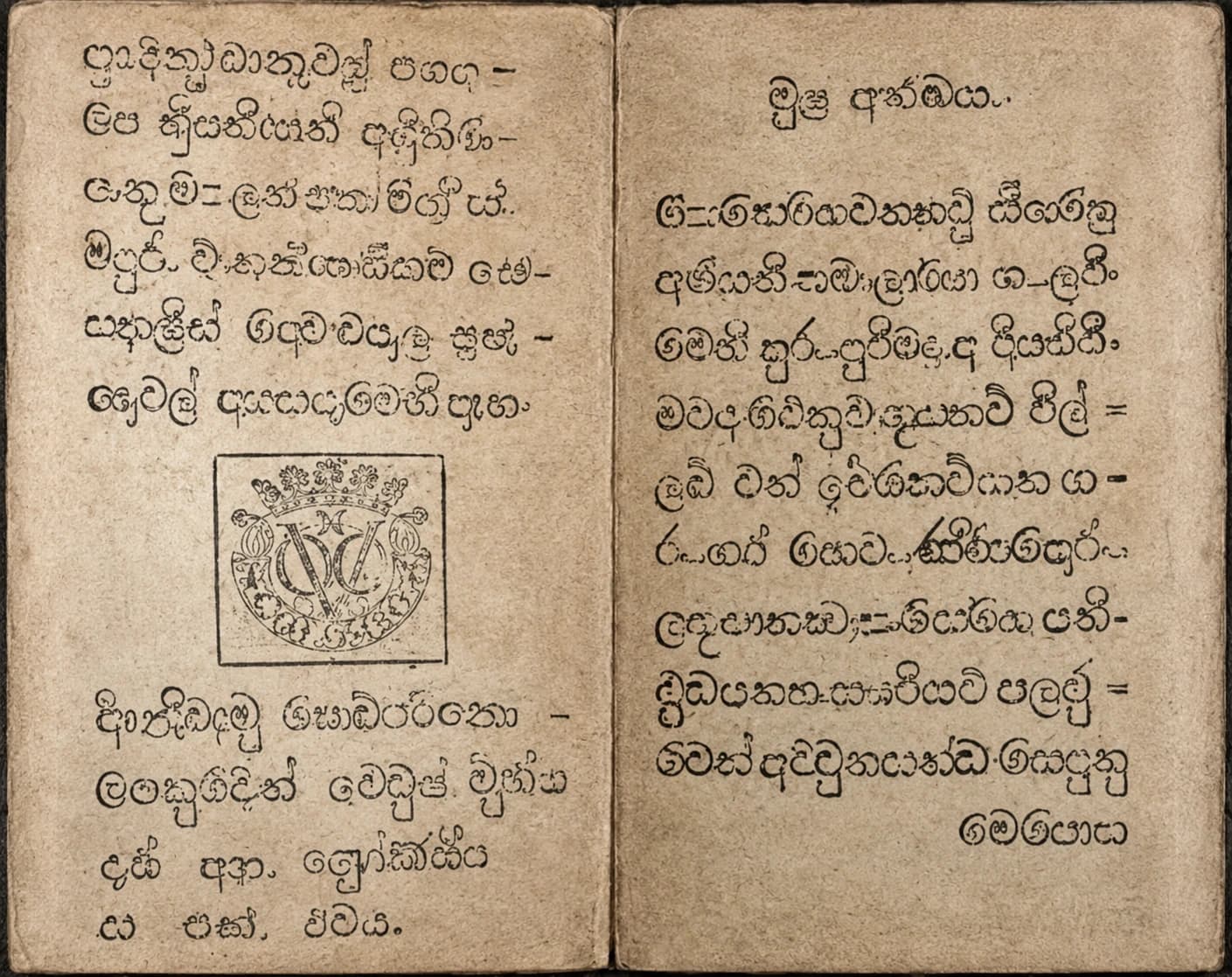
In 1737, Sri Lanka’s first printed Sinhala book was produced.
Its title was Yachna Haella, known in Sinhala as යාච්ඤා හෑල්ල. It is often described as a prayer book, and in Sinhala printing history, it is widely regarded as the earliest printed Sinhala book.
The book was produced during the Dutch period and was mainly connected to Christian religious instruction. Its contents included principal prayers, articles of Christian belief and commandments.
There is also a sad human detail behind this milestone. Gabriel Schade, the craftsman who helped create the Sinhala printing type, did not live to see the completed book. Historical accounts say he passed away a few months before the book was printed.
That makes the story even more meaningful.
One of the most important moments in Sinhala print history was made possible by a craftsman who never saw the final result of his work.
What Was Inside Yachna Haella?
Yachna Haella was not a novel, poem or popular storybook. It was a religious publication.
Its introductory pages explained that the book contained five principal prayers, twelve articles of Christian faith and sixteen commandments. The imprint also mentioned that it was printed in 1737 for the “Illustrious Company”, referring to the Dutch East India Company, also known as the VOC.
Although the book was created within a colonial and religious context, its historical importance is much wider.
It marked a turning point for Sinhala writing. From handwritten ola leaf manuscripts, Sinhala entered the world of printed books.
That change would later support religious publishing, education, government communication, newspapers, literature and modern Sinhala publishing.
Why Yachna Haella Matters in Sri Lankan History
The importance of Yachna Haella is not only religious. It is also cultural, technological and linguistic.
The book represents the first major step in adapting Sinhala script to printing technology. It shows how a traditional handwritten script was reshaped for mechanical reproduction.
This mattered because printing changed the way information could travel. A handwritten manuscript was slow to produce and limited in number. A printed book could be reproduced more quickly and shared more widely.
Over time, this helped create a new world of Sinhala reading culture.
Without these early experiments, later Sinhala newspapers, schoolbooks, religious works, public notices and literary publications would have developed very differently.
Where Is Yachna Haella Preserved Today?
Original copies of Yachna Haella are carefully preserved in Sri Lanka. These copies are valuable cultural artefacts connected to the beginning of Sinhala printing.
They are known to be preserved at:
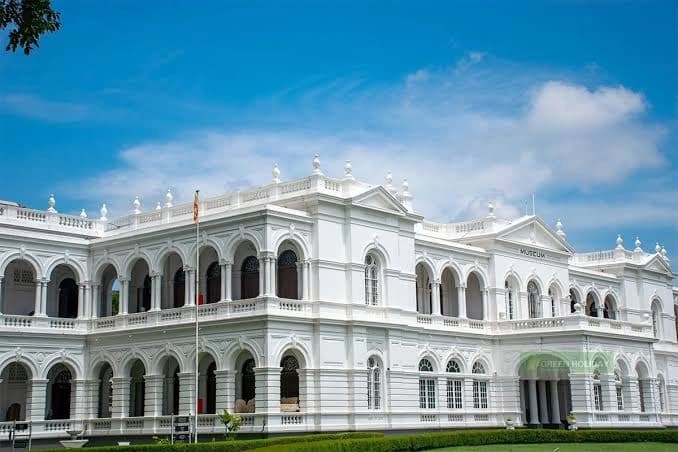
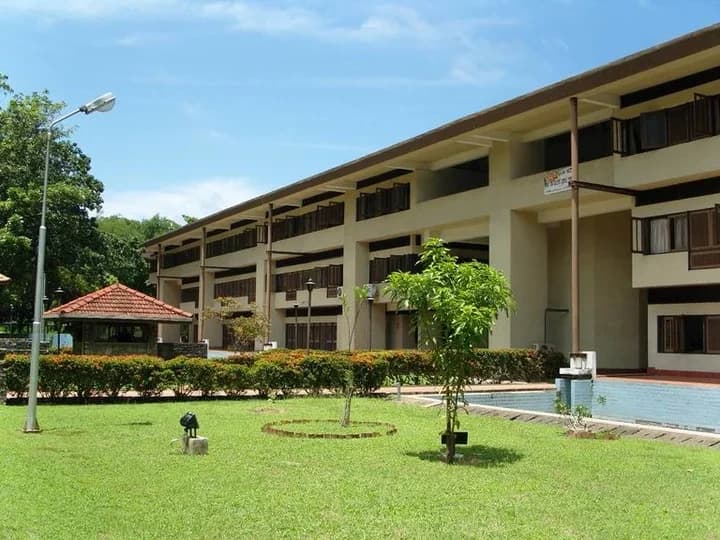
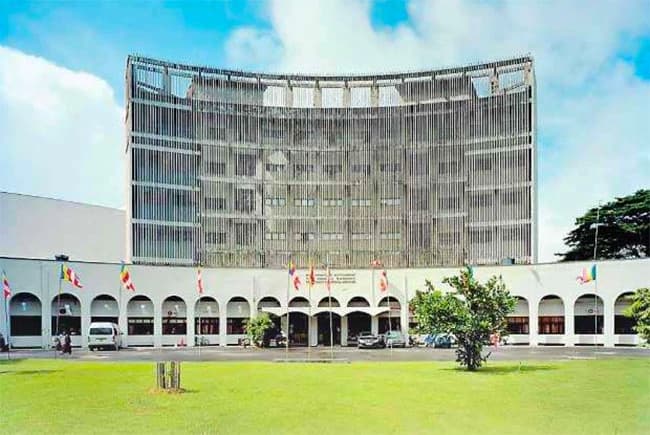
Travellers and researchers interested in this rare part of Sri Lanka’s heritage should note that public viewing may require prior permission or research access. These are not ordinary display items that can always be viewed casually.
Still, for anyone interested in Sri Lanka’s cultural history, these institutions are worth knowing. They preserve the quieter stories of the island — not only kingdoms, temples and battles, but also books, letters, language and knowledge.
Why This Story Matters to Travellers
When people travel through Sri Lanka, they see Sinhala writing everywhere. It appears on road signs, shop boards, temple notices, bus name boards, newspapers, menus and public documents.
But every printed Sinhala word has a long history behind it.
The Sinhala letters we see today are part of a journey that began with inscriptions and ola leaf manuscripts, moved through Dutch-era printing experiments, and eventually entered newspapers, books, education and the digital world.
Yachna Haella may be a small book, but its legacy is large. It connects Sri Lanka’s ancient manuscript culture with the printed age.
It also shows how global technology, colonial administration, local language and skilled craftsmanship came together in one historic moment.
A Colombo Heritage Story Worth Discovering
For visitors exploring Colombo, the story of Yachna Haella adds a different layer to the city’s heritage.
Many travellers associate Colombo with colonial buildings, markets, churches, hotels, museums and the harbour. But Colombo is also linked to the preservation of Sri Lanka’s printed memory. Institutions such as the National Museum Library, National Library and National Archives help protect documents that shaped the island’s intellectual history.
This makes the story of the first printed Sinhala book especially valuable for heritage travellers.
It reminds us that Old Ceylon is not only seen in forts, mansions and churches. It is also found in manuscripts, printed pages, typefaces and archives.
A Small Book with a Lasting Legacy
The story of Sri Lanka’s first printed Sinhala book is one of the island’s lesser-known heritage stories. It may not be as famous as Sigiriya, Anuradhapura, Galle Fort or Kandy, but it belongs to the same larger story of Sri Lankan civilisation.
It reminds us that heritage is not only found in stone ruins, royal palaces and ancient temples. Sometimes, it is found in a fragile printed page, a carefully shaped letter, or the work of a craftsman whose name is almost forgotten.
For anyone exploring Colombo’s cultural attractions, the story of Yachna Haella adds another layer of meaning to the city.
It shows that Sri Lanka’s history is also a history of words, books, scripts, faith and knowledge.
So the next time you see Sinhala writing printed on a signboard, newspaper, book or screen, remember its long journey.
Behind those letters lies a story that began more than 280 years ago — with brass plates, manuscript-inspired letters, a Dutch-era craftsman, and Sri Lanka’s first printed Sinhala book.
Visit Us: https://trippingsrilanka.com/stories
More from Old Ceylon

Colombo Public Library at 100: The Names That Still Remain
The Toll Gate at the Bridge: When Travelling Across Ceylon Cost a Few Cents at a Time