The Holloways of Mount Franion: A British Planter Family in Old Ceylon
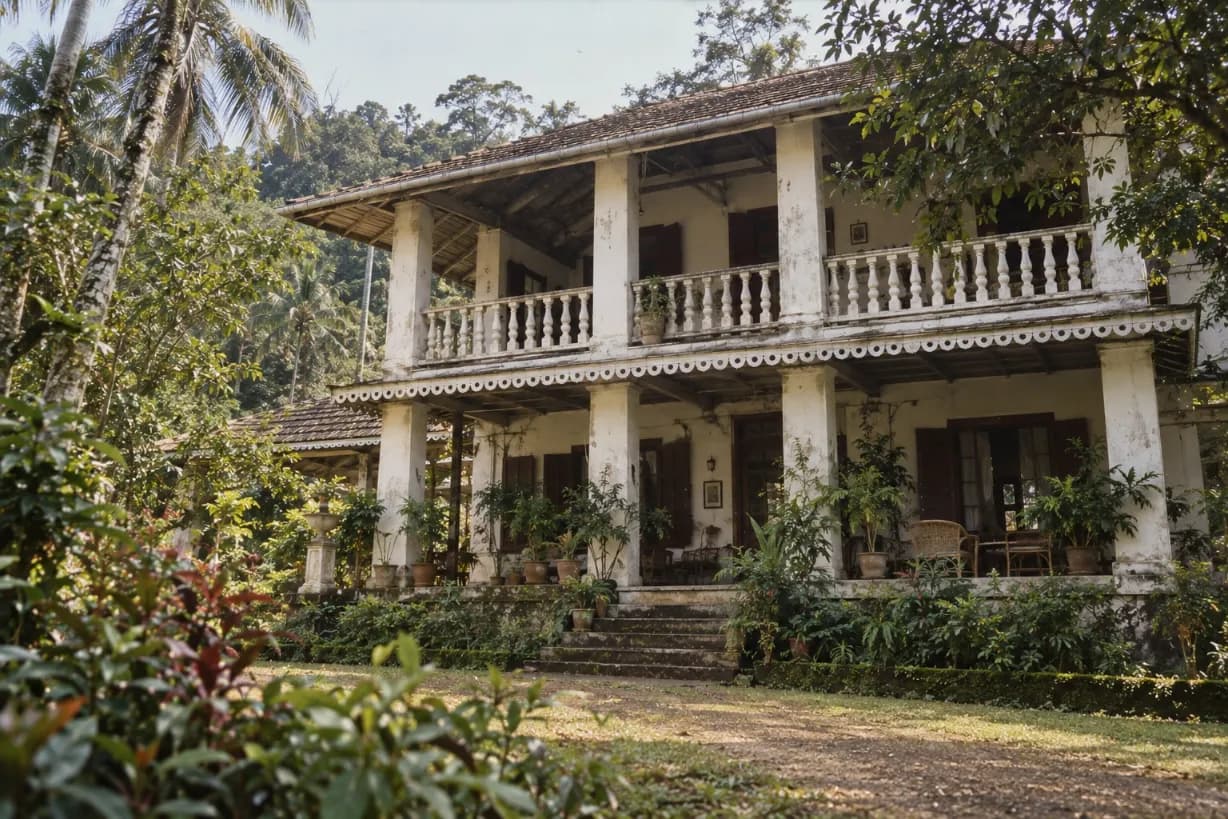
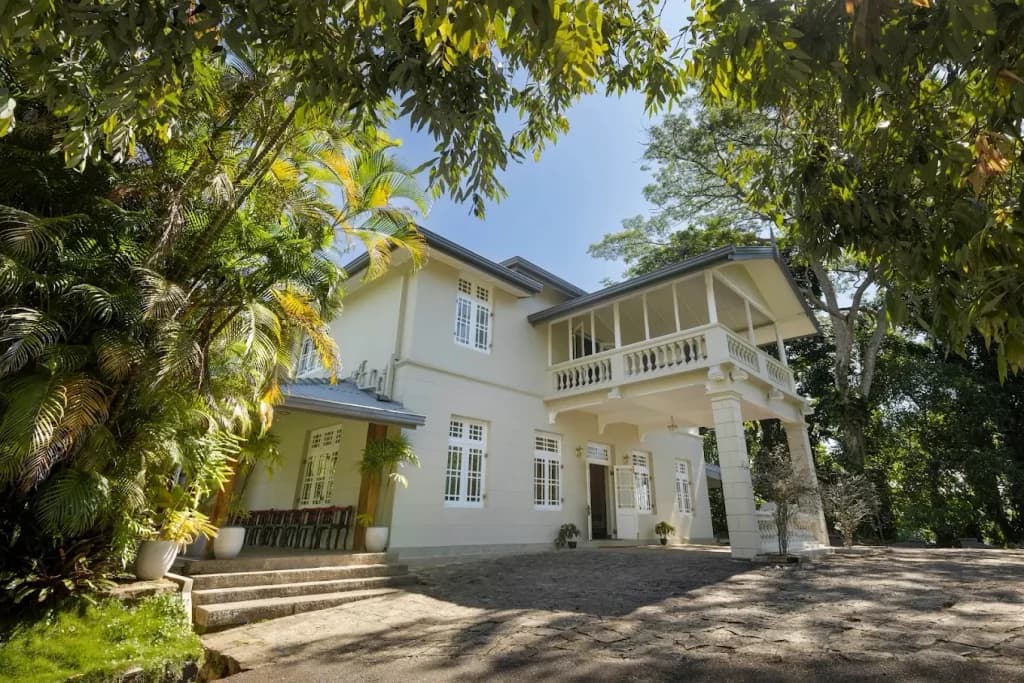
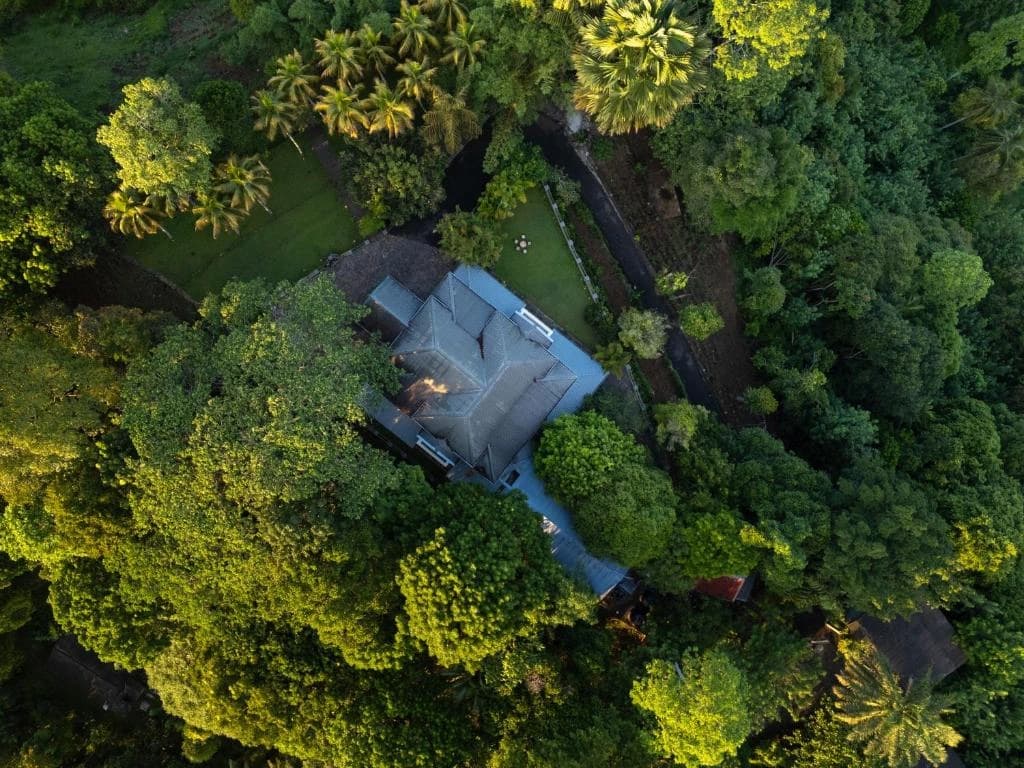
There are old houses in Sri Lanka where the people have long gone, yet traces of their lives seem to remain.Mount Franion at Muruthalawa is one of them.
Known today as Mount Frenion, the property was once connected with the Holloway family, a British planting family whose association with Ceylon stretched across several generations, from around 1885 to the mid-1950s.Their story is not simply about one bungalow or one estate. It belongs to a much larger chapter in the history of Ceylon, when British planting families spent decades in the island, sometimes raising children and grandchildren in the same districts where they had first come to work.
Read our previous article – https://trippingsrilanka.com/stories/john-maitland-in-old-colombo
The Holloways in Ceylon
The family names most closely connected with this story are Joseph Robert Holloway, his son Francis Joseph Holloway, and the following generation, Francis Edward Holloway. The Holloways were associated with the cultivation of tea, rubber, cocoa and pawpaw, placing them within a period when Ceylon’s plantation economy was changing considerably.
Joseph Robert Holloway belonged to an earlier generation of planters. By the late nineteenth century, coffee – once the great plantation crop of Ceylon, had suffered its disastrous decline, and estates were turning increasingly towards tea and other forms of cultivation. It was a period in which a planter often needed to adapt rather than depend entirely upon one crop. The Holloways appear to have done exactly that.
Francis Joseph Holloway
Joseph Robert’s son, Francis Joseph Holloway, continued the family’s planting life in the Kandy district.His name became associated with Trafford Hill Estate at Galagedara and later with Mount Franion Estate at Muruthalawa.
Muruthalawa lies in the country west of Kandy, an area long connected with plantations and the families who managed them. For the Holloways, however, Mount Franion was not merely a name entered beside an estate in a directory. It was home.
A Photograph from Mount Franion
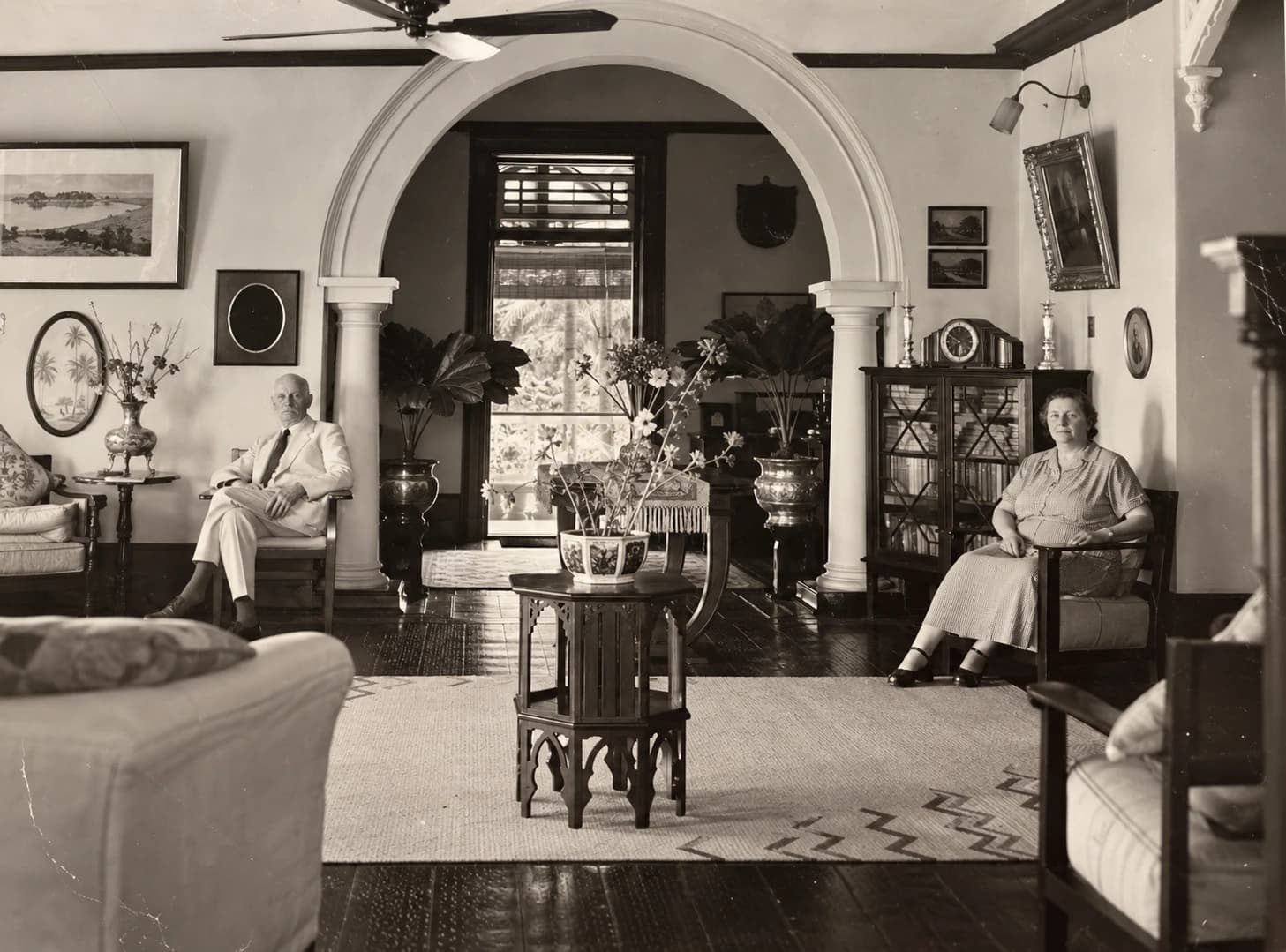
One surviving photograph brings that home to life in a way that official records never could.An elderly man sits on one side of the drawing room, dressed in a light suit. Across from him sits a woman, surrounded by the familiar possessions of a long-established household.There are books inside a glass-fronted cabinet, framed pictures on the walls, flower arrangements, potted plants and furniture gathered over the years.Nothing particularly remarkable appears to be happening.Perhaps that is what makes the photograph so evocative.It records an ordinary moment.
There is no tea factory in sight, no line of estate workers and no formal gathering of planters. Instead, we see two people sitting quietly in the place where they lived.For a moment, plantation history ceases to be about acreage, crop figures and export statistics. It becomes a family story.
Life in the Kandy Planting Country
The Holloways’ links with Galagedara and Muruthalawa placed them within the wider planting society that grew around Kandy.Life on an estate could be isolated, particularly in the earlier years, but these families were far from completely cut off. Kandy provided an important social and commercial centre, while churches, clubs, neighbouring estates and visits between planter families formed part of the rhythm of life.Children grew up on these estates. Families remained for years. Friendships were formed between households separated by miles of hill roads.Over time, places that had originally been work postings could become deeply personal.By the generation of Francis Edward Holloway, Ceylon was no longer simply the foreign country to which an earlier ancestor had travelled. It had become part of the family’s own history.
Seventy Years of a Family’s Life
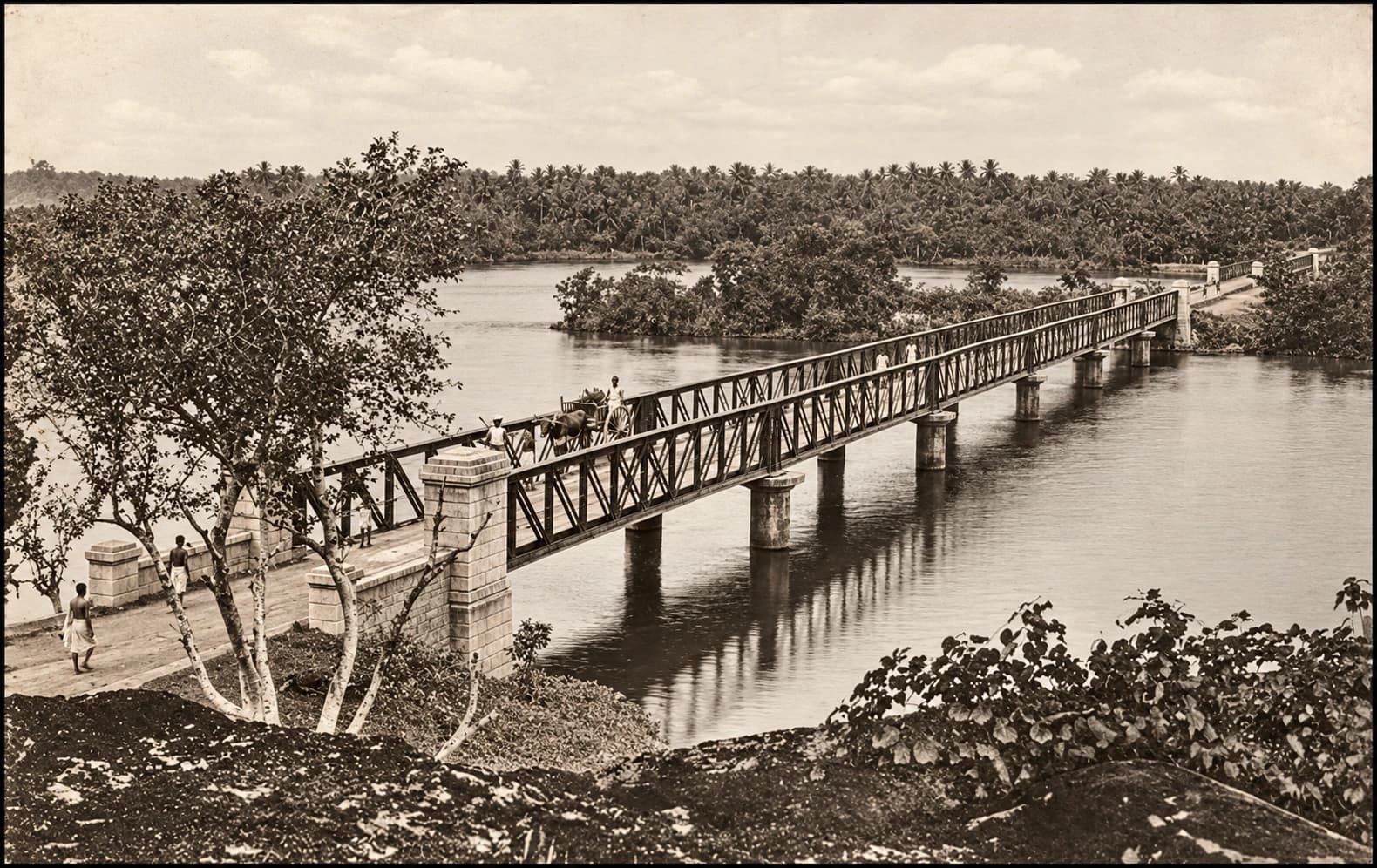
The Holloways’ association with Ceylon is remembered as lasting until around 1955.If the 1885 date is correct, that represents roughly seventy years.During that period the island changed enormously.Tea became one of Ceylon’s defining industries. Rubber developed into another major plantation crop. Roads and railways opened districts that had once been difficult to reach. Kandy and Colombo changed around the families who had known them in an earlier age.
Then came independence in 1948.The old British planting community did not disappear overnight, but the world in which families such as the Holloways had lived was gradually changing.By the 1950s and the decades that followed, many old planting families had left Ceylon, while estates and bungalows entered new chapters of their own.
When Descendants Search for Old Ceylon
The Holloways are also part of a story that continues long after the planting era itself.Today, descendants of British planters frequently try to discover more about ancestors who lived in Ceylon.Often very little has travelled down through the generations.There may be an old photograph with an unidentified bungalow in the background. A grandfather may have mentioned the name of an estate only once. A family album might contain photographs marked simply “Ceylon”. A baptismal certificate, gravestone, letter or planter’s directory may provide the first real clue.Some descendants know exactly who their ancestor was but cannot find the estate.Others know the estate but have no idea whether the bungalow still stands.Occasionally they discover that the place their grandparents spoke about is still there.
The Clues Left Behind
Sri Lanka still contains many traces of these old plantation families.Their names survive in church registers, cemetery inscriptions, government notices, estate records and old directories. Sometimes the strongest evidence is much less formal , a photograph kept by another family or a story remembered by someone whose parents once worked on the estate.The names of the estates themselves can be valuable clues.
Some have changed completely. Others survive with slightly altered spellings. Buildings may have been rebuilt, renamed or converted to different uses while retaining parts of their original fabric.This is why identifying places such as Mount Franion matters.They connect a family name on a page with an actual landscape.
More Than an Estate Name
The Holloway story is a small one within the enormous history of plantation Ceylon.Yet small histories are often the ones that bring the past closest.Joseph Robert Holloway, Francis Joseph Holloway and Francis Edward Holloway represent successive generations of one family whose lives became connected with the island.Mount Franion was part of that connection.And the old photograph taken inside the bungalow preserves something that no estate ledger could have recorded: the atmosphere of a home after years of living there.
The flowers, books and furniture have become historical details now. To the people in the photograph, they were simply part of another day.That may be why the image is so compelling.For one moment, the world of the British planter in Ceylon does not seem particularly distant.It simply looks like home.
Visit us : https://trippingsrilanka.com/stories