John Maitland and a Forgotten Corner of Old Colombo
John Maitland in Old Colombo| Every now and then, a name surfaces from old Ceylon that sends you looking in several directions at once.
John Maitland is one of them.
A recent enquiry from one of his descendants described him as a merchant and coffee planter who lived in Ceylon during the latter half of the nineteenth century. There were references to a business in Colombo, a Medical Hall in Chatham Street, a bungalow in Kollupitiya and even a possible connection with the Mount Lavinia Hotel.
Some of those details still need proving. But there is enough in the historical record to show that Maitland was very much part of Colombo’s commercial life, and his story leads into a surprisingly interesting corner of the city’s past.
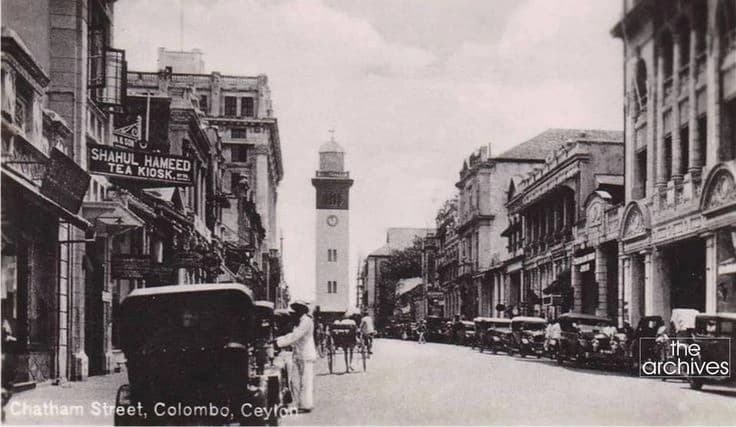
John Maitland was born in Aberdeenshire, Scotland, in 1833. He trained as a chemist and served with the medical staff during the Crimean War before eventually coming to Ceylon. By the 1870s he was established here, and when he married for the second time in 1875 his occupation was recorded simply as “merchant”.
That description makes more sense when we find him a few years later in Chatham Street.
Read Us More: https://trippingsrilanka.com/stories/british-india-hotel-colombo
A Business in the Heart of the Fort
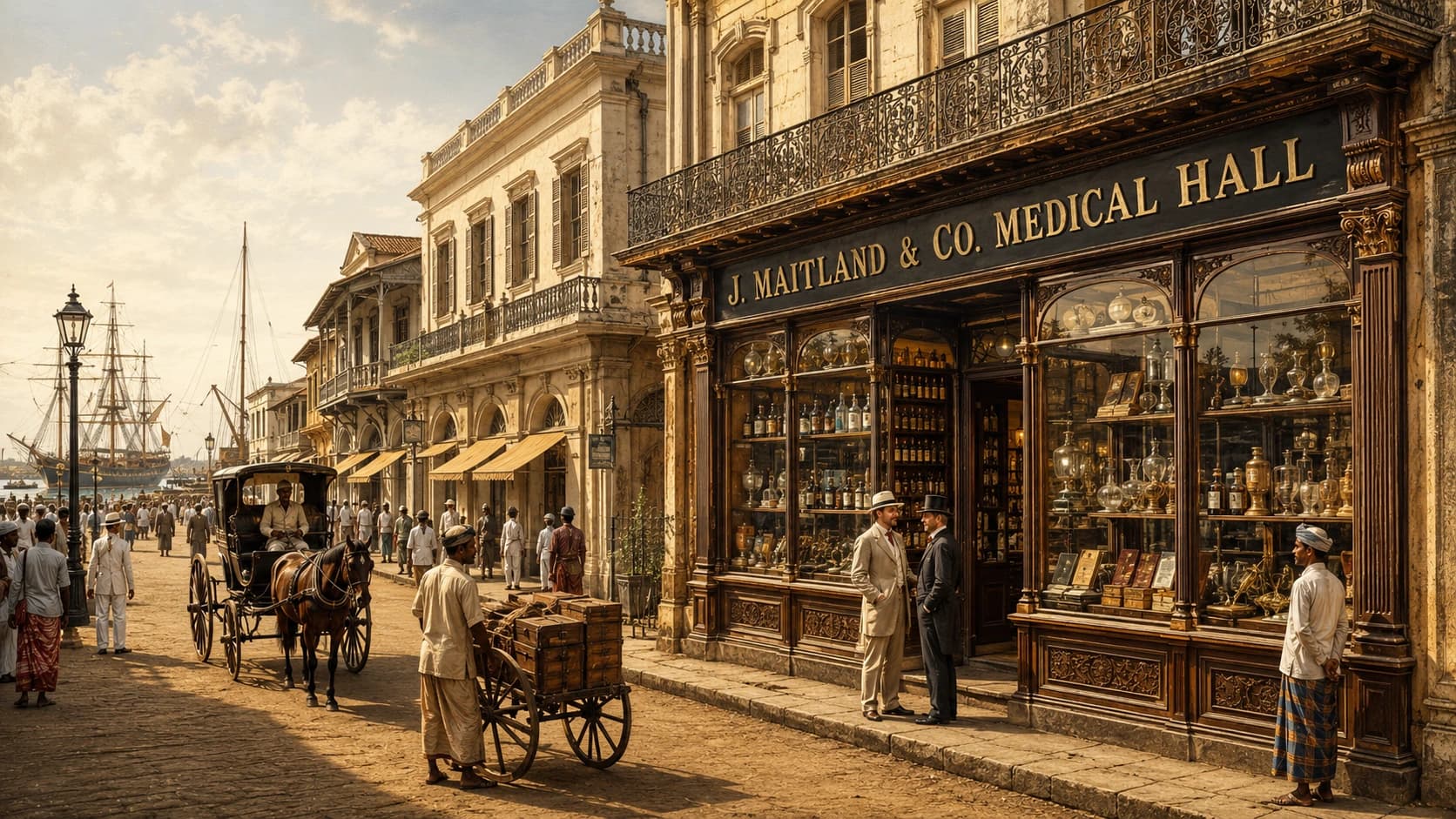
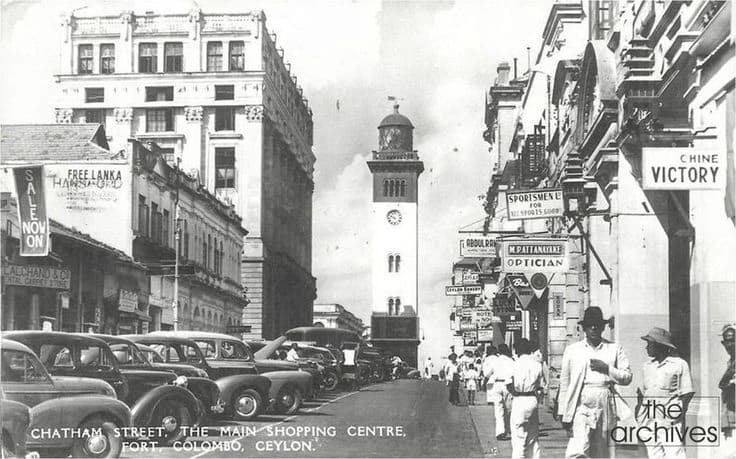
In the 1880s, J. Maitland & Co. was operating from Nos. 15 and 16 Chatham Street in Colombo Fort. A commercial directory from 1883 lists the firm as chemists, druggists and booksellers, with John Maitland as managing director and William Maitland as secretary.
Chatham Street then was one of the busy commercial streets of the Fort. Merchant houses, shipping interests, banks, hotels and shops occupied this relatively small part of Colombo, with the harbour only a short distance away.
Among Maitland’s interests was an establishment called the Medical Hall.
The name makes it sound rather clinical, but the Medical Hall seems to have been more than a conventional chemist’s shop. Historical accounts mention its stock of “medicated wines”, something that would not have been particularly unusual in Victorian times, when wines and spirits could be sold or promoted for their supposed medicinal qualities.
One later recollection of old Colombo even remembered the Medical Hall as a familiar meeting place.
It is one of those small details that makes the period easier to picture. This was not simply a name printed in a directory. People actually walked into Maitland’s premises on Chatham Street, bought medicines and books, met acquaintances and went about their daily lives there.
And then the story takes an unexpected turn.
The Medical Hall and the Colombo Ice Company
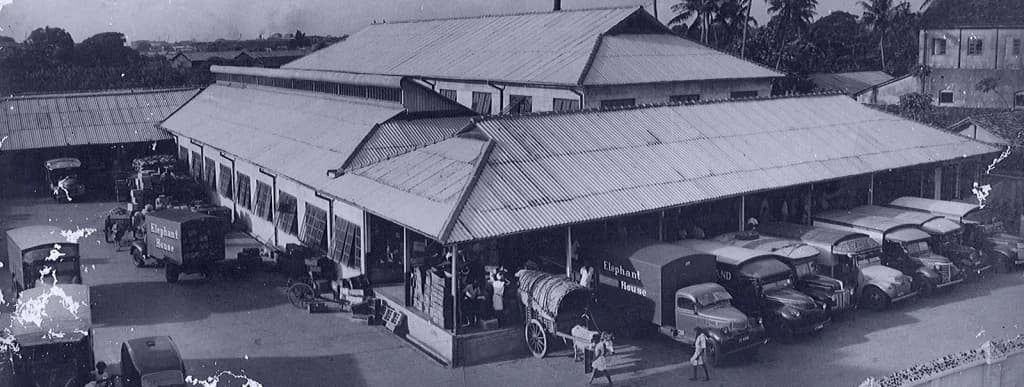
In 1880, the Colombo Ice Company acquired Maitland’s Medical Hall.
The Colombo Ice Company had been established in 1866, when producing ice in tropical Ceylon was still something worth remarking upon. Its premises in Slave Island became so well known that the area was popularly associated with the “Ice Kompaniya”.
Over time, the company expanded beyond ice. Aerated waters became an important part of the business, and the elephant trademark that later became so familiar began to appear.
The company eventually became Ceylon Cold Stores.
In other words, Maitland’s little Medical Hall belongs, albeit indirectly, to the early history of the business behind Elephant House.
It is an unexpected connection between Victorian Colombo and something that remains familiar in Sri Lanka today.
Maitland himself continued to appear in Colombo’s commercial records after the 1880 transaction. An 1883 directory still records J. Maitland & Co., while an 1889 directory lists both John and William Maitland in Colombo.
William is believed by family researchers to have been John’s brother, although that relationship is one of several details that would benefit from further documentary evidence.
Living Through the End of the Coffee Era
Maitland’s years in Ceylon also coincided with a difficult period in the island’s plantation economy.
Coffee had dominated Ceylon’s highlands for decades, but the arrival of coffee leaf disease in 1869 changed everything. The disease spread through the plantations and, over the following years, helped bring the great Ceylon coffee boom to an end.
Tea gradually took its place.
Maitland appears to have known both worlds. An account published after his death described him as having spent many years in Ceylon as a tea and coffee planter.
His descendant believes that the collapse of coffee may also have contributed to Maitland’s later financial difficulties. That is certainly possible given what was happening across Ceylon at the time, but we have not found enough evidence to say that this was definitely the reason.
What we do know is that Maitland & Co. came to the end of its independent life around 1890. A historical account of Colombo’s commercial development records that Cargills acquired the firm’s goodwill and stock that year.
For the moment, that is where the documentary trail becomes less clear.
Was John Maitland Connected to Mount Lavinia Hotel?
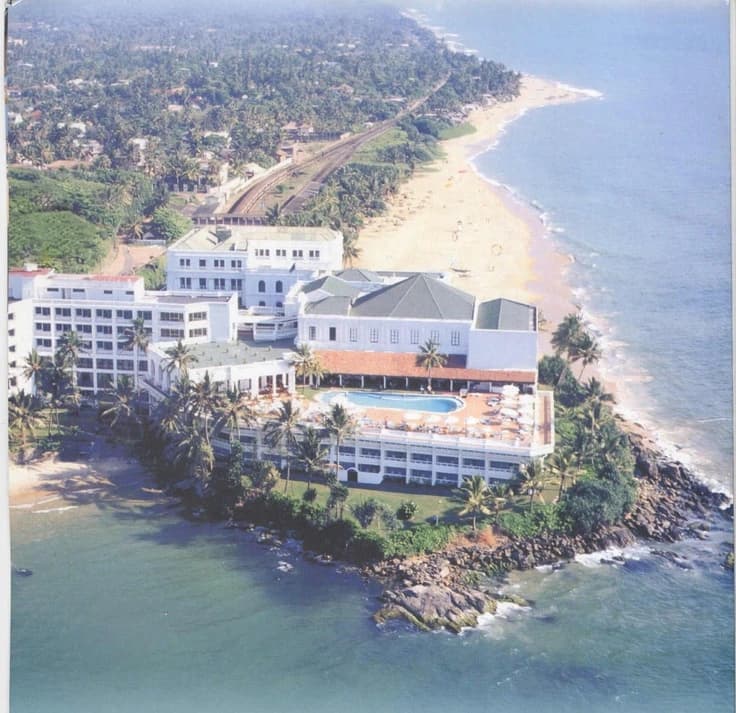
Perhaps the most intriguing part of the family story concerns Mount Lavinia.
According to information passed down through the family, Maitland bought a half share in the Mount Lavinia Hotel around 1877.
The timing is interesting because the former Governor’s residence at Galkissa was indeed becoming established as a hotel during this period, while the arrival of the coastal railway in 1877 made Mount Lavinia considerably easier to reach from Colombo.
But a plausible date is not proof.
So far, we have not found a reliable contemporary source confirming Maitland’s ownership. Until one appears, his supposed half share in the hotel is better treated as a family lead rather than an established part of its history.
The same applies to two other details supplied by his descendant: that Maitland lived at Bank Bungalow in Kollupitiya and that William Maitland was associated with Devonside Plantation near Rakwana.
They may all be correct. They simply need another piece of evidence.
And that is often how research into old Ceylon works.
A name in a directory settles one question and creates three more.
John-Maitland-in-Old-Colombo| Finding Maitland’s Colombo
What makes the story worth following is that its setting is still recognisable.
Chatham Street is still there.
Walk through Colombo Fort today and it is possible to follow roughly the same streets Maitland would have known in the 1870s and 1880s. The buildings and businesses have changed, of course, but the basic geography remains.
More than a century ago, somewhere along this street stood J. Maitland & Co. and the Medical Hall.
Not far away was Colombo harbour, becoming busier as the island’s export economy grew. Elsewhere in the city, the Colombo Ice Company was developing a business that would survive long after Maitland’s own company disappeared.
Meanwhile, outside Colombo, coffee was failing and tea was beginning to change the landscape of Ceylon.
Maitland happened to live through all of it.
Eventually he returned to Britain. By the time of the 1911 census he was living in England, and he died in Essex in 1917, aged 83. A report following his death looked back on the decades he had spent in Ceylon.
That might have been the end of the story had a descendant not begun asking questions more than a century later.
There are still plenty of them.
Was Maitland really part-owner of the Mount Lavinia Hotel? Where exactly was Bank Bungalow in Kollupitiya? What became of the Maitland family in Ceylon? And, perhaps most tantalisingly, are there photographs somewhere showing John Maitland, his Medical Hall or the Chatham Street premises of J. Maitland & Co.?
Someone may have the answer tucked away in an old album or family papers without realising its significance.
For now, what survives is enough to put John Maitland back into the streets of nineteenth-century Colombo — not as one of its famous figures, but as one of the many people who lived, traded and tried their fortunes here.
Sometimes those smaller stories tell us rather more about Old Ceylon than the famous ones do.
Visit Us: https://trippingsrilanka.com/stories
More from Old Ceylon
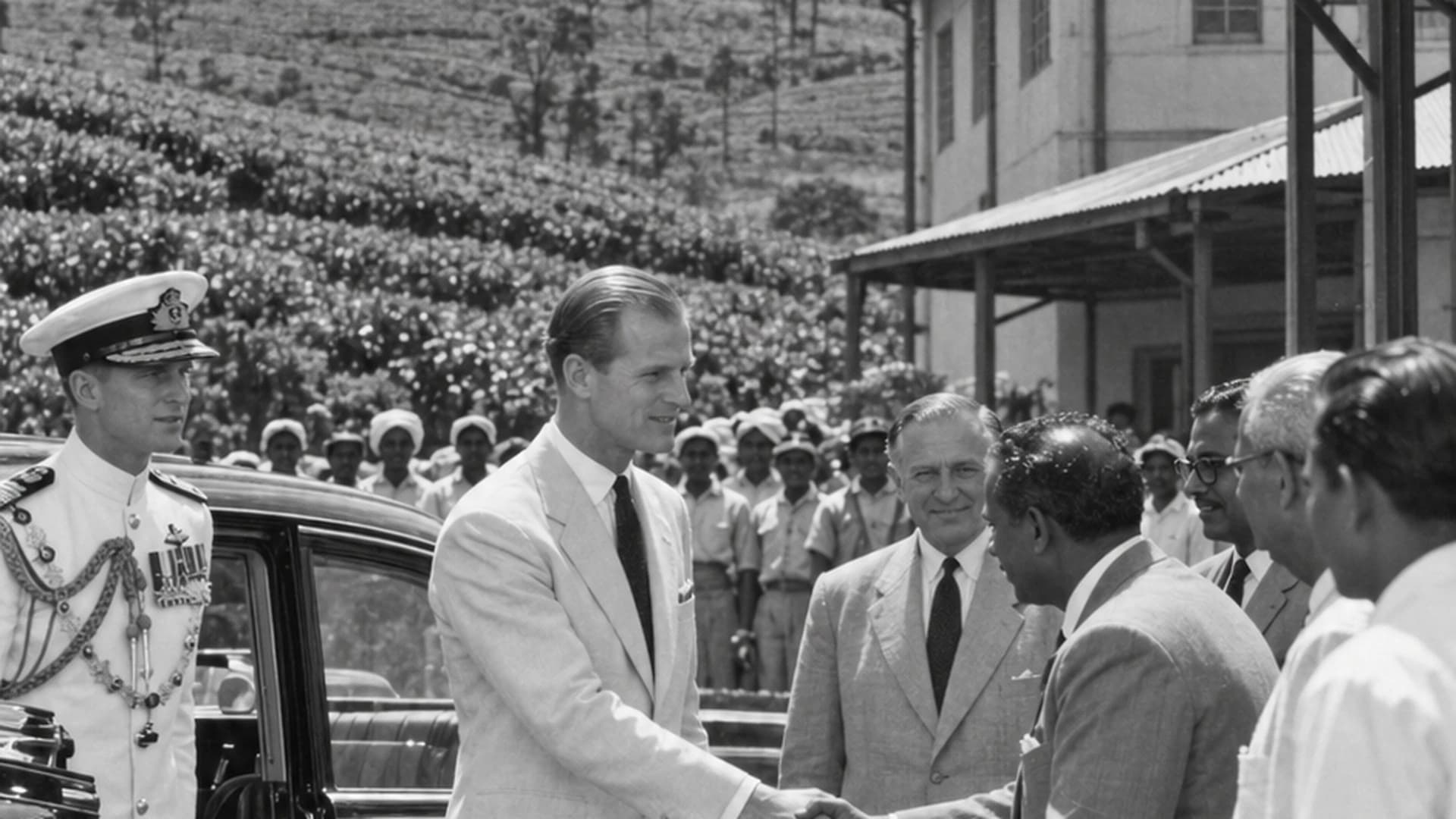
When Prince Philip Visited Pedro Estate: The Royal Visit That Became Part of Ceylon Tea History in 1954
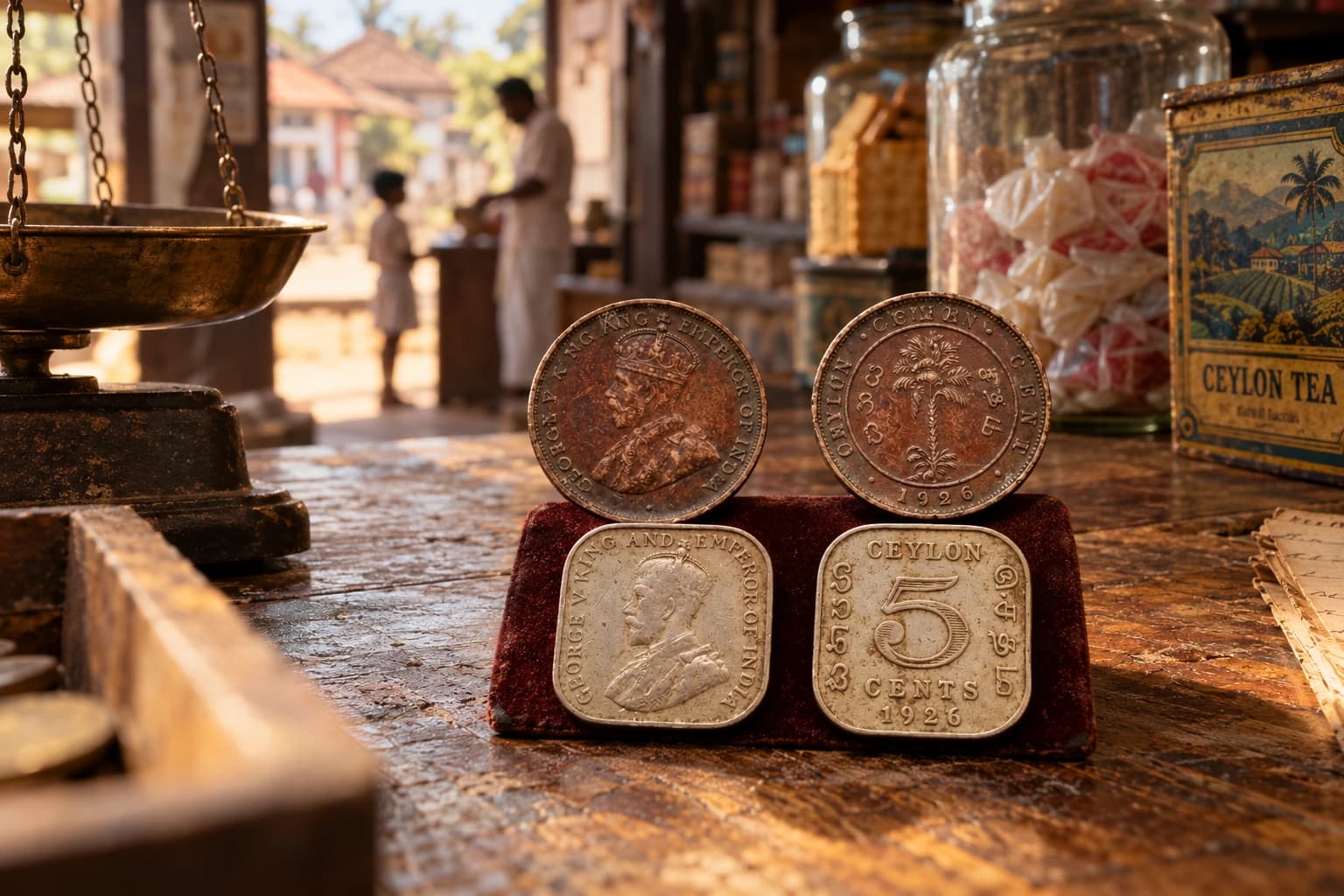
When Five Cents Mattered: The Forgotten Small Change of Old Ceylon