A Quiet Heritage Corner Inside Galle Fort
Historical Mansion Museum Galle Fort| Inside the historic streets of Galle Fort, one of Sri Lanka’s most atmospheric heritage sites, stands the Historical Mansion Museum — a place filled with antiques, old artefacts, jewellery, furniture, colonial objects and memories of Old Ceylon.
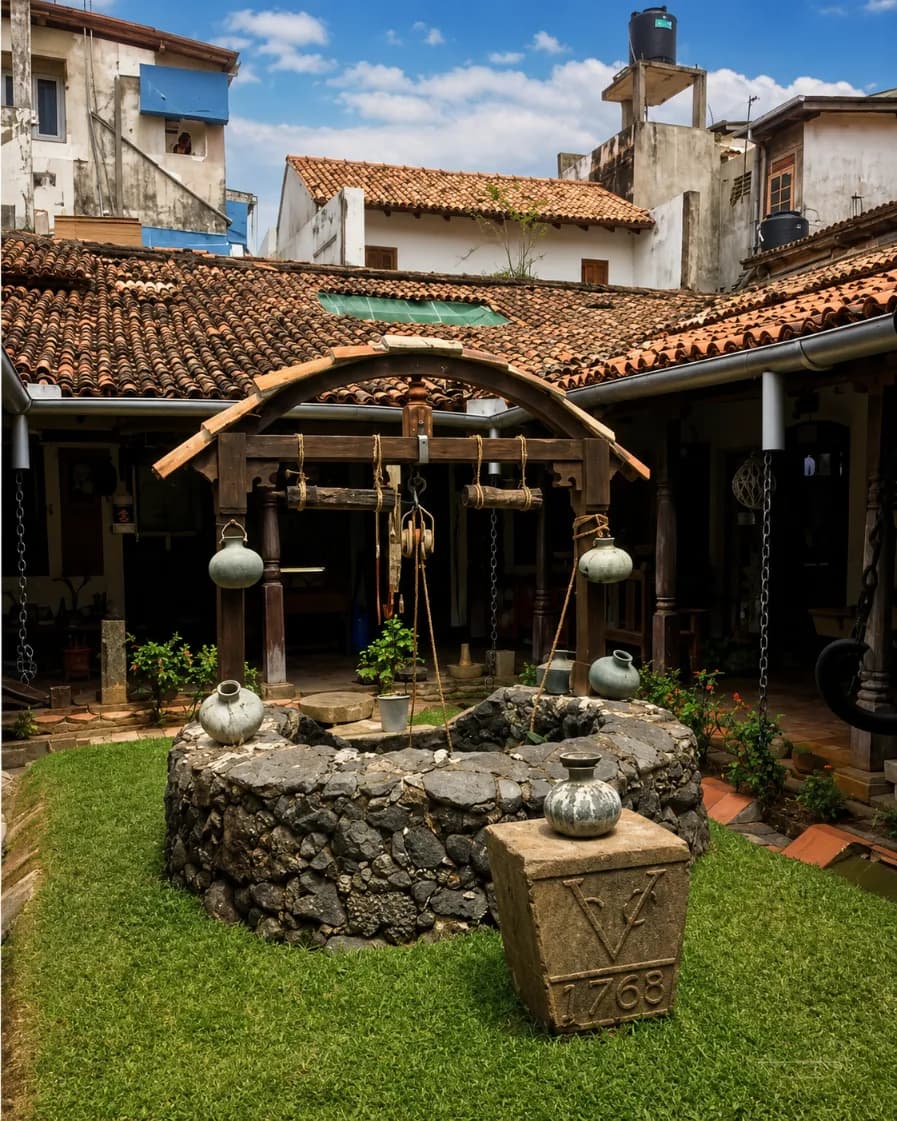
Among its most charming features is the courtyard seen in this image. At the centre of the space stands an old stone well, surrounded by grass, paving stones, timber verandahs, clay-tiled roofs and weathered walls. It is a quiet corner, but it carries the feeling of centuries.
This is not a grand monument or a dramatic landmark. It is something more intimate. It shows how people once lived, worked, gathered and moved through the enclosed spaces of old Galle.
Chech our previous article- https://trippingsrilanka.com/stories/galle-fort-sri-lanka-ramparts
The Historical Mansion Museum in Galle
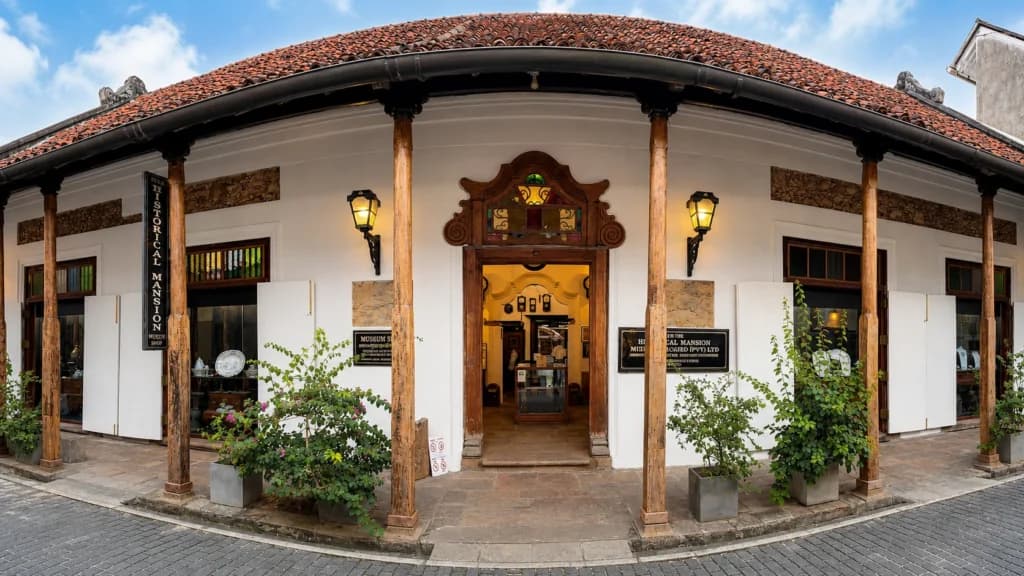
The Historical Mansion Museum is located within Galle Fort, the UNESCO-listed fortified city on Sri Lanka’s southern coast. The museum is known for its private collection of antiques and historic objects connected to Sri Lanka’s colonial and trading past.
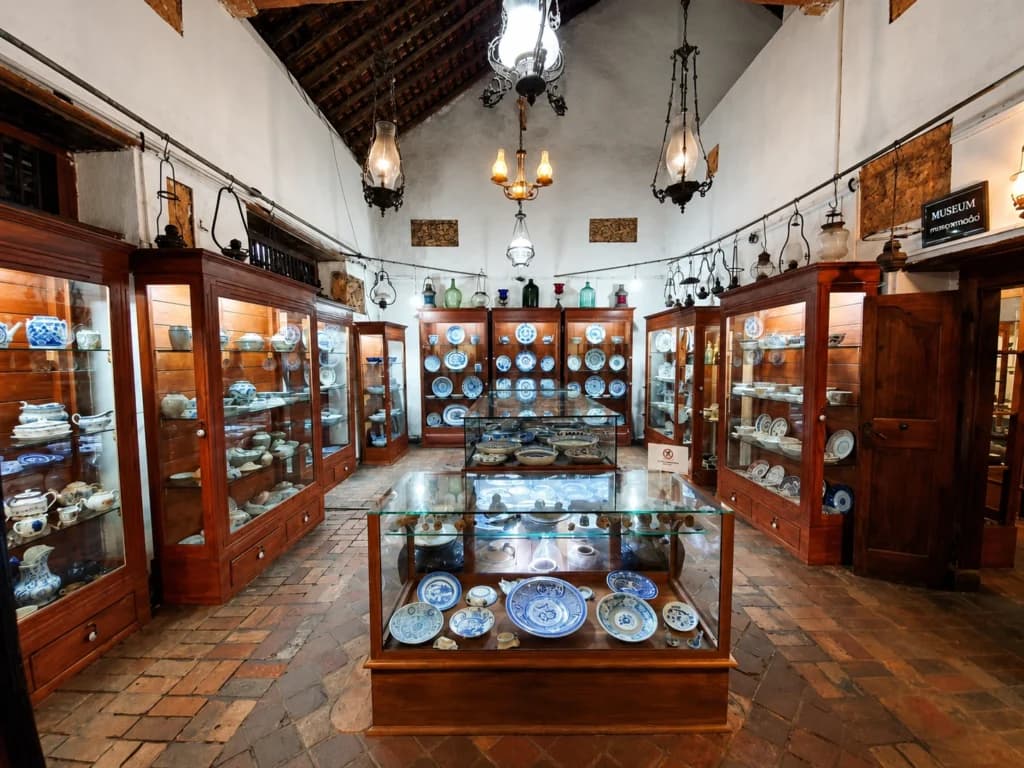
Visitors usually come to see the old jewellery, coins, weapons, furniture, ceramics, household objects and traditional craft displays. But the building itself is also part of the experience.
Its courtyards, timber details, roof tiles and internal spaces give visitors a strong sense of how old Galle buildings were designed. They were not only beautiful. They were practical, climate-sensitive and built around daily life.
Galle’s Museum Culture and the Story of the Fort
The Historical Mansion Museum is part of a wider museum culture inside Galle Fort, where visitors can explore the city’s layered past through buildings, objects and preserved interiors. Galle is not only a scenic coastal fort. It is also one of Sri Lanka’s richest heritage zones, with museums and old houses that reveal the story of maritime trade, colonial rule, craftsmanship and everyday life in the fort.
What makes the Historical Mansion Museum special is its personal and atmospheric character. Unlike a large formal museum, it feels more like stepping into an old Galle home filled with memory. The collection includes antique furniture, jewellery, coins, old household items, traditional craft objects, colonial-era pieces and decorative artefacts. These items help visitors imagine the lives of the people who once lived, traded and worked within the fort.
The courtyard well adds another layer to that experience. While the museum’s objects tell one part of the story, the building itself tells another. Its timber verandahs, tiled roofs, inner courtyard and stone features show how old Galle homes were designed for climate, privacy and daily use. This makes the museum more than a place to view antiques. It is a living example of the fort’s domestic heritage.
For travellers exploring Galle, the Historical Mansion Museum is a rewarding stop because it connects the grand history of the fort with the smaller details of everyday life. It helps visitors understand that Galle’s past was not only shaped by ramparts, ships and colonial officers, but also by families, craftsmen, traders, wells, courtyards and homes.
The Old Courtyard Well
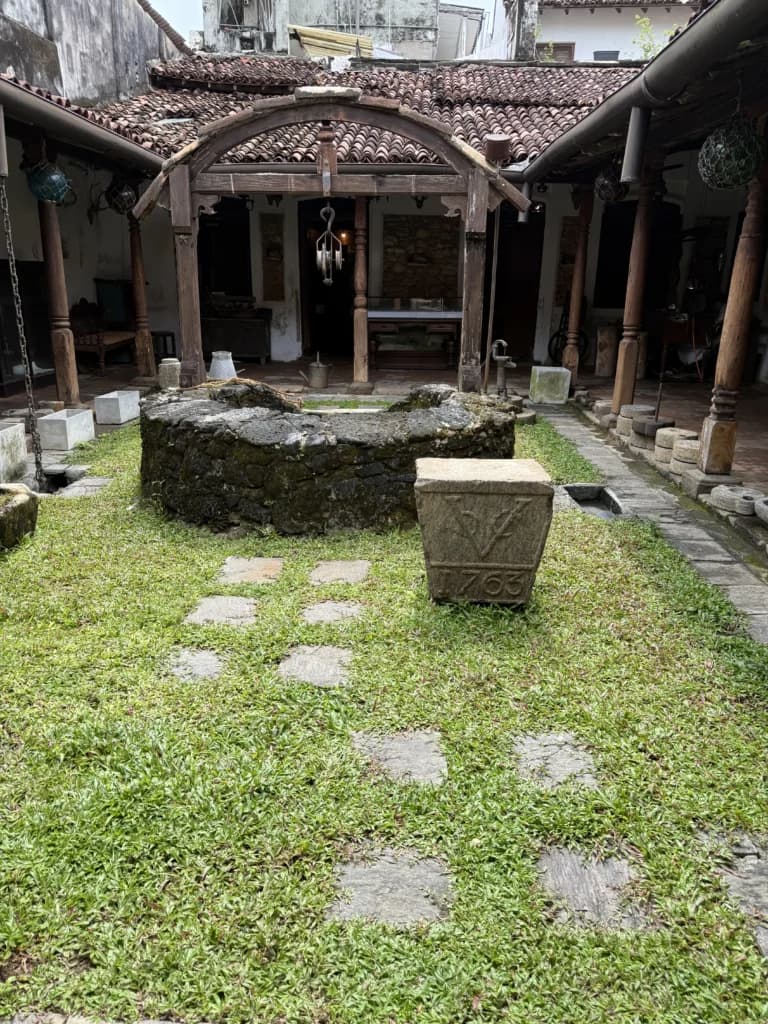
The stone well in the courtyard is the central feature of the image.
In old houses and mansions, wells were essential. They provided water for domestic life, cleaning, cooking and daily use before modern water systems became common. Placing a well within or near a courtyard made practical sense, especially in enclosed town houses where private outdoor space was limited.
Here, the well gives the courtyard a strong sense of age. Its rough stone surface, circular form and simple presence immediately draw attention. It reminds visitors that this building was once part of a living environment, not just a museum.
Before it became a place for visitors, a space like this would have belonged to everyday routines.
Dutch and Colonial Courtyard Architecture
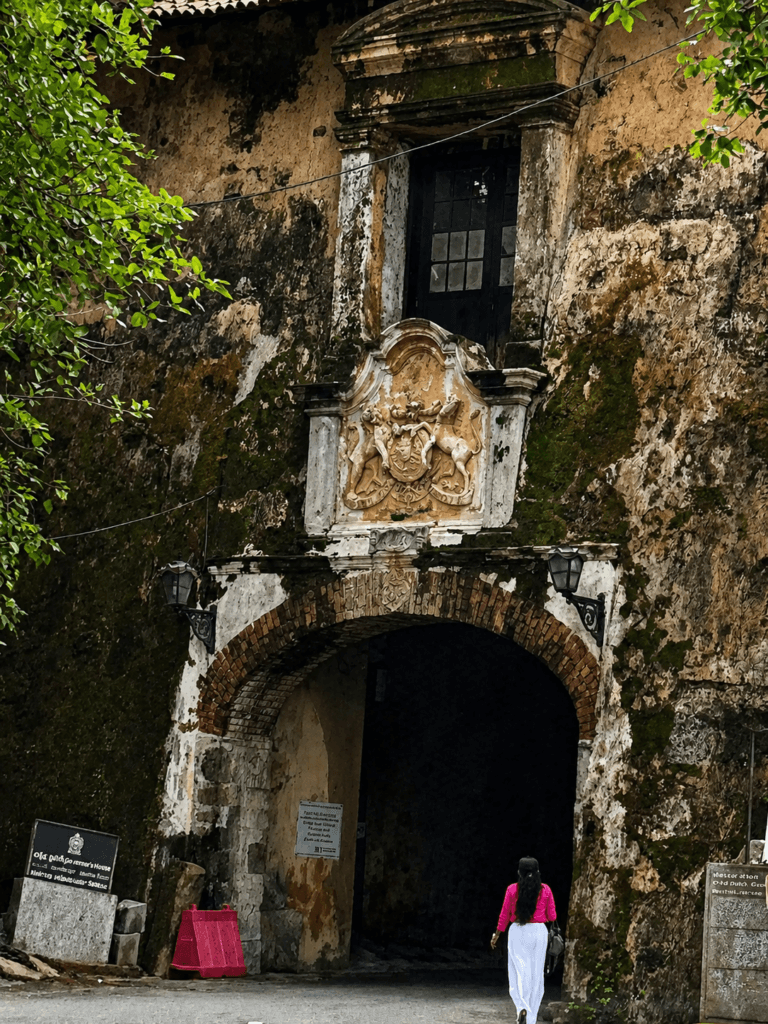
The courtyard also reflects the architectural character of old Galle Fort.
Buildings inside the fort often adapted European colonial design to Sri Lanka’s tropical climate. Internal courtyards brought light and air into the house. Verandahs created shaded walkways. Clay-tiled roofs protected the building from heavy rain. Timber pillars supported the roof while keeping the space open and ventilated.
This image shows those features clearly: the tiled roof, the wooden columns, the shaded verandah, the grassy courtyard and the old stone elements.
Together, they create a space that feels calm, practical and deeply historic.
Why This Courtyard Matters
The courtyard matters because it helps visitors understand heritage at a human scale.
Galle Fort is famous for its ramparts, lighthouse, churches, old streets and sea views. But spaces like this show another side of the fort — the private and domestic world behind the street façades.
The well, verandah and courtyard show how old buildings functioned from within. They reveal the rhythm of daily life, not just the public face of colonial architecture.
For heritage travellers, this is exactly what makes the Historical Mansion Museum so rewarding. It allows visitors to step inside the atmosphere of Old Ceylon.
A Place for Slow Observation
This courtyard is best appreciated slowly.
Look at the handmade quality of the roof tiles. Notice the timber columns and their worn surfaces. Observe the grass growing between the stone path. Study the old well at the centre and the carved stone object nearby.
These small details make the space memorable. They show age, use and survival.
In a world where many historic buildings are modernised beyond recognition, places like this still preserve texture. They allow visitors to feel the past through materials — stone, wood, clay, limewash and shadow.
A Hidden Story Inside Galle Fort
The courtyard of the Historical Mansion Museum reminds us that Galle Fort is not only a military or colonial landmark. It is also a town of houses, courtyards, wells, workshops, family spaces and private memories.
The old well is more than a decorative feature. It is a reminder of how life once worked inside these walls.
For travellers exploring Galle, this is the kind of place worth pausing for. It may not be as famous as the ramparts or lighthouse, but it captures the quiet soul of the fort.
Final Thoughts
The courtyard well of the Historical Mansion Museum in Galle Fort is a small but powerful piece of Old Ceylon heritage.
It shows the beauty of practical architecture, the importance of water in domestic life, and the intimate charm of old Galle buildings. Surrounded by timber verandahs and clay-tiled roofs, the well stands as a reminder of a slower world that still survives inside the fort.
For anyone interested in Sri Lanka’s colonial history, architecture and everyday heritage, this quiet courtyard is a beautiful place to notice, photograph and remember.
Visit Us: https://trippingsrilanka.com/stories
More from Old Ceylon

When Prince Philip Visited Pedro Estate: The Royal Visit That Became Part of Ceylon Tea History in 1954
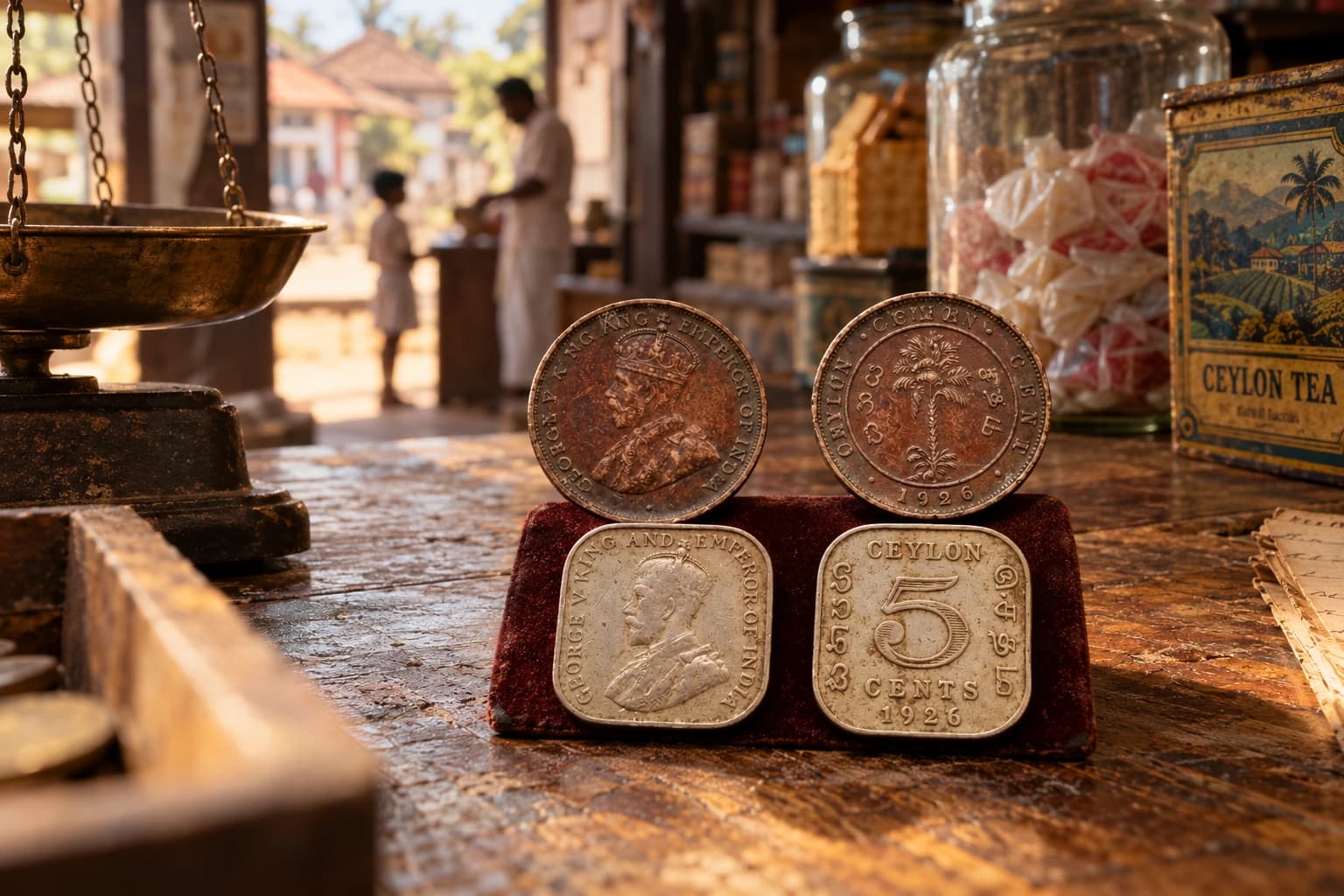
When Five Cents Mattered: The Forgotten Small Change of Old Ceylon