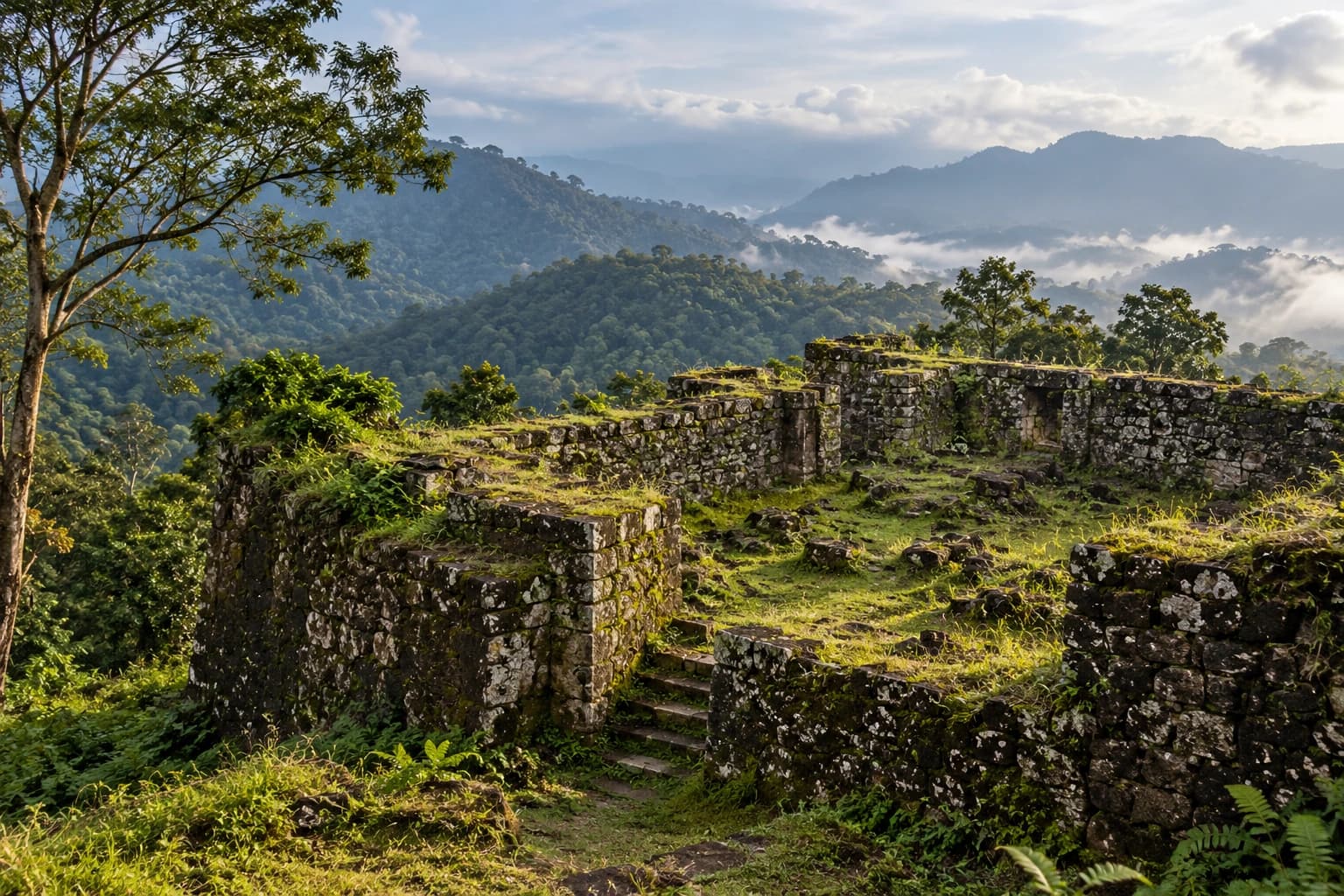
The British India Hotel, Colombo: Remembering One of Ceylon’s Most Famous Hotels

A Forgotten Landmark of Old Colombo
British India Hotel Colombo | Long before Colombo became a skyline of modern office towers, luxury apartments and commercial developments, the city welcomed travellers through elegant colonial hotels that reflected the charm and sophistication of Old Ceylon.
Among the most celebrated of these was the British India Hotel, a name that once stood for comfort, hospitality and prestige in the heart of Colombo.
Today, the hotel survives mainly through old photographs, postcards, advertisements, menus, tariff cards and memories. Yet these fragments tell the story of a place that played an important role in Colombo’s social, commercial and travel life during the British colonial period.
For anyone interested in Old Ceylon, the British India Hotel is more than a vanished hotel. It is a window into the Colombo of sea travellers, merchants, planters, shipping agents, colonial officials and visitors who passed through one of Asia’s busiest port cities.
Check our previous article – https://trippingsrilanka.com/stories/grand-hotel-nuwara-eliya
Colombo Before the Modern Skyline
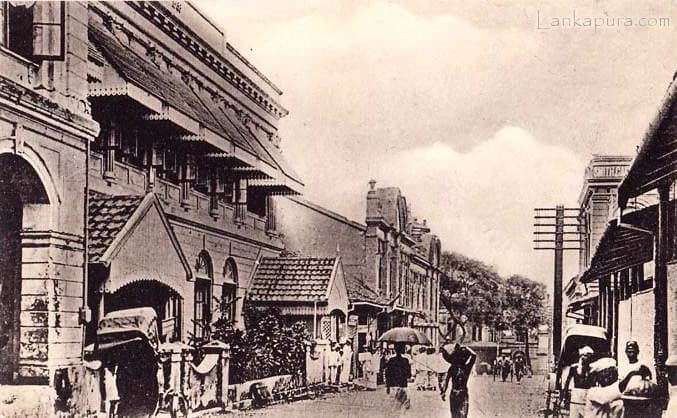
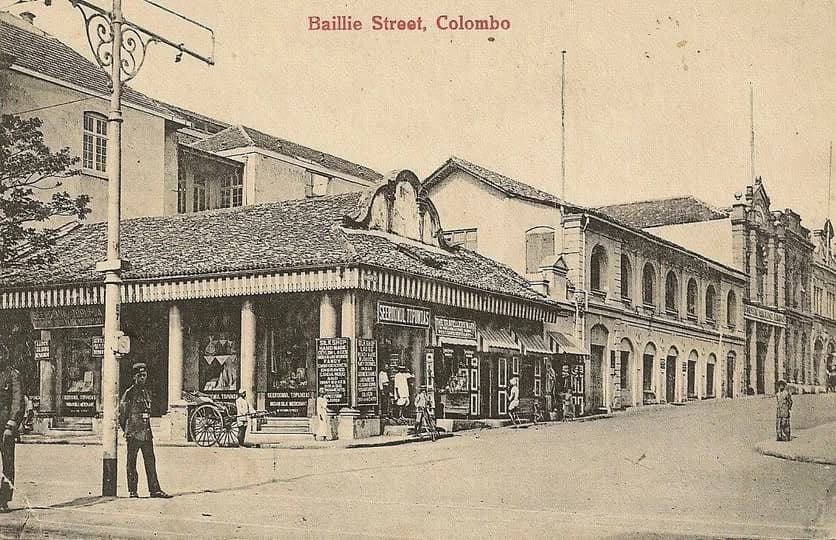
To understand the British India Hotel, we must first imagine Colombo as it once was.
Colonial Colombo was a port city filled with movement. Ships arrived from Europe, India, the Far East and other parts of the British Empire. Cargo was unloaded. Letters were posted. Tea, rubber, spices and other goods moved through warehouses and trading offices.
The city’s streets were lined with colonial buildings, commercial houses, clubs, hotels, offices, banks and government institutions.
Fort and the harbour area were especially important. This was where business, travel and administration came together. Travellers arriving by sea often entered Ceylon through Colombo, and hotels near the commercial district became essential to the life of the city.
The British India Hotel belonged to this world.
A Landmark in Colonial Colombo
The British India Hotel was situated close to Colombo’s busy commercial district and harbour, giving it one of the most desirable locations in the city.
This location made it attractive to many kinds of guests.
Merchants stayed there while conducting business. Tea planters used it during visits to Colombo. Government officials, sea captains, shipping agents and overseas travellers passed through its rooms and dining spaces.
The hotel allowed guests to step directly into the business life of Colombo while enjoying the comforts of a respected colonial establishment.
It represented an era when Colombo was more than a local capital. It was a major imperial port linking Europe, India and the Far East.
Check our previous article- https://trippingsrilanka.com/stories/bristol-building-colombo-fort
Who Stayed at the British India Hotel?
The British India Hotel would have attracted a wide variety of guests connected to colonial Colombo.
Its visitors may have included:
- Tea planters arriving from the hill country
- Merchants connected to export and import trade
- Shipping agents and sea captains
- Government officials travelling through Colombo
- Businessmen visiting from India and Britain
- Travellers exploring Ceylon
- Families spending time in the capital before continuing their journey
For some, the hotel was a temporary home in Colombo. For others, it may have been a meeting point before boarding a ship, travelling inland or returning to the plantations.
Hotels like this were part of the rhythm of colonial travel.
Hospitality in Another Era
Vintage advertisements reveal how proudly the British India Hotel promoted its facilities.
Guests were welcomed with electric lighting and fans throughout the building, which were important luxuries during their time. These features gave the hotel a sense of modern comfort and reliability.
Spacious dining rooms served carefully prepared meals, while comfortable guest rooms provided accommodation for visitors spending days or even weeks in the city.
In an era before air-conditioning, high-speed travel and instant communication, such comforts mattered greatly. A good hotel was not only a place to sleep. It was a place to recover from a sea voyage, prepare for business, write letters, meet contacts and experience the colonial capital.
Dining at the British India Hotel
The hotel’s dining rooms were an important part of its identity.
Preserved tariff cards show that guests could enjoy meals throughout the day, including:
- Breakfast
- Tiffin
- Afternoon tea
- Dinner
- Supper
These meals reflected the rhythm of colonial hotel life.
Breakfast began the day. Tiffin offered a midday meal. Afternoon tea gave guests a pause in the heat and business of Colombo. Dinner was more formal, while supper extended the social life of the hotel into the evening.
To modern readers, the prices shown on old tariff cards may seem almost unbelievable. But they belonged to a different economy, a different city and a different way of travelling.
The dining room was not merely a place to eat. It was where guests observed each other, made introductions, exchanged information and built connections.
Where Business and Society Met
The British India Hotel was much more than a place to sleep.
Its dining rooms, verandahs and public spaces became meeting places where business and society came together.
Tea exporters may have discussed contracts there. Shipping agents may have spoken about cargo arrivals. Government officials may have met merchants. Travellers may have exchanged stories from distant ports.
Many important conversations that shaped colonial commerce may well have taken place beneath its high ceilings and elegant verandahs.
In many ways, the hotel functioned as one of Colombo’s early business hubs.
Before modern conference rooms and corporate lounges, hotels served that purpose. They were places where deals were discussed, introductions were made and commercial relationships were strengthened.
The Tea Trade and Colombo Hotels
The British India Hotel would also have been connected to Colombo’s role in the tea trade.
By the late nineteenth and early twentieth centuries, Colombo had become the commercial centre through which Ceylon tea reached the world. Planters and agents travelled between the estates and the city. Brokers, exporters and shipping firms operated from Colombo.
A hotel near the harbour and commercial district would have been valuable to those involved in this world.
A planter arriving from Nuwara Eliya, Dimbula, Uva or Kandy might stay in Colombo while visiting agency houses, attending auctions, meeting brokers or arranging travel. The hotel therefore belonged not only to the city, but also to the wider plantation economy of Ceylon.
It formed part of the route between the tea fields and the world market.
A Window into Old Colombo
Looking at surviving photographs of the British India Hotel today transports us back to a very different Colombo.
Outside the hotel, vintage motorcars moved slowly along broad streets lined with grand colonial buildings. Gentlemen walked in white suits and hats. Horse-drawn transport may still have shared the road with early automobiles. Clerks hurried between offices, while port workers, traders and travellers filled the commercial quarter with movement.
Inside, uniformed staff attended to guests in furnished dining rooms lit by large windows and chandeliers.
Everything reflected an atmosphere of formality and refinement that defined the colonial capital.
The hotel was not isolated from the city. It was part of Colombo’s daily performance as an imperial port and commercial centre.
Architecture and Atmosphere
The British India Hotel belonged to a style of colonial hospitality architecture that valued space, ventilation and presence.
Hotels of the period often used high ceilings, wide verandahs, large windows, tiled floors and shaded interiors to make life more comfortable in the tropical climate.
Electric fans and lighting would have added to the hotel’s sense of modernity.
The building itself would have communicated confidence. It needed to reassure travellers that Colombo was not a rough stopover, but a city of order, service and commercial sophistication.
For Old Ceylon travellers today, these architectural details matter because they help us imagine how colonial Colombo felt before modern redevelopment changed much of the cityscape.
More Than Just an Old Building
The true value of places like the British India Hotel lies not only in their architecture.
It lies in the stories they witnessed.
Every visitor who signed the guest register, every letter written from its rooms, every business agreement discussed over afternoon tea, every farewell before boarding a ship and every traveller’s first impression of Ceylon contributed to Colombo’s remarkable history.
Hotels were places of arrival and departure.
People came with hopes, plans, contracts, worries and memories. Some arrived from long sea voyages. Some came down from the hills. Some were leaving the island after years of work. Others were seeing Ceylon for the first time.
The British India Hotel stood in the middle of these journeys.
Other Colonial Hotels of Colombo in the Same Era
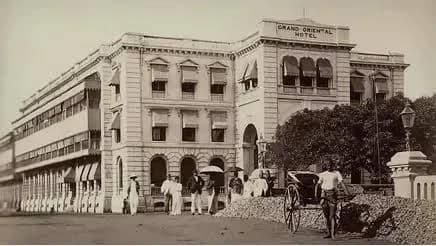
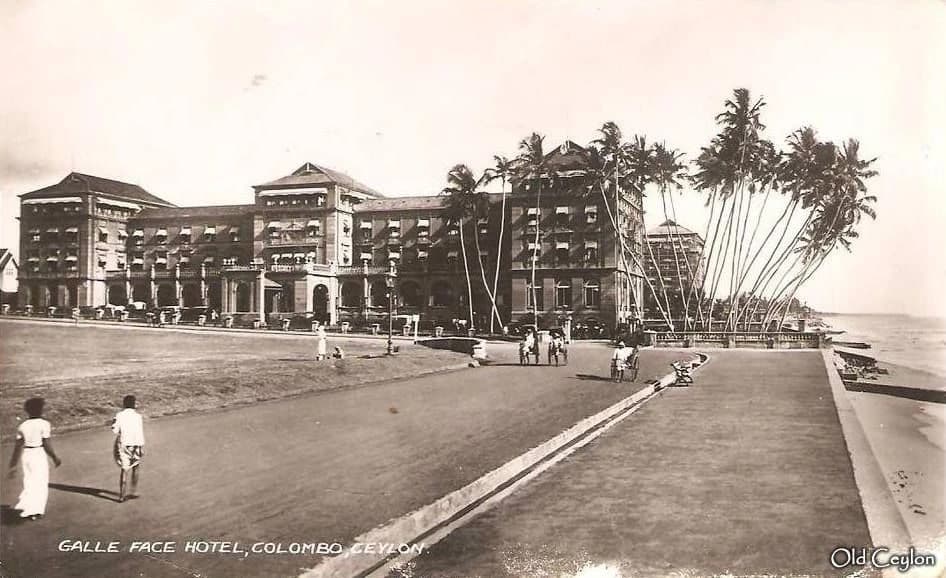
The British India Hotel was not alone in shaping Colombo’s hotel culture. During the late nineteenth and early twentieth centuries, the city had several well-known colonial hotels that served travellers, merchants, officials, planters and passengers moving through the port.
Among the most remembered names was the Grand Oriental Hotel, located close to the harbour. It became closely associated with sea travel, shipping agents, merchants and visitors arriving by ship. Its position near the port made it one of Colombo’s most important hotels for overseas travellers.
The Galle Face Hotel also belonged to this world, though it offered a different atmosphere. Facing the sea and the open green, it became known for leisure, elegance and social life. While the British India Hotel was strongly connected to the commercial and harbour-side life of Colombo, the Galle Face Hotel represented the more leisurely side of colonial hospitality.
There were also other old hotel names that appeared in postcards, advertisements and travel accounts of the period, including establishments around Fort, Pettah and the harbour district. These hotels formed part of a network that supported Colombo’s role as a port city. Travellers arriving from steamships needed rooms, meals, writing desks, luggage storage, transport arrangements and reliable information about onward journeys.
Together, these hotels helped define the social rhythm of colonial Colombo. They were places of arrival, departure, business and conversation. A traveller might land at the harbour, stay at a hotel near Fort, meet a shipping agent or merchant, dine in a formal room, write letters home and then continue by train or carriage into the interior of Ceylon.
The British India Hotel should therefore be remembered as part of this wider hotel world. It stood among the institutions that made Colombo feel like a gateway city — a place where sea routes, plantation wealth, imperial travel and local commerce all met.
The Hotel as a Social Stage
A colonial hotel was also a social stage.
Guests dressed for meals. Staff moved carefully through dining rooms. Conversations took place under rules of class, etiquette and colonial society. Visitors learned about ships, estate news, business conditions, prices, politics and events in the wider empire.
The lobby, verandah and dining room were full of observation.
Who had arrived? Who was leaving? Which planter was in town? Which merchant was meeting whom? What ships were due in harbour?
In this sense, the hotel was almost like a newspaper in human form.
News travelled through it by conversation.
Preserving Memories Through Artefacts
Today, collectors continue to preserve original hotel advertisements, menus, postcards, receipts, tariff cards and other printed material connected with establishments like the British India Hotel.
These small pieces of history are extremely valuable.
They allow younger generations to glimpse everyday life in colonial Ceylon far more vividly than formal history books alone.
A menu can show what guests ate.
A tariff card can show what accommodation cost.
A postcard can show how the building presented itself.
An advertisement can show what comforts the hotel wanted to promote.
A receipt can show the practical details of a traveller’s stay.
Each surviving artefact helps rebuild the lost world of the hotel.
Why the British India Hotel Matters to Old Ceylon
The British India Hotel matters because it tells us about Colombo as a city of travel, trade and hospitality.
It connects several important themes:
- Colonial Colombo’s harbour economy
- The role of hotels in imperial travel
- The tea and shipping trades
- Merchant and planter society
- Dining culture in Old Ceylon
- Early electric lighting and fan-cooled hospitality
- The social life of Fort and the commercial district
- The memory of vanished colonial buildings
- The importance of postcards, menus and advertisements as heritage records
The hotel was not only a place where people stayed. It was part of the infrastructure of colonial life.
A Lost Hotel, A Living Memory
Although the British India Hotel no longer occupies the same place in Colombo’s living memory as it once did, its story has not disappeared.
It survives in old photographs, printed cards and recollections. These fragments are enough to remind us that Colombo once had a hotel culture shaped by ships, planters, merchants and imperial travel.
The loss of such buildings also reminds us why documentation matters.
When buildings disappear, images and artefacts become the remaining witnesses.
They allow us to say: this place existed, people came here, and it mattered.
A Nostalgic Look Back at Colombo
Walking through modern Colombo, it is difficult to imagine the elegance that once defined many of its streets.
Yet somewhere beneath today’s busy roads, office towers and redeveloped blocks lies the memory of hotels like the British India Hotel — places where travellers first discovered Ceylon, friendships were formed, business empires began and countless stories quietly unfolded.
Though time has transformed the city, the spirit of old Colombo continues to live through these treasured memories.
The British India Hotel reminds us that a city is not only made of buildings that still stand.
It is also made of vanished places that continue to shape memory.
Final Thoughts: If Those Walls Could Speak
The British India Hotel was one of the memorable names of colonial Colombo.
It belonged to an era when the city welcomed travellers by sea, when tea planters came down from the hills, when merchants gathered near the harbour and when hotels served as centres of comfort, conversation and commerce.
Today, the building may survive only in fragments of memory, but its story still matters.
It helps us imagine a Colombo of high ceilings, electric fans, dining rooms, tariff cards, harbour views, white suits, sea captains, tea brokers and travellers writing letters home.
For Tripping Sri Lanka readers, the British India Hotel is exactly the kind of Old Ceylon story worth preserving.
If only those walls could speak, they would undoubtedly tell some of the greatest stories ever written about colonial Ceylon.
More from Old Ceylon
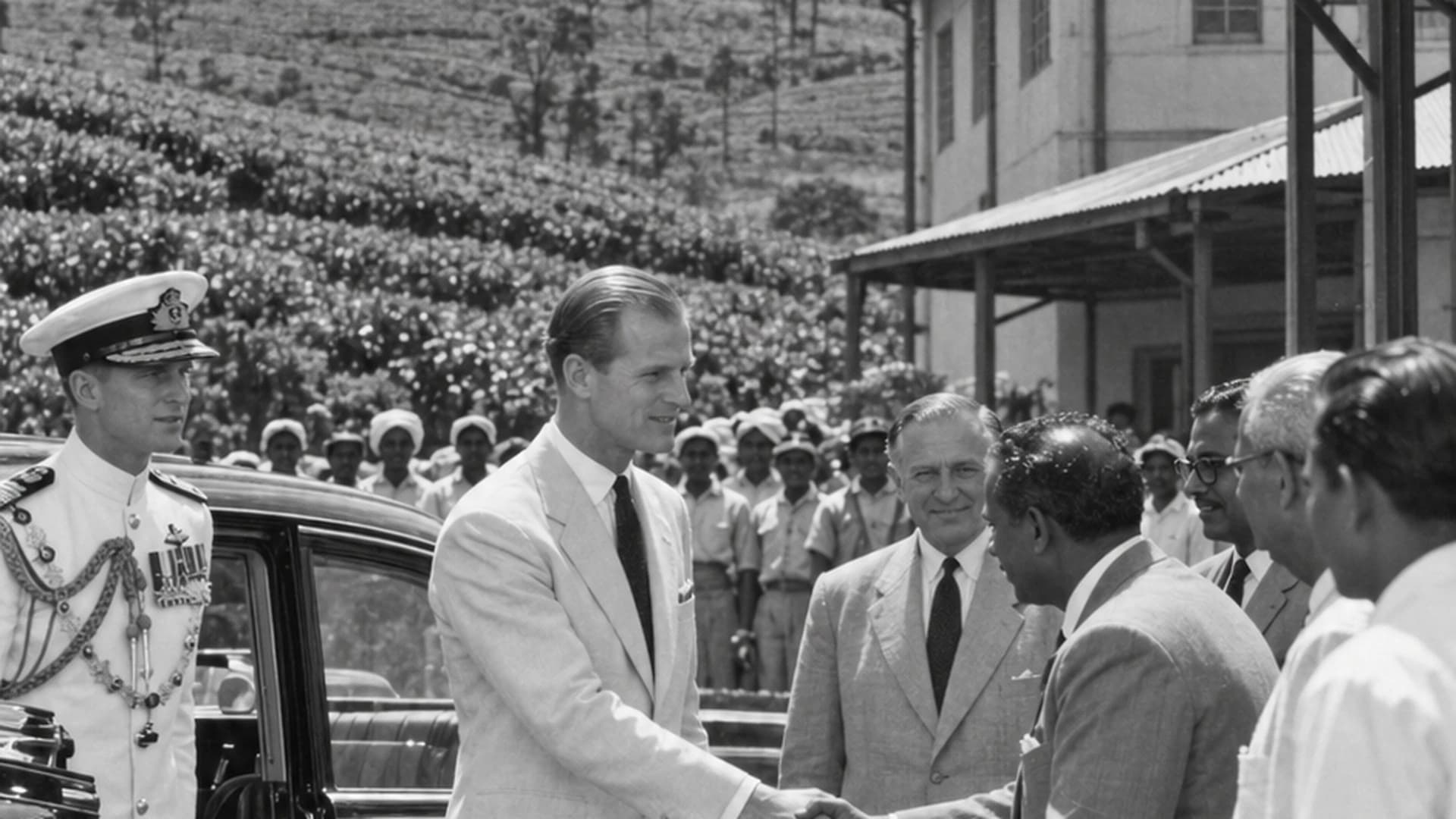
When Prince Philip Visited Pedro Estate: The Royal Visit That Became Part of Ceylon Tea History in 1954
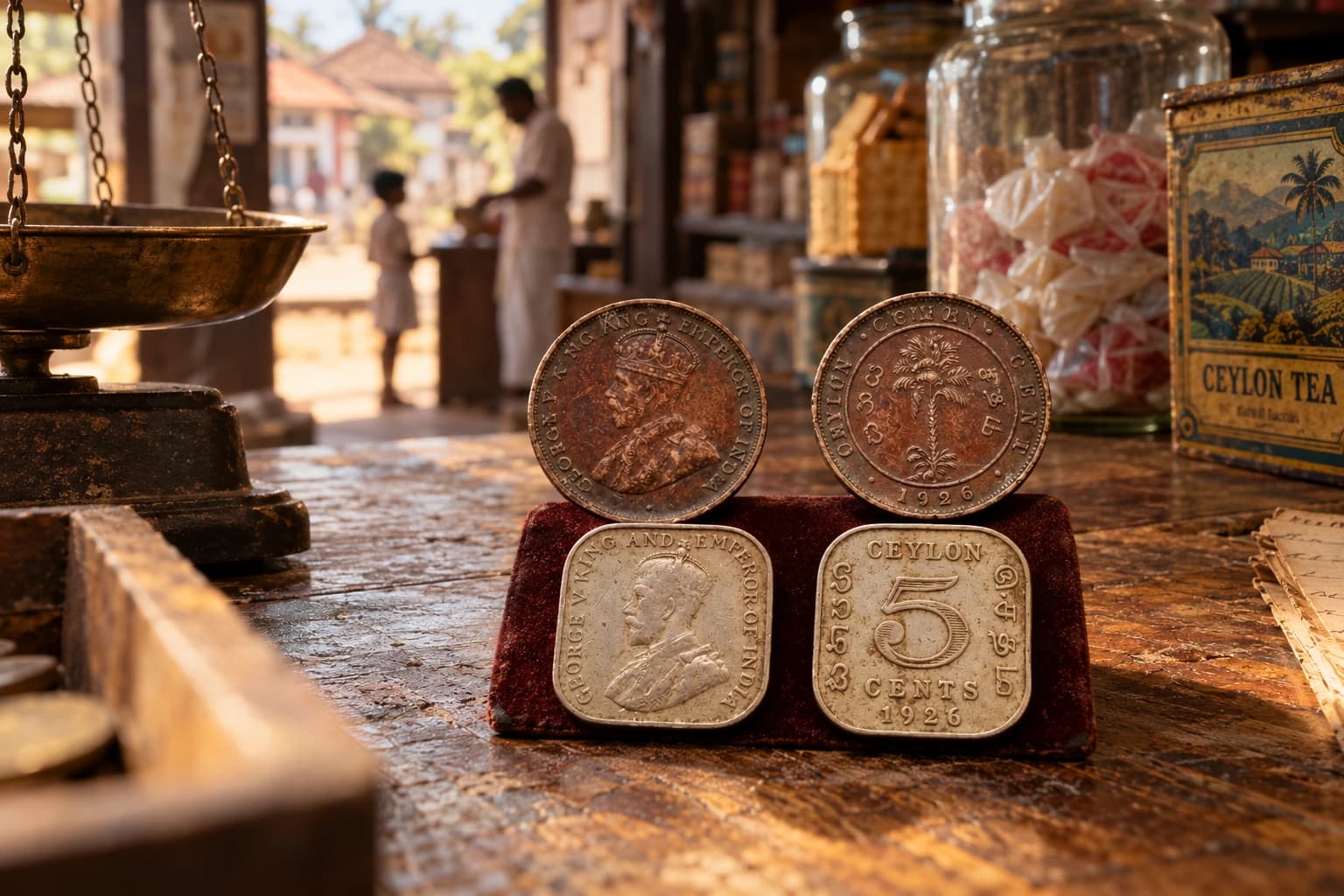
When Five Cents Mattered: The Forgotten Small Change of Old Ceylon