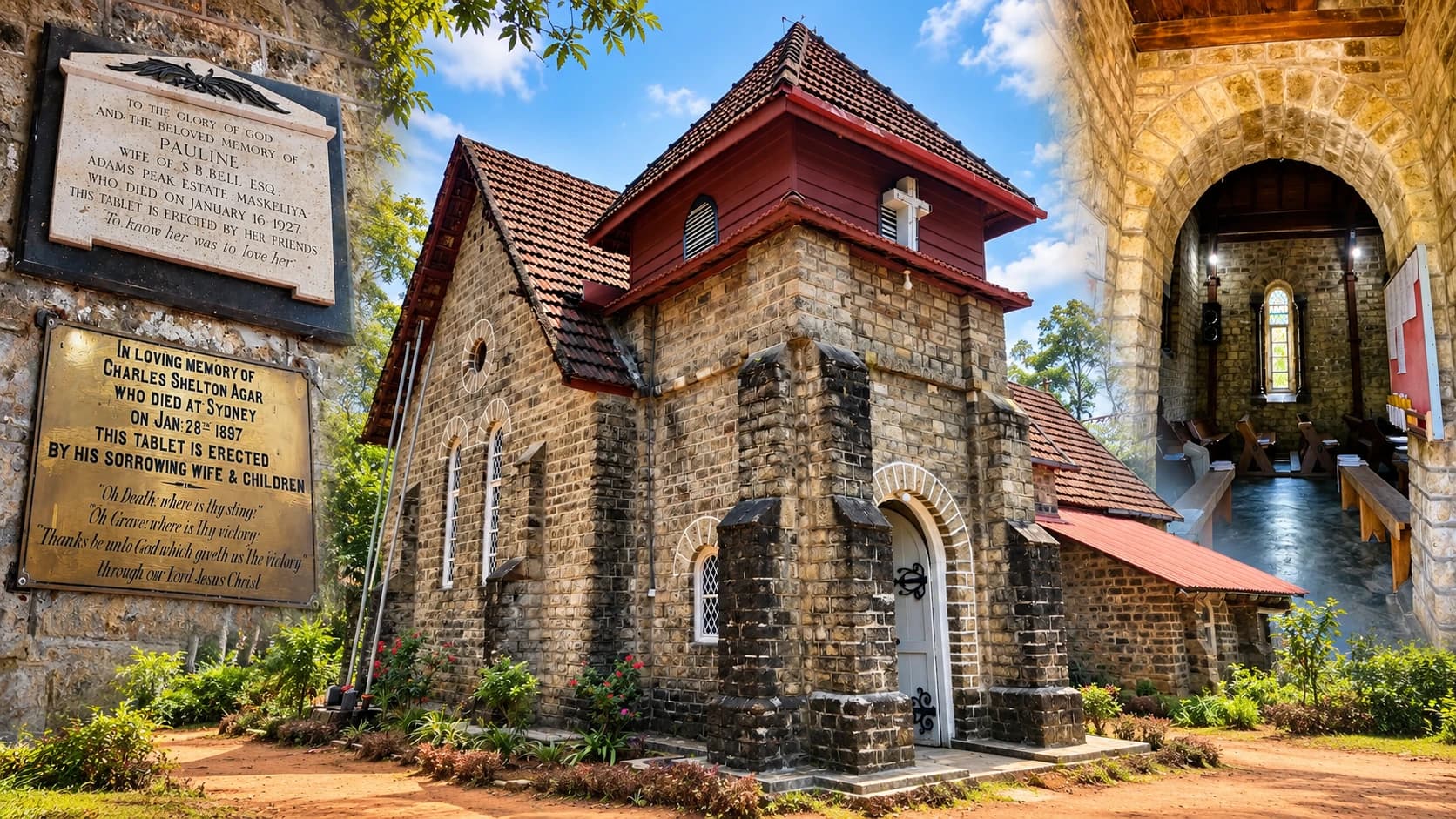
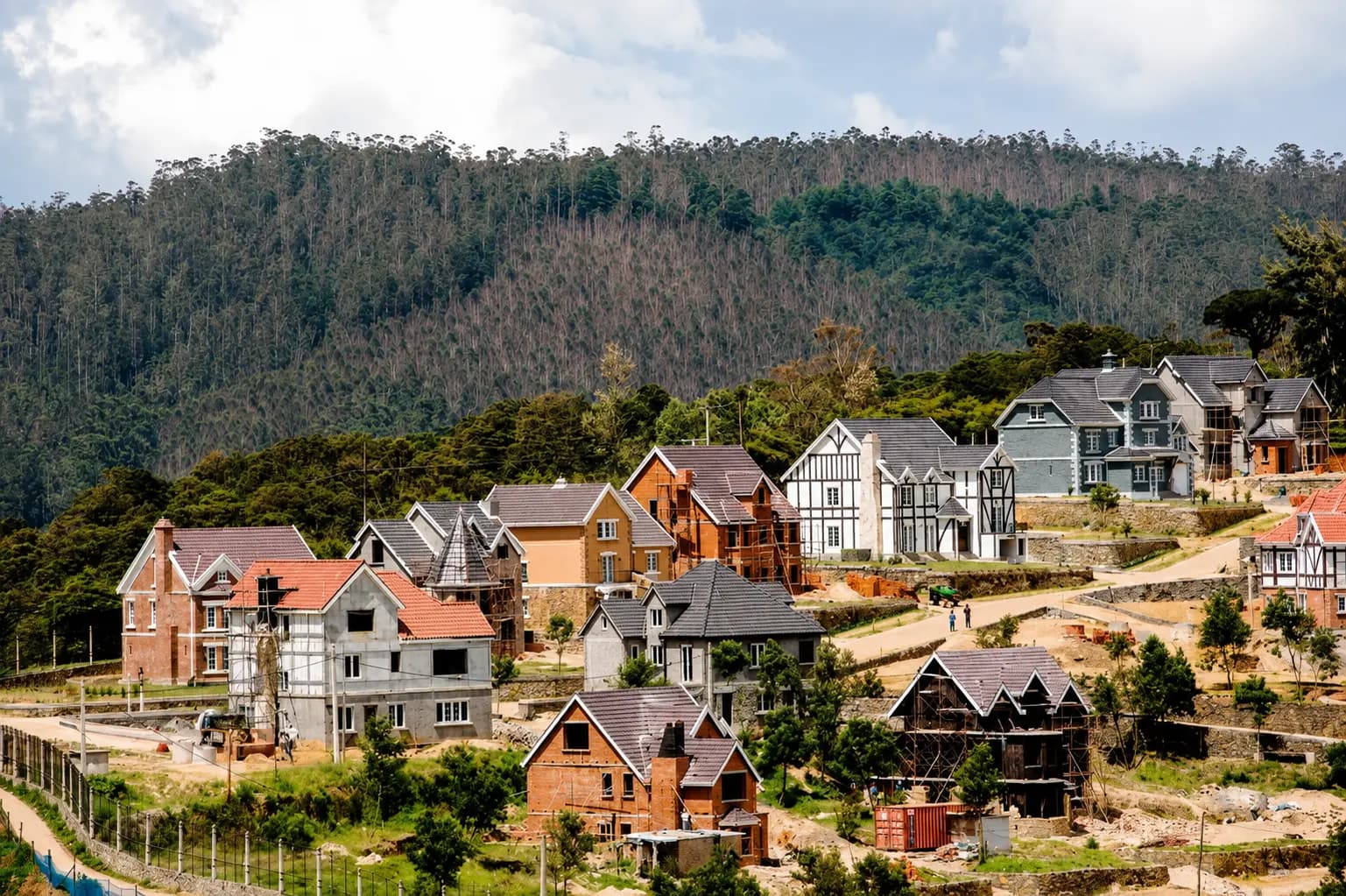
Nuwara Eliya is one of the most distinctive towns in Sri Lanka. Set high in the central hills, surrounded by tea estates, misty slopes and cool air, it feels very different from the island’s coastal cities. For many travellers, the first impression is surprising: red-brick buildings, sloping roofs, gardens, old hotels, golf greens and a climate that feels closer to an English spring than a tropical island.
This is why colonial Nuwara Eliya is still known as “Little England”. The name is not only a tourist phrase. It reflects a period in British Ceylon when the hill country became a retreat for colonial officials, planters and visitors who wanted to escape the heat of Colombo and the lowlands. Here, they created a town that reminded them of home, with bungalows, clubs, gardens, race meetings, golf, tea estates and cool-weather leisure.
For visitors interested in colonial Sri Lanka, Nuwara Eliya offers a different kind of heritage experience. It is not a fort city like Galle or Jaffna. It is not a port capital like Colombo. It is a hill station — a colonial mountain town shaped by climate, tea, architecture and recreation.
Why Nuwara Eliya: Little England
The story of Nuwara Eliya begins with geography. Located more than 1,800 metres above sea level, the town has one of the coolest climates in Sri Lanka. Its mist, rain, green hills and low temperatures made it highly attractive to British residents in Ceylon during the 19th century.
In the colonial imagination, the highlands were healthier, fresher and more comfortable than the humid coastal plains. British officials and planters saw Nuwara Eliya as a place where they could rest, recover and recreate familiar social habits. Over time, the town developed into a seasonal retreat with hotels, clubs, gardens, cottages and leisure spaces.
This is what makes colonial Nuwara Eliya so interesting. It was not created only for administration or defence. It was created around atmosphere. The cool climate allowed British Ceylon to build a version of England in the tropics.
Samuel Baker and the Making of the Hill Station
Nuwara Eliya’s colonial development is often associated with Samuel Baker, the British explorer who helped popularise the area in the 19th century. The town grew as British officials and planters recognised its potential as a hill retreat.
Before this colonial transformation, the highlands had their own local landscapes, communities and histories. But under British rule, the region became closely tied to plantation expansion and hill-country leisure. Roads improved. Estates spread. Bungalows appeared. The town began to acquire the identity that still defines it today.
This is important for heritage travellers because Nuwara Eliya’s beauty is inseparable from the history of British Ceylon. The manicured gardens, old hotels and tea-country views are attractive, but they also belong to a colonial economy built around plantations and highland settlement.
The Architecture of Colonial Nuwara Eliya
The most visible reminder of colonial Nuwara Eliya is its architecture. Many buildings in and around the town still carry Tudor-style or English country-house influences. Steep roofs, chimneys, gables, brickwork, white-trimmed windows and garden settings all contribute to the Little England atmosphere.
The Nuwara Eliya Post Office is one of the best-known examples. Its red-brick exterior and clock-tower style make it one of the most photographed buildings in the town. It is not just a working post office. It has become a visual symbol of colonial Sri Lanka’s hill-country heritage.
Other buildings, including old hotels, private cottages and clubs, continue the same atmosphere. Some have been restored as heritage hotels. Others still function as institutions or residences. Together, they create a streetscape that feels unlike any other Sri Lankan town.
The Grand Hotel and Hill-Country Elegance
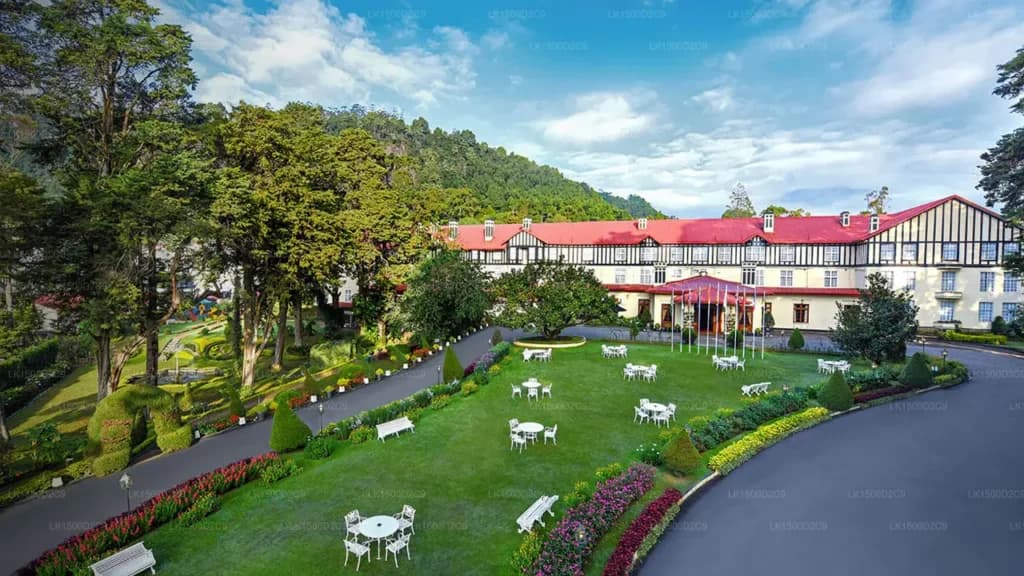
The Grand Hotel is one of the most iconic colonial-era buildings in Nuwara Eliya. Its history is closely linked to the British hill-station lifestyle, where officials, planters and travellers came for rest, social gatherings and cool-weather holidays.
Buildings like the Grand Hotel show how colonial Ceylon developed a culture of leisure. In Colombo, British power was expressed through offices, ports and government buildings. In Nuwara Eliya, it was expressed through hotels, clubs, gardens and recreation.
For modern visitors, these spaces offer a glimpse into the atmosphere of Old Ceylon. Afternoon tea, fireplaces, lawns and old-world interiors are not just decorative features. They are part of the town’s identity as a colonial hill retreat.
The Hill Club and Colonial Social Life
The Hill Club is another important landmark in the story of colonial Nuwara Eliya. Founded in the British period, it reflects the club culture that shaped social life in Ceylon’s hill country. Clubs were more than places to eat and drink. They were centres of colonial networking, class identity and recreation.
In Nuwara Eliya, club life was closely connected to the planter world. Tea estate managers, British officials and visiting elites used these spaces to maintain social customs from home. Dining rules, dress codes, billiards, lounges and garden settings all helped create a sense of Englishness in the mountains of Ceylon.
Today, the Hill Club remains one of the strongest reminders of this past. Whether seen from outside or experienced as a guest, it helps visitors understand why Nuwara Eliya became such an unusual colonial town.
Tea Estates and the Landscape of British Ceylon
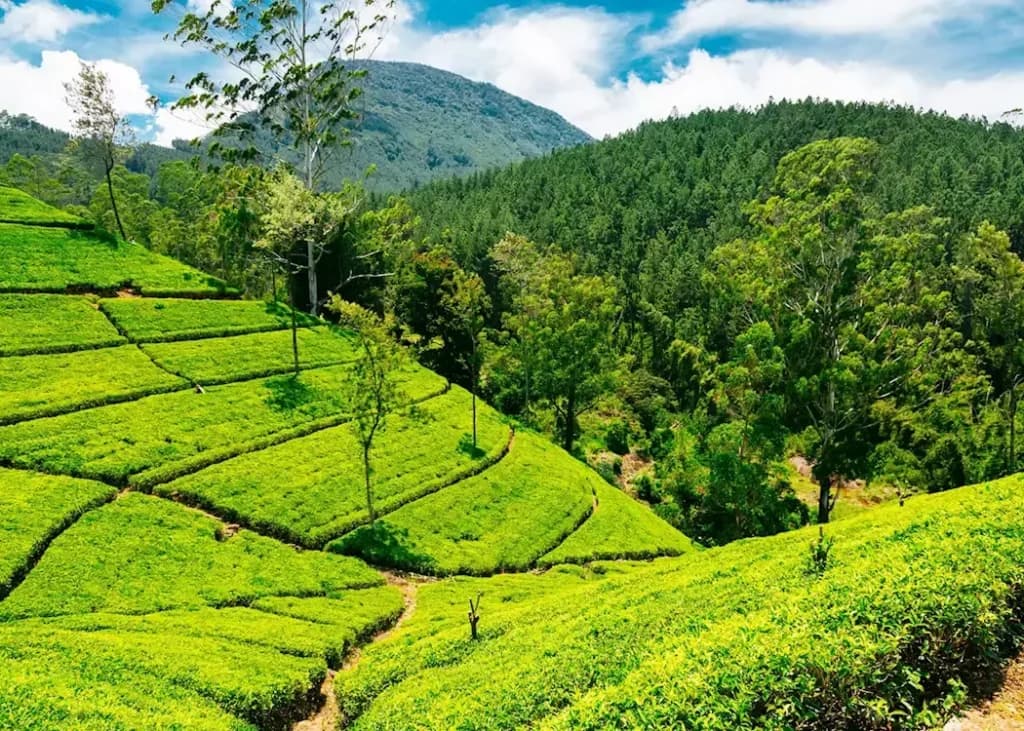
No story of colonial Nuwara Eliya is complete without tea. The surrounding hills are covered with plantations, and these estates shaped both the economy and scenery of the region.
Tea became central to British Ceylon after coffee plantations declined in the 19th century. The hill country was transformed into a plantation landscape, with estates, factories, planter bungalows and labour communities. Nuwara Eliya’s cool climate and elevation made it part of this wider tea-country world.
For travellers, the tea estates are among the most beautiful sights in Sri Lanka. But they are also historical landscapes. Each green slope carries the memory of plantation capitalism, colonial land use and the labour of communities who built and sustained the tea industry.
This dual character makes Nuwara Eliya especially meaningful. It is scenic, but it is also historical. Its beauty has roots in the plantation era of colonial Ceylon.
Gregory Lake and the Colonial Leisure Town
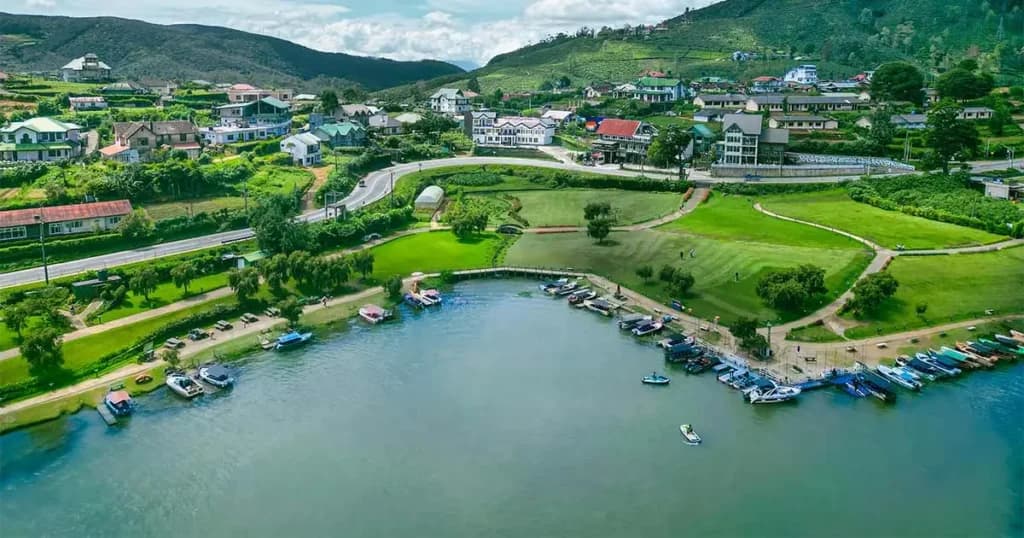
Gregory Lake is one of Nuwara Eliya’s most popular visitor attractions. Created during the British period, it became part of the town’s leisure landscape. Today, visitors come for boating, walking, horse riding and lakeside views.
The lake adds to the Little England feeling because it softens the town and gives it a recreational centre. In colonial times, such landscapes helped turn Nuwara Eliya into a holiday destination rather than merely a settlement. Open spaces, water, gardens and sports grounds created a hill-station rhythm.
A walk around Gregory Lake is one of the easiest ways to feel the town’s atmosphere. Mist over the water, cool wind, distant hills and colonial-style buildings nearby all create a sense of Old Ceylon’s mountain retreat.
Victoria Park and Garden Culture
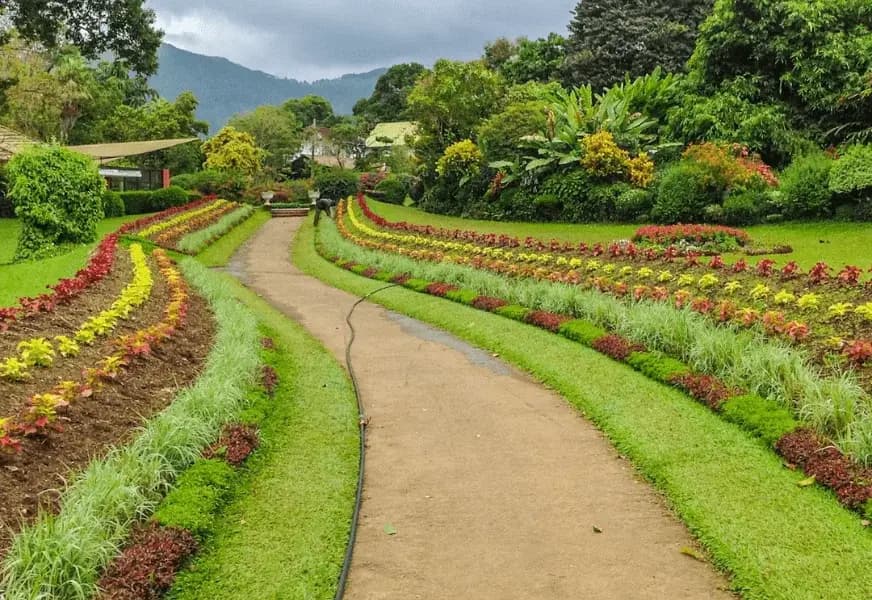
Victoria Park is another important part of Nuwara Eliya’s colonial identity. The park reflects the British interest in gardens, public recreation and temperate planting. Because of the climate, many flowers and plants associated with cooler regions grow well here.
For visitors, Victoria Park offers a quieter experience than the town centre. It is best enjoyed slowly, especially in the morning or late afternoon. The paths, lawns and flower beds show how colonial Nuwara Eliya was shaped not only by buildings, but also by landscape design.
Gardens were central to the idea of Little England. They made the hill town feel orderly, familiar and seasonal. Even today, Nuwara Eliya’s flowers, lawns and parks remain part of its identity.
Golf, Racing and the Colonial Sporting Season
Nuwara Eliya’s colonial atmosphere is also tied to sport. The town became known for golf, horse racing and seasonal festivities. The Nuwara Eliya Golf Club, founded in the late 19th century, remains one of the oldest golf clubs in Sri Lanka.
Sport mattered in British Ceylon because it recreated social life from Britain. Golf, racing, polo and cricket were not casual activities alone. They formed part of a colonial lifestyle built around class, leisure and community identity.
This is why Nuwara Eliya still feels different during its seasonal events. The town’s old sporting traditions continue to shape how visitors experience it, especially during the April season when local and foreign travellers arrive in large numbers.
Walking Through Nuwara Eliya Today
A good heritage walk through colonial Nuwara Eliya can begin near the Post Office. From there, visitors can explore the town centre, walk towards the Grand Hotel, continue past old cottages and gardens, and then move towards Victoria Park or Gregory Lake.
Unlike Colombo or Pettah, Nuwara Eliya is not a fast urban walk. Its charm lies in slow movement. The town rewards visitors who pause to look at rooflines, chimneys, flower gardens, verandahs and misty hill views.
Early morning is especially atmospheric, with cool air and soft light. Late afternoon can also be beautiful, especially around Gregory Lake. A sweater or light jacket is useful, because Nuwara Eliya can become chilly compared with the rest of Sri Lanka.
Why Colonial Nuwara Eliya Still Fascinates Visitors
Colonial Nuwara Eliya fascinates visitors because it feels like a world apart. It is Sri Lankan, but it carries a strong memory of British Ceylon. It is tropical, but cool. It is a tea town, a garden town, a sporting town and a hill retreat all at once.
For history readers, the town reveals how empire shaped not only ports and forts, but also climates and lifestyles. The British did not only govern Ceylon from offices. They also built places where they could live, rest and recreate familiar cultural habits.
For travellers, Nuwara Eliya offers one of the most atmospheric heritage experiences in Sri Lanka. Its colonial buildings, tea estates, gardens, lakes and mountain weather create a setting that is both beautiful and historically layered.
Final Thoughts: The Hill-Country Memory of Old Ceylon
Nuwara Eliya remains one of the most memorable colonial towns in Sri Lanka. Its identity as Little England is not accidental. It was shaped by British officials, planters, estate culture, hill-station leisure and the cool climate of the central highlands.
To walk through Nuwara Eliya is to experience a softer but deeply revealing side of colonial Ceylon. There are no ramparts or battle-scarred bastions here. Instead, the colonial story is written in red-brick walls, tea slopes, garden paths, old hotels, clubs, lakes and mist.
For visitors searching for the atmosphere of Old Ceylon, Nuwara Eliya is essential. It shows how colonial Sri Lanka reached beyond the coast and into the mountains, creating a hill city that still feels unlike anywhere else on the island.
FAQs About Colonial Nuwara Eliya
Why is Nuwara Eliya called Little England?
Nuwara Eliya is called Little England because of its cool climate, colonial-era buildings, gardens, old hotels, golf course and hill-station atmosphere created during British rule in Ceylon.
What are the best colonial buildings to see in Nuwara Eliya?
Important colonial landmarks include the Nuwara Eliya Post Office, Grand Hotel, Hill Club, old cottages, heritage hotels and several Tudor-style buildings around the town.
Is Nuwara Eliya connected to British Ceylon?
Yes. Nuwara Eliya became a major British hill station and retreat during the colonial period. It was closely connected to tea plantations, planter society and colonial leisure culture.
What is the best way to explore Nuwara Eliya?
The best way is to walk slowly through the town centre, visit the Post Office, explore Victoria Park, see the old hotels and spend time around Gregory Lake and the surrounding tea estates.
When is the best time to visit Nuwara Eliya?
Nuwara Eliya can be visited throughout the year, but mornings and late afternoons are best for heritage walks. The town is especially popular during the April season.
Visit Us: https://trippingsrilanka.com/stories
More from Old Ceylon
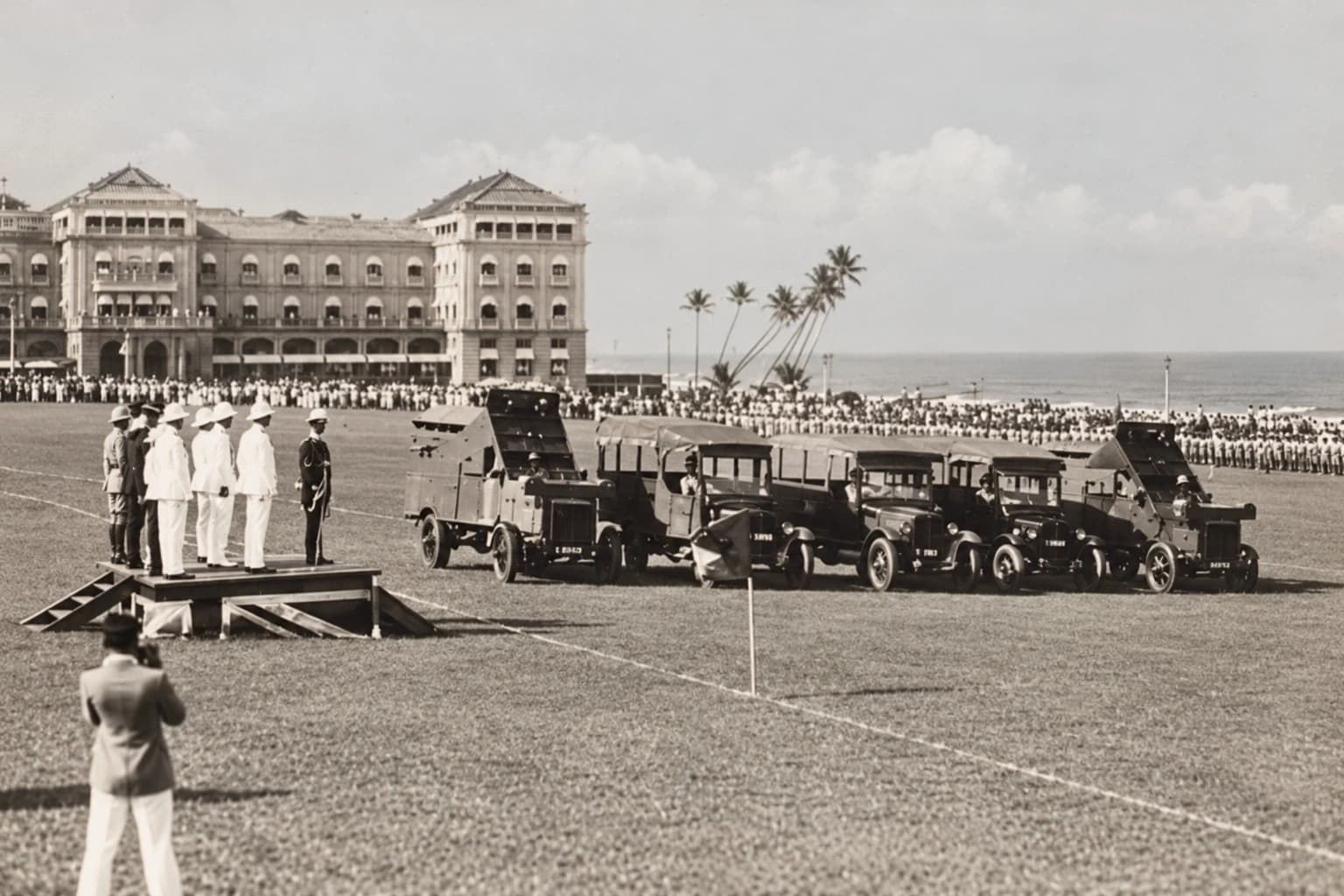
When the King’s Birthday Was Celebrated on Galle Face Green: A Glimpse of Colombo in 1933
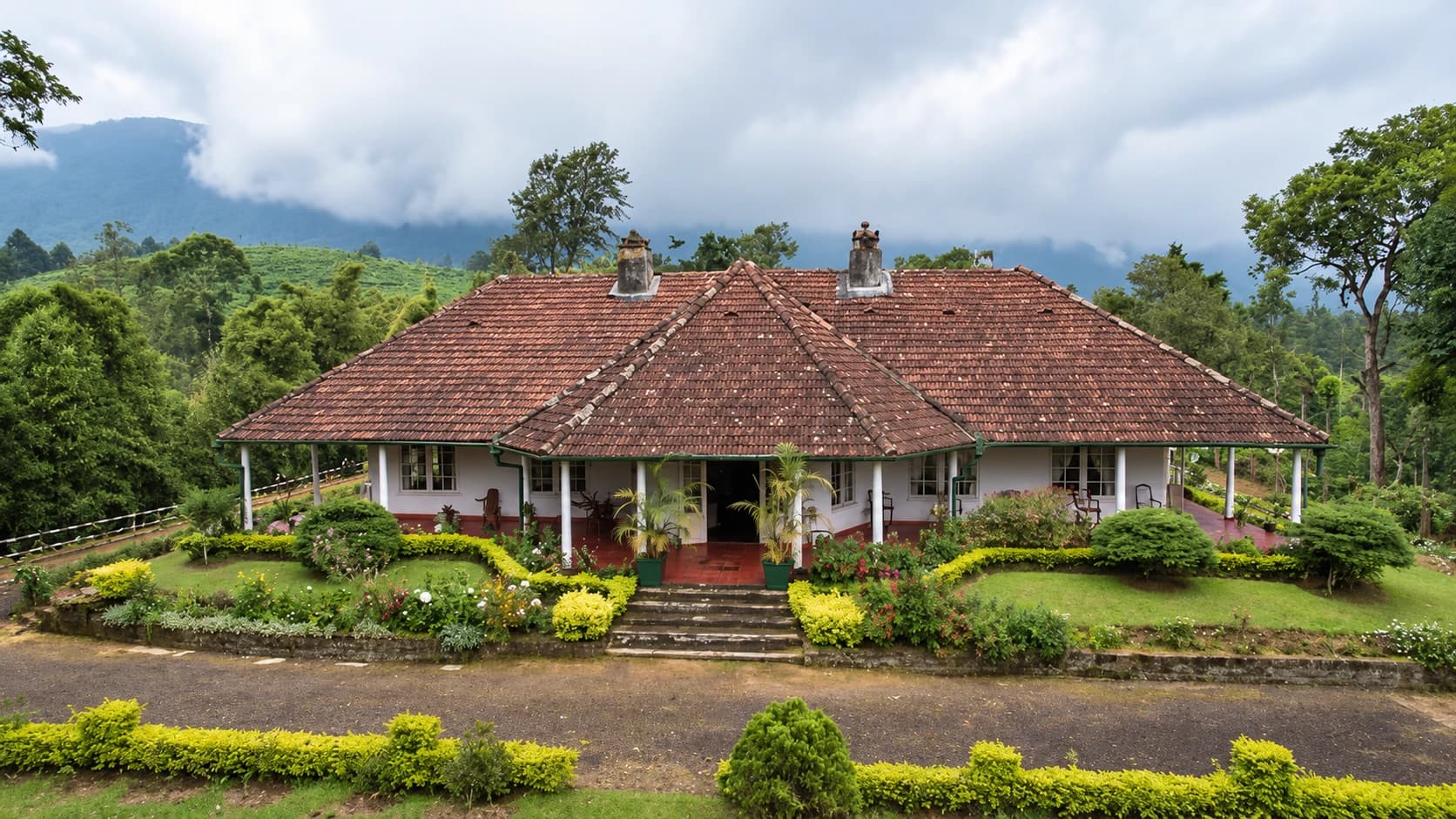
Holyrood Estate, Talawakelle: An Old Ceylon Bungalow and a Name That Echoes Scotland