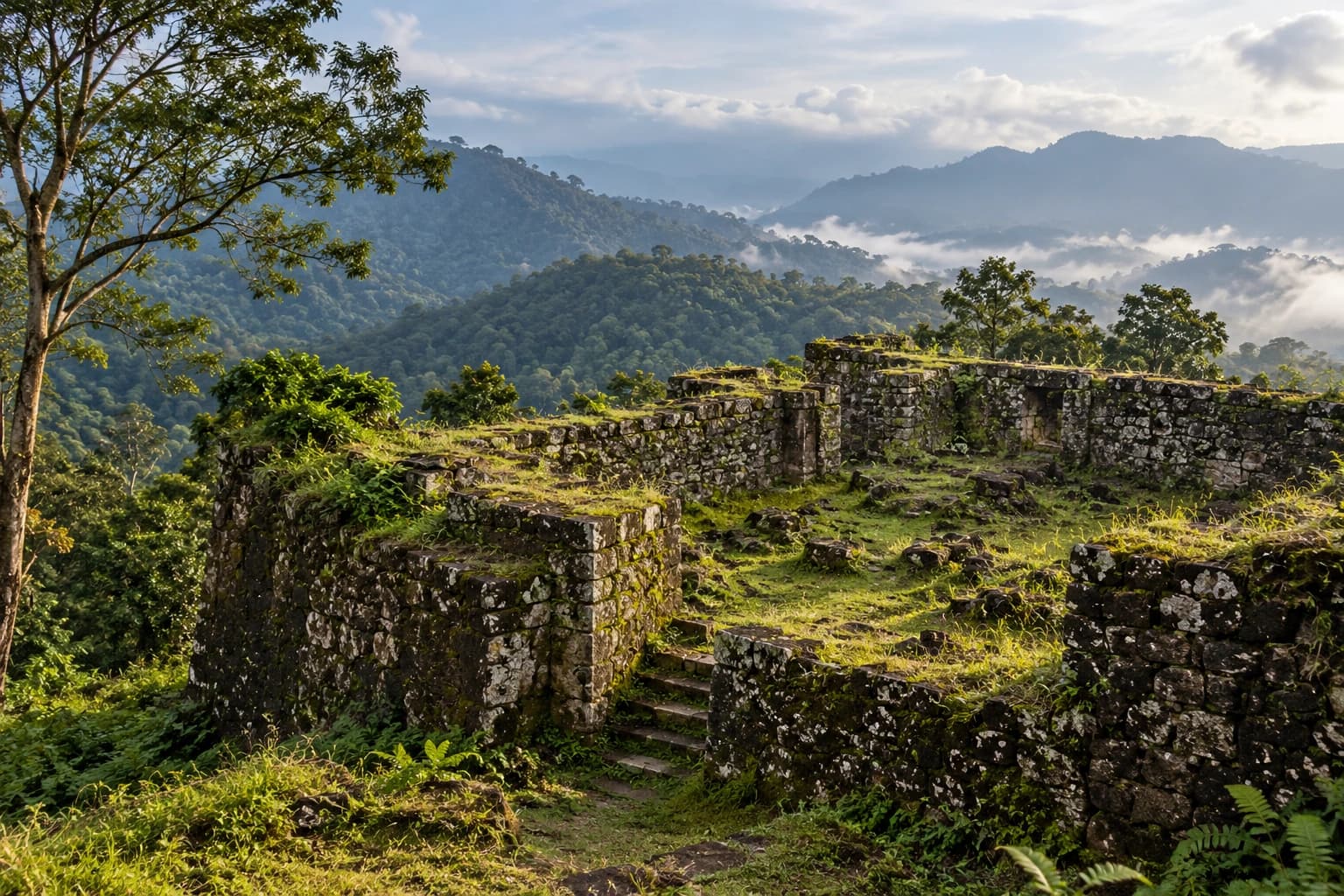
Packing the Taste of Ceylon: Inside a Lipton Tea Warehouse in 1907
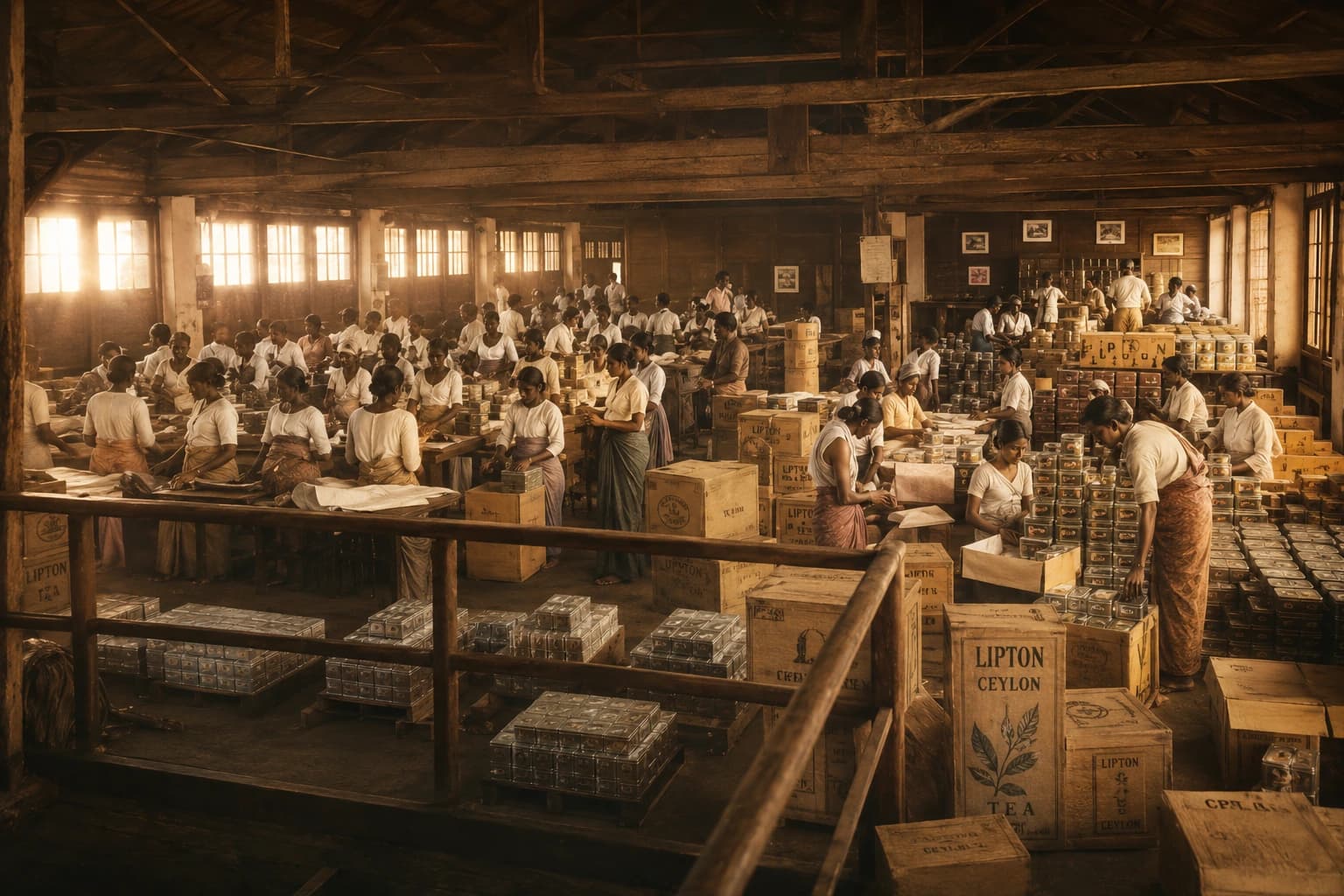
Lipton tea warehouse| In the faded colours of an old postcard, a vast room in Ceylon appears frozen in time.
Beneath heavy timber beams and rows of tall windows, hundreds of parcels, wooden crates and tea packages cover the floor. Workers stand closely together around long tables, weighing, wrapping, sorting and packing the tea that would soon travel far beyond the island’s shores.
Published by the Photochrom Company as part of the Lipton series, this 1907 postcard offers a rare glimpse inside the working world behind one of Ceylon’s most celebrated exports.
There are no green hills, mist-covered estates or elegant planter’s bungalows in this scene. Instead, it shows the final stage of the tea journey—a crowded packing house where the labour of many hands prepared Ceylon tea for customers across the world.
Check our previous article- https://trippingsrilanka.com/stories/tea-ropeways-sri-lanka
A Working Day in Old Ceylon
The photograph may be silent, but it is easy to imagine the sounds that once filled this room.
Wooden boxes would have scraped against the floor. Wrapping paper would have rustled across the tables. Packages would have been stacked, counted and carried from one section to another. Conversations would have echoed beneath the high roof as workers moved through a familiar daily routine.
The entire room appears to be in motion.
Some workers stand beside tables filled with loose materials. Others bend over crates or organise finished packages into neat rows. In the distance, more workers continue the same repetitive tasks, their figures gradually disappearing into the depth of the warehouse.
There are no automated conveyor belts or computer-controlled machines. Every package appears to have passed through human hands.
Tea had to be measured carefully, wrapped securely and packed into boxes strong enough to survive a long journey by rail, cart and steamship. A simple mistake could damage an entire shipment. The work demanded speed, accuracy and patience.
From the Hills to the Packing House
Before arriving in a room such as this, the tea had already travelled through several stages.
It began as tender leaves growing on estates scattered across Ceylon’s central highlands. Women and men gathered the leaves by hand, often on steep slopes surrounded by mist, rain and cold mountain air.
The freshly plucked leaves were taken to estate factories, where they were withered, rolled, fermented, dried and sorted. Once processed, the tea was transported away from the plantations towards commercial centres and export warehouses.
By the early twentieth century, railway lines connected many tea-growing districts with Colombo. Chests of tea travelled down from the hills towards the capital, where merchants, brokers, warehouse workers and shipping companies prepared them for overseas markets.
The packing room shown in this postcard was therefore one link in a much larger chain.
At one end stood the tea fields of Ceylon. At the other were grocery shops, hotels and household kitchens thousands of miles away.
Lipton and the Global Story of Ceylon Tea
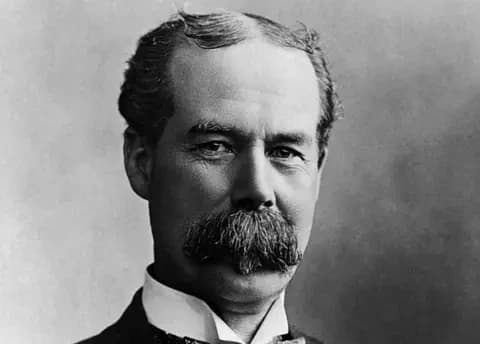
By 1907, the Lipton name had become strongly associated with Ceylon tea.
Thomas Lipton understood that tea could be marketed not only as a drink but also as a story. Customers were encouraged to imagine distant plantations, tropical landscapes and the journey of tea from the estate directly to their cups.
The Lipton series presented scenes connected with tea cultivation, production, transport and packing. For people living overseas, these cards offered a glimpse into a world they were unlikely ever to visit.
A postcard showing tea workers in Ceylon might have been kept in a family album, displayed in a shop or sent through the post with a brief message written on the back. It was both an advertisement and a small window into the empire’s commercial world.
Yet this particular image is especially revealing because it moves away from the romantic scenery of tea country.
It shows the industrial side of the trade.
The workers, tables, boxes and crowded floor remind us that the famous taste of Ceylon depended upon an enormous system of human labour.
The Hands Behind Every Package
The original caption describes the people in the image as “native workers”, a term commonly used during the colonial period.
Today, the phrase feels distant and impersonal. It reduces a large group of individuals to a single category while telling us nothing about who they were.
Their names were not printed beneath the postcard. Their personal stories were not recorded. We do not know where they lived, how long they worked each day or what dreams they carried beyond the warehouse doors.
But each figure in the image had a life outside this room.
They had families, friendships and responsibilities. Some may have travelled considerable distances to work. Others may have lived in nearby crowded neighbourhoods shaped by the growing commercial life of colonial Colombo.
Their labour helped build the international reputation of Ceylon tea, although advertisements of the period often focused more attention on estate owners, merchants and brand names.
Looking at the postcard today, it is the workers who command our attention.
They are not simply part of the background. They are the centre of the story.
The Atmosphere of the Old Lipton Tea Warehouse
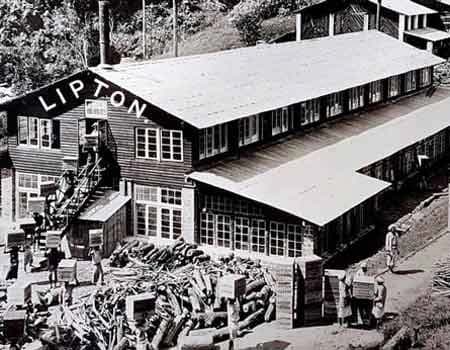
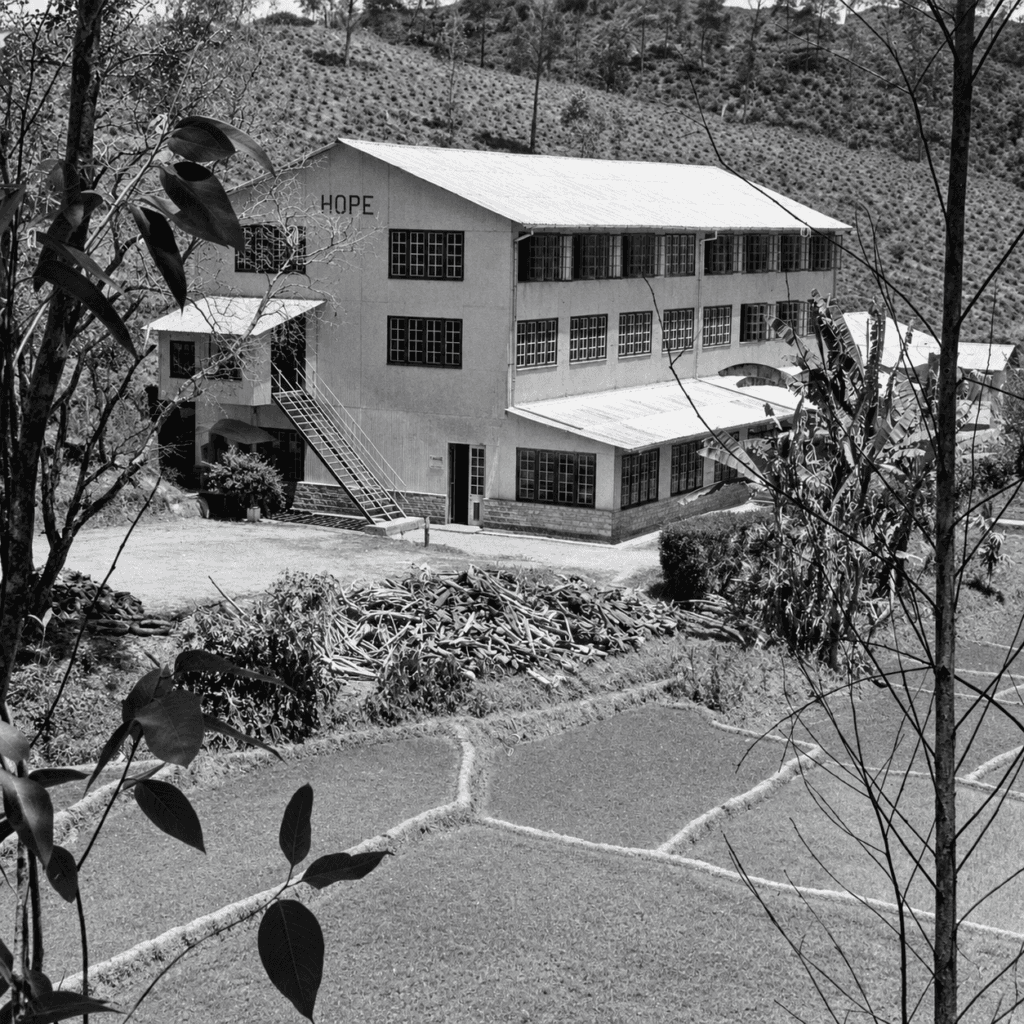
The room possesses the unmistakable character of an earlier age.
The roof is supported by dark wooden beams. Natural light enters through long rows of windows. Wooden crates are stacked across the floor, while parcels and packages appear to cover almost every available surface.
Nothing looks polished or carefully arranged for the camera. The warehouse feels genuinely busy, crowded and practical.
One can almost imagine the smell inside the building.
The warm fragrance of black tea would have mixed with the scent of timber, paper, dust and cloth. During the busiest hours, the air may have felt heavy with movement and heat.
The workers’ clothes, the old packaging and the construction of the building transport us to a Ceylon that has largely disappeared.
Modern tea-packing facilities are cleaner, faster and highly mechanised. Tea is now packed using advanced machinery, sealed materials and strict quality-control systems.
The old wooden cases and hand-wrapped parcels belong to another time.
Tea Prepared for a Journey Across the Sea
Once packed, the tea would have continued towards the harbour.
Colombo was becoming one of the most important commercial ports in the region. Ships arrived and departed carrying goods, passengers and correspondence between Ceylon and the wider world.
The tea packages seen in this warehouse may have been loaded onto vessels bound for Britain, Europe, Australia or other markets.
Weeks later, a package handled inside this crowded room could have been opened in an English kitchen on a cold morning. Another might have reached a hotel dining room, a railway refreshment room or a small grocery shop.
The people drinking the tea would rarely have known anything about those who prepared it.
They might have recognised the Lipton name printed on the packaging, but the workers inside the Ceylon warehouse remained invisible.
The postcard unexpectedly brings them back into view.
Nostalgia With a Deeper Meaning
There is something deeply nostalgic about images of old Ceylon.
The faded colours, timber buildings and traditional clothing seem to belong to a quieter world. They invite us to imagine an age before plastic packaging, modern factories and global delivery systems.
But nostalgia should not prevent us from seeing the complete picture.
The tea industry produced wealth, built railways and made Ceylon famous throughout the world. At the same time, it was shaped by colonial power, social inequality and demanding working conditions.
The beauty of the old postcard lies in its ability to hold both realities.
It preserves the atmosphere of a vanished working environment while also reminding us of the people whose labour made the industry possible.
A Moment Preserved From 1907
More than a century has passed since the camera captured this scene.
The workers eventually left the warehouse at the end of their day. The packages were shipped away. The building may have been altered, demolished or given another purpose.
Yet the image survived.
It allows us to pause inside that room once again—to notice the workers gathered around the tables, the crates waiting on the floor and the light entering through the windows.
This is more than a picture of tea being packed.
It is a record of the moment when the leaves of Ceylon were being transformed into a global product. It captures the human effort behind an industry that would become inseparable from Sri Lanka’s identity.
Every package had a destination.
Every cup carried a small part of Ceylon.
And behind every one of them were the hands of workers whose names may have been forgotten, but whose contribution remains part of the island’s enduring tea story.
Visit Us: https://trippingsrilanka.com/stories
More from Old Ceylon
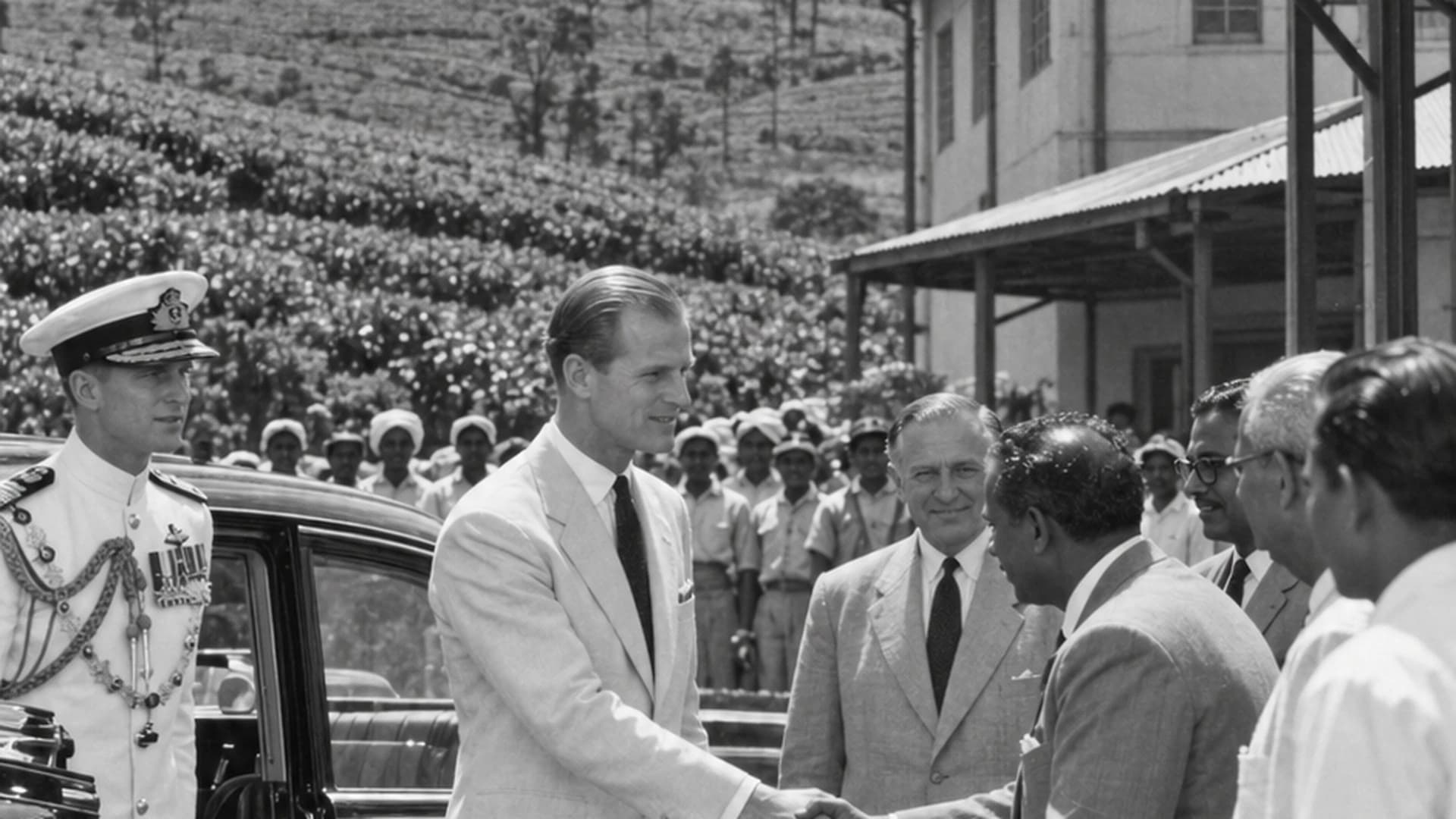
When Prince Philip Visited Pedro Estate: The Royal Visit That Became Part of Ceylon Tea History in 1954
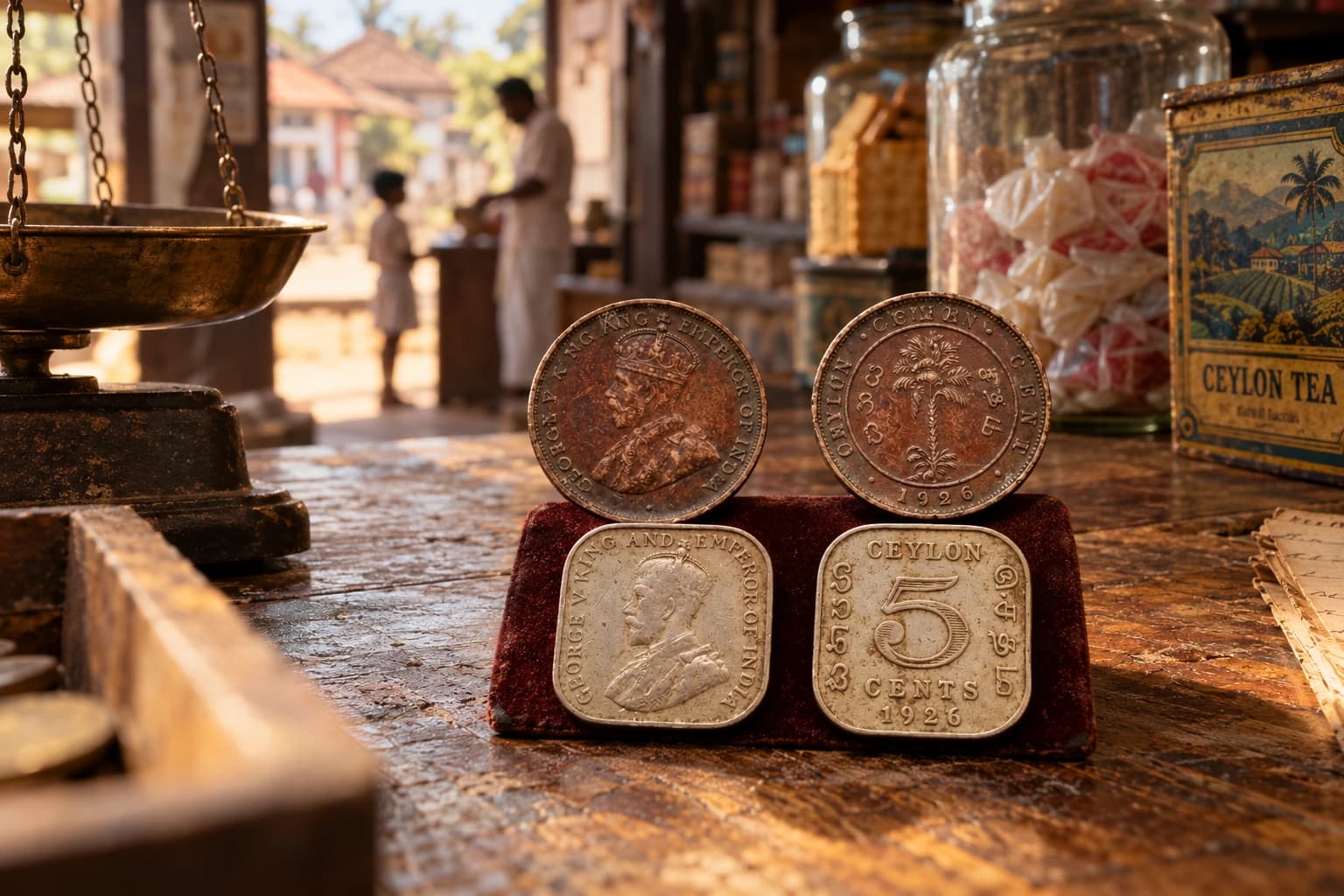
When Five Cents Mattered: The Forgotten Small Change of Old Ceylon