There are certain names from old Colombo that immediately bring back a particular kind of memory. They recall glass showcases filled with cakes and pastries, waiters moving between tables, families stopping for tea after a day in Fort, and the unmistakable pleasure of taking home a parcel tied up for the evening.
Pagoda Tea Rooms and Green Cabin belong to that Colombo.
Their story, however, reaches much further back than many realise. It begins not with Green Cabin, or even with the familiar Pagoda Tea Rooms of Chatham Street, but with a tea kiosk established beside Colombo Harbour during the closing decades of the nineteenth century.
Read our previous article- https://trippingsrilanka.com/stories/first-colombo-tea-auction
Where the Story Began: The Ceylon Tea Kiosk
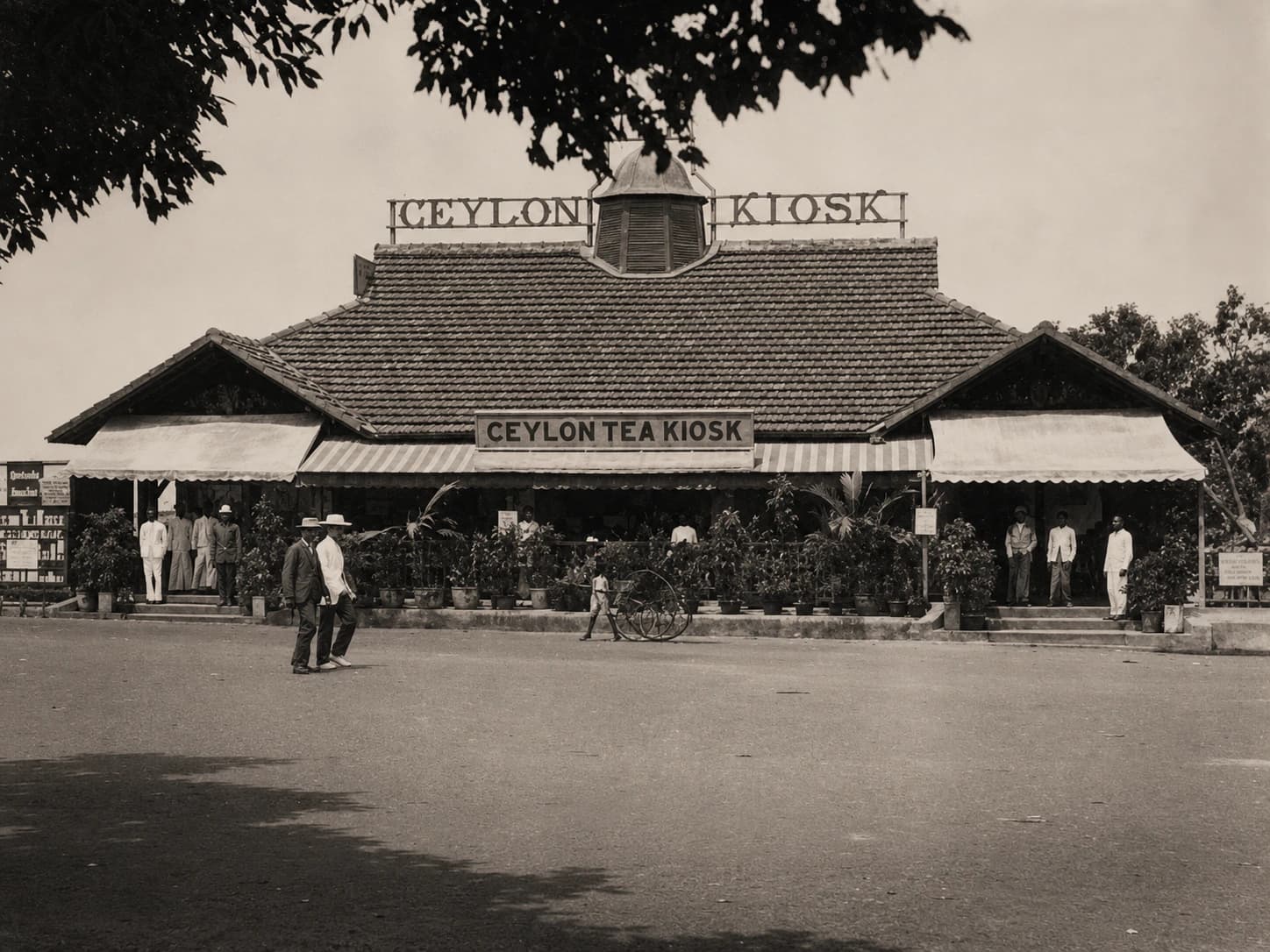
The story is traced to 1884, when the Ceylon Tea Kiosk was established at the jetty of Colombo Harbour. It was reportedly founded by a group of British planters with a straightforward purpose: to introduce visitors arriving in Ceylon to the island’s increasingly important product , Ceylon tea.
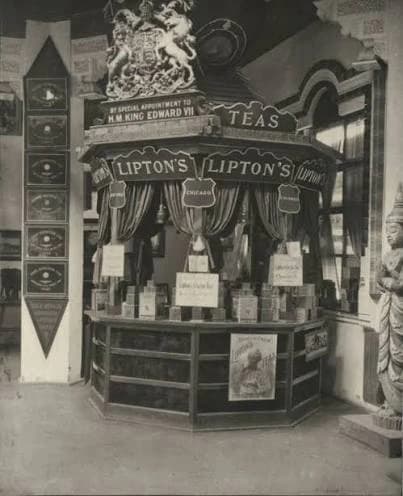
It is an evocative picture of colonial Colombo.
The harbour was the great gateway to the island. Ships brought passengers, officials, businessmen, travellers and servicemen into a city that was rapidly developing around its port. For a visitor stepping ashore, a cup of locally grown tea offered an early taste of Ceylon.
The surviving photographs of the Ceylon Tea Kiosk add considerably to that sense of another age. With its broad roof, open frontage and prominent lettering, it looks less like the restaurants Colombo would later know and more like a pavilion designed for a tropical port city.
Yet this modest establishment would become the beginning of one of Colombo’s longest restaurant stories.
From the Tea Kiosk to the Pagoda Tea Rooms
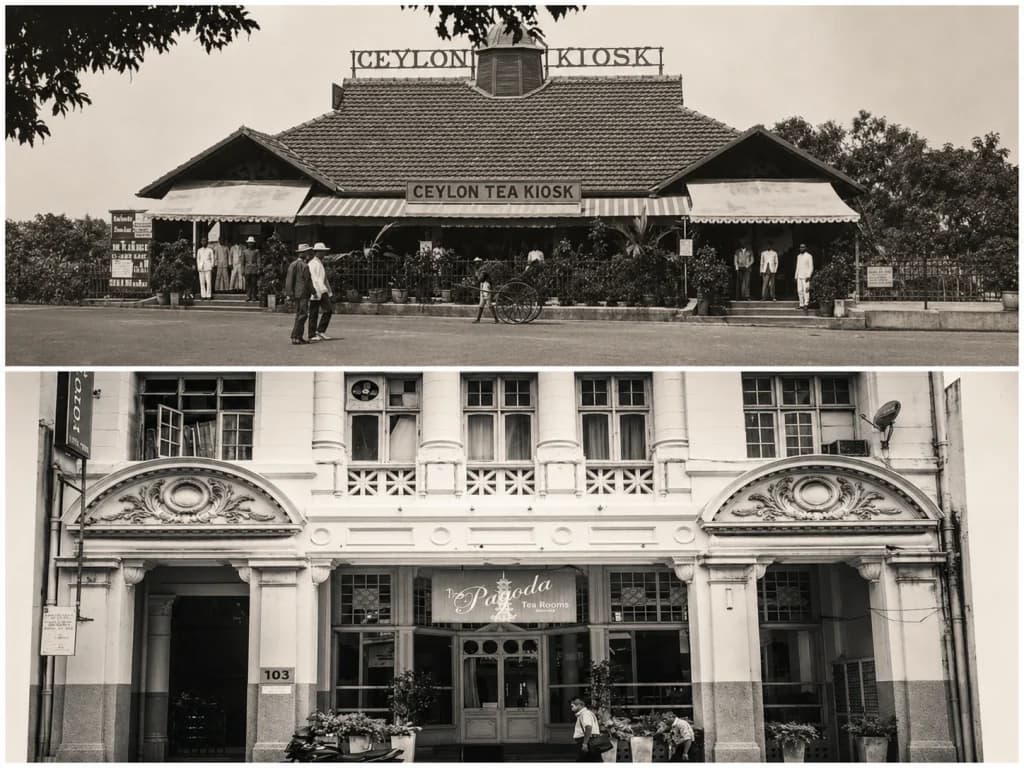
Towards the turn of the twentieth century, the Ceylon Tea Kiosk moved from the harbour to York Street in Colombo Fort.
It was here that the establishment became known as the Pagoda Tea Rooms, reportedly taking its new name from the pagoda-like architectural feature that crowned the building.
The restaurant subsequently moved to Baillie Street, another address within the commercial heart of old Fort.
Colombo Fort at the time was a very different place from the office district familiar today. Banks, trading houses, hotels, shipping companies and department stores filled its streets. Horse-drawn traffic gradually gave way to motorcars. Travellers, merchants, clerks and residents moved between buildings whose façades gave Colombo its distinctive colonial-era streetscape.
Within this world, tea rooms became part of the city’s social life.
Pagoda developed a reputation for tea-time food and pastries. It has even been credited with helping introduce Western-style pastries to Ceylon. Over time, however, its menu would become something much more interesting: a meeting point between the European tea-room tradition and the tastes of Colombo itself.
The Rodrigo Family Enters the Story
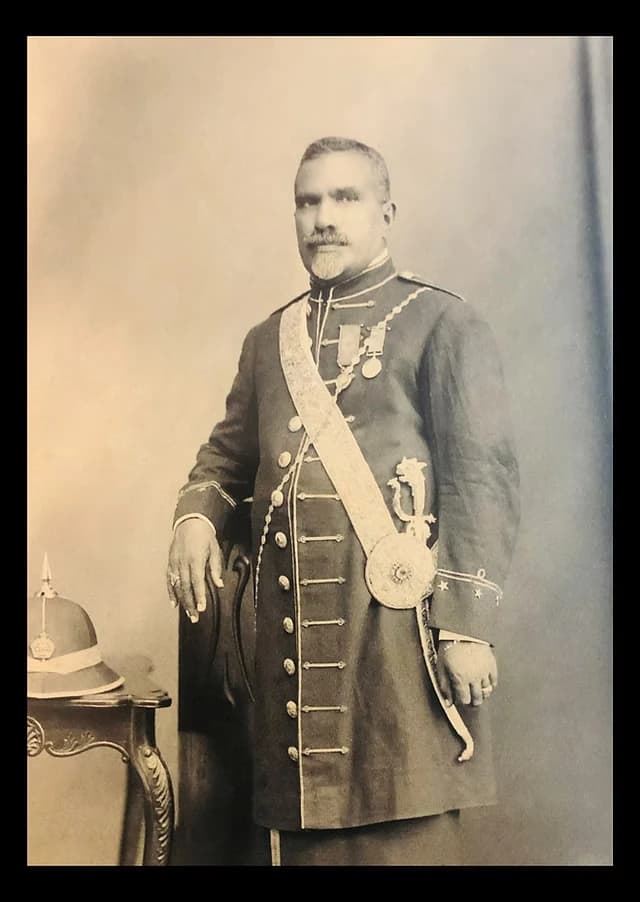
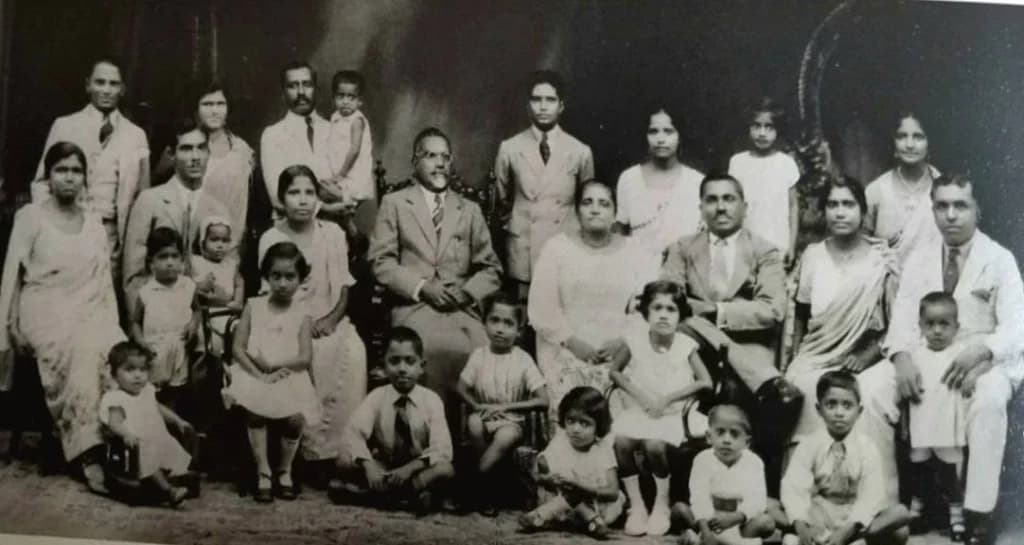
Following the First World War, Mudaliya Thomas Rodrigo acquired a controlling interest in the Pagoda Tea Rooms.
The investment would eventually place the restaurant in the hands of a family whose name became inseparable from both Pagoda and Green Cabin.
As Mudaliya Thomas Rodrigo grew older, responsibility for the business passed to his eldest son, Cyril Thomas Rodrigo.
Cyril appears to have possessed the qualities that successful restaurateurs have always needed. He understood that a restaurant was not simply about preparing food. It was about understanding people.
He spent time with customers, learnt what they wanted and experimented with the menu. Under his stewardship, Sri Lankan dishes were introduced alongside the restaurant’s established fare.
The Pagoda Tea Rooms gradually became more than an inheritance from colonial Colombo. It became a Colombo institution in its own right.
The Famous Chatham Street Pagoda
From Baillie Street, Pagoda eventually moved to the address with which generations would associate it: Chatham Street.
For anyone fascinated by old Colombo, Chatham Street is itself a remarkable piece of the city’s history. Once surrounded by some of Fort’s best-known commercial buildings, it formed part of a compact urban world where almost everything seemed to be within walking distance.
Pagoda fitted naturally into this landscape.
Its appeal survived long after the colonial period that had produced the original tea-room culture. Generations came to know it for its pastries, cakes, savouries and Sri Lankan food.
The Chatham Street restaurant would even achieve an unexpected moment of international pop-culture fame. It appeared in Duran Duran’s 1982 music video for “Hungry Like the Wolf”, filmed partly in Sri Lanka. For viewers familiar with Colombo, the appearance of Pagoda is now a fascinating visual record of the restaurant and the city during another period of its history.
Read our previous article- https://trippingsrilanka.com/stories/pettah-and-fort-colonial-colombo
Then Came the Green Cabin
Cyril Rodrigo’s ambitions did not end with Pagoda.
During the difficult years surrounding the Second World War, he acquired another Colombo restaurant — Green Cabin.
The establishment had reportedly been founded in 1936 by Mrs De Vos, a woman of Dutch origin. Cyril purchased the restaurant as war brought uncertainty to Colombo and many businesses faced difficult conditions.
It was a bold decision.
The Japanese air raids on Colombo in April 1942 created fear across the city. Residents left the capital, businesses closed and normal urban life was badly disrupted.
Yet the Rodrigo family’s restaurants reportedly remained open during the war.
The presence of large numbers of servicemen in Colombo, together with continuing local patronage, helped sustain the business through those extraordinary years.
What might have appeared an enormous financial risk eventually became part of the family’s success story.
Green Cabin and the Colombo We Remember
For later generations, Green Cabin on Galle Road, Kollupitiya became perhaps even more emotionally familiar than its older sibling.
It was the kind of restaurant woven into ordinary Colombo life.
People stopped there for lunch. Families bought cakes for celebrations. Others came specifically for pastries or a favourite Sri Lankan meal. A Green Cabin box arriving at home could itself be an occasion.
Its chocolate cake, lemon cake, love cake, cheesecakes, pies and lamprais developed loyal followings. The restaurant was also remembered for Sri Lankan dishes and the simple pleasure of going out for a hopper meal.
These were not necessarily extravagant experiences.
That was precisely their charm.
Old Colombo’s best-loved establishments were often places that became part of family routine. Parents took children there; those children eventually returned with families of their own. The food mattered, but so did familiarity — the same name, the same recipes and the feeling that the place had always been there.
The Curious Colombo “Cheesecake”
Among the foods associated with this tradition is the famous local “cheesecake” — despite the fact that the traditional Sri Lankan bakery version bears little resemblance to the cream-cheese dessert now internationally associated with that name.
For generations of Colombo residents, however, there was nothing strange about it.
It belonged to the wonderfully distinctive bakery culture that developed in Sri Lanka, where European pastries and baking traditions were adapted, renamed and transformed by local tastes.
That culinary mixture is part of what makes the story of establishments such as Pagoda and Green Cabin so interesting.
They were born in colonial Ceylon, but they did not remain frozen there. Their menus evolved with the city and the people who ate in them.
A Family Business Across Generations
The Rodrigo children gradually joined their father in the business.
Devaka Rodrigo, Cyril Thomas Rodrigo’s second son, entered the company in 1951 and was associated with the Pagoda Tea Rooms. His youngest daughter Kantha joined in 1956 and was assigned to Green Cabin.
Other members of the family followed. Indrani, the eldest of the five children, joined in 1969, while Sinthathmany entered the company in 1973. In 1977, Mahesa, Cyril Thomas Rodrigo’s eldest son, also joined his siblings.
What had begun decades earlier as a tea kiosk associated with Ceylon’s plantation economy had become firmly established as a Sri Lankan family enterprise.
That continuity may explain why Pagoda and Green Cabin occupied such an unusual position in Colombo life. They were commercial establishments, certainly, but their identity was built over generations rather than created by a modern restaurant group or marketing campaign.
When Green Cabin Closed Its Galle Road Doors
For many Colombo residents, 31 July 2018 marked the end of an era.
The famous Green Cabin outlet on Galle Road in Kollupitiya closed.
By then, Colombo had changed almost beyond recognition from the city in which Green Cabin had first appeared in the 1930s. Galle Road was crowded with traffic. High-rises had transformed the skyline. International restaurant chains, cafés and new bakeries competed for customers whose habits had changed considerably.
Yet the closing of Green Cabin mattered because it felt like the disappearance of something larger than a restaurant.
It was another physical piece of old Colombo slipping away.
The wider restaurant business continued through other outlets, including the Pagoda Tea Rooms and locations elsewhere in and around Colombo. But for those who had known the Galle Road Green Cabin for decades, its closure inevitably carried a sense of loss.
More Than a Restaurant Story
The history of the Ceylon Tea Kiosk, Pagoda Tea Rooms and Green Cabin tells us something about Colombo itself.
It begins in the age of steamships and plantation Ceylon, when travellers arrived through Colombo Harbour and tea was becoming one of the island’s defining exports.
It moves through the grand commercial streets of colonial Fort.
It passes through two world wars, the Japanese bombing of Colombo, independence and the transformation from Ceylon to Sri Lanka.
It continues through the Colombo of the 1950s, 60s and 70s, when going into Fort for shopping or business was part of everyday city life. It survives into the television and pop-culture age, when an old Chatham Street restaurant unexpectedly appeared in a Duran Duran music video.
And eventually it reaches modern Colombo, where much of the physical city remembered by earlier generations has disappeared.
Through all those changes, people still wanted remarkably simple things: a good cup of tea, a familiar meal, a favourite cake and somewhere comfortable to sit with family or friends.
A Taste of Old Ceylon That Lingers
Old Ceylon is often remembered through its grand architecture — hotels, railway stations, government buildings, clubs and plantation bungalows.
But history also survives in smaller memories.
The smell of a bakery. A glass cake cabinet. A parcel of lamprais. Tea served at a table in Fort. A favourite cake brought home from Galle Road.
These ordinary memories can tell us as much about a city as its monuments.
The story that began with the Ceylon Tea Kiosk in 1884 eventually became part of the everyday life of Colombo through the Pagoda Tea Rooms and Green Cabin.
Buildings may disappear and streets may change, but names like these remain remarkably powerful.
For generations who knew them, they are not simply names from Colombo’s restaurant history.
They are a taste of the Colombo that once was.
Visit us: https://trippingsrilanka.com/stories