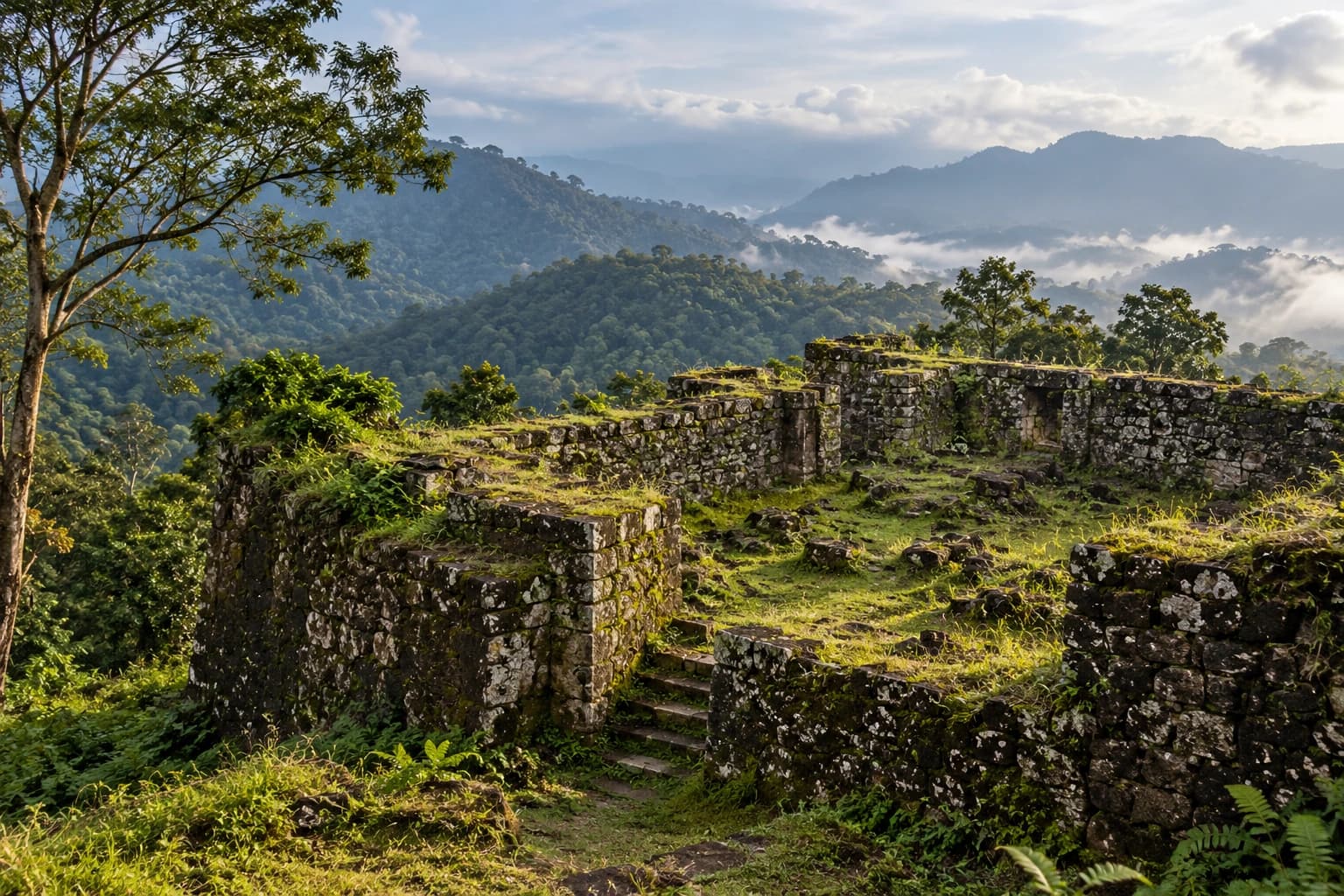
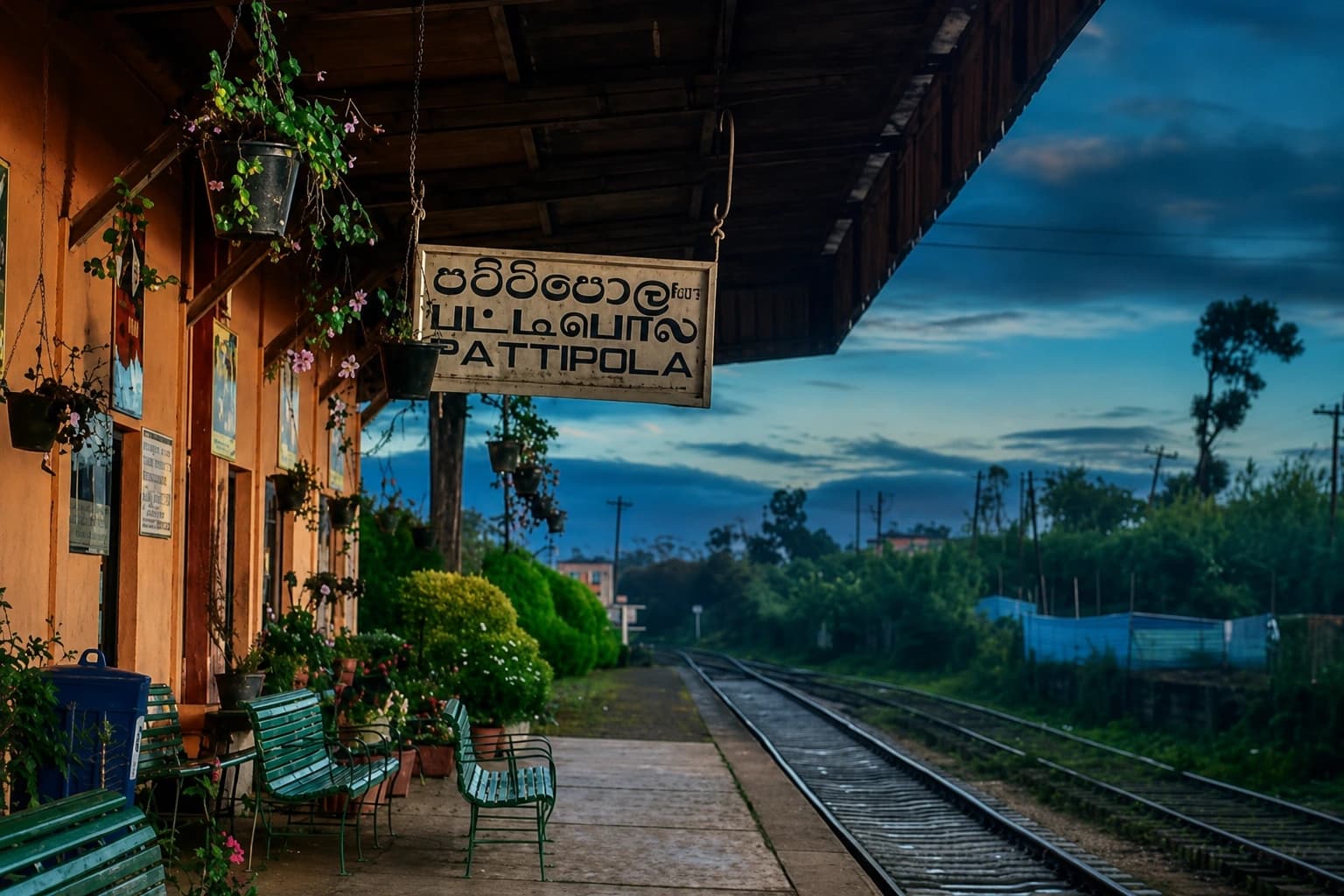
A Misty Railway Stop Above the Clouds
High in Sri Lanka’s central highlands, between Ambewela and Ohiya, lies one of the most atmospheric stops on the island’s railway map: Pattipola Railway Station.
It is not a large station. It does not have the grandeur of Colombo Fort, the bustle of Kandy, or the famous postcard view of Ella. Yet Pattipola holds a special title. It is widely recognised as the highest railway station in Sri Lanka, standing at about 1,897.5 metres above mean sea level.
For travellers who love Old Ceylon, Pattipola is more than a railway stop. It is a place where engineering, hill-country scenery, tea landscapes, colonial-era railway history and mountain silence come together.
The air is cooler here. Mist moves across the tracks. Pines, grasslands, potato fields and highland slopes surround the station. Trains arrive slowly through the mountain country, carrying with them the memory of one of the most beautiful railway journeys in Asia.
Check our previous article- https://trippingsrilanka.com/stories/demodara-loop-sri-lankas-railway
Where Is Pattipola Railway Station?
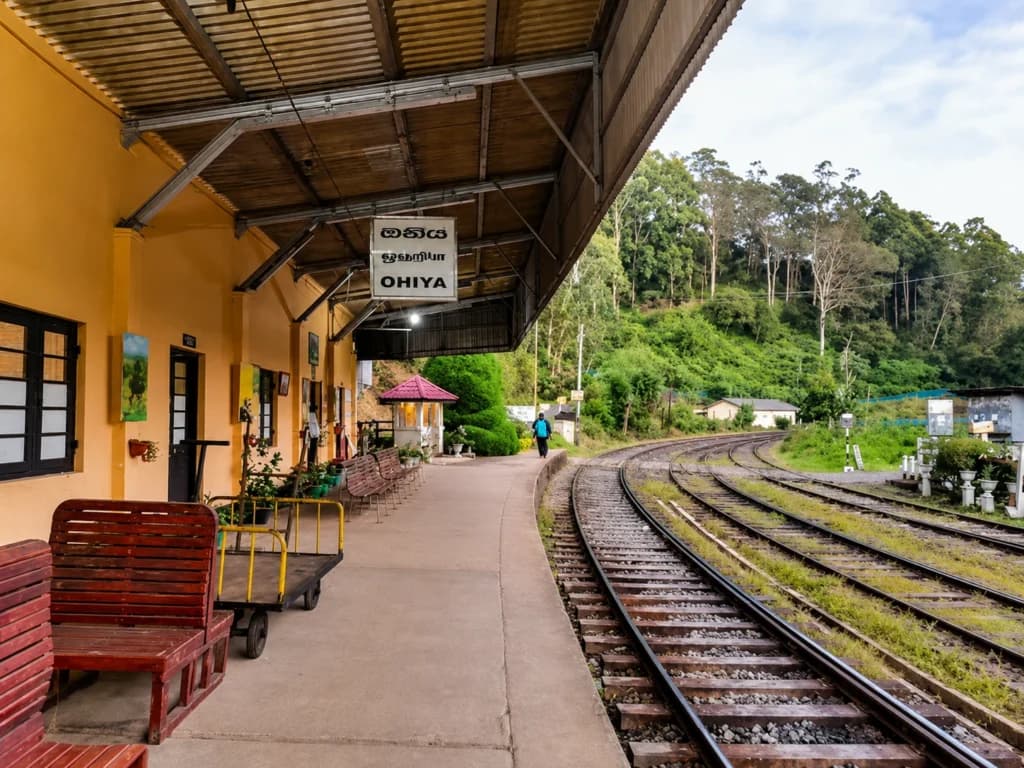
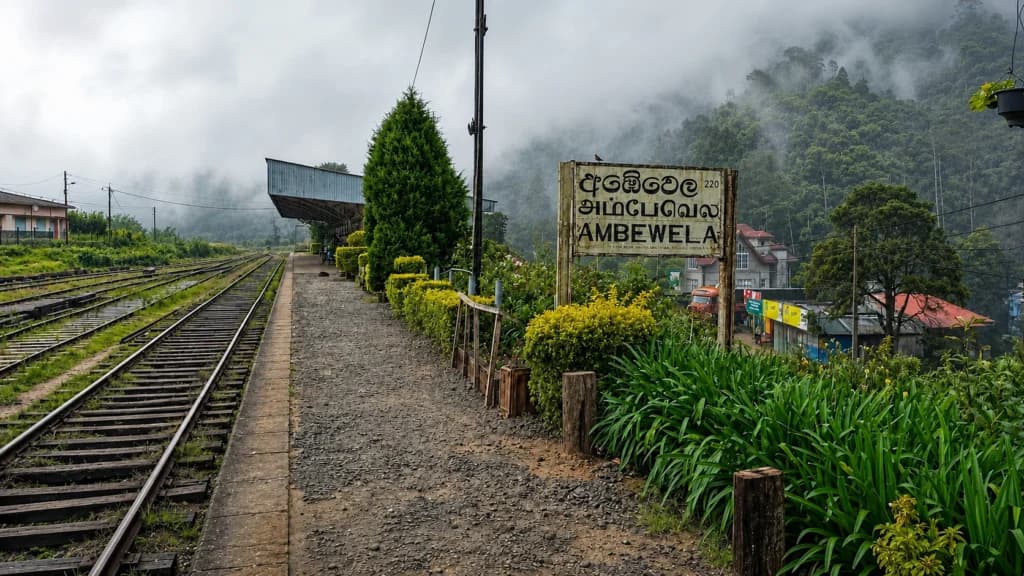
Pattipola Railway Station is located on Sri Lanka Railways’ Main Line, the famous route that runs from Colombo towards Badulla. It is situated between Ambewela Railway Station and Ohiya Railway Station, in the highland region close to Horton Plains and Nuwara Eliya.
The station lies roughly 226.8 kilometres from Colombo Fort and is listed as the 66th station on the Main Line.
This location gives Pattipola a very special character. It sits near some of the highest inhabited and cultivated areas of the island, where the landscape feels different from the rest of Sri Lanka. The climate is cool, the vegetation changes, and the railway line feels as though it has climbed into another world.
For travellers taking the train from Kandy, Nanu Oya, Ella or Badulla, Pattipola is one of the most memorable points on the route.
The Highest Railway Station in Sri Lanka
Pattipola’s great claim to fame is its elevation.
At approximately 1,897.5 metres, or about 6,225 feet, above sea level, Pattipola is the highest railway station in Sri Lanka.
This makes it an important geographical and railway landmark. It marks the moment when the railway has climbed to one of its highest points before descending again through the dramatic landscapes towards Ohiya, Haputale, Ella and Badulla.
The station’s height is not only a statistic. It shapes the entire experience.
The air feels thinner and colder. Mornings can be misty and almost silent. Rain and fog often soften the view. Even the sound of a train arriving seems different in this highland setting.
For Old Ceylon railway lovers, Pattipola represents the summit atmosphere of the Colombo–Badulla line.
Pattipola and the Main Line of Ceylon Railways
The railway line through Pattipola belongs to one of the most important engineering achievements of colonial Ceylon.
The Main Line was developed to connect Colombo with the central highlands and eventually with Badulla. It was closely tied to the growth of plantation agriculture, especially coffee and later tea. The railway allowed produce from the hill country to reach the port of Colombo more efficiently.
By the time the line reached the highlands beyond Nanu Oya, railway engineers faced extreme challenges. They had to work through mountains, sharp gradients, heavy rain, landslides, deep valleys and difficult terrain.
Pattipola stands as part of that story.
It reminds us that the railway was not simply a transport route. It was a bold act of engineering that reshaped the island’s economy, travel culture and mountain landscape.
A Station Opened in the Colonial Era
Pattipola Railway Station is recorded as having opened in 1893, during the British period of Ceylon’s railway expansion.
That date places it firmly within the railway age of Old Ceylon.
By the late nineteenth century, the railway had become essential to the plantation economy. Tea estates, hill-country towns, railway stations, rest houses, bridges and tunnels all formed part of the same world.
Pattipola belonged to this network.
It helped connect remote highland areas with the larger railway system. It served travellers, railway staff, estate communities, traders and officials moving through the mountain country.
Today, standing on the platform, it is still possible to feel that old railway atmosphere.
The Pattipola Summit and Railway Engineering
The stretch around Pattipola is closely associated with the highest section of Sri Lanka’s railway.
Nearby lies the famous Pattipola Summit, the highest point reached by the railway line. For railway enthusiasts, this is one of the most significant points on the Main Line. It marks the great climb of the railway through the hill country before the descent towards Ohiya and beyond.
This section is remarkable because the railway had to be carefully designed to suit the natural shape of the mountains. Gradients, curves, tunnels and cuttings all had to be planned with precision.
The result is one of the most scenic and technically impressive railway journeys in Sri Lanka.
For heritage travellers, Pattipola is a place to appreciate not only the view, but also the engineering intelligence behind the route.
Pattipola Tunnel: A Highland Railway Landmark
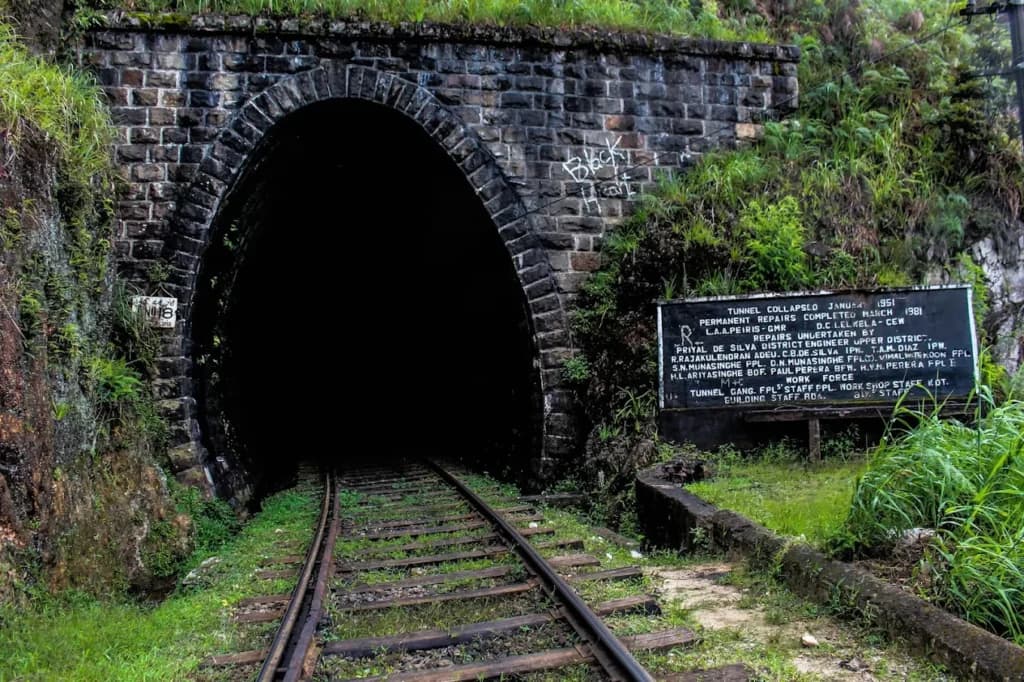
Another important feature near Pattipola is the Pattipola Tunnel.
This tunnel is often described as the highest railway tunnel in Sri Lanka and is part of the dramatic mountain railway section near the station. It adds to the area’s importance as a railway heritage landscape.
Tunnels were essential to the hill-country railway. They allowed the line to pass through difficult mountain terrain while keeping the route practical for trains. Each tunnel tells a story of labour, surveying, stonework, risk and engineering under colonial-era conditions.
For travellers, entering or leaving the Pattipola area by train creates a memorable experience. The sudden change from tunnel shadow to misty highland light is part of the magic of this route.
The Landscape Around Pattipola
Pattipola is not only a railway station. It is also a highland village surrounded by a distinctive landscape.
The area is known for cool weather, open grasslands, vegetable cultivation, dairy farms, pine trees, misty roads and proximity to Horton Plains National Park. The village itself has a quiet, remote feeling compared with busier hill towns such as Nuwara Eliya or Ella.
This makes Pattipola special.
It does not feel like a polished tourist town. It feels like a working highland settlement shaped by agriculture, railway life and mountain climate.
For travellers who enjoy slower, quieter places, Pattipola offers a beautiful pause.
A Gateway to Horton Plains
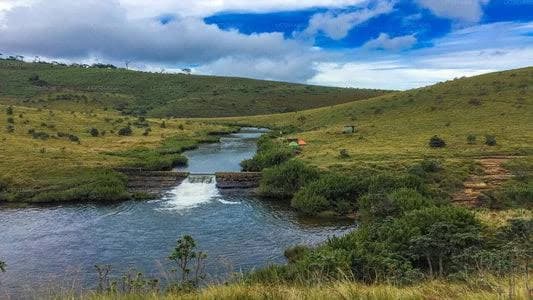
Pattipola is also important because of its closeness to Horton Plains, one of Sri Lanka’s most famous highland nature reserves.
Many travellers know Horton Plains for World’s End, Baker’s Falls, cloud forest, grasslands and the unique ecology of the central highlands. Pattipola lies near one of the access routes into this region, making it a useful base or stop for travellers exploring the area.
This gives the station added value.
A visit to Pattipola can combine railway heritage with natural heritage. One moment, visitors are standing on the highest railway platform in the country. The next, they can be travelling towards one of Sri Lanka’s most remarkable mountain ecosystems.
Few places connect train travel and highland nature so beautifully.
Why Pattipola Matters to Old Ceylon
Pattipola matters because it represents several layers of Old Ceylon history.
It belongs to the age of railway expansion. It connects to the plantation economy. It reflects colonial-era engineering. It preserves the atmosphere of old train travel. It also sits within a highland landscape that shaped the identity of tea country and mountain Ceylon.
For Old Ceylon travellers, Pattipola is valuable because it is not overdecorated or overexplained. Its importance is quiet.
The platform, the station name board, the cold air, the railway track and the surrounding mist all tell the story.
It is a place where visitors can feel how far the railway climbed and how deeply the railway changed the island.
The Romance of the Colombo–Badulla Train Journey
The Colombo–Badulla line is often described as one of the most beautiful train journeys in Sri Lanka. Pattipola is one of its most meaningful points.
Trains such as Podi Menike and Udarata Menike are associated with this route, and Pattipola is listed as a stop for Main Line trains.
The journey carries passengers through a changing landscape: from lowland towns to rubber country, then tea estates, tunnels, waterfalls, mountain stations, deep valleys and cloud-covered ridges.
Pattipola is where the railway feels closest to the sky.
For many travellers, the stop may last only a few minutes. But those few minutes can be unforgettable — especially when mist drifts across the platform and the train waits quietly in the cold mountain air.
Special Things to Notice at Pattipola
Travellers visiting Pattipola should look beyond the station signboard.
The Elevation
The station’s height is its most famous feature. It is the highest railway station in Sri Lanka and an important point on the Main Line.
The Cool Highland Climate
The weather gives Pattipola a completely different mood from lowland Sri Lanka. Mist, rain and cold mornings are part of its identity.
The Railway Atmosphere
The platform, track layout, siding loop and old station character preserve the feeling of traditional Sri Lankan railway travel.
The Mountain Landscape
The surrounding area offers grasslands, vegetable farms, trees and highland roads close to Horton Plains.
The Old Ceylon Railway Story
Pattipola reminds visitors of the railway’s role in connecting tea country, plantation settlements and hill stations with Colombo.
A Suggested Heritage Route Around Pattipola
Pattipola can be included in a beautiful Old Ceylon railway and hill-country route.
Travellers can begin at Nanu Oya, the railway gateway to Nuwara Eliya. From there, continue through Ambewela, with its highland farms and open landscapes, before reaching Pattipola.
After Pattipola, the route continues towards Ohiya, another atmospheric mountain station and a gateway to Horton Plains. Further along the line, the journey leads to Haputale, Diyatalawa, Bandarawela, Ella and Badulla.
This route brings together railway heritage, tea country, colonial hill stations, mountain villages and some of Sri Lanka’s finest scenery.
Visiting Pattipola Today
Pattipola is best visited slowly.
Travellers can arrive by train or road. The train journey gives the strongest sense of heritage because it allows visitors to experience the climb through the Main Line. Arriving by road, however, gives more flexibility to explore the surrounding village, Horton Plains access routes and highland farms.
The station is ideal for photography, especially in misty weather. But visitors should remain careful around railway tracks and follow station safety rules.
Pattipola is not a place of grand monuments. Its beauty is in atmosphere, altitude and memory.
Final Thoughts: The Railway Station Closest to the Sky
Pattipola Railway Station is one of the quiet treasures of Sri Lanka’s railway heritage.
It stands at the highest elevation of any railway station in the country, surrounded by mist, cold air and mountain scenery. But its importance goes beyond geography.
It tells the story of colonial-era engineering, the rise of the tea country, the ambition of Ceylon Railways and the romance of train travel through the highlands.
For Tripping Sri Lanka readers, Pattipola is exactly the kind of Old Ceylon place worth remembering.
It is modest, beautiful and deeply atmospheric.
A small station above the clouds — and one of the great landmarks of Sri Lanka’s railway story.
Visit Us: https://trippingsrilanka.com/stories
Heritage places mentioned
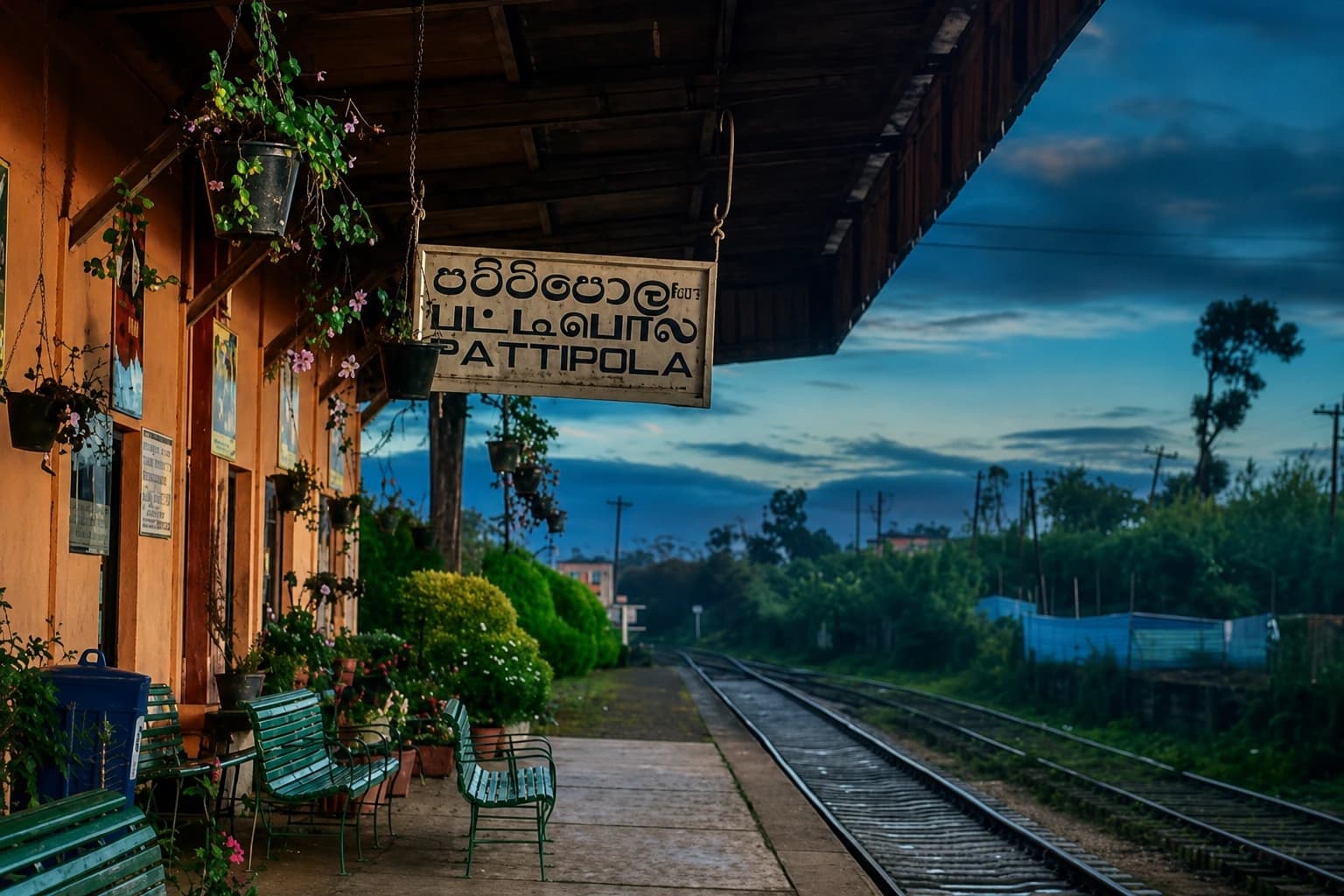
Pattipola
More from Old Ceylon

When Prince Philip Visited Pedro Estate: The Royal Visit That Became Part of Ceylon Tea History in 1954
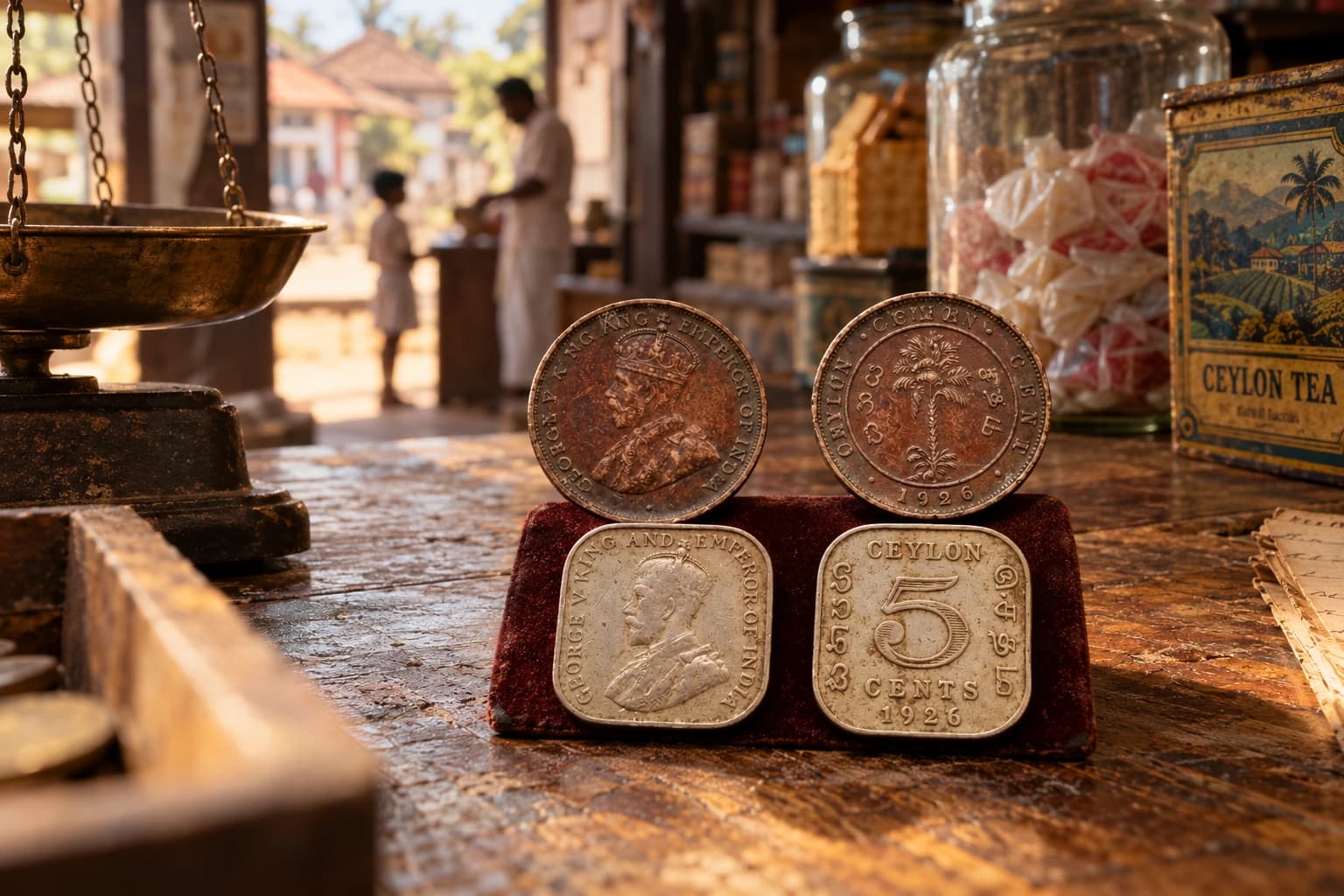
When Five Cents Mattered: The Forgotten Small Change of Old Ceylon