Prince Alfred in Ceylon: Colombo’s First Royal Tour
Prince Alfred in Ceylon | In the long history of colonial Ceylon, few events created as much public excitement as the arrival of Prince Alfred, the Duke of Edinburgh, in 1870. He was the second son of Queen Victoria, a naval prince, and the first member of the British Royal Family to visit Ceylon.
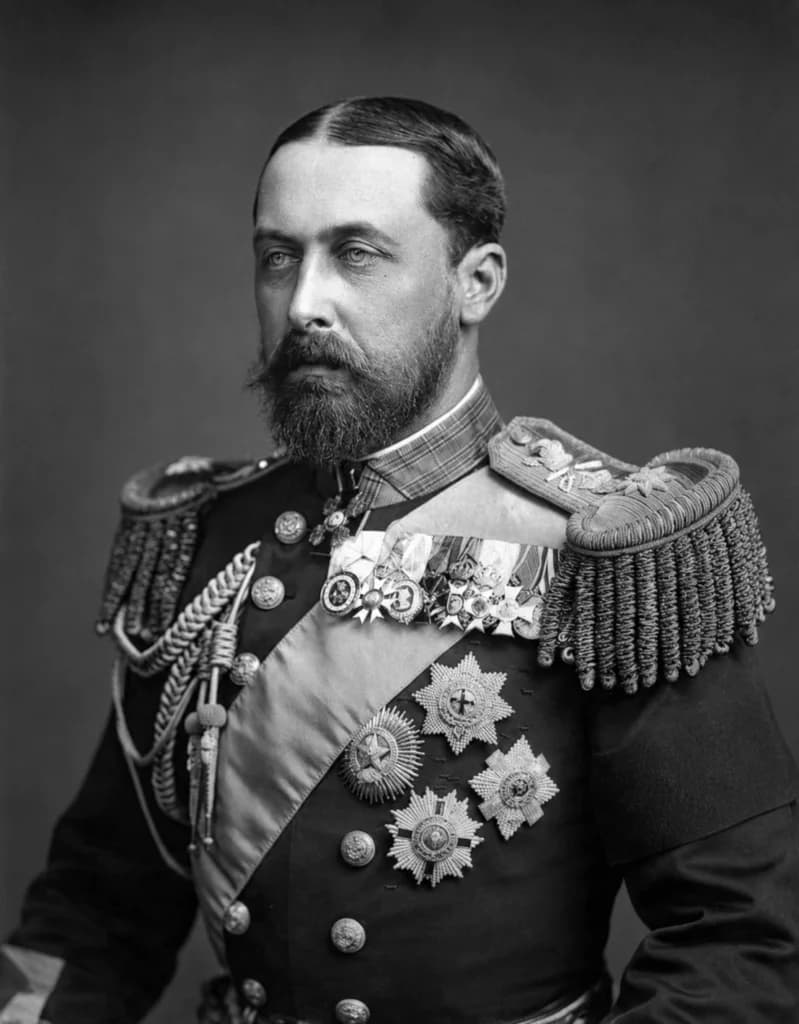
For Colombo, this was no ordinary visit. It was a moment of imperial theatre. The city prepared itself like a stage. Streets were decorated. Roads were improved. Flags, streamers and pandals appeared across the town. Crowds arrived from distant villages hoping to see the Prince. Officials, native headmen, European residents and wealthy Ceylonese families all took part in the spectacle.
At the centre of the story were three figures: Prince Alfred, Governor Hercules Robinson, and Charles Henry de Soysa, the great Ceylonese philanthropist and businessman whose Bagatelle Walauwe would soon become famous as Alfred House.
This is the story of Ceylon’s first royal tour — a story of decorated streets, horse carriages, colonial ceremony, extravagant hospitality and a vanished Colombo mansion whose name still survives on the city map.
The First British Royal to Visit Ceylon
Prince Alfred arrived in Ceylon at a time when the island had already been under British rule for decades. The Kandyan Convention had been signed in 1815, bringing the last kingdom of Sri Lanka under the British Crown. Yet it was only in 1870 that a member of the British Royal Family finally set foot on the island.
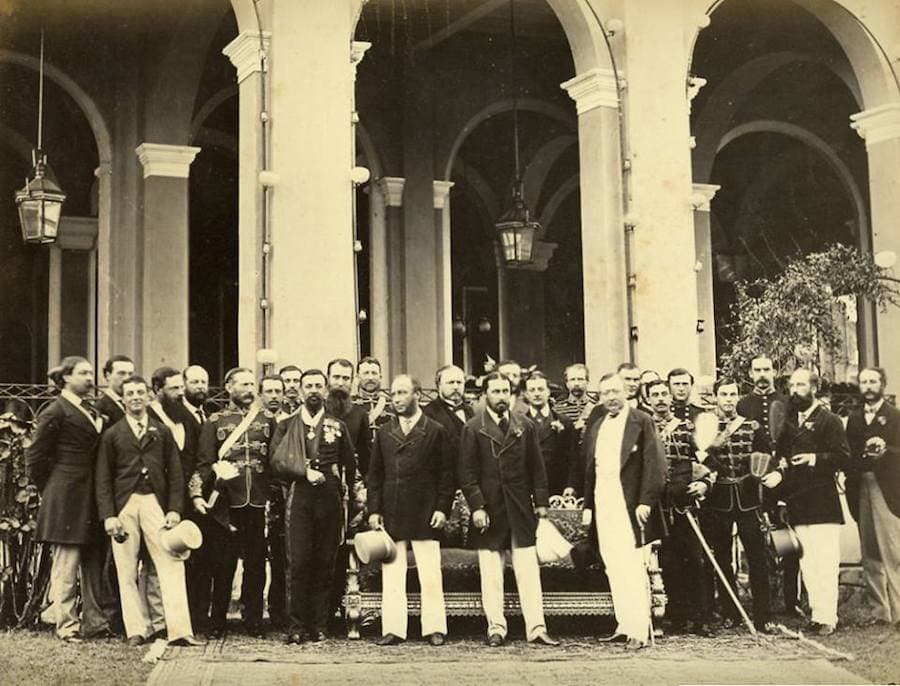
The Prince was already travelling through parts of the British Empire, including India, when news reached Ceylon that he would visit the colony. For British officials, this was a major honour. For local elites, it was a rare opportunity to demonstrate loyalty, wealth and status. For ordinary people, it was a once-in-a-lifetime public spectacle.
The visit was planned carefully. Ceylon had to present itself as loyal, prosperous and ceremonially impressive. Colombo, as the colonial capital, became the main stage.
Colombo Prepares for Royalty
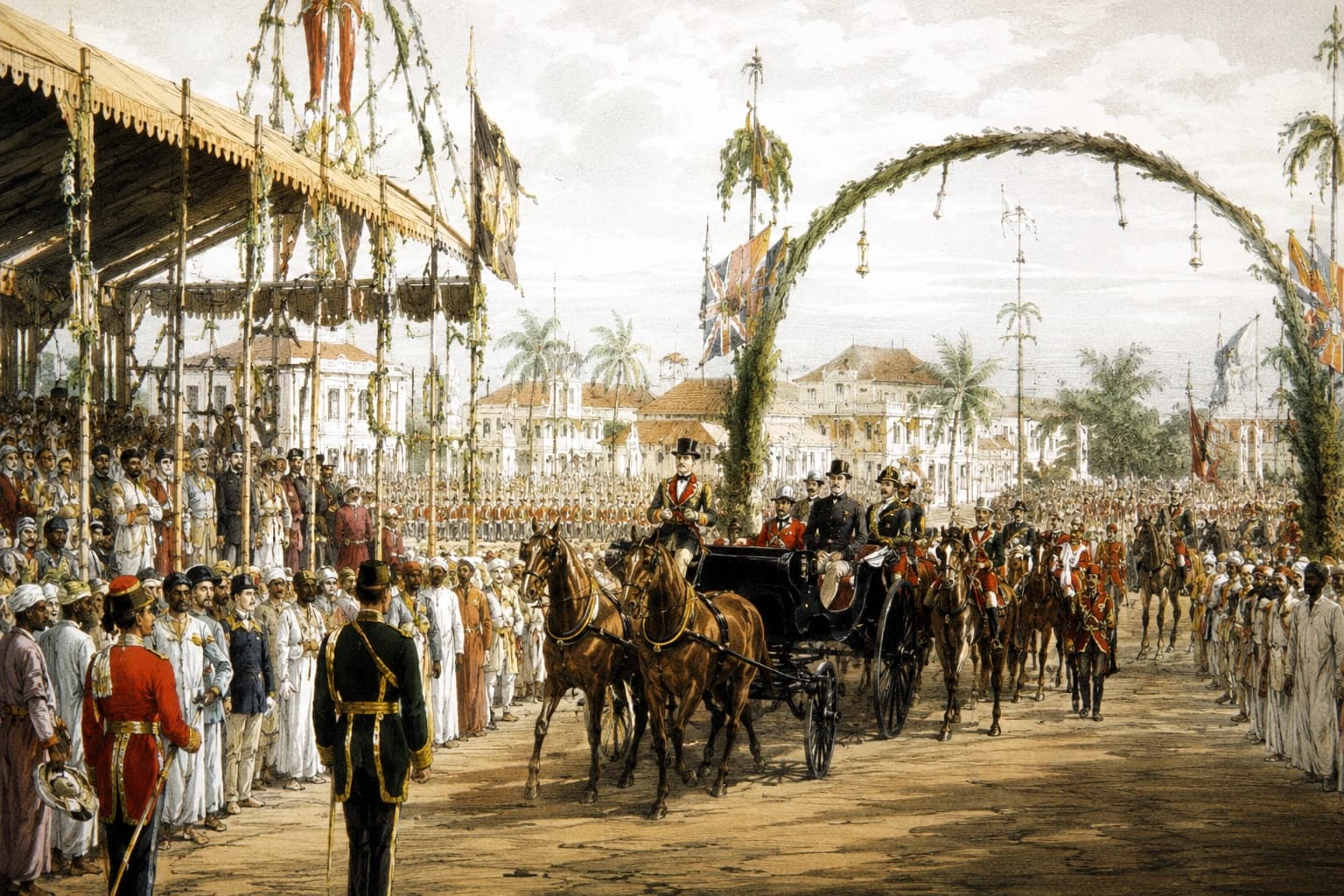
The preparations for Prince Alfred’s arrival changed the look and mood of Colombo. Streets were decorated with flags, buntings and streamers. Pandals were erected. Bamboo pillars lined parts of Colpetty. Temporary marquees were set up in Colombo Fort and Colpetty to accommodate the crowds that arrived from other parts of the island.
The city was also physically improved for the occasion. Roads were prepared, and street lighting added to the ceremonial atmosphere. These improvements were not only practical. They were part of the display. Colombo had to look worthy of a royal visitor.
For a city still growing into its role as the capital of British Ceylon, the royal tour became an opportunity to show progress. The visit was not only about welcoming a prince. It was about presenting Colombo as a modern colonial city.
HMS Galatea Enters Colombo
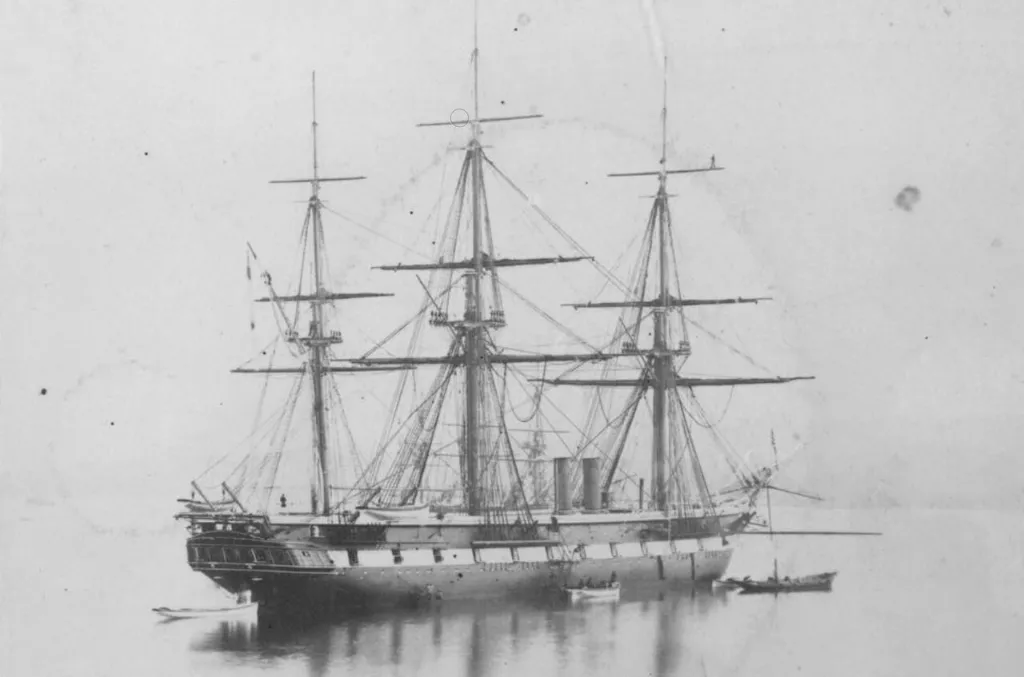
Prince Alfred arrived aboard HMS Galatea on 30 March 1870. The steam frigate reached Colombo shortly before noon, bringing the “Sailor Prince” to Ceylon.
The arrival itself became a dramatic scene. When the ship approached the Colombo roadstead, a fleet of fishing canoes sailed out to greet it. This image captures one of the most striking contrasts of the royal tour: a British naval vessel approaching the island, met by the maritime life of local Ceylon.
The Galatea fired a salute, and the Prince was rowed ashore to the jetty. There, he was received by Governor Hercules Robinson and a gathering of colonial officials, native chieftains, Mudaliyars, Mohandirams and Arachchies.
The first royal landing in Ceylon was not quiet or private. It was public, formal and crowded. Thousands had come to witness it.
The Royal Procession Through Old Colombo
After landing, Prince Alfred was escorted through Colombo in a ceremonial procession. This is the scene that gives the royal visit its strongest visual power: decorated streets, mounted officers, carriages, crowds, local chiefs in ceremonial dress, British soldiers, flags and arches.
The city became a living pageant of colonial Ceylon. European uniforms stood beside Kandyan and low-country ceremonial dress. Local headmen appeared in their official finery. Crowds lined the roads. Police were brought in to control the numbers.
This procession is one of the best images of Old Colombo as an imperial city. It shows how colonial power was performed in public space. The street itself became a theatre, and the people of Ceylon became both participants and spectators.
Governor Hercules Robinson and Queen’s House
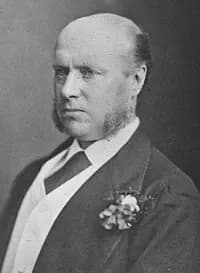
The Governor of Ceylon at the time was Sir Hercules Robinson, later 1st Baron Rosmead. As Queen Victoria’s representative in Ceylon, he played the central official role in receiving the Prince.
Queen’s House, now President’s House, became one of the main ceremonial locations of the visit. The Governor’s residence was prepared and refurbished for the occasion. Formal receptions and levees brought together British officials, European residents, Burgher elites, Ceylonese entrepreneurs and native chieftains.
Lady Robinson also played an important social role. Her levee at Queen’s House was remembered for its striking mixture of European and native costumes. For colonial society, such gatherings mattered deeply. They showed rank, loyalty, dress, etiquette and access to power.
In Old Colombo, ceremony was politics.
Charles Henry de Soysa: Ceylon’s Rothschild
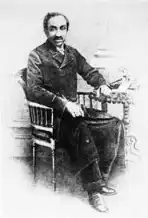
If Governor Robinson represented official colonial power, Charles Henry de Soysa represented the rise of wealthy Ceylonese influence within that colonial world.
De Soysa was one of the richest men in nineteenth-century Ceylon. A planter, entrepreneur, banker and philanthropist, he was often described as “Ceylon’s Rothschild”. His wealth came from land, plantations, trade and business, but his public reputation also came from philanthropy. He supported hospitals, education, agriculture and civic causes on a scale few private individuals could match.
When Prince Alfred’s visit was announced, de Soysa decided to host the Prince in unforgettable style. His Colombo residence, Bagatelle Walauwe, would be transformed for the occasion.
Bagatelle Walauwe Before Alfred House
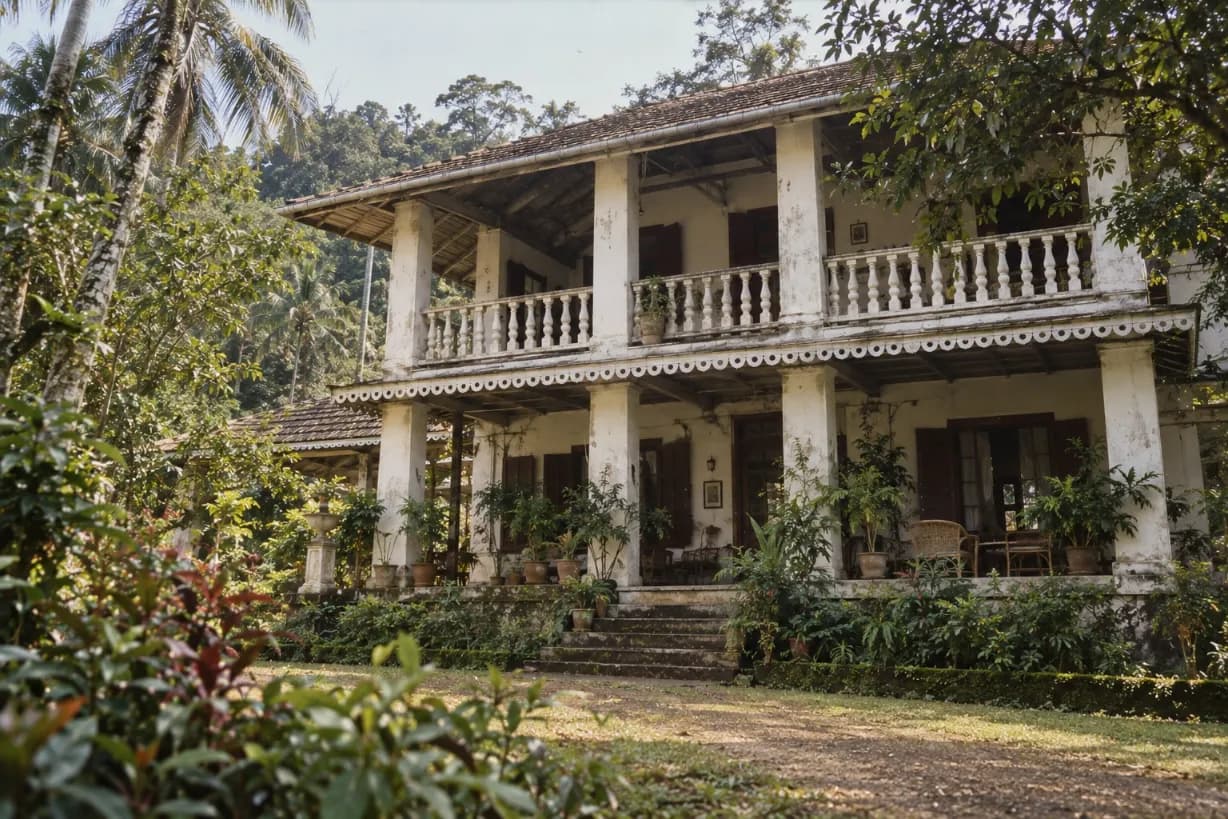
Bagatelle Walauwe stood on a vast estate in Colpetty. The property stretched across an enormous area of old Colombo, linked in later memory with places such as Alfred Place, Alfred House Gardens, Duplication Road, Cinnamon Gardens and the wider Kollupitiya landscape.
Many people today assume “Bagatelle” or “Bagathale” was a Sinhala name. In fact, the word “bagatelle” comes from European usage and can mean a trifle, a small game, or a short piece of music.
The name itself shows the mixed cultural world of colonial Colombo. European words were absorbed into local pronunciation, and over time their original meaning became hidden.
Before the royal visit, Bagatelle was already a significant residence. But de Soysa wanted more than a residence. He wanted a mansion fit for a British prince.
Transforming Bagatelle into a Palace
With only a few months before the Prince’s arrival, Charles Henry de Soysa began a major transformation of Bagatelle Walauwe. The house was renovated and furnished at great expense.
Fine furniture, carpets, brassware, paintings, chandeliers, cutlery and other luxury items were brought in. Some accounts say de Soysa paid far above normal prices to get everything shipped and completed in time. The task was enormous, but he had the wealth and determination to complete it.
This was more than private extravagance. It was a statement of social power. A Ceylonese host was showing that he could entertain a royal guest at a level equal to the grandest colonial and imperial standards.
The result became one of the most famous private houses in the history of Colombo: Alfred House.
Edinburgh Hall and the Pettah Memory
Prince Alfred’s visit also left a mark on Pettah. During his time in Colombo, he laid the foundation stone for the Municipal Council’s Edinburgh Hall, also remembered as the Edinburgh Market in Pettah Old Town.
This is an important detail because it shows that the royal tour was not only about banquets and receptions. It was also used to create public memory through buildings, street names and civic gestures.
Edinburgh Hall linked the Prince’s title to the commercial heart of Old Colombo. Pettah, with its markets, traders and crowded streets, became part of the royal tour’s urban legacy.
The Great Reception at Bagatelle Walauwe
The most legendary event of Prince Alfred’s visit was the reception hosted by Charles Henry de Soysa and Susew de Soysa at Bagatelle Walauwe.
The scale was extraordinary. Around 3,000 invitees are said to have attended. The entertainment included local and foreign performers, musicians, dancers, jugglers, trapeze artists, bands and even a magician. The house and grounds became a theatre of wealth, performance and hospitality.
The Prince was served with gold plate, goblets, knives and forks set with precious stones such as rubies, emeralds and pearls. Whether read as hospitality, social ambition or colonial spectacle, the banquet became one of the most opulent events in nineteenth-century Ceylon.
For Old Colombo, it was unforgettable.
A Feast Open to the Public
One of the most remarkable parts of the story is that de Soysa reportedly kept Bagatelle Walauwe open to the public for a week after the grand reception. People of different social backgrounds were allowed to enter and enjoy the food and hospitality.
This detail is important because it changes the story. The event was not only a private dinner for a prince and elite guests. It also became a public celebration.
De Soysa understood spectacle. He also understood generosity. By opening the house to the public, he turned a royal reception into a wider civic memory.
From Bagatelle to Alfred House
After the royal visit, Bagatelle Walauwe was renamed Alfred House in honour of Prince Alfred.
The name remained long after the mansion disappeared. Alfred Place and Alfred House Gardens still preserve the memory of that royal visit. They are among the few surviving clues to one of Colombo’s grandest vanished residences.
The house itself was eventually demolished, and the old estate was broken up as the city expanded. Duplication Road and modern Colombo changed the landscape completely.
Yet the name survived. In Colombo, street names often hold stories that buildings no longer can. Alfred House is one such story.
Alfred Model Farm and the Afterlife of the Visit
The royal visit also influenced other names and projects. Charles Henry de Soysa later established the Alfred Model Farm and Agricultural School, again honouring Prince Alfred.
This is significant because it connects the royal visit to de Soysa’s wider vision for agriculture and public service. The project reflected his interest in farming, experimentation and the improvement of local enterprise.
The land associated with Alfred Model Farm later became part of another important Colombo institution: the Royal Colombo Golf Club.
This shows how one royal visit left traces across several parts of Colombo’s later urban and institutional history.
The Prince Beyond Colombo
Prince Alfred’s Ceylon tour was not limited to Colombo. He travelled to Kandy, attended receptions, visited the Temple of the Tooth, met local elites and joined hunting expeditions in places such as Labugama, Hanwella, Bope, Dikoya, Bopatalawa and Trincomalee.
Modern readers may find the hunting culture of the tour troubling, and rightly so. Nineteenth-century royal and colonial travel often treated wildlife as sport. Elephants, elk and other animals were hunted in large numbers. This was part of imperial leisure, but it also reflects the environmental violence of the colonial age.
A full reading of the royal tour must recognise both sides. It was splendid and ceremonial, but it was also shaped by empire, hierarchy and exploitation.
What the Royal Tour Reveals About Colonial Ceylon
Prince Alfred’s 1870 visit reveals colonial Ceylon at a moment of display.
It shows British power, but also Ceylonese participation. It shows imperial ceremony, but also local ambition. It shows Colombo trying to present itself as modern, loyal and prosperous. It also shows wealthy local families, especially the de Soysas, using hospitality and philanthropy to claim a place in public life.
This is why the story matters. It is not merely about a prince arriving in Ceylon. It is about how a colonial society arranged itself around a royal visitor.
The streets, houses, carriages, costumes, crowds and banquets all reveal the social order of the time.
Final Thoughts: The Royal Visit That Still Lives in Colombo’s Map
Prince Alfred left Ceylon on 11 May 1870 after a five-week stay. The tour was brief, but its memory lasted.
Colombo gained new stories, new names and new civic associations. Bagatelle became Alfred House. Edinburgh Hall marked Pettah. Alfred Model Farm carried the royal name into agriculture. Alfred Place and Alfred House Gardens still whisper the memory of a mansion that no longer stands.
Today, the crowds are gone. The royal carriage has vanished. The bamboo arches and street lamps belong to history. But the story remains one of the most colourful chapters of Old Colombo.
To walk through Alfred Place today is to walk through the afterlife of that first royal tour. Beneath the modern city lies the memory of HMS Galatea, a prince in procession, a philanthropist’s palace, gold-studded banquetware, public feasts and a city dressed in splendour.
That is the magic of Old Ceylon. Its buildings may disappear, but its stories remain.
Visit Us: https://trippingsrilanka.com/stories