Before the World Became Instantly Connected
Amateur Radio Ceylon | Before overseas telephone calls became commonplace, there was another way to reach the world from Ceylon.
It began with a radio set, a pair of headphones and a length of wire suspended above a house, bungalow or garden.
Late at night, when the surrounding neighbourhood had gone quiet, amateur radio operators would sit before their equipment and turn the tuning dial slowly. The receiver filled the room with hisses, whistles and bursts of static.
Most of it meant nothing.
Then a voice or a run of Morse code would appear.
It might have come from Bombay, London, Melbourne or somewhere across the Pacific. The signal could be weak and unsteady, disappearing for several seconds before returning.
But if the operator listened carefully, a call sign and location could gradually be understood.
Someone thousands of miles away was there, listening too.
For a moment, Ceylon was no longer an island at the edge of the Indian Ocean.
It was part of a conversation moving invisibly through the night.
Read our previous article: https://trippingsrilanka.com/stories/1899-ceylon-telegraph-form
Finding the World on a Dial
There was no guarantee that a night at the radio would produce a distant contact.
Signals depended on the atmosphere, the equipment, the antenna, the time of day and the patience of the operator. Some nights were disappointing. The bands were noisy. Voices faded before they could be identified. Morse code broke apart in the static.
Other nights were different.
A distant call sign would come through clearly. A reply would be sent. Details would be exchanged slowly and carefully: name, location, equipment, weather, signal strength.
To someone in Colombo, Kandy, Nuwara Eliya, Badulla or a remote estate bungalow, this must have felt extraordinary.
The world was not being reached by ship, letter or cable.
It was being reached through the air.
The Magic of the Call Sign
Every amateur radio operator had an identity on the air.
It was not a full name or a long address.
It was a call sign.
To the outside world, that short combination of letters and numbers represented a person, a station and a place. It allowed one operator to recognise another across great distances.
In Old Ceylon, a call sign carried something quietly romantic.
It could belong to a man sitting in a Colombo house after dinner, a planter in the hills, an engineer near a railway town or an enthusiast in a provincial bungalow. The address might be simple, but the signal could travel far.
A call sign was both practical and poetic.
It reduced a person to a few characters, yet opened the possibility of being heard across the world.
Morse Code and the Sound of Distance
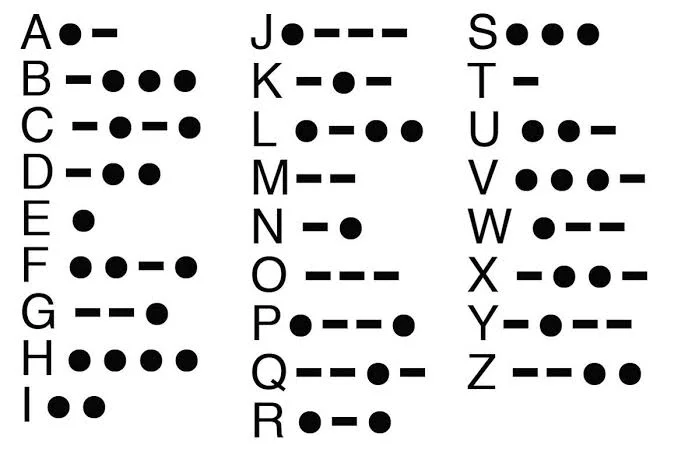
For many early radio enthusiasts, Morse code was central to the experience.
The sound was spare and precise: short signals, long signals, pauses, rhythm.
To an outsider, it may have seemed like meaningless tapping. To the trained ear, it became language.
Names, locations, reports and greetings could pass through the air in a sequence of dots and dashes. A message that might have taken weeks by ordinary post could be exchanged in minutes, if conditions were favourable.
There was discipline in it.
The operator had to listen carefully. He had to recognise the rhythm. He had to send clearly enough for someone far away to understand.
Morse code made distance audible.
Each signal seemed to carry the strain of travel — across sea, cloud, darkness and atmosphere.
A Late-Night Room in Old Ceylon
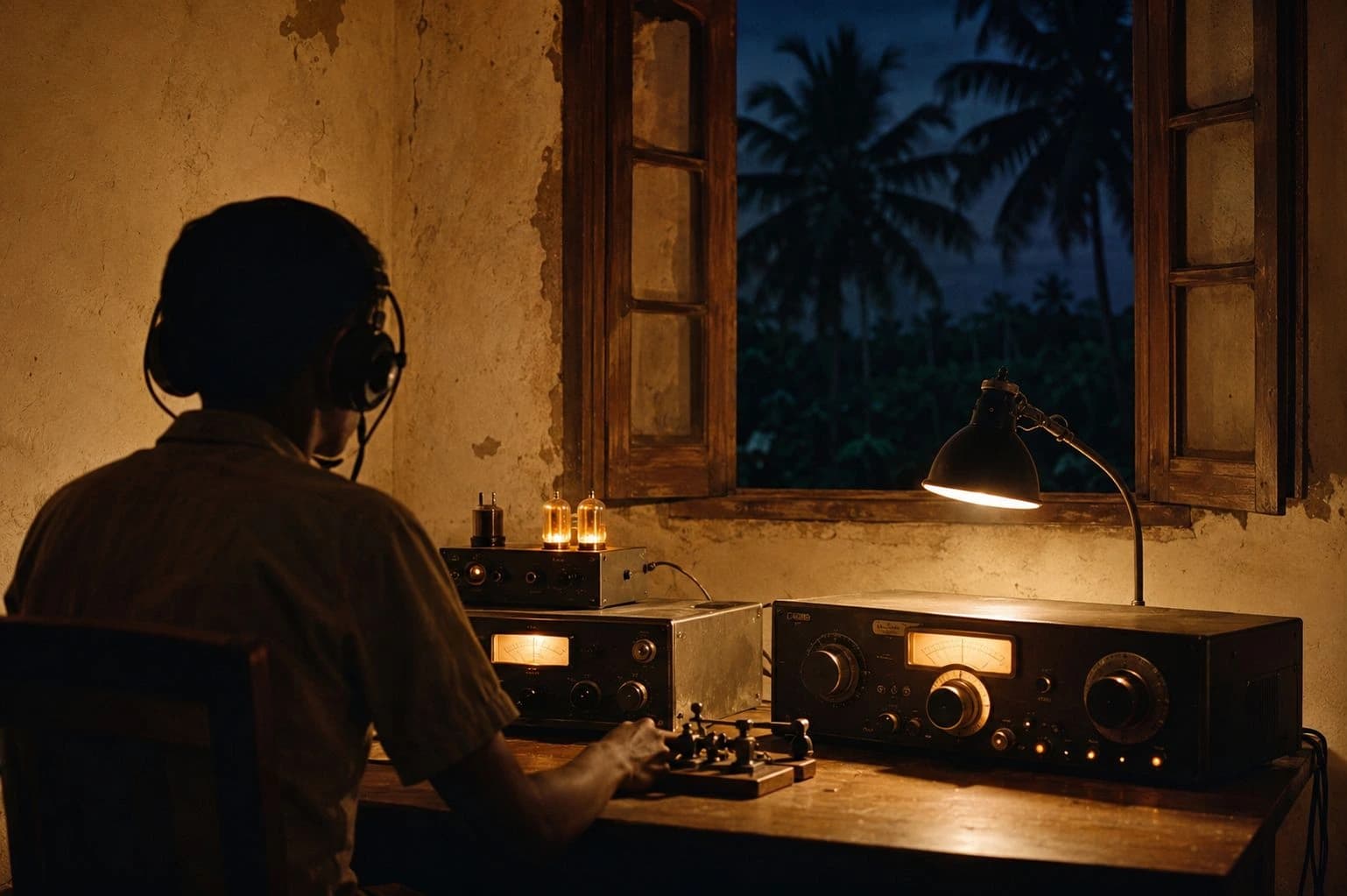
It is easy to imagine the setting.
A table pushed against a wall. A radio set glowing faintly. Wires running towards an aerial outside. A notebook open beside the operator. Perhaps a cup of tea going cold.
Outside, the house is quiet.
The rest of the family has gone to sleep. In Colombo, the sounds of the street have faded. In the hills, mist may have settled over the garden. On an estate, the night is broken only by insects, wind and the occasional movement from the factory or workers’ lines.
Inside, the radio continues to breathe and crackle.
The operator waits.
Then suddenly, through the noise, another station appears.
That moment was the reward.
Not speed. Not convenience. Not perfect sound.
The reward was contact.
Wireless in the Plantation Country
Amateur radio was especially fascinating in remote places.
In the plantation districts of Ceylon, distance was felt more sharply than in Colombo. Estate life could be isolated. Roads were difficult, especially in bad weather. Letters took time. Telephone facilities were limited in many areas.
For someone living in the hills, radio offered a different relationship with the world.
A planter, engineer or technically minded resident could sit in a bungalow surrounded by tea, rubber, forest or mountain country and speak beyond the island.
The contrast is striking.
Outside, there might be an estate road disappearing into mist.
Inside, a wireless signal might be reaching Australia, India, Britain or another part of Asia.
The old estate bungalow was no longer only a remote house in the hills.
It could become a small international station.
The Skill Behind the Signal
Amateur radio was not effortless.
It required knowledge, patience and practical skill. Operators had to understand equipment, aerials, frequencies, power, weather conditions and operating procedure.
They also had to keep records.
Contacts were noted carefully. Call signs, times, locations and signal reports were written down. Some operators exchanged cards to confirm that communication had taken place. These records became a personal archive of invisible journeys.
There was pride in the work.
An operator did not simply press a button and expect the world to appear. He adjusted, listened, waited, tried again and learnt from each failure.
That is part of what gives amateur radio its old charm.
It belonged to a time when communication still required effort.
Ceylon and the Wider Radio World
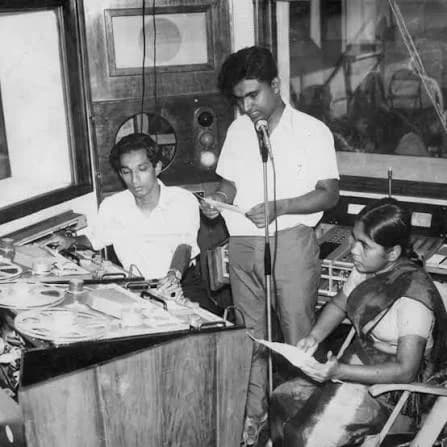
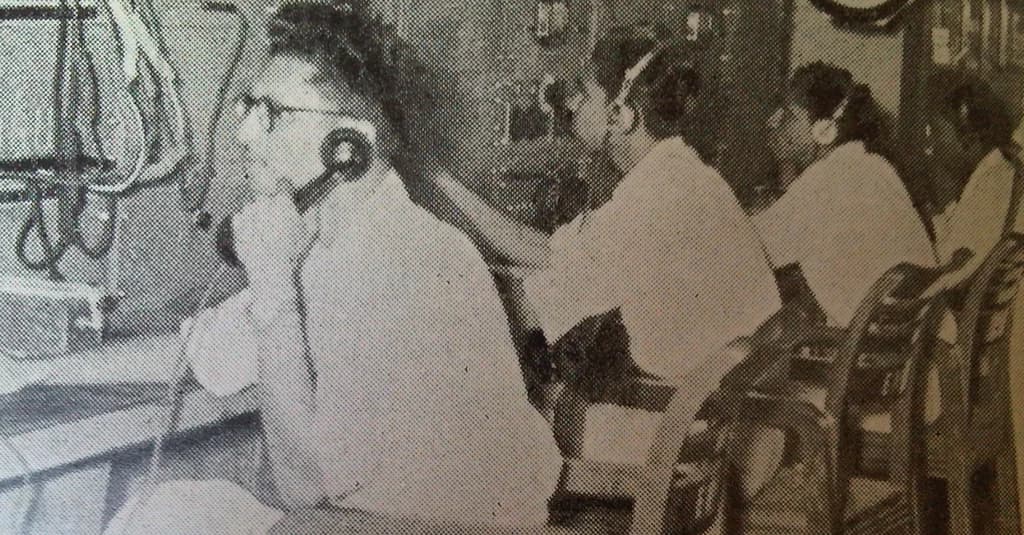
Ceylon’s position in the Indian Ocean gave its radio story a special character.
The island stood between major sea routes, close to South India and not far from the wider networks linking Asia, Europe, Africa and Australia.
For ships, aircraft, military stations, commercial cables and later radio operators, Ceylon occupied an important geographical position.
Amateur operators were part of a smaller, more personal version of that wider communication world.
They were not running empires or directing trade.
They were private individuals making contact across distance for the sheer fascination of it.
Yet through their call signs and late-night conversations, they joined Ceylon to a global community of listeners and speakers.
When Distance Still Felt Distant
Today, the idea of speaking to someone overseas is ordinary.
A message can cross the world instantly. A video call can bring another country into a room. Maps, photographs, weather reports and news arrive within seconds.
Because of that, distance has changed.
It has not disappeared, but it no longer feels the same.
In Old Ceylon, distance still had weight.
London was far away. Australia was far away. Even another part of the island could feel distant if roads were poor and travel was slow.
That is why amateur radio mattered emotionally as well as technically.
To hear a voice from another country through a small set in Ceylon was to feel the size of the world — and then, briefly, to overcome it.
The Romance of Static
Static is usually thought of as interference.
But in the memory of old radio, static has its own romance.
It was the sound of uncertainty. It reminded the listener that the signal had travelled through real conditions, not through a polished digital system. Weather, atmosphere and distance all left their marks on the sound.
A weak signal made the contact more precious.
A fading voice required concentration.
A burst of Morse code arriving through the noise felt almost like a message from another world.
The imperfection was part of the experience.
Modern communication gives clarity. Old radio gave suspense.
Radio Logs as Historical Records
The notebooks kept by amateur radio operators may seem small beside official archives, government records and newspapers.
Yet they can be surprisingly valuable.
A logbook may record names, call signs, places, dates and contacts that would otherwise be lost. It can show where radio enthusiasts lived, whom they contacted and how active they were.
Sometimes a simple address is enough to open a story.
An estate name.
A town.
A bungalow.
A call sign.
A year.
From such details, we begin to recover a forgotten network of people who used radio to reach beyond their immediate surroundings.
For historians of Old Ceylon, these records matter because they reveal another side of island life — not only roads, railways and plantations, but communication, technology and curiosity.
The People Behind the Equipment
It is tempting to focus only on the machines.
The valves, dials, headphones, wires and antennas are visually interesting. They belong to a world of polished wood, metal switches and glowing equipment.
But the real story is the people behind them.
Amateur radio attracted those who were patient, curious and willing to learn. Some may have been engineers or technically trained men. Others may simply have been enthusiasts drawn to the mystery of wireless communication.
They were listeners before they were speakers.
They waited for faint signals, wrote down fragments, corrected mistakes and tried again.
In doing so, they created a quiet community that crossed borders.
Most of their conversations were probably ordinary: signal reports, weather, equipment, location, greetings.
But the ordinariness is part of the beauty.
A simple exchange across thousands of miles was once remarkable enough.
Listening from Colombo
In Colombo, amateur radio would have had a different atmosphere.
The city was more connected than the remote hill country, but even there overseas communication was not casual. The harbour, commercial offices, hotels, clubs and government buildings made Colombo outward-looking, yet the private home remained limited by the communication tools of the time.
A radio set changed that.
From a room in Colombo, an operator could listen beyond the city’s streets and harbour.
The soundscape of the capital — tram bells, motorcars, voices, ships, rain on roofs — gave way at night to the sound of the receiver.
Through it came another kind of Colombo: a city connected invisibly to other ports, islands, continents and radio enthusiasts across the world.
Listening from the Hills
In the hills, the experience must have felt even more dramatic.
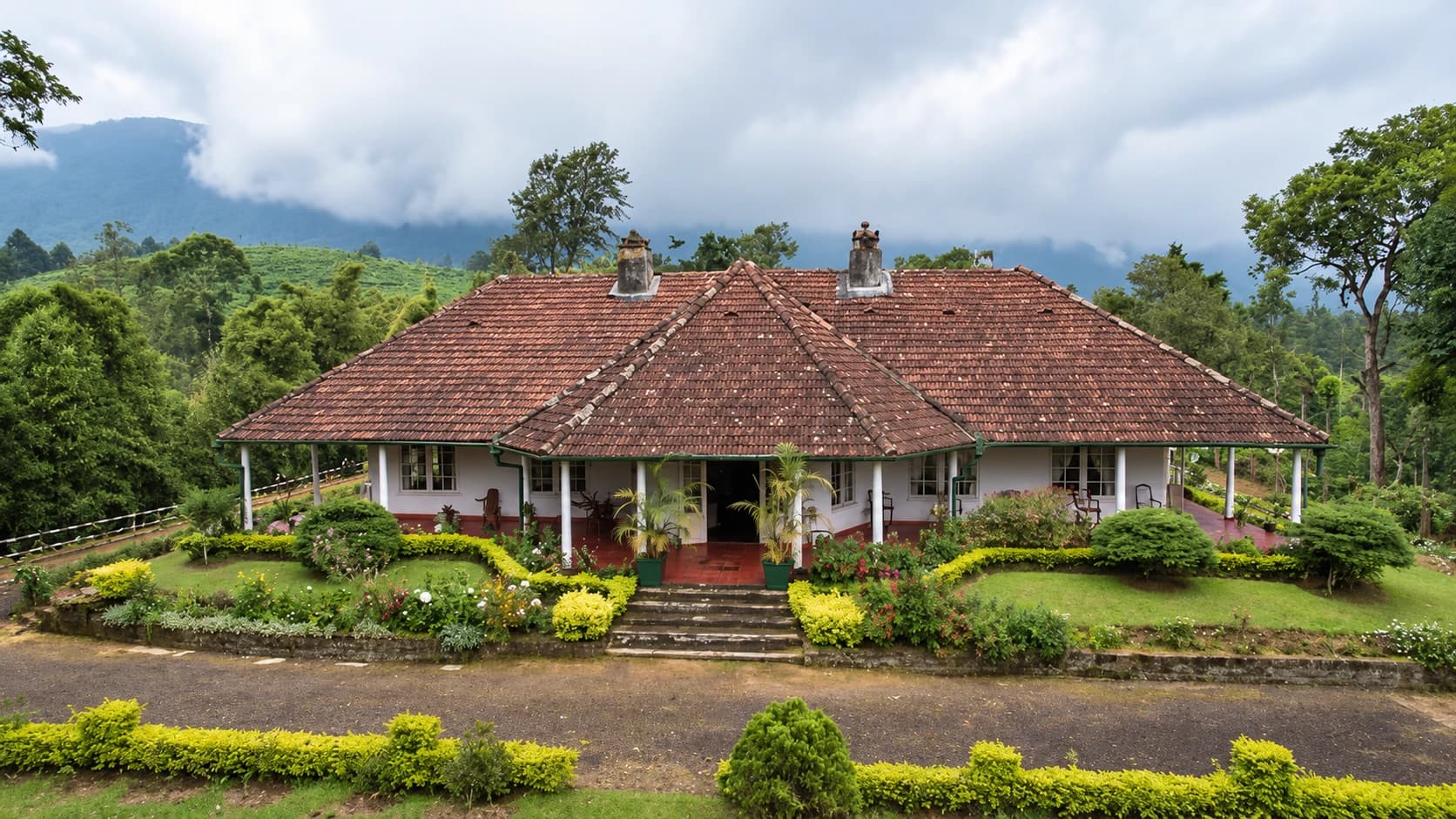
Imagine a bungalow in tea country.
Outside, the road is dark. Mist moves across the garden. The nearest town is far enough to feel distant. The day has been filled with estate work, weather, roads, labour, factory routines and practical concerns.
Then night falls.
The radio is switched on.
Static fills the room.
A signal arrives from beyond Ceylon.
The hills, which seemed to close around the estate during the day, suddenly open into the world.
That contrast gives amateur radio in Old Ceylon its particular magic.
A Technology of Patience
The old wireless world demanded patience in a way modern communication rarely does.
You could not always reach the person you wanted.
You could not always hear clearly.
You could not expect immediate success.
The operator had to accept waiting as part of the process.
That patience shaped the experience. It made each successful contact feel earned. It also created a slower, more attentive relationship with sound.
The radio operator listened differently from the casual listener.
He listened for pattern, tone, rhythm and signal strength. He trained himself to find meaning inside noise.
In that sense, amateur radio was not only a hobby.
It was a discipline of attention.
Why Amateur Radio Belongs to Old Ceylon
Old Ceylon is often remembered through visible things: bungalows, railway stations, forts, hotels, clubs, roads and tea factories.
But radio reminds us of an invisible history.
It tells us how people imagined distance, connection and the wider world.
It shows that Ceylon’s story was not only about ships arriving at Colombo Harbour or trains climbing into the hills. It was also about signals passing through the night, linking private rooms in Ceylon with strangers across oceans.
Amateur radio connects several important themes:
- Early communication in Ceylon
- Morse code and wireless culture
- Colonial-era technology
- Estate isolation and global connection
- Colombo’s outward-looking character
- The patience of pre-digital communication
- The romance of distance before instant contact
It adds another layer to the memory of the island.
What Remains Today
Much of this world has disappeared.
Old radio sets may survive in private collections. Logbooks may sit in cupboards. Call signs may be recorded in forgotten directories. Aerial wires that once crossed gardens and rooftops are long gone.
But the memory is worth preserving.
Because amateur radio belonged to a particular moment in Ceylon’s transition into the modern age.
It sat between the era of letters, telegrams and ships, and the later world of telephones, satellites, mobile phones and the internet.
It was modern for its time, yet slow enough to feel human.
That balance is what makes it so evocative now.
Final Thoughts: The Island on the Air
When Ceylon spoke to the world through the night, it did so in fragments.
A call sign.
A voice.
A burst of Morse code.
A signal fading and returning.
A location written carefully into a notebook.
It was not instant. It was not perfect. It was not guaranteed.
But it was powerful.
Somewhere in Colombo, the hills, an estate bungalow or a quiet provincial town, someone sat before a radio set and listened for the world.
And sometimes, through the static, the world answered.
For Tripping Sri Lanka readers, this is another way of remembering Old Ceylon.
Not through a building or a road, but through sound.
Through the hiss of the receiver.
Through the patience of the operator.
Through the strange thrill of knowing that, long before the digital age, Ceylon had already found a way to speak across the night.
Visit us: https://trippingsrilanka.com/