A Factory You Hear Before You Understand
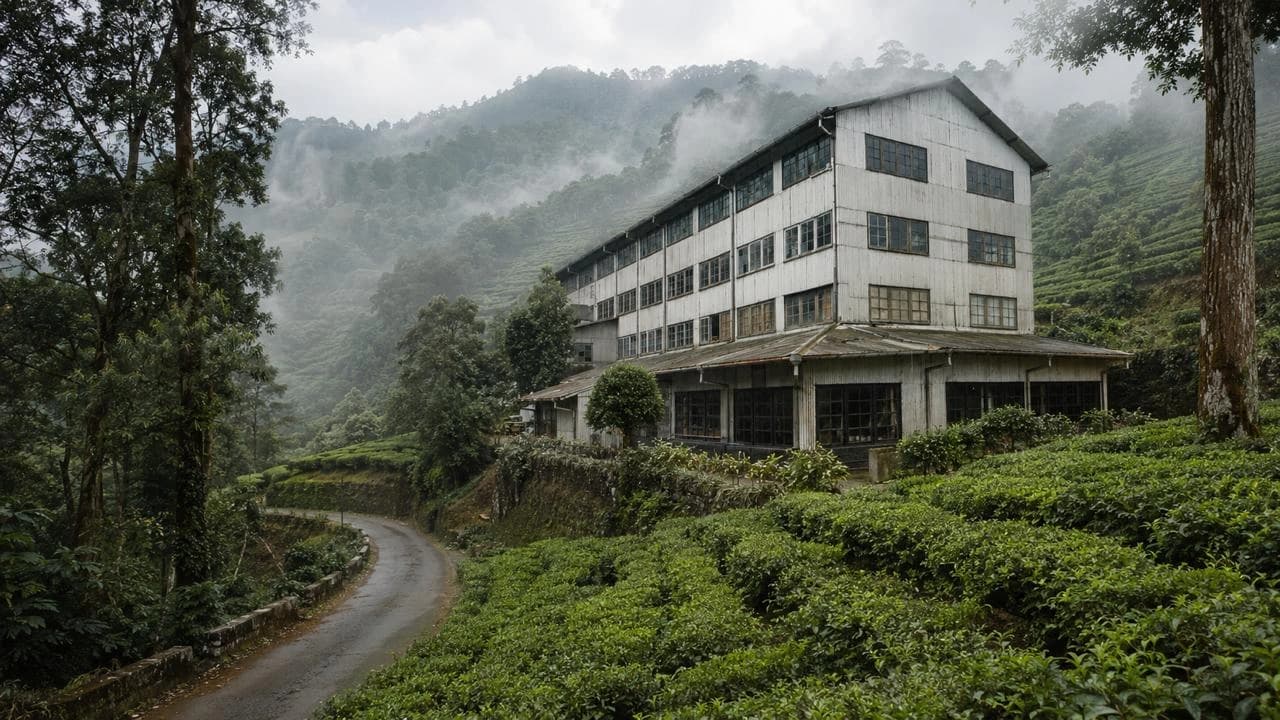
The first impression of Glenloch is not its age.
It is its sound.
Inside the factory, machinery turns, belts move and metal parts maintain a steady industrial rhythm. The building seems to hum with work. Beneath it all comes the occasional creak of an old floorboard a small reminder that this factory has witnessed generations of tea being brought in from the surrounding hills.
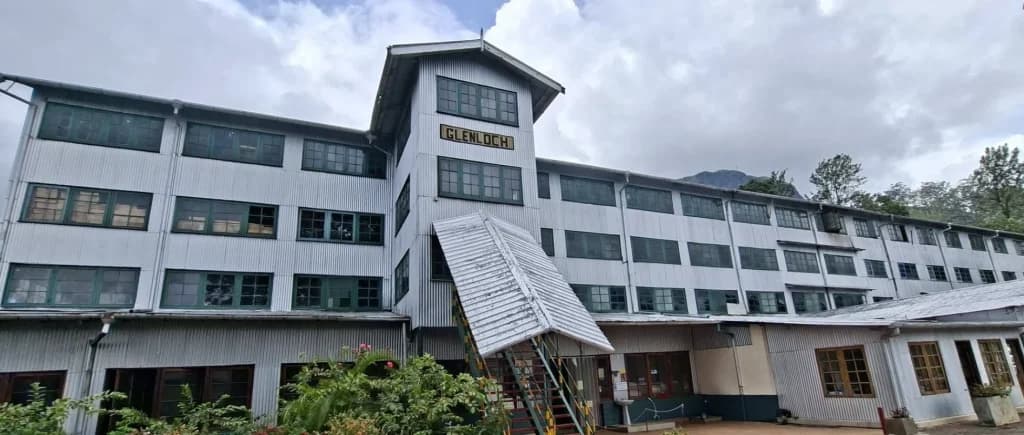
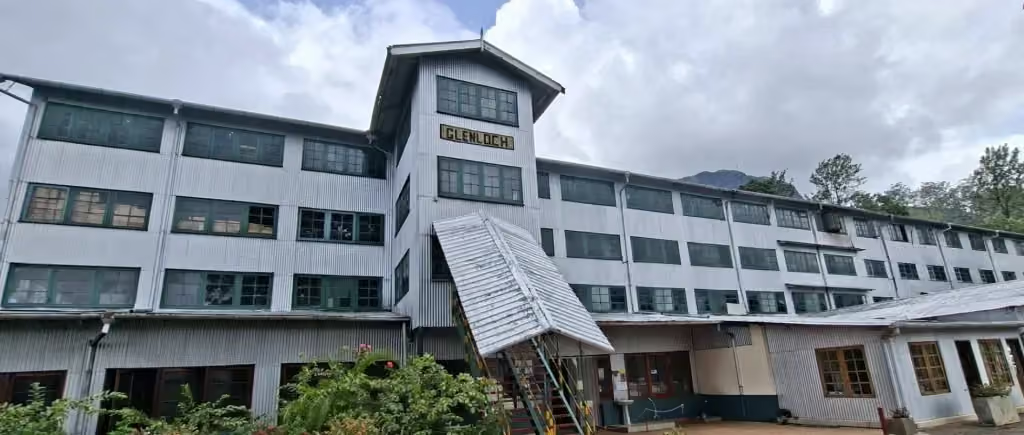
Around 27 kilometres north of Nuwara Eliya, Glenloch Tea Factory stands beside the old hill-country road in the Ramboda area. Travellers often stop here on their way between Kandy and Nuwara Eliya, drawn by the green slopes and the promise of seeing how Ceylon tea is made.
Yet Glenloch offers more than a simple factory tour.
It allows visitors to step inside a working environment that still carries the character of another age.
Read our previous article- https://trippingsrilanka.com/stories/old-ceylon-plantations
The Road to Glenloch
The journey to Glenloch is part of its appeal.
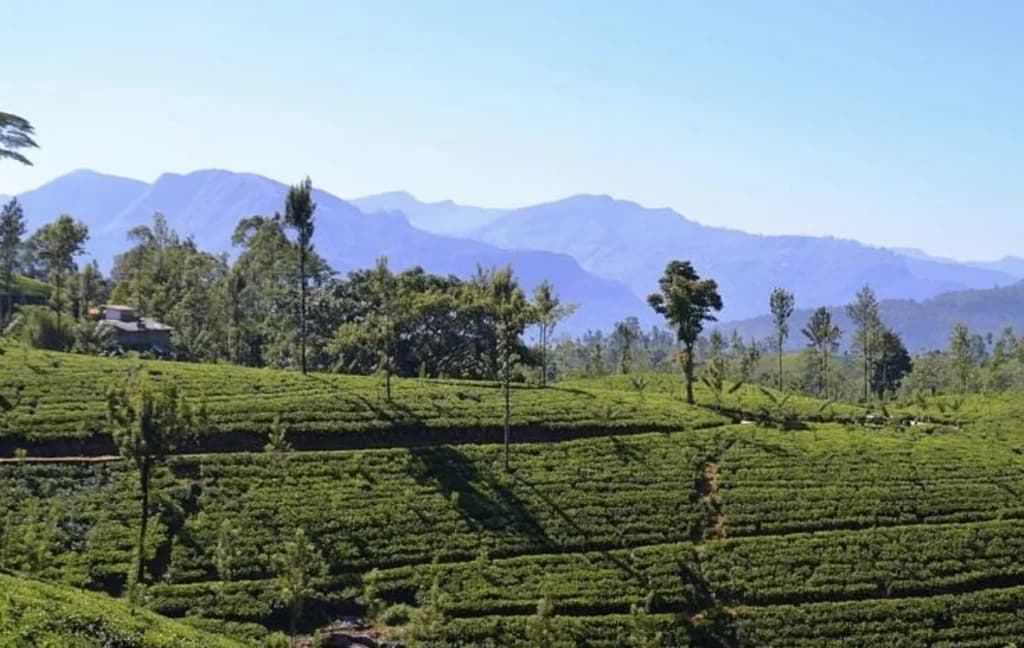
The road winds through steep hills, passing waterfalls, roadside vegetable stalls and small settlements gathered along the mountain slopes. Tea bushes follow the contours of the land, occasionally disappearing beneath mist or behind tall shade trees.
Then the factory appears.
Its corrugated walls, pitched roof and long rows of windows give it the unmistakable appearance of an old industrial building.
There is little decoration.
Almost every part of its design serves a purpose.
The Factory Beside the Road
In the plantation days of Old Ceylon, factories such as Glenloch were practical landmarks.
Their presence beside a road indicated that an entire working community existed among the surrounding hills.
The large windows allowed light and air into the working floors. The height of the building accommodated the different stages of tea production, while its position placed it close to the fields supplying fresh leaves.
This was not architecture designed for display.
It was architecture designed for work.
The factory existed because the hills around it produced tea, and that tea had to be processed quickly, carefully and continuously.
Entering a Different Atmosphere
Stepping inside Glenloch changes the mood immediately.
The cool mountain air gives way to the warmer atmosphere of the factory. The scent of tea is everywhere, although it changes as one moves through the building.
Fresh leaves carry a light, green fragrance.
Later stages release something deeper, warmer and more familiar.
The interior is filled with machinery, timber surfaces and signs of continuous use. Some machines are reminders of the factory’s older industrial heritage, including equipment manufactured in Britain.
These are not delicate objects preserved behind ropes.
They were made for heavy work.
Their frames are solid, their mechanisms exposed and their purpose visible. Wheels turn, belts travel between sections and leaves move from one stage to another.
Even without understanding every technical detail, it is possible to follow the physical transformation taking place.
What arrived as a soft green leaf gradually becomes the dark tea found inside a familiar packet.
Following the Leaf: The Start of Tea Making
Tea begins its factory journey in the withering section.
Freshly gathered leaves are spread out so that part of their moisture can evaporate. They must become soft enough for the next stage without being allowed to dry completely.
At first glance, withering appears simple.
The leaves are resting. Nothing dramatic seems to be happening.
Yet this quiet stage is essential. Time, airflow, humidity and the condition of the leaf must all be considered.
This is where the transformation begins.
Rolling, Oxidation and Drying
The softened leaves then move towards rolling or mechanical processing.
Here, the calm atmosphere gives way to greater movement. The leaves are twisted and broken, releasing the natural compounds needed to develop the tea’s character.
Oxidation follows.
The green leaves gradually darken as they react with the air. This stage helps create the colour, aroma and flavour associated with black tea.
The leaves are then dried to halt the process.
Afterwards, they are sorted into different grades according to size and form.
To someone unfamiliar with tea production, the grades can appear confusing. Yet they are part of an old vocabulary understood by tea makers, tasters, brokers and buyers.
Each grade describes a particular appearance rather than simply declaring one tea “good” and another “bad”.
By the end of the process, the leaf has changed completely — but its journey began only a short distance away on the surrounding slopes.
The Language of Old Machinery
Modern machines often hide their workings beneath smooth panels.
Older machinery is more direct.
At Glenloch, one can see how different parts connect. There are rollers, shafts, pulleys, belts and heavy metal frames. The machine does not conceal its labour.
Manufacturer plates and older fittings also tell a larger story.
During the plantation era, factories in Ceylon depended on an international chain of engineers, foundries, shipping companies and local mechanics. Heavy equipment was transported across oceans, brought into the hills and installed inside remote estate buildings.
Once fitted, it had to be maintained far from the place where it was manufactured.
The People Who Knew the Machines
Keeping old factory machinery working required considerable local knowledge.
Factory engineers and mechanics learnt the behaviour of every machine. A change in vibration, a loose belt or an unfamiliar sound could indicate a developing problem.
The machinery developed its own language and experienced workers knew how to listen.
This is what makes the older equipment at Glenloch so compelling.
It recalls not only the companies that made it but also the many people in Sri Lanka who operated, repaired and preserved it.
The machine may have come from overseas, but its life in the factory depended on local skill.
Before the Leaves Reached the Factory
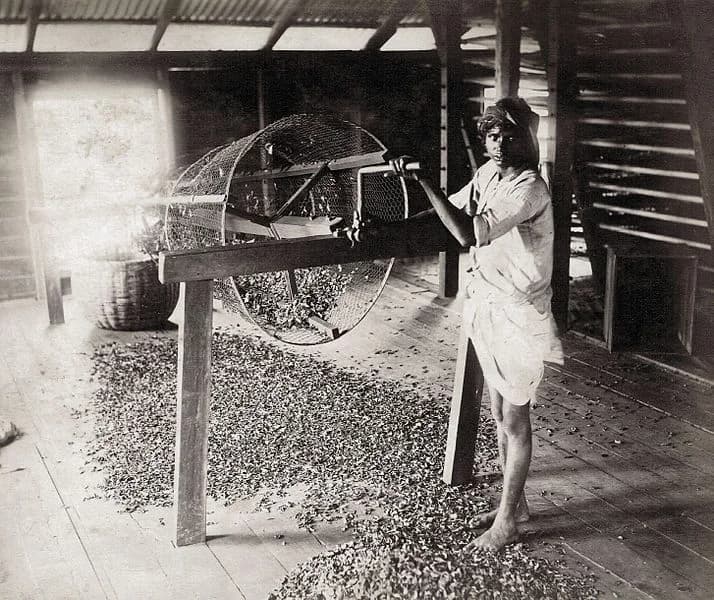
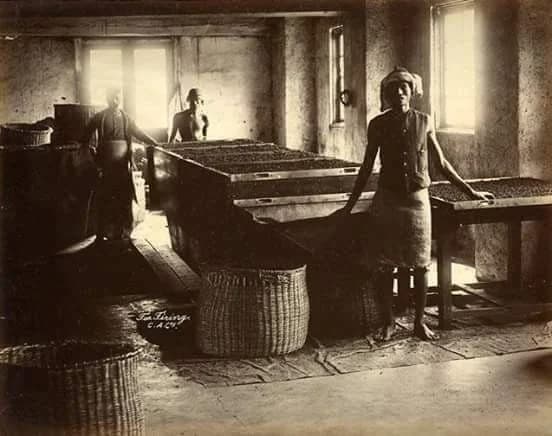
Long before the leaves entered Glenloch, the working day had already begun in the fields.
Tea plucking requires judgement.
Workers select the tender shoots needed for production while leaving the plant able to continue growing. Their hands move quickly across bushes planted on slopes that can be steep, wet and difficult to navigate.
Once gathered, the leaves are weighed and sent to the factory.
Freshness matters, so the movement from field to processing floor follows a carefully maintained routine.
The factory’s history, therefore, cannot be separated from the workers of the surrounding estate.
Its machinery may dominate the visitor’s attention, but machines alone never made Ceylon tea.
The Labour Behind Ceylon Tea
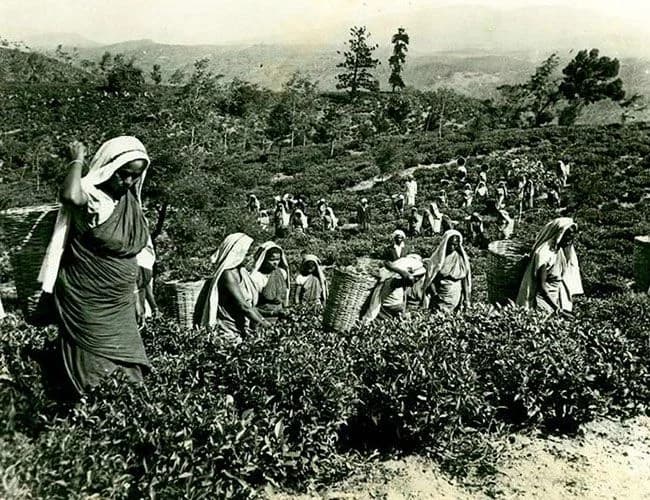
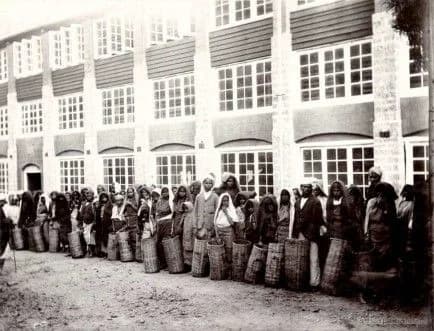
Behind every turning roller lies the labour of those who planted, pruned, plucked, transported, processed and packed the leaf.
Old photographs of the plantation period sometimes present tea country as a peaceful world of green hills and distant bungalows.
The landscape is certainly beautiful, but its history is also one of demanding physical work and unequal living conditions.
Glenloch is most meaningful when both sides of that inheritance are remembered.
There is the beauty of the hills.
There is the romance of old machinery.
But there is also the daily labour of generations of estate workers who made tea production possible.
When Sound Marked the Working Day
Before mobile phones and digital clocks became part of everyday life, estates followed more audible signals.
Factory whistles, vehicle engines and the movement of workers helped mark the passing hours.
The arrival of leaves announced the beginning of another production cycle.
Machinery starting or falling silent could be heard beyond the factory walls.
One can imagine Glenloch during a busy period many decades ago: estate vehicles arriving, sacks being unloaded, supervisors moving between floors and the factory operating late into the day.
At night, its illuminated windows would have stood out against the darkness of the hills.
For those living nearby, the factory was not an occasional attraction.
It was a constant presence, tied to employment, routine and the economic life of the estate.
A Cup with a Longer Memory
After following the leaf through the factory, tasting the finished tea feels different.
The cup is no longer disconnected from its place of origin.
Its colour recalls the oxidation floor. Its aroma carries something of the drying process. Even the small fragments of leaf have a story that can be traced back through the machinery to the fields outside.
Tea is often treated as an ordinary part of the day.
Water is boiled, the leaves are brewed and the cup is finished without much thought.
Glenloch restores a sense of scale to that familiar act.
Behind a single cup is a landscape, a climate and a chain of skilled work. There are hands in the fields, judgement inside the factory and machines that have continued to perform their tasks across changing generations.
Listening to What Remains
Glenloch Tea Factory does not need an elaborate reconstruction of the past.
Much of its atmosphere comes from what is already there.
The weathered exterior, old machinery, industrial windows and aroma of tea create a connection with Ceylon’s plantation history that cannot easily be manufactured.
The building continues to speak through its materials and its sounds.
Travellers should take time here.
Look beyond the machinery’s size and notice the smaller details: a worn handle, a faded manufacturer’s plate, an old timber beam or the way light enters through a high window.
Listen to the changing rhythm as different pieces of equipment begin to move.
Then step outside and look at the fields again.
Why Glenloch Matters to Old Ceylon
Glenloch matters because it keeps the working memory of Ceylon tea alive.
It connects several important themes:
- The hill-country road between Kandy and Nuwara Eliya
- The old factory culture of Ceylon tea
- British-era plantation machinery
- The journey from fresh leaf to finished tea
- The labour of estate workers and factory staff
- The sound, smell and rhythm of tea production
- The living industrial heritage of Sri Lanka’s tea country
It is not only a stop for travellers.
It is a reminder that Ceylon tea was built through land, labour, machinery and skill.
Final Thoughts: An Old Factory Still Filled with Work
At Glenloch, Old Ceylon is not recalled through grand ceremonies or polished displays.
It survives in something quieter and more convincing: an old factory beside a winding road, still filled with the fragrance of tea and the steady sound of work.
The hills outside may appear peaceful, but inside the factory the story becomes physical.
Leaves move. Machines turn. Floors creak. Workers continue a routine shaped by generations before them.
For Tripping Sri Lanka readers, Glenloch is worth experiencing slowly.
Not only as a tea factory tour, but as a place where the old plantation world can still be heard, smelt and understood one turning machine, one wooden floorboard and one cup of tea at a time.
Visit Us: https://trippingsrilanka.com/stories
Heritage places mentioned
Glenloch Tea Factory
More from Old Ceylon
Gaffoor’s Building: The Forgotten Jewel of Old Colombo That Once Stood at the Heart of Ceylon’s Trading Empire

When Prince Philip Visited Pedro Estate: The Royal Visit That Became Part of Ceylon Tea History in 1954