The Grave of the Last King of Ceylon: A Forgotten Sri Lankan Story in Vellore
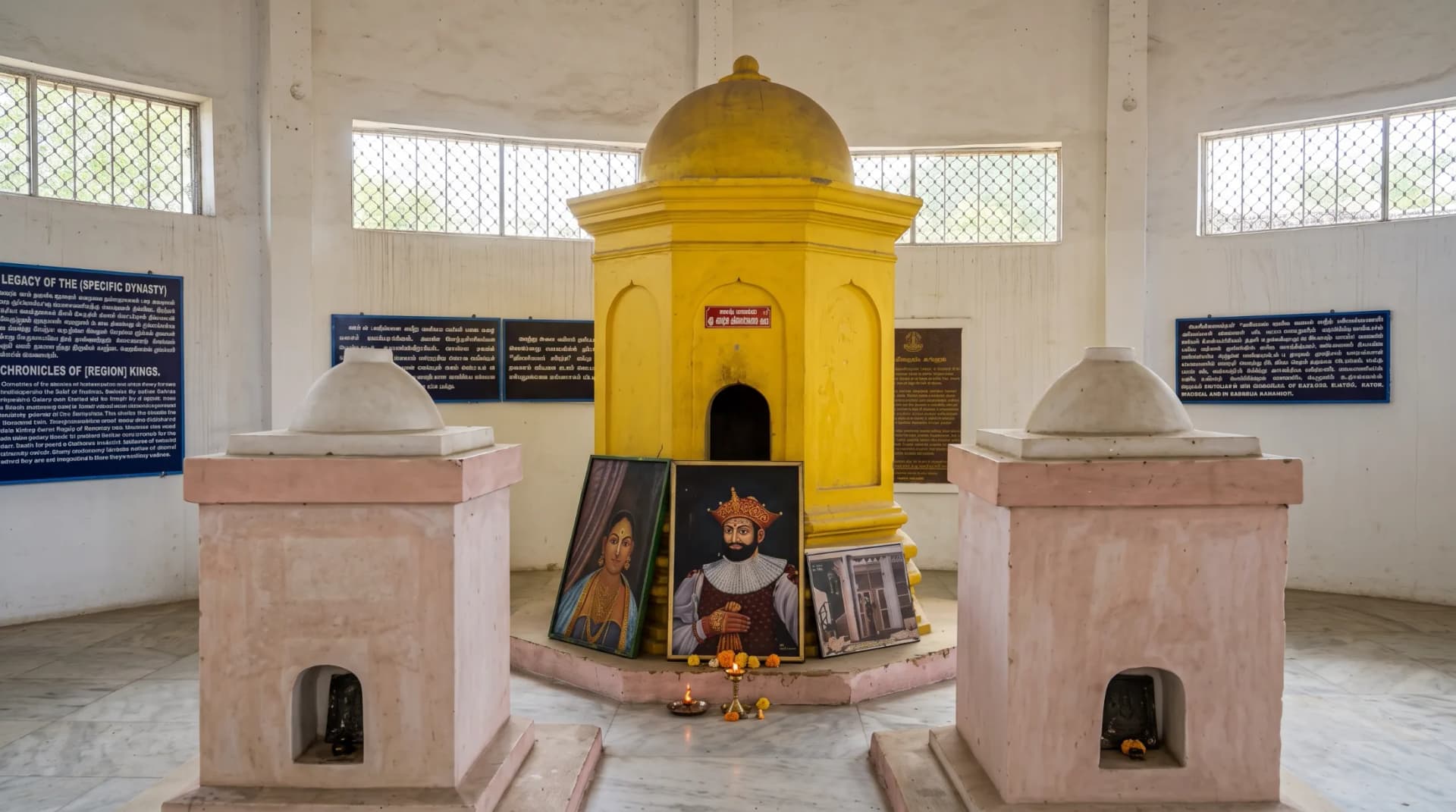
Sri Lanka’s history does not end at its shores. Some of its most emotional chapters lie beyond the island, hidden in quiet places that many travellers pass without knowing their meaning. One such place is Muthu Mandapam in Vellore, Tamil Nadu, where the grave of Sri Vikrama Rajasinha, the Last King of Ceylon, stands as a solemn reminder of the fall of the Kandyan Kingdom.
For Sri Lankan heritage travellers, this is not just another historical monument. It is a place of exile, memory and loss. It connects Kandy, Colombo, Vellore and the final days of Ceylon’s ancient monarchy.
The Vellore District administration identifies Muthu Mandapam as the site of the tombs of the Ceylon king and his family, including the tomb of Vikrama Raja Singha.
Who Was the Last King of Ceylon?
Sri Vikrama Rajasinha was the last ruler of the Kingdom of Kandy, reigning from 1798 to 1815. He belonged to the Nayak dynasty, the final royal line of Kandy. His reign came during one of the most turbulent periods in Sri Lankan history, when the British were expanding their control across the island.
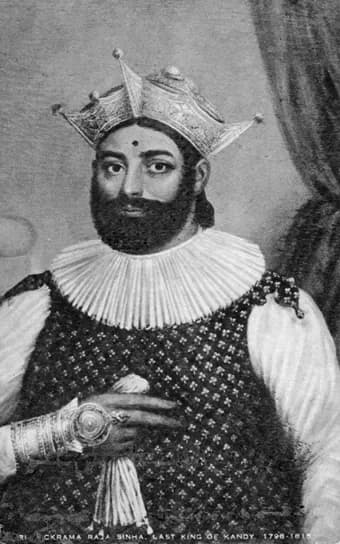
By the early 19th century, the coastal areas of Ceylon were already under British rule. Kandy remained the last independent kingdom. Its mountains, traditions, royal court and Buddhist institutions made it the final stronghold of native sovereignty.
That independence ended in 1815.
The Fall of the Kandyan Kingdom
The fall of Kandy was not only a military story. It was also a story of internal conflict, political rivalry and colonial strategy. British forces entered Kandy in 1815, and Sri Vikrama Rajasinha was captured soon after.
The Kandyan Convention was signed on 2 March 1815 at the palace in Kandy, transferring sovereignty to the British Crown. Sri Lanka’s National Library describes the convention as a unique document that marked the cessation of the Sinhalese monarchy and gave Britain control over the whole island.
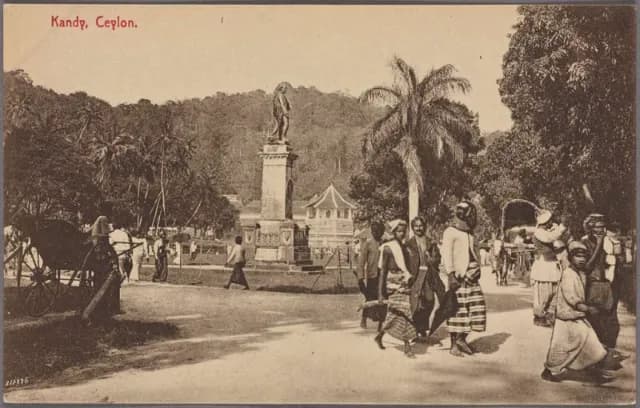
The text of the Kandyan Convention declared Sri Vikrama Rajasinha deposed and excluded his family from the throne. With that, a royal line stretching back through centuries of Sri Lankan history came to an end.
From Kandy to Exile
After his capture, Sri Vikrama Rajasinha was taken away from his kingdom. He was first brought to Colombo and later deported to Vellore in South India with his queens and members of his household.
Historical accounts record that he was kept as a royal prisoner at Vellore Fort for around 17 years. He lived there under British control, far from the lakes, hills, temples and royal landscapes of Kandy.
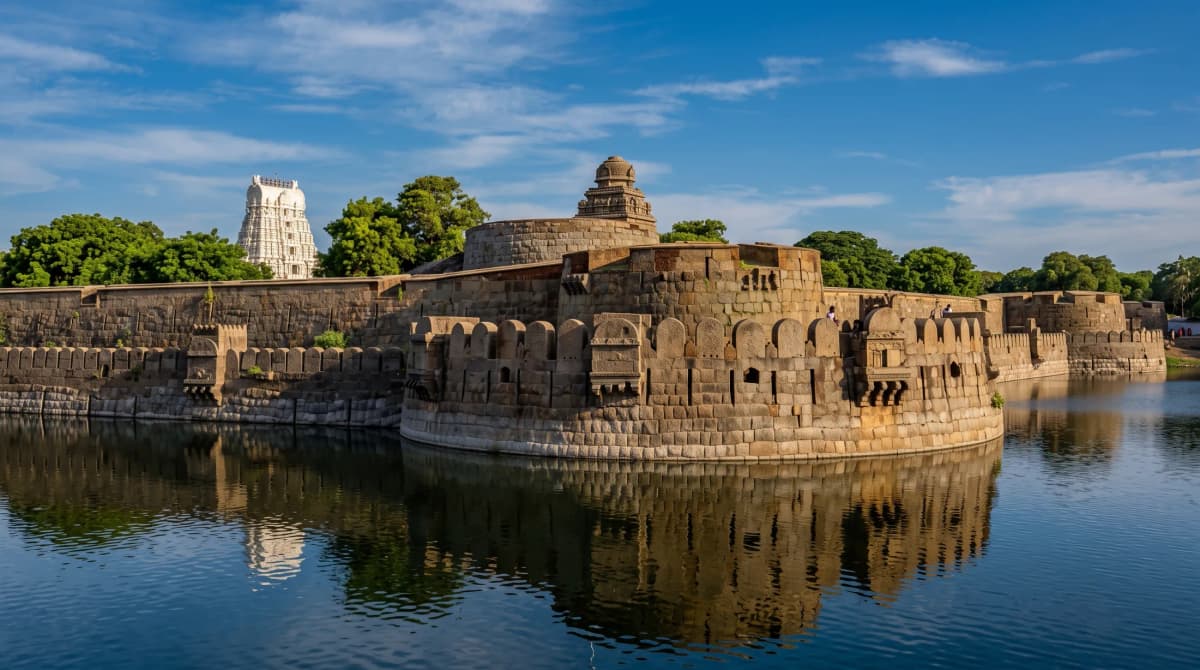
This is what makes the grave so powerful. It is not only the resting place of a king. It is the final mark of a ruler who lost his throne, his kingdom and his homeland.
Muthu Mandapam: The Memorial in Vellore
Today, the king’s resting place is found at Muthu Mandapam, a memorial built near the banks of the Palar River in Vellore. The memorial was erected by the Tamil Nadu Government and houses the tomb of Sri Vikrama Rajasinha along with the tombs of several family members.
The structure is simple but deeply symbolic. The yellow-domed tomb, the portraits, the plaques and the quiet interior all create a space that feels more emotional than grand. Unlike the royal sites of Kandy, this is not a place of power. It is a place of remembrance.
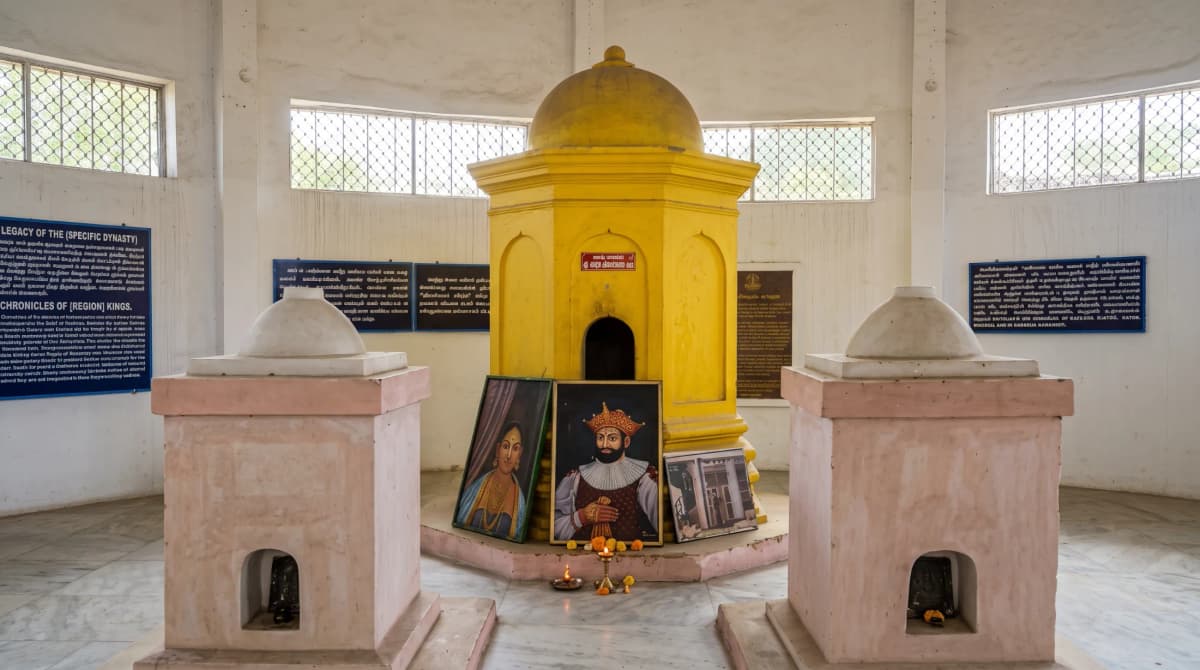
For Sri Lankans, standing before this tomb can feel unexpectedly personal. The story of the Last King of Ceylon is often told through politics, betrayal and empire. But at Muthu Mandapam, the story becomes human.
A king who once ruled from Kandy died far from the island he governed.
Why This Place Matters to Sri Lankan Travellers
Most Sri Lankan heritage journeys focus on Anuradhapura, Polonnaruwa, Sigiriya, Kandy, Galle and Colombo. These places are essential. But Muthu Mandapam reminds us that Sri Lankan history also has an overseas footprint.
The grave of the Last King of Ceylon matters because it completes the story of Kandy. Travellers who visit the Temple of the Tooth, the Royal Palace of Kandy, Kandy Lake and the Audience Hall will understand the beginning of the final chapter. But Vellore tells the ending.
It shows what happened after the crown was lost.
It also reveals how colonial history moved people across borders. Deposed rulers, political prisoners and royal families were often sent into exile by imperial powers. Sri Vikrama Rajasinha’s story fits into this larger pattern of colonial rule in Asia. Historian Robert Aldrich notes that the British deposed, captured and exiled the last king of Kandy to Vellore, where he spent the rest of his life.
A Different Kind of Heritage Experience
Muthu Mandapam is not a polished tourist attraction in the way many famous monuments are. Its value lies in silence. It is the kind of place where travellers pause, read the plaques, look at the tomb and think about what was lost in 1815.
There are no grand ceremonies here. No royal procession. No throne. No court. Only a memorial that carries the weight of a fallen kingdom.
For travellers interested in Old Ceylon, colonial history and Kandyan heritage, this site offers a rare emotional connection. It asks us to look beyond the usual postcard version of history and remember the human cost behind political change.
Connecting This Site Back to Kandy
To understand Muthu Mandapam properly, travellers should connect it with sites in Kandy.
The Royal Palace of Kandy shows the world Sri Vikrama Rajasinha once ruled from. The Temple of the Sacred Tooth Relic shows the sacred authority attached to Kandyan kingship. Kandy Lake, built during his reign, remains one of the city’s most recognisable landmarks. The Audience Hall reminds visitors of the place where royal and colonial power crossed paths.
Muthu Mandapam, in contrast, shows what came after.
Together, these places create a powerful heritage trail: from the royal city of Kandy to the exile site in Vellore.
Visiting the Grave of the Last King of Ceylon
Muthu Mandapam is located in Vellore, Tamil Nadu, a city also known for Vellore Fort and several other historic sites. For Sri Lankan travellers visiting South India, especially those travelling through Chennai, Vellore can be included as a meaningful heritage stop.
The site is especially relevant for travellers interested in:
Colonial history
Kandyan Kingdom heritage
Sri Lankan royal history
Old Ceylon travel stories
Before visiting, it is best to check local opening times and access conditions, as smaller memorials may not always follow the same visitor structure as major tourist sites.
Final Thoughts
The grave of the Last King of Ceylon is more than a tomb. It is the final page of Sri Lanka’s royal story.
At Muthu Mandapam, the grandeur of Kandy becomes quiet memory. The fall of a kingdom becomes visible in one simple memorial. For anyone who wants to understand Sri Lanka beyond beaches, tea estates and ancient ruins, this is a place worth knowing.
Sri Vikrama Rajasinha’s story reminds us that heritage is not always found in famous places. Sometimes, it waits silently across the sea, carrying the memory of a lost throne and a king who never returned home.
More from Old Ceylon
When the King’s Birthday Was Celebrated on Galle Face Green: A Glimpse of Colombo in 1933
Holyrood Estate, Talawakelle: An Old Ceylon Bungalow and a Name That Echoes Scotland