
A Newspaper Advertisement That Opens a Shop Door
A newspaper advertisement can sometimes tell us more about everyday life than an official history.
This one appeared in The Ceylon Observer on 26 September 1889. Filling much of the page is a detailed price list from H. W. Cave & Co. of Colombo.
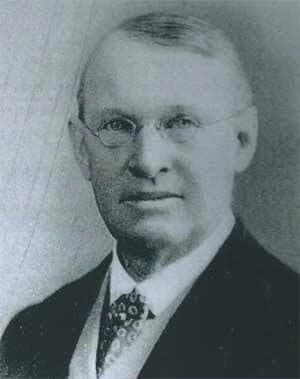
It is not a modest advertisement. Nor is it easy to describe the business behind it in modern terms.
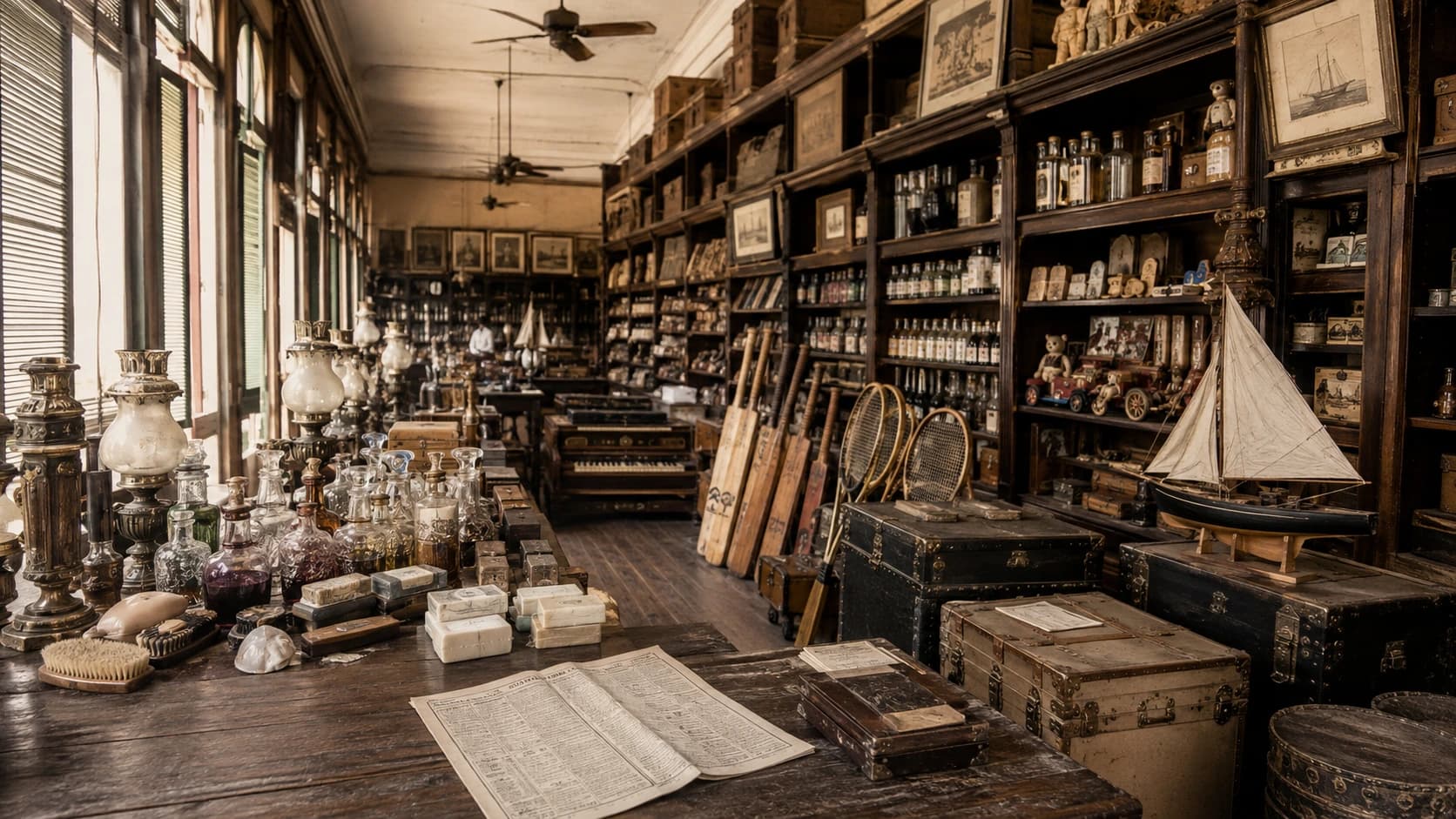
H. W. Cave & Co. sold perfumes, soaps, hairbrushes, stationery, leather goods, lamps, toys, cricket equipment, tennis racquets, travelling cases and dozens of other items.
It seems to have been part bookshop, part stationer, part sports shop and part department store.
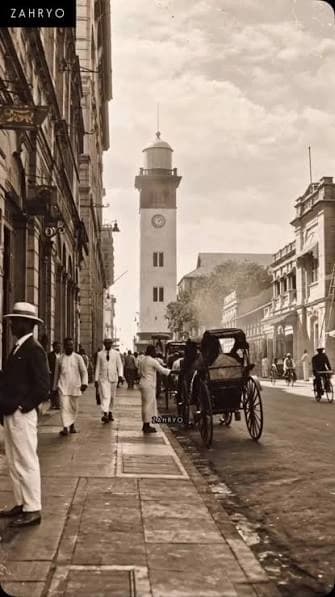
The advertisement offers a glimpse inside the shopping world of late-19th-century Colombo.
Read our previous article: https://trippingsrilanka.com/stories/john-maitland-in-old-colombo
From Books to a Colombo Institution
Henry William Cave arrived in Ceylon in 1872, when he was only eighteen.
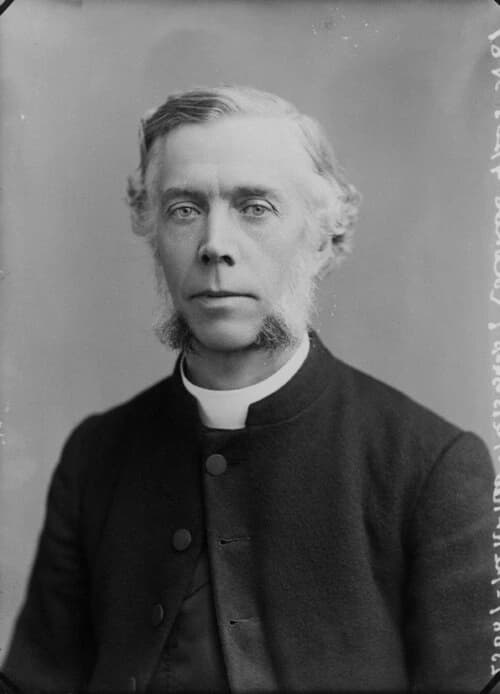
He initially worked as private secretary to Reginald Copleston, the Anglican Bishop of Colombo.
In 1876, Cave opened a small bookshop in Upper Chatham Street, Colombo Fort. Its early stock consisted largely of Bibles and religious publications.
The business did not remain small for long.
By the middle of the following decade, H. W. Cave & Co. had expanded into printing, publishing, stationery and the sale of musical instruments and sporting goods. The firm would eventually become one of Ceylon’s best-known printers and booksellers.
The 1889 advertisement shows that the expansion was already well under way.
What Colombo Shoppers Could Buy
The price list is divided into numerous departments.
There are familiar household necessities alongside goods that would have been expensive indulgences for many people.
Perfumes and toiletries occupy a prominent place. Bottles of scent, hair preparations, soap, tooth powder, brushes and toilet accessories appear in considerable variety.
These were not simply practical products.
They belonged to the rituals of dress and personal presentation that marked social standing in colonial society.
Elsewhere are writing materials, paper, pencils, ink and office supplies. In an age before telephones became commonplace, correspondence kept businesses, families and government offices connected.
A dependable supply of paper and writing equipment was essential.
Cricket Bats, Tennis Racquets and Children’s Toys
The sporting section is particularly revealing.
Cricket bats, balls and other equipment appear alongside lawn-tennis goods. By 1889, both sports were becoming firmly established in the island, especially among schools, clubs, military circles and the European community.
There are also toys, dolls, model boats, games and children’s cricket sets.
Some would have arrived from Britain after a long sea journey.
A child receiving one of these toys in Colombo was handling something that had travelled thousands of miles before reaching the shop counter.
A Shop Connected to the Wider World
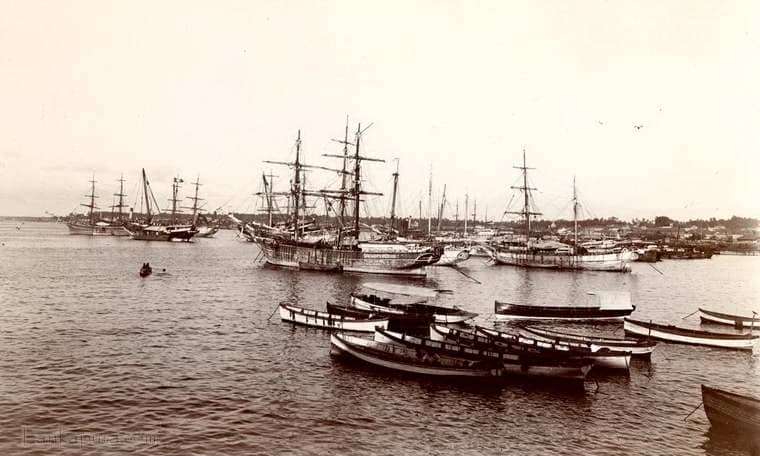
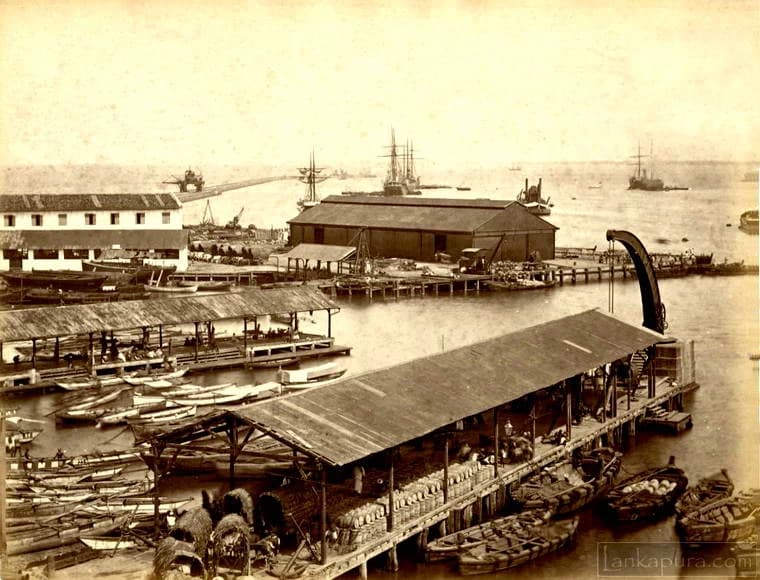
Most of the goods offered by Cave & Co. would have reached Ceylon through Colombo’s busy harbour.
Steamship connections were making the movement of merchandise faster and more dependable. Shops in Colombo could therefore advertise an increasingly varied selection of imported products, often naming particular manufacturers or styles familiar to customers from British catalogues.
The advertisement captures a city tied closely to these trading networks.
A customer could enter a shop in Colombo and purchase French perfume, English stationery, a cricket bat, a travelling trunk and a toy for a child.
The range would not look entirely out of place in an early department store in London.
Imported Goods for Life in Ceylon
But this was still Ceylon.
Goods had to suit local conditions, from intense heat and humidity to long journeys by train, coach or cart.
Travelling cases, mosquito curtains, lamps and durable household articles had an importance that went beyond fashion.
They belonged to daily life in a colonial island where distance, climate and travel shaped what people needed.
A well-stocked Colombo shop therefore had to understand both worlds.
It had to offer the imported goods customers recognised from Britain, while also supplying the practical items required for life in Ceylon.
Prices That Drew the Reader In
One reason for publishing such an enormous list was simple: customers wanted to know what things cost.
Before online catalogues, printed leaflets and regular price labels, newspaper advertising provided a way for merchants to place their stock before readers across the island.
Someone living in a planting district could study the advertisement, choose what was needed and write to Colombo.
The advertisement was therefore more than publicity.
It was a catalogue that happened to appear in a newspaper.
Its dense columns also projected confidence. A firm capable of carrying such a range of stock was telling customers that it was established, dependable and connected to suppliers overseas.
More Than a Bookseller
H. W. Cave is now remembered chiefly for books and photography.
His later publications included Picturesque Ceylon, The Ruined Cities of Ceylon, Golden Tips and The Book of Ceylon.
Through his writing and photographs, he helped shape how the island was presented to travellers and readers abroad.
Yet this advertisement reminds us that the firm’s history was not confined to handsome travel books.
It was also built on soap, brushes, toys, stationery, sports equipment and countless other objects that passed across its counters.
These ordinary goods paid the bills, filled Colombo homes and accompanied people on journeys around the island.
What the Advertisement Reveals About Old Colombo
That is what makes the advertisement so valuable today.
It shows not simply what one company had for sale, but what people wanted, what they used and what they could find in Colombo in 1889.
The page may look like a crowded collection of small print.
Look more closely, however, and an entire shop begins to emerge.
There are customers choosing scents and brushes.
Clerks wrapping stationery.
Parents buying toys.
Sportsmen inspecting cricket bats.
Travellers selecting trunks before leaving Colombo.
Behind the advertisement is the sound and movement of a busy colonial shop.
Final Thoughts: A Shop Window into Old Ceylon
The story of H. W. Cave & Co. is not only the story of a famous bookseller.
It is also the story of Colombo as a commercial city.
By the late nineteenth century, the capital was connected to ships, catalogues, imported goods, local customers and the wider world of empire and trade.
A single advertisement from 1889 allows us to step into that world.
Not through a grand government building or a railway station, but through the shelves of a shop that sold almost everything.
For anyone interested in Old Ceylon, that is exactly what makes it fascinating.
Visit us: https://trippingsrilanka.com/stories
More from Old Ceylon
When Prince Philip Visited Pedro Estate: The Royal Visit That Became Part of Ceylon Tea History in 1954
When Five Cents Mattered: The Forgotten Small Change of Old Ceylon