Kalpitiya Dutch Fort is one of Sri Lanka’s most overlooked colonial landmarks. Set on the island’s northwest coast, close to the waters of Puttalam Lagoon, this old fortress does not receive the same attention as Galle Fort, Jaffna Fort or Fort Frederick in Trincomalee. Yet for travellers interested in colonial Sri Lanka, it offers a fascinating glimpse into the maritime world of Old Ceylon.
Kalpitiya today is better known for whale watching, dolphin watching, kitesurfing, fishing villages, lagoons and sandy coastal escapes. But long before it became an offbeat beach destination, this narrow peninsula held strategic value. It stood near the entrance to Puttalam Lagoon and connected the northwest coast to trade, military movement and colonial control.
Kalpitiya Dutch Fort is not a polished tourist attraction. That is part of its appeal. Its stone walls, quiet setting and coastal atmosphere make it feel like a forgotten chapter of Dutch Ceylon. To visit the fort is to step away from the usual heritage trail and discover a lesser-known side of Sri Lanka’s colonial past.—-
Check the previous article- https://trippingsrilanka.com/stories/pettah-and-fort-colonial-colombo
Why Kalpitiya Mattered in Colonial Ceylon
Kalpitiya’s importance came from geography. The peninsula stretches along the northwest coast, between the sea and lagoon. This gave it a naturally strategic position. A fort here could watch movement into Puttalam Lagoon, control access to the surrounding coastline and support Dutch interests in trade.
During the Dutch period, Puttalam and the surrounding region were economically valuable. Cinnamon, one of Ceylon’s most prized colonial commodities, was important to Dutch trade. The Dutch were highly focused on controlling supply routes, ports, lagoons and coastal settlements that could support their commercial network.
Kalpitiya therefore mattered not because it was a grand capital, but because it was useful. It belonged to the practical map of colonial Ceylon: forts, lagoons, canals, trading points, cinnamon lands and coastal routes.
This makes Kalpitiya Dutch Fort especially interesting for history readers. It shows that colonial power was not only centred in famous cities. It also depended on smaller, strategic places that helped control trade and movement.
Portuguese Traces Before the Dutch Fort
The Dutch Fort at Kalpitiya was built on a site that already had earlier Portuguese connections. Before the Dutch strengthened the position, the Portuguese had established a presence in the area. Some accounts refer to an earlier Portuguese stockade and a Jesuit chapel at the site.
This layered history is common in Sri Lanka’s colonial forts. The Portuguese often arrived first, using coastal locations for trade, missionary work and defence. The Dutch later captured many of these positions and rebuilt them with stronger fortifications.
Kalpitiya follows that pattern. Although the fort is known today as a Dutch fort, its story begins earlier. The site reflects a wider struggle between European powers for control of Ceylon’s coastline.
The Dutch Construction of Kalpitiya Fort
Kalpitiya Dutch Fort was built by the Dutch in the 17th century, during the period when the Dutch East India Company controlled much of coastal Ceylon. Construction is generally linked to the years between 1667 and 1676.
The fort was designed as a compact military structure rather than a large fortified town. It was built to defend a strategic point, not to create an urban settlement like Galle Fort. Its purpose was practical: control the entrance to the lagoon, secure Dutch interests and maintain a military presence on the northwest coast.
The fort’s square shape, corner bastions and heavy walls show the Dutch preference for efficient defensive design. It was not meant to impress through size alone. It was meant to function.
Architecture: Coral, Limestone and Coastal Defence
One of the most interesting features of Kalpitiya Dutch Fort is its construction material. The fort was built using coral and limestone from the surrounding area, giving it a strong connection to the coastal landscape.
The walls are roughly four metres high in places and the fort is almost square in layout. Bastions stand at the corners, allowing defenders to observe and protect the structure from multiple angles. This kind of compact fortification was well suited to a coastal outpost.
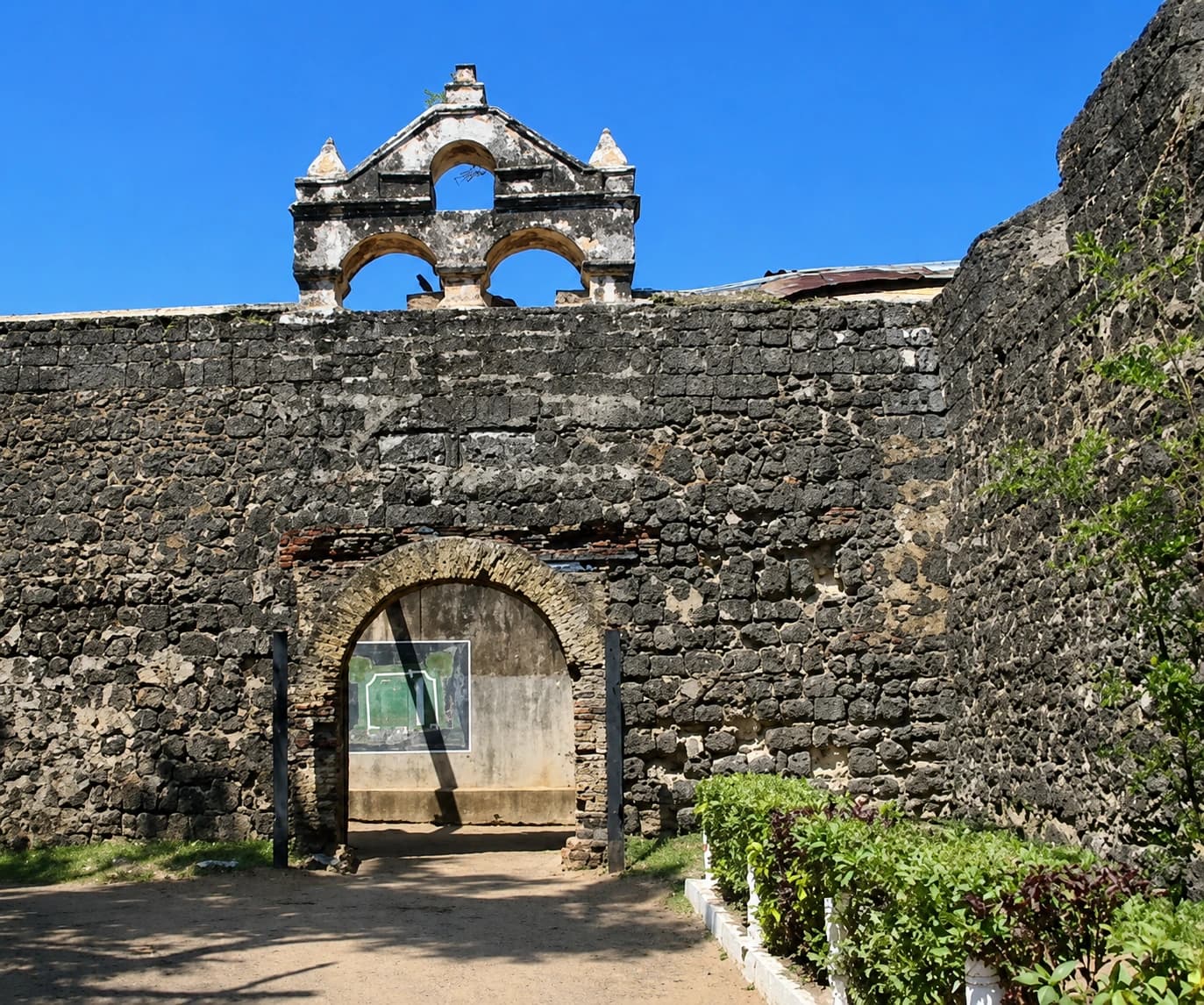
The entrance is another memorable feature. The fort has a single main entrance facing the lagoon. Its pediment and belfry-like form have often been noted by visitors because the gateway looks almost church-like. This gives Kalpitiya Fort a distinctive character among Sri Lanka’s Dutch forts.
Unlike Galle, where the fort encloses streets, homes and public buildings, Kalpitiya Fort feels more enclosed and military. It is a fortress first, not a town.
The Lagoon and the Sea
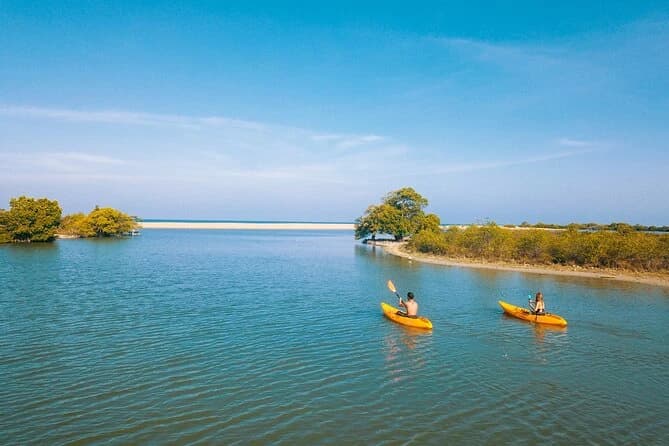
The setting of Kalpitiya Dutch Fort is essential to its story. The fort stands close to Puttalam Lagoon, one of the defining features of the region. The lagoon shaped trade, transport, fishing and settlement patterns along this part of Sri Lanka’s northwest coast.
For the Dutch, water was not only scenery. It was infrastructure. Lagoons, canals and coastal routes helped move goods, especially valuable commodities like cinnamon. The Dutch even developed canal systems linking parts of the western and northwestern coastal region, showing how seriously they treated water-based transport.
This lagoon setting gives Kalpitiya Fort a different atmosphere from Sri Lanka’s sea-facing forts. It does not have the dramatic cliff views of Trincomalee or the grand ramparts of Galle. Instead, it has a quieter coastal mood: fishing boats, lagoon wind, palms, sandy roads and a sense of distance from the main tourist routes.
British Rule and Later Use
Like other Dutch possessions in Ceylon, Kalpitiya eventually came under British control. Under the British, many forts lost their original military importance as colonial administration changed and modern transport networks developed.
Kalpitiya Fort continued to survive, but it did not become a major colonial town or administrative centre in the way some other locations did. Its relative isolation may be one reason it remained less famous.
In more recent times, the fort has been associated with Sri Lankan Navy use. Because of this, visitors may find that access is restricted or subject to security procedures. This is important to know before planning a visit. Kalpitiya Dutch Fort is a heritage site, but it has not always functioned like a fully open tourist monument.
A Forgotten Fort in a Fishing Landscape
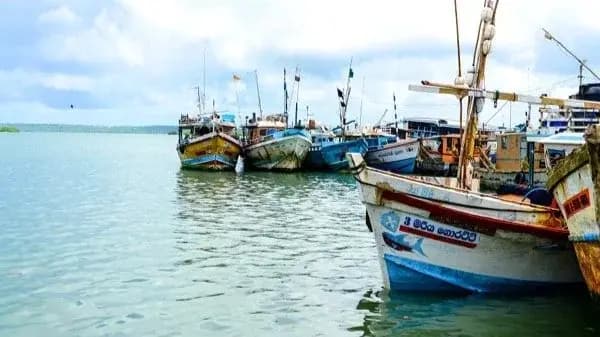
One of the most compelling things about Kalpitiya Dutch Fort is the landscape around it. The fort stands near a living coastal community. Fishing boats, local houses, coconut palms, lagoon waters and everyday village life surround the old colonial structure.
This gives the fort a strong sense of authenticity. It has not been over-restored into a postcard version of the past. It exists within a real coastal environment, where history and daily life overlap.
For travellers, this is one of the best reasons to visit. Kalpitiya Fort allows you to experience colonial Sri Lanka away from the more crowded heritage circuits. It is quiet, slightly rough-edged and deeply connected to place.
What to See at Kalpitiya Dutch Fort
Visitors should look for the fort’s square plan, thick walls, corner bastions and single entrance. The gateway is one of the most recognisable parts of the structure. Its unusual appearance gives the fort a memorable identity.
The walls are also worth observing closely. Built from local materials, they show the practical adaptation of Dutch military architecture to the Sri Lankan coast. The fort may not be large, but it has a strong defensive presence.
If access is available, walk slowly and look at the relationship between the walls, the lagoon and the surrounding settlement. The fort makes most sense when seen as part of the wider Kalpitiya landscape rather than as an isolated monument.
Best Time to Visit Kalpitiya Dutch Fort
The best time to visit Kalpitiya Dutch Fort is early morning or late afternoon. The northwest coast can become hot during the day, and the light is better for photography outside the harsh midday sun.
Travellers should check local access conditions before visiting, especially because of the site’s connection with naval use. It is also best to dress modestly, carry water and be respectful when photographing the area.
Kalpitiya itself is worth exploring beyond the fort. Visitors can combine the heritage stop with lagoon views, fishing village walks, kitesurfing beaches, dolphin watching or a boat trip through the surrounding coastal waters.
Why Kalpitiya Dutch Fort Deserves More Attention
Kalpitiya Dutch Fort deserves more attention because it tells a part of colonial Ceylon’s story that is often missed. The famous forts of Sri Lanka are important, but they are not the whole picture. Smaller forts like Kalpitiya show how colonial control worked through a network of coastal strongholds.
This fort also connects several important themes: Dutch military design, cinnamon trade, lagoon transport, Portuguese traces, British takeover and modern coastal life. Few visitors expect so much history in a quiet northwest town.
For researchers and history readers, Kalpitiya is valuable because it adds detail to the map of Dutch Ceylon. For travellers, it offers an offbeat stop with atmosphere and depth.
Final Thoughts: The Coastal Memory of Old Ceylon
Kalpitiya Dutch Fort may be forgotten by many travellers, but it is not insignificant. Its walls still stand as evidence of a time when the northwest coast mattered to European trade and maritime power. Its lagoon-facing position reveals why the Dutch built here. Its architecture shows how colonial forts were adapted to local materials and coastal conditions.
To visit Kalpitiya Dutch Fort is to see a quieter side of colonial Sri Lanka. There are no grand rampart walks like Galle, no dramatic royal history like Kandy, and no major urban skyline like Colombo. Instead, there is a compact fortress beside a coastal settlement, carrying the memory of Dutch Ceylon into the present.
For those exploring Old Ceylon beyond the usual routes, Kalpitiya Dutch Fort is a rewarding stop. It is small, atmospheric and historically rich — a forgotten coastal fortress on Sri Lanka’s northwest coast.
FAQs About Kalpitiya Dutch Fort
Who built Kalpitiya Dutch Fort?
Kalpitiya Dutch Fort was built by the Dutch in the 17th century, generally between 1667 and 1676, on a site with earlier Portuguese connections.
Why was Kalpitiya Dutch Fort important?
The fort was important because it controlled the entrance to Puttalam Lagoon and helped protect Dutch trade interests on Sri Lanka’s northwest coast.
What is Kalpitiya Dutch Fort made of?
The fort was built mainly using coral and limestone from the surrounding coastal area.
Can visitors enter Kalpitiya Dutch Fort?
Access may be restricted because the fort has been associated with Sri Lankan Navy use. Visitors should check locally before going.
Is Kalpitiya Dutch Fort worth visiting?
Yes, especially for travellers interested in offbeat colonial Sri Lanka, Dutch forts, coastal heritage and quieter historic sites away from the main tourist route.
Visit Us: https://trippingsrilanka.com/stories
Heritage places mentioned
Kalpitiya Dutch Fort
More from Old Ceylon
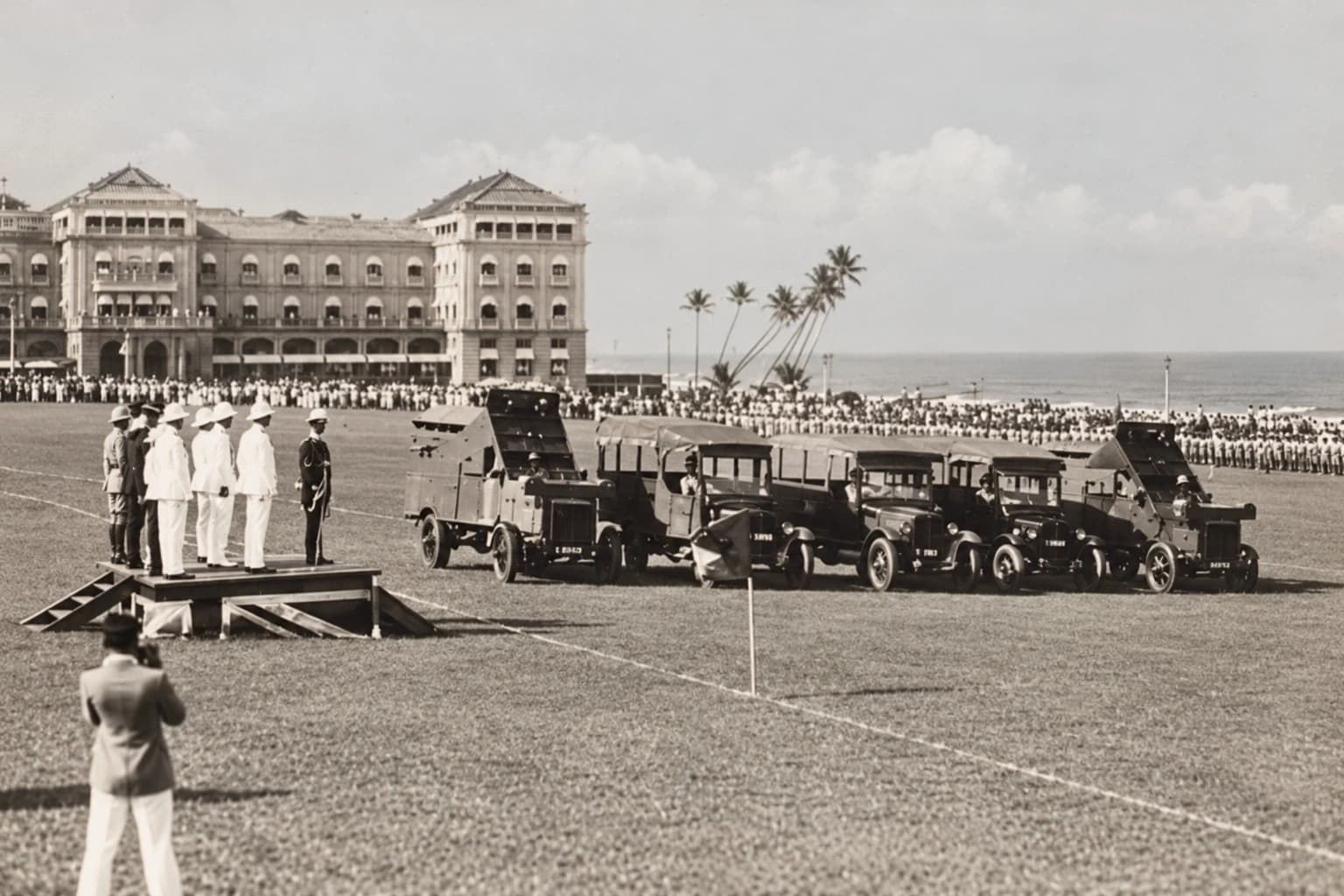
When the King’s Birthday Was Celebrated on Galle Face Green: A Glimpse of Colombo in 1933
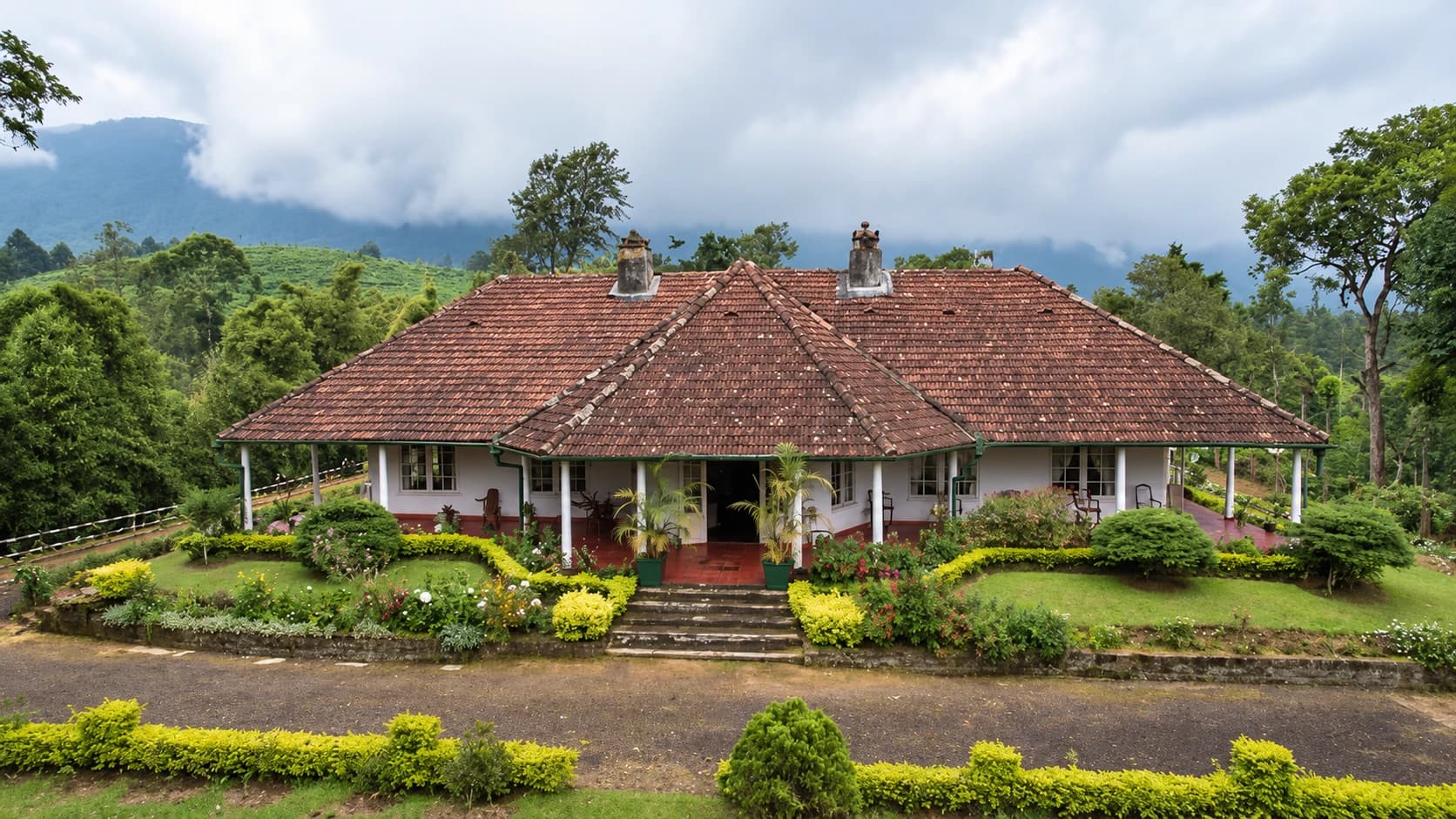
Holyrood Estate, Talawakelle: An Old Ceylon Bungalow and a Name That Echoes Scotland