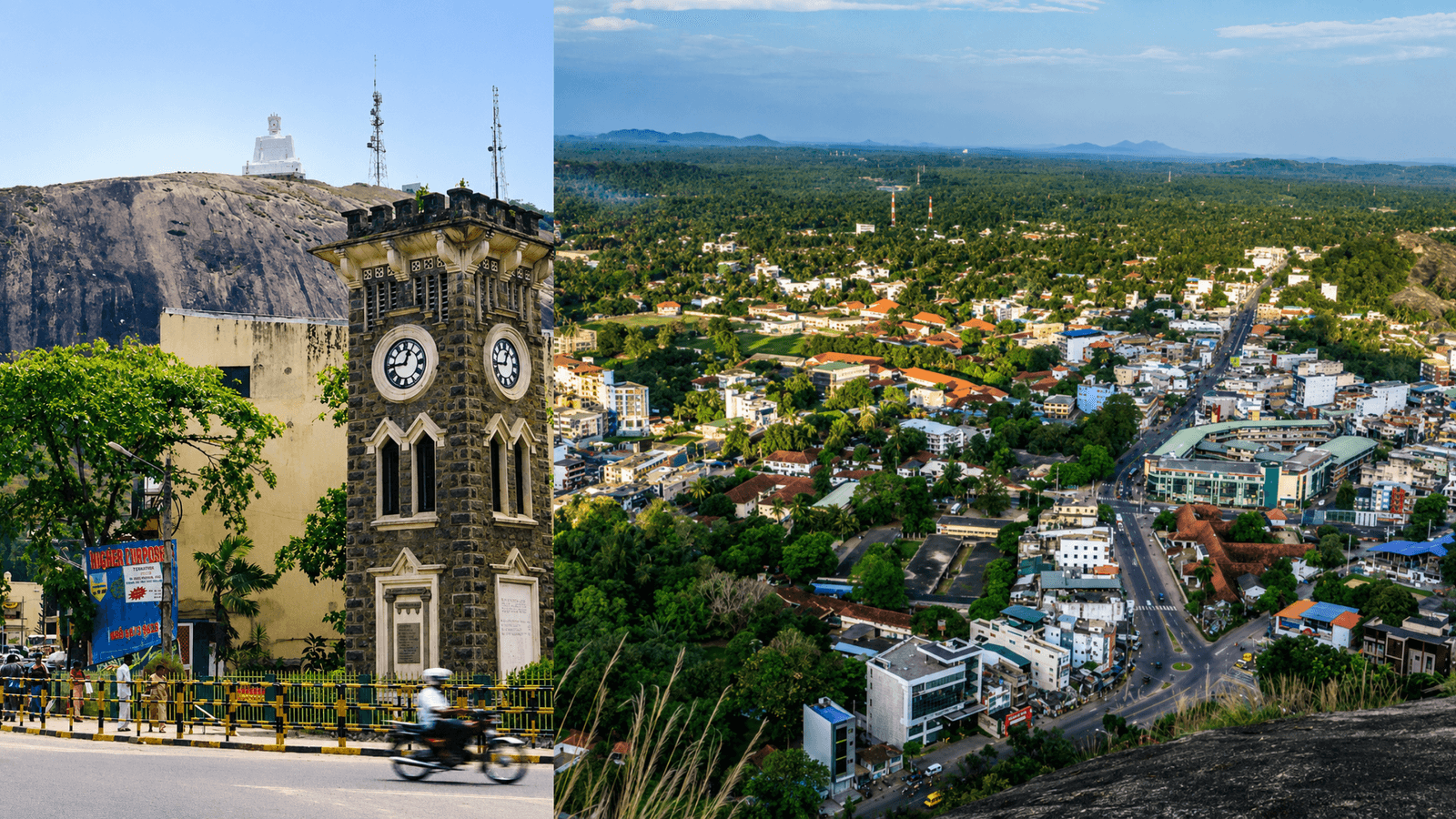
Kurunegala Sri Lanka| Kurunegala is one of Sri Lanka’s most familiar inland towns, yet it is rarely treated as a heritage destination. Many travellers pass through it on the way to Kandy, Dambulla, Anuradhapura, Puttalam or the cultural triangle. But those who slow down will find a town with a different kind of Old Ceylon charm: colonial streets, a historic clock tower, provincial buildings, busy markets, lake views and the unmistakable presence of Ethagala, the great rock that rises above the city like a sleeping elephant.
Colonial Kurunegala is not a polished fort town like Galle. It is not a hill-station escape like Nuwara Eliya. It is a provincial town, shaped by older royal history, British-era administration, road networks, rail connections and agricultural trade. That is exactly what makes it interesting. Kurunegala shows how colonial Sri Lanka functioned beyond the ports, plantations and famous capitals.
For visitors interested in colonial Ceylon, Kurunegala offers a quieter inland story. It is a place where older Sri Lankan kingship, provincial British administration and modern commercial life sit close together under the shadow of ancient rocks.
Check our previous article- https://trippingsrilanka.com/stories/matale-sri-lanka-spice-routes
Why Kurunegala Matters in Sri Lankan History
Kurunegala’s history is older than the colonial period. It was once a royal capital of Sri Lanka in the early 14th century, during a period when political power shifted between inland strongholds. This royal past gives the town a depth that many casual visitors miss.
The city’s landscape helped shape its identity. Kurunegala is surrounded by rocky outcrops, the most famous being Ethagala, or Elephant Rock. These rocks gave the old city a natural sense of enclosure and identity. They also made Kurunegala visually memorable, long before colonial roads and buildings appeared.
By the time British Ceylon developed its administrative and transport systems, Kurunegala had become important as a provincial centre. Its location made it useful as a connecting point between inland and coastal regions. It was not simply a place to pass through. It was a town where roads, commerce, administration and agriculture met.
Old Provincial Ceylon, Not a Showpiece City
To understand colonial Kurunegala, visitors must look at it differently. This is not a city of grand colonial monuments. Its heritage is more practical. The colonial layer survives in the town centre, in civic buildings, old streets, railway memory, public institutions and the rhythm of a provincial capital.
During British rule, towns like Kurunegala were essential to the everyday running of Ceylon. They connected rural districts to courts, markets, government offices, transport routes and commercial networks. They were not always designed to impress foreign travellers. They were built to organise regional life.
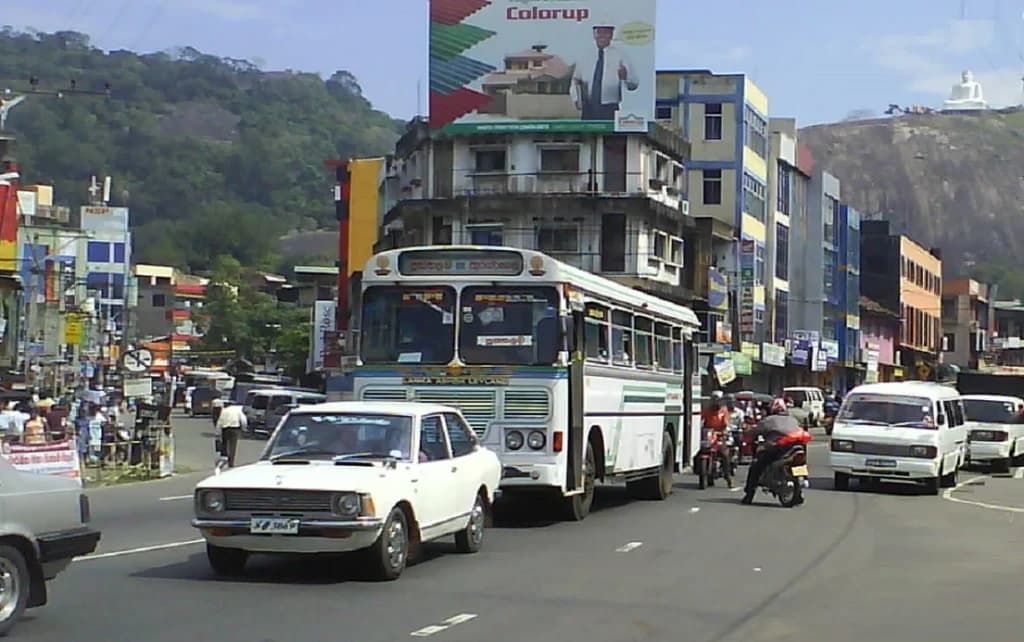
That is why Kurunegala still feels authentic. Its streets are busy with buses, shops, offices, schools, markets and local trade. The old colonial atmosphere appears in fragments rather than in one preserved quarter. A tower, an old façade, a street corner, a court building or a station platform may suddenly reveal the older town beneath the modern traffic.
The Kurunegala Clock Tower
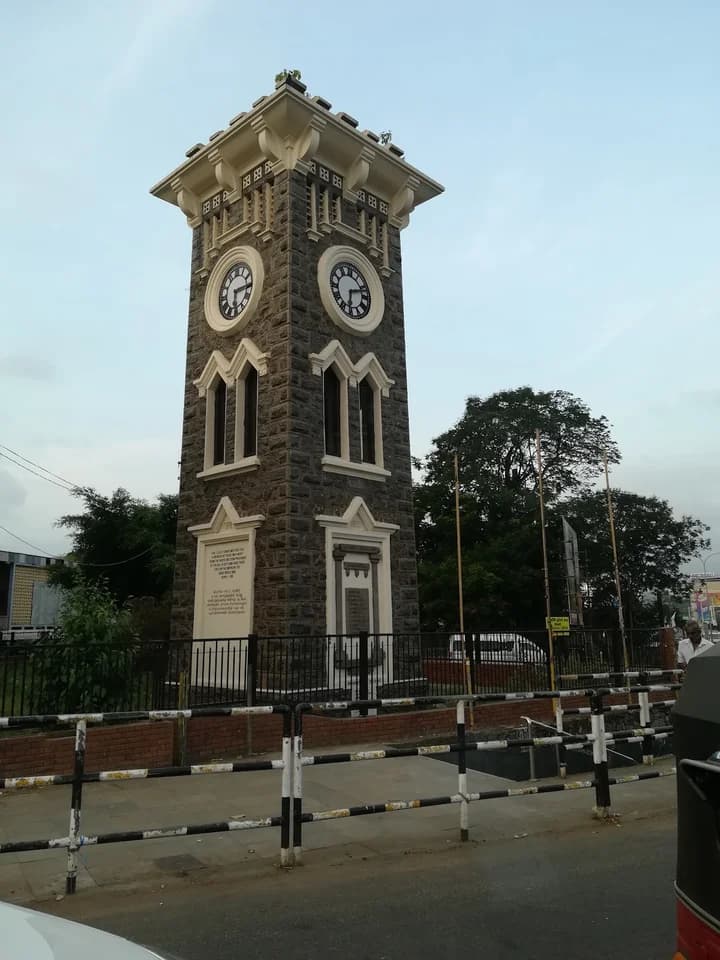
The Kurunegala Clock Tower is one of the town’s most recognisable colonial-era landmarks. Standing in the heart of the city, it anchors the surrounding streets and gives the town centre a strong historic identity.
Built in the early 20th century, the tower was erected as a memorial to soldiers from the North Western Province who died during the First World War. Later, it also became associated with remembrance of the Second World War. Its stone construction, Gothic-inspired details and clock faces give it the look of a small colonial monument placed in the middle of a working Sri Lankan town.
The Clock Tower is important because it connects Kurunegala to the wider history of British Ceylon and the British Empire. Even a provincial town in inland Sri Lanka was linked to global events such as the world wars. The tower is therefore not only a local landmark. It is also a reminder of how colonial Ceylon was drawn into imperial conflicts far beyond the island.
Walking the Old Town Centre
A heritage walk in colonial Kurunegala can begin at the Clock Tower. From there, visitors can explore the surrounding town centre slowly. This is not a quiet museum-style walk. It is a walk through living streets.
The central area includes commercial buildings, markets, administrative spaces and busy roads. Some old structures remain partly hidden behind newer signage and shopfronts. As in many Sri Lankan towns, the best way to see the past is to look upward. Rooflines, windows, masonry, arches and older proportions often survive above the modern street level.
This kind of walk helps visitors understand provincial colonial Ceylon. The British did not only build grand capitals. They also created regional towns where administration, justice, trade and transport were organised. Kurunegala was one such town.
The result today is a layered cityscape. It is not perfectly preserved, but it is historically meaningful.
Ethagala: The Rock That Defines the City
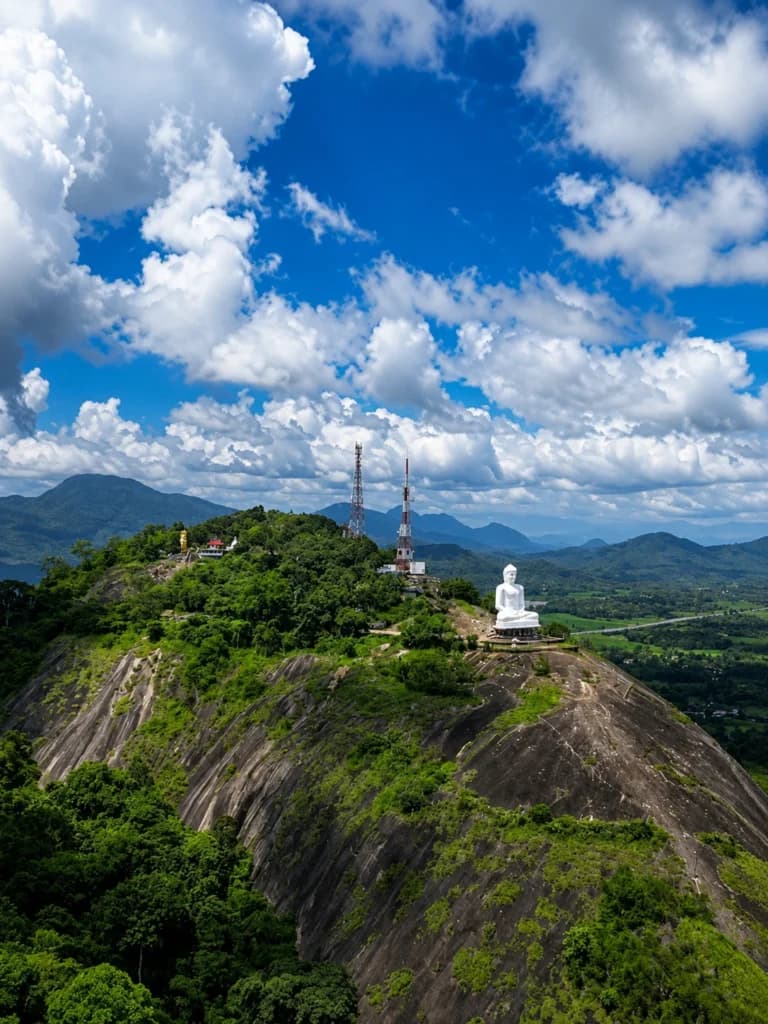
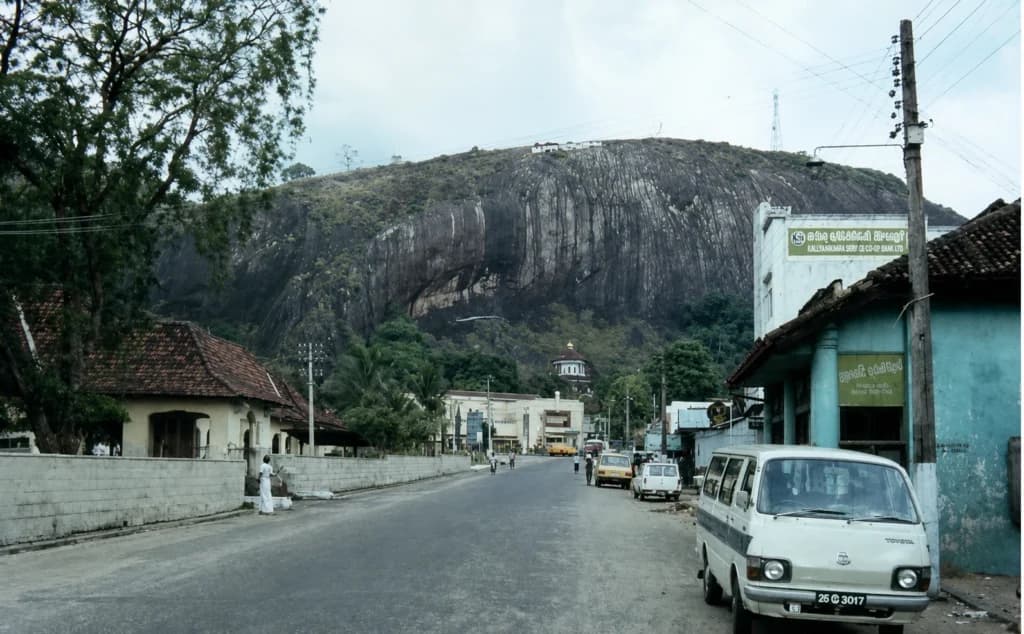
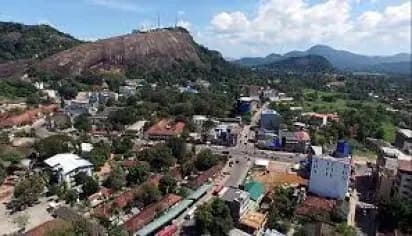
No article on Kurunegala is complete without Ethagala. Also known as Elephant Rock, this massive granite outcrop dominates the city skyline. Its name comes from its resemblance to a crouching elephant, and it remains the natural symbol of Kurunegala.
Ethagala gives the town its character. From the streets below, the rock rises suddenly above shops, buses and buildings. From the summit, visitors can look down over the city, surrounding plains, roads and distant hills. It is one of the best viewpoints in the North Western Province.
Although Ethagala is not a colonial structure, it is essential to the story of colonial Kurunegala. British officials, travellers and residents would have known the town through this same rock landscape. The rock made Kurunegala visually distinctive, just as the harbour defined Colombo and the lake defined Kandy.
Today, the large Buddha statue at the summit adds a spiritual presence to the rock. For visitors, the climb or drive to the top offers a powerful view of how the town sits within its landscape.
Kurunegala Lake and the Town’s Softer Side
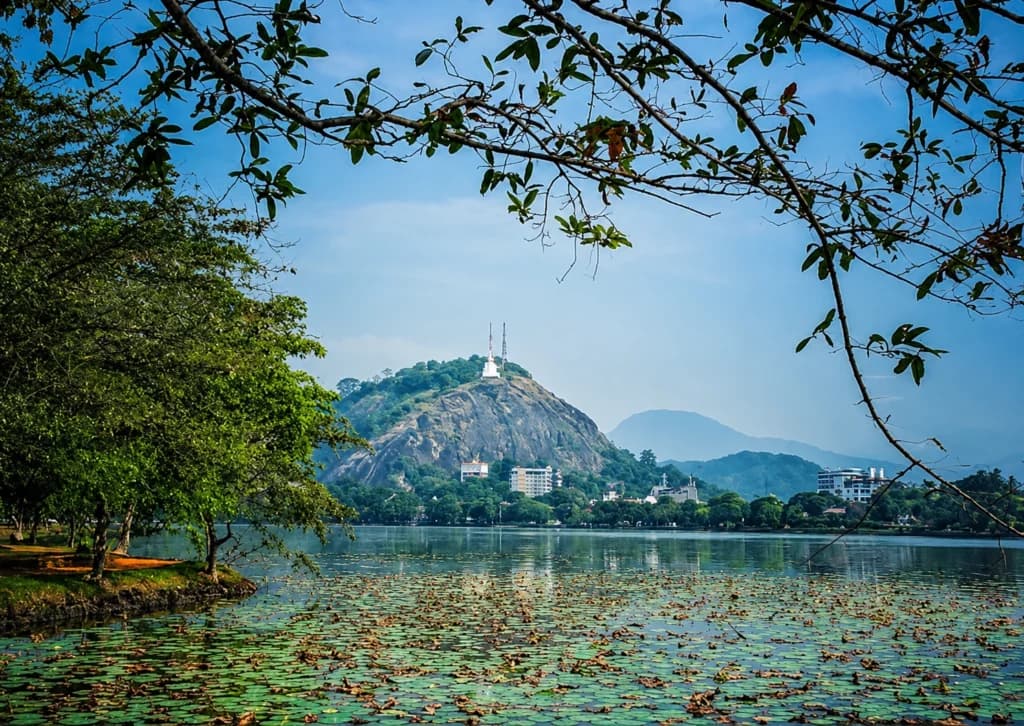
Kurunegala also has a softer landscape around its lake. The lake gives balance to the busy town centre, offering a calmer place to walk, rest or view the surrounding rocks. In many inland towns, tanks and lakes were central to older settlement patterns, agriculture and urban identity.
For slow travellers, the lake is a good place to experience Kurunegala beyond traffic and shops. It shows the town as part of a wider dry-zone and intermediate-zone landscape of water, rock, coconut land and agriculture.
This is important because colonial Kurunegala was never only an administrative point. It was also connected to the productive countryside around it. The surrounding district produced rice, coconuts, rubber, spices and other agricultural goods, making Kurunegala a commercial centre for a populous rural region.
Railways, Roads and Provincial Movement
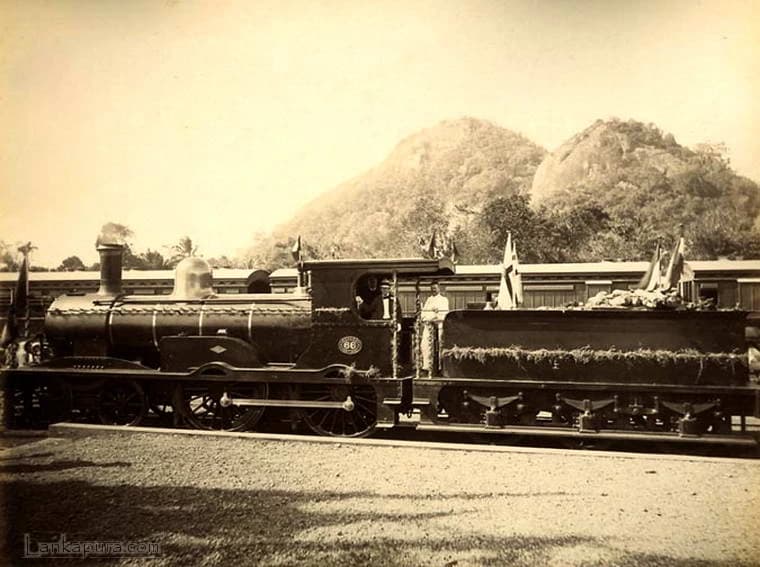
Kurunegala’s colonial and modern importance is closely tied to movement. The town has long sat at a junction of important routes connecting Colombo, Kandy, Puttalam, Dambulla and other inland centres. This made it valuable as a transport and commercial hub.
The railway added another layer to this role. Like many towns in British Ceylon, Kurunegala became part of the rail and road network that connected agricultural regions, administrative centres and markets. These networks helped goods and people move across the island more efficiently.
For visitors interested in colonial Sri Lanka, this transport history matters. Colonial towns were not isolated. They were connected through roads, railways, postal systems, courts and markets. Kurunegala’s value came from being part of that web.
Kurunegala Sri Lanka: Agriculture and the Hinterland
Kurunegala’s colonial identity is also linked to its agricultural hinterland. The district is well known for coconuts, rice and other crops. During British rule, inland towns like Kurunegala served as collecting and distribution points for produce from surrounding rural areas.
This makes colonial Kurunegala different from plantation towns in the highlands. Its economy was not based only on tea. It was tied to mixed agriculture, coconut lands, village production and regional trade.
That agricultural character can still be felt today. Kurunegala is a commercial town serving a wide rural district. Markets, shops, transport stands and warehouses all reflect this role. For travellers, this gives the city a grounded, everyday authenticity.
Older Sacred Sites Around the City
Kurunegala’s heritage is not only colonial. The town and surrounding area include older Buddhist sites, cave temples and religious landmarks that connect the city to Sri Lanka’s pre-colonial past.
Athkanda Raja Maha Viharaya, associated with the rock landscape of Kurunegala, is one such site. These older places remind visitors that colonial history is only one layer in a much longer story. Before British administration, before Dutch and Portuguese influence, Kurunegala already belonged to the island’s royal, religious and cultural geography.
This is why a balanced heritage visit should combine the colonial town centre with older sacred and landscape sites. That combination reveals Kurunegala properly: royal city, provincial town, transport hub and modern commercial centre.
A Suggested Heritage Walk in Kurunegala
A simple heritage route can begin at the Kurunegala Clock Tower. Spend a few minutes observing the monument and the surrounding town centre. From there, walk through nearby streets and look for older shopfronts, public buildings and civic spaces.
Continue towards the lake for a calmer view of the city. If time allows, visit Ethagala either by vehicle or on foot. The summit view helps place the town in its wider landscape and gives visitors the strongest visual memory of Kurunegala.
Travellers with more time can include older religious sites around the city and explore the road towards nearby heritage destinations. Kurunegala works well as an inland stop between Colombo, Kandy, Dambulla and Anuradhapura.
Best Time to Visit Kurunegala
The best time to explore Kurunegala is early morning or late afternoon. The town can be hot during the day, and walking through the centre is more comfortable before the strongest heat. Ethagala is also best visited outside midday.
Comfortable shoes are useful for the town walk, and water is essential if climbing or walking up to the rock viewpoint. Visitors should also be careful with traffic in the town centre, especially around the Clock Tower and market areas.
Kurunegala is not a place that needs a full tourist itinerary. It is best enjoyed as a slow provincial stop — a place to pause, look around and understand another side of Old Ceylon.
Why Kurunegala Deserves More Attention
Kurunegala deserves more attention because it tells a story that many colonial travel guides overlook. Sri Lanka’s colonial history was not only about forts, harbours, hill stations and plantation bungalows. It was also about provincial towns that connected rural districts to the colonial state.
Colonial Kurunegala shows this clearly. Its Clock Tower, streets, transport links, market life and administrative role reveal how inland Ceylon functioned. Its rock landscape and royal past add even deeper character.
For history readers, Kurunegala is useful because it connects medieval Sri Lankan kingship with British-era provincial life. For travellers, it offers an authentic inland city experience. For photographers, the Clock Tower and Ethagala create one of Sri Lanka’s most distinctive townscapes.
Final Thoughts: Old Provincial Ceylon Under Elephant Rock
Kurunegala may not be the first place travellers think of when planning a colonial Sri Lanka itinerary, but it belongs in the wider story of Old Ceylon. It is a town of roads, rocks, markets, memorials and provincial memory.
To walk through Kurunegala is to see colonial heritage in a less polished form. The past is not neatly enclosed behind fort walls. It is scattered through civic spaces, old streets, transport routes and public monuments. Above it all rises Ethagala, the great Elephant Rock that gives the city its unmistakable identity.
For anyone exploring colonial Ceylon beyond the usual route, Kurunegala is worth a thoughtful stop. It is old, practical, busy and visually striking — a provincial city where Sri Lanka’s royal past, colonial administration and modern inland life still meet.
Visit Us: https://trippingsrilanka.com/stories
More from Old Ceylon

Colombo Public Library at 100: The Names That Still Remain
The Toll Gate at the Bridge: When Travelling Across Ceylon Cost a Few Cents at a Time