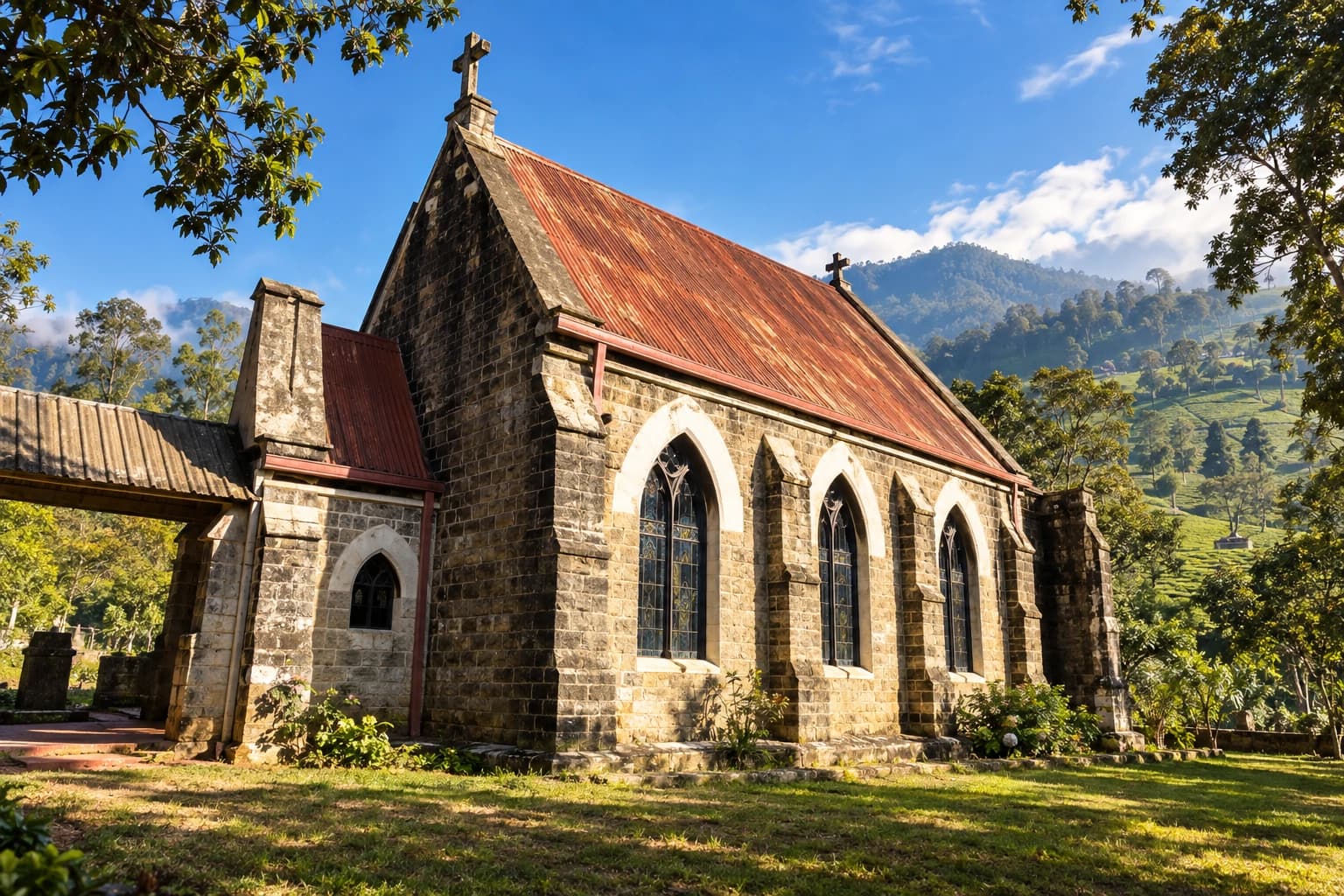

Matale Sri Lanka| is one of the most rewarding inland towns to explore between Kandy and Sri Lanka’s northern cultural routes. Many travellers pass through it quickly on the road to Dambulla, Sigiriya or the Knuckles region, stopping only for a spice garden or a temple visit. But Matale deserves more than a brief pause. It is an old route-town, shaped by spices, railways, hill-country movement, sacred sites, colonial resistance and the everyday life of inland Ceylon.
Colonial Matale does not look like Galle, Colombo or Nuwara Eliya. There are no grand sea ramparts, no formal harbour skyline and no carefully preserved “Little England” streets. Its colonial story is quieter and more practical. It appears in roads, railway tracks, old town streets, public buildings, plantation routes and the memory of the 1848 rebellion against British rule.
For visitors interested in colonial Sri Lanka, Matale is valuable because it shows how inland towns worked. It was not only the coast that mattered in Old Ceylon. Towns like Matale connected the Kandyan region to spice gardens, estates, railway lines, temple landscapes and northern trade routes.
Check our previous article- https://trippingsrilanka.com/stories/colonial-kandy-kingdom
Why Matale Matters in Colonial Sri Lanka
Matale lies north of Kandy, on the road towards Dambulla and the wider cultural triangle. That location made it important as a gateway town. Travellers, traders, officials, pilgrims and later railway passengers all moved through this corridor.
The town’s setting also shaped its economy. Matale’s intermediate elevation and rainfall helped support spice cultivation, while nearby lands were also associated with tea, rubber, cacao and other plantation crops. This gave Matale a different colonial identity from purely administrative towns. It was tied to agriculture, spice knowledge and inland movement.
In colonial Ceylon, such towns mattered because they linked the interior to wider systems of trade and administration. Matale was not a capital, but it was part of the structure that made British Ceylon function beyond Colombo and Kandy.
The Spice Route Identity of Matale
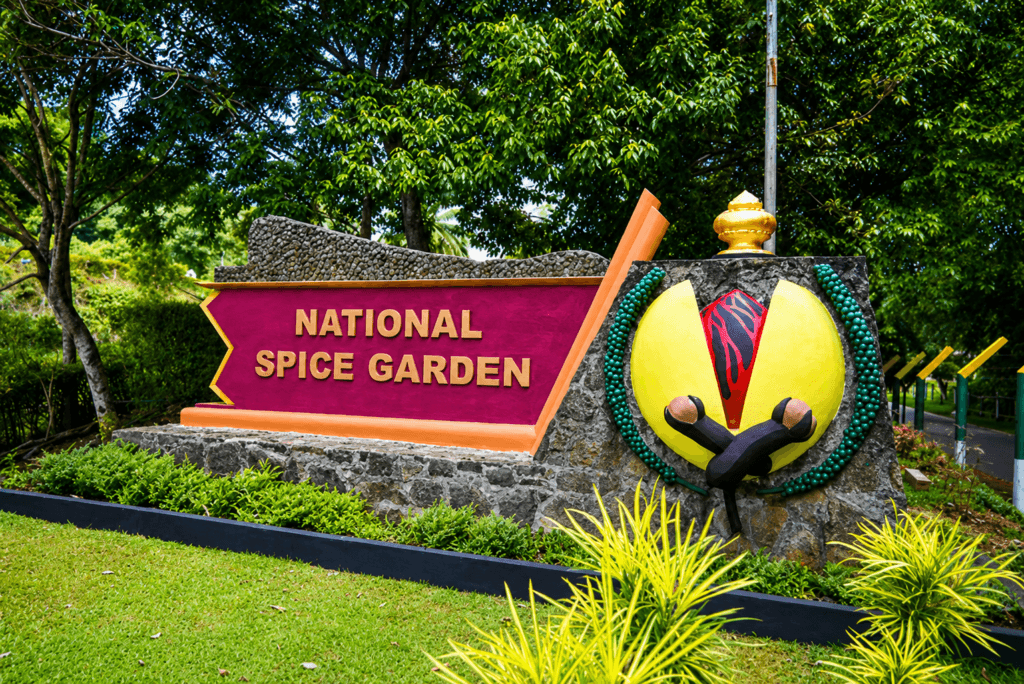
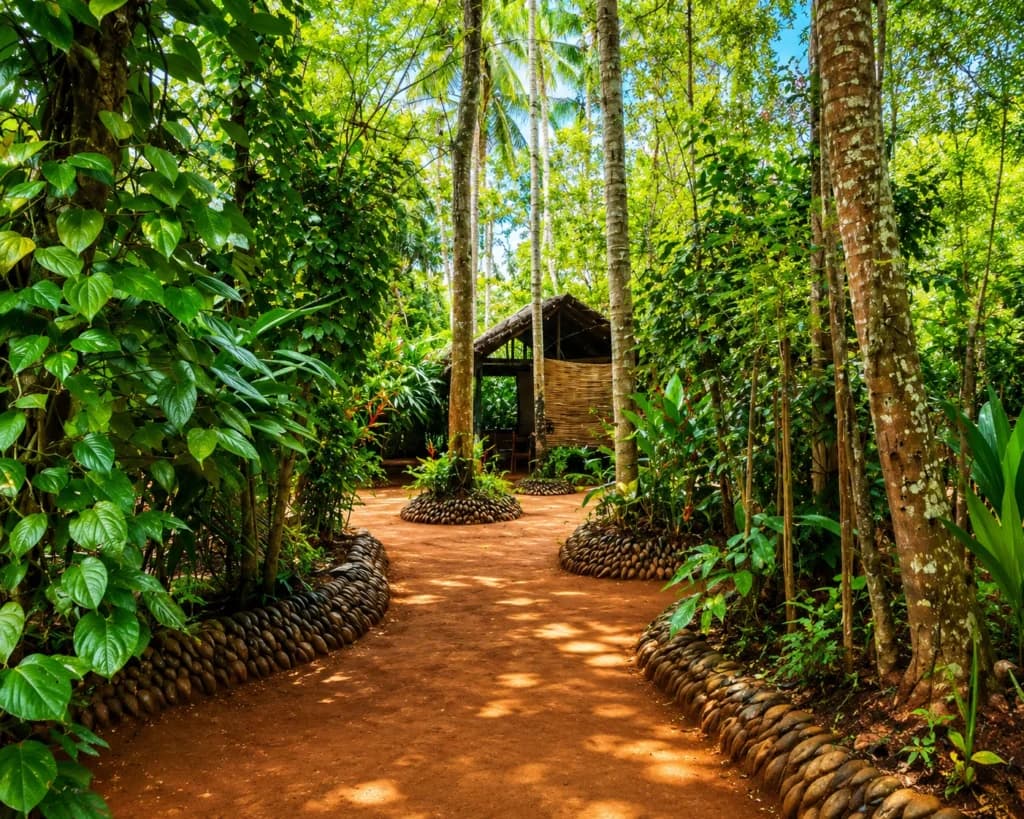
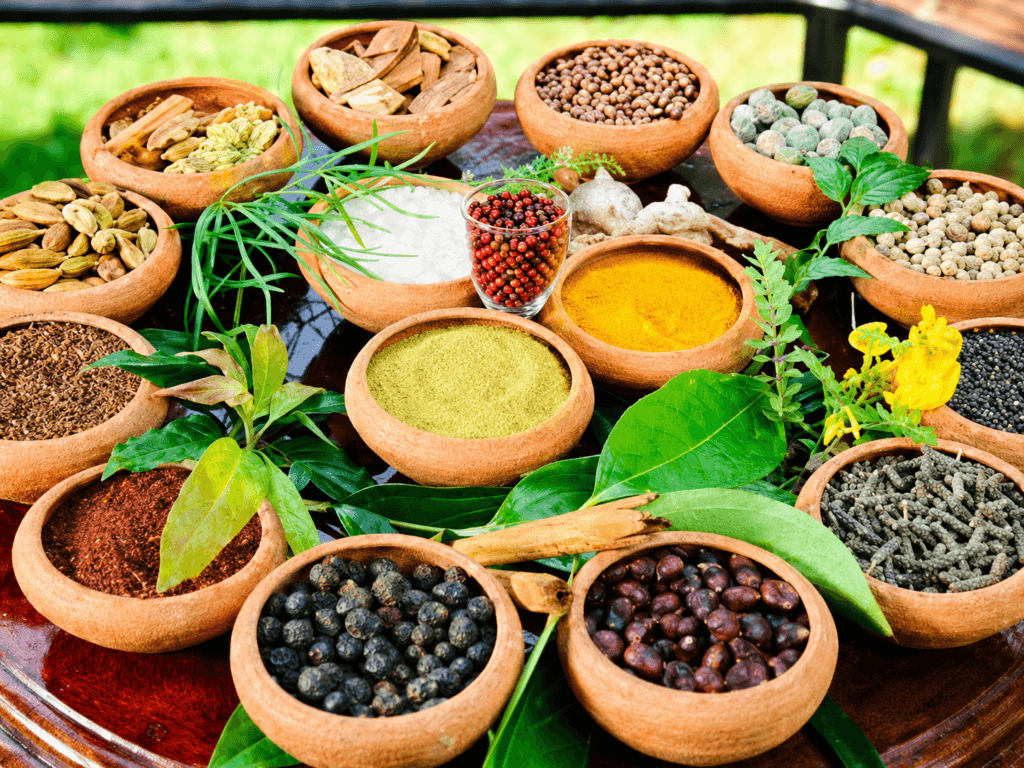
Matale is strongly associated with spices. Pepper, cinnamon, nutmeg, cloves, cardamom and other crops are commonly linked with the district’s agricultural identity. Today, spice gardens near Matale are a familiar stop for travellers moving between Kandy and Dambulla.
This spice identity is older than modern tourism. Sri Lanka’s spices attracted traders and colonial powers for centuries. European interest in Ceylon was deeply connected to cinnamon and other valuable natural products. While the coastal cinnamon trade is often discussed in relation to Colombo and the western littoral, inland regions like Matale also belonged to the broader spice geography of the island.
A visit to a Matale spice garden can therefore be more than a tourist demonstration. If approached thoughtfully, it becomes a way of understanding how plants, land, medicine, trade and colonial demand shaped the island. The smell of cinnamon bark, crushed pepper and nutmeg is part of Sri Lanka’s historical memory.
Matale as a Hill Country Gateway
Matale also works as a gateway between Kandy and the hill-country interior. Roads from the town lead towards Rattota, Riverston and the Knuckles region, while the main route continues north towards Dambulla and the ancient cities.
This position gives Matale a layered travel identity. It is close to Kandy’s royal and colonial world, but it also opens towards wilder mountain landscapes and older dry-zone routes. During the colonial period, road and rail links made this movement easier and more regular.
For slow travellers, Matale is useful precisely because of this in-between quality. It is not only a destination. It is a place of passage — and old route towns often preserve the most interesting traces of history.
Matale Railway Station and British Ceylon’s Transport Network
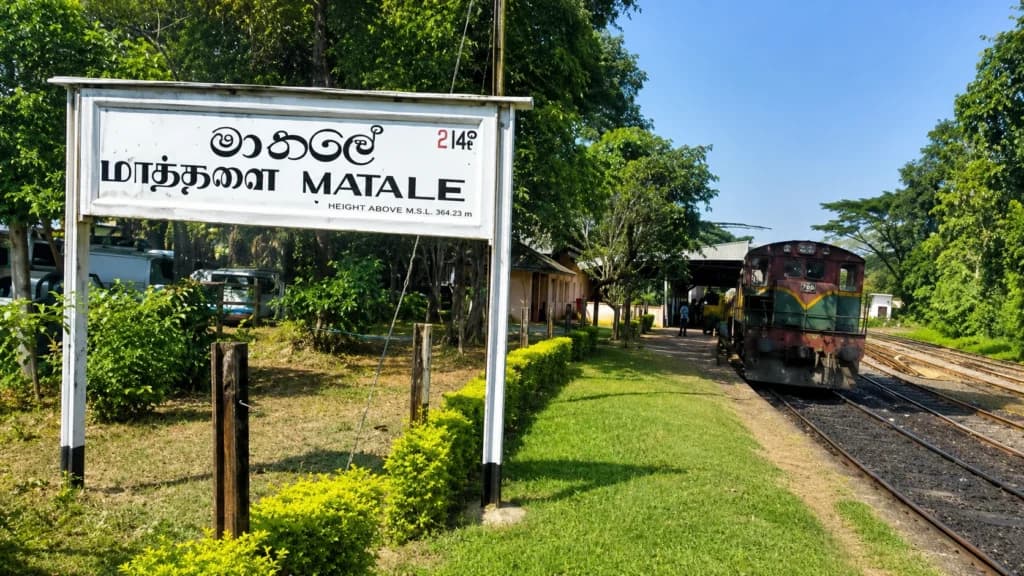
The railway gave Matale a strong colonial connection. Matale Railway Station became the terminus of the Matale Line, linking the town to Kandy and the wider railway system of British Ceylon.
Railways transformed inland Sri Lanka. They helped move produce, passengers, officials, mail and goods through difficult terrain. They connected plantation districts and agricultural towns to Colombo and other centres. For Matale, the railway made the town part of a wider colonial transport network.
Today, Matale Railway Station still has an old-world atmosphere. Its platforms, tracks and bilingual station signs create a quieter version of Sri Lanka’s railway heritage. It is not as famous as Ella or Nanu Oya, but it belongs to the same larger story of colonial movement through the island.
For travellers interested in Old Ceylon, the station is worth noticing. It shows that colonial heritage is not only found in forts and churches. Sometimes it is found in a working railway stop at the end of a branch line.
Matale Sri Lanka: Colonial Streets and Provincial Town Life
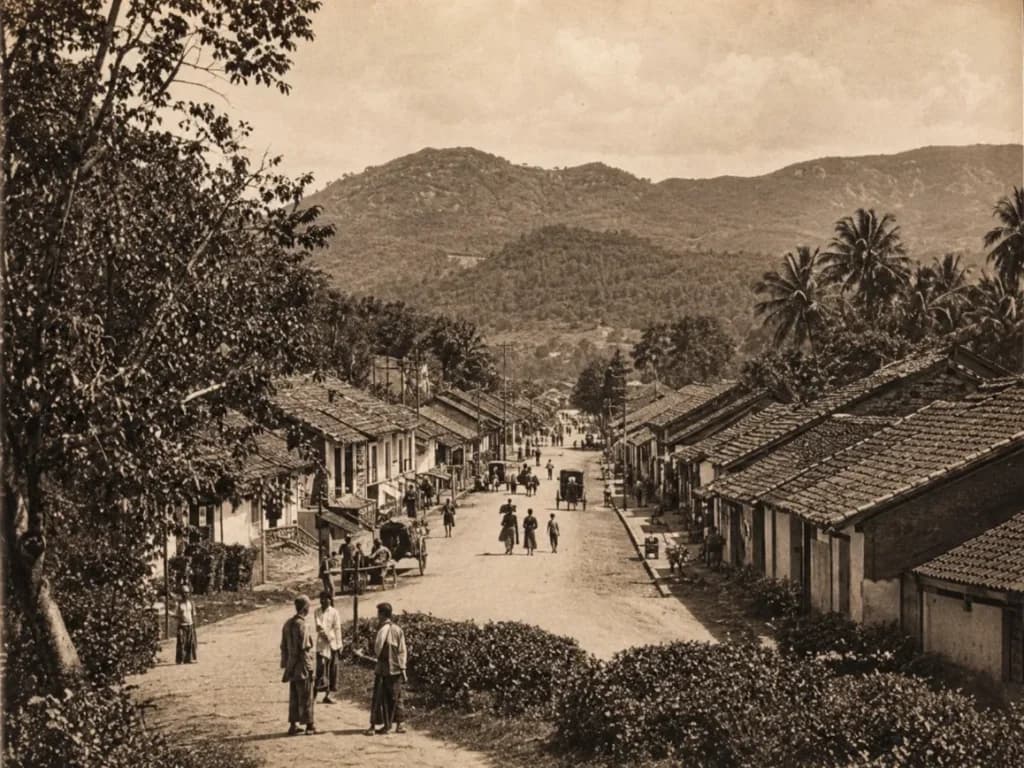
Matale’s town centre is busy, practical and lived-in. Shops, buses, small eateries, temples, schools and public buildings create the rhythm of an inland provincial town. At first glance, it may seem too modern or crowded to be historical. But Matale’s colonial character appears through its function as much as through its buildings.
During British rule, towns like Matale linked rural producers with government offices, courts, railways, markets and commercial networks. Their streets carried goods, petitions, tax records, estate supplies, religious processions and travellers moving between districts.
Walking through Matale today, the best approach is to look for fragments. Older shopfronts, institutional buildings, railway-era structures and the layout of roads all help reveal the town’s past. Colonial Matale is not a museum quarter. It is a working town with history still folded into daily life.
The 1848 Matale Rebellion
No article on colonial Matale is complete without the Matale Rebellion of 1848. This uprising against British rule was one of the most significant anti-colonial moments in 19th-century Ceylon. It was linked to anger over colonial taxation, hardship and the wider tensions that followed the British takeover of the Kandyan regions.
Leaders such as Gongalegoda Banda and Veera Puran Appu became central figures in the rebellion. The uprising involved attacks on colonial government establishments, including the Matale Kachcheri, and the destruction of tax records. The British responded with martial law and severe suppression.
This gives Matale a very different colonial memory from places associated only with architecture or leisure. Here, colonial history is also resistance history. The town was not merely administered by the British. It became a place where local people challenged colonial authority.
For history readers, this makes Matale especially important. It shows that inland colonial Ceylon was not passive. It was a landscape of pressure, protest, symbolic kingship and armed resistance.
Aluvihare Rock Temple: Older Than Colonial Matale
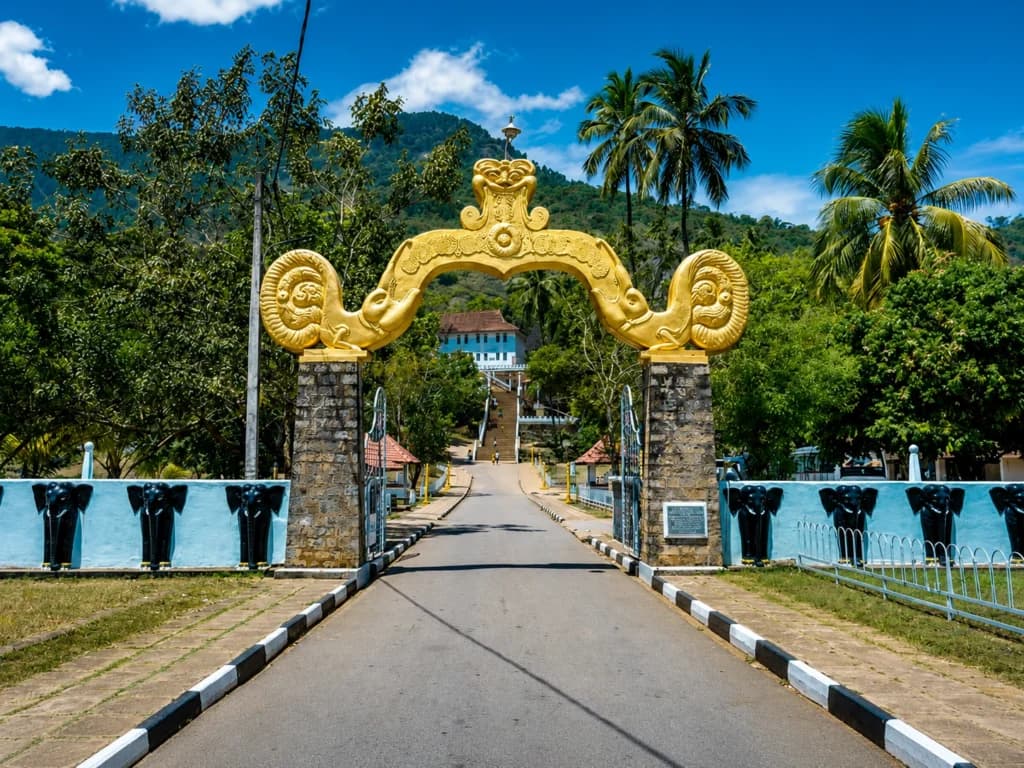
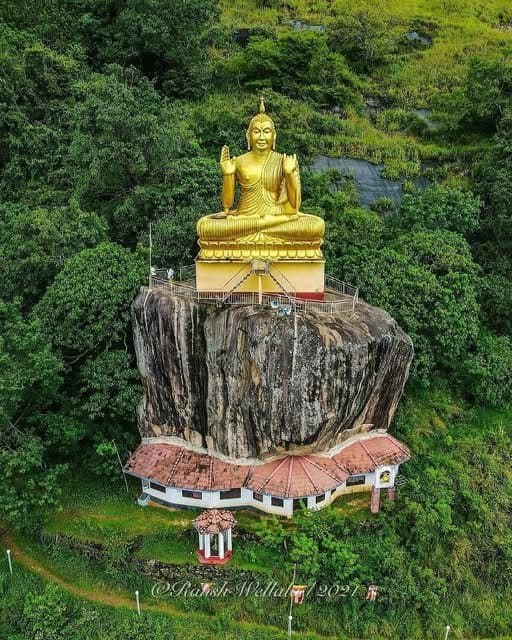
Matale’s history is much older than British rule. The nearby Aluvihare Rock Temple is one of the most important Buddhist sites in Sri Lanka. It is widely associated with the writing down of the Pali Canon, or Tripitaka, on palm leaves during the 1st century BCE.
This sacred site gives Matale a depth that colonial buildings alone cannot provide. Surrounded by hills and rock caves, Aluvihare reminds visitors that Matale was part of Sri Lanka’s Buddhist and literary history long before European empires entered the island.
For a balanced heritage visit, Aluvihare is essential. It helps visitors see Matale not only as a colonial route-town, but as a place where ancient religious learning, monastic life and national memory are deeply rooted.
Sri Muthumariamman Temple and Multicultural Matale
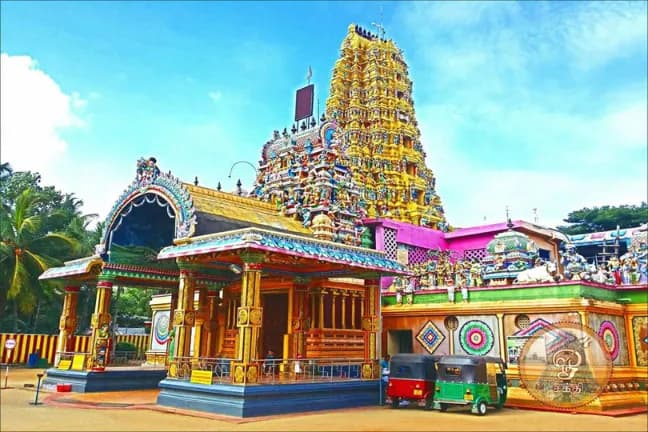
Another striking landmark in Matale is Sri Muthumariamman Temple. Its colourful gopuram rises above the town and gives Matale one of its most recognisable visual identities. The temple is dedicated to Mariamman, a goddess associated with rain and fertility, and its history reflects the Hindu and Tamil cultural presence in the town.
This is important because Matale’s heritage is not one-dimensional. The town’s history includes Buddhist sacred sites, Hindu temples, colonial institutions, spice gardens, plantation-era communities and anti-colonial resistance. Together, these layers make Matale more interesting than a simple travel stop.
For visitors, the temple adds colour, ritual and architectural drama to the town. It also reminds us that colonial-era inland towns were often multicultural spaces shaped by trade, labour, religion and migration.
Plantations, Gardens and the Colonial Economy
The areas around Matale have long been associated with agriculture. Spice gardens are the most visible expression for travellers, but the wider district has also been linked to tea, rubber, cacao, paddy and other forms of cultivation.
This agricultural identity matters to the colonial story. British Ceylon’s economy depended heavily on land, crops and transport. Plantations and gardens were not only rural scenery. They were part of a system that connected local labour, global demand and colonial infrastructure.
Matale’s spice gardens today can sometimes feel tourist-focused, but the underlying story remains important. They point to a long relationship between land and trade. For travellers interested in colonial Ceylon, spices should be understood not merely as souvenirs, but as part of the economic history of the island.
A Suggested Heritage Route Through Matale
A good Matale heritage route can begin at the railway station. From there, walk or drive through the town centre to observe its old provincial character. Continue to Sri Muthumariamman Temple, where the town’s multicultural heritage becomes visible.
After that, visit Aluvihare Rock Temple for the older sacred layer of Matale’s history. If time allows, add a responsible spice garden visit and continue towards Rattota or Riverston for the hill-country gateway experience.
This route works well for travellers moving between Kandy and Dambulla. Instead of treating Matale as a roadside stop, spend half a day exploring its layered identity. The town becomes far more meaningful when seen through spices, railway history, temple culture and colonial resistance.
Best Time to Visit Matale
Morning is the best time to explore Matale. The town is active, the weather is more comfortable and the light is better for photography at temples, the railway station and spice gardens.
Visitors should dress respectfully when entering religious sites. Aluvihare and Sri Muthumariamman Temple are active sacred spaces, not only tourist attractions. Comfortable shoes are useful, especially if walking through temple grounds or visiting cave areas.
Matale can be combined easily with Kandy, Dambulla, Sigiriya, Nalanda Gedige, Riverston or the Knuckles region. This makes it a flexible stop in both cultural and hill-country itineraries.
Why Matale Deserves More Attention
Matale deserves more attention because it tells a different story of colonial Sri Lanka. It is not a fort city, not a harbour town and not a hill-station resort. It is an inland route-town where spices, railways, temples, agriculture and resistance meet.
For history readers, colonial Matale offers a rich subject: British transport networks, the 1848 rebellion, plantation-era movement and the older sacred landscape around Aluvihare. For travellers, it offers an authentic stop between better-known destinations.
Matale also helps complete the map of Old Ceylon. Without towns like this, colonial history becomes too focused on coastal empires and grand buildings. Matale shows the inland workings of Ceylon — the roads, crops, stations, markets and people that held the island’s interior together.
Final Thoughts: The Inland Route Memory of Old Ceylon
Matale is a town of routes. Spice routes, railway routes, pilgrimage routes, plantation roads and hill-country gateways all pass through its story. That is what makes it special.
To visit Matale is to see colonial Sri Lanka in a quieter form. The history is not enclosed by ramparts or displayed in a single monument. It is spread across the town and its surroundings: a railway station, a temple street, a spice garden, a cave monastery, an old road towards the hills and the memory of rebellion.
For travellers willing to slow down, Matale offers one of Sri Lanka’s most layered inland heritage experiences. It is old, practical, fragrant, sacred and historically charged — a gateway town where the deeper routes of Ceylon still meet.
FAQs About Matale
Why is Matale important in colonial Sri Lanka?
Matale was important as an inland route-town connected to British-era railways, spice cultivation, plantation movement and the 1848 rebellion against colonial rule.
What is Matale famous for?
Matale is famous for spice gardens, Aluvihare Rock Temple, Sri Muthumariamman Temple, railway heritage and access to nearby hill-country and cultural sites.
Is Matale connected to the spice trade?
Yes. Matale is strongly associated with spice cultivation, including pepper, cinnamon and nutmeg, and spice gardens remain a popular part of the travel route through the town.
What happened in the Matale Rebellion?
The Matale Rebellion of 1848 was an uprising against British colonial rule, linked to taxation and hardship. It involved leaders such as Gongalegoda Banda and Veera Puran Appu and was severely suppressed by the British.
Is Matale worth visiting?
Yes. Matale is worth visiting for travellers interested in colonial Sri Lanka, spice routes, Buddhist heritage, Hindu temples, railway history and lesser-known inland towns.
Visit Us: https://trippingsrilanka.com/stories
More from Old Ceylon

Colombo Public Library at 100: The Names That Still Remain
The Toll Gate at the Bridge: When Travelling Across Ceylon Cost a Few Cents at a Time