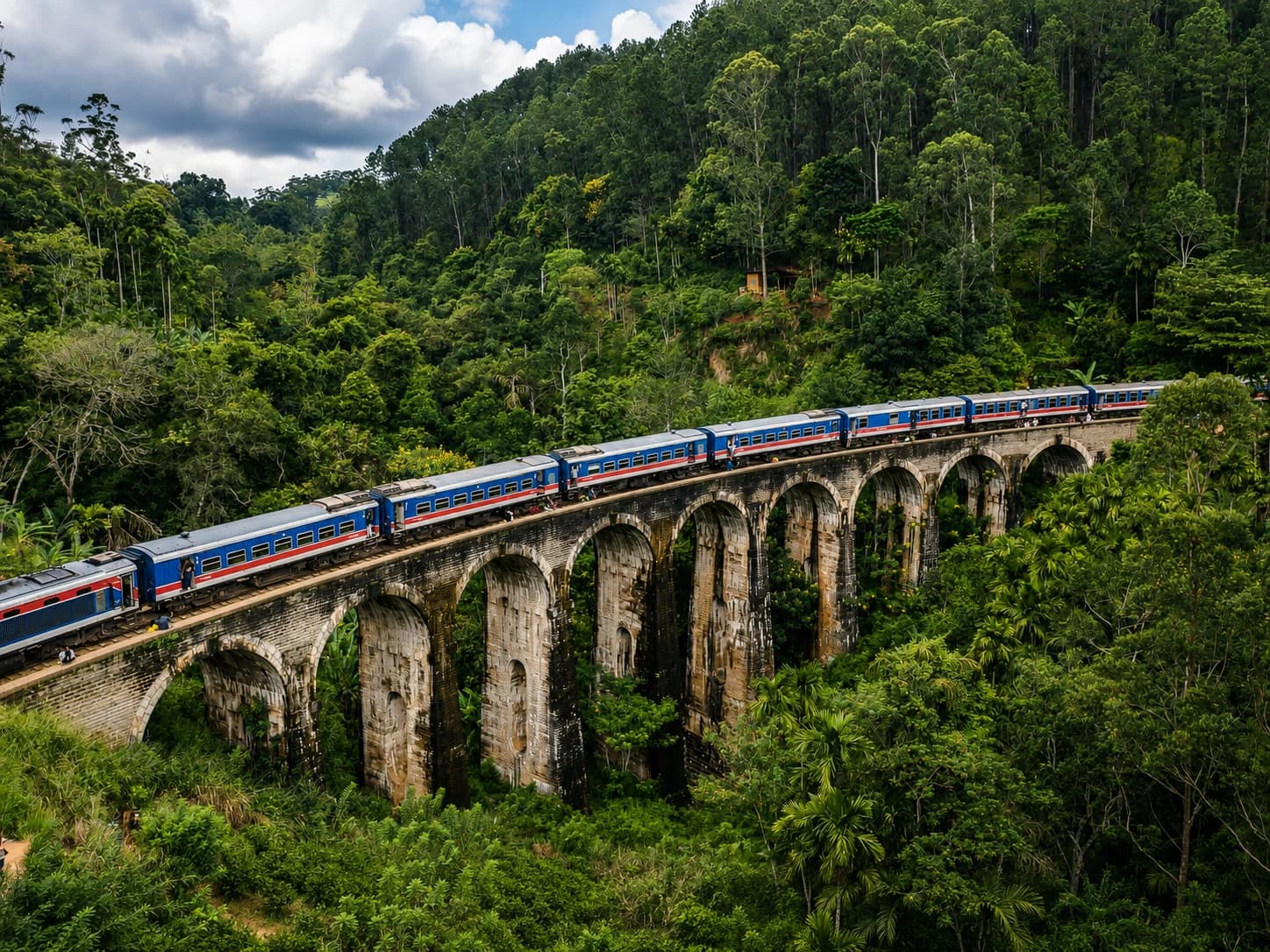
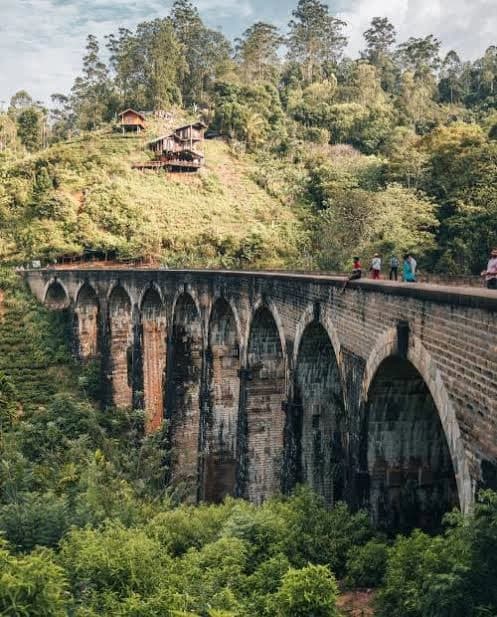
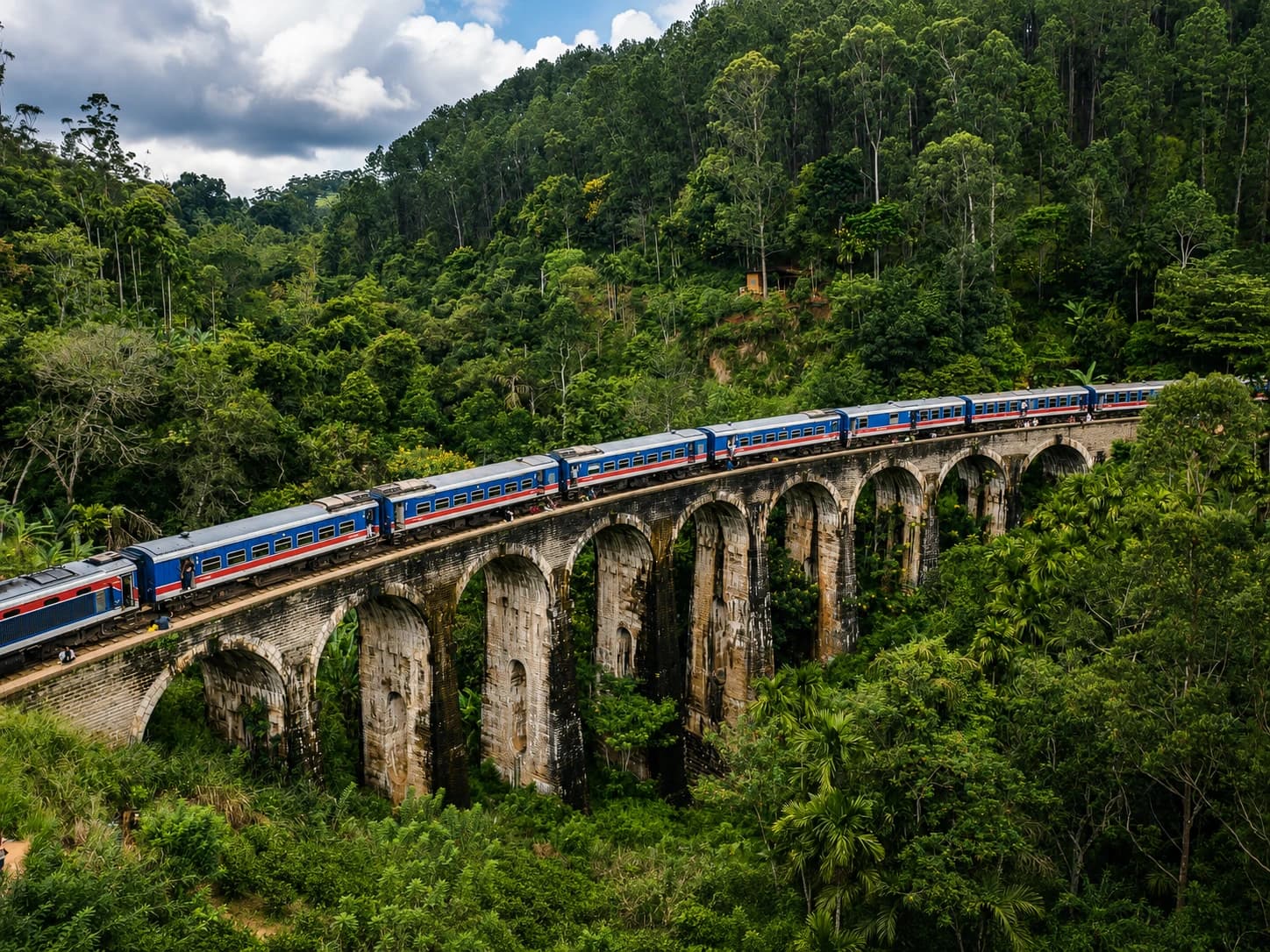
Rising above a deep, forested valley between Ella and Demodara, the Nine Arch Bridge is one of the most recognisable landmarks of Sri Lanka’s hill country. Its nine elegant arches, curved railway track and lush surroundings have made it a symbol of the island’s railway heritage.
Yet behind its picturesque appearance lies a remarkable story of colonial engineering, local labour and the expansion of the Ceylon Government Railway through some of the island’s most difficult terrain.
The bridge is often described as a stone-and-brick wonder built without steel. Historical engineering records, however, reveal a more detailed story. It was primarily a concrete railway viaduct, constructed with locally sourced stone and sand, British-manufactured cement and locally moulded sand-cement facing blocks.
Check our previous article- https://trippingsrilanka.com/stories/demodara-loop-sri-lankas-railway
The railway into the hills of Old Ceylon
The railway system of British Ceylon was developed during the nineteenth century to connect Colombo with the plantation districts of the interior.
The first train travelled between Colombo and Ambepussa in December 1864. The Main Line was gradually extended into the central highlands, reaching Kandy, Nawalapitiya, Nanu Oya and eventually Bandarawela. The final extension towards Badulla was completed in 1924.
The hill-country railway served the colonial plantation economy by connecting tea-growing districts with Colombo and its harbour. It also transformed travel across the island, carrying passengers, mail, government officials, estate workers and commercial goods through previously isolated mountain regions.
The Badulla Railway Extension began at Bandarawela, approximately 4,100 feet above sea level, and descended for about 20 miles through mountainous tea country towards Badulla. The difficult landscape required extensive rock cuttings, tunnels, culverts, bridges and viaducts.
Among these structures, the viaduct at Gotuwala became the most impressive.
Crossing the Gotuwala valley
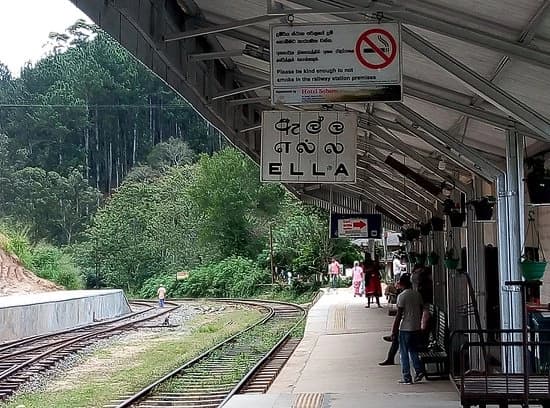
The Nine Arch Bridge is situated at Gotuwala, approximately one and a quarter miles from Ella railway station, on the railway towards Demodara.
Railway engineers faced several challenges at the site. The track had to cross a deep valley while following a sharp curve and maintaining a gradient that steam locomotives could safely manage.
The railway was built to a broad gauge of 5 feet 6 inches. At the bridge, the track follows a nine-degree curve and a ruling gradient of 1 in 44. These conditions influenced almost every part of the viaduct’s design.
Instead of using a straight steel bridge, the engineers designed a curved concrete viaduct consisting of nine semicircular arches.
Each arch has a span of approximately 30 feet and a radius of 15 feet. The complete viaduct measures roughly 400 feet in length, while the greatest distance from rail level to the bed of the stream below is approximately 100 feet and 6 inches.
The bridge’s impressive height and rhythmic series of arches created the appearance that the railway was passing through the sky, contributing to its later reputation as the Bridge in the Sky.
Check our previous article- https://trippingsrilanka.com/stories/uda-pussellawa-railway-blackpool
A concrete bridge—not simply a stone bridge
The Nine Arch Bridge is frequently described as having been built entirely from stone and brick without steel. Although steel was not used as the bridge’s principal structural framework, the original engineering report identifies it specifically as a concrete railway viaduct.
The foundations, piers and abutments were constructed using mass concrete made from broken stone, sand and cement. Stronger concrete mixtures were used for the arch blocks and projecting cornice blocks that supported the temporary timber framework during construction.
The exterior surfaces were faced with locally produced sand-cement blocks. These blocks were formed in moulds near the construction site, allowed to dry and then cured in water before being placed in the bridge.
Stone and sand were obtained from the surrounding area, while the cement was manufactured in Britain. Timber used for the arch centres and other temporary structures was made from imported Burmese teak.
The bridge therefore combined imported materials and colonial engineering practices with local resources and labour.
Building the nine arches
Constructing a large curved viaduct in the mountains of Old Ceylon was a demanding task.
Temporary wooden frameworks, known as arch centres, were erected between the piers. Concrete blocks were then placed over these supports to form the permanent arches. Each arch consisted of two rings of smaller blocks, making them easier to lift and position without heavy machinery.
Only limited mechanical equipment was available. The original account records the use of a concrete mixer, one crane and two derricks. Temporary platforms were constructed between the piers using railway rails that were bolted and braced together.
Accuracy was especially important because the railway crossed the bridge on a curve. Surveyors used a theodolite to establish the centre of every span and ensure that the arches aligned correctly with the track above.
Openings known as jack arches were also incorporated into the piers. These reduced the amount of material required while preserving the strength and stability of the structure.
Who designed and built the bridge?
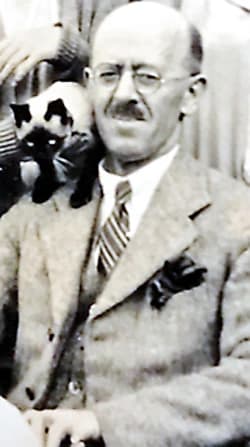
The surviving engineering record provides clearer information than many of the popular stories associated with the bridge.
The design was prepared by Harold Cuthbert Marwood, Executive Engineer of the Railway Construction Department of the Ceylon Government Railway. Marwood also supervised the work as the engineer responsible for that section of the railway.
His designs were approved by M. Cole Bowen, the Chief Construction Engineer for Railway Extensions.
The bridge was constructed entirely by local Ceylonese labour working under British supervision and direction. The Railway Construction Department managed the project, while local contractors supplied much of the workforce.
Construction began around 1917 and was completed in January 1919, according to Marwood’s original report. The viaduct had already carried railway traffic for approximately two years without settlement when his account was prepared.
This historical record is important because modern descriptions frequently give 1921 as the year of completion. The primary engineering document supports January 1919 as the construction-completion date, although railway services and surrounding sections of the extension opened in stages afterwards.
The legend of P. K. Appuhami
One of the most popular stories credits a local builder named P. K. Appuhami with constructing the bridge after British engineers supposedly abandoned the project.
According to different versions of the tale, Appuhami completed the bridge using stone, brick and cement, sometimes even demonstrating its strength by standing beneath it when the first train crossed.
Another familiar claim suggests that steel intended for the bridge was diverted to Europe during the First World War, forcing the builders to create the structure without a steel framework.
These stories have become part of the bridge’s cultural identity. However, they are not supported by the surviving 1923 engineering report. The document identifies Marwood as the designer and supervising engineer and explains the planned use of concrete blocks, foundations and arches. It does not record an abandoned steel design or identify Appuhami as the bridge’s designer.
Appuhami may have been associated with the local construction workforce or served as an experienced head mason, but no conclusive documentary evidence has yet established his precise role. The story should therefore be presented as local folklore rather than confirmed engineering history.
Local labour behind a colonial monument
Although the bridge was designed and supervised within the British colonial railway administration, its construction depended heavily on Ceylonese workers.
Local labourers cleared the site, prepared foundations, mixed concrete, moulded blocks, constructed temporary timber supports and worked at considerable heights above the valley.
Their names were largely absent from official engineering records, which concentrated on technical decisions and senior officers. Nevertheless, their skill and physical effort were essential to completing the structure.
The Nine Arch Bridge therefore represents both colonial engineering and the frequently overlooked contribution of local workers who built the railways, bridges and tunnels of Old Ceylon.
Tea, steam and the plantation railway
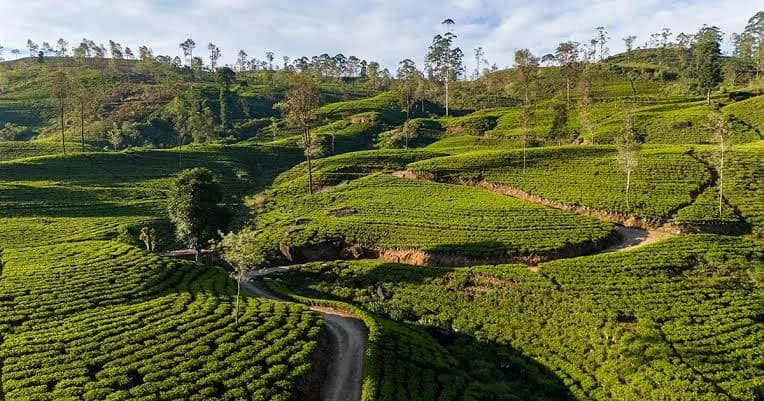
When the viaduct was completed, steam locomotives travelled through a landscape shaped by tea estates, plantation factories and colonial-era settlements.
The railway strengthened the connection between the Uva tea districts and Colombo. Tea could be moved more efficiently from the mountains towards the coast, helping the product marketed as Ceylon Tea reach international buyers.
At the same time, railway settlements developed around stations such as Ella, Demodara and Badulla. Station masters, guards, signalmen, engineers, clerks and maintenance workers became part of a growing railway community.
The bridge was therefore not built as a tourist attraction. It was an essential part of the transport infrastructure that supported the plantation economy and administrative system of British Ceylon.
A living railway monument
More than a century after its completion, trains continue to cross the Nine Arch Bridge as part of Sri Lanka’s operational Main Line.
Modern diesel trains now follow the route once travelled by steam locomotives, passing slowly across the curved viaduct before continuing towards Demodara and Badulla. Sri Lanka Railways continues to feature the bridge as one of the country’s most distinctive railway landmarks.
Unlike an abandoned ruin, the bridge remains a functioning piece of railway infrastructure. Its endurance demonstrates the quality of the original design, materials and workmanship.
Visitors must remember that the bridge and surrounding tracks are part of an active railway. Standing on the track, entering restricted areas or walking through nearby tunnels can be dangerous. The monument should be viewed from safe and authorised locations.
The enduring wonder of British Ceylon
The Nine Arch Bridge is celebrated for its graceful appearance, but its true importance lies in the engineering hidden beneath that beauty.
Its nine arches were carefully shaped to carry a broad-gauge railway across a steep valley while following a difficult curve and gradient. Its construction combined locally sourced materials, imported cement and timber, British engineering supervision and the labour of Ceylonese workers.
It is also a place where documented history and popular legend meet. Stories about missing steel and a heroic local builder continue to give the bridge a sense of mystery, while the original engineering report provides a more complex and equally fascinating account.
Today, the Nine Arch Bridge stands as a living monument to the railway age of Old Ceylon—a structure born from colonial ambition, constructed by local hands and preserved through more than a century of passing trains.
Visit Us: https://trippingsrilanka.com/stories
Heritage places mentioned
Nine Arch Bridge
More from Old Ceylon
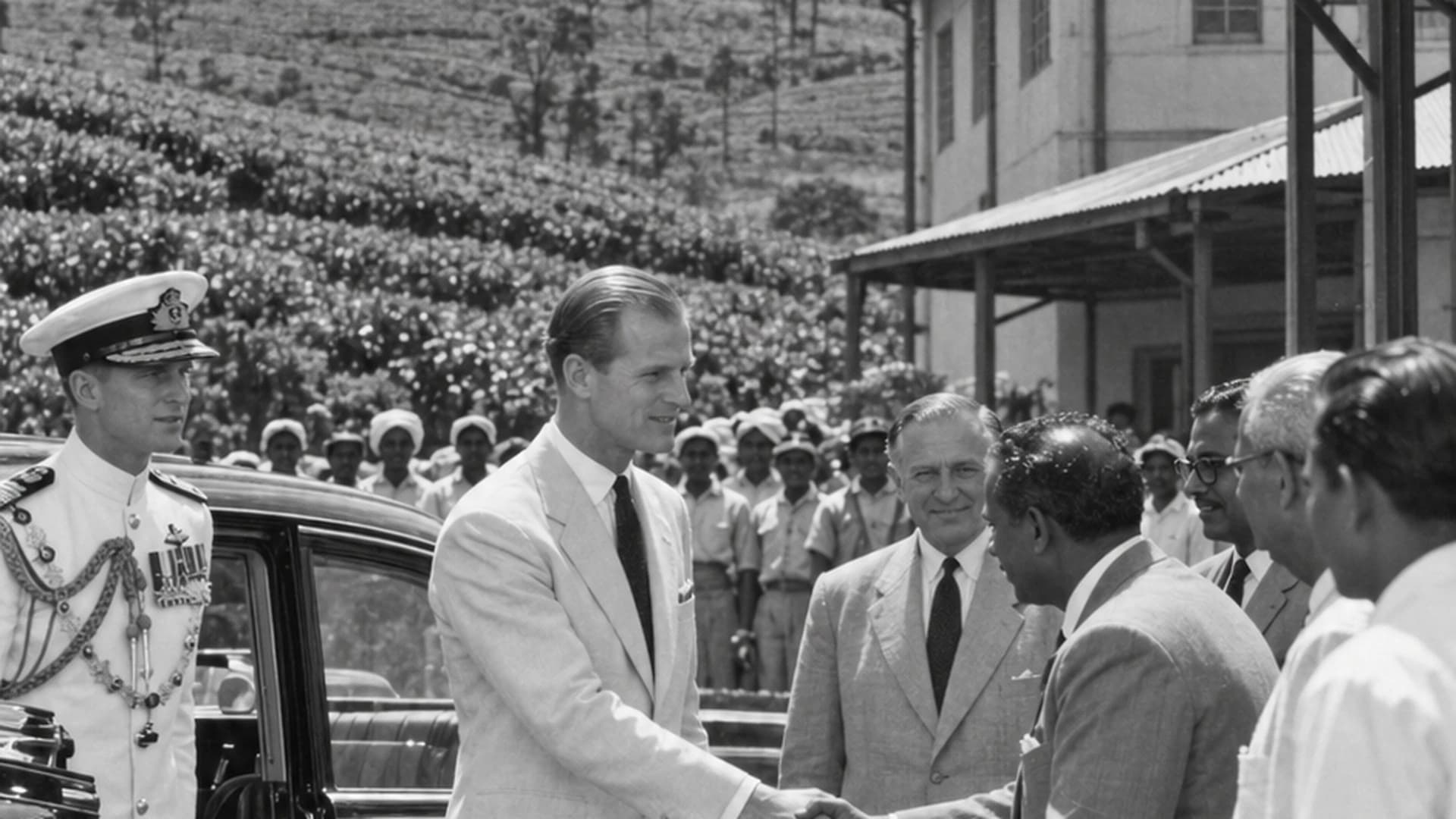
When Prince Philip Visited Pedro Estate: The Royal Visit That Became Part of Ceylon Tea History in 1954
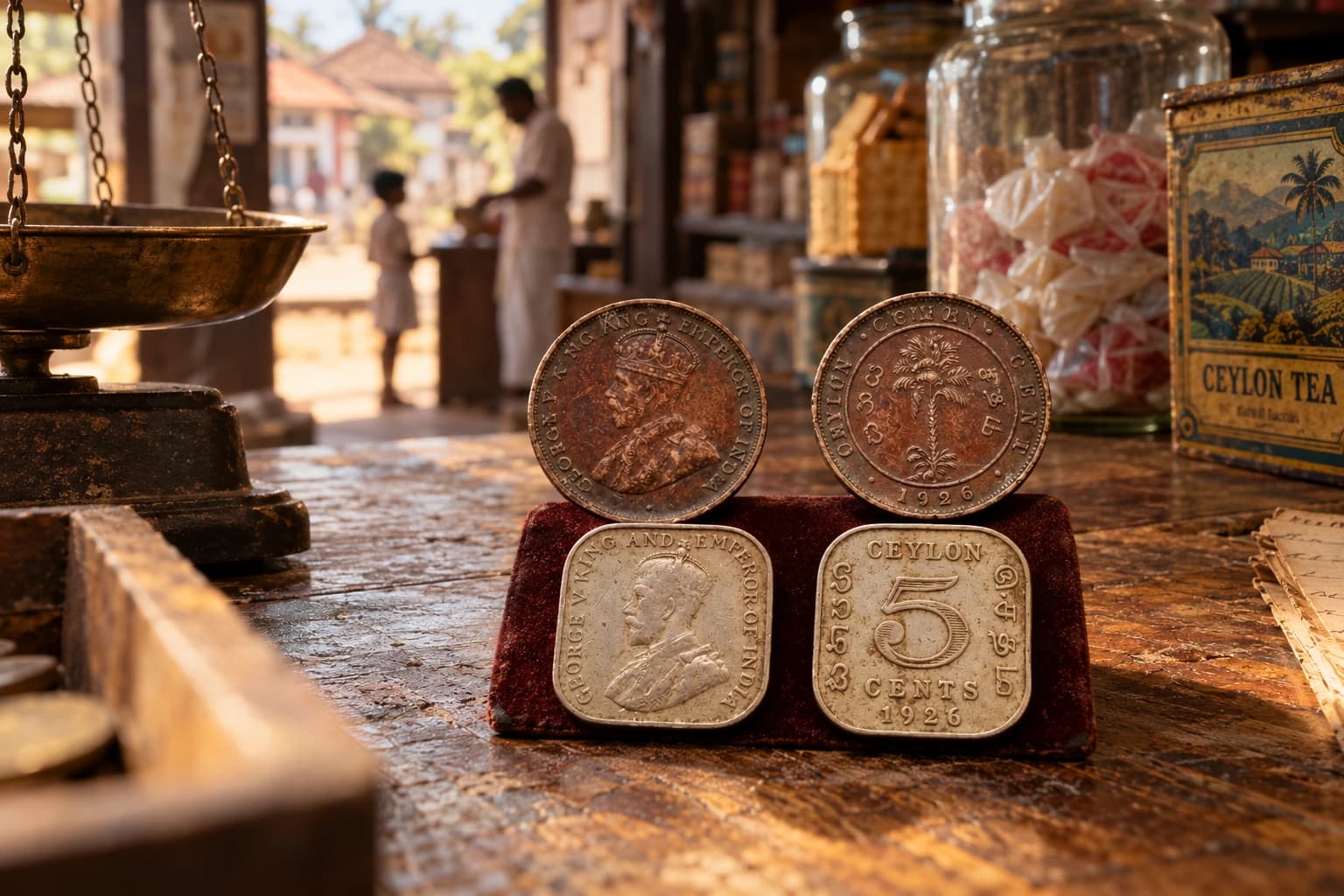
When Five Cents Mattered: The Forgotten Small Change of Old Ceylon